Recent Alpaca Travels

A Weekend in the Bahamas, Off Resort
Nassau’s marquee move is Atlantis: a dynamically priced $195-260 day pass for a water park you can skip and still have a better two days. The Bahamas is its own country, not a US state and not Puerto Rico, with Nassau as capital and the US dollar taken everywhere at par with the Bahamian dollar, so don’t bother exchanging money. A passport is all most visitors need now; the COVID-era...
read more
A Weekend in the UK, Off the Tourist Trail
Two days is nowhere near enough for the United Kingdom, a country of four nations, England, Scotland, Wales, and Northern Ireland, not to be confused with the Republic of Ireland next door, a separate country that uses the euro. This route doesn’t try to cover the UK; it stays entirely inside London, the capital, and swaps Buckingham Palace and the Changing of the Guard for the London that...
read more

A Weekend in Thessaloniki: Offbeat
Most weekend visitors head straight for the White Tower and never leave the waterfront. Flip that order. Thessaloniki’s better weekend starts inland, in the Roman ruins and stone lanes most itineraries save for a rushed afternoon, and saves the water for last. Greece’s second city, a working port with a genuine claim on the country’s food capital title, rewards that swap.
Day 1...
read more

A Weekend in Vatican City: Offbeat
Vatican City is the smallest country on Earth, about 44 hectares tucked entirely inside Rome, and you reach it the way you’d reach any other block in the city: no border control, no passport check, no visa specific to the place, just a walk across St Peter’s Square from wherever you’re staying, because there is nowhere to actually sleep inside its walls. St Peter’s Basilica...
read more

A Weekend in Zagreb, Off the Beaten Path
Two days in Zagreb is enough time to skip the highlight reel and dig into Croatia’s inland capital by its weirder edges: a WWII tunnel under the Upper Town, a museum built from other people’s breakups, and a cemetery arcade most itineraries never make room for. Croatia has run on the euro since 2023, not the kuna, and Zagreb sits well inland on the Sava River, hours from the Adriatic...
read more

A Weekend in Zimbabwe, Off the Beaten Path
Two days in Zimbabwe means Victoria Falls and its quieter corners, not a safari, that needs its own longer trip. Fly into Victoria Falls Airport (VFA), carry US dollar cash since the ZiG has been unstable since its April 2024 launch, and start malaria prophylaxis before you land, the Zambezi valley is a genuine risk zone. Push past the falls hub and the safari network opens up: see the 3-day ,...
read more

Anchorage Hidden Gems: 7 Unusual Spots
Anchorage is Alaska’s largest city and its main air, rail, and road gateway, not a scenic headliner in its own right. It holds roughly 40% of the state’s population, and the glaciers and wildlife that “Alaska” promises are day trips out of the city, not things downtown delivers. The city core genuinely fills 1-2 days. These seven spots skip the standard Coastal Trail...
read more
Astana Hidden Gems: 9 Unusual Things to Do
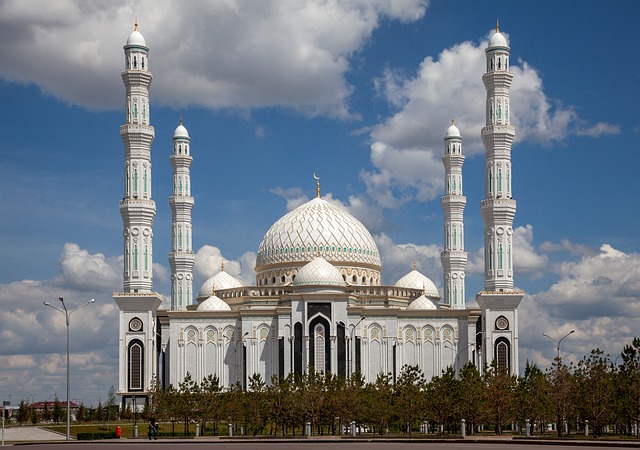
Astana already gets the postcard treatment: Bayterek’s gold-tinted orb, Norman Foster’s giant tent, a mosque built to hold ten thousand people at once. This guide steps past that loop on purpose. Astana, the purpose-built capital of Kazakhstan on the Ishim River, spent 2019 to 2022 as Nur-Sultan before reverting to its current name by presidential decree; today it runs on the tenge...
read more
Astana Off the Beaten Path: 4 Days
Four days in Astana is enough to work the left-bank landmarks with a genuinely offbeat spin, then get out of the city entirely. The first two days trade the standard photo stops for the Green Bazaar, a right-bank Soviet contrast, and a banya. The last two head into the steppe: a new 2.5-hour electric train to Burabay’s lakes, then the sober ALZHIR memorial on the way back. Astana, renamed...
read more
Astana Off the Beaten Path: 5 Days
Five days in Astana works because it doesn’t try to keep you in the city that long. Two days cover an offbeat spin on the left-bank landmarks, the Green Bazaar, and a right-bank Soviet contrast, then three days head into the steppe: a new 2.5-hour electric train to Burabay’s lakes, the sober ALZHIR memorial, and, seasonally, Korgalzhyn’s flamingos. Astana, renamed back from...
read more
Astana Off the Beaten Path: 6 Days
Six days in Astana is enough to work the offbeat city angles properly and still get two real trips into the steppe. The first two days cover the Nurzhol Boulevard icons, the Green Bazaar, a right-bank Soviet contrast, and a banya. Days three and four leave the city for a Burabay overnight, reachable since 2026 by a new electric train that cuts the trip to about 2.5 hours each way. Day five is the...
read more
Bahamas Off the Beaten Path: 4 Days
The Bahamas is an archipelago of roughly 700 islands scattered across the Atlantic off Florida, and Nassau, the capital on New Providence, is only the first stop, not the whole trip. It is its own country, not a US state and not Puerto Rico, and US dollars work everywhere at par with the Bahamian dollar, so there is no currency to change. A passport is the only paperwork required now; the...
read more
Bahamas Off the Beaten Path: 5 Days
The Bahamas is an archipelago of roughly 700 islands and cays scattered across the Atlantic off Florida, and this 5-day plan treats Nassau as the arrival bookend, not the whole trip. It is its own country, not a US state and not Puerto Rico, with Nassau as capital and US dollars taken everywhere at par with the Bahamian dollar, so there is no currency to change. A passport is the only paperwork...
read more
Bahamas Off the Beaten Path: 6 Days
Six days buys a real three-island trip if you accept that two of those days do double duty as transit: two days off-resort in Nassau, two days based on Staniel Cay in the Exumas for the swimming pigs and Thunderball Grotto, and two days on Harbour Island for the pink sand. The Bahamas is an archipelago of roughly 700 islands in the western Atlantic, its own country, not a US state and not Puerto...
read more
Bali for Repeat Visitors: 2 Day Plan
Two days for a repeat visit means skipping Ubud’s rice-terrace queues for the Sidemen valley and Amed’s black sand coast on Day 1, then driving back through the highlands past the UNESCO listed Jatiluwih terraces on Day 2. Nothing here repeats the Uluwatu Ubud circuit most first trips already cover.
For more time, the 3-day plan nests this exact route into a longer loop; the full week...
read more
Bali for Repeat Visitors: 3 Day Plan
Three days for a repeat visit gives the Sidemen valley and the Amed coast their own full days instead of a rushed morning stop, then pushes north into the Munduk highlands for a waterfall hike the standard Ubud and Uluwatu run never gets near. Nothing here repeats a first trip’s temple queues or rice-terrace photo stops.
The 2-day version crams Sidemen, Tirta Gangga and Amed into one day...
read more
Bali for Repeat Visitors: 4 Day Plan
Four days is enough to skip the Ubud-Uluwatu circuit entirely and still come home with a real loop: the Sidemen valley, the east coast at Amed and Tirta Gangga, the Munduk highlands with Jatiluwih’s UNESCO terraces, and a Nusa Penida day trip. This is not a longer version of a first Bali trip. It swaps the sights a first-timer’s itinerary already covered for the ones it never reached,...
read more
Bali for Repeat Visitors: 5 Day Plan
Five days for a repeat visit is enough to give the Sidemen valley, the Amed coast, the Munduk highlands, and the Jatiluwih terraces a full day each, then close with a Nusa Penida day trip. None of it touches Ubud’s monkey forest queue or the Uluwatu cliff crowds; a second or third Bali trip has already seen both.
This route extends the 4-day plan , which folds Munduk and Jatiluwih into one...
read more
Bali for Repeat Visitors: 6 Day Plan
Six days for a repeat visit means a full day each in Sidemen, the Amed coast and the Munduk highlands, a day at Jatiluwih’s UNESCO terraces pushing on to Tabanan and Tanah Lot, then a two-day Nusa Penida overnight instead of a rushed day trip. None of it touches Ubud’s monkey forest or Uluwatu’s cliffs.
This route extends the 4-day plan , which already covers Sidemen, Amed and a...
read more
Bali for Repeat Visitors: 7 Day Plan
Seven days for a repeat visit means the same eastern-and-highland spine as the shorter plans, stretched with a full detour to Lovina’s north coast on Day 3, a slower two-night stay on Nusa Penida instead of a rushed day trip, and a genuinely empty last day. None of it revisits Ubud’s monkey forest or Uluwatu’s cliffs.
This route extends the 6-day plan , which already reaches...
read more
Bali Like a Local: 9 Offbeat Corners
Bali is an island province of Indonesia, not a country, and most first trips never leave the Kuta-Seminyak-Ubud triangle plus a rushed stop at Tegallalang’s rice terraces. That triangle is fine once. It is not the island. These 9 corners, a highland valley, a black-sand dive coast, a walled village, and the terraces that actually carry the UNESCO listing Tegallalang gets credit for, sit an...
read more
Bali: What Most Visitors Miss
Bali is an island and a province of Indonesia, not a country and not a single resort strip. That is the first thing most visitors miss, and it shapes everything after it: a week spent circling Ubud, Kuta, Seminyak and Canggu covers a small, dense corner of an island that runs about 140km east to west. The visitors who feel like they saw Bali on a first trip usually skipped the tourist levy...
read more
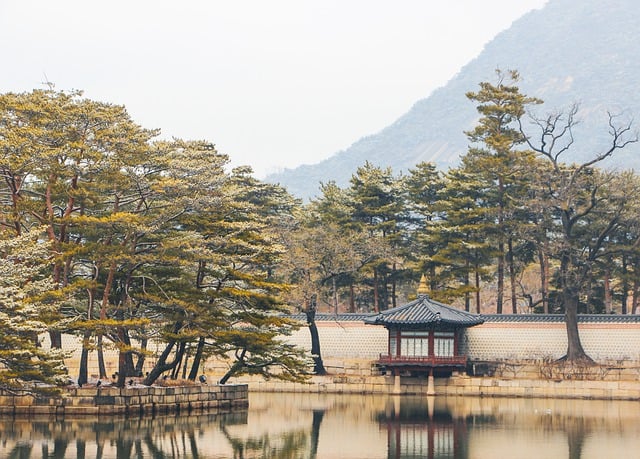
Beyond Seoul: Unusual South Korea Day Trips
Seoul makes an excellent base and an unusually good excuse to leave it. South Korea’s capital sits on the Han River with a KTX line running south to two former dynastic capitals, a UNESCO fortress forty minutes away, and the world’s most-watched border ninety minutes north. Pack a T-money card, load Naver Map or KakaoMap instead of Google Maps (it still does not give reliable walking...
read more
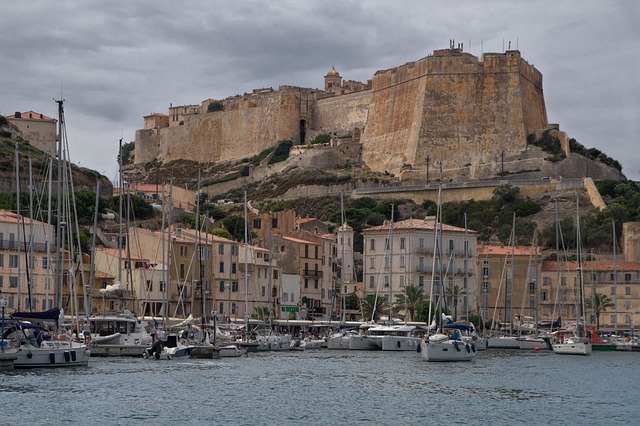
Bonifacio Hidden Gems: 7 Unusual Spots
Bonifacio is the limestone clifftop citadel town at the southern tip of Corsica, France, above the strait that separates the island from Sardinia. This is not Bonifacio Global City in Manila and not a town in Bohol, that BGC is a business district on the other side of the world. The Corsican original is small, roughly 3,000 residents, and its old town walks in half a day to a day, which makes it...
read more

Burkina Faso Off the Beaten Path: 4 Days
The offbeat move for Burkina Faso in 2026 is not a secret market or a back-alley bronze workshop, it is skipping the trip. The US State Department rates the country Level 4, Do Not Travel, its highest tier, in an advisory dated 4 May 2026, and the UK Foreign Office advises against all travel to the whole country, with no safer region carved out anywhere, not even the capital. A jihadist...
read more
Burkina Faso Off the Beaten Path: 5 Days
Five days in Burkina Faso does not buy five days of sightseeing. The US State Department rates the country Level 4, Do Not Travel, its highest tier, and the UK’s FCDO advises against all travel to the whole country, with no exception for the capital. The honest answer to “should I go” is no, unless you are already travelling for work, family, or aid duty. This plan spends the...
read more
Burkina Faso Off the Beaten Path: 6 Days
Six days in Burkina Faso does not buy you more country, it buys you more honesty about why the country stays off the map. The US State Department rates Burkina Faso Level 4, Do Not Travel, its highest tier, in an advisory dated 4 May 2026, and the UK Foreign Office advises against all travel to the entire country, with no regional exception, not even the capital. JNIM, the al-Qaeda-linked...
read more
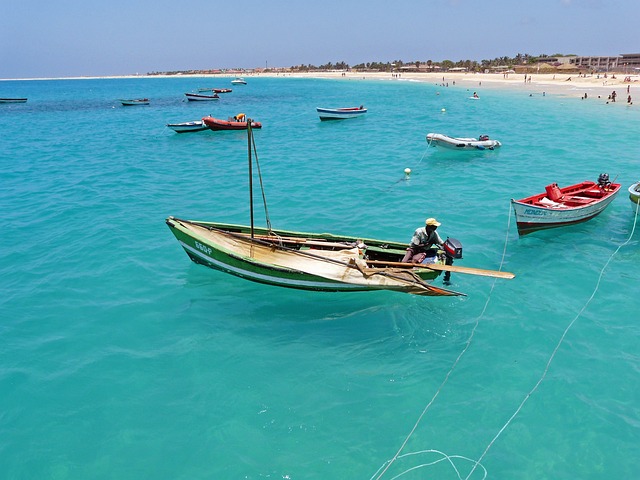
Cape Verde Off the Beaten Path: 4 Days
Cape Verde is ten volcanic islands, not one landmass, so four days works best as one connected pair: São Vicente’s Mindelo, home of morna and Cesária Évora, then Santo Antão’s ribeira trails across the roughly hour-long Mindelo to Porto Novo ferry. Want a different length? The 2-day , 3-day , 5-day , 6-day and 7-day plans stretch this same pairing or add a third island by flight.
Book...
read more
Cape Verde Off the Beaten Path: 5 Days
Cape Verde spreads across ten volcanic islands, so five days means one linked pair, not a tour of the map. This route pairs São Vicente’s Mindelo, the country’s music capital, with Santo Antão’s ribeira hiking next door, crossing on the roughly 60-minute ferry instead of a flight. Want less time on the road? The 2-day , 3-day and 4-day plans stay on a single island. Want a second...
read more
Cape Verde Off the Beaten Path: 6 Days
Cape Verde is ten warm, wind-swept volcanic islands, not one landmass, and six days is roughly where the classic Mindelo-Santo Antao ferry pairing can honestly stretch to a third island: two nights in Sao Vicente’s Mindelo, two days hiking Santo Antao, then a Cabo Verde Airlines hop through the Sal hub to Fogo for the volcano climb and its crater-grown wine. Want to stay closer to one...
read more

Central African Republic: 2 Offbeat Days
Two days in the Central African Republic is not a city break, and this itinerary will not dress it up as one. The US State Department rates the country Level 4, Do Not Travel, its highest tier, citing unrest, crime, kidnapping, landmines and terrorism. The UK’s FCDO advises against all travel to the whole country outside Bangui, and against all but essential travel to Bangui itself, airport...
read more
Central African Republic: 3 Offbeat Days
Three days in the Central African Republic does not stretch into a second region, and this itinerary will not pretend otherwise. The US State Department rates the country Level 4, Do Not Travel, its highest tier, citing unrest, crime, kidnapping, landmines and terrorism. The UK’s FCDO advises against all travel to the whole country outside Bangui, and against all but essential travel to...
read more
Central African Republic: 4 Offbeat Days
Four days is the shortest trip where the Central African Republic’s one genuine draw, the Dzanga-Sangha forest reserve, actually fits, and this itinerary will not dress the country up as a normal safari destination to get there. The US State Department rates CAR Level 4, Do Not Travel, its highest tier, citing unrest, crime, kidnapping, landmines and terrorism. The UK’s FCDO advises...
read more
Central African Republic: 5 Offbeat Days
Five days is enough to do the Central African Republic’s Dzanga-Sangha core properly instead of forcing a single choice, and this itinerary will not pretend that comes without conditions. The US State Department rates CAR Level 4, Do Not Travel, its highest tier, citing unrest, crime, kidnapping, landmines and terrorism. The UK’s FCDO advises against all travel to the whole country...
read more
Central African Republic: 6 Offbeat Days
Six days is the shortest length in this family where the Central African Republic’s two genuine draws, Boali Falls and the Dzanga-Sangha forest reserve, both fit without forcing a choice, and this itinerary will not dress that up as a normal holiday. The US State Department rates CAR Level 4, Do Not Travel, its highest tier, citing unrest, crime, kidnapping, landmines and terrorism. The...
read more
Central African Republic: 7 Offbeat Days
Seven days in the Central African Republic is the fullest version of a trip that is never a normal holiday, and this itinerary will not soften that to justify the extra days. The US State Department rates CAR Level 4, Do Not Travel, its highest tier, citing unrest, crime, kidnapping, landmines and terrorism. The UK’s FCDO advises against all travel to the whole country outside Bangui, and...
read more

Curitiba Hidden Gems: 9 Unusual Things to Do
Curitiba is not the humid, beach-postcard Brazil you are picturing. It sits on a plateau roughly 900 meters up in the far south, cool enough for real winter frost and fog, and there is no beach anywhere inside the city limits; the coast is a scenic train ride away. What it has instead is a city built around parks, a pioneering glass-tube bus network copied by roughly 200 cities worldwide, and...
read more
Curitiba Off the Beaten Path: 4 Days
Four days in Curitiba splits cleanly into two halves: two days inside the city on its actual weirdness, a wire opera house built in a flooded quarry and buses you board like a subway, then two days leaving town entirely for a train ride and a field of 300-million-year-old rock towers most itineraries never reach. Doing less? The 2-day plan covers Day 1 and 2 only, and the 3-day version adds just...
read more
Curitiba Off the Beaten Path: 5 Days
Five days is where Curitiba stops being a quick design detour and turns into a proper regional trip. Two days cover the city’s actual weirdness: a wire opera house built in a flooded quarry, buses you board like a subway, and immigrant neighborhoods most visitors never find. Day 3 rides the Serra Verde Express down to Morretes and Antonina for barreado. Day 4 is Vila Velha’s...
read more
Curitiba Off the Beaten Path: 6 Days
Six days is the offbeat maximum for Curitiba: two days on the city’s actual design weirdness, then four days of real day trips most itineraries never attempt in one go, a Morretes-and-Antonina train day, Vila Velha’s sandstone towers, and an Ilha do Mel overnight. Doing less? The 2-day , 3-day , 4-day , and 5-day plans cover progressively less of the day-trip set. Doing more, the 7-day...
read more
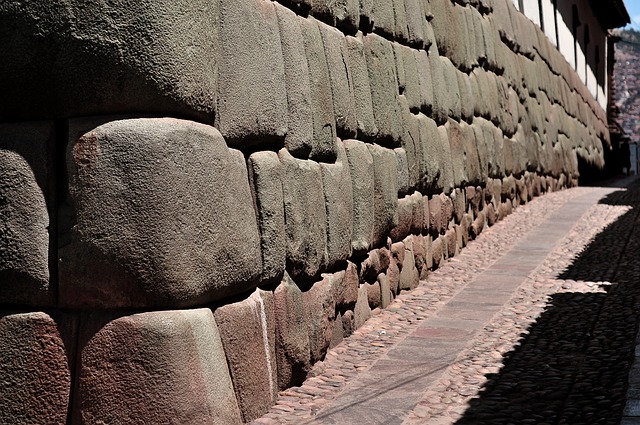
Cuzco Hidden Gems: 9 Unusual Things to Do
Most Cuzco lists cover the same five stops in the same order: Plaza de Armas, Qorikancha, San Blas as a photo backdrop, Sacsayhuaman from the road, then a Sacred Valley tour that hits Pisac and Ollantaytambo before dinner. None of that is wrong, it just leaves out the layer underneath it. These nine sit in that layer: San Blas’s actual workshops rather than its viewpoints, the walking trail...
read more
Cuzco Off the Beaten Path: 4 Day Itinerary
Four days in Cuzco covers this offbeat route’s whole spine, not a rushed preview of it. Day one and two look close to the 2-day version of this same plan: San Blas’s actual workshops instead of its viewpoints, then the Sacred Valley away from Pisac’s tour buses. Day three is a real fork, the little-visited Southern Valley if Machu Picchu is not booked, or Machu Picchu itself if...
read more
Cuzco Off the Beaten Path: 5 Day Itinerary
Five days in Cuzco is enough to stop forking between the Southern Valley and Machu Picchu, the compromise the 4-day version of this route has to make. The verdict: this is the shortest length of this plan that gets you the offbeat city, a full Sacred Valley day, the quiet Southern Valley on its own, and a fourth day built for either Machu Picchu or a genuine trek sample, without cutting anything...
read more
Cuzco Off the Beaten Path: 6 Day Itinerary
Six days in Cuzco is enough to stop squeezing this region’s forks together. This plan gives the Southern Valley, a Machu Picchu-or-hike fork, and a slow recovery day their own separate days instead of stacking them, then closes with a genuinely overlooked stop most six-day trips never reach. It builds on the 5-day itinerary rather than repeating its ground from scratch. Staying a different...
read more
Cuzco: What Most Visitors Miss
Most Cuzco itineraries hit the same three stops: Plaza de Armas, Sacsayhuaman from the road, and one rushed day at Machu Picchu. All three are worth doing. None of them cover what actually rewards a slower look, the quiet ruins strung past Sacsayhuaman, the workshops above San Blas’s postcard corner, and a Southern Valley that sees a fraction of Pisac’s coach traffic. The bigger miss...
read more
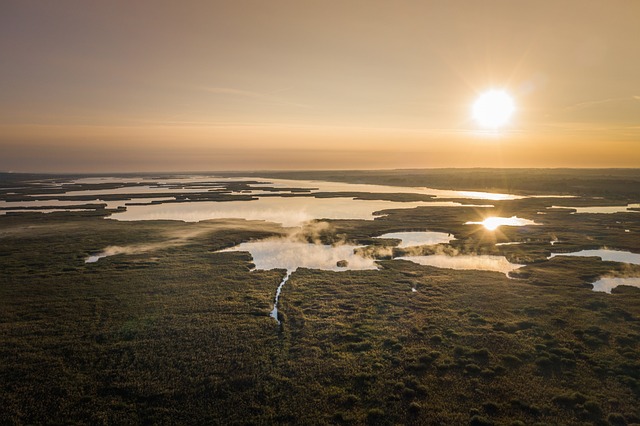
Hungary Off the Beaten Path: 4 Days
Four days in Hungary buys you two full days working Budapest’s odder corners, plus a day out to Szentendre’s art scene and, on the last day, a wine region the two and three day plans do not have room for. Skip Gellert (closed for renovation since October 2025, not reopening before 2028), skip the funicular fee on Castle Hill, and trade a second afternoon in the center for Eger’s...
read more
Hungary Off the Beaten Path: 5 Days
Five days in Hungary is enough to do Budapest properly and still get out of it, which is the part most itineraries skip. Two days cover the city the offbeat way (Rudas over the still-closed Gellert, ruin bars, Memento Park’s toppled statues), then three days actually leave town for the Danube Bend, Eger’s wine cellars and Lake Balaton’s quieter side. Doing fewer days or more?...
read more
Hungary Off the Beaten Path: 6 Days
Six days in Hungary is enough to work Budapest’s odder corners for two days, then run four separate day trips out of the same hotel room: the Danube Bend, Eger’s wine cellars, Lake Balaton, and Pecs down near the Croatian border. That is a genuine hub-and-spoke week, not a moving itinerary, so expect real train time most afternoons and no packing up between towns. Hungary sits in the...
read more
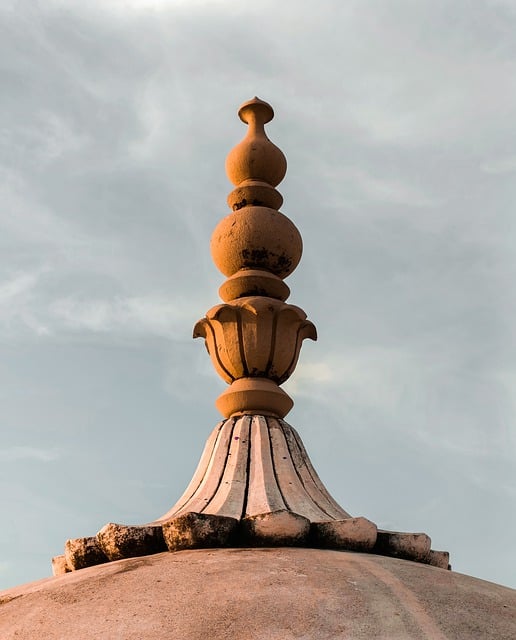
Jodhpur Hidden Gems: 9 Unusual Things to Do
Jodhpur is not Jaipur’s pink sandstone or Jaisalmer’s golden fort town, and it should stop apologizing for that. This is the Blue City: a dense old town of indigo-washed houses stacked directly under Mehrangarh Fort, on the dry eastern edge of the Thar Desert, no lake resort and no beach anywhere near it. Every guide sends you straight to the fort, Jaswant Thada and the Clock Tower,...
read more
Jodhpur Off the Beaten Path: 4 Days
Four days is enough to clear Jodhpur’s Blue City core at an unrushed pace and still add one real desert day beyond the fort walls, the part a rushed weekend skips entirely. Days 1 and 2 work through Mehrangarh Fort and the blue backstreets, Day 3 adds Mandore Gardens and a cooking class, and Day 4 is a car-and-driver run out to Osian’s temples and dunes. Only got a weekend? The 2-day...
read more