Recent Alpaca Travels

A Long Weekend in Burkina Faso: Offbeat
A long weekend usually means a lie-in, a day trip, maybe a third night added just because you can. The offbeat fact about Burkina Faso is not a hidden waterfall or a back-street cafe, it is that the US State Department rates the country Level 4, Do Not Travel, its highest tier, and the UK’s FCDO advises against all travel to the entire country with no exception carved out for the capital.
read more
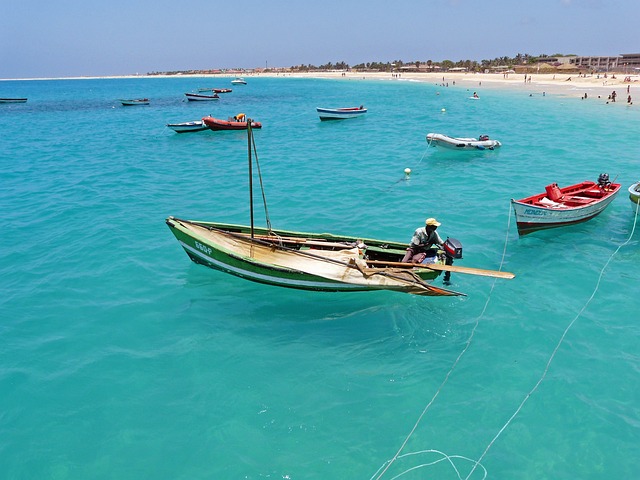
A Long Weekend in Cape Verde: Offbeat
Sal’s postcard shot is Santa Maria’s beach, but this offbeat 3 day plan spends most of its daylight elsewhere on the same island: Palmeira’s working fishing harbour on the west coast, the Buracona sinkhole locals call the blue eye, and the Pedra de Lume salt crater where you float rather than swim. Cape Verde is a 10 island Atlantic archipelago, so this whole trip stays put on...
read more

A Long Weekend in Curitiba: Offbeat
Three days in Curitiba is enough to notice this city was built on purpose, then to eat your way through the people who built it. Forget the sunny-Brazil postcard: there is no beach here, and the plan below spends Day 1 on deliberate architectural weirdness (a wire opera house inside a flooded quarry, an eye-shaped museum annex, glass bus tubes everyone else copied), Day 2 tracing German, Polish,...
read more
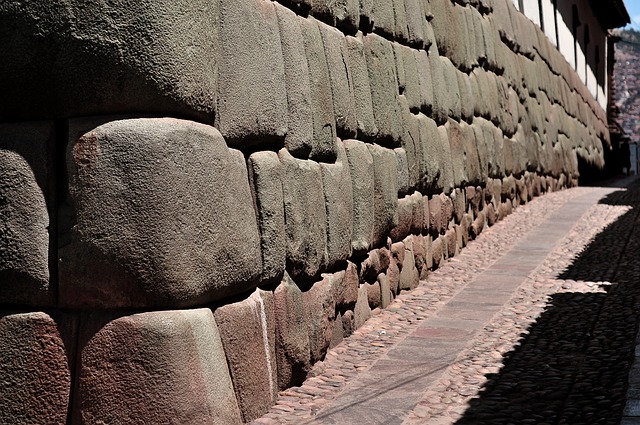
A Long Weekend in Cuzco: The Offbeat Plan
Three days in Cuzco is enough to skip almost every crowd the city is known for, if you spend them right. This plan trades Sacsayhuaman’s queues for the quieter ruins up the same road, swaps Pisac’s market crush for Chinchero’s actual weavers, and closes with the Southern Valley instead of a rushed Machu Picchu dash. That last swap is optional, and honestly not offbeat if you take...
read more
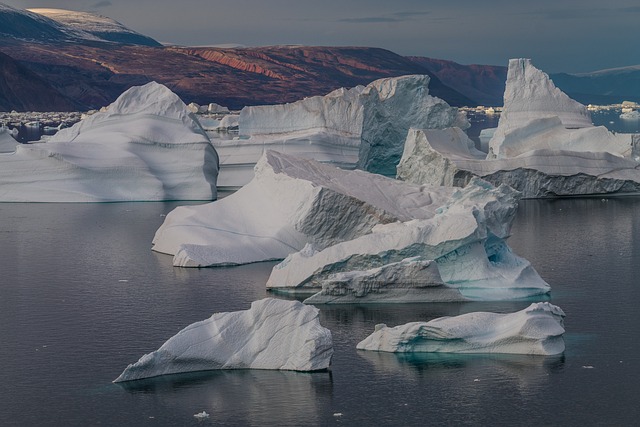
A Long Weekend in Greenland: Offbeat
Three days in Greenland is enough for one place done properly, not the country, and this itinerary spends all three of them in Nuuk instead of racing for the icefjord photos everyone else books. Land, settle into the old harbour, hand the capital’s museum and its fjord a real day each, then leave with a buffer instead of a scramble.
The plan: arrive and settle into the old colonial harbour...
read more
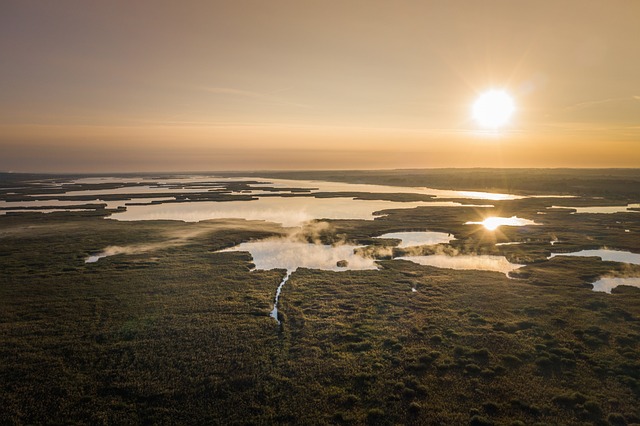
A Long Weekend in Hungary: Offbeat
Three days in Hungary really means two full days working Budapest’s odder corners, then one day out of the city before you fly home. Skip Gellert (closed for renovation, not reopening before 2028), skip the funicular queue on Castle Hill, and trade the Basilica selfie line for Szimpla Kert’s ruin-bar sprawl and Memento Park’s toppled Communist statues. Hungary runs on the forint,...
read more
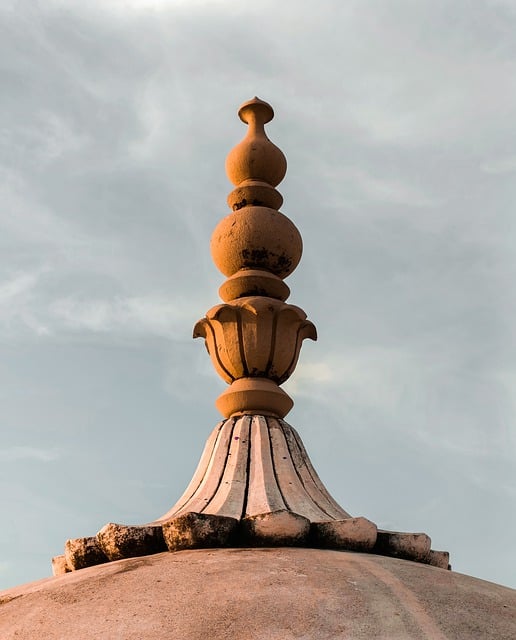
A Long Weekend in Jodhpur: Offbeat
Three days lets Jodhpur’s offbeat side breathe: two days on the fort-and-Blue-City core, then a third out past the crowds at Mandore’s cenotaphs and the desert rock park. Only have a weekend? See the 2 day version . Building toward a full week? The 7 day plan nests this route and keeps going.
Book these before you go
Book a Mehrangarh Fort skip-the-line ticket since the zipline and...
read more
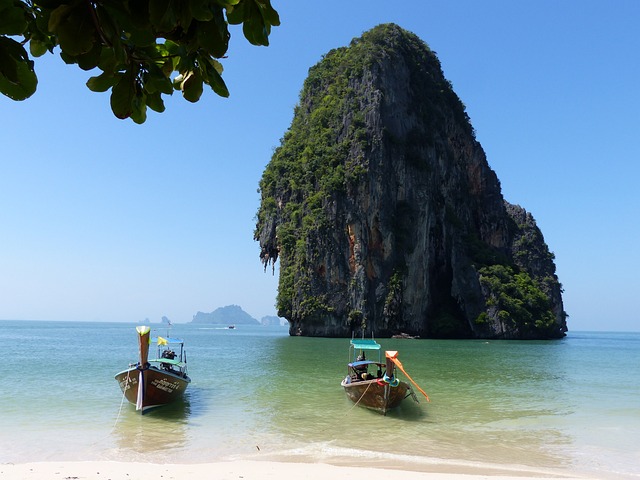
A Long Weekend in Krabi: The Offbeat Plan
Krabi is a province on Thailand’s Andaman coast, not one town, and a long weekend only gets interesting once you accept that. Base in Ao Nang, cross by longtail to boat-only Railay, spend a second day on the water, then use the third day for the inland detour a two-day trip never has room for, Tiger Cave Temple’s brutal stairway or a quieter jungle waterfall instead. None of it needs...
read more
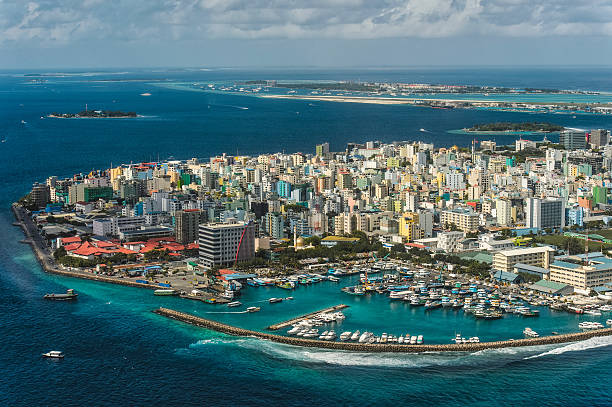
A Long Weekend in Malé: Offbeat
Three days is enough to see Malé properly and still hand a full day to a local-island beach, without padding this dense little capital into a week it doesn’t need. Malé itself runs under 2 kilometers across, it’s the Maldives’ urban, reclaimed-land capital, not a resort, and the overwater-villa version of this country sits on separate atolls reached by speedboat or seaplane from...
read more
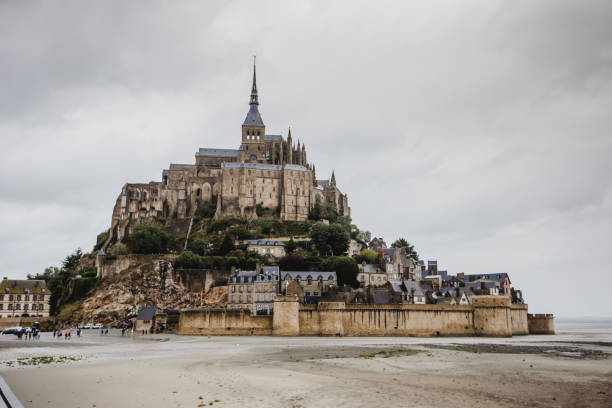
A Long Weekend in Mont-Saint-Michel: Offbeat
Three days at Mont-Saint-Michel sounds generous until you do the math: the abbey and ramparts are honestly a 1 to 1.5 day site, so the smart plan spends two days on the mount and hands the third to a neighbor. No car reaches the island itself. You park at a paid mainland lot roughly 2.5km out, then finish on the free Le Passeur shuttle (about 12 minutes) or a 35 to 45 minute walk.
read more
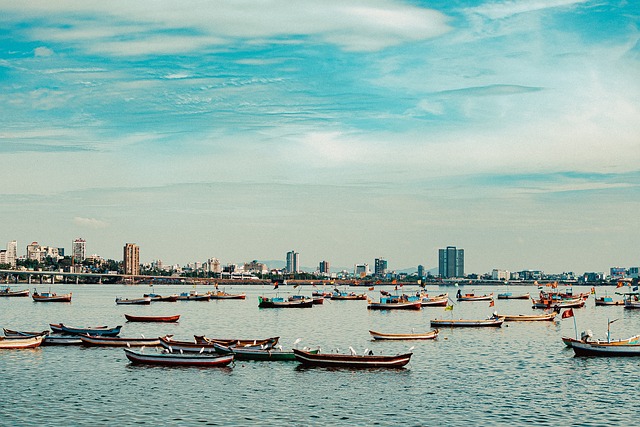
A Long Weekend in Mumbai: The Offbeat Plan
Three days in Mumbai (formerly Bombay) keeps the same South Mumbai spine as the 2-day plan, the Fort’s UNESCO walk, the Gateway of India, the Elephanta ferry and Dhobi Ghat, then tacks on one genuinely offbeat third day: a stepped temple tank on Malabar Hill, a shrine you can only reach at low tide, an Irani cafe, and a Bandra wander. It’s still South Mumbai plus a day, not the whole...
read more
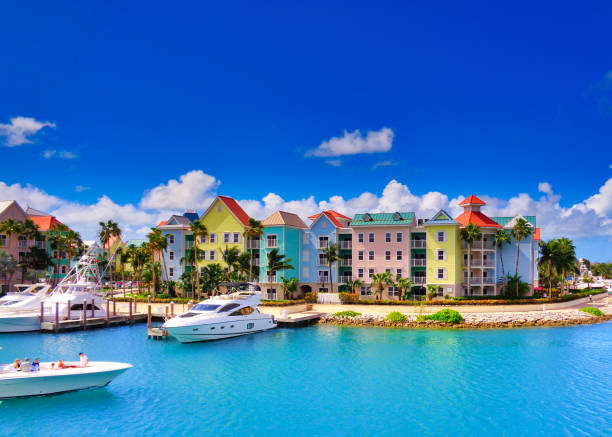
A Long Weekend in Nassau: Offbeat
A long weekend is enough to slow down without pretending Nassau is a week-long city. This cruise-port capital fills its downtown core in a day or two at most, Bay Street and the Straw Market get genuinely swamped whenever several ships dock together, so the offbeat move for three days is timing the famous sights around the crowds and spending the extra day on the water instead of manufacturing a...
read more
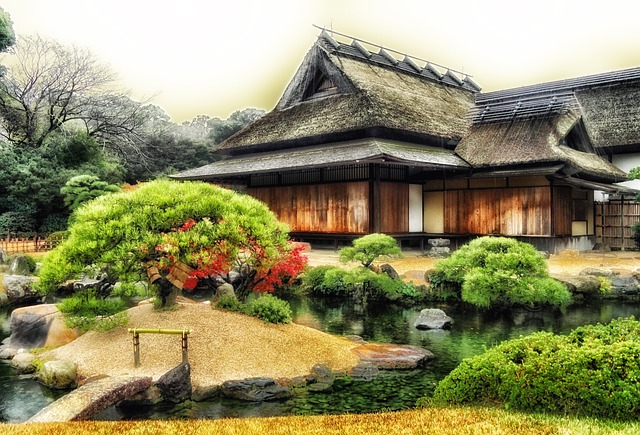
A Long Weekend in Okayama: Offbeat
Okayama’s own sights, Korakuen Garden and the castle next door, are a one-day job honestly told, so a long weekend needs somewhere to send the other two days. This plan gives day two to Kurashiki’s canal quarter and day three to the Kibi Plain, a flat cycle route past shrines and burial mounds most itineraries skip past entirely. Want the city on its own? Try the 2-day plan instead;...
read more
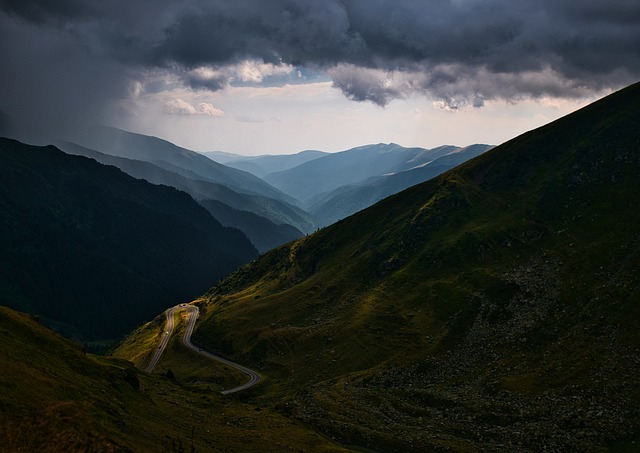
A Long Weekend in Romania: Offbeat
A long weekend in Romania is two days in Bucharest plus one long day pushing north into Transylvania, not a tour of the region. Romania is a big, regionally varied EU country priced in the Romanian leu (RON), not the euro, and since land borders opened on 1 January 2025 it’s a full Schengen member, so there’s no passport stamp between it and other Schengen states. Day three here is a...
read more
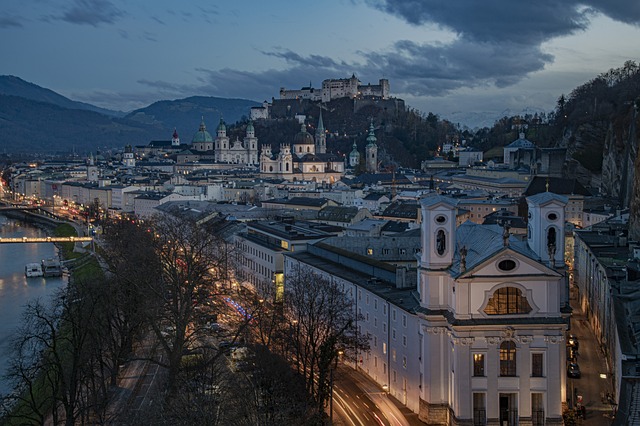
A Long Weekend in Salzburg: The Offbeat Plan
Three days in Salzburg is enough to do the postcard old town properly and still spend real time on the quieter half of the city everyone else skips. Mozart was born here in 1756, above a shop on Getreidegasse, and the baroque Altstadt earned UNESCO World Heritage status in 1996 for exactly the kind of streetscape you’re about to walk through. The Sound of Music was filmed here too, and...
read more
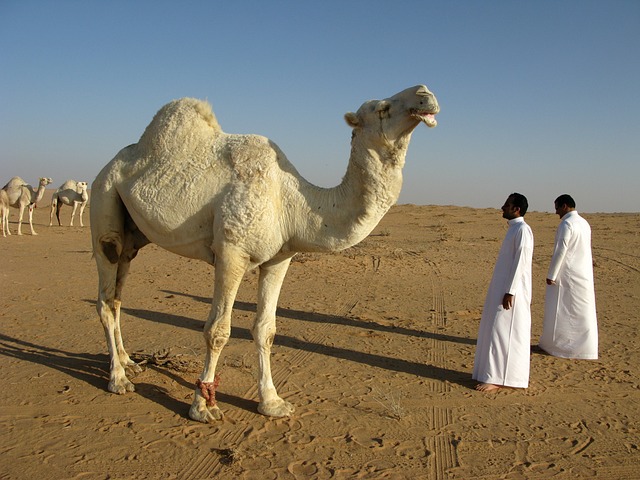
A Long Weekend in Saudi Arabia (Offbeat)
A long weekend in Saudi Arabia is not a country tour, it is one city plus one desert cliff, and that is the honest offbeat version of this trip. Riyadh is the capital, not Jeddah and not Mecca, the riyal has been pegged at 3.75 to the US dollar since 1986, and the tourist eVisa that opened the whole country up in September 2019 takes about as long to process as checking into a hotel.
read more
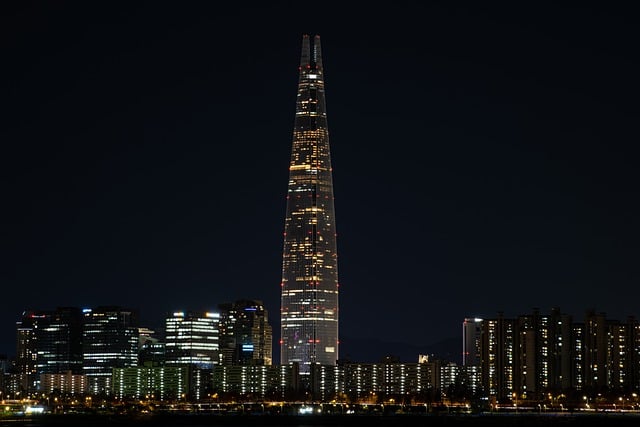
A Long Weekend in Seoul: The Offbeat Plan
Seoul is the capital of South Korea, not North Korea, a distinction worth stating plainly before anything else. It runs on the Korean won (KRW), not yen or yuan, and a T-money card gets you across the whole city for a few thousand won a day. Google Maps still doesn’t give usable walking directions here, so put Naver Map or KakaoMap on your phone before you land. Most major tourist...
read more
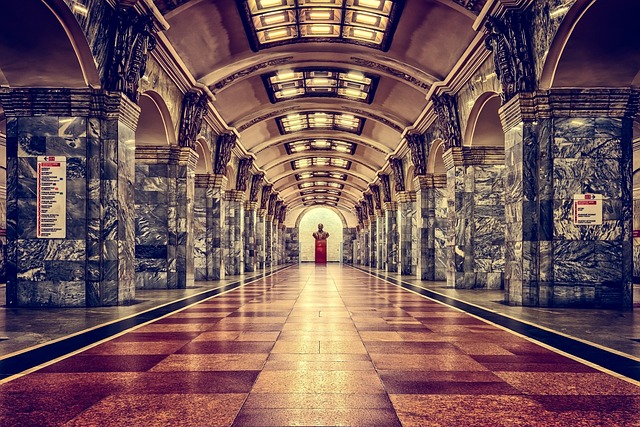
A Long Weekend in St Petersburg: Offbeat
A long weekend in St Petersburg reads like a normal European city break right up until the practical details show up. Russia sits at the US State Department’s Level 4, Do Not Travel, tier, reissued 2 January 2026, the same bracket as active war zones, and the UK Foreign Office advises against all travel to the country outright. No direct flights have connected the US, UK or EU to Russia...
read more
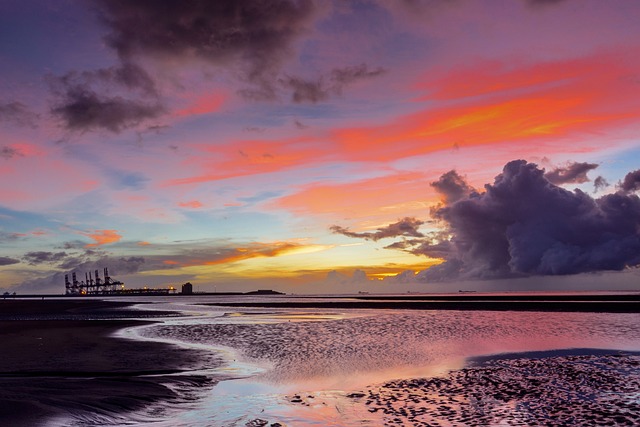
A Long Weekend in Taiwan: Offbeat
Three days in Taiwan is still Taipei-only if you’re doing this route right, and this one skips Taipei 101’s queue and Jiufen’s lantern crowds for a slower version of the city: a 19th-century trading street, a hillside artist squat, a hot-spring valley, and, on the third day, a cable car into tea country most visitors never bother riding. Taiwan’s capital is Taipei, its...
read more
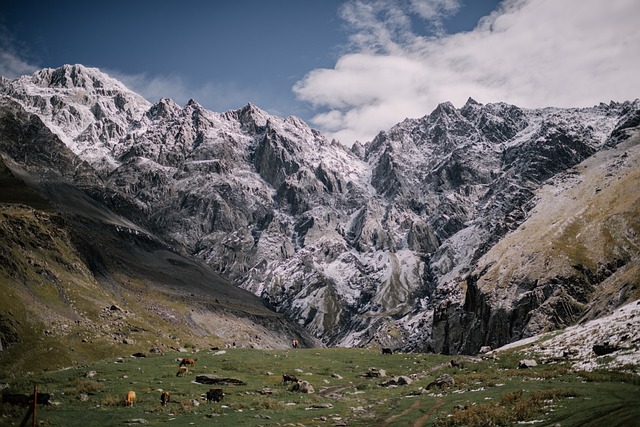
A Long Weekend in Tbilisi: Offbeat
Tbilisi is the capital of Georgia the country, not the US state, a walkable and very cheap capital in the South Caucasus that comfortably fills three days without repeating a sight. This long weekend keeps the Old Town’s headline stops but times them around quieter angles too: a waterfall behind the sulfur baths, a former factory turned social hub, a monument no tour bus stops at, then a...
read more
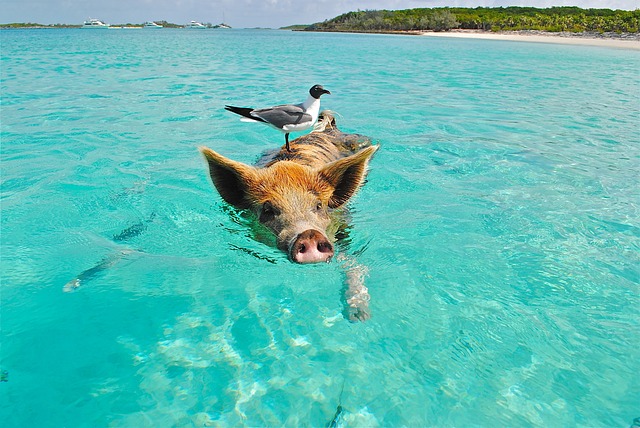
A Long Weekend in the Bahamas: Offbeat
Three days in the Bahamas doesn’t have to mean three days at Atlantis. This route spends two days in local, off-resort Nassau, the way actual residents use their own capital, then hands day three to Exuma’s swimming pigs and Thunderball Grotto, the single most photographed thing in the country. The Bahamas is its own nation, not a US state or Puerto Rico, with Nassau as capital and the...
read more
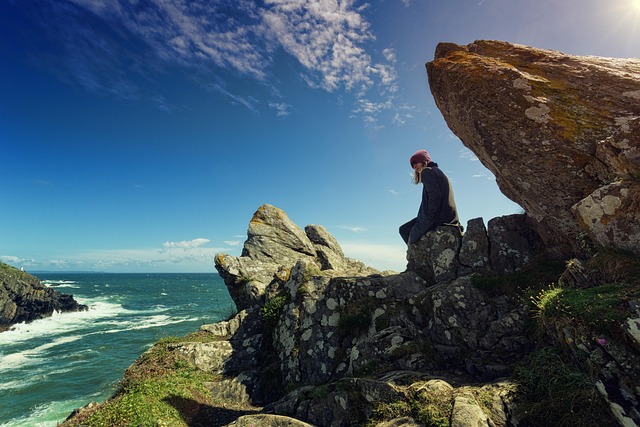
A Long Weekend in the UK: Offbeat
Three days still barely scratches the United Kingdom, four nations (England, Scotland, Wales, and Northern Ireland) built around one capital, London, not to be confused with the Republic of Ireland next door, a separate country on the euro. This route skips the icons entirely: two days inside the London most visitors never see, then a train out to the Kent coast on day three for a change of...
read more
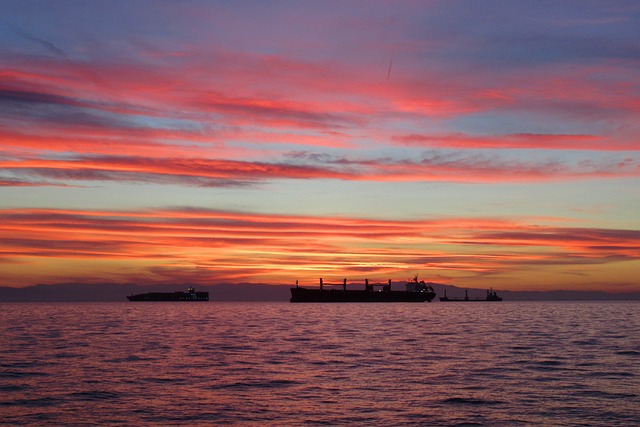
A Long Weekend in Thessaloniki: Offbeat
Thessaloniki is Greece’s second city, not a smaller Athens and not a beach stop, and three days is enough to clear the standard Rotunda-and-White-Tower checklist and still get a full day into the parts most weekend visitors skip. This route runs the same two-day core as the 2-day itinerary , Ano Poli, the Rotunda, the waterfront, the White Tower, then adds a third day for the Ottoman,...
read more

A Long Weekend in Vatican City: Offbeat
Vatican City has no border crossing worth dramatizing: you walk in from Rome, no passport check, no gate, nothing to queue at except St Peter’s own security line. The basilica itself is free, but the dress code is real and enforced right there, shoulders and knees covered for everyone, no exceptions for heat or a long flight. The Vatican Museums and Sistine Chapel are the paid half, roughly...
read more
A Long Weekend in Zagreb: Offbeat
A long weekend in Zagreb is enough to work the same odd corners the two-day plan covers, a WWII tunnel under the Upper Town, a museum built from other people’s breakups, a cemetery arcade most visitors skip, and still get out of the city for a day. Croatia has run on the euro since 2023, not the kuna, and Zagreb sits well inland on the Sava River, hours from the Adriatic coast, so this stays...
read more
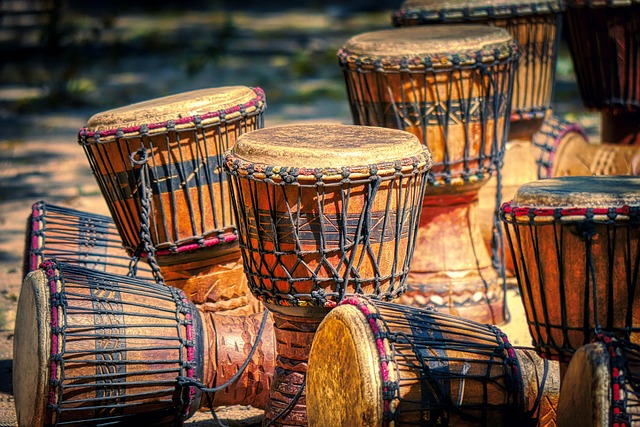
A Long Weekend in Zimbabwe: Offbeat
Three days in Zimbabwe is not a safari trip, and this plan does not pretend otherwise. What it buys you is Victoria Falls done properly, from the quieter angles most visitors skip, plus one full extra day to push further than the standard Falls stopover. Zimbabwe is a park-based, mostly fly-in safari country where a real Hwange or Mana Pools trip needs four days at minimum; this route stays...
read more

A Weekend in Anchorage, Off the Beaten Path
Anchorage is not the reason people fly to Alaska. It is the airport, the rental car counter and the last real grocery store before the wilderness starts, home to roughly 40% of the state’s entire population in one mid-sized city. Visit Anchorage itself frames most of its own featured itineraries as trips out of the city rather than sightseeing lists for the city, which tells you something....
read more
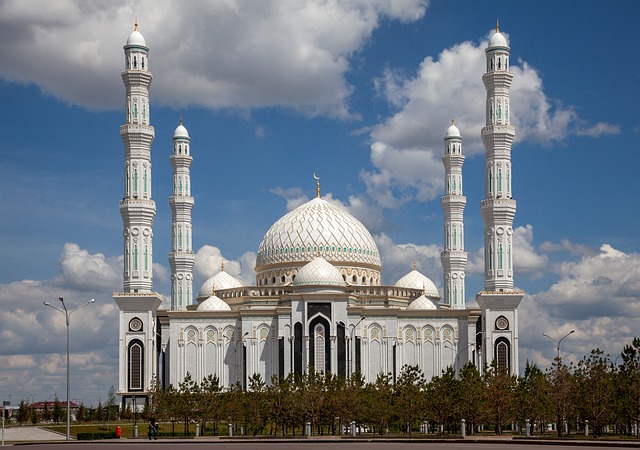
A Weekend in Astana, Off the Beaten Path
Two days in Astana is enough to see why this city gets built up as a curiosity and still walk away with more than a photo of a tower. This route hits the same left-bank landmarks every visitor sees, but slots in the Green Bazaar and a proper beshbarmak lunch on day one, then swaps the standard museum crawl for an old-town contrast and an evening banya on day two. Astana is the current name (it was...
read more
A Weekend in Bonifacio, Off the Beaten Path
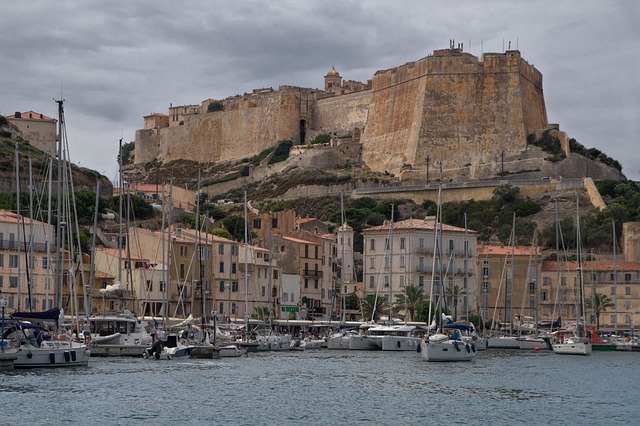
Bonifacio is the clifftop citadel town at Corsica’s southern tip, France, not the Manila business district that borrows its name, and not anywhere in the Philippines either. Two days is genuinely enough: one spent working the Haute Ville’s corners most itineraries skip past, one spent on the water or at a beach. Want more? The 3-day offbeat plan through the full week build on this same...
read more
A Weekend in Brunei, Off the Beaten Path
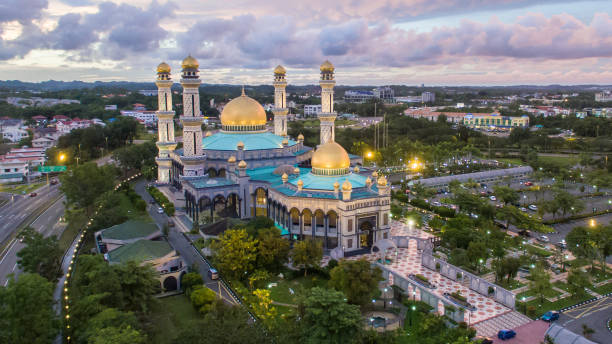
Two days in Brunei is not a rushed compromise. It is roughly what the country’s actual sightseeing list adds up to: a sultanate on the north coast of Borneo, not a Malaysian state and not a beach-and-bar stop, built around one small capital and a handful of genuinely distinct sights. Skip the version of this trip built on hiking to a nonexistent skyscraper or a phantom waterfall; this one...
read more
A Weekend in Burkina Faso
A weekend in Burkina Faso is not a normal city break, and the offbeat truth here is not a hidden waterfall, it is that the honest advice is to skip the trip. The US State Department rates Burkina Faso Level 4, Do Not Travel, its highest tier, and the UK’s FCDO advises against all travel to the entire country, no regional exception. If you are going anyway, for work, family or aid duty, two...
read more
A Weekend in Cape Verde, Off the Beaten Path
Cape Verde is ten volcanic islands off West Africa, not one landmass, so a 2-day trip means one island, and this plan skips the part of that island everyone else books. Stay on Sal, but base yourself around Espargos, the actual administrative town by the airport, and spend your two days on the salt crater at Pedra de Lume and the Buracona blue-eye pool instead of the Santa Maria resort strip.
read more
A Weekend in Curitiba, Off the Beaten Path
Skip the two things every Curitiba itinerary defaults to: capybaras in Parque Barigui and a generic “green city” summary. This weekend plan leans into what actually makes Curitiba strange and good, a wire opera house inside a flooded quarry, buses you board like a subway, and immigrant heritage sites most two-day visitors never find. Day 1 covers the city’s design obsessions: the...
read more
A Weekend in Cuzco, Off the Beaten Path
Two days in Cuzco is enough to trade the Sacsayhuaman selfie line for the quieter ruins locals actually visit on a weekday, wander San Blas’s workshop streets instead of its gift shops, and give a full day to the Sacred Valley away from the Pisac tour buses. It is not enough for Machu Picchu, and this plan does not pretend otherwise: the ruins sit hours further by train, need a timed ticket...
read more
A Weekend in Greenland, Off the Beaten Path
Every Greenland itinerary you read starts at the icefjord. This one starts in the town most of them skip. Two days is honestly barely enough for either, so admit that upfront rather than pretend you can cover two regions in a weekend: there are no roads between Greenland’s towns, every trip here means a flight, and a two-day window with a fixed return leaves almost no slack if that flight...
read more
A Weekend in Hungary, Off the Beaten Path
Two days in Hungary is really two days in Budapest, run the odd way round: a ruin bar and a hidden courtyard instead of the postcard shot, a midnight soak instead of an afternoon one, toppled statues instead of a second palace. Fisherman’s Bastion earns its one classic slot. Everything else in this plan skips the obvious pick on purpose. Want Lake Balaton, Eger’s wine cellars or the...
read more
A Weekend in Jodhpur, Off the Beaten Path
Two days is enough to do Jodhpur’s desert Blue City properly without ever queueing at Mehrangarh Fort’s main gate with the tour buses. Day 1 stays on the fort’s own less-crowded side, the zipline and the ramparts most groups skip, then Day 2 drops into the blue backstreets nobody photographs for Instagram. Want more time in the desert around Jodhpur too? Stretch this into a 3-day...
read more
A Weekend in Krabi, Off the Beaten Path
Krabi is a province on Thailand’s Andaman coast, not one town, and a two-day trip only works if you accept that first: pick a base, then build the weekend around one boat-only peninsula and one honest boat day, not a checklist of everything a search engine claims you can fit in. Base yourself in Ao Nang, cross by longtail to Railay on Day 1, then trade the obvious island crowd for a quieter...
read more
A Weekend in Malé, Off the Beaten Path
Two days is plenty for Malé itself, since the whole city runs under 2 kilometers across and you can cover it on foot before lunch. Skip any version of this trip that puts you on a private beach here: Malé is the dense, reclaimed-land capital of the Maldives, not a resort island, and the overwater-villa version of this country sits on separate atolls reached from the airport by boat or seaplane.
read more
A Weekend in Mont-Saint-Michel: Offbeat
Mont-Saint-Michel has had no parking spot at the door since 2014, when the old causeway that let cars drive right up to the walls was replaced by a slender bridge built specifically to let the tide flow underneath it again. Every visitor now parks on the mainland, about 2.5km out, and covers the rest on the free Le Passeur shuttle or a 35 to 45 minute walk; the old horse-drawn Maringote carriage...
read more
A Weekend in Mumbai, Off the Beaten Path
Two days in Mumbai (formerly Bombay) is South Mumbai’s greatest hits, angled slightly off the postcard route: the Fort district’s UNESCO Art Deco blocks instead of just the Gateway photo, Sassoon Dock’s fish auction instead of a mall food court, and the Elephanta Caves ferry instead of a second round of Marine Drive. It is not the whole city. Bandra, Dharavi and the northern...
read more
A Weekend in Nassau, Off the Beaten Path
Two days is the honest length for Nassau’s city core, not a compromise: this cruise-port capital gets genuinely swamped on big-ship days, so the offbeat move here is timing the same famous sights around the ships instead of hunting for secret alternatives. Expect a calm Level 2 safety picture and hurricane season if you’re travelling June through November.
For the extra day this...
read more
A Weekend in Okayama, Off the Beaten Path
Okayama’s actual sightseeing, the Korakuen Garden and castle pairing everyone photographs, is honestly a one day job. This weekend treats day one as the city seen a little sideways, then sends day two out of town to Kurashiki, fifteen-odd minutes down the tracks. Want Naoshima’s art islands done properly instead? That is the 4-day or 5-day plan, not this one.
Book these before you go...
read more
A Weekend in Romania, Off the Beaten Path
Two days in Romania is two days in Bucharest, full stop. Romania is a big, regionally varied EU country that genuinely rewards a week or more, and Transylvania’s castles are their own trip, not a rushed side-quest bolted onto a city weekend. This one skips the fridge-magnet Dracula stuff for Bucharest’s weirder real story: a communist megastructure, a 1989 balcony, and a village of...
read more
A Weekend in Salzburg, Off the Beaten Path
Two days in Salzburg gets you the Fortress, the Cathedral, both of Mozart’s houses, and the baroque Altstadt UNESCO inscribed as a World Heritage Site in 1996, and there is still room left for the half of the city most 48-hour visitors never see. Off the beaten path here does not mean skipping the famous stuff. It means doing the famous stuff at the hour the tour buses have not landed yet,...
read more
A Weekend in Saudi Arabia, Off the Map
Two days in Saudi Arabia means Riyadh, not the country, and this itinerary treats that as a feature rather than something to apologise for. The capital is Riyadh, not Jeddah and not Mecca, and the riyal has been pegged at 3.75 SAR to the US dollar since 1986, so USD prices are easy math the whole trip. The eVisa that opened this country to leisure travel in September 2019 still takes about ten...
read more
A Weekend in Seoul, Off the Beaten Path
Two days in Seoul is enough to skip the version everyone already does. This weekend keeps the palace and Bukchon, cutting them entirely would just be a different kind of tourist trap, but it routes around the tour buses into Ikseon-dong’s hanok cafes, a Gwangjang Market dinner instead of a restaurant reservation, and a jjimjilbang instead of a hotel bed on night one. Day two swaps...
read more
A Weekend in St Petersburg
A weekend in St Petersburg sounds like a normal European city break. It isn’t one. Russia sits at the US State Department’s Level 4, Do Not Travel, tier, reissued 2 January 2026, the same bracket as active war zones, and the UK’s Foreign Office advises against all travel to the country. There have been no direct flights between Russia and the US, UK or EU since 2022, and...
read more
A Weekend in Taiwan, Off the Beaten Path
Two days in Taiwan means Taipei, and this route skips the Taipei 101 queue and Jiufen’s lantern crowds for the city’s other half: a 19th-century trading street, a hillside artist squat, and a hot-spring valley locals actually soak in. Taiwan’s capital is Taipei, its currency is the New Taiwan Dollar (TWD, NT$), not the Chinese yuan, and it runs its own visa and entry rules,...
read more
A Weekend in Tbilisi, Off the Beaten Path
Tbilisi is the capital of Georgia, the South Caucasus country wedged between Russia, Turkey, Armenia and Azerbaijan, not a city in the American state that happens to share its name. Two days here is enough to do the Old Town’s offbeat half properly: a waterfall most bath-goers walk right past, a fortress hill by cable car, and a courtyard or two nobody’s put on a postcard yet....
read more