Recent Locations
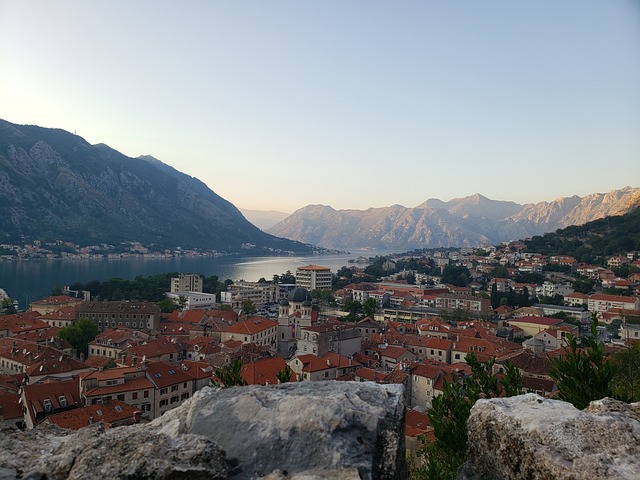
Montenegro: The Offbeat Balkan Gem
Heads up: some links here are affiliate links. Book or buy through them and we may earn a small commission at no extra cost to you. We only point you to things we would actually use.
Montenegro packs about 620,000 people into a country smaller than Connecticut, uses the euro despite never joining the EU, and runs two capitals at once. That contradiction-collecting habit is the real pitch: a small...
read more
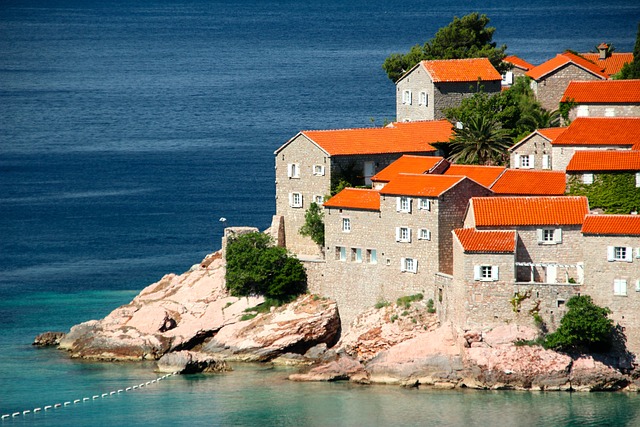
Ostrog Monastery: The Cliff Shrine
Heads up: some links here are affiliate links. Book or buy through them and we may earn a small commission at no extra cost to you. We only point you to things we would actually use.
Ostrog Monastery is Montenegro’s most important pilgrimage site, built into a near-vertical cliff of the Ostroška Greda ridge, and it draws over a million visitors a year, Orthodox, Catholic, and Muslim alike,...
read more

Bay of Kotor: Offbeat Corners
Heads up: some links here are affiliate links. Book or buy through them and we may earn a small commission at no extra cost to you. We only point you to things we would actually use.
Everyone who visits the Bay of Kotor sees the same three things: Kotor’s walls, a boat to Perast, done by lunch. That is not wrong, it is just half the bay. The Verige Strait chokepoint, the least-touristy town...
read more
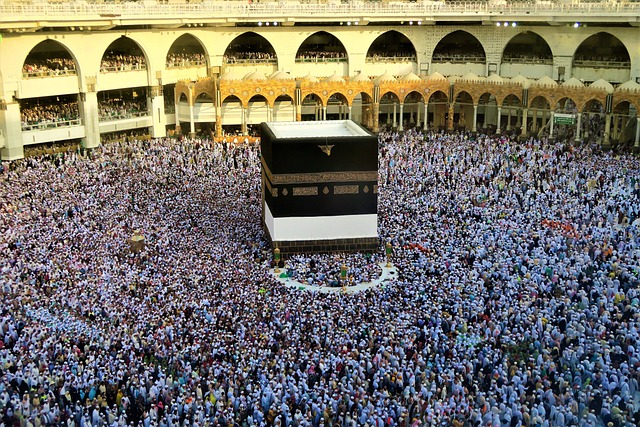
Mecca: The Birthplace of Islam
Heads up: some links here are affiliate links. Book or buy through them and we may earn a small commission at no extra cost to you. We only point you to things we would actually use.
Mecca is closed to non-Muslims: Saudi law bars entry at checkpoints on every approach road, and this is not a tourist destination in any ordinary sense. What follows is Mecca’s history and significance for...
read more
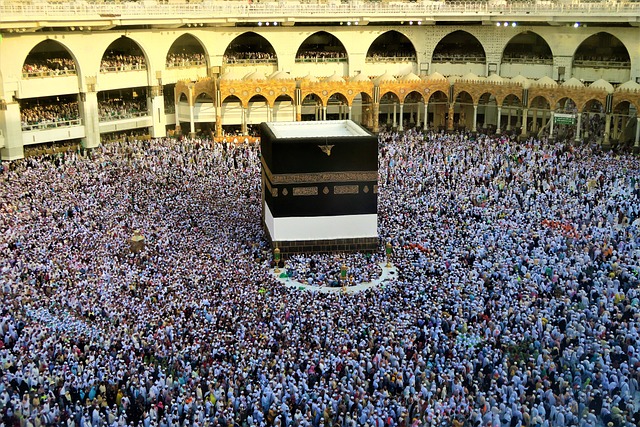
The Kaaba and the Grand Mosque
Heads up: some links here are affiliate links. Book or buy through them and we may earn a small commission at no extra cost to you. We only point you to things we would actually use.
Mecca is closed to non-Muslims: entry is barred at checkpoints on every road approaching the city, enforced by Saudi law rather than mere custom. This post is written for Muslim pilgrims preparing for Umrah or Hajj,...
read more
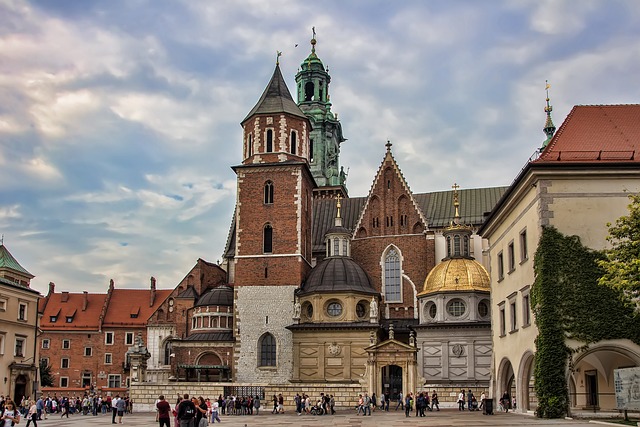
Rynek Glowny: What Most Visitors Miss
Heads up: some links here are affiliate links. Book or buy through them and we may earn a small commission at no extra cost to you. We only point you to things we would actually use.
Rynek Główny is Europe’s largest surviving medieval square, roughly 200 by 200 meters, laid out in 1257 under Kraków’s city charter and essentially unchanged in footprint since. Most visitors photograph...
read more
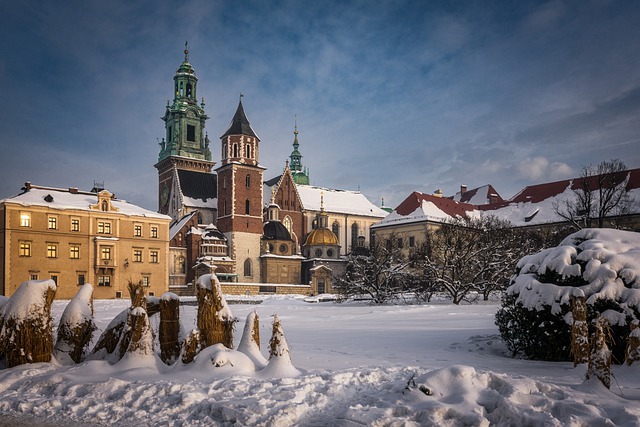
Wawel Cathedral: What Most Miss
Heads up: some links here are affiliate links. Book or buy through them and we may earn a small commission at no extra cost to you. We only point you to things we would actually use.
The photo everyone takes is the Sigismund Bell tower. The mistake almost as many people make is assuming the ticket they just bought at the Wawel Castle window also gets them into the cathedral next door.
read more
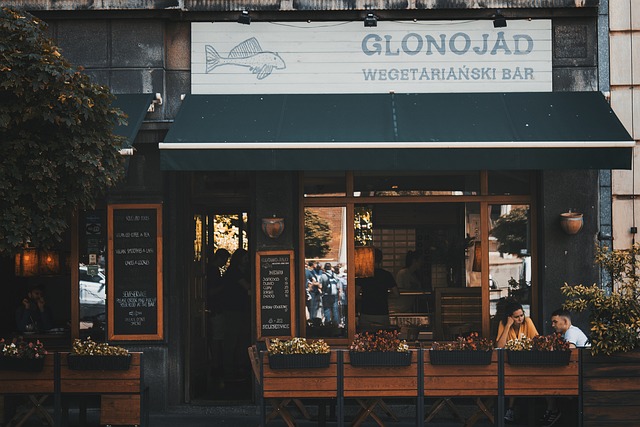
Krakow: What Most Visitors Miss
Heads up: some links here are affiliate links. Book or buy through them and we may earn a small commission at no extra cost to you. We only point you to things we would actually use.
Most first-timers run the same two days: Rynek Główny, Wawel, a walk through Kazimierz, pierogi somewhere with an English menu. All of it earns its reputation, and none of it touches the stranger half of the city: a...
read more
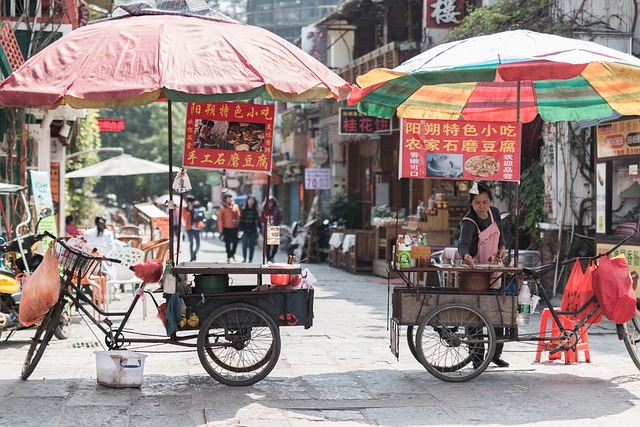
Guilin: What Most Visitors Miss
Heads up: some links here are affiliate links. Book or buy through them and we may earn a small commission at no extra cost to you. We only point you to things we would actually use.
Fan Chengda, a Song-dynasty poet, wrote “Guilin’s scenery is the finest under heaven” (桂林山水甲天下) centuries before tourism marketing existed, and the line still gets printed on every brochure. What...
read more
Puerta del Sol: What Most Visitors Miss
Heads up: some links here are affiliate links. Book or buy through them and we may earn a small commission at no extra cost to you. We only point you to things we would actually use.
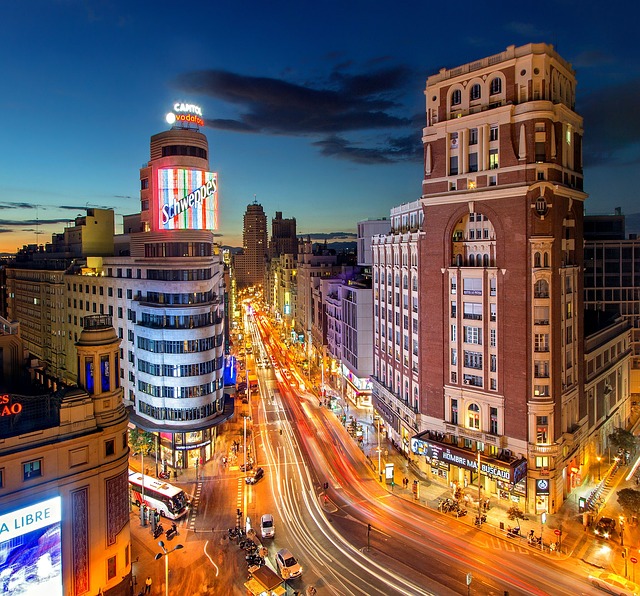
Puerta del Sol is a square, not a monument, and most people spend ten minutes there photographing a bear statue that’s younger than their parents. The bronze bear and strawberry tree, El Oso y el Madroño, was...
read more
Royal Palace of Madrid: What Most Miss
Heads up: some links here are affiliate links. Book or buy through them and we may earn a small commission at no extra cost to you. We only point you to things we would actually use.
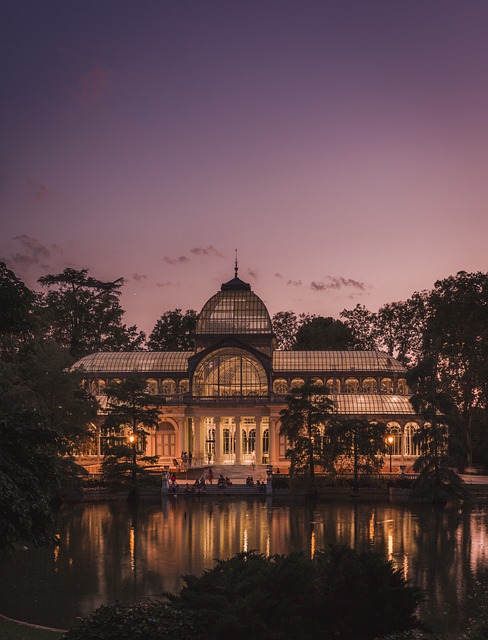
The Royal Palace of Madrid, the Palacio Real, is billed as Europe’s largest functioning royal palace by floor area, roughly 135,000 square metres and 3,400-plus rooms, and no one actually lives in it. The...
read more
Madrid: What Most Visitors Miss
Heads up: some links here are affiliate links. Book or buy through them and we may earn a small commission at no extra cost to you. We only point you to things we would actually use.
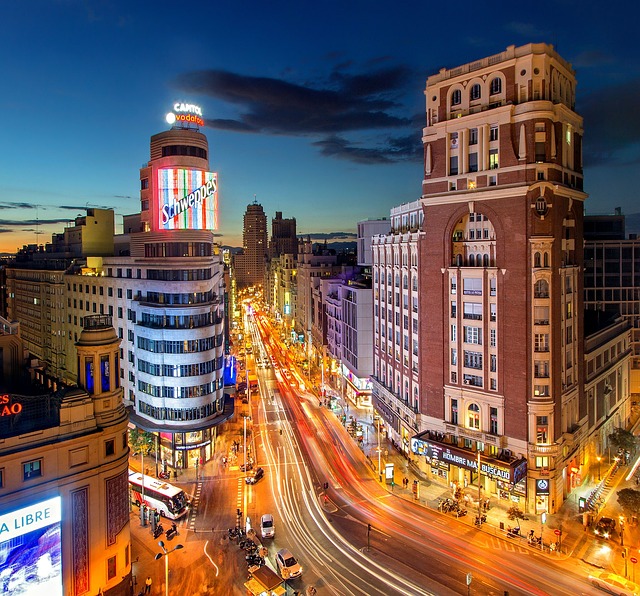
Most first-timers run the same three days: Prado, Royal Palace, Plaza Mayor, a tapas crawl through La Latina. All of it is worth doing, and none of it touches the odder half of the city: a metro platform frozen since...
read more
Auckland: What Most Visitors Miss
Heads up: some links here are affiliate links. Book or buy through them and we may earn a small commission at no extra cost to you. We only point you to things we would actually use.
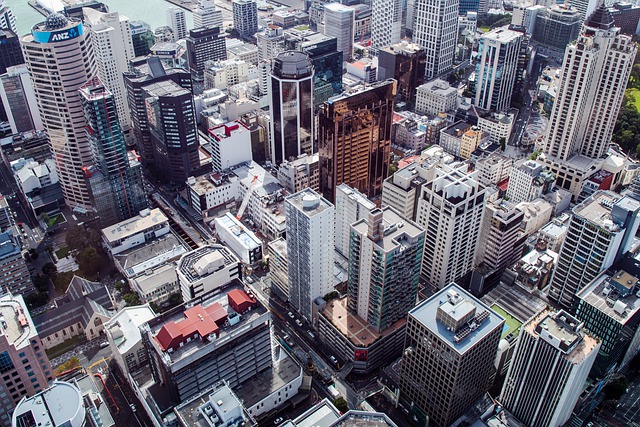
Auckland is built directly on top of 53 volcanic cones, one of the only major cities anywhere sitting on an active (dormant, not extinct) field, and most first-time visitors climb exactly one of them, usually Mt Eden,...
read more
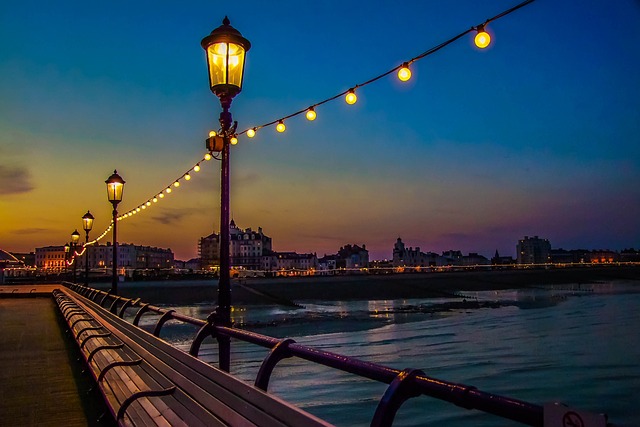
Brighton Pier: What Most Visitors Miss
Heads up: some links here are affiliate links. Book or buy through them and we may earn a small commission at no extra cost to you. We only point you to things we would actually use.
Most visitors walk the length of Brighton Palace Pier, eat something from a stall, and leave. That’s the pier at maybe 30% of what it’s got: it’s the survivor of a two-pier rivalry, it shares the...
read more
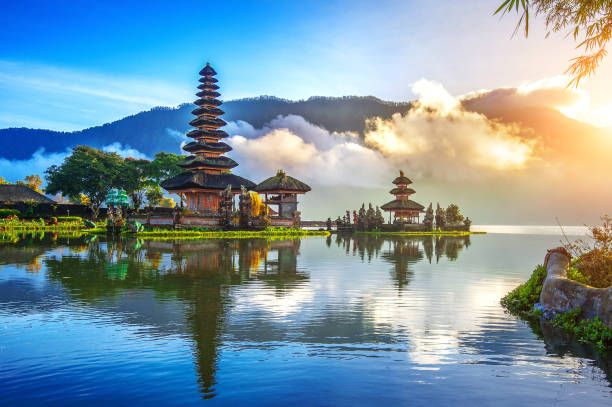
Bali: What Most Visitors Miss
Bali is an island and a province of Indonesia, not a country and not a single resort strip. That is the first thing most visitors miss, and it shapes everything after it: a week spent circling Ubud, Kuta, Seminyak and Canggu covers a small, dense corner of an island that runs about 140km east to west. The visitors who feel like they saw Bali on a first trip usually skipped the tourist levy...
read more
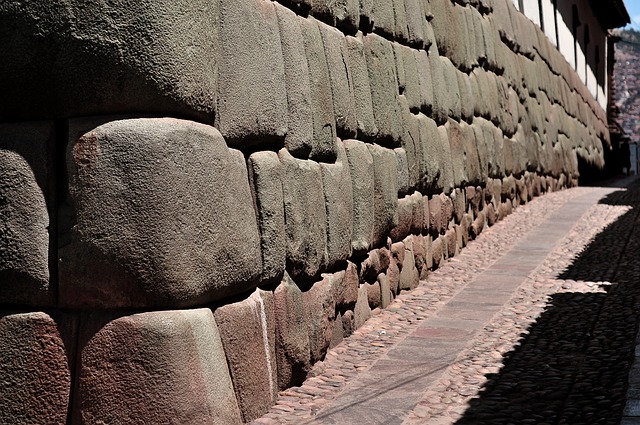
Cuzco: What Most Visitors Miss
Most Cuzco itineraries hit the same three stops: Plaza de Armas, Sacsayhuaman from the road, and one rushed day at Machu Picchu. All three are worth doing. None of them cover what actually rewards a slower look, the quiet ruins strung past Sacsayhuaman, the workshops above San Blas’s postcard corner, and a Southern Valley that sees a fraction of Pisac’s coach traffic. The bigger miss...
read more
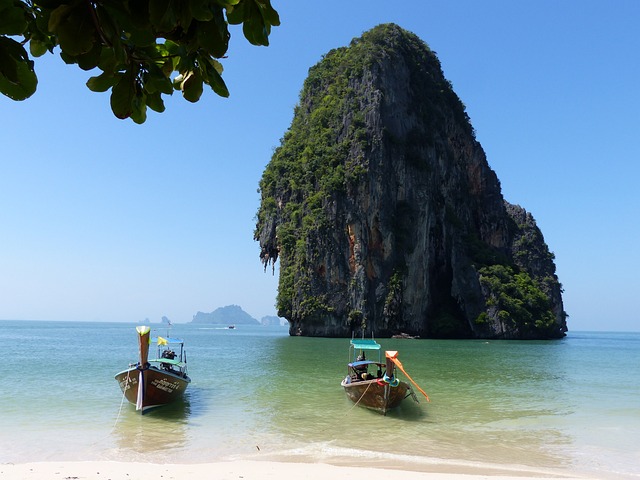
Krabi: What Most Visitors Miss
Most visitors who fly into Krabi never realize they landed in a province, not a single beach town. They land at Krabi International Airport, settle into Ao Nang’s beach strip or the cheaper Krabi Town transport hub, cross by longtail to Railay because no road reaches it in any season, and go home having seen exactly the postcard version everyone else sees. Six overlooked corners sit within a...
read more
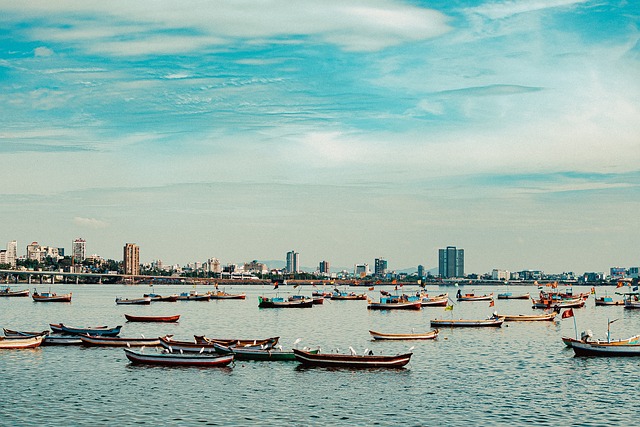
Mumbai: What Most Visitors Miss
Most first-time visitors do the same three things in Mumbai: the Gateway of India, a walk down Marine Drive, a look at CSMT from outside. All three are worth doing. None of them explain why the city looks or works the way it does, and the explanation sits one layer down, in a market that opens before the tour buses, a tank older than the name “Mumbai,” a cafe culture that outlasted the...
read more
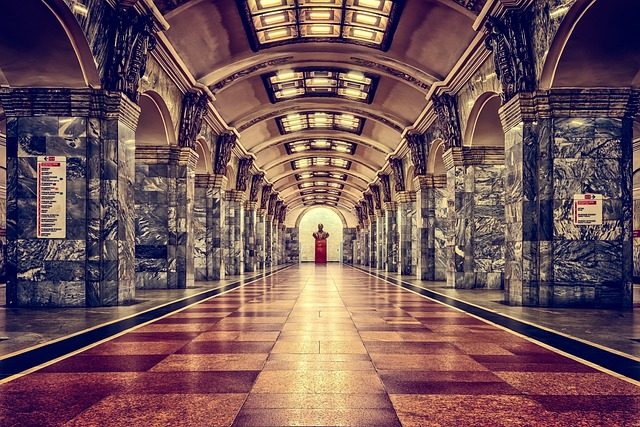
St Petersburg, Russia: The Honest Picture
Here is the honest answer before anything else: not easily, and “St Petersburg, Russia” is the distinction that actually matters here, this is not St. Petersburg, Florida. Russia has sat at the US State Department’s Level 4 Do Not Travel level since a 2 January 2026 reissue, the same tier the government uses for active warzones, and the UK Foreign Office advises against all...
read more
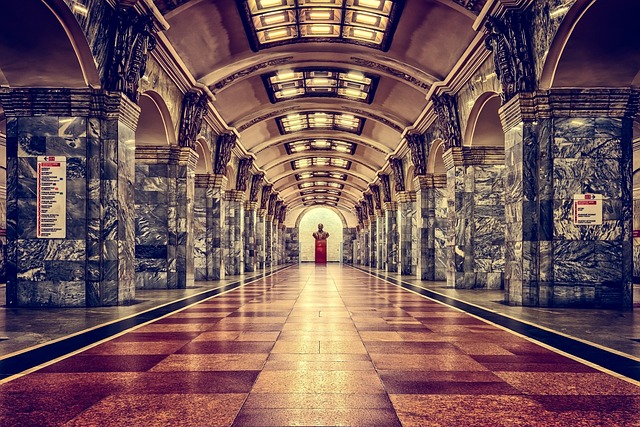
St Petersburg: What Most Visitors Miss
Russia is a US State Department Level 4 Do Not Travel country, a rating reissued 2 January 2026, and the UK Foreign Office advises against all travel there too. No direct flights have run from the US, UK, or EU since 2022, and a foreign-issued Visa, Mastercard, or Amex card is dead here, cash or a Russian MIR card only. That is the honest opening, before any postcard talk, and this is...
read more
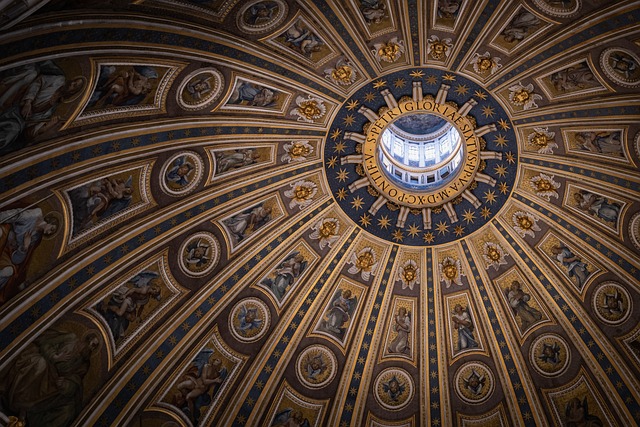
Vatican City: What Most Visitors Miss
Most visitors to Vatican City see three things: St Peter’s Basilica, the dome, and the Sistine Chapel ceiling, then leave. That covers maybe half of what the country holds. You walk in from Rome with no border to cross and no passport check; St Peter’s is free but dress coded and queued; the Vatican Museums and Sistine Chapel are paid, timed entry, and worth booking ahead. Past those...
read more
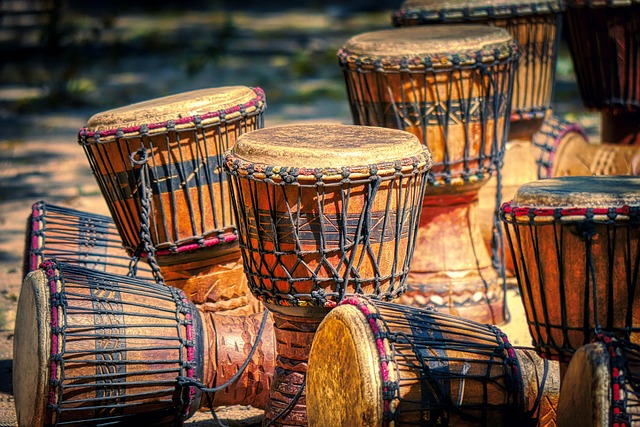
Zimbabwe: What Most Visitors Miss
Most Zimbabwe trips look identical: land at Victoria Falls Airport, spend two nights watching the Zambezi drop into the gorge, book a sunset cruise, fly home. Nothing wrong with that plan, except that it covers a fraction of the country. Zimbabwe is a multi-day, mostly fly-in or operator-led safari destination, and the Falls are the entry point, not the whole itinerary. Behind them sit...
read more
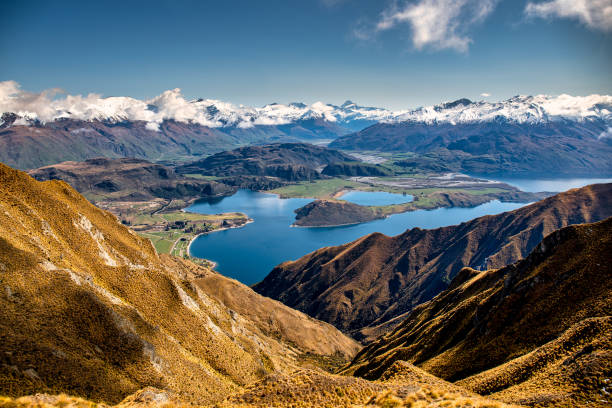
New Zealand: What Most Visitors Miss
New Zealand splits into two islands joined by a ferry crossing most first-draft itineraries budget half an hour for and actually need half a day for. That is the first thing a rushed plan gets wrong; the second is treating the country as Auckland, Rotorua, Queenstown, Milford Sound, done. The regions that get skipped, the Catlins, the Otago Peninsula’s wildlife coast, Wanaka instead of...
read more
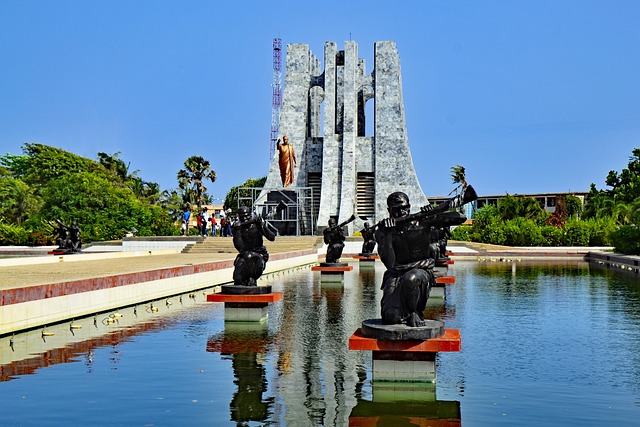
Accra: What Most Visitors Miss
Most Accra itineraries hit the same four stops, the lighthouse in Jamestown, Independence Square, Makola Market, and an afternoon at Labadi Beach, then call it done. That covers maybe half of what Ghana’s capital actually holds for anyone willing to look one street further. Ghana is English-speaking, the currency is the cedi (GHS), and mobile money handles more daily spending than cards do....
read more
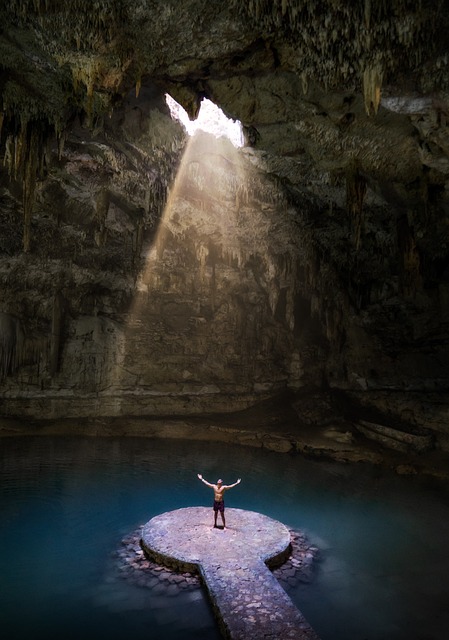
Cave of the Crystals: The Story No One Tells
Type “Cave of Crystals Mexico” into a search bar hoping for a way in, and the honest answer is worth hearing before you build a trip around it: you cannot go. The Naica mine in Chihuahua state, owned by Industrias Peñoles , has sat flooded and sealed since 2015, and the chamber was never a public attraction even in the years scientists were allowed inside it. What follows is not a...
read more
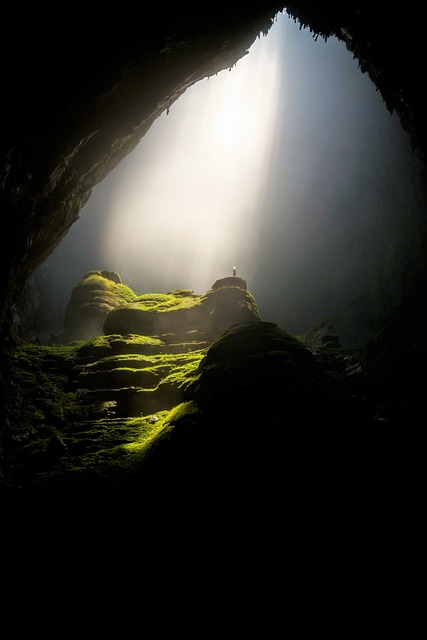
Cave of the Crystals: What Visitors Miss
The thing almost nobody mentions about the Cave of the Crystals is that there is no one to visit it. Not tourists, not geologists, not the mining company that owns it. The chamber sits about 300 meters down in Mexico’s Naica mine, lined with selenite beams up to 11 to 12 meters long and an estimated 12 tonnes each, grown over as long as a million years in mineral-rich water a magma body kept...
read more
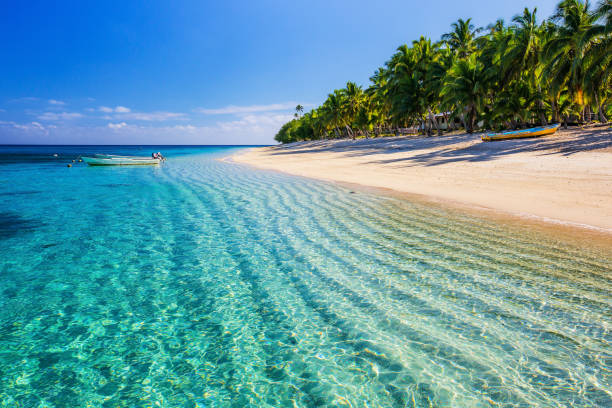
Fiji: What Most Visitors Miss
Fiji’s postcard image, a swim-up bar twenty minutes from the airport, is real, and it is maybe five percent of the country. This is a nation of 300-plus islands (Tourism Fiji says 333, other counts round to roughly 330, only about 110 are inhabited) running the Fijian dollar, a managed float that actually moves, not the US or Australian dollar it often gets quoted in. Most visitors land at...
read more
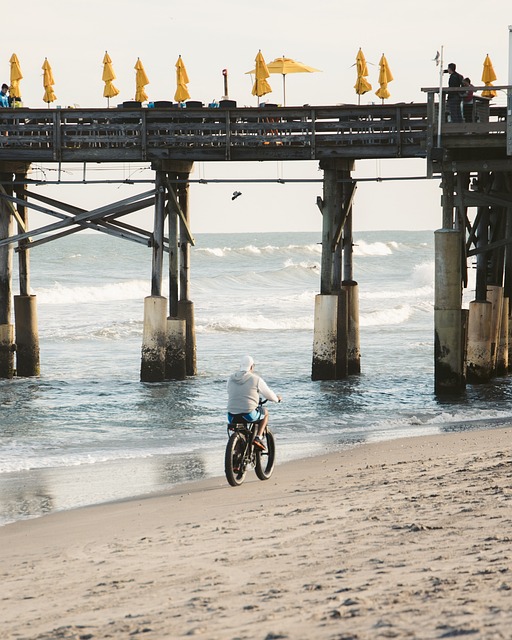
Orlando: What Most Visitors Miss
Millions of people fly into Orlando every year headed for a resort that, technically, isn’t in Orlando. Walt Disney World’s four parks sit in Bay Lake and Lake Buena Vista, unincorporated pockets of Orange and Osceola County roughly 20-25 minutes southwest of the actual city limits. Universal Orlando now runs three gates of its own (Universal Studios Florida, Islands of Adventure, and...
read more
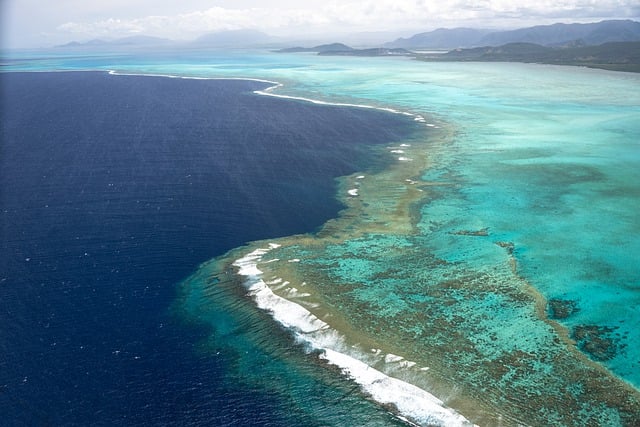
New Caledonia: What Most Visitors Miss
New Caledonia isn’t one island, it’s four distinct pieces of Melanesian Pacific, and most visitors experience one and a half of them: Nouméa, plus a day trip to Amédée Islet, then the flight home. That’s a real trip, but it’s roughly a quarter of the territory. This is French land, not an independent country, yet it sits outside the EU and Schengen despite the tricolour on...
read more
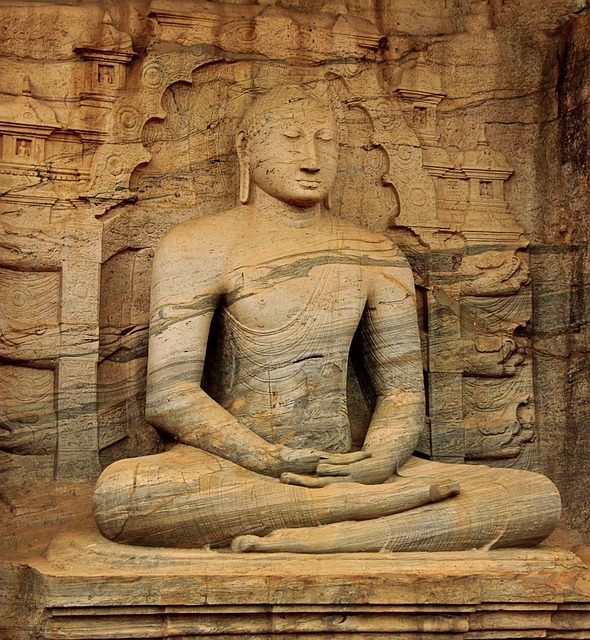
Sri Lanka Regions: What Most Visitors Miss
Sri Lanka runs on two separate monsoons, and most visitors never notice because they only ever see one coast. The Yala monsoon soaks the west, south and hill country roughly May through September; the Maha monsoon swings north and east from October through January. Whatever a guidebook calls the best time to visit, it really means the best time for half the island. Budget in LKR (Sri Lankan...
read more
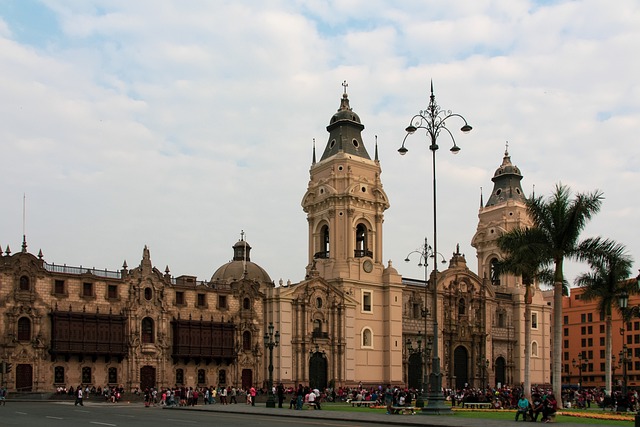
Lima: What Most Visitors Miss
Lima splits into six barrios that read nothing alike, and most trips only ever see the postcard version of two of them. Miraflores means clifftop parks and Larcomar; Barranco means one bridge and a quick photo. The sol runs roughly 3.38 to 3.41 per dollar, the city sits flat at sea level with zero altitude to plan around, and the food scene has landed two restaurants on the World’s 50 Best...
read more
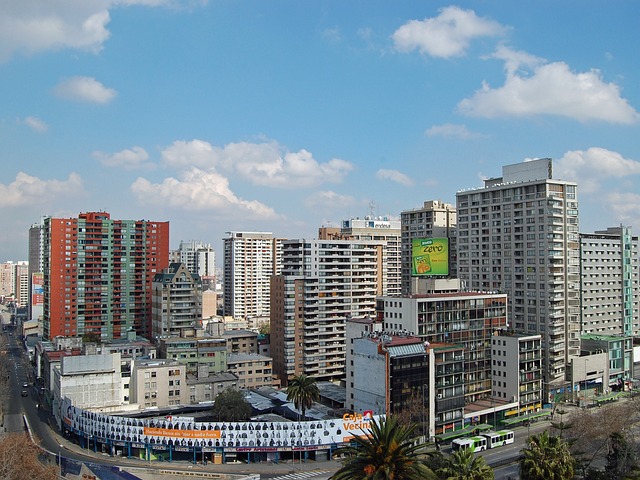
Santiago Chile: What Most Visitors Miss
Most Santiago Chile itineraries repeat the same three moves: a Concha y Toro coach through Maipo, a rushed Valparaiso day that never leaves the bus window, and one photo at La Chascona before flying home. None of that is wrong, it just leaves the more interesting half of the region untouched. Barrio Italia’s workshop blocks sit one comuna over from Bellavista’s noise, Casablanca pours...
read more
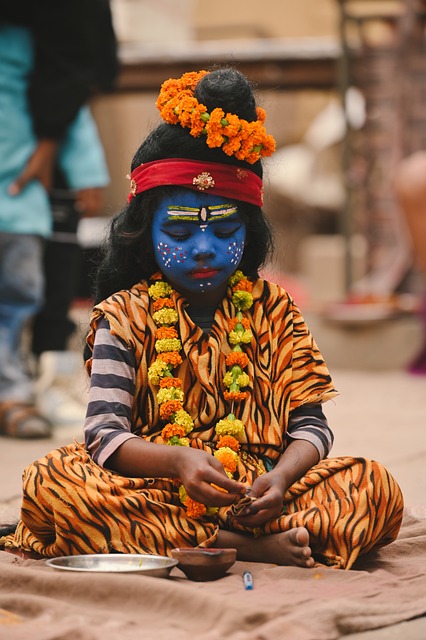
Varanasi: What Most Visitors Miss
Two days of ghats, one sunrise boat, one Ganga Aarti: that is the entire Varanasi checklist for most first-time visitors, and it skips a working Buddhist pilgrimage site, a royal fort museum with a 170-year-old clock, and a month-long piece of living theatre most of India has never even seen. The rupee context first: the INR has been sliding to record lows near 96-97 to the dollar through...
read more
Cartagena Islands: What Most Visitors Miss
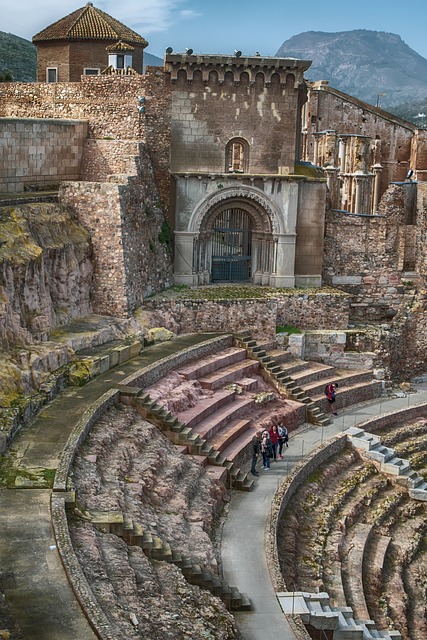
This is a ranked rundown of Cartagena’s water sights, not a day-by-day plan, priced in 2026 Colombian pesos (roughly 3,236-3,425 per US dollar, volatile, check today’s rate). The city sits at sea level in hot, humid Caribbean heat, 30-32C most days, not the cooler Andes climate of Medellin a few hundred kilometers inland. Ranked first is the Rosario Islands boat day, and ranked dead...
read more
Madagascar: What Most Visitors Miss
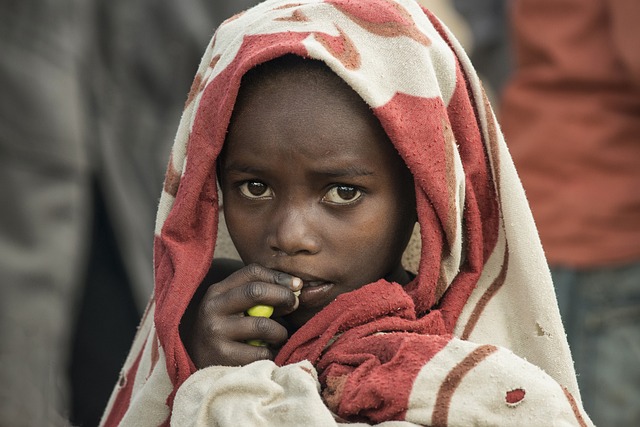
Most Madagascar lists rank parks by fame, Andasibe first, then whichever RN7 stop photographs best. Rank them instead by what the standard itinerary skips, and the order shifts. The indri’s loudest call comes at dawn, not the mid-morning slot most day trips book. Nosy Be’s actual best day out is a 40,000 MGA boat ride most beach-only visitors never take. Ile Sainte-Marie’s pirate...
read more
Red Square: What Most Visitors Miss
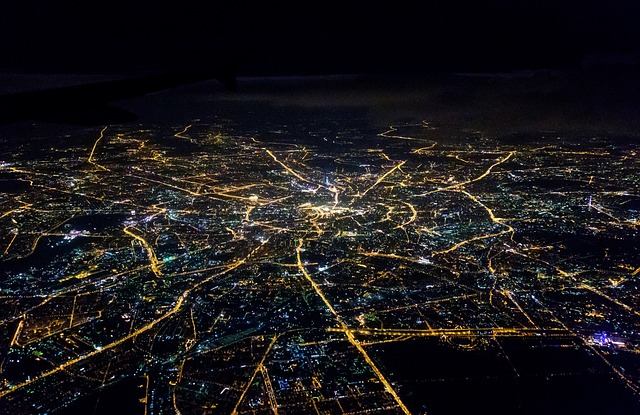
Red Square isn’t named for the color. “Krasnaya” meant “beautiful” in medieval Russian centuries before anyone connected it to communism, and the square itself predates the association by a long way. It’s free to enter, 24 hours a day, and everything most visitors actually pay for sits around its edges: the Kremlin, St Basil’s, and a mausoleum with a body...
read more
Zermatt: What Most Visitors Miss
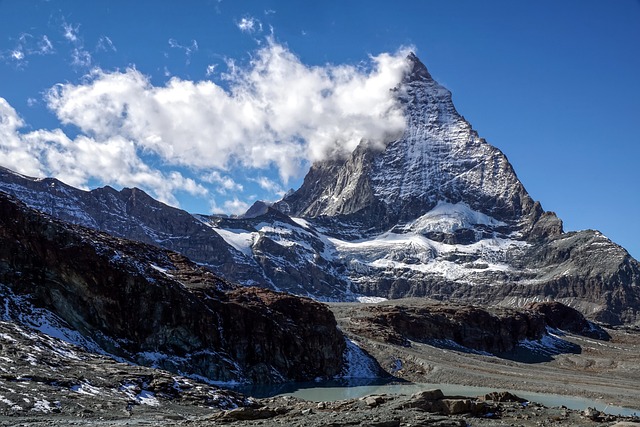
Almost everyone who comes to Zermatt takes the same photo of the Matterhorn from Kirchbrucke and leaves thinking that was the whole point. It wasn’t. Ranked below are the seven lifts and sights that actually structure a visit here, with the altitude and the CHF cost most blogs leave out, plus the parts of the story, a cemetery, a disaster, a lake that mirrors the mountain, that the postcard...
read more
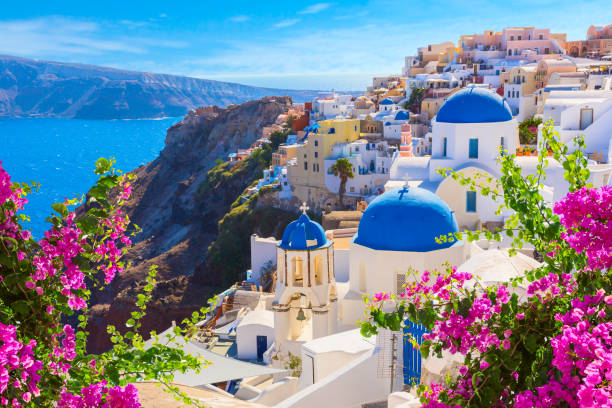
Santorini: What Most Visitors Miss
Most visitors see Fira, Oia and one beach, then leave thinking that’s the island. It isn’t. Santorini is officially Thira, a volcanic caldera rim with black and red beaches, not white sand, and most of what makes it interesting sits inland or across the water from the two towns everyone photographs. Below is a ranked rundown of the sights most itineraries skip, alongside what they...
read more
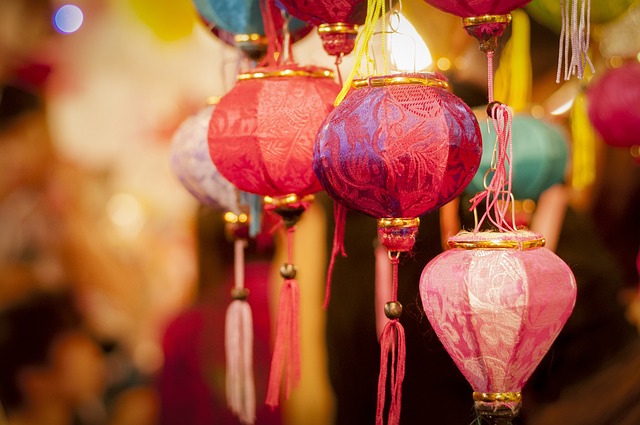
Ho Chi Minh City: What Most Visitors Miss
Everyone researching Ho Chi Minh City gets handed the same six names: the War Remnants Museum, Reunification Palace, Notre-Dame, Ben Thanh Market, a viewing deck, and the Jade Emperor Pagoda. They earn the ranking. What most lists skip is that half of them come with an asterisk nobody prints: the cathedral’s interior has been closed since 2017, the post office wasn’t designed by the...
read more
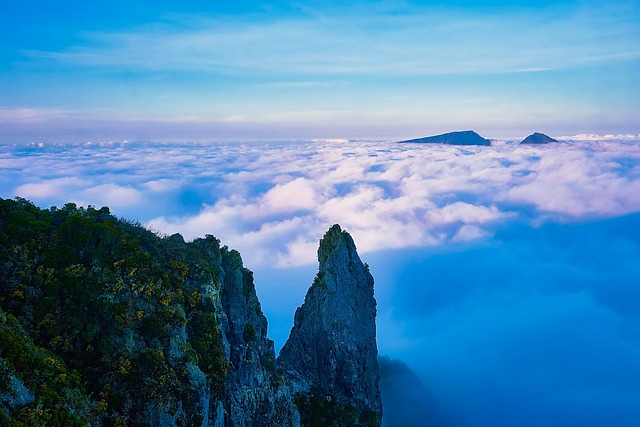
Reunion Island: What Most Visitors Miss
Reunion Island is a French overseas department, not a country and not part of Mauritius, a separate nation roughly 175km away that most people confuse it with. It is also home to one of the most active volcanoes on Earth, a village of 800 people you can only reach on foot or by helicopter, and a west coast where swimming is legally banned outside one protected lagoon. None of that fits the generic...
read more
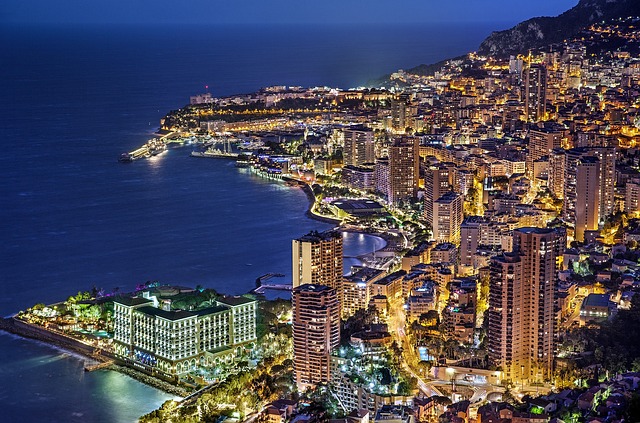
Monaco: What Most Visitors Miss
Most Monaco write-ups rank sights by fame: the Casino first, the Palace second, the Oceanographic Museum third, in that order, every time. Ranked by what actually earns the walk, the order looks different, and the free things beat several of the paid ones outright. The table below covers all seven, by quartier (Monaco has four, not one interchangeable “Monaco/Monte-Carlo” blob), with...
read more
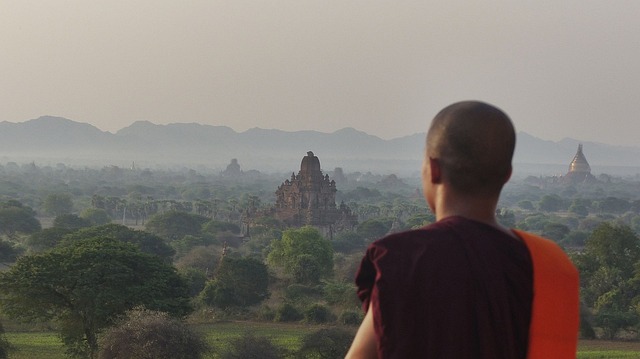
Bagan: What Most Visitors Miss
Most Bagan visitors see the same seven temples, buy the same lacquerware bowl outside the same gate, and leave thinking that’s the whole plain. It isn’t. Roughly 3,595 recorded monuments spread across the zone, a real lacquerware craft survives in Myinkaba and New Bagan behind the tourist-facing shops, and the frescoes at one 1113-built temple most people walk straight past predate...
read more
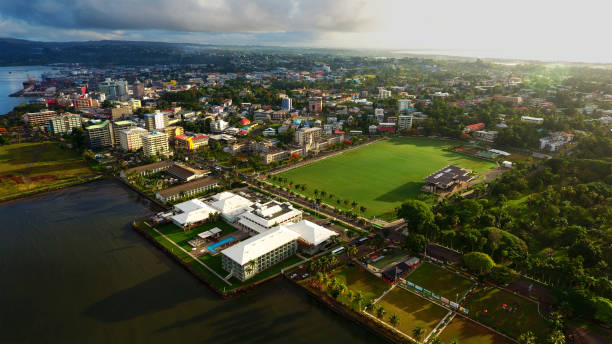
Fiji: What Most Visitors Miss
Rank Fiji’s sights by what actually gets skipped, and Suva’s postcard image barely places. A kava ceremony done properly, a swim through a cave most day-trippers never reach, and a capital city Fiji abandoned in 1882 all outrank the standard Mamanuca beach photo. This is the ranked rundown of Fiji’s islands and sights, ordered by how much a typical trip misses, not by fame. Want...
read more
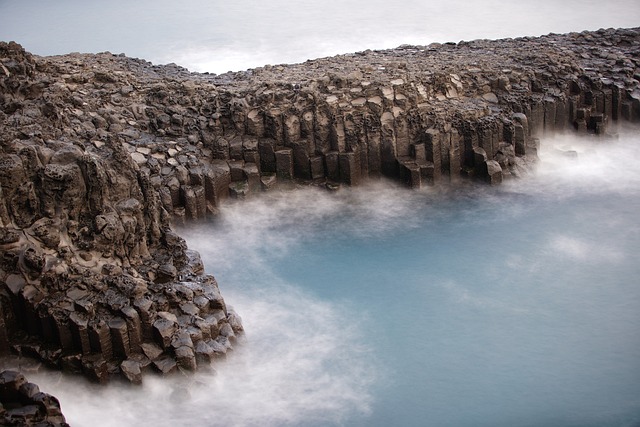
Jeju Island: What Most Visitors Miss
Jeju’s marquee list runs the same seven sights on nearly every itinerary, and most visitors still leave having missed the actual interesting detail about each one, a free coastal path, a second crater on the same cone, a museum most tour buses treat as a rain-day backup. Ranked below by how much they earn their reputation, with what most people walk past at every stop.
Sight Area Cost Time...
read more
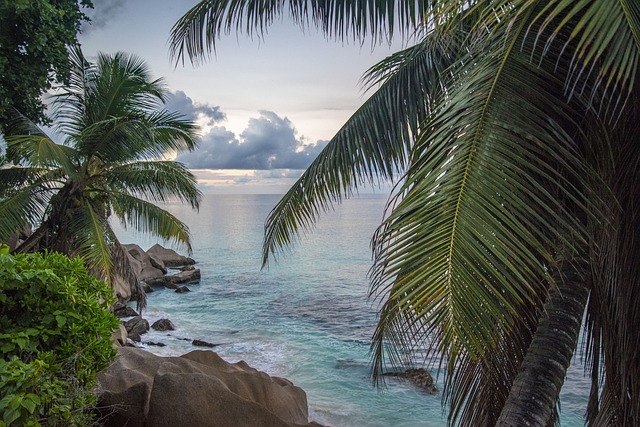
Seychelles: What Most Visitors Miss
A Victorian general named Charles Gordon stood inside Praslin’s Vallee de Mai in 1881 and decided he had found the actual Garden of Eden, with the coco de mer as the forbidden fruit. He was a general, not a botanist, but the forest still earns the theatrics: the canopy has barely changed since prehistory, and the world’s largest seed hangs overhead in giant clusters. That is the...
read more
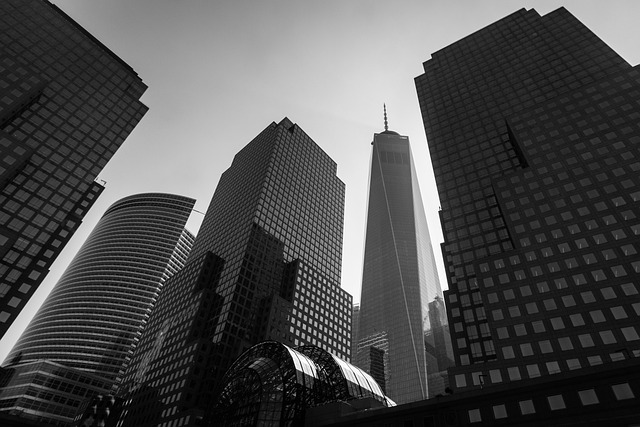
New York: What Most Visitors Miss
Ten sights make up New York’s actual marquee, and most visitors get at least one of them wrong: paying full price where a resident discount doesn’t apply to them, or skipping a free thing because they assume it costs money. Ranked below by what a first trip should actually prioritize, with the specific quirk each one hides. Pair this with the hidden gems guide for the deeper cuts, or a...
read more
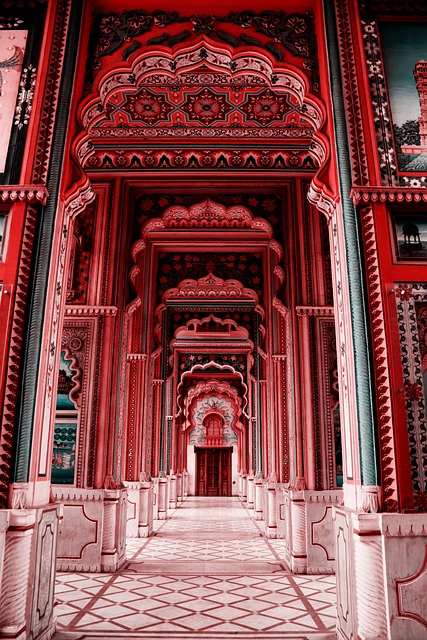
Jaipur: What Most Visitors Miss
Say “Jaipur” and most people picture pink buildings. That’s already the first miss: only the old walled quarter got painted that terracotta shade, in 1876, to welcome the Prince of Wales, and the modern city sprawling around it was never touched. The second miss is treating Jaipur as a stopover between Delhi and Agra rather than the capital of Rajasthan in its own right, a...
read more
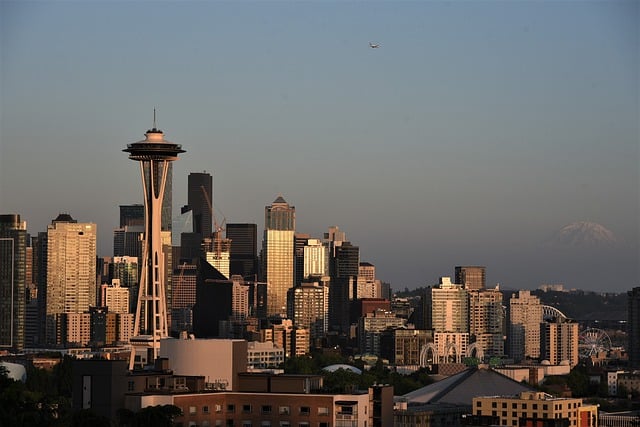
Seattle: What Most Visitors Miss
Say “Seattle” and some people still picture Washington, D.C., a mix-up that’s more common than the city would like. This one sits on Puget Sound in Washington State, roughly a three-hour flight from either coast of the actual capital. Beyond the name confusion, most visitors arrive expecting nonstop rain and an elevated highway along the water, both wrong: July through September...
read more
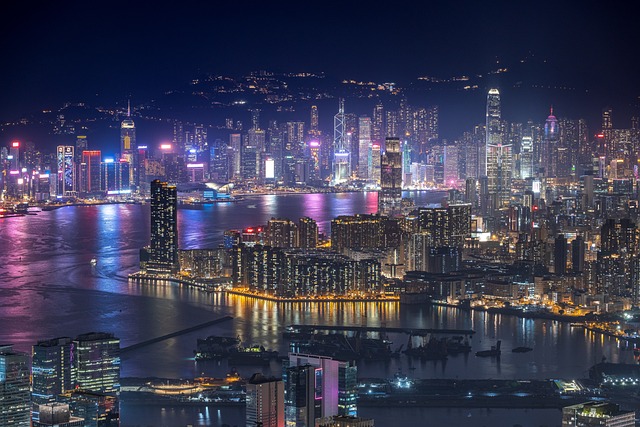
Hong Kong: What Most Visitors Miss
Most first-time visitors do the Peak Tram, a paid harbour cruise and the mall version of Kowloon, then wonder why the trip felt like a highlight reel of a city they never actually touched. The version most people miss costs less: a free escalator that climbs 135 metres through SoHo, a HK$3 ferry crossing instead of a HK$230 cruise, a former prison that’s now free galleries, and a ridge hike...
read more
Macau: What Most Visitors Miss
Most visitors treat Macau as a same-day casino errand from Hong Kong: ferry over, gamble, ferry back. That skips the cheaper bridge crossing, the Portuguese-colonial old town most of them never leave the terminal for, and the fact that Macau isn’t a Hong Kong neighbourhood at all, it’s a separate Special Administrative Region with its own currency and its own passport control. The...
read more