Recent Locations
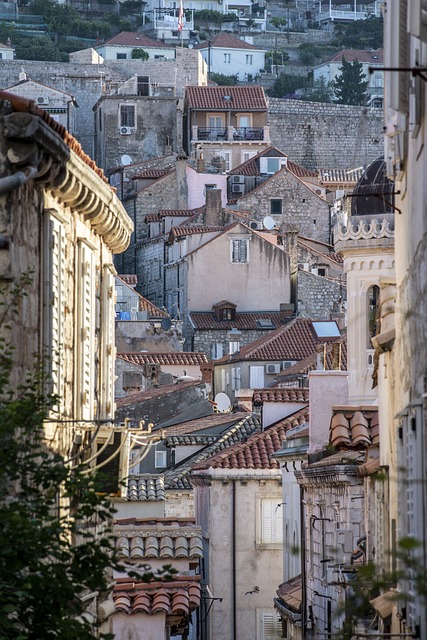
Dubrovnik: What Most Visitors Miss
Dubrovnik: What Most Visitors Miss Most first-time visitors do the same three hours: the City Walls at whatever time the cruise excursion drops them off, Stradun, a photo at Pile Gate, then wonder why the Old Town felt like a queue rather than a 800-year-old republic. What they miss sits a few minutes further out and mostly costs less: a cliffside bar reached through a hole cut in the ramparts, an...
read more

Washington DC: What Most Visitors Miss
Say Washington DC and two half-true postcards come to mind: a city built on a swamp, and a place where every world-class museum is free and walk-in. Neither one survives contact with 2026. The swamp story is a myth that outlived the marsh it describes, and the free-museum story now comes with an asterisk: three of the most popular Smithsonian-adjacent sites require a booked pass before you can...
read more
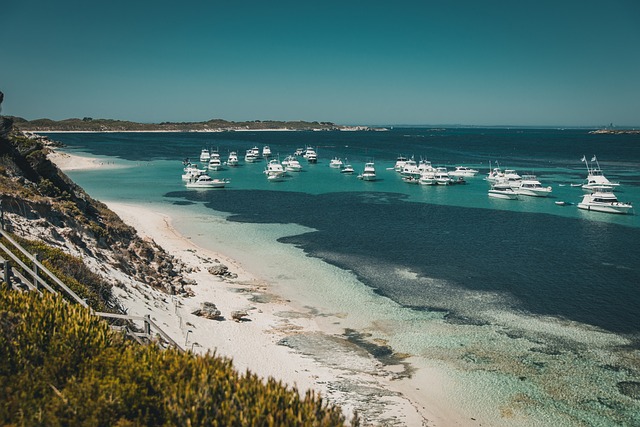
Perth: What Most Visitors Miss
Most first-time guides to Perth stop at Kings Park’s lookout and Cottesloe’s sunset, both genuinely worth doing, and then miss the stranger stuff a few minutes further: a free spiral staircase built to look like DNA, a bell tower where you’re handed the actual rope, and a blue whale skeleton hanging over a museum stairwell that most visitors walk straight underneath without...
read more
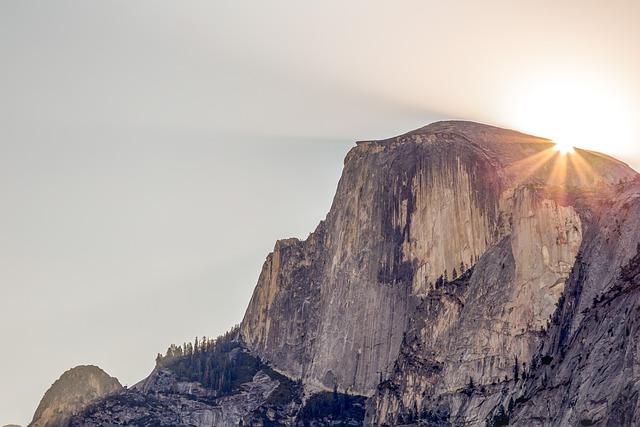
Dead Sea and Masada: What Most Visitors Miss
The Dead Sea and Masada are the one Jerusalem day trip worth building an entire itinerary around, and what most visitors miss isn’t a hidden site, it’s a choice: whether to take the cable car up Masada or hike the Snake Path before dawn for the sunrise almost nobody else sees. About 1.5 hours east of Jerusalem through the Judean Desert, the pair works as a single long day, a clifftop...
read more
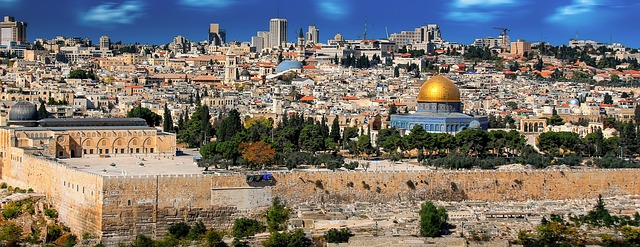
Dome of the Rock: What Most Visitors Miss
The Abbasid caliph Al-Ma’mun had his name chiselled into the Dome of the Rock’s dedicatory inscription in the 9th century, replacing the name of the man who actually built it. The original builder, Abd al-Malik ibn Marwan, had died more than a century before Al-Ma’mun’s renovation crews arrived. Whoever did the swap forgot to update the date alongside the name, so the...
read more
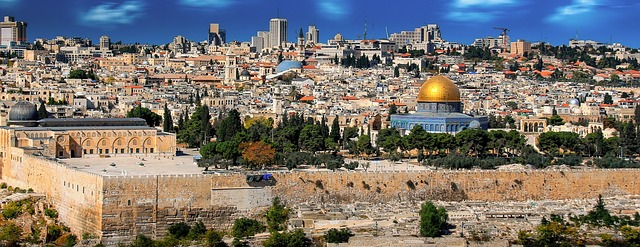
Jerusalem Old City: What Most Visitors Miss
Jerusalem’s Old City packs four quarters, three religions’ holiest sites, and 500-year-old Ottoman walls into roughly 0.9 sq km, 0.35 sq mi, small enough to cross on foot in twenty minutes and dense enough to spend a week inside it. Most first-time visitors walk straight to the Western Wall and never notice they could have walked above it instead, on the walls themselves, for the price...
read more
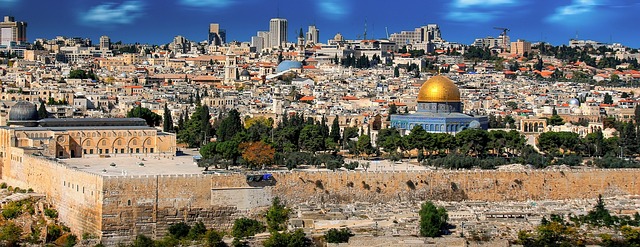
Jerusalem: What Most Visitors Miss
Jerusalem’s Old City fits inside roughly half a square mile, four quarters and three religions’ holiest sites stacked on top of each other, and it can absorb a full week on its own if you let it. What actually distinguishes a good trip here from a rushed one isn’t which sacred site you check off first, it’s the free walk along the city’s own walls that most visitors...
read more
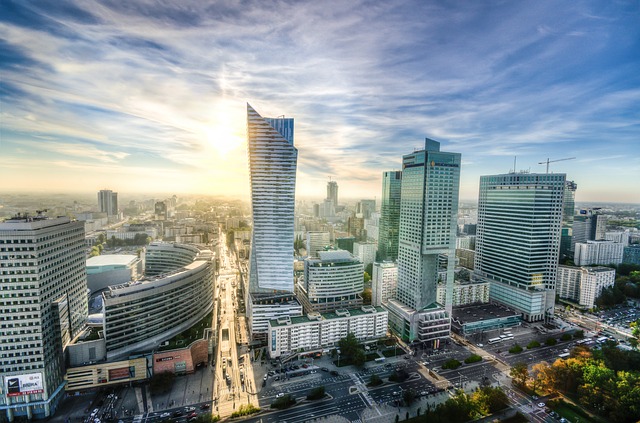
Warsaw: What Most Visitors Miss
Say “Warsaw” and most visitors picture the Old Town’s colorful market square. That picture is accurate and also a little misleading: almost none of it is original, the neon museum most guidebooks still place in Praga moved across the river in 2025, and the 1944 event everyone assumes is “the” Warsaw uprising is actually one of two separate risings a year apart....
read more
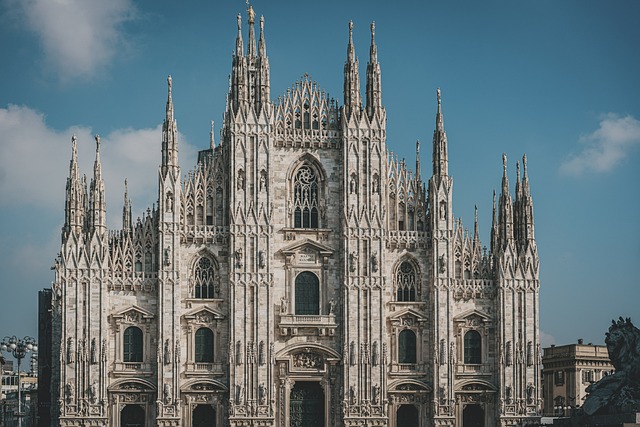
Duomo Rooftop: What Most Visitors Miss
Up Among the Duomo’s Spires, Where Most Tour Groups Never Go Only a fraction of the crowd standing in Piazza del Duomo ever makes it onto the roof, which is the whole appeal: 8,000 square meters of walkways threaded between 135 spires and thousands of statues, with the Alps visible on a clear day. This page covers the rooftop terraces, tickets, and timing. For the cathedral’s Gothic...
read more
Milan Cathedral: The Story Nobody Tells
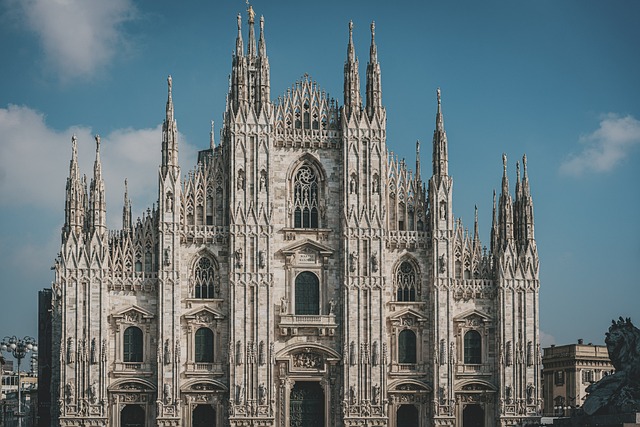
The Duomo di Milano: Six Centuries, One Building, Two Different Visits Construction on Milan’s cathedral began in 1386 under Gian Galeazzo Visconti and did not finish until the last bronze door was inaugurated in 1965, a 579-year build that makes the Duomo di Milano one of the longest-running architectural projects ever completed. The Gothic exterior carries roughly 3,400 statues and 135...
read more
Milan: What Most Visitors Miss
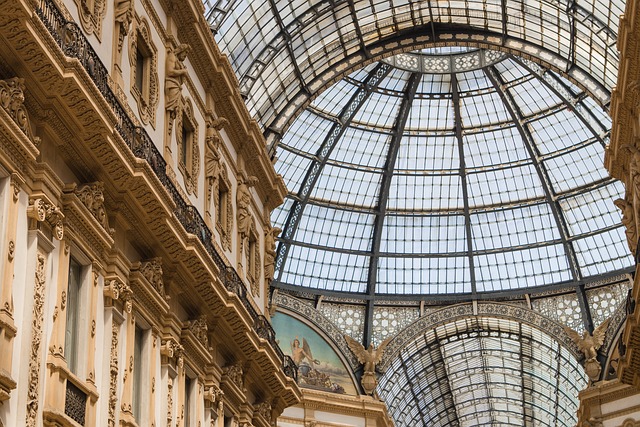
Milan Without the Rush Book Leonardo’s Last Supper before you book a hotel. That is not an exaggeration. The Cenacolo Vinciano, the refectory wall where the painting has survived for over five hundred years, releases tickets in quarterly batches roughly three months out, and slots for spring and summer routinely sell out within hours of going live. A second, smaller release drops every...
read more
Belfast Day Trip: What Most Visitors Miss
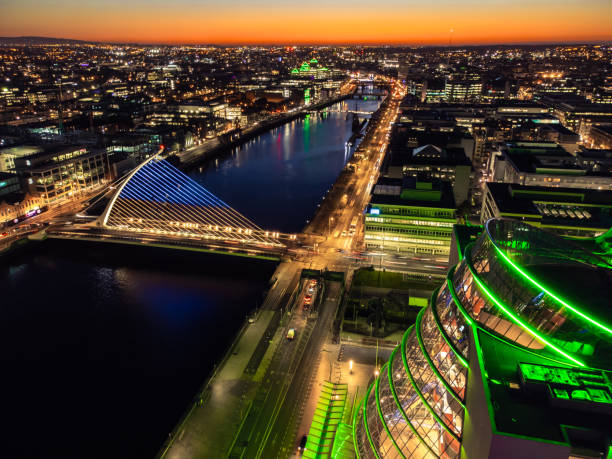
Of the six day trips Dublin sets up, exactly one changes your money mid-journey. Belfast and the Giants Causeway sit inside Northern Ireland, part of the United Kingdom, so the roughly 2 hour Enterprise train ride crosses a border with no passport check and no stamp, yet your euro stops being spendable the second you step off at Belfast. That quiet mismatch, an open border but a closed currency,...
read more
Dublin: What Most Visitors Miss
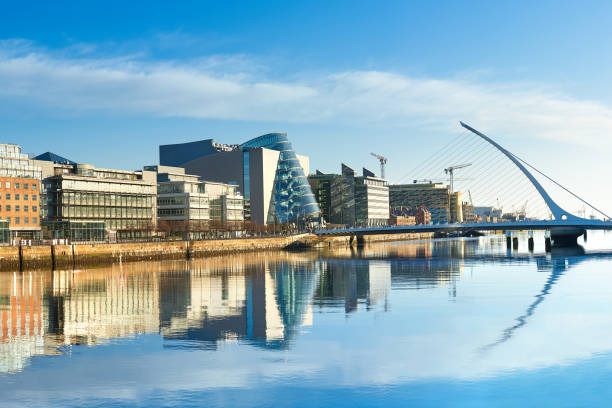
Dublin looks, on a postcard, like a medieval castle next to a library full of towering book-lined shelves. Neither is quite true right now. Dublin Castle is mostly an 18th-century Georgian rebuild sitting on medieval foundations, and its interior is closed to visitors for eight months of 2026 regardless. Trinity’s classic wall-of-books shot is mid-conservation. What’s actually true,...
read more
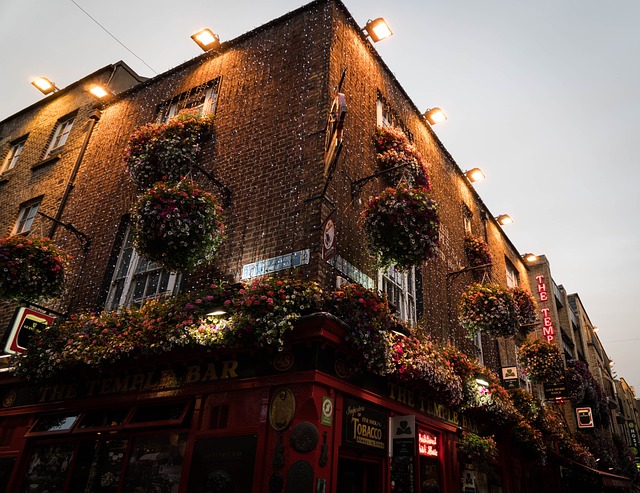
Temple Bar Dublin: What Most Visitors Miss
Temple Bar is a genuine historic quarter and, at the same time, the most tourist-priced few blocks in Dublin, and both of those things are true simultaneously rather than one cancelling out the other. Cobbled lanes running back to the 17th century, a Saturday food market, and a pint that costs noticeably more than it does two streets away: that’s the honest version, not the postcard one....
read more
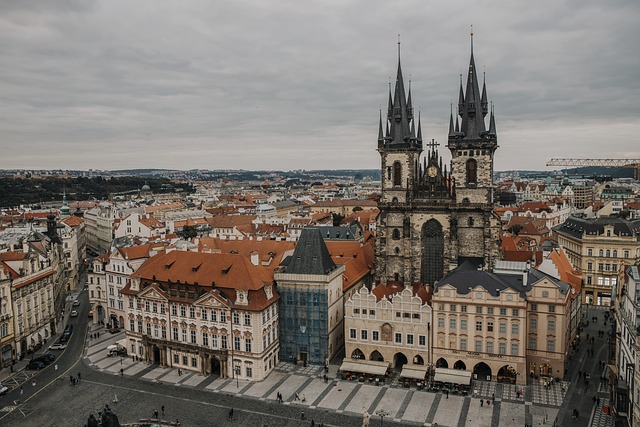
Old Town Square: What Most Visitors Miss
Old Town Square doesn’t need an introduction, and that’s exactly why most visitors get it wrong. They show up at 11am with everyone else, watch one clock show from the worst angle in the square, and leave without noticing most of what they walked past.
Fact Detail Astronomical Clock show Free, on the hour, roughly 9:00-23:00 in season, 9:00-21:00 in winter Old Town Hall tower CZK 350...
read more
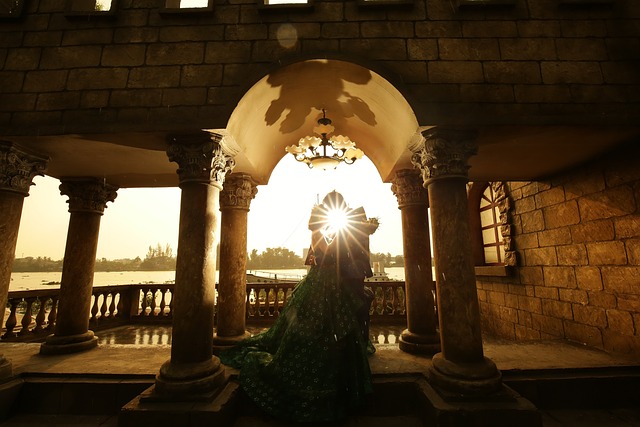
Prague Castle: What Most Visitors Miss
Prague Castle’s free grounds are the best value in the city, and most visitors never realize it. They queue for the paid circuit ticket assuming that’s the only way in, then rush the interiors in an hour because a tour schedule said so. This page is about what to actually prioritize once you’re through the gates, paid ticket or not.
Fact Detail Grounds and courtyards Free, daily...
read more
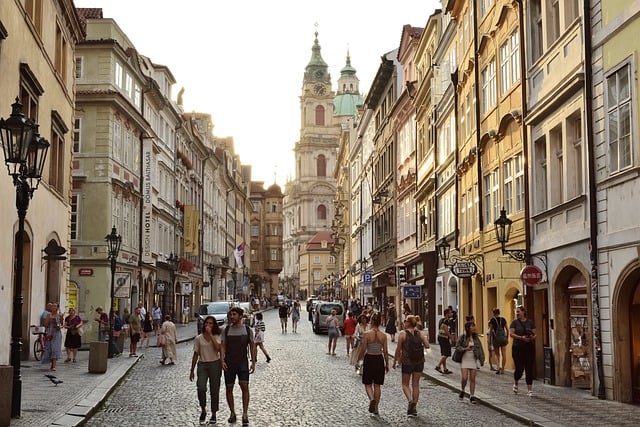
Prague: What Most Visitors Miss
Prague’s second layer starts about ten minutes’ walk past whichever landmark brought you here. The Castle and Old Town Square earn the crowds they draw, and both get their own full writeups linked below. This page is about the city around them: what a first-time visitor typically never reaches, and why it’s worth the detour once the postcard three are checked off.
Fact Detail...
read more
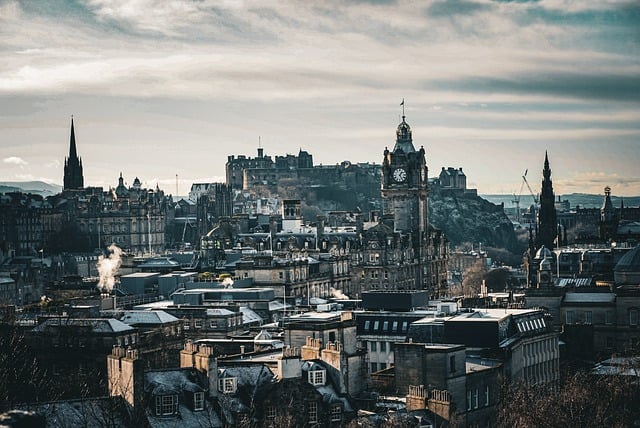
Edinburgh Castle: What Most Visitors Miss
A Paris idea runs Edinburgh Castle’s most famous daily ritual. Merchant John Hewat saw a time-signal gun on a trip to Paris in the 1850s and brought the idea home to Edinburgh; the One O’Clock Gun has fired from the ramparts at 1pm sharp every day since 1861, bar Sundays, so ships on the Firth of Forth could set their clocks by it. Most visitors never hear that story. Plenty also...
read more
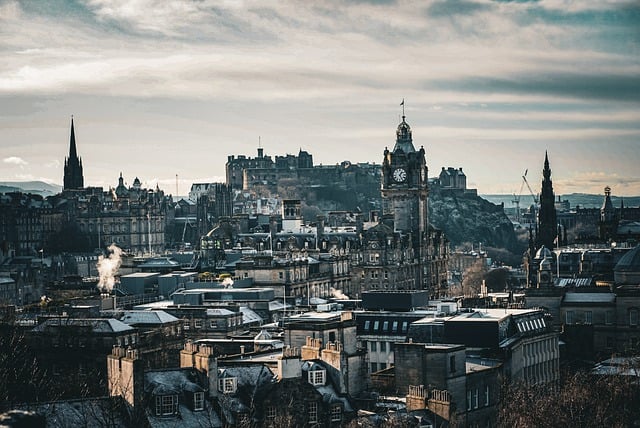
Edinburgh Festival: Actually Four Events
Edinburgh in August runs four separate festivals under one loose umbrella, and treating them as one event is the single costliest mistake a visitor makes. The Fringe, the world’s largest arts festival, has no jury: anyone who can find a venue gets a show, and walk-up tickets are genuinely common. The Royal Edinburgh Military Tattoo is a different company entirely, fixed seating on the Castle...
read more
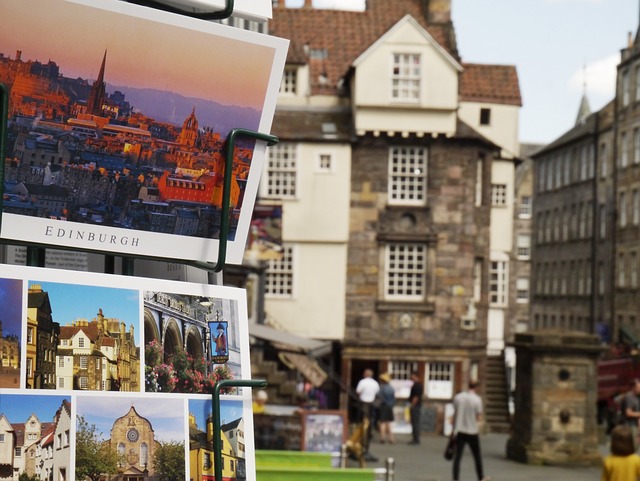
Edinburgh Royal Mile: Skip the Tartan Traps
The Royal Mile is closer to 1.1 miles than exactly one, running downhill from Edinburgh Castle to the gates of Holyrood Palace and changing its name four times along the way (Castlehill, Lawnmarket, High Street, Canongate). It’s also the single most tourist-menu’d street in Scotland: tartan shops, whisky shops with a grinning mannequin outside, haggis-and-chips signage on every block....
read more
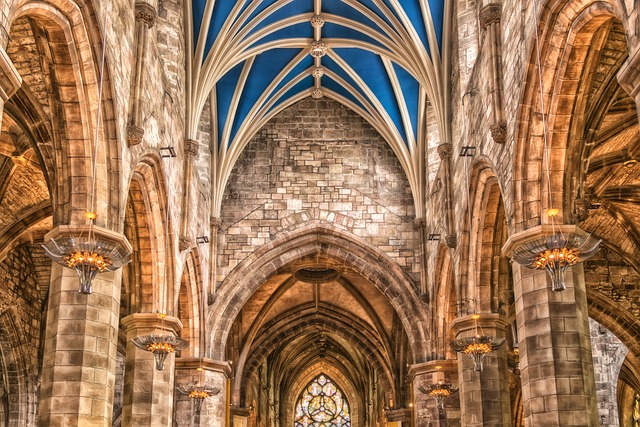
Edinburgh: What Most Visitors Miss
Edinburgh: What Most Visitors Miss Most first-time visitors do the same three hours: the Castle, the Royal Mile, maybe St Giles’ Cathedral, then wonder why the city feels smaller than its reputation. What they miss standing right next to it costs nothing: Arthur’s Seat, Calton Hill and the National Museum of Scotland are all free, no ticket, no timed slot. Past that free trio sits a...
read more
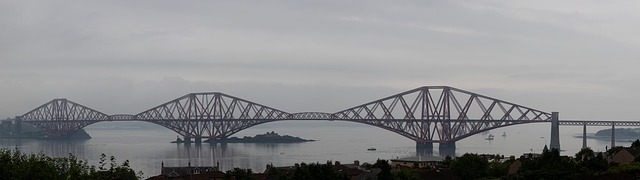
Forth Rail Bridge: The Free View Locals Use
The best view of the only UNESCO-listed bridge in Scotland costs nothing, and most visitors never learn where to stand for it. The Forth Bridge, a cantilever rail bridge finished in 1890, was inscribed as a UNESCO World Heritage Site on 5 July 2015, one of Scotland’s six listings. It still carries around 200 trains a day between Edinburgh and Fife. Verdict: skip the pricier options and head...
read more
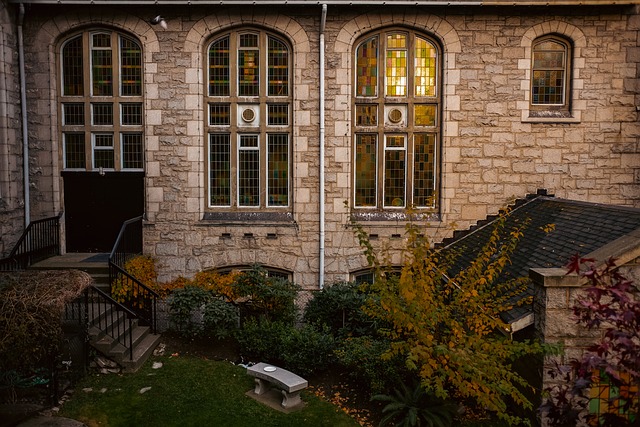
Museum of Anthropology: What Visitors Miss
Say “Museum of Anthropology” to a Vancouverite and the first correction you will get is that it is not closed anymore, has not been since June 2024, and some older travel posts still have not caught up. What those posts are actually missing is not the renovation news, it is that a museum built around open storage lets you open the drawers yourself, and its single most famous piece is a...
read more
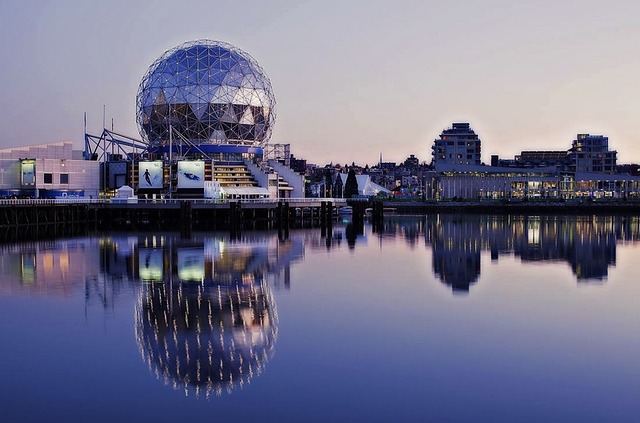
Vancouver Canada: A Tale of Two Vancouvers
Two cities named Vancouver both trace to the same 1790s British naval captain, and only a handful of visitors booking flights each year seem to know that. This one is the real gateway: British Columbia’s Pacific coast, its own mountains behind downtown, and a rail platform where you can, in theory, buy a ticket that takes four days to reach Toronto. The other Vancouver sits near Portland,...
read more
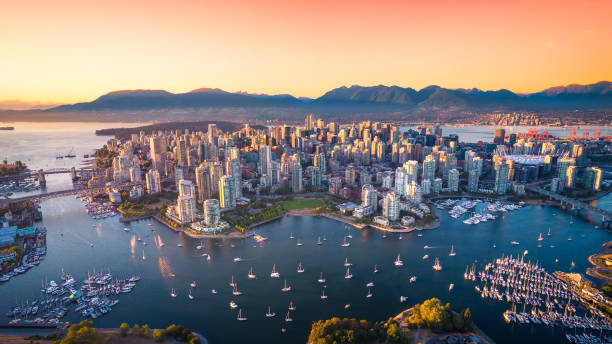
Vancouver: What Most Visitors Miss
Vancouver’s brochure shot, glass towers backed by snow-capped mountains, is real and worth seeing. What it leaves out is a second, cheaper city running in parallel: a suspension bridge nobody charges for, two competing ferry systems that do not share a fare card, and a public park that renamed itself by accident and kept the joke name. Most first-time visitors see Capilano, the Aquarium, and...
read more
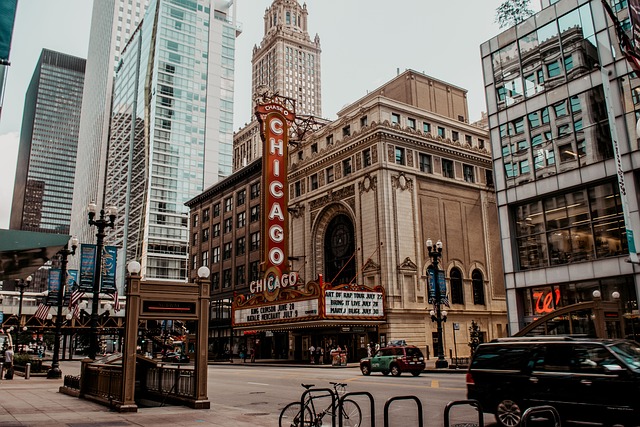
Art Institute of Chicago: What Visitors Miss
Most visitors walk the Art Institute in a straight line to three paintings, Seurat’s dots, Grant Wood’s farmhouse couple, Hopper’s diner, then head for the gift shop. That takes maybe 40 minutes. The building holds over 300,000 objects, and the rooms nobody detours for are where the museum actually earns a full afternoon.
Art Institute key facts Price $32 adult, $26 senior or...
read more
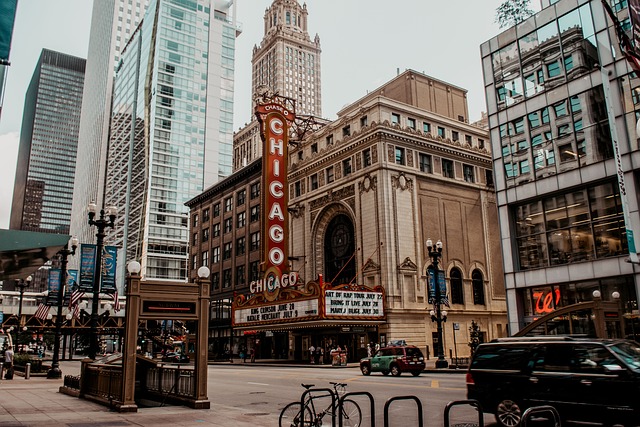
Chicago: What Most Visitors Miss
Most Chicago trips run the same four stops, the Bean, the Skydeck, a deep-dish table, and a river cruise, then leave. All four are genuinely good. None of them explain why a stained-glass dome two blocks from Millennium Park sits almost empty, or why the architects who built this skyline are buried under monuments as considered as anything they designed while alive.
Chicago at a glance Best free...
read more
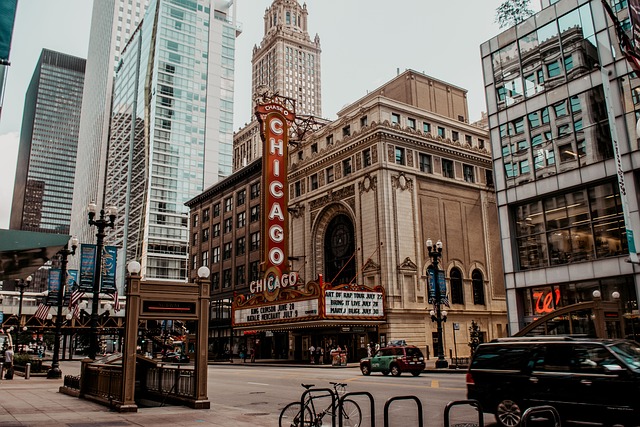
Cloud Gate: What Most Visitors Miss
Cloud Gate was not the safe choice. When Millennium Park’s committee reviewed proposals in 1999, the other finalist was a 150-foot glass-and-steel playground slide by Jeff Koons, complete with an elevator-accessed observation deck. They picked Anish Kapoor’s mirrored bean instead, and most visitors standing under it today have no idea how close Chicago came to a giant slide in its...
read more
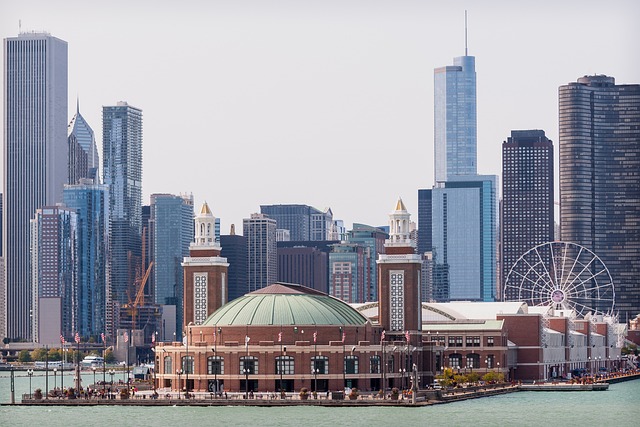
Navy Pier: What Most Visitors Miss
Almost nobody walking Navy Pier’s 3,300 feet toward the Ferris wheel knows they are standing on a former college campus. Between 1946 and 1965, the University of Illinois ran an entire undergraduate branch here for returning World War II veterans on the G.I. Bill, nicknamed “Harvard on the rocks.” Roughly 100,000 students passed through classes on the pier before the school moved...
read more
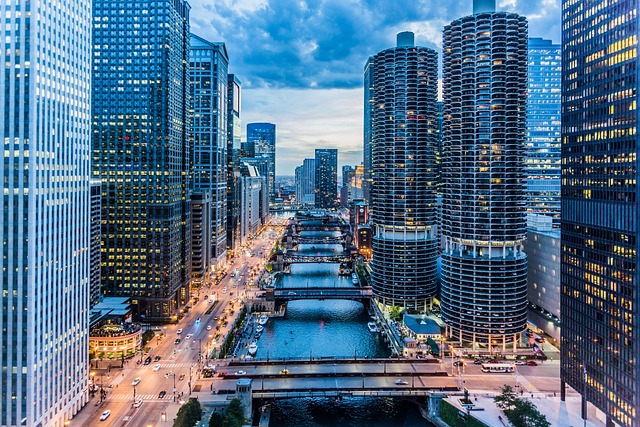
Springfield: What Most Visitors Miss
Most people who fly into O’Hare never learn that Illinois has a second, weirder identity three and a half hours south of the Loop. Springfield is the state capital, and the drive down on I-55 doubles as the old downstate leg of Route 66, past a fiberglass spaceman and a stand that sells maple syrup spelled wrong on purpose. Skip it for a weekend trip; book it as an overnight once you have...
read more
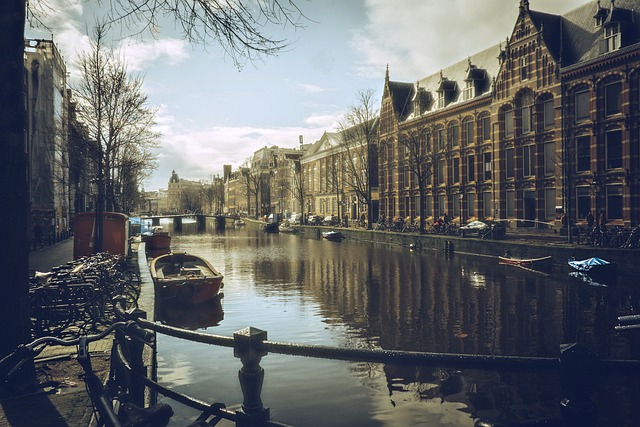
Amsterdam Canals: What Most Visitors Miss
Amsterdam’s canal ring looks like scenery. It’s actually a 17th-century engineering project that happens to be extremely photogenic: 90 kilometres of hand-dug waterway laid out in a 1612 plan to expand a medieval town into a designed one, on land sitting below sea level. UNESCO listed the whole ring in 2010. You can see all of it for free on foot, or pay EUR 15-40 for a boat that shows...
read more
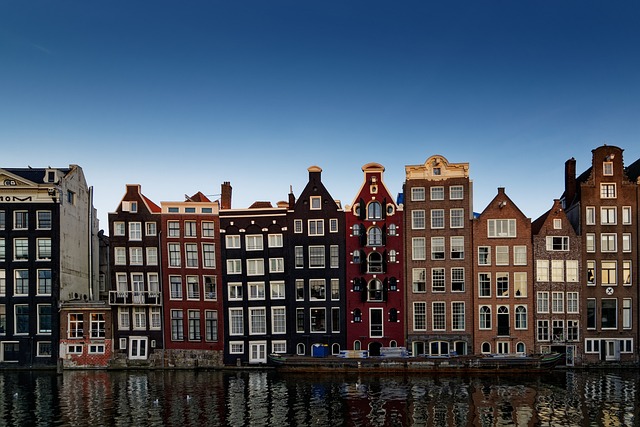
Amsterdam: What Most Visitors Miss
Most first-time descriptions of Amsterdam stop at the canal ring, the Rijksmuseum, and a bike bell. The city most visitors actually miss sits a few streets or a five-minute ferry ride past all three: courtyards behind unmarked doors, an entire district across the water that most trip reports never mention, and a market street that runs on a Tuesday exactly the way it runs on a Saturday. None of it...
read more
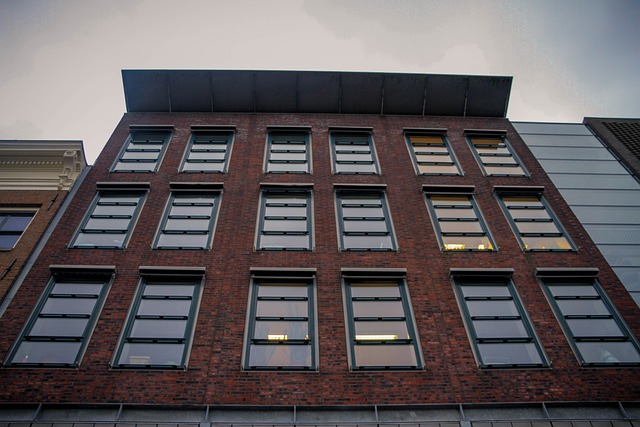
Anne Frank House: What Most Visitors Miss
Anne Frank House does not have a line out front, and that trips people up. There’s no ticket booth to queue at, no tout working the pavement, nothing to skip. The whole building sells out weeks before anyone arrives, quietly, online, through annefrank.org and nowhere else. New tickets release every Tuesday at 10:00 CEST for the exact date six weeks ahead, and in summer the earliest slots...
read more

Rijksmuseum: What Most Visitors Miss
Rijksmuseum sounds like a full-day undertaking, and most visitors treat it that way, wandering all 80 galleries until their feet give out somewhere around gallery 40. Don’t. The building holds 800 years of Dutch art across 8,000 objects, but the actual move is two hours in the Gallery of Honour for The Night Watch and The Milkmaid, then one more hour in three or four rooms you actually...
read more
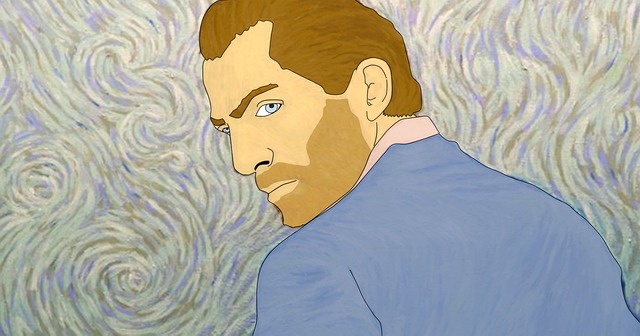
Van Gogh Museum: What Most Visitors Miss
Van Gogh Museum tickets are timed, online-only, and gone faster than most people expect for a museum with one painter’s name on the door. Adult entry runs about EUR 25, free under 18, booked through vangoghmuseum.nl or the museum’s own listed resellers, never a random aggregator site. Slots for spring and summer weekends typically vanish 7-10 days out, faster still around long weekends...
read more
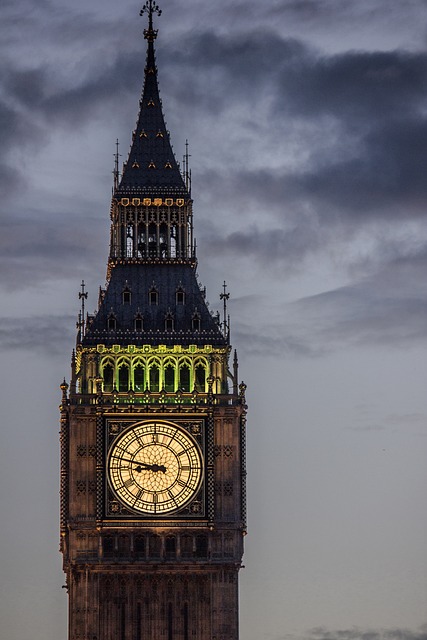
Big Ben: What Most Visitors Miss
Big Ben the bell is off pitch on purpose, cracked two months after it first rang in 1858 and never re-cast, and since 1 August 2026 you can climb the 334 steps to stand next to it for GBP 55. The tour is not a walk-up. Tickets release in a single batch at 10:00 on the second Wednesday of every month, three months ahead, and the batch is gone within minutes.
read more
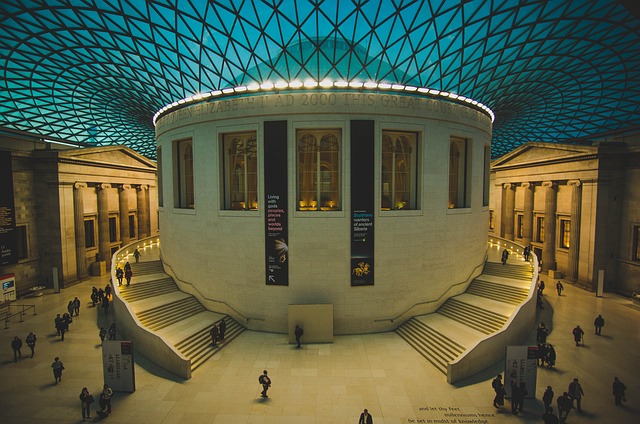
British Museum: What Most Visitors Miss
The British Museum charges nothing to walk in and see the permanent collection, deliberate national policy rather than a limited-time offer, and it has held since long before 2026. What isn’t free this year is the museum’s single biggest event: the Bayeux Tapestry, out of France for the first time in its 950-year history, opening 10 September 2026. The first ticket batch, covering 10...
read more
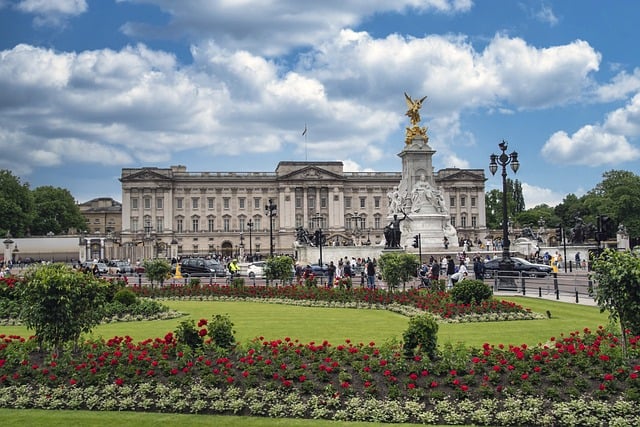
Buckingham Palace: What Most Visitors Miss
Buckingham Palace has 775 rooms, and for exactly 12 weeks a year you can walk through about 19 of them. The State Rooms open for public tours only from 9 July to 27 September 2026, GBP 33 for an adult ticket, and the palace goes back to being closed to visitors (forecourt and Changing of the Guard only) the other 40 weeks. Miss the summer window and there’s no year-round backup tour of the...
read more
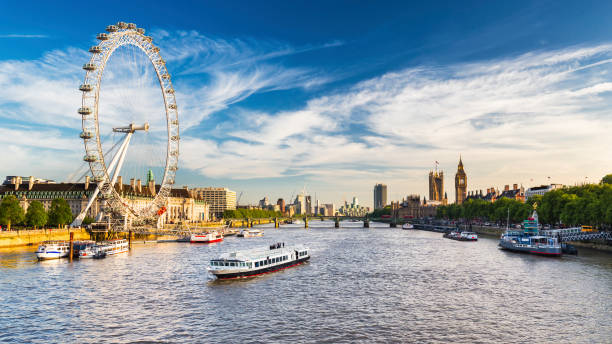
London Eye: What Most Visitors Miss
The London Eye was permitted as a temporary structure for London’s millennium celebrations in 2000, with planning consent to come down within 2 years. Twenty-six years on it’s still turning on the South Bank, a piece of scaffolding-grade infrastructure that outlasted its own planning horizon by more than a decade, and it now costs GBP 29 to 33 online for a ride that takes half an hour....
read more
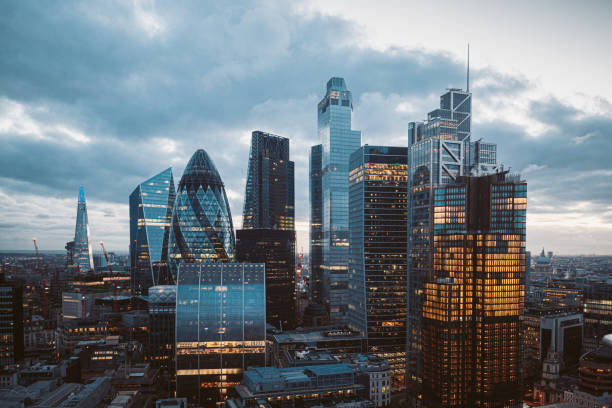
London: What Most Visitors Miss
Walk from St Paul’s Cathedral to the Tower of London and you cross an invisible border most visitors never clock: the City of London, the original walled Roman and medieval settlement that gave the whole metropolis its name, is a separate governing entity from the 32 boroughs around it, complete with its own police force, its own Lord Mayor, and a mostly-empty weekend feel that has nothing...
read more
Oxford: What Most Visitors Miss
Oxford: What Most Visitors Miss Oxford sells two very different Harry Potter sets at two very different prices, and almost nobody visiting for the day realizes it. Christ Church’s Great Hall, the dining-hall inspiration, costs about GBP 22.50 to 24.50 to see. The Divinity School, the actual filming location for the Hogwarts infirmary and several other scenes, is a separate GBP 3 ticket...
read more
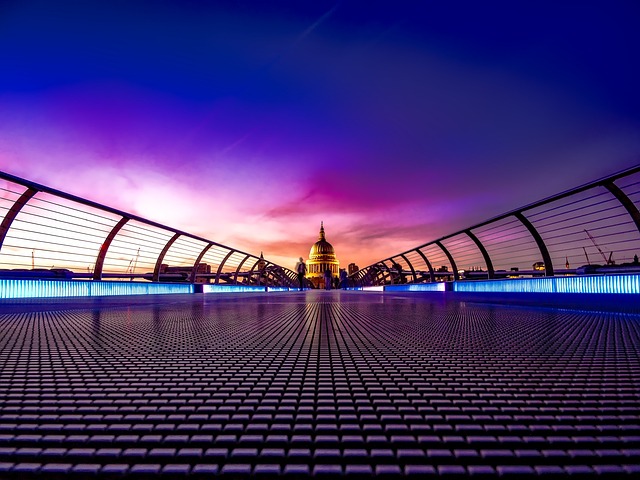
St Pauls Cathedral: What Most Visitors Miss
Christopher Wren was commissioned to build a cathedral with a spire and built a dome instead, using a contract clause allowing “ornamental” changes to justify swapping the entire structural design. Nobody stopped him. The result held London’s tallest-building record from 1710 to 1963, and in 2026 it costs GBP 27 to see (GBP 24 through 1 September under a temporary VAT-saving...
read more
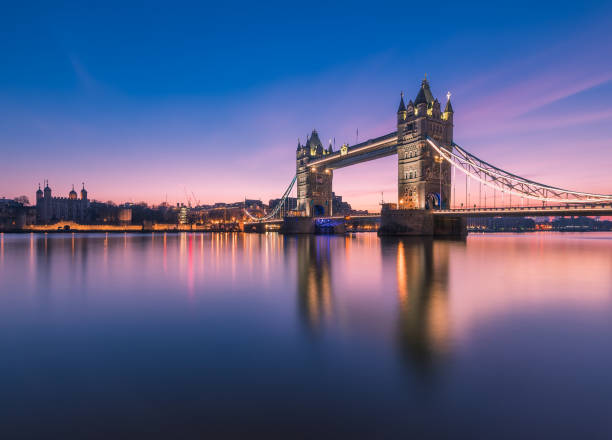
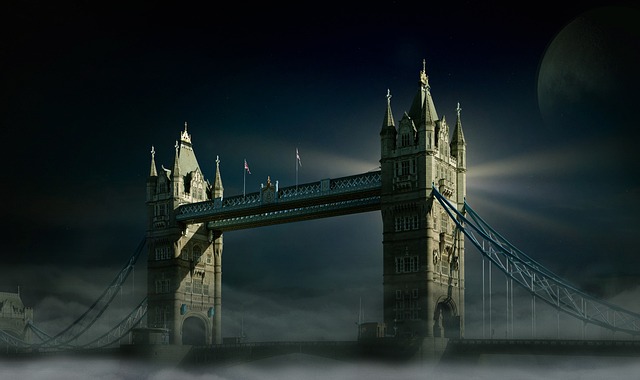
Tower Bridge: What Most Visitors Miss
Tower Bridge and the Tower of London are not the same building, despite sharing a name and being a short walk apart, and mixing them up is the single most common visitor error at this end of the Thames. Tower Bridge is the Victorian bascule bridge with the twin towers and the glass walkway 42 metres above the water; the Tower of London, with the Crown Jewels and the ravens, sits a 5 minute walk...
read more
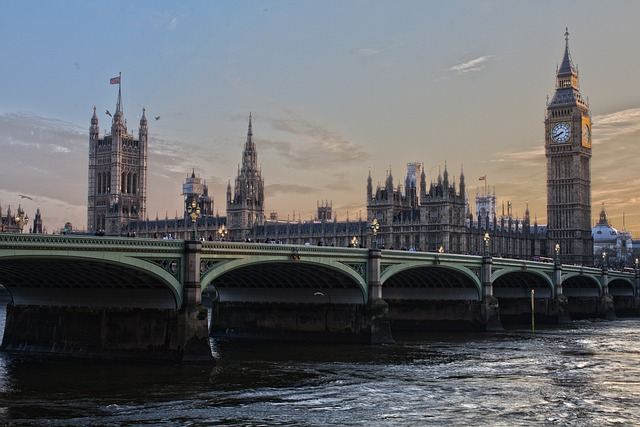
Tower of London: What Most Visitors Miss
Adult tickets run GBP 37 online, which is a genuinely steep price for a single site, and here’s the case for paying it anyway: a 900-year-old fortress, the Crown Jewels including the 530-carat Cullinan I (the largest clear-cut diamond in the world), live ravens whose presence is protected by a Charles II decree that supposedly keeps the kingdom standing, and a Yeoman Warder tour that’s...
read more
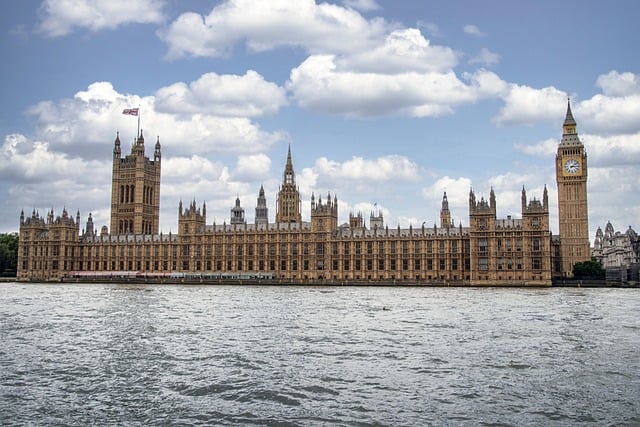
UK Parliament: What Most Visitors Miss
Most visitors photograph the Houses of Parliament from across the Thames and never go inside, which skips the better part: a paid guided or self-guided tour through Westminster Hall, a room that has stood since 1097, nearly a thousand years before the tower next door existed. This is a separate ticket from the Big Ben tower climb ; the Hall-and-chambers tour and the bell tower tour are booked on...
read more
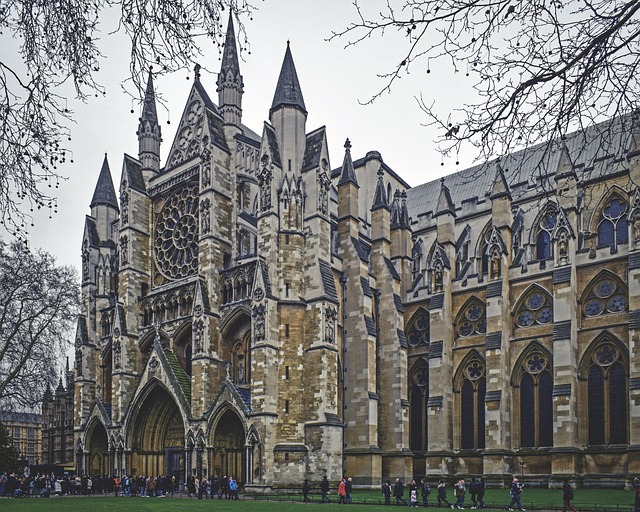
Westminster Abbey: What Most Visitors Miss
Westminster Abbey is closed to sightseers every Sunday, worship only, which surprises visitors who assumed a landmark this famous stays open daily. The rest of the week it’s GBP 31 online (GBP 27 through 1 September 2026 under a temporary VAT-saving discount, with a free child ticket per paying adult), and it’s the working coronation church, not a museum dressed up as one: every...
read more
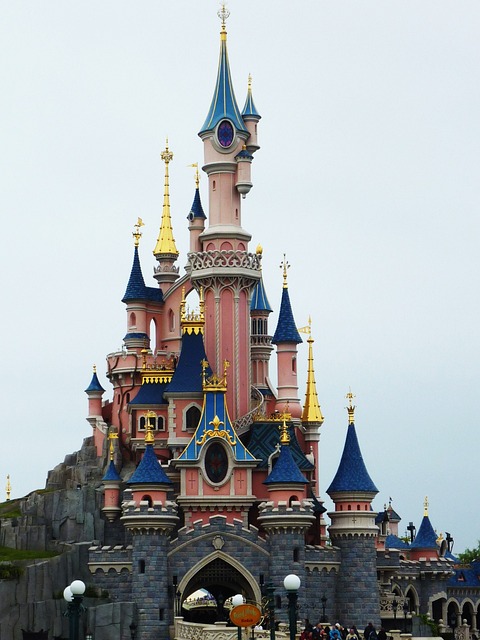
Disneyland Paris: What Most Visitors Miss
Disneyland Paris: What Most Visitors Miss On 29 March 2026, the old Walt Disney Studios park stopped existing. Disney Adventure World took its place after a EUR2 billion overhaul, and most advice written before that date is now describing a park that no longer exists. The short verdict: it’s the biggest change to this resort since it opened in 1992, the new World of Frozen zone is already...
read more
Mont-Saint-Michel: What Most Visitors Miss
Mont-Saint-Michel: What Most Visitors Miss Type “Mont-Saint-Michel day trip from Paris” and a dozen tour operators will happily sell you one. What most visitors miss is that the number doesn’t lie: it’s roughly 4 to 4.5 hours each way, regardless of which combination of train and bus you pick, and a same-day round trip spends more hours on a bus than on the rock. The thing...
read more
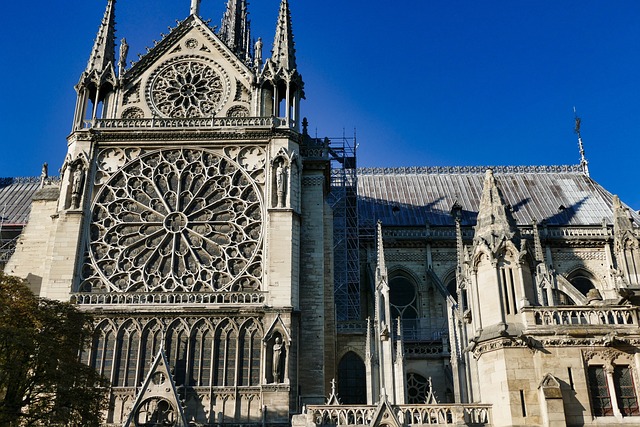
Notre-Dame: What Most Visitors Miss
Notre-Dame reopened to the public on 7 December 2024, five and a half years after the 2019 fire, and by now it has been open well over a year. If you are still picturing scaffolding and a roped-off square, that picture is out of date. Entry to the nave costs nothing and needs no ticket, and it anchors Day 1 of a Paris itinerary whichever length you pick.
What most visitors miss Detail Facts Nave...
read more
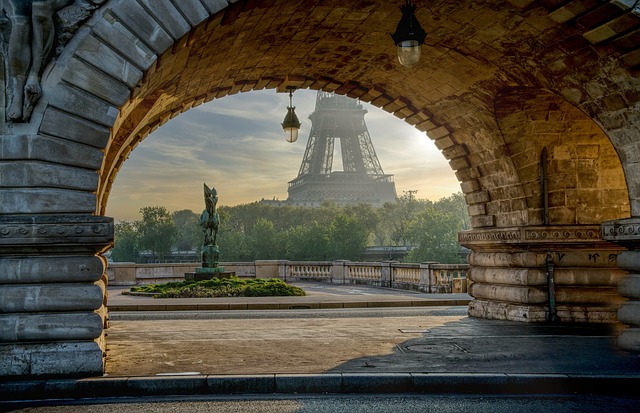
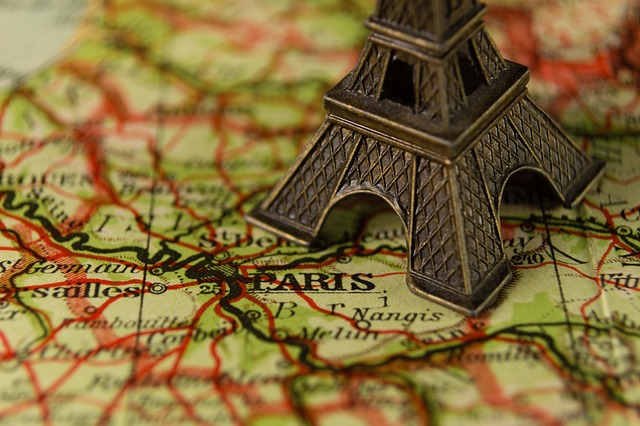
Paris: What Most Visitors Miss
Paris pulls around 30 million visitors a year toward the same five names: Eiffel Tower, Louvre, Notre-Dame, Sacre-Coeur, Champs-Elysees. All five are worth the trip, but three of them now require a booked, timed slot before you can walk in the door, and the other two hide something most people never notice. The table below is the fast version; the rest of this page is the slow one.
The bookings...
read more