Recent Locations
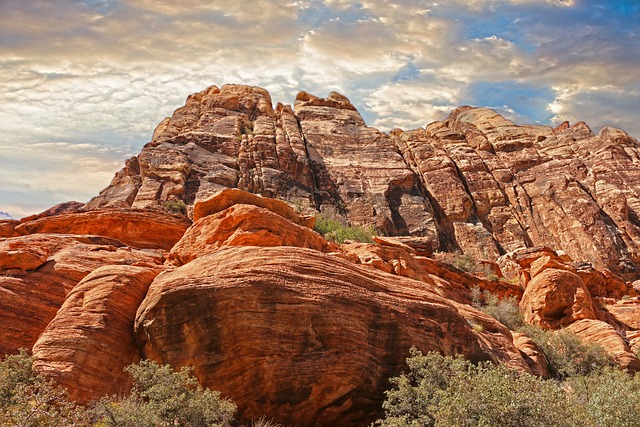
The Nevada Desert: What Most Visitors Miss
The Desert Around Las Vegas Has a Mountain, an Alien Highway, and an Art Piece on a Deadline Most people never leave the Boulevard long enough to notice that Nevada surrounds Las Vegas on every side, and most of it is stranger and quieter than anything on the Strip. Within an hour of the Bellagio fountains sits an 11,916-foot mountain that runs 20 to 30 degrees cooler than the casino floor, a...
read more
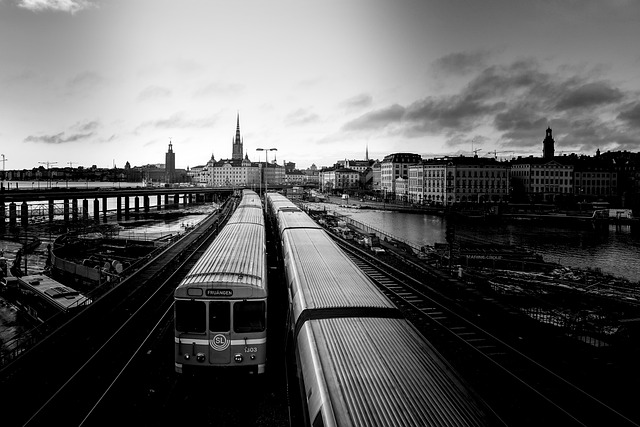
Stockholm: What Most Visitors Miss
Stockholm: A City That Rewards Slowing Down Stockholm sits across 14 islands where Lake Malaren meets the Baltic, and the water rearranges your sense of distance in a way that never quite stops being disorienting. A neighbourhood that looks ten minutes away as the crow flies can take twenty five minutes on foot because a bridge or a ferry is the only way across. Once you stop fighting that, the...
read more
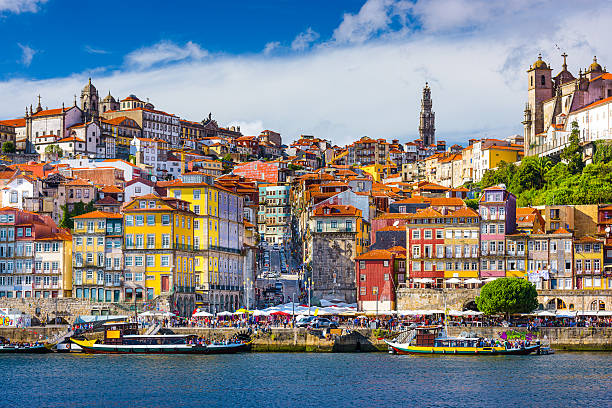
Porto: What Most Visitors Miss
Everyone photographs the Dom Luís I Bridge and credits Gustave Eiffel. Nearly everyone is wrong. It was designed by Théophile Seyrig, Eiffel’s former business partner, who beat an Eiffel-submitted design in open competition; Eiffel’s real Porto-area work is the older Maria Pia railway bridge upriver, no longer used for regular trains, and the family resemblance between the two is...
read more
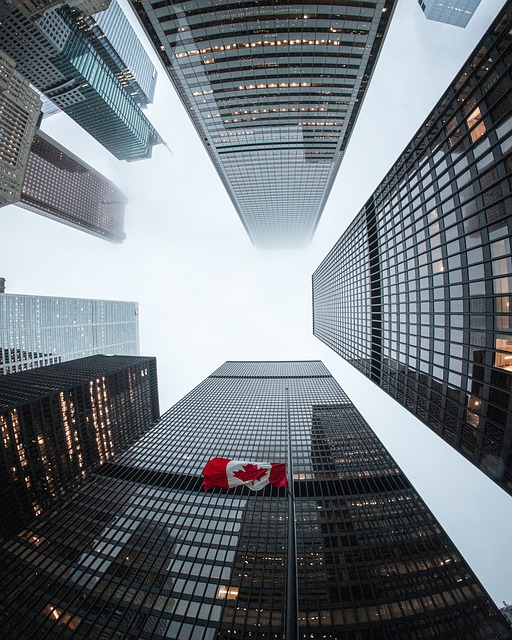
Toronto: What Most Visitors Miss
Ask five Torontonians what the city’s signature food is and you’ll get five completely different answers, each defended fiercely. That’s not a gap in the city’s identity, that’s the identity: dozens of diaspora kitchens operating a few blocks apart, none of them deferring to the others. Consider this the spot-by-spot version of that idea, a running list of exactly...
read more
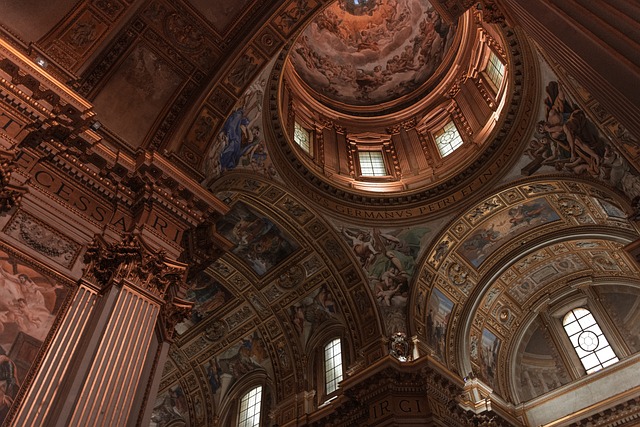
Rome: What Most Visitors Miss
Rome Has 2,500 Free Water Fountains Shaped Like Big Noses, and Nobody Warns You They’re called nasoni, “big noses,” and they’re bolted to street corners all over the city, curved cast-iron pipes constantly running with the same aqueduct-sourced water that comes out of the tap. Block the small hole near the top with a finger and the water arcs upward into a drinkable stream....
read more
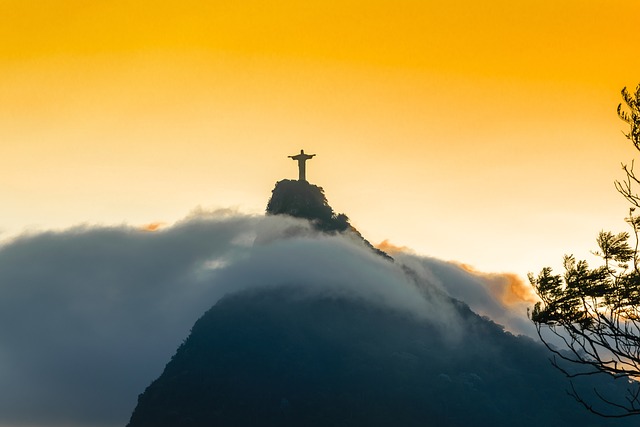
Beyond Rio: What Most Visitors Miss
Rio de Janeiro: The Place You Land, Not The Place You Stay Most guides treat Rio as a closed loop: beaches, mountain, statue, repeat. That undersells it. Rio sits on a bay that opens straight onto the rest of Brazil, a ferry ride from one city, a bus from an imperial mountain town, a short flight from a national financial capital and a border waterfall. This is a places list built around that fact...
read more
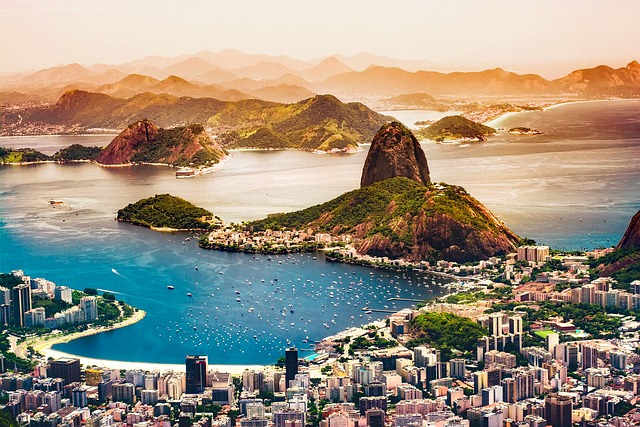
Rio de Janeiro: What Most Visitors Miss
A city that names its beach chairs by lifeguard tower number instead of street address isn’t playing by the same rules as everywhere else you’ve traveled, and Rio de Janeiro wants you to notice that early. This isn’t the logistics rundown, for airport transfers and metro fares our full Rio guide has that covered. This is the spot-by-spot version: the places worth actually...
read more
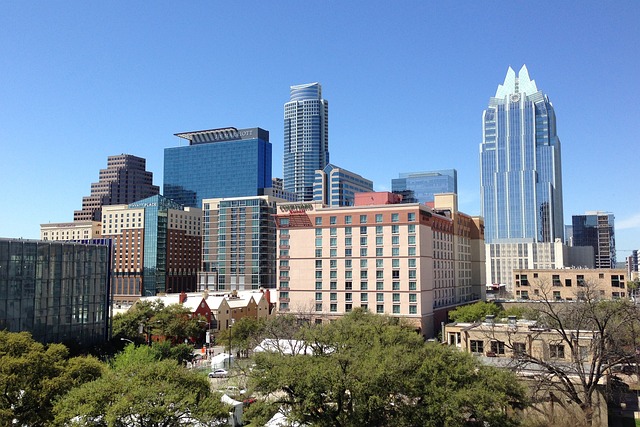
Austin: What Most Visitors Miss
At Franklin Barbecue, people begin queuing before the place opens, occasionally before dawn, chairs unfolded on the sidewalk like they’re waiting out a hurricane rather than a brisket. The operation sells out most days by early afternoon, so anyone who wanders up at 11am on a Saturday expecting to duck in and out is going home hungry. The queue itself is the actual activity: you bring beer,...
read more
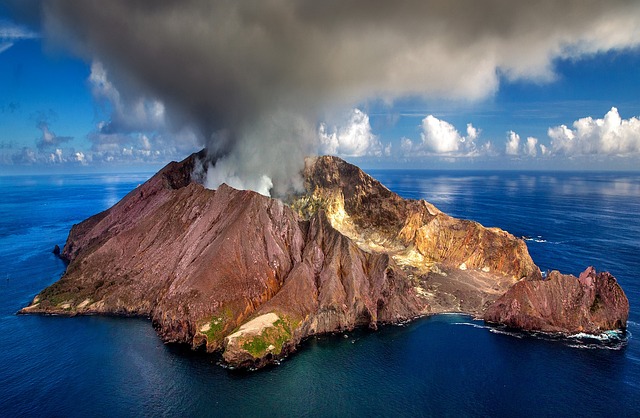
New Zealands North Island
In 1887, a Maori chief named Te Heuheu Tukino IV gifted the summits of Tongariro, Ngauruhoe, and Ruapehu to the people of New Zealand. He reasoned that the mountains were too sacred to be sold and that making them a national park was the best protection available. That gift created the Tongariro National Park, the first in New Zealand and one of the earliest in the world, and it is the reason...
read more
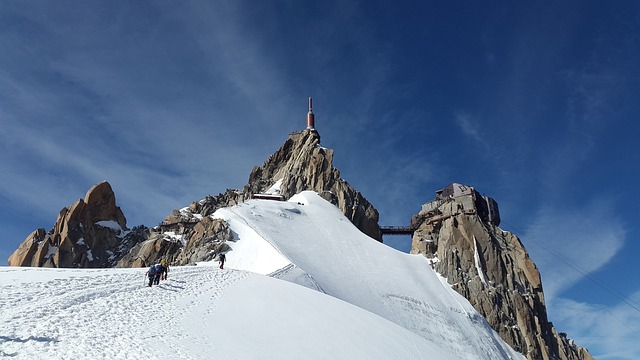
Mont Blanc
Mont Blanc and Chamonix: Europe’s Highest Peak and the Town That Lives Under It Mont Blanc stands at 4,808 metres, which makes it Western Europe’s highest mountain and one of the most contested measurements in geography: the summit shifts slightly as ice accumulates or retreats, and France and Italy have disagreed about the border location for decades. What is not contested is that the...
read more
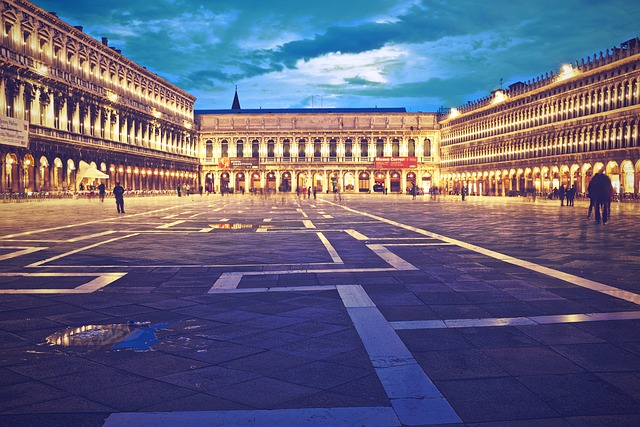
Piazza San Marco
Piazza San Marco is the lowest point in Venice, which is why it floods first Napoleon famously called it the drawing room of Europe. In an acqua alta event above 110 centimetres, St. Mark’s Square is a shallow lagoon. Venetians in waders step around tourists who did not check the forecast; the tidal forecast website (CPSM) predicts events 72 hours ahead, and the city’s MOSE barrier...
read more
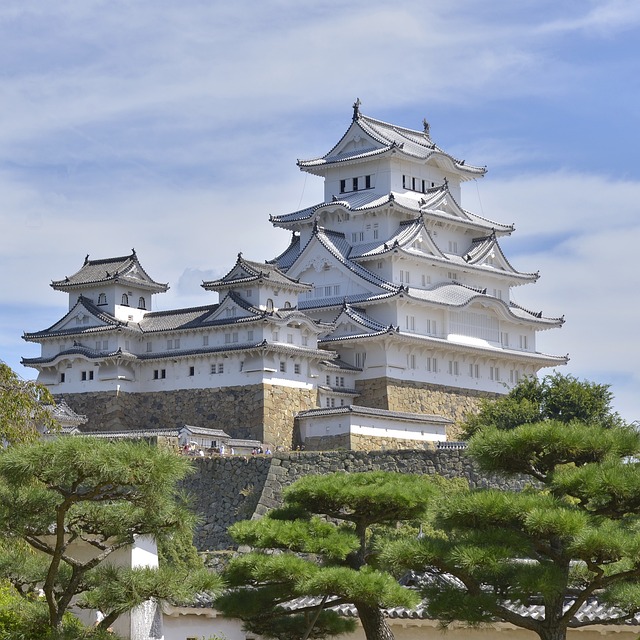
Himeji-Jo
On the night of 3 July 1945, American incendiary bombs destroyed much of Himeji city. One bomb landed on the top floor of Himeji-jo and failed to detonate. The castle survived the war. It is worth leading with this fact because most Japanese castles you can visit today are 20th-century concrete reconstructions, some of them built with elevators inside. Himeji-jo is one of only twelve Japanese...
read more
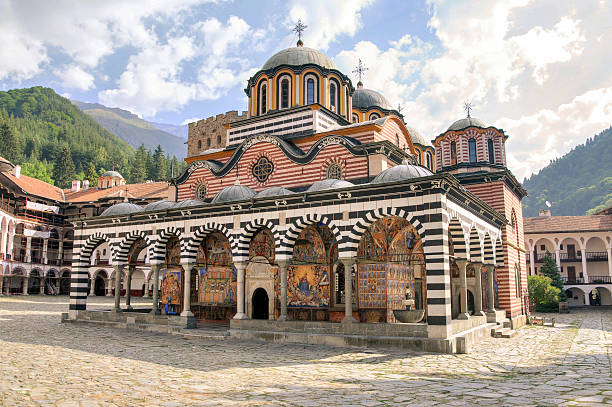
Rila Monastery
The main church at Rila Monastery was built between 1834 and 1837, and its frescoes were completed by 1846. This matters because the building that most visitors photograph and admire is not ancient: it is a product of the Bulgarian National Revival period, painted by masters from Bansko and Samokov including the brothers Zahari Zograf, whose work decorates nearly every surface inside. The...
read more
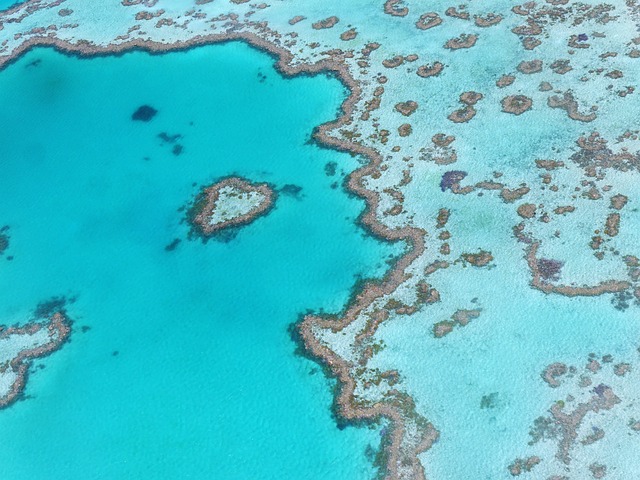
Great Barrier Reef Australia
The Great Barrier Reef has experienced six mass bleaching events since 2016, with 2024 producing the most spatially extensive bleaching since monitoring records began in 1986. In 2025, the Australian Institute of Marine Science surveyed 124 reefs and found that 48 percent had undergone a decline in coral cover. The reef is under serious, documented, ongoing stress. Saying this upfront is not...
read more
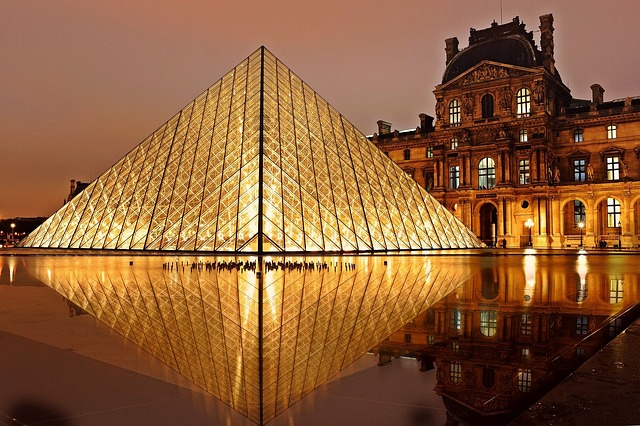
Louvre Museum
Visiting the Louvre After the Heist: What Has Changed and What Has Not On October 19, 2025, a team of thieves disguised as construction workers stole eight pieces of the French Crown Jewels from the Louvre’s Galerie d’Apollon in under eight minutes. The total value of the stolen pieces was estimated at around 88 million euros. The museum closed for one day. By week’s end, two...
read more
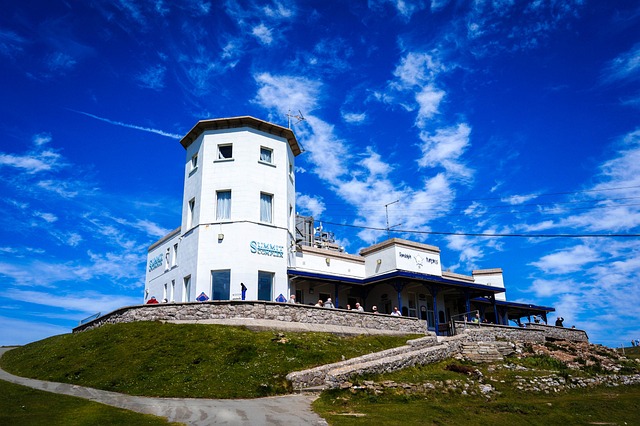
Great Orme Tramway
Only three cable street tramways still operate in the world. San Francisco’s is the most famous. Lisbon runs three funiculars through its steep historic neighbourhoods. And then there is the Great Orme Tramway in Llandudno, North Wales, which has been hauling passengers up a limestone headland since 1902 and which most people outside Britain have never heard of.
It is, by a reasonable...
read more
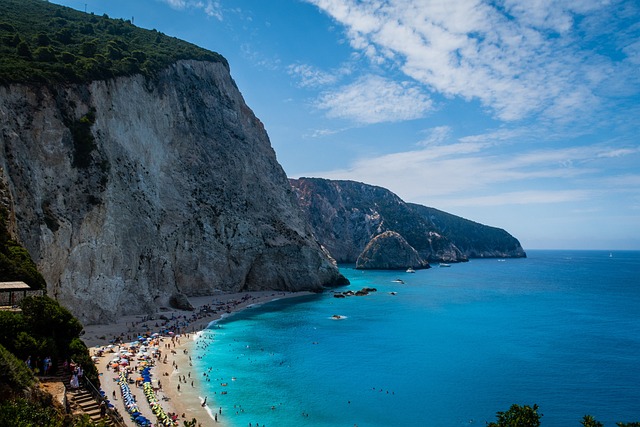
Greek Islands, Greece
Greece Is Actively Trying to Reduce Crowds on Its Most Famous Islands
Starting in the summer of 2025, Greece introduced a per-person cruise passenger levy at Santorini and Mykonos: 20 euros per person during peak season (June to September) and 12 euros in shoulder months. Santorini went further and introduced a hard daily cap of 8,000 cruise visitors, backed by a berth-allocation system. For 2026,...
read more
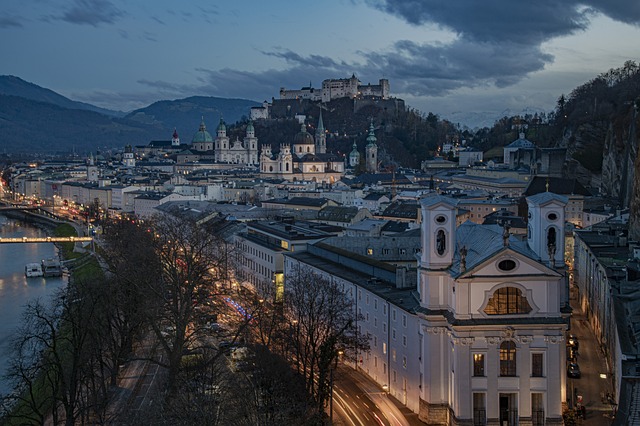
Festung Hohensalzburg
Festung Hohensalzburg, Salzburg
Hohensalzburg Fortress was never successfully attacked. In nearly a thousand years of standing above Salzburg on a rocky ridge, it was besieged once, in 1525, during the German Peasants’ War, when miners and farmers tried to oust Prince-Archbishop Matthäus Lang. The fortress held. Lang, whose treatment of his subjects had provoked the uprising in the first...
read more
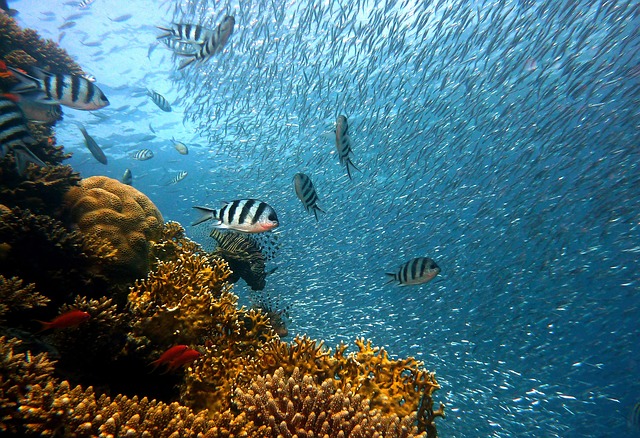
Glover S Reef
Glover’s Reef Atoll, Belize: The One That Actually Rewards the Journey Glover’s Reef is Belize’s most remote atoll. It sits roughly 45 kilometres from the mainland coast in the southern Caribbean Sea, far enough out that the tourist infrastructure has never quite caught up with the ecology. Inside its lagoon are more than 700 patch reefs. Along its outer walls, the seafloor drops...
read more
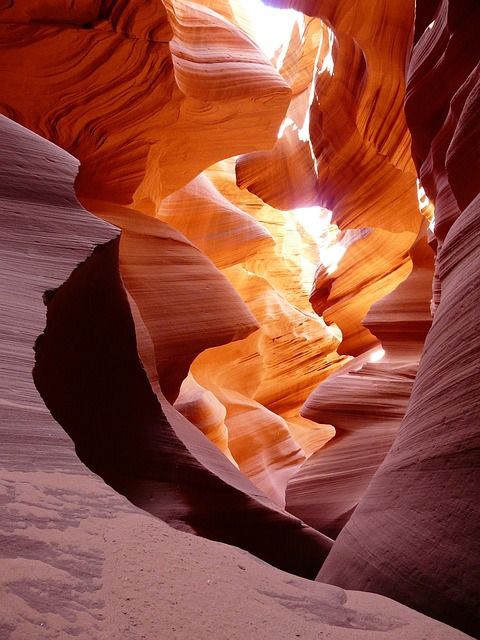
Antelope Canyon
Antelope Canyon: The Most Photographed Slot Canyon in the World On August 12, 1997, eleven tourists died inside Lower Antelope Canyon. A storm broke fifteen miles away, in a watershed most of them would not have been able to find on a map, and within minutes the slot was a wall of water. There were no guides required. There was no safety infrastructure. You paid a small fee and walked in alone.
read more
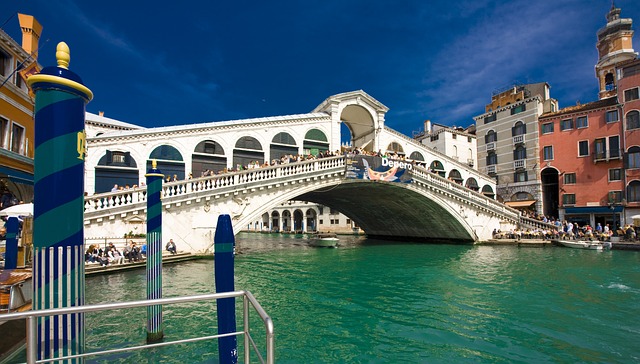
Rialto Bridge
The competition to design the current Rialto Bridge was one of the more embarrassing episodes in Renaissance architectural history. Palladio submitted plans. So did Michelangelo, Jacopo Sansovino, and Vignola. The Venetian authorities rejected all of them in favor of Antonio da Ponte, a relatively unknown local builder whose main qualification was that his single-arch design was the only one that...
read more
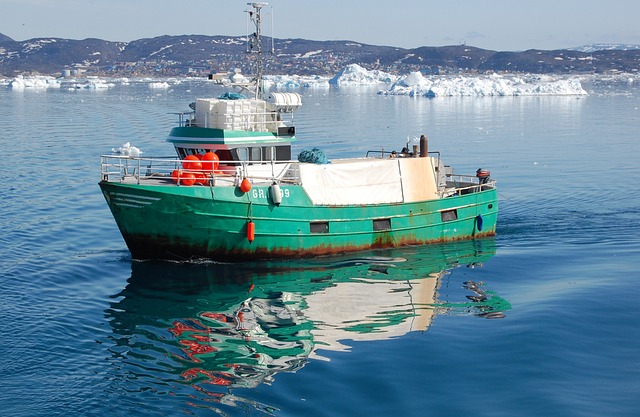
Ilulissat Kangerlua, Greenland
Ilulissat Kangerlua: What Visiting the World’s Most Productive Glacier Actually Involves The Sermeq Kujalleq glacier discharges approximately 20 billion tonnes of ice into the fjord annually. It is the fastest-moving glacier in the northern hemisphere, advancing and calving at a rate that researchers measure in metres per day rather than per year. The icebergs that result from this process...
read more
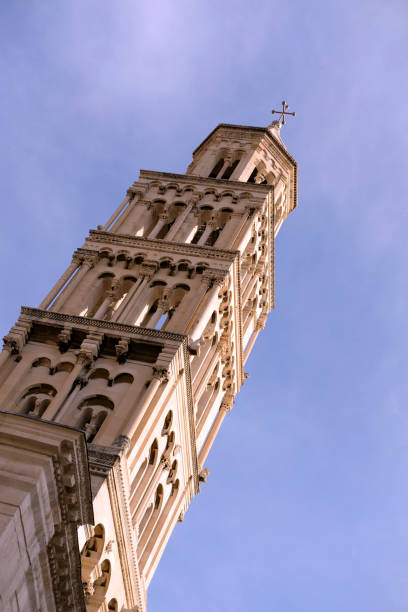
Historical Complex of Split With the Palace of Diocletian
Diocletian’s Palace, Split: A Roman Emperor’s Retirement Home That Became a City Roman emperors did not retire. Diocletian was the first to do so voluntarily, abdicating in 305 AD and retreating to this fortified complex on the Dalmatian coast. He spent his final years here growing cabbages, as the historical record unironically confirms he told colleagues who begged him to return to...
read more
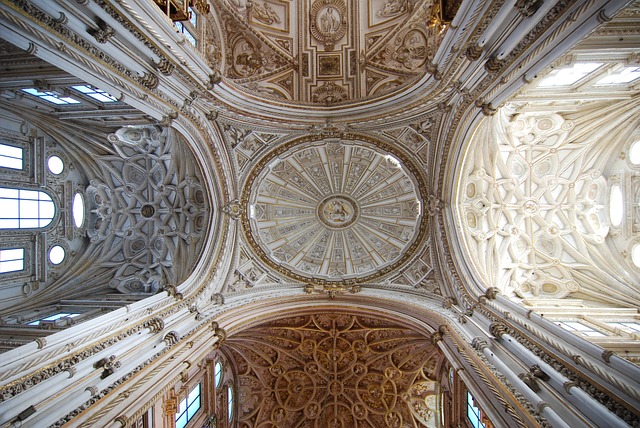
Great Mosque of Cordoba
The Mezquita of Cordoba: A Building That Should Not Exist The Great Mosque of Cordoba faces the wrong direction for prayer. Mecca lies to the east-southeast of Andalusia, but Abd al-Rahman I oriented the mosque southward in 784 CE, following the alignment of the existing Roman street grid rather than the religious requirement. Scholars disagree on whether this was an error, a political statement,...
read more
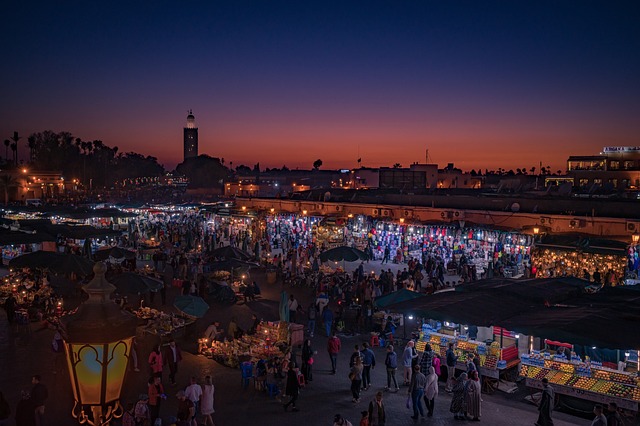
Khongoryn Els
Khongoryn Els: Mongolia’s Singing Sand Dunes and What Makes Them Hum The Mongolians call them Duut Mankhan, the Singing Sands. On days when the wind runs east to west across the ridgelines, the dunes at Khongoryn Els emit a deep, resonant hum that travellers have compared to distant aircraft engines, to a cello, to the sound of a bow drawn slowly across a bass string. The scientific...
read more
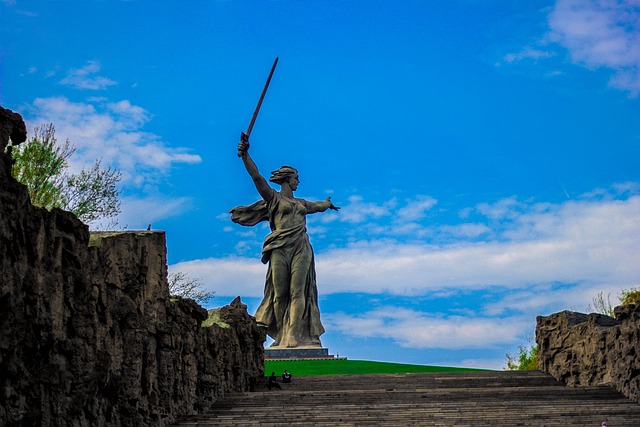
Mamayev Kurgan Statue, Volgograd
Travel advisory: Western governments currently advise against all travel to Russia Before any description of Mamayev Kurgan, this point must be stated plainly. As of mid-2026, the United States Department of State maintains a Level 4 “Do Not Travel” advisory for Russia, citing the ongoing war with Ukraine, risk of wrongful detention of foreign nationals by Russian security services,...
read more
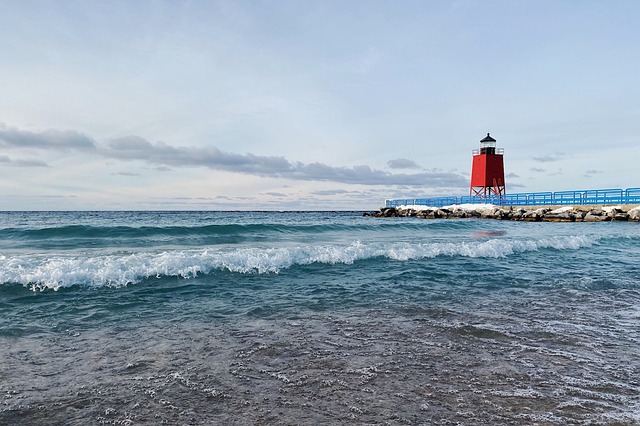
Great Blue Hole, Belize
The Great Blue Hole sits at the centre of Lighthouse Reef Atoll, 43 miles from the Belizean mainland, and it is 1,043 feet across and 407 feet deep. Jacques Cousteau brought his ship Calypso here in 1971, declared it one of the five best dive sites on earth, and the world has been trying to book liveaboard trips ever since. What most accounts leave out: at roughly 300 feet depth, a layer of...
read more
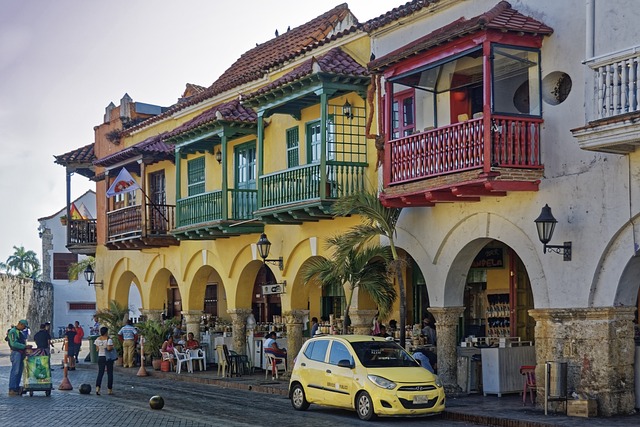
Old Cartagena, Colombia
Cartagena’s Rafael Nuñez International Airport is 3 kilometres from the walled city. That proximity, the combination of a working Caribbean port town and a near-perfectly preserved Spanish colonial centre, and a food scene that has been quietly catching up with Bogota over the past decade, make this one of the more underrated city breaks in Latin America. Most guides lead with the obvious:...
read more
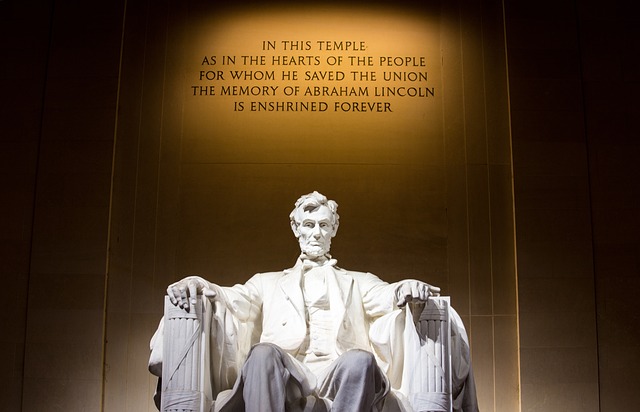
Lincoln Memorial
The ground the Lincoln Memorial sits on was a tidal mudflat for most of the nineteenth century, half-river and half mosquito swamp, with the Potomac sliding in and out of it twice a day. The Army Corps of Engineers began dredging and dumping spoils on those flats in 1882 and kept going for thirty years. By 1911 there was solid land where the memorial now stands. That origin story is almost never...
read more
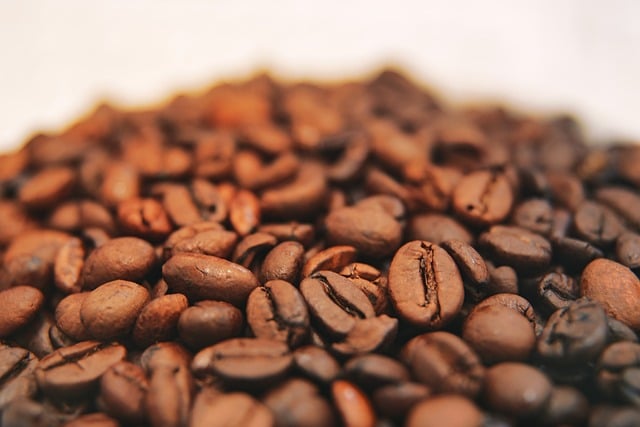
Get a Caffeine Jolt at a Famous Viennese Kaffeehaus
In January 1913, Leon Trotsky, Josef Stalin, Sigmund Freud, and Josip Broz Tito were all, at various points, regulars at Café Central in Vienna. Whether they ever sat in the same room is unknown. What is certain is that none of them paid more than a few Kreuzer for the right to stay all afternoon, read the newspapers, argue, and write. That was the point of the Viennese coffeehouse: a subscription...
read more
Great Buddha
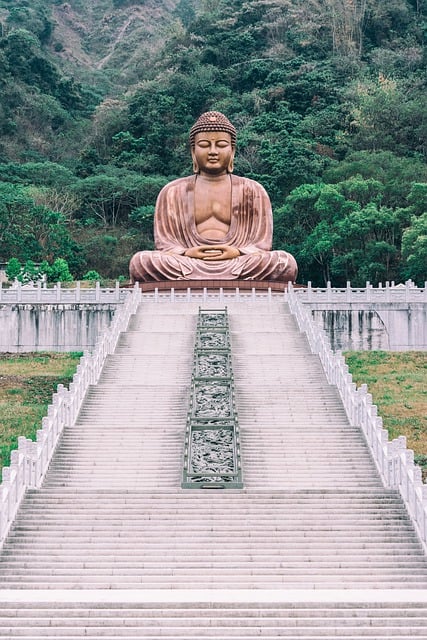
The Great Buddha of Kamakura (Kotoku-in), Japan
The Great Buddha of Kamakura has been sitting outdoors since 1498, not by design but because the hall that housed it was washed away in a tsunami triggered by the Nankai earthquake on September 20 of that year. The temple authorities never rebuilt it. Whether this was a pragmatic response to the difficulty of protecting a structure on that coast, a...
read more
Zhangjiajie China
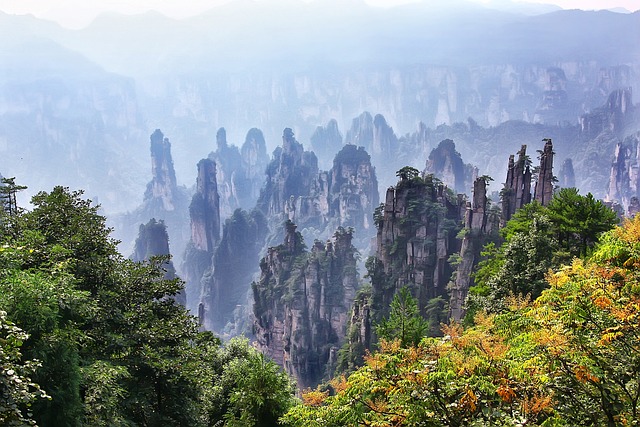
Zhangjiajie remained largely unknown outside Hunan Province until 1979, when a local painter named Wu Guanzhong visited and published work that drew national attention to the landscape. Three years later, in 1982, it became China’s first designated national forest park. The pillars and peaks that now feature in thousands of travel photographs were treated, until quite recently, as...
read more
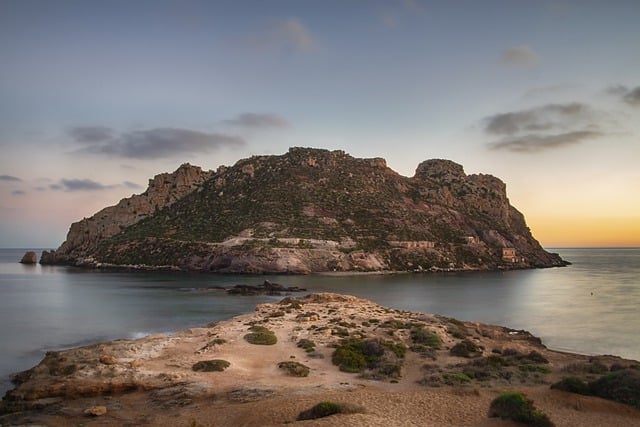
Necker Island
Necker Island: Richard Branson’s Private Island in the BVI In 1978, Richard Branson was 28 years old and six years into building Virgin Group when he bought a 74-acre uninhabited island in the British Virgin Islands for around $180,000. The deal required him to develop it within five years. He spent closer to $10 million transforming it into a private retreat and opened it as a commercial...
read more
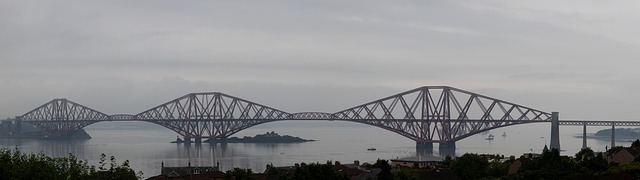
Forth Bridge
The Forth Bridge: A Steel Cantilever That Changed What Buildings Could Be When the Forth Bridge opened on 4 March 1890, it used 53,000 tonnes of steel, 6.5 million rivets, and the labour of over 4,000 men across seven years of construction. It was also the first major structure in Britain ever built of steel rather than cast or wrought iron. The Eiffel Tower, completed the previous year in Paris,...
read more
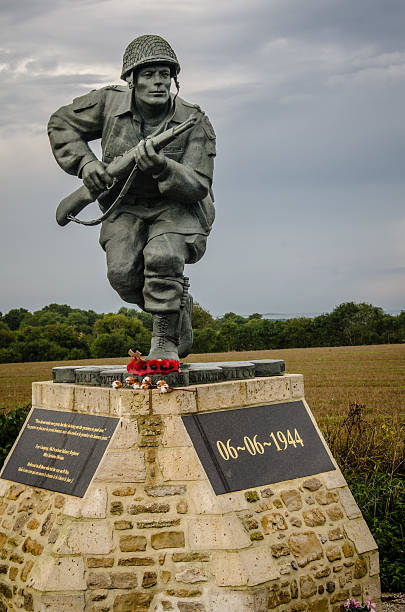
D-Day Beaches, American Cemetary
The D-Day Beaches and Normandy American Cemetery Starting April 1, 2026, visitors to the Normandy American Cemetery will be required to pre-register before arriving. The pre-registration system is being introduced by the American Battle Monuments Commission (ABMC) to manage visitor volumes, which have grown significantly in the years following the 80th anniversary commemorations in 2024. Entry...
read more
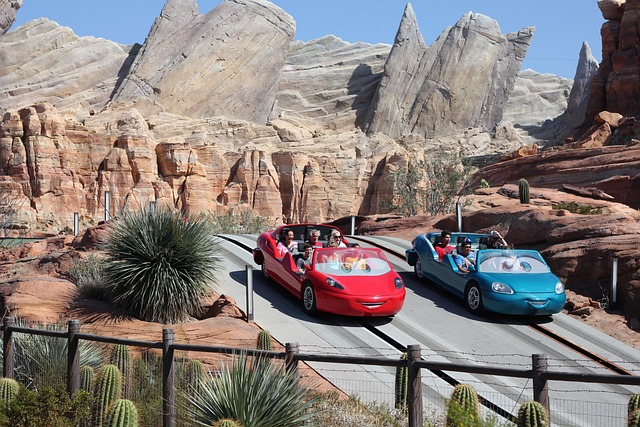
Disney's California Adventure
How to Actually Get on Radiator Springs Racers Disney’s California Adventure opened in 2001 to almost universally negative reviews. It felt rushed, thin, and oddly cheap for a Disney park, critics called it a glorified state fair. Disney spent the following decade fixing that assessment with a series of expansions that eventually rewrote most of the original park. The result is now genuinely...
read more
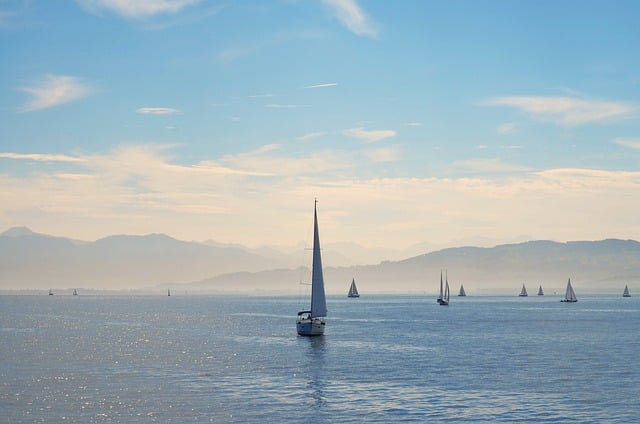
Lake Manasarovar
Four of Asia’s greatest rivers begin their lives within a few dozen kilometres of Lake Manasarovar. The Indus, the Sutlej, the Brahmaputra, and the Karnali all rise in the area around this lake and Mount Kailash in western Tibet, eventually draining into the Indian Ocean through four separate routes spanning the length of the subcontinent. That hydrological fact alone makes the region one of...
read more
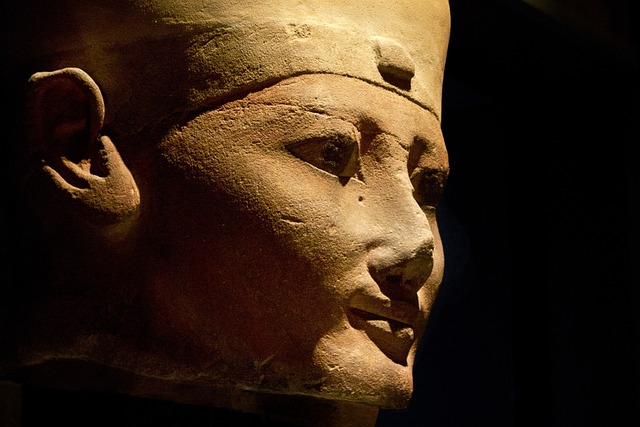
Egyptian Museum
The Egyptian Museum, Cairo
The golden funerary mask of Tutankhamun is no longer in the old Egyptian Museum on Tahrir Square. It moved to the Grand Egyptian Museum at Giza when that building opened officially in November 2025, along with all 5,398 catalogued pieces from Howard Carter’s 1922 excavation, displayed together in a single institution for the first time in their history. If you are...
read more
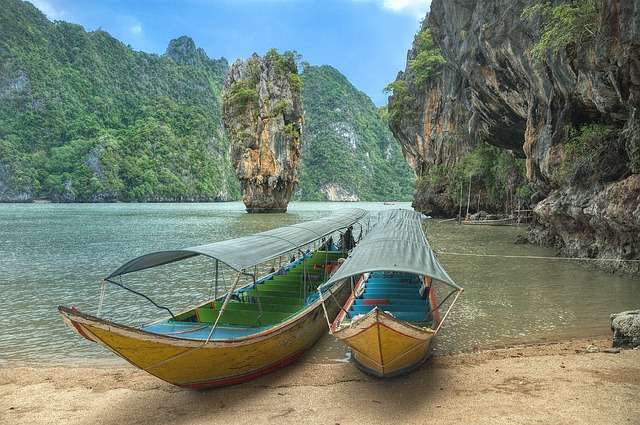
Phang Nga Bay, Thailand
Phang Nga Bay: Skip James Bond Island, Find a Hong The word “hong” means “room” in Thai. These are the enclosed lagoons hidden inside the hollow limestone towers of Phang Nga Bay, accessible only by kayak through narrow tidal caves that you must time precisely to pass through at the right water level. From outside, the towers look like solid rock. Inside, they open into...
read more
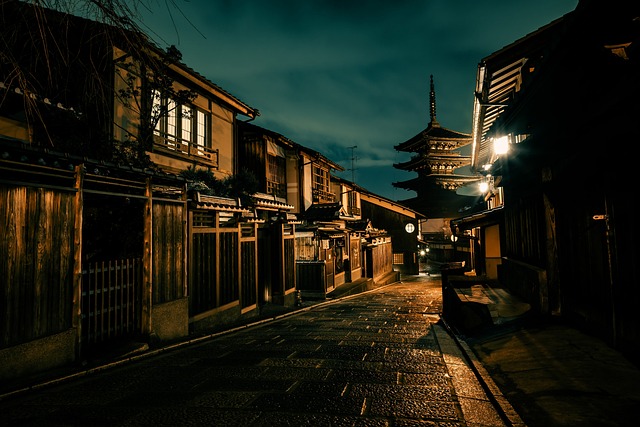
Gion District Japan
Kyoto’s Gion district operates under rules that have been progressively tightened since 2024, and if you visit without knowing them, you may leave with a fine, a confrontation you did not expect, and a bad experience in a place that deserves better than that. The restrictions are enforced, not just posted. Understanding why Gion matters before you arrive makes the visit considerably richer...
read more
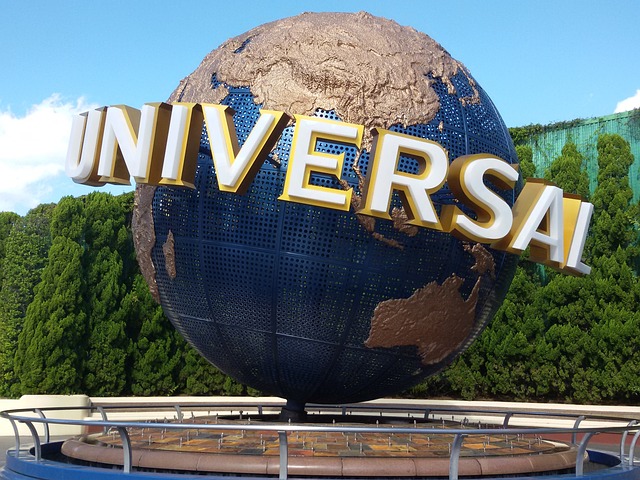
Universal Studios, Japan
Universal Studios Japan: What the Guide Books Get Wrong Let me say it plainly: most Universal Studios Japan advice tells you to buy an Express Pass and prioritise Harry Potter. That is not wrong, exactly, but it is also the advice that everyone follows, which means the Wizarding World is packed by 10am regardless. There is a smarter way to approach USJ, and it starts with understanding that this...
read more
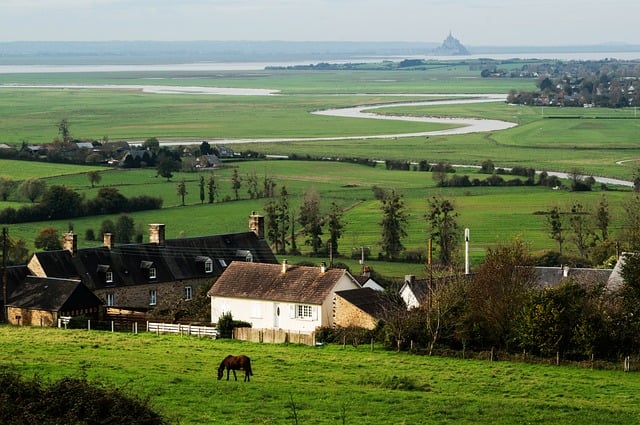
Le Mont Saint Michel
In 708 AD, according to the account, the Archangel Michael appeared three times to Bishop Aubert of Avranches and told him to build a sanctuary on a tidal island off the Normandy coast. Aubert kept ignoring the instruction. On the third visit, Michael pressed his finger through the bishop’s skull to make his point clear. The skull, complete with the alleged fingerhole, is preserved in...
read more
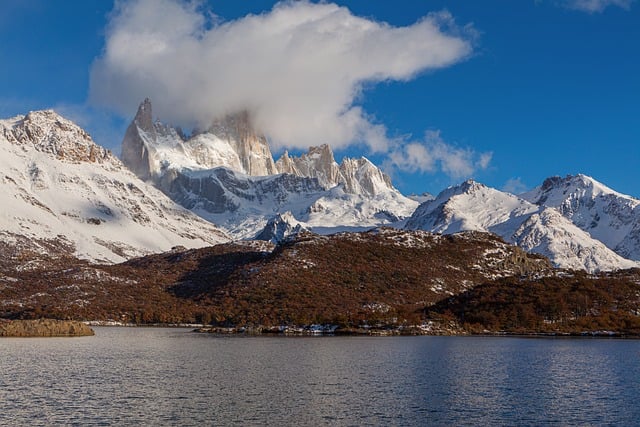
Monte Fitz Roy El Chalten Argentina Chile
The Tehuelche people who lived in Patagonia before European contact called Monte Fitz Roy “Chalten,” meaning roughly “Smoking Mountain.” Looking up from the valley floor, the clouds that permanently swirl around the granite spires at 3,405 metres looked to them like volcanic smoke. They believed the mountain was alive. When Argentine explorer Francisco Moreno reached it in...
read more
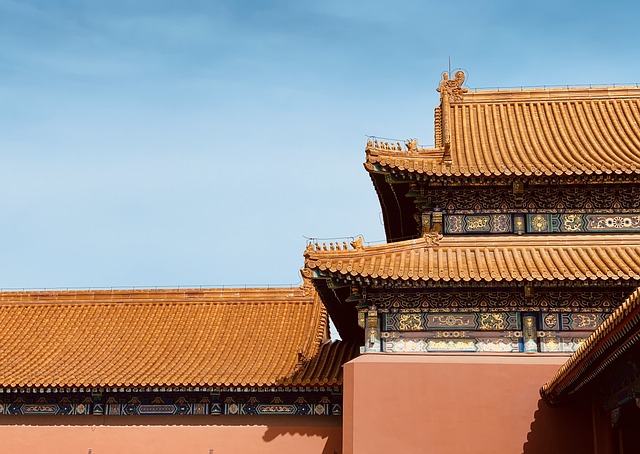
Forbidden City Beijing
The Forbidden City, Beijing: Getting In Before It Sells Out The tickets go on sale exactly seven days before the visit date, at 8:00 PM Beijing Time (UTC+8). On weekends and national holidays they sell out within hours. This is the most important logistical fact about visiting the Forbidden City in 2026, and most international travel guides bury it in fine print or skip it entirely. The palace is...
read more
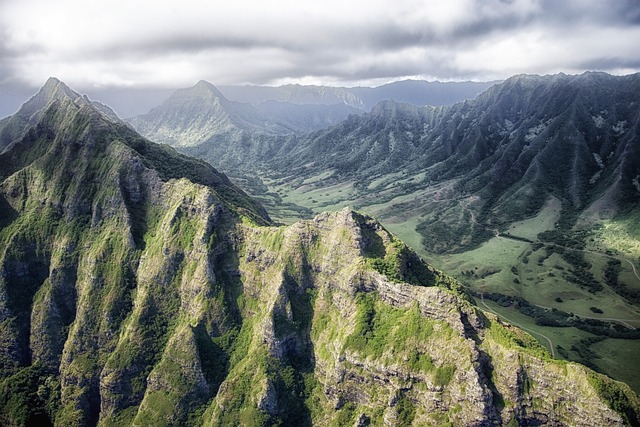
Hawaiian Islands, Hawaii
Kilauea Is Erupting Right Now
Kilauea’s Halemaumau crater entered Episode 50 of its ongoing eruption on June 27, 2026, producing lava fountains rising 30 metres and expected to climb above 180 metres within hours of onset. The eruption is confined to the summit crater inside Hawaii Volcanoes National Park. From the Crater Rim overlooks, the fountaining is visible day and night during active...
read more
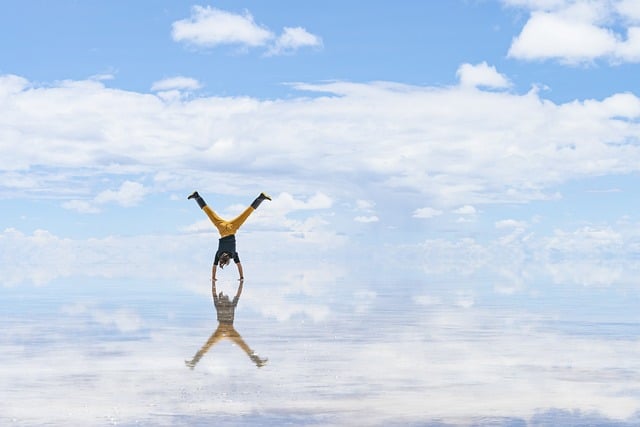
Salar De Uyuni
NASA uses the Salar de Uyuni to calibrate the altimeters on Earth observation satellites. The salt flat at 3,656 metres above sea level is so large (10,582 square kilometres) and so flat (total elevation variation across the entire surface is less than one metre) that it is the most reliable reference point on Earth for measuring altitude from space. That fact tends to land differently than the...
read more
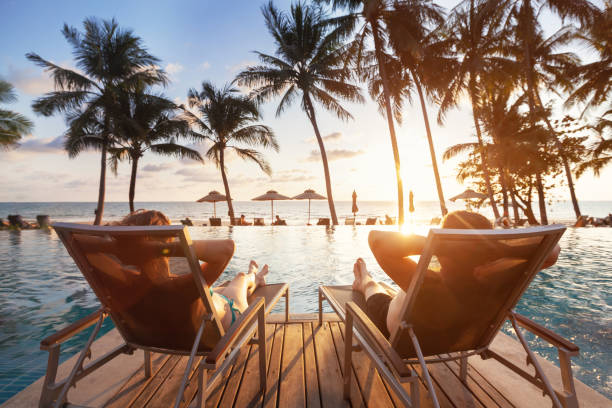
Isle of Man
The Isle of Man’s parliament, Tynwald, has been meeting continuously since 979 CE, making it the oldest continuously active legislature in the world. It predates the English Parliament by around 300 years and operates under laws and constitutional arrangements entirely separate from either the United Kingdom or the European Union. The island is a Crown dependency: the British monarch is its...
read more
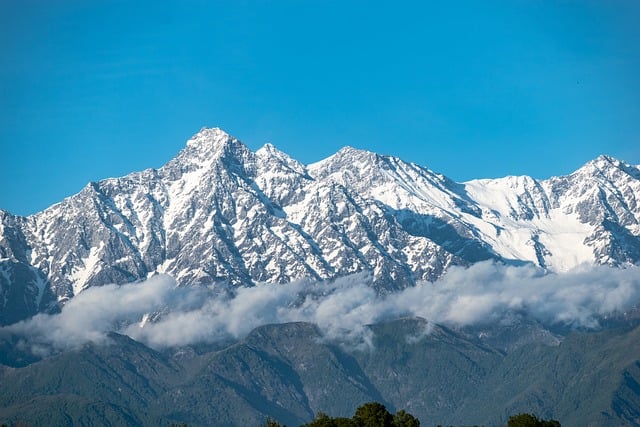
Fatehpur Sikri, India
Fatehpur Sikri: The Capital That Akbar Built and Then Walked Away From The most common explanation for why Akbar abandoned Fatehpur Sikri after only fourteen years is water scarcity. It is a reasonable story and almost certainly wrong. The site was known to Babur before Akbar’s time because it was a well-watered location. Akbar himself later dammed the water body and converted it into a...
read more
Ice Hotel
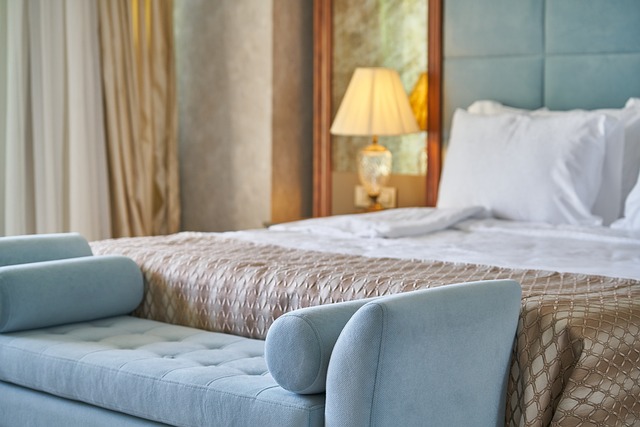
Every spring, the ICEHOTEL in Jukkasjärvi, Swedish Lapland, melts back into the Torne River. The following autumn, workers harvest ice blocks from the same river, truck them 200 metres to the building site, and begin again. The hotel is rebuilt from scratch each winter, and has been since 1989, making it both the oldest ice hotel in the world and a structure that has never technically survived a...
read more
Heroes Square Budapest
When the Millennium Monument was first completed in Budapest, five of the statues in the left colonnade depicted members of the Habsburg dynasty: Ferdinand I, Leopold I, Charles III, Maria Theresa, and Franz Joseph. The monument had been built in 1896 to celebrate a thousand years of Hungarian statehood, but Hungary was still part of the Austro-Hungarian Empire and the Habsburg rulers occupied a...
read more