Recent Locations
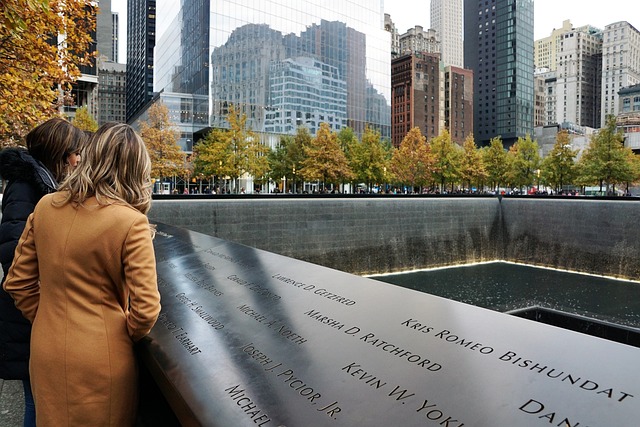
Freedom Tower, Ground Zero
One World Trade Center and the 9/11 Memorial, Lower Manhattan
One World Trade Center stands 1,776 feet tall, a number chosen for its symbolic weight rather than its structural logic. The reference to the year of American independence was deliberate, and the building’s architects were aware that it would invite scrutiny that purely commercial skyscrapers rarely receive. The result is a tower...
read more
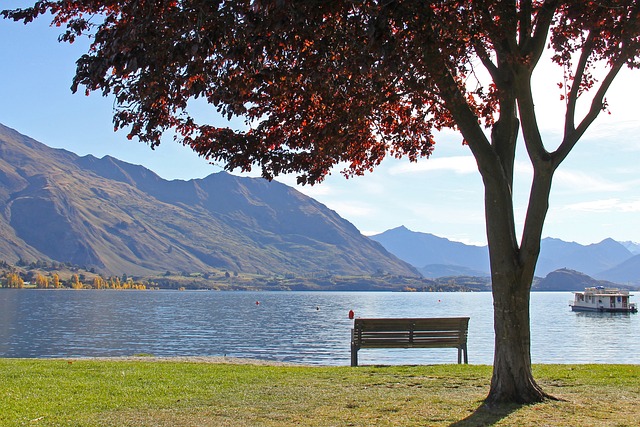
Lake Wanaka
Lake Wanaka: The South Island Alternative to Queenstown That is Actually Better Queenstown gets the marketing budget and the bachelor parties. Lake Wanaka, 60 kilometres north in the same mountain range, gets the alpine light, a calmer lake, a more considered food scene, and visitors who made the effort to look at a map. The comparison isn’t entirely fair; they’re different places...
read more
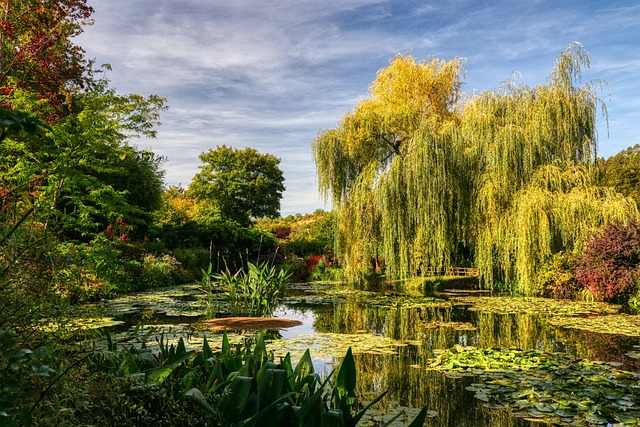
Giverny
Monet Built the Garden Before He Painted It Claude Monet moved to Giverny in 1883 as a 43-year-old painter who was well-known in France but not yet wealthy. He rented the property, turned its modest orchard into a vast flower garden within months of arrival, and eventually bought the house outright in 1890. The water garden came later: in 1893 he purchased an adjacent piece of land with a small...
read more
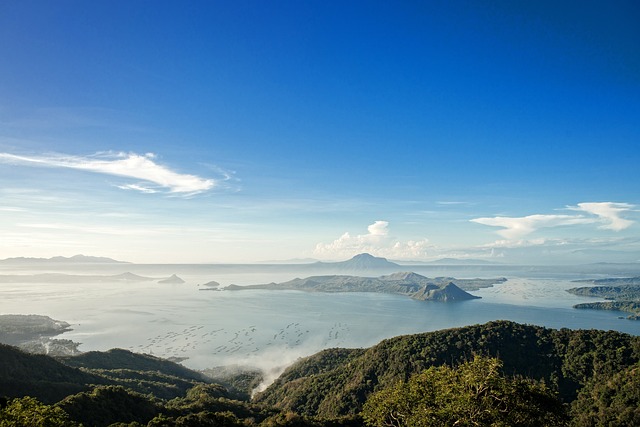
Crater Lake
Crater Lake: The Deepest Lake in America Sits Inside a Dead Volcano Seven thousand seven hundred years ago, Mount Mazama erupted so violently that it ejected roughly twelve cubic miles of magma and then collapsed into itself, leaving a basin eight miles across and more than half a mile deep. Rain and snowmelt gradually filled it. Humans almost certainly watched it happen: archaeologists found a...
read more
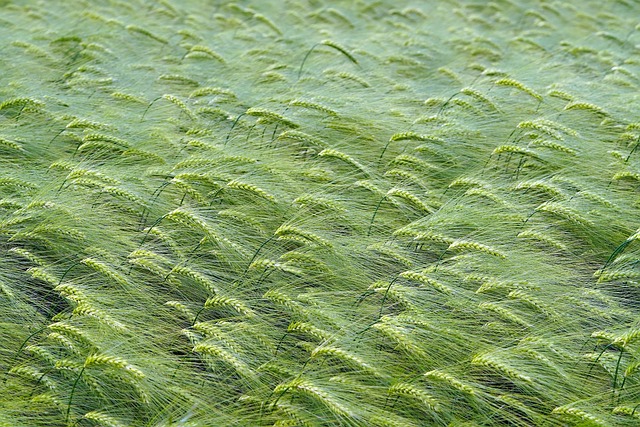
Flanders Fields
Flanders Fields: A Guide to the Western Front’s Most Visited Corner Every evening at exactly 20:00, police close the road under the Menin Gate in Ypres and a bugler from the Last Post Association sounds the call. The ceremony costs nothing to attend and has run without interruption since 2 July 1928, pausing only during the German occupation of World War II, when it continued at Brookwood...
read more
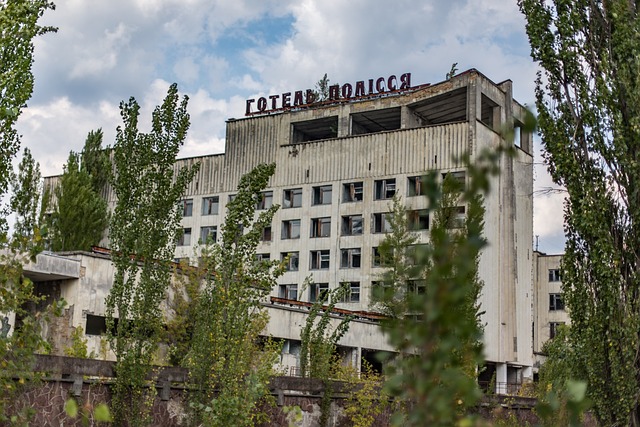
Chernobyl Exclusion Zone
The Forbidden Land: Exploring the Chernobyl Exclusion Zone
On 14 February 2025, a Russian Shahed drone punched a hole larger than 500 square feet into the New Safe Confinement, the enormous steel arch completed in 2016 that had been slid over the destroyed Reactor No. 4 at tremendous cost. By December 2025, the IAEA confirmed the structure had lost its primary confinement capability. Repair...
read more
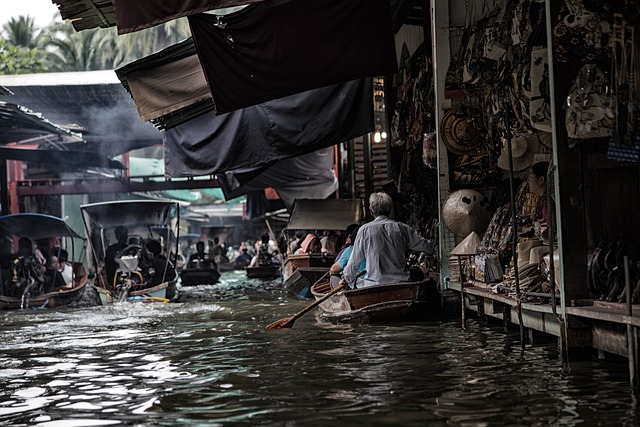
Floating Market, Bangkok
Most visitors who take the two-hour minibus ride to Damnoen Saduak Floating Market arrive to find a narrow canal packed with vendors selling the same coconut ice cream, the same souvenir magnets, and the same obligatory photo hats. Boats are motorised and noisy. Prices are in the tourist tier. Vendors call out in English. This is not necessarily a reason to avoid the place, but it is a reason to...
read more
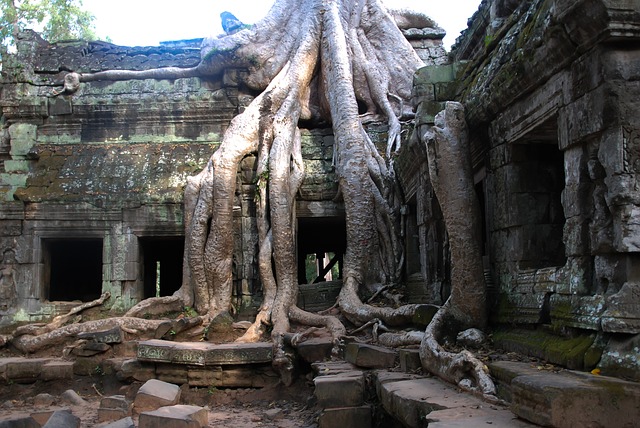
Angkor Wat
Angkor Wat The bas-reliefs make you forget the towers. That is not a mistake in the sentence. Most people come to Angkor Wat for the five corncob spires looming over the jungle canopy, photograph them from the western reflection pool before dawn, and spend the rest of the day craning necks skyward. They walk briskly past eight hundred metres of continuous carved stone at eye level that are, by any...
read more
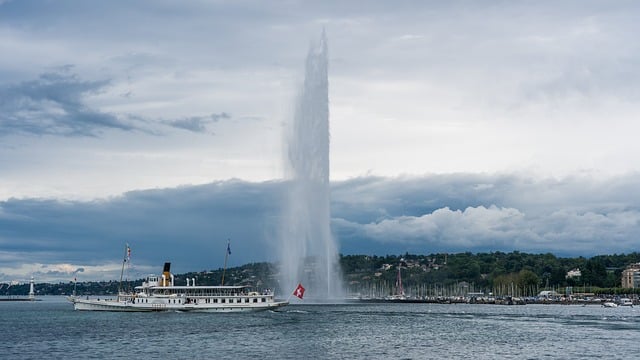
Lake Geneva
The vineyards above the southern shore of Lake Geneva receive sunlight three times over: directly from the sky, reflected off the surface of the lake, and radiated back from the stone retaining walls that have been absorbing heat since the 11th century. That triple exposure is why wine has been grown on these terraces for nearly a thousand years, and why the Lavaux vineyard landscape became a...
read more
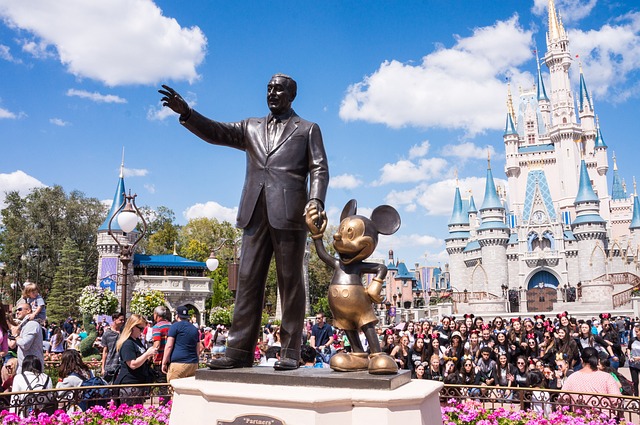
Magic Kingdom, Disney World, Orlando
Magic Kingdom opened on October 1, 1971, to a crowd of roughly 10,000 people. Two days earlier, Florida Highway Patrol had predicted 300,000 would show up. The park did not yet have a single roller coaster. Space Mountain would not open until 1975. What drew the first visitors was something harder to quantify: the sense of walking into a place that had been planned, to an unusual degree, as an...
read more
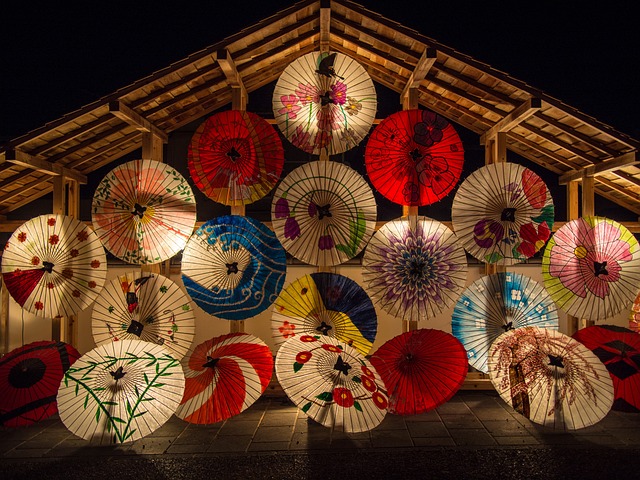
Japanese Ryokan, Japan
The ryokan is one of the world’s oldest continuous hospitality traditions: the concept dates to the 8th century, and some family-run properties in Japan have been operating under the same family name for over 400 years. That history is not incidental to the experience. When you step out of your shoes at the entrance, slide open the shoji screen to your tatami room, and are handed a yukata...
read more
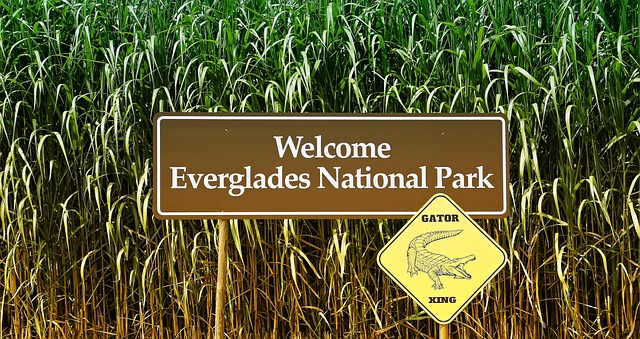
Everglades National Park, Florida
Everglades National Park: A River That Doesn’t Look Like One The Everglades is not a swamp. That distinction matters if you want to understand what you are actually looking at. It is a slow-moving river, roughly 160 kilometres wide and no more than 30 centimetres deep in most places, flowing south from Lake Okeechobee to Florida Bay at a rate of about half a kilometre per day. The sawgrass...
read more
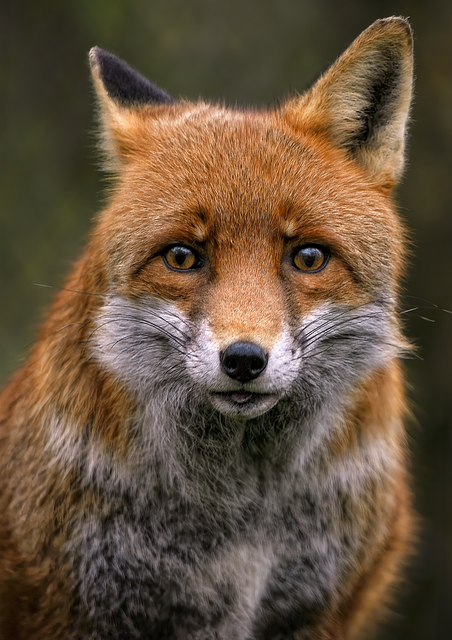
Fox Glacier
Fox Glacier has retreated roughly 900 metres since 2009, and a 2019 landslide destroyed the road to the terminal face entirely. That road has not been rebuilt and probably will not be: the landslide is still moving. The practical result for visitors is that you can no longer walk up to Fox Glacier. You can only reach the ice by helicopter. This is an inconvenient fact that tour operators are...
read more
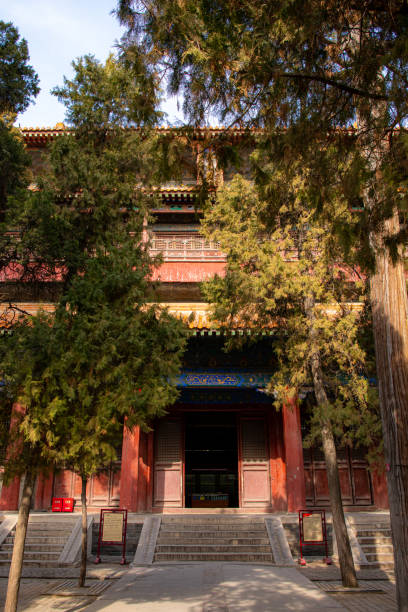
Temple and Cemetery of Confucius and the Kong Family Mansion in Qufu
The Kong family has lived in Qufu for 2,500 years and counting. They are the direct descendants of Confucius, and their genealogy is the longest continuously documented family lineage in human history, tracked across more than 80 generations. The 80th generation was registered in 2012. The family tree contains around two million living members worldwide. You are almost certainly about to visit...
read more
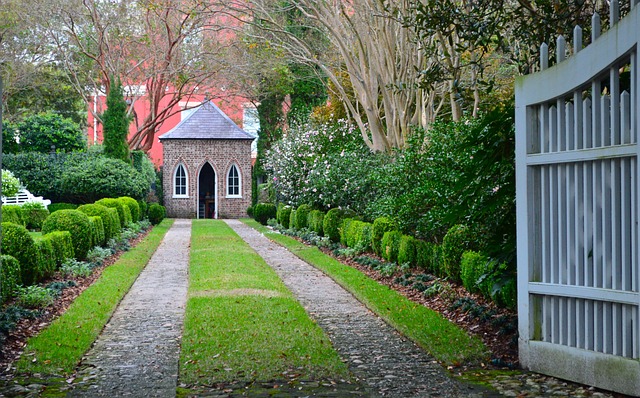
Charleston South Carolina
Discover the Charm of Charleston, South Carolina
Three Michelin stars landed in Charleston in 2025, the first time the guide had ever covered the American South. That says something about how quickly this city’s culinary ambitions have outpaced its postcard reputation. The pastel row houses, the harbor ferries to Fort Sumter, the carriage tours through cobblestone streets: all of that still...
read more
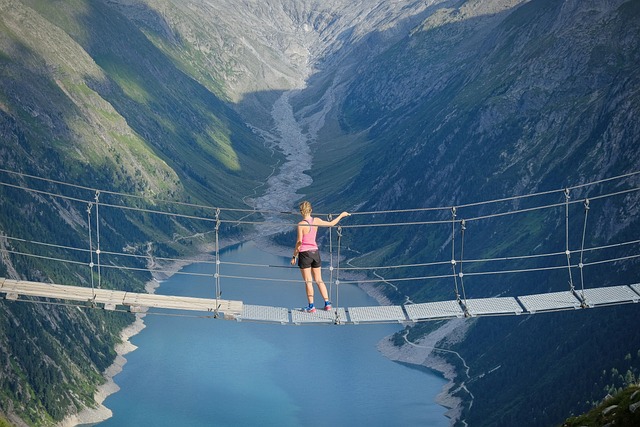
Clifton Suspension Bridge
Clifton Suspension Bridge: Bristol’s Engineering Defiance Isambard Kingdom Brunel submitted four different design proposals for this bridge and Thomas Telford, brought in as a “superior” judge, rejected all of them as impractical. Brunel was 23 years old. He persisted anyway, and the result now carries around four million cars a year across a gorge that Telford believed no...
read more
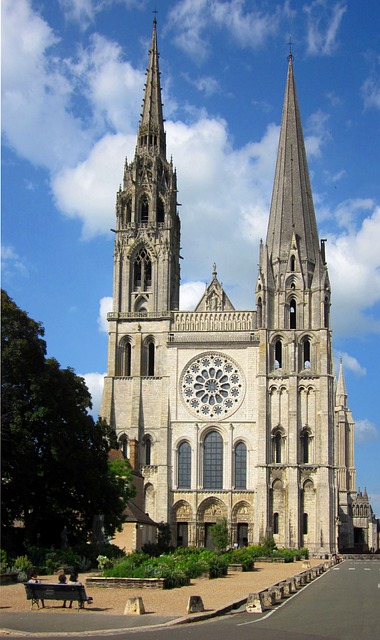
Chartres Cathedral
Chartres Cathedral: Stone, Glass, and 1,000 Years of Pilgrimage The millennium the cathedral just finished celebrating puts its age into physical perspective. The crypt beneath the nave was completed between autumn 1024 and summer 1025, making Chartres not merely old but a structure whose foundations predate the Norman Conquest of England by four decades. The Gothic church above ground came later,...
read more
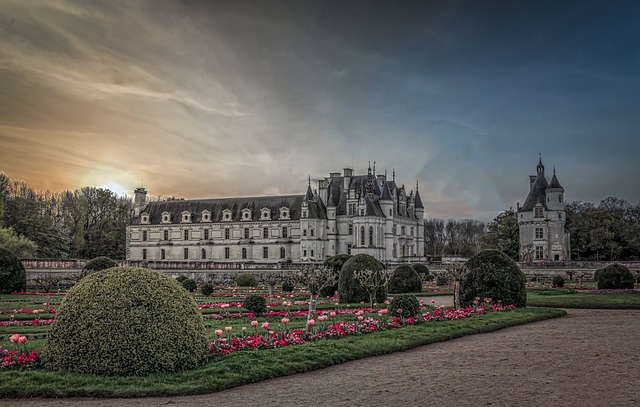
Chenonceau
The Chateau That Six Women Built Most chateaux were built by men and named after men. Chenonceau is different. Straddling the River Cher on five stone arches, its 60-metre gallery floating above the water, the building is so thoroughly shaped by the women who owned it that the French call it the Chateau des Dames. That phrase gets used so often it has become a cliche, but the substance behind it...
read more
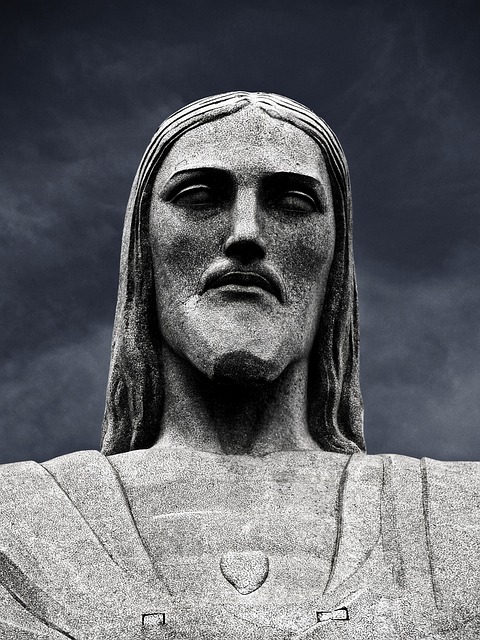
Christ the Redeemer - Rio De Janerio, Brazil
The soapstone tiles covering Christ the Redeemer are slowly getting darker. The original pale stone quarried for the 1931 construction is increasingly rare, so restoration crews have had to source a slightly darker-toned replacement material. If you look closely at the statue today, the patchwork of shades tells a quiet story about a century of repairs that most visitors miss entirely.
The statue...
read more
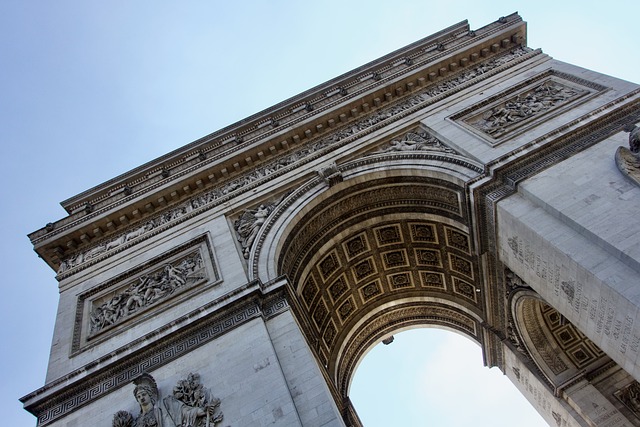
Arc de Triomphe
Arc de Triomphe: Napoleon’s Monument to Himself, Completed After His Death Napoleon commissioned the Arc de Triomphe in 1806, days after receiving the news of his crushing victory at Austerlitz, in a mood of imperial confidence that would prove historically premature. He envisioned his armies marching beneath it in triumph. He never saw it finished. Construction dragged through abdications,...
read more
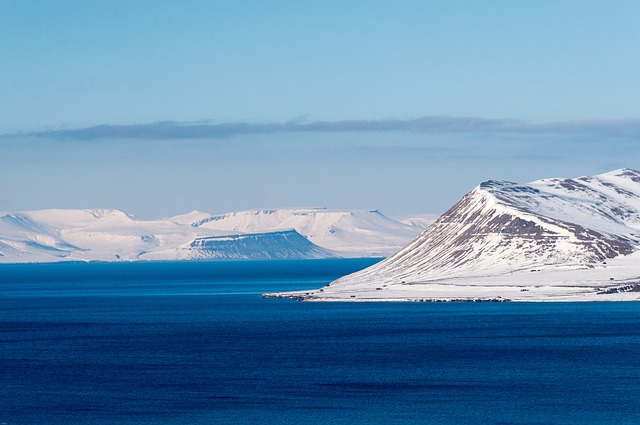
Svalbard
There are around 2,600 polar bears on Svalbard. There are roughly 2,400 permanent residents in Longyearbyen, the archipelago’s main settlement. The bears outnumber the people, which is either a selling point or a deterrent depending on the kind of traveller you are. If it’s a selling point, you’ll fit in well here.
Svalbard sits at 78 degrees north, halfway between mainland...
read more
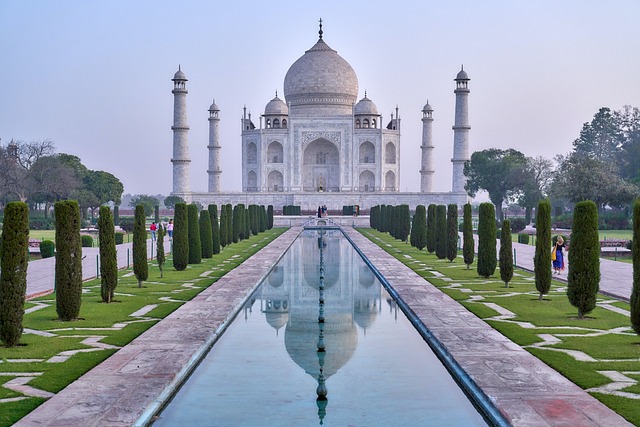
Taj Mahal
Taj Mahal The marble is cold underfoot even in October. You step off the sandstone walkway onto the raised plinth and the temperature drops ten degrees, your shoes replaced by thin cotton overshoes the attendant pressed on you at the base of the steps. The dome fills the frame and then fills your whole peripheral vision, and the thought that strikes you is not romantic but architectural: this was...
read more
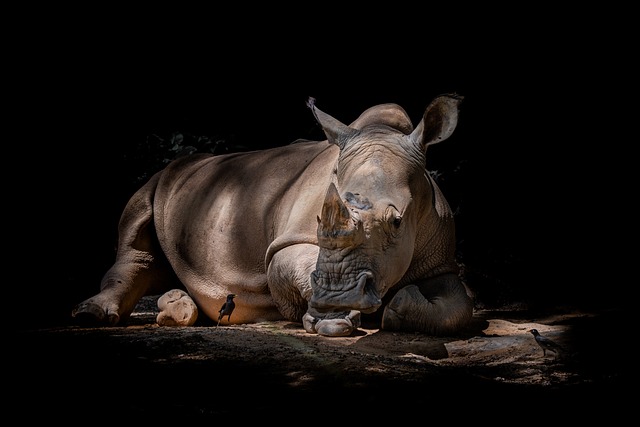
Dali's Rhinoceros, Marbella
The Three-Tonne Surrealist on a Puerto Banus Roundabout Salvador Dali made a film in 1954 called “La Aventura prodigiosa de la encajera y el rinoceronte”, the prodigious adventure of the lacemaker and the rhinoceros. In it, he argued that a Vermeer painting of a woman making lace could be decomposed into rhinoceros horns, and that rhinoceros horns were the perfect logarithmic spiral....
read more
Djenne ,Mali
Djenne, Mali: The Mud Mosque That Gets Rebuilt Every Year The Great Mosque of Djenne is the world’s largest mud-brick building and one of the most architecturally remarkable structures on any continent. What makes it unusual even by that standard is that it doesn’t simply endure; it is deliberately renewed each year. At the end of every dry season, before the rains arrive, the people...
read more
Dead Sea
The Dead Sea
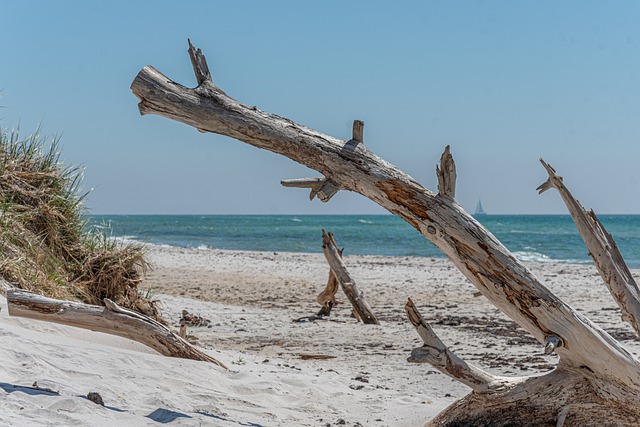
The Dead Sea drops roughly 1.2 meters per year. The surface sits around 440 meters below sea level, the lowest point on earth’s land surface, and that number keeps falling. The shoreline you see in photographs from the 1980s no longer exists; the water has retreated hundreds of meters in places, leaving behind white salt flats, abandoned infrastructure, and over 7,000 sinkholes...
read more
Kiyomizu Dera
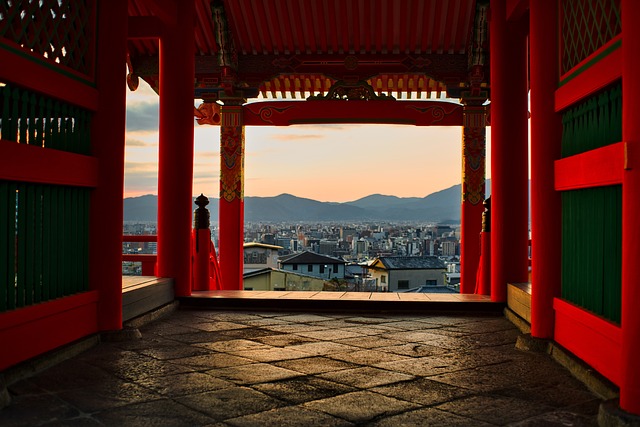
The first thing that hits you is not the view. It is the wood. Standing on Kiyomizu-dera’s famous stage, 13 metres above the Otowa valley floor, you notice how the platform beneath your feet feels alive in a way that concrete never does. Those 410 cypress boards were laid by craftsmen who refused to use a single nail, and what they built has outlasted earthquakes and fires for over a...
read more
South Luangwa National Park, Zambia
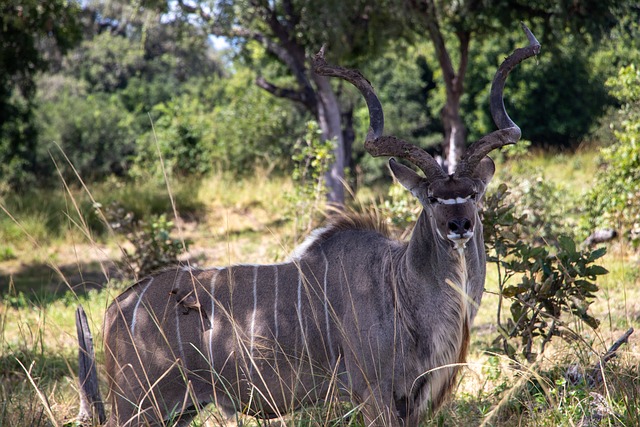
The walking safari was invented in South Luangwa in the 1950s, and the park still does it better than anywhere else in Africa When the rest of Africa’s safari industry meant vehicle-based game viewing or, before that, hunting, Norman Carr was doing something else in the Luangwa Valley. In 1950 he persuaded Senior Chief Nsefu of the Kunda people to set aside a portion of tribal land as a game...
read more
Hoover Dam
The Bathtub Ring on Lake Mead Is Not a Quirk; It Is a Warning
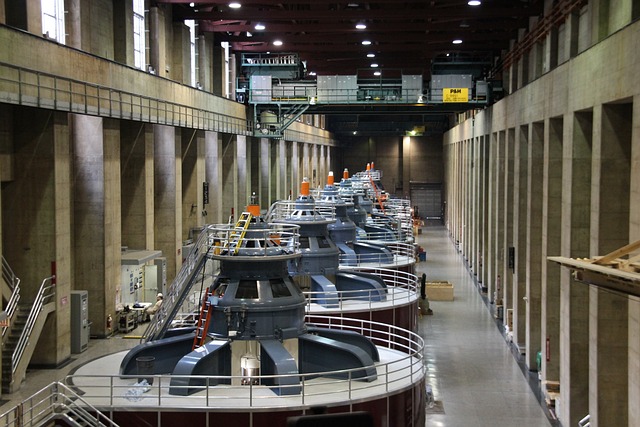
The white calcium carbonate band visible on the canyon walls above Lake Mead’s current waterline represents decades of lost reservoir capacity. In 2026, the lake sits at around 1,052 feet above sea level. The Bureau of Reclamation’s own projections suggest it could reach 1,020 feet by mid-2027, which would be the lowest...
read more
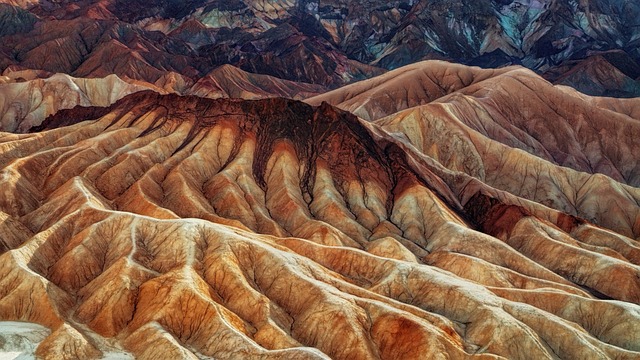
Death Valley
Death Valley: The Hottest Place on Earth Is Also One of the Most Misunderstood On 10 July 1913, a thermometer at Furnace Creek recorded 56.7°C (134°F), the highest reliably documented air temperature ever measured on the surface of the Earth. What most visitors fail to appreciate standing at Badwater Basin is that the valley floor temperature on a summer afternoon can exceed 80°C. The air...
read more
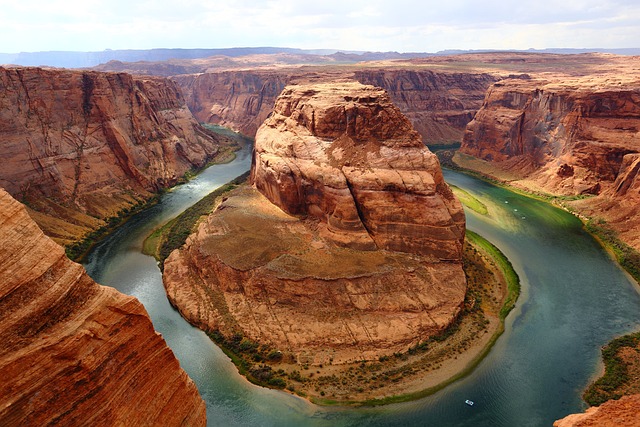
Grand Canyon, United States
Somewhere in the middle of the Grand Canyon’s rock walls, 250-million-year-old limestone sits directly on top of 1.2-billion-year-old schist. The intervening 950 million years of geological record simply vanished, eroded away before the younger layers were deposited. Geologists call it the Great Unconformity, and it remains one of the most tantalising open questions in earth science. That...
read more
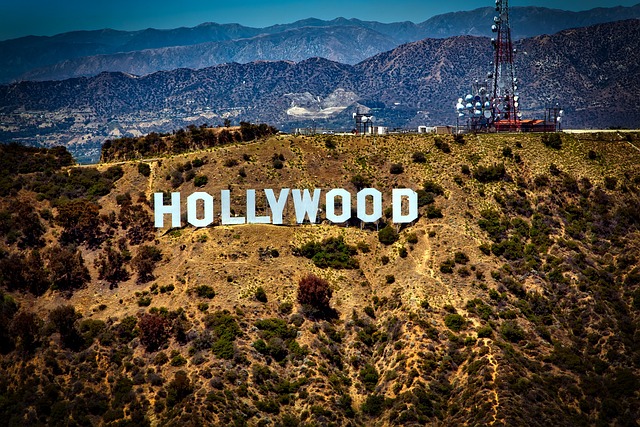
Hollywood Sign
The Hollywood Sign Was Built to Sell Real Estate, and It Was Only Supposed to Last 18 Months In 1923, Los Angeles Times publisher Harry Chandler paid $21,000 to erect a giant illuminated billboard on Mount Lee promoting his Hollywoodland housing development. Each letter was 43 feet tall and 30 feet wide, assembled from sheet metal, scaffolding, and telephone poles. Workers spent 60 days using...
read more
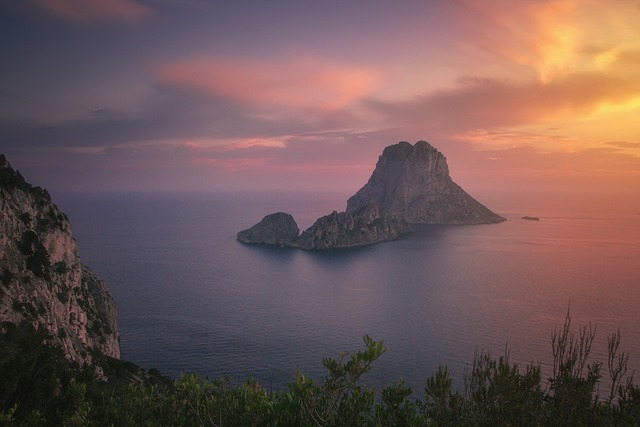
Ibiza
Ibiza’s reputation as a party island is accurate enough, but it tells about a third of the story. The same island that hosts closing parties drawing 10,000 people also contains a UNESCO World Heritage fortress city, a coastline of genuinely exceptional clarity, and a shoulder-season calm that feels almost nothing like the August version of the place. The trick is knowing which Ibiza you are...
read more
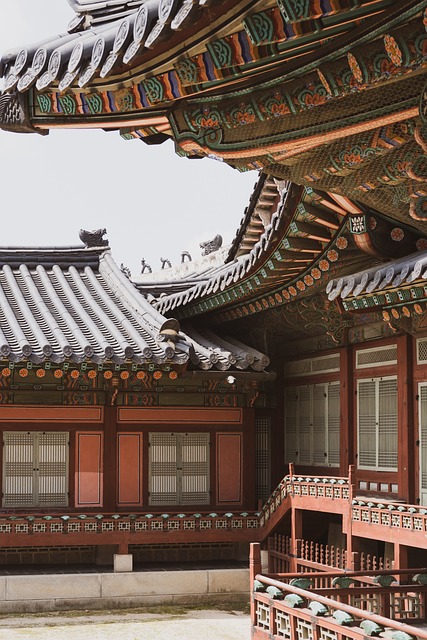
Everland, Gyeonggi-Do, South Korea
Everland, Gyeonggi-Do: South Korea’s Year-Round Theme Park Machine The park that became Everland started life in 1976 as Yongin Farmland, essentially a rural attraction with animals and gardens south of Seoul. Forty-eight years of iterative expansion later, it covers over three square kilometres, divides into five themed zones, houses a full zoo, connects to a separate Caribbean Bay water...
read more
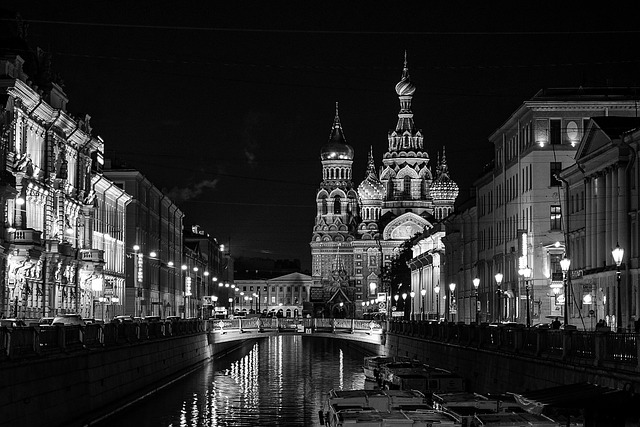
Church of Our Savior on Spilled Blood, St. Petersburg
During the Siege of Leningrad, Soviet authorities used this ornate imperial memorial as a potato warehouse. Locals took to calling it “Spas na Kartoshke” (Saviour on Potatoes), a darkly funny nickname for a church already burdened with one of the most dramatic names in Christendom. The building survived the war, survived decades of Soviet neglect, and reopened as a museum in 1997 after...
read more
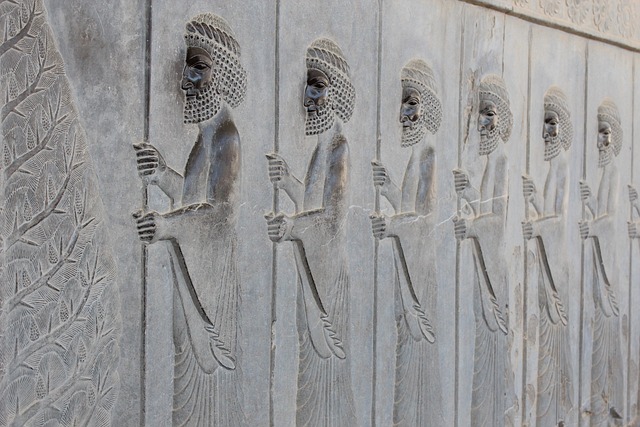
Persepolis
In September 2025, the Armenian Philharmonic Orchestra performed at Persepolis in front of 1,500 people, including ambassadors from 23 countries. It was the first international public concert ever held at the site in its history. The event was covered internationally and drew attention to a place that arguably receives less archaeological and tourism coverage than it deserves given its scale:...
read more
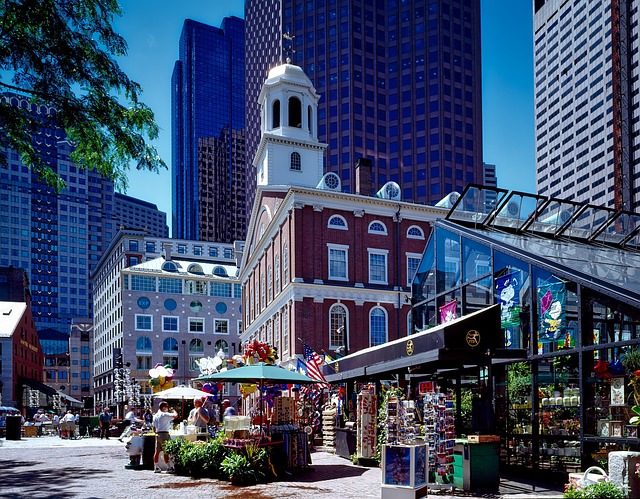
Faneuil Hall Marketplace Boston Ma
A gilded grasshopper has been turning in the wind above Faneuil Hall since 1742. The copper weathervane, weighing about eleven kilograms, was made by artisan Shem Drowne and has survived fires, storms, and two and a half centuries of Boston winters. The building below it has a more complicated story. Peter Faneuil, who donated the hall to the city, made his money partly through the transatlantic...
read more
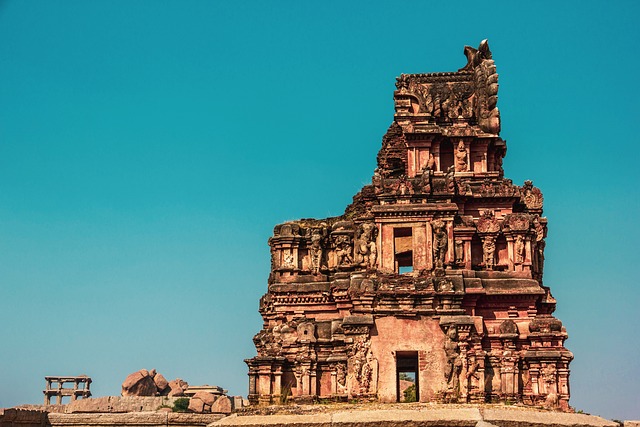
Group of Monuments at Hampi
The Monuments at Hampi: A Ruined Capital Worth Two Full Days Around 1500 CE, Hampi was the second-largest city on earth after Beijing. The Vijayanagara Empire that built it controlled much of southern India from this rocky, boulder-strewn plain in Karnataka, and contemporary travellers from Persia, Arabia, and Portugal described it as a place of extraordinary wealth and architectural ambition. In...
read more
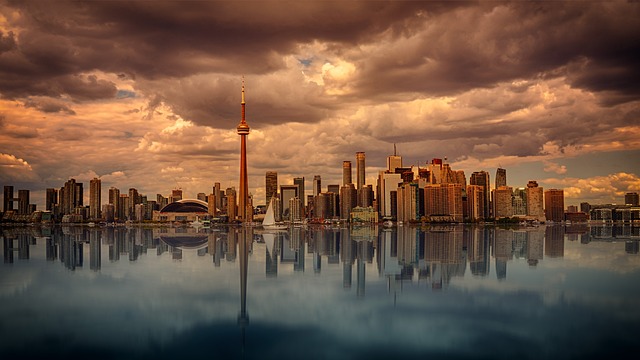
The Maritimes, Canada
The Bay of Fundy Moves More Water Twice a Day Than All the World’s Rivers Combined The tidal range in the Bay of Fundy reaches 16 metres between low and high water, the largest on earth. The geology is responsible: the bay’s funnel shape and resonant frequency, roughly matching the tidal cycle, amplify the Atlantic’s twice-daily rhythm into something dramatic enough to walk on...
read more
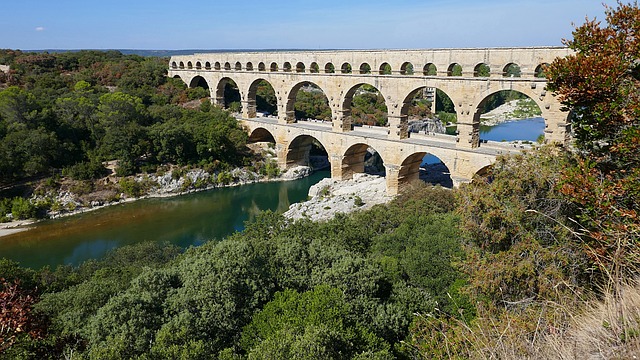
Pont Du Gard
The entire aqueduct that the Pont du Gard is part of descends just 17 metres across its 50-kilometre length. That is a gradient of 0.034 percent: a fall of roughly 34 centimetres per kilometre, with some sections dropping as little as 7 millimetres per 100 metres. Roman engineers in the first century AD, working without GPS or laser levelling, held that precision across half a century of...
read more
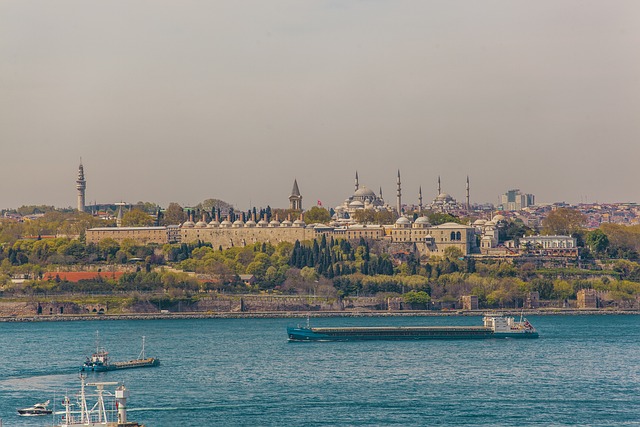
Topkapi Palace
Mehmed II conquered Constantinople in 1453 and initially built a palace at the city’s centre, where Istanbul University now stands. He then had second thoughts and built a second palace on the promontory overlooking the Bosphorus and the Golden Horn: Topkapi. He moved there in 1478 and it remained the primary residence of Ottoman sultans for nearly 400 years, housing between 1,000 and 4,000...
read more
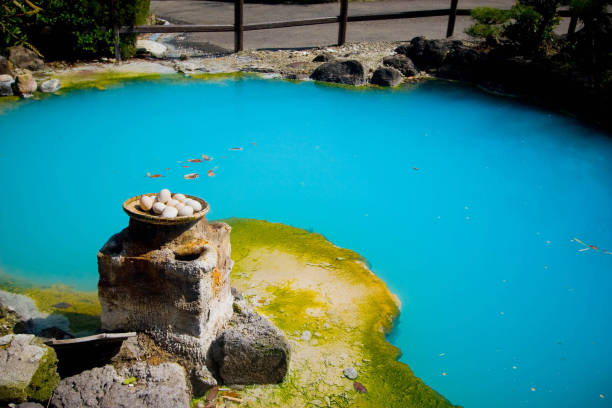
Eight Hells Kyushu
The Hells of Beppu: Volcanic Spectacle in Kyushu’s Onsen Capital
Beppu produces more hot spring output than anywhere in Japan except Yellowstone on a global scale, and the city sits on top of a volcanic system that has been roaring for over 1,200 years. What the locals once called jigoku, or “hells,” referred to the patches of boiling, steaming, and erupting earth that were...
read more
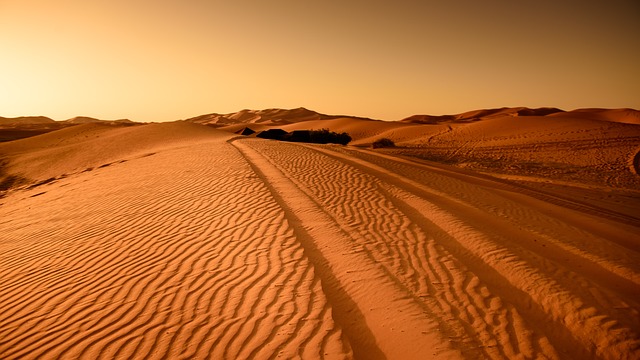
Gobi Desert
The Gobi Desert, Mongolia
In 1923, Roy Chapman Andrews returned to a site in southern Mongolia he had briefly visited the year before, a formation of eroded red sandstone cliffs that glowed orange and red at sunset. His team excavated what became the first scientifically documented dinosaur eggs ever found. The species name Protoceratops andrewsi commemorates him, and the site, which Andrews named...
read more
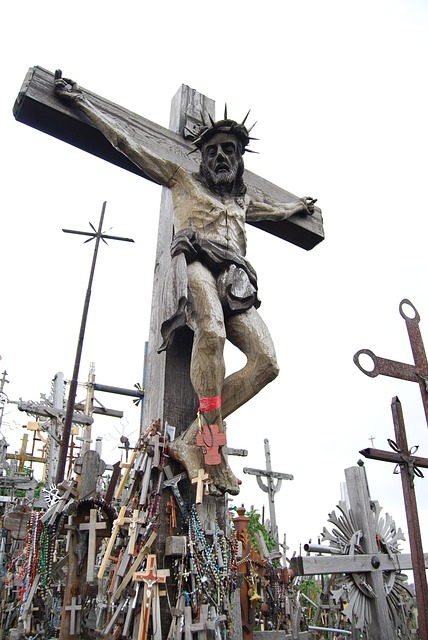
Hill of Crosses Lithuania
Hill of Crosses, Lithuania: The Site the Soviet Union Bulldozed Five Times and Failed to Erase On April 5, 1961, three days after Easter, Soviet bulldozers arrived at Kryžių Kalnas, a low mound in northern Lithuania. Workers burned the wooden crosses and carted the metal ones to scrap yards. By nightfall the hill was bare. It did not stay bare. In the weeks that followed, people began slipping...
read more
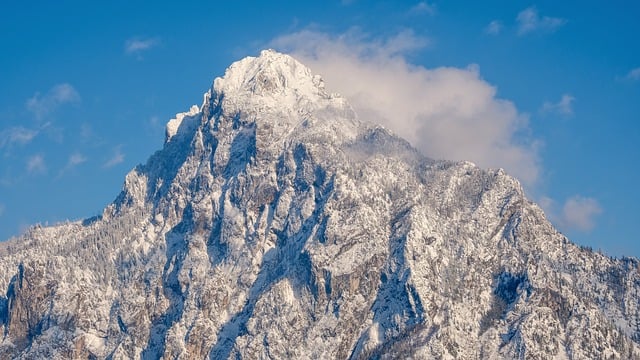
Drakensburg Mountains
Drakensberg: The Barrier of Spears and What It Takes to Walk One Tugela Falls drops 948 metres over the basalt face of the Amphitheatre in a series of five cascades. That makes it the world’s highest waterfall by a margin significant enough that the debate is settled. The hike to the top starts at roughly 2,500 metres above sea level, ascends another 550 metres over approximately six...
read more
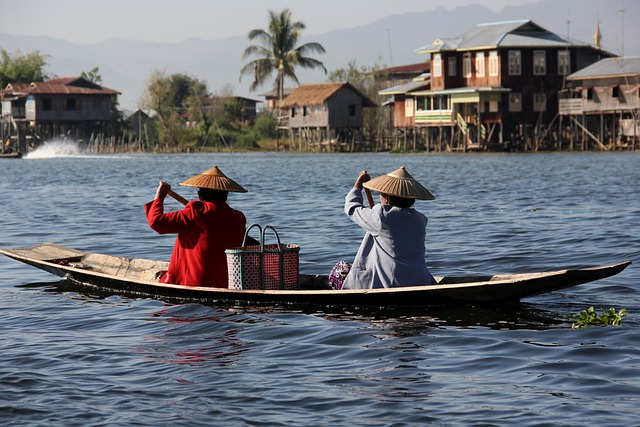
Inle Lake, Myanmar
The fishermen on Inle Lake row standing up. One leg is planted on the stern; the other wraps around the oar, leaving both hands free. The technique developed because the lake is shallow (averaging just three metres deep) and thick with reeds and floating vegetation. Sitting down, you cannot see over the waterplants. Standing up and using your leg to steer lets you navigate and look ahead...
read more
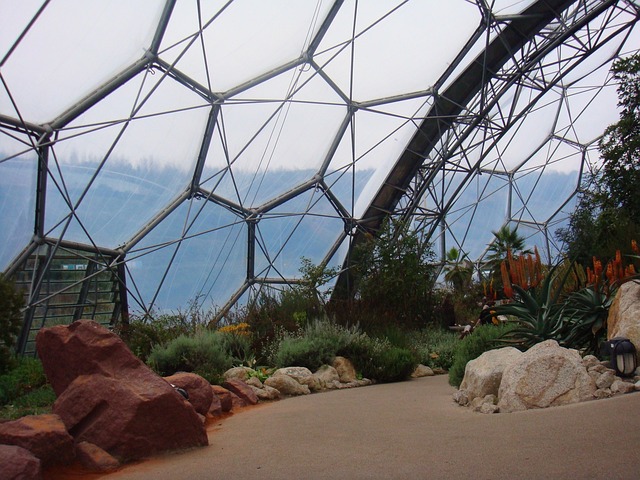
Eden Project
The whole thing was sketched on pub napkins in 1996. Tim Smit, the man behind the idea, sat in a St Austell bar and convinced people to build two enormous bubbles inside a worked-out china clay pit in one of the most economically depressed corners of England. The engineering argument for the hexagonal ETFE pillow structure was borrowed from soap bubble physics: bubbles can settle on any surface,...
read more
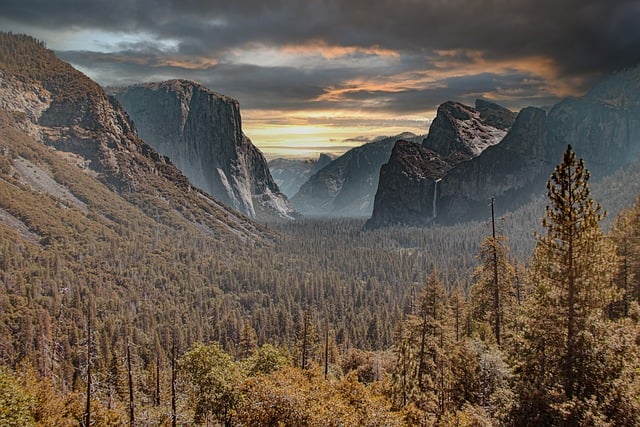
Nyungwe Forest National Park
Nyungwe Forest National Park: Where 400 Colobus Monkeys Move Together In 1984, a Wildlife Conservation Society survey in Nyungwe recorded a single troop of Angola colobus monkeys numbering approximately 400 individuals. Four hundred primates moving together through the canopy of a montane rainforest is not something the scientific literature had prepared anyone for. It remains one of the largest...
read more
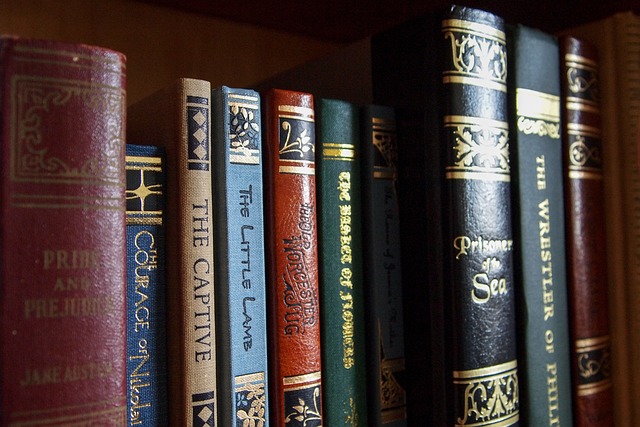
Jane Austen's House Museum
Jane Austen wrote in secret. She used small pieces of paper so that the pages could be quickly concealed when a visitor arrived; the door to her sitting room had a creaking hinge that she deliberately did not repair, because the squeak gave her a few seconds’ warning. In the dining room of this modest red-brick cottage in Chawton, Hampshire, she revised “Pride and Prejudice,”...
read more
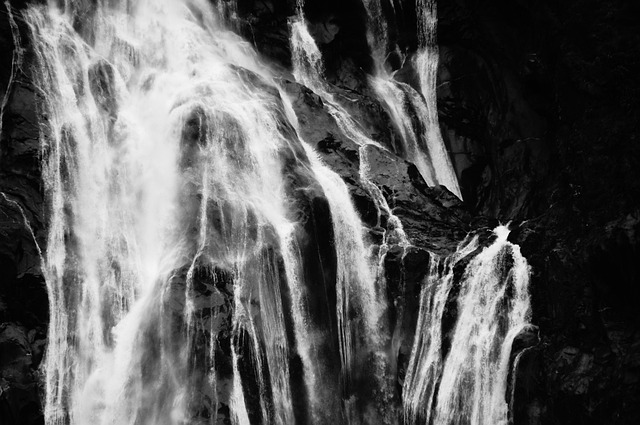
Milford Sound
Milford Sound (Piopiotahi): What to Know Before the Road Trip Milford Sound is not technically a sound. It is a fiord, carved by glaciers between 80,000 and 12,000 years ago. The distinction matters because it explains the place: sheer granite walls rising 1,200 metres from dark water, a permanent layer of freshwater tannin-stained by the surrounding rainforest floating above the saltwater below,...
read more
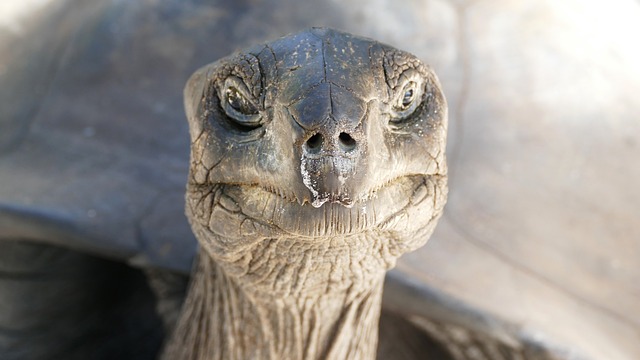
The Seychelles
The granite boulders on the beaches of La Digue are 750 million years old. That is not a metaphor for something timeless: those specific rocks, now stacked at the waterline of Anse Source d’Argent, were formed during the Precambrian era and have been sitting in roughly the same place, give or take a few hundred kilometres of continental movement, since before complex animal life existed on...
read more