Recent Locations
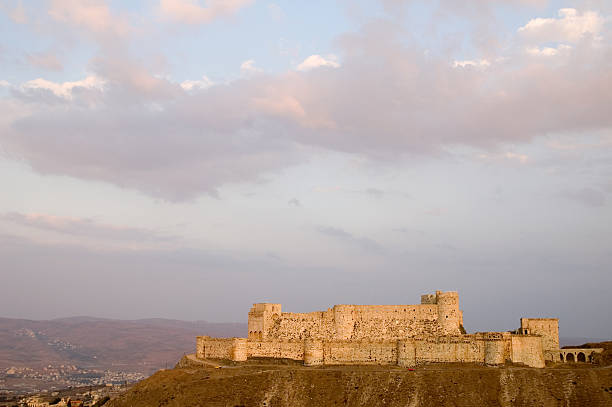
Krak Des Chevaliers Syria
Krak des Chevaliers: Visiting Syria’s Greatest Crusader Castle in 2026 The most complete Crusader castle in existence sits on a rocky spur 650 metres above sea level in western Syria, about 65 kilometres west of Homs. Krak des Chevaliers was held by the Knights Hospitaller from 1144 until 1271, when Mamluk Sultan Baibars finally took it not through frontal assault but by forging a letter...
read more
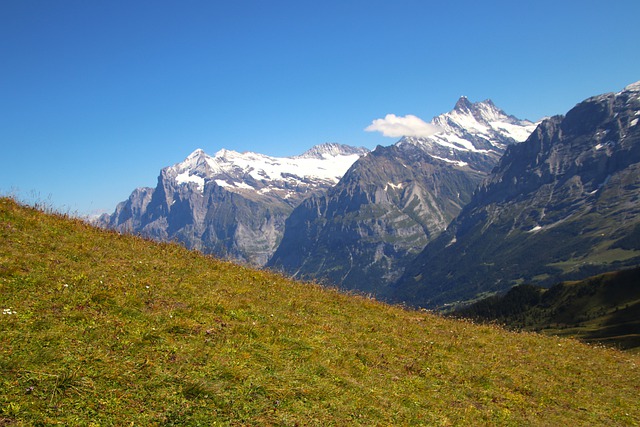
Jungfraujoch Top of Europe
Jungfraujoch: The Top of Europe and How to Actually Get the Most Out of It The Jungfraujoch railway opened in 1912 after sixteen years of construction through the interior of the Eiger and Monch mountains. Builders drilled observation windows into the Eiger’s north face mid-construction, which became the Eiger Station you pass through on the way up today. At 3,454 metres, the Jungfraujoch is...
read more
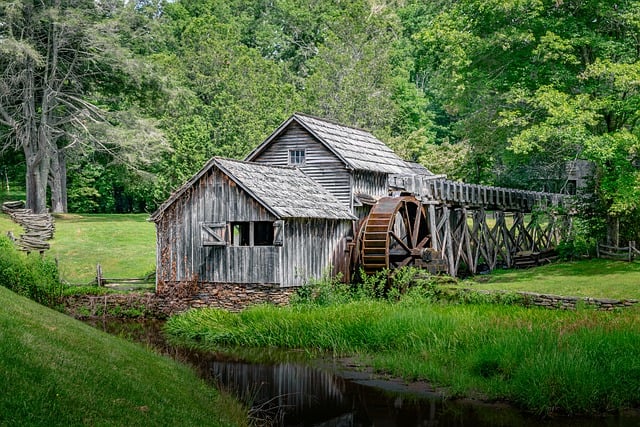
Piedmont Region, Virginia
In 2023, Wine Enthusiast named Charlottesville and the Monticello American Viticultural Area its Wine Region of the Year. That is a significant call, and the region has continued to earn it: Valley Road Vineyards took the Virginia Governor’s Cup in 2026 with their Cabernet Franc Reserve, the fourth consecutive year the award went to a Monticello AVA wine. Whatever you expected from Virginia...
read more
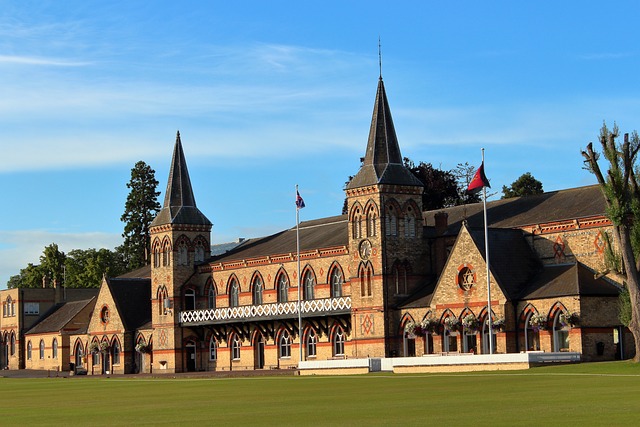
Cheltenham Festival
Cheltenham Festival: Four Days That Belong Entirely to Jump Racing In March 2026, Gaelic Warrior settled the argument on the famous Cheltenham hill. Trained by Willie Mullins and ridden by Paul Townend, the horse turned the Gold Cup into a two-horse race from the third last fence and pulled clear of Jango Baie in the final climb to claim the most coveted prize in jump racing. It was vintage...
read more
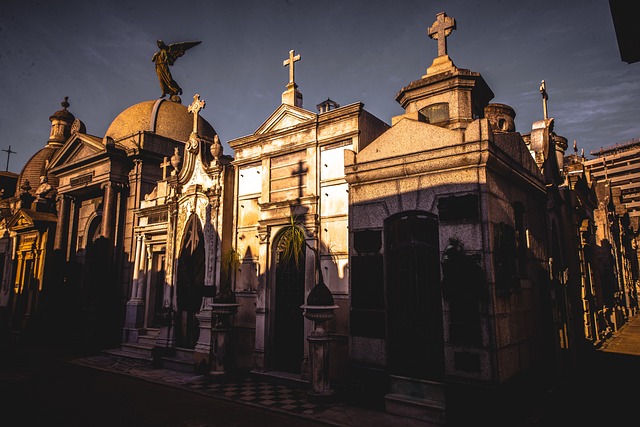
Recoleta
Recoleta exists because of a yellow fever epidemic. In the 1870s, wealthy porteño families fled the south of Buenos Aires to escape the outbreak, and the land around an old Franciscan monastery at the city’s highest ground became the destination. They built French-style mansions, hired European architects, and converted the former monastic cemetery into the most prestigious address in...
read more
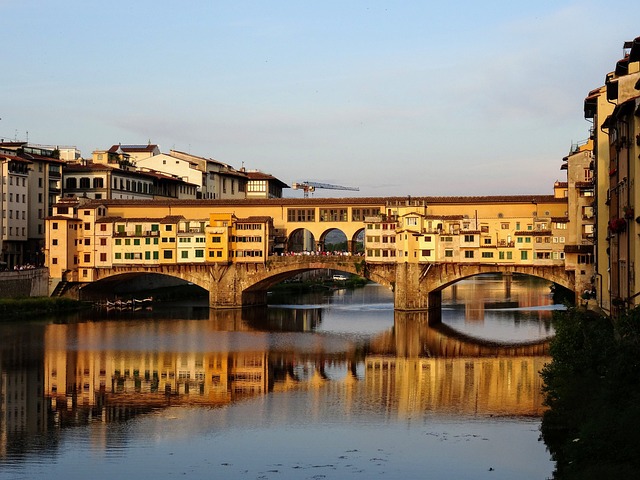
Ponte Vecchio
The Shops on Ponte Vecchio Were Butcher Stalls Until a Medici Duke Decided He Could Smell Them From His Private Corridor Florence’s Ponte Vecchio dates in its current stone form to 1345, built after the original Roman crossing was destroyed by flood. For its first two centuries, the bridge was occupied by tanners, butchers, and fishmongers who used the Arno beneath them as a convenient...
read more
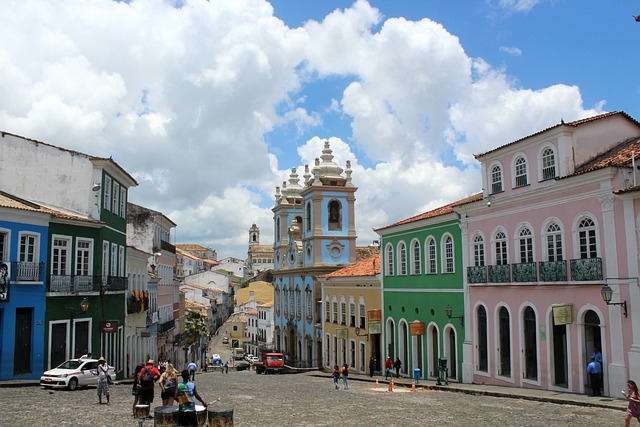
Pelourinho
The name “Pelourinho” translates to “whipping post,” and that etymology sits at the centre of everything you experience here. This is the neighbourhood in Salvador, Bahia, built on the wealth extracted from enslaved Africans, and the cobblestone streets and painted colonial facades that draw visitors today were maintained by forced labour. Knowing this does not diminish the...
read more
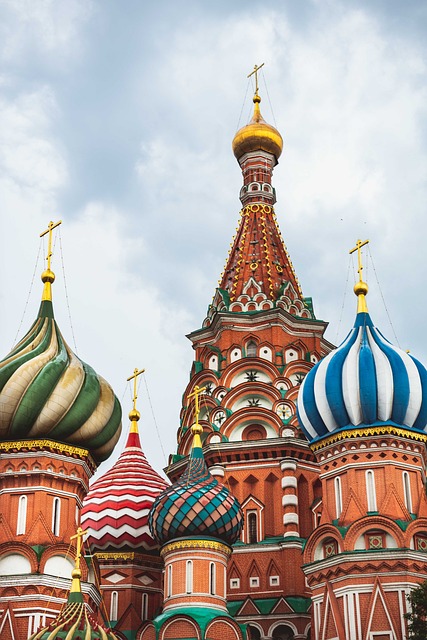
Saint Basil's Cathedral
The onion domes were not always those colors. When Ivan the Terrible consecrated this church in 1561, the exterior was painted red and white, matching the Kremlin walls across the square. The kaleidoscopic pattern that everyone recognizes today, those nine domes in competing shades of green, gold, blue, and red, only appeared in the 17th and early 18th centuries. The version of Saint Basil’s...
read more
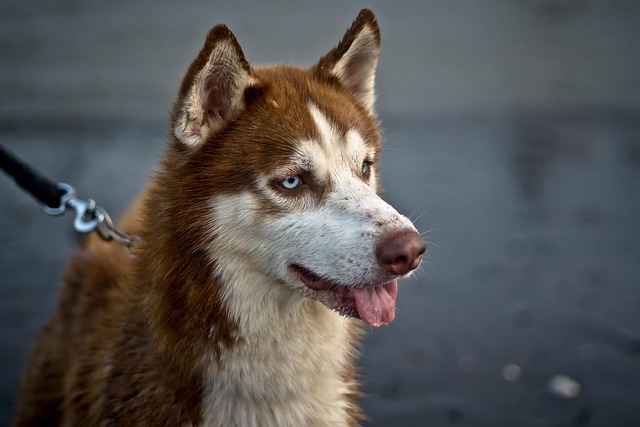
Travel on the Trans Siberian Railway
Six Days on the World’s Longest Train (And Why the Journey Is the Point) The Trans-Siberian Railway does not get you anywhere quickly. That is, in a profound sense, the entire reason to take it.
Moscow to Vladivostok: 9,289 kilometres, eight time zones, six days minimum. The railway was built between 1891 and 1916 at the command of Tsar Alexander III and his son Nicholas II, who needed to...
read more
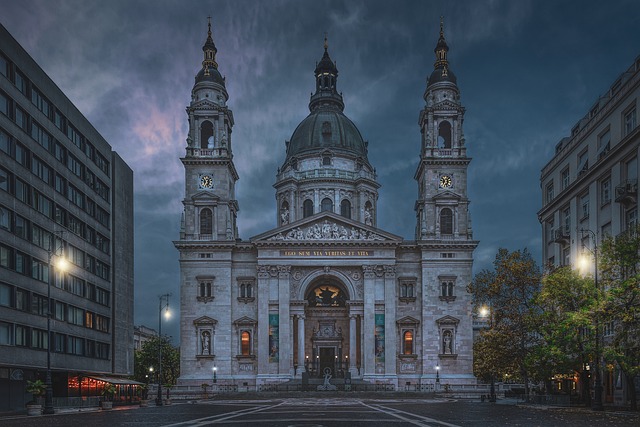
St. Marks Basilica & Campanile
On 14 July 1902, the Campanile of St. Mark’s collapsed into a pile of rubble. The 1,000-year-old bell tower came down in about ten seconds, long enough for the cafe owner on the piazza to watch his building flatten under the dust. No one died. A cat did. The Venetians, characteristically pragmatic, decided to rebuild it exactly as it had been, using better engineering this time. By 1912 it...
read more
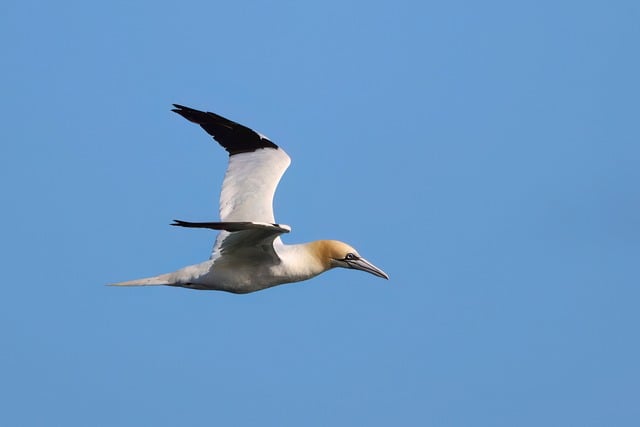
Skara Brae, Orkney Islands
A winter storm in 1850 was arguably the best thing that ever happened to archaeology. When ferocious gales stripped the earth from a grassy mound along the Bay of Skaill on Orkney’s west mainland, they revealed the outline of stone houses that had been buried for roughly 4,500 years. The local laird’s son, William Graham Watt, started digging. What he and later excavators found was...
read more
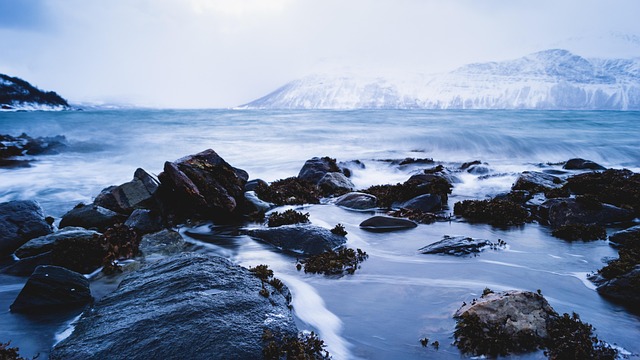
NorwayS Coast
Norway’s coastline stretches for 25,000 kilometres if you include every fjord inlet and island edge. Nobody does the whole thing; you pick a corridor and go deep. The western coast, from Stavanger north through Bergen and up to Alesund, is where most travellers land, and it rewards the effort with a combination of geological drama and surprisingly liveable small cities that most of...
read more
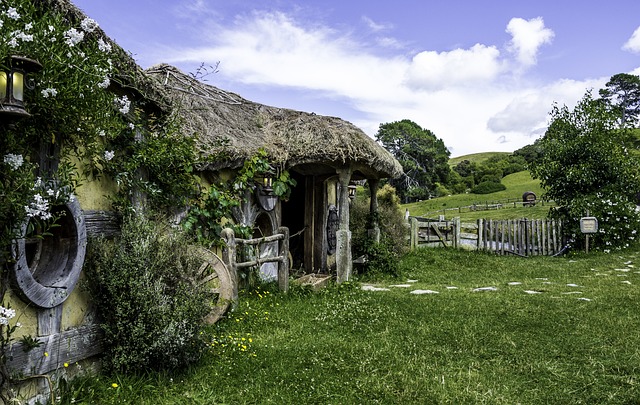
Wellington, New Zealand
Wellington Has More Bars Per Capita Than New York City (and the Coffee to Match) That statistic gets repeated so often it has become a bit of a parlour trick for Wellington boosters, but the underlying truth is real: this is a city that punches far above its weight for food, coffee, and nightlife relative to its population of around 215,000. The first Michelin Guide for New Zealand, due to be...
read more
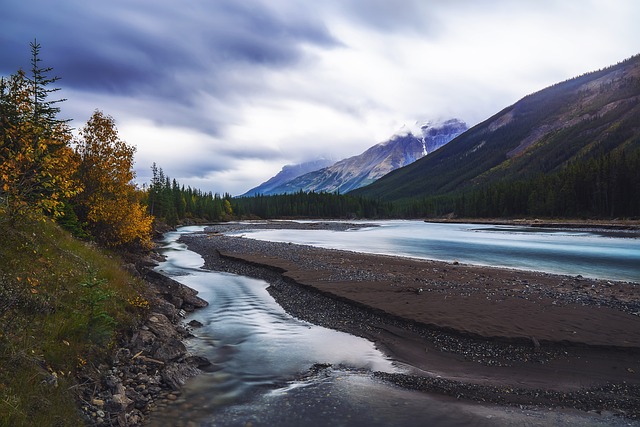
Ride a Dogsled Through the Backcountry Terrain of Montana
The dogs know before you do that something is about to happen. You hear them before you see them: a rising chorus of barks and howls from the kennel, each dog lunging forward in its harness, practically vibrating with the need to run. Your job as the passenger is simple. Hold on.
There is no motorized vehicle experience that comes close to it. Dogsledding moves at 9 to 12 mph through snow-muffled...
read more
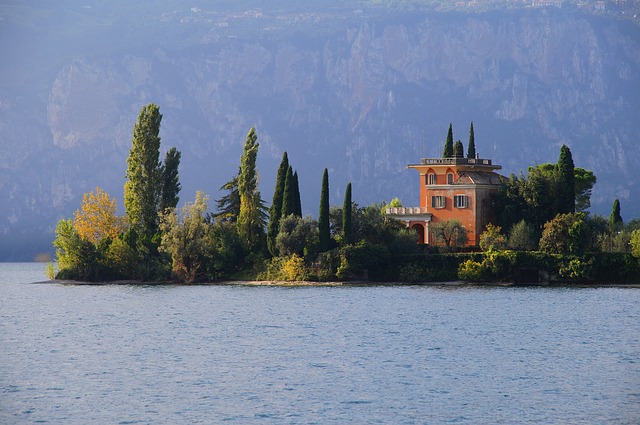
Lago Di Garda, Italy
Goethe came here in 1786 and described lemon terraces running up the mountainside, rows of white stone pillars holding wooden rafters that sheltered the trees from the alpine winter. He was describing Limone sul Garda, and the crazy thing is those terraced lemon gardens still exist. Italy has a way of making you feel like you showed up several centuries too late, and Lake Garda does that more...
read more
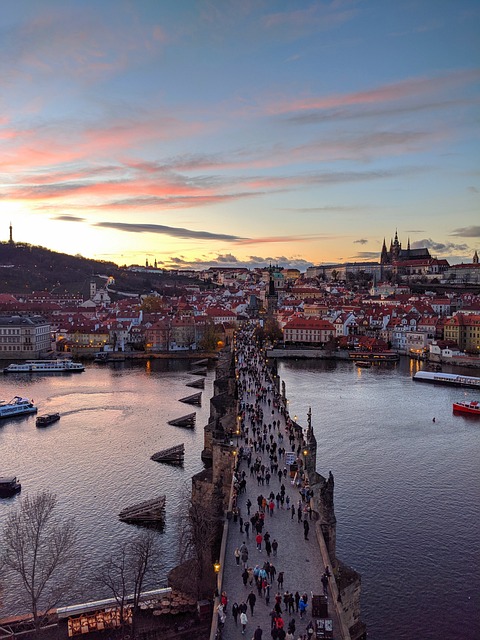
Charles Bridge
Exploring the Historic Charm of Prague’s Charles Bridge Introduction Stretching 516 metres across the Vltava River, Charles Bridge is one of Europe’s most recognisable medieval structures. Construction began in 1357 under King Charles IV and the bridge has been in continuous use ever since, connecting Prague’s Old Town with the Lesser Town (Malá Strana) below Prague Castle. Lined...
read more
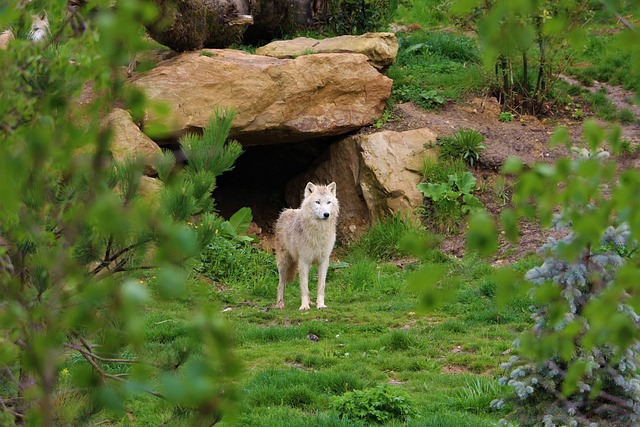
Wolfs Lair, Poland
The Bomb That Almost Changed History: Visiting Wolf’s Lair in the Masurian Forest On July 20, 1944, Claus von Stauffenberg walked into a briefing room at a military headquarters buried in the forests of East Prussia, placed a briefcase containing a bomb under the table, and left. The bomb detonated. Four people died. Adolf Hitler, whose trousers were shredded by the blast, walked away with a...
read more
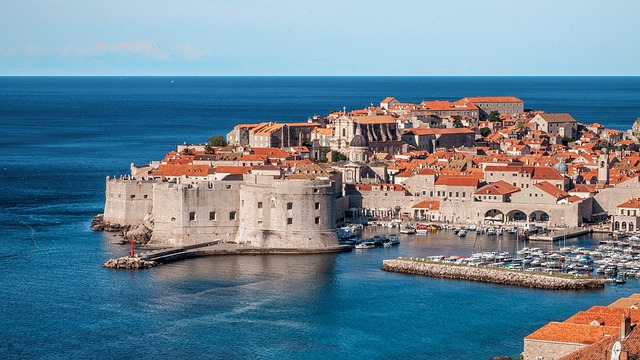
Fortress of Minceta Dubrovnik
By July, Dubrovnik has roughly 27 tourists for every resident. The city has been ranked the most overcrowded in the world. If you want to understand Minceta Tower, the 25-metre circular fortress at the highest point of the medieval walls, the single most important thing you can do is arrive at the walls when they open at 8am. In that first hour, the crowds have not yet formed. You can stand at the...
read more
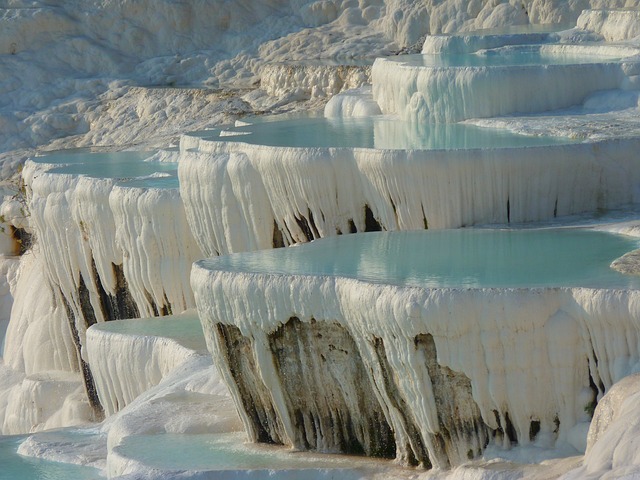
Pamukkale
Most photographs of Pamukkale make it look clean and blue and serene. The reality on a busy summer day is more complicated: several thousand people picking their way barefoot across travertine shelves while tour guides shout itineraries into the heat. Go early, ideally at 8am when the gates open, and you will find something much closer to the photographs. Go at 11am in July and you will find a...
read more
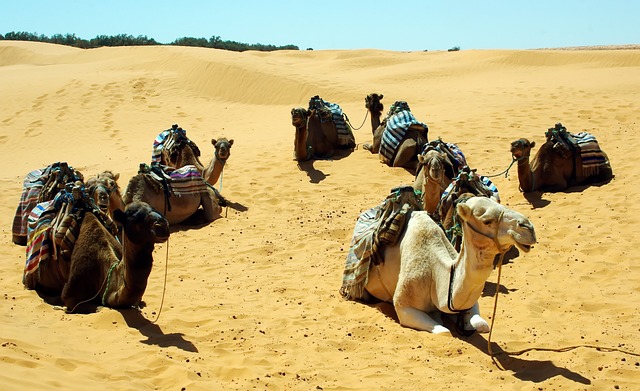
Matmata and Tataouine, Tunisia
The Amazigh people of southern Tunisia dug downward to survive. Not metaphorically, literally: they excavated large circular pits in the soft limestone bedrock and carved rooms into the pit walls, creating underground homes that stayed cool in summer and warm in winter without any modern infrastructure. The technique is called troglodyte architecture and it is roughly a thousand years old in this...
read more
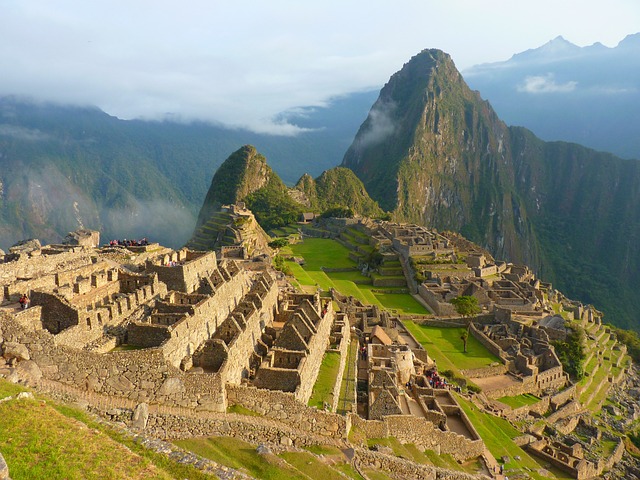
Machu Picchu
When Hiram Bingham arrived at Machu Picchu on July 24, 1911, guided by a local farmer named Melchor Arteaga, he was not actually looking for Machu Picchu. He was searching for Vilcabamba, the last capital of the Incas. He found the ruins almost by accident. Then he found something more uncomfortable: a name written in charcoal on the wall of the Temple of the Three Windows, “Agustín...
read more
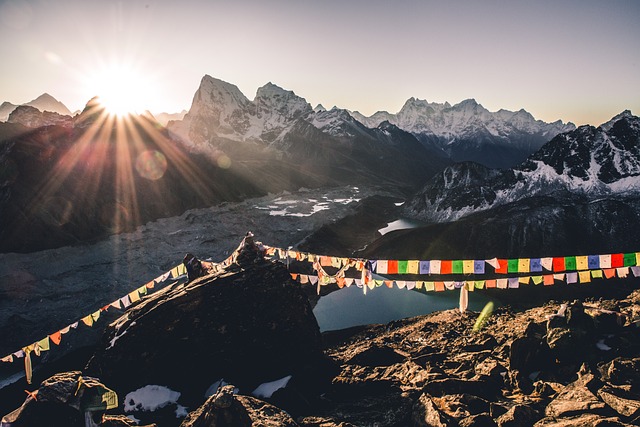
Nepal: Everest Base Camp Trek
Here is the thing nobody tells you about Everest Base Camp: when you finally arrive, after twelve or fourteen days of walking upward through increasingly thin air, the mountain itself is mostly hidden. The Khumbu Icefall rises above you in a chaos of tilting seracs, but the actual summit of Everest (that triangle of rock and snow you have been imagining) stays behind the ridge. The real view is...
read more
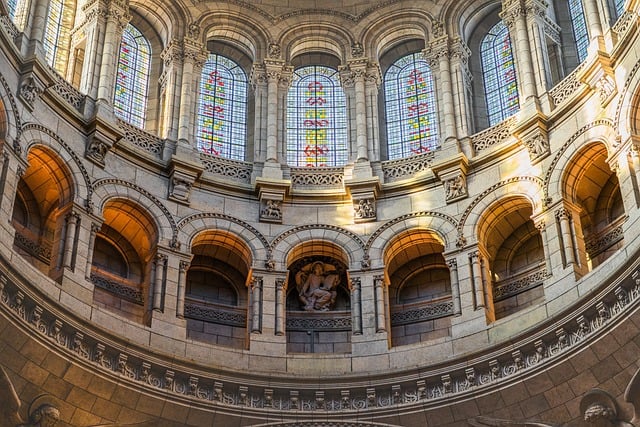
Roskilde Cathedral
There is a pillar inside Roskilde Cathedral that supposedly contains the tomb of Harald Bluetooth, the Viking king who united Denmark and gave his name, a millennium later, to the wireless protocol on your phone. The catch: the grave has never been found, and historians suspect Bluetooth’s successor invented the story to boost the cathedral’s prestige. A founding myth built on a...
read more
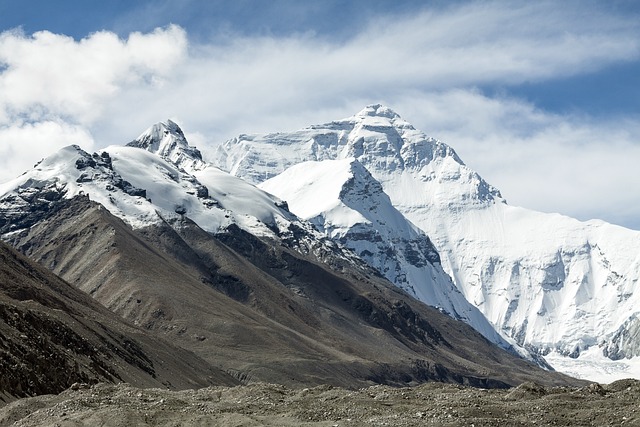
Mt Everest
In 2024, a National Geographic expedition found the partial remains of Andrew “Sandy” Irvine on the Rongbuk Glacier, reigniting one of mountaineering’s oldest arguments: did George Mallory and Irvine reach Everest’s summit in 1924, nearly 30 years before Hillary and Tenzing Norgay? We may never know. But that unresolved question (who was truly first) says everything about...
read more
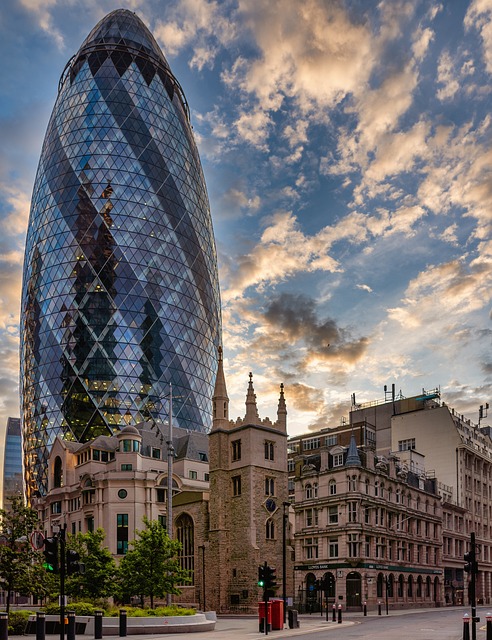
The Gherkin
The Gherkin exists because of a bomb. On 10 April 1992, the IRA detonated a one-tonne fertiliser bomb in a van parked on St Mary Axe in the City of London. The explosion killed three people, injured 91, and gutted the Baltic Exchange, a Victorian trading hall that had been the global headquarters for the shipping freight market since 1903. The damage was catastrophic enough that the Baltic...
read more
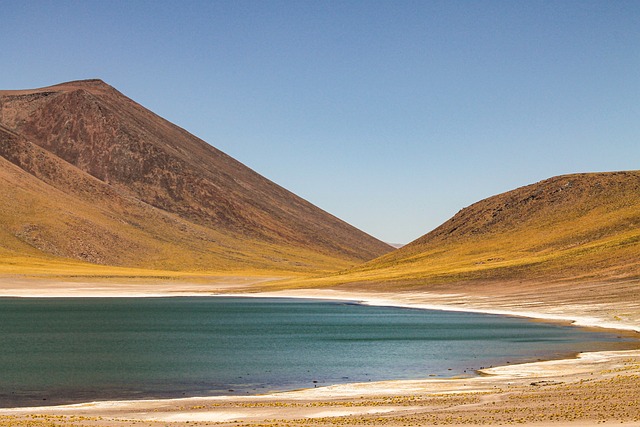
Pont du Gard
The Romans built this bridge without a single drop of mortar, and it has stood for 2,000 years. That fact alone should make you pause before dismissing the Pont du Gard as just another old ruin you’ve seen on a postcard.
Standing at the base of the Gardon river gorge and looking up at those three tiers of pale limestone arches, 47 metres overhead, something clicks. This was not a monument.
read more
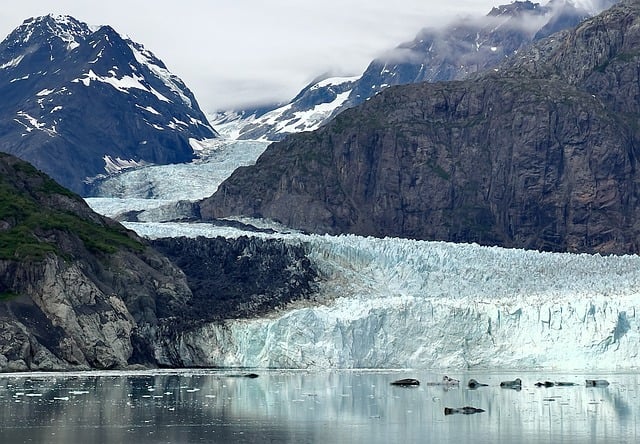
Glacier Bay National Park, Alaska
Glacier Bay National Park, Alaska Two hundred years ago, this entire bay was buried under a glacier more than a mile thick. Then the ice retreated at one of the fastest documented rates in recorded history, and the land it left behind is now one of the most dramatic wilderness areas on the planet. Glacier Bay is not a place you visit and tick off a list. It’s the kind of place that...
read more
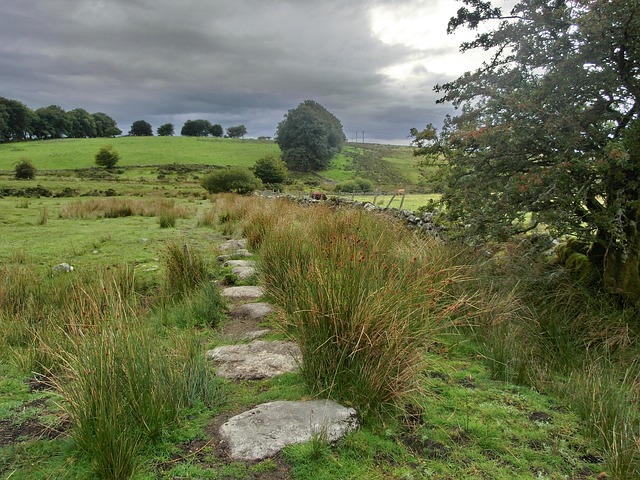
Dartmoor
Dartmoor contains the largest concentration of Bronze Age remains anywhere in the United Kingdom. There may be as many as 5,000 hut circles across the moor, the foundations of round houses where families lived for centuries before the climate turned, the temperature dropped by around one degree, and high Dartmoor was largely abandoned around 1000 BC. Grimspound, a walled settlement of 24 stone...
read more
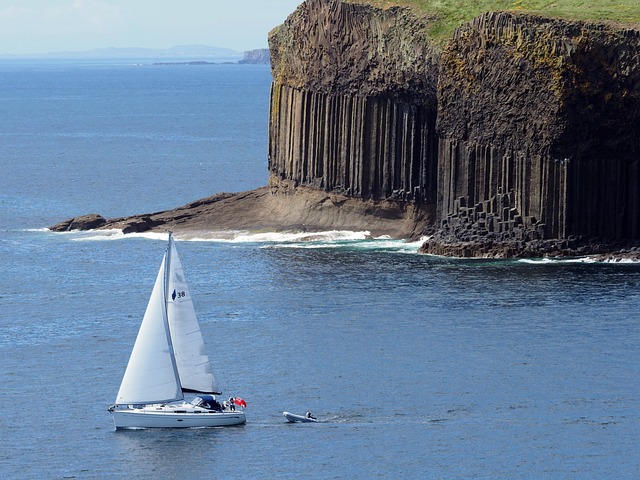
Fingal's Cave, Scotland
Felix Mendelssohn visited Staffa in 1829 and later said that he could not explain how the opening theme of his Hebrides Overture came to him, only that it arrived while he was sitting at the mouth of the cave. The Gaelic name for Fingal’s Cave, An Uamh Binn, “the musical cave”, predates Mendelssohn by centuries. The waves entering the basalt columns at the right angle and speed...
read more
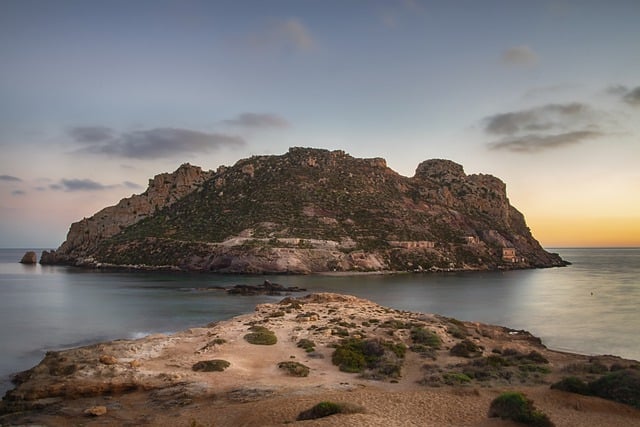
Ellis Island
In 1907, Ellis Island’s busiest single year, inspectors processed over a million people. Most of them, the ones who passed the medical chalking system, who had enough cash in their pockets, who answered the questions correctly, walked through in three to five hours. The other 10 percent stayed longer. Some were detained for days, some for weeks. Women travelling alone were particularly...
read more
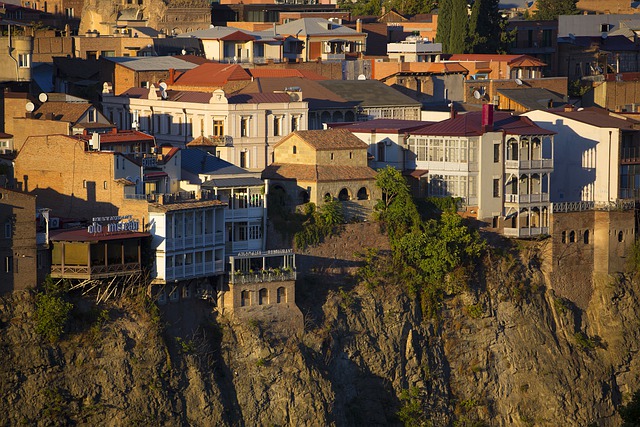
Old Tbilisi Georgia
Tbilisi’s name comes from the Georgian word for “warm place,” which traces back to the city’s founding legend: a 5th-century king was hunting near the Mtkvari River when his falcon fell into a hot spring. The king, Vakhtang Gorgasali, decided the naturally heated sulfur waters were reason enough to build a city. Fifteen hundred years later, those same springs still bubble...
read more
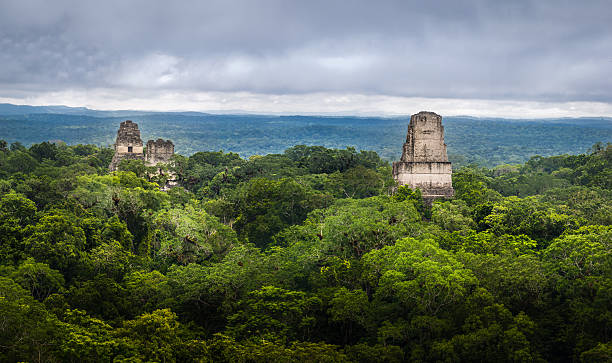
Tikal National Park
Tikal: The City That Echoes Like a Quetzal Clap your hands sharply between Temple I and Temple II in the Grand Plaza and the echo that comes back sounds, uncannily, like the call of the Quetzal, Guatemala’s national bird. The Maya knew this. They built it that way. That acoustic trick, buried in plain sight at the most visited archaeological site in Central America, tells you something...
read more
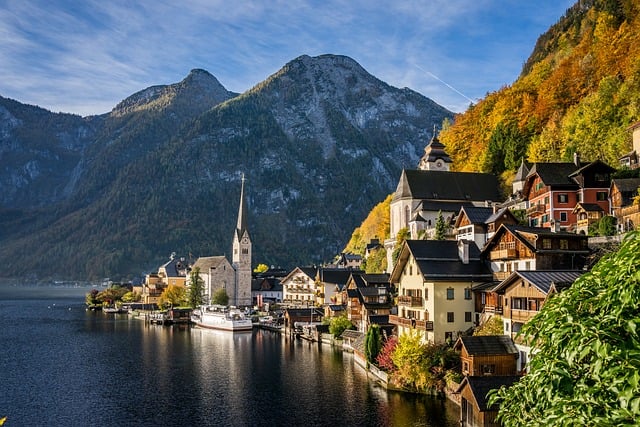
Hallstatt
Hallstatt On peak summer days, up to 10,000 tourists pass through a village of about 700 residents. The locals have been lobbying the regional government for a daily visitor cap of around 5,500 for years. The Upper Austria state government has not acted. Coach buses now have regulated time slots, but anyone arriving by train, ferry, or car faces no restriction. This is the situation at Hallstatt...
read more
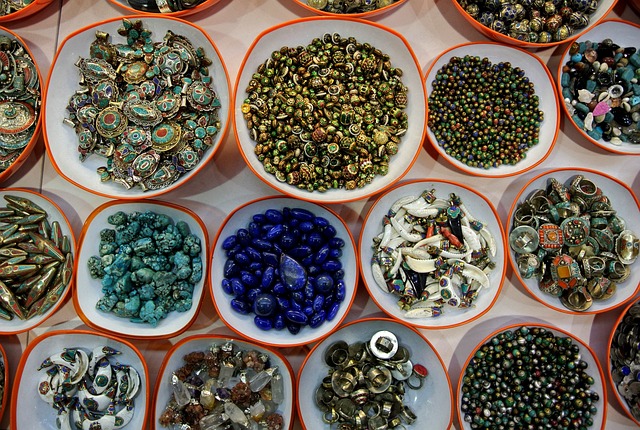
Grand Bazaar Istanbul
Grand Bazaar, Istanbul The 2012 James Bond film Skyfall opens with a rooftop chase scene across the Grand Bazaar. Most people who visit never find those rooftops. That gap between what tourists see and what actually exists here is a useful way to think about the whole place.
The Kapalıçarşı (Covered Market) has been operating continuously since 1461, when Sultan Mehmed II ordered the construction...
read more
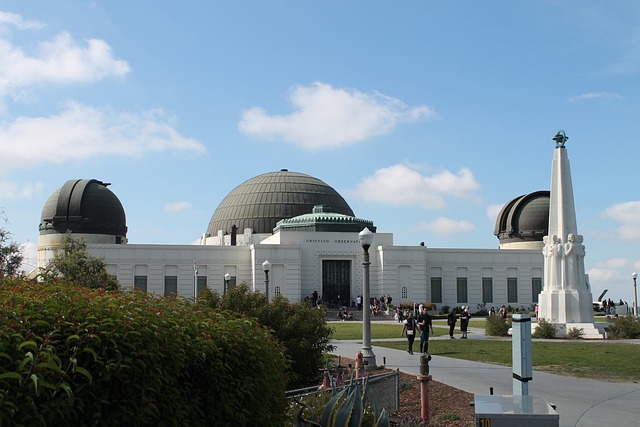
Griffith Observatory
Griffith Observatory Griffith J. Griffith shot his wife in the eye in 1903. She survived; he went to prison for two years. When he got out, he tried to give the City of Los Angeles $700,000 to build a public observatory on the hill above his donated park. The city refused the money for years, too embarrassed to be associated with its disgraced benefactor. He died in 1919. The observatory was...
read more
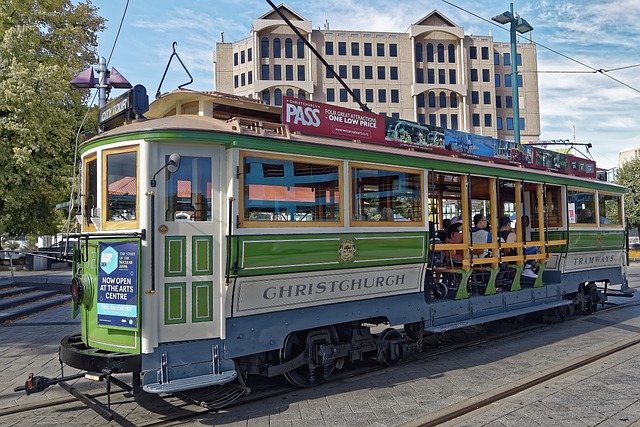
Christchurch
Fifteen years after the earthquakes that levelled its cathedral and killed 185 people, Christchurch is doing something genuinely unusual for a disaster-hit city: it is becoming more interesting than it was before. The rebuild forced a blank-slate rethink of how a city should work, and the result is a place that surprises visitors who arrive expecting ruin and leave talking about the food.
The...
read more
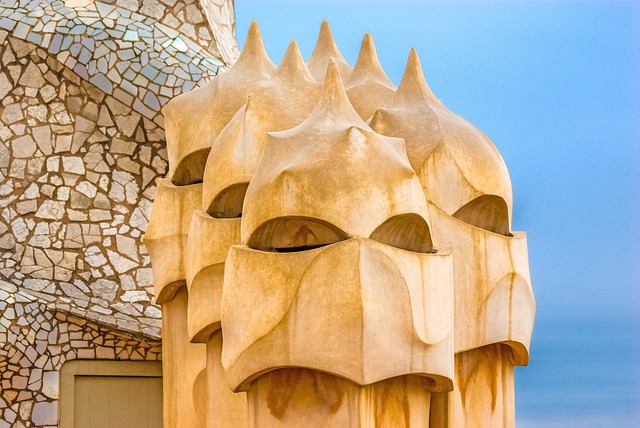
Casa Mila
When Casa Milà was unveiled on Passeig de Gràcia in 1912, Barcelonans called it La Pedrera – the stone quarry – as a mockery. The undulating limestone facade, entirely lacking straight lines, with iron balconies that twisted outward like seaweed, looked to contemporaries like an unfinished rock face rising from the pavement. The name stuck. So did the building: a century later...
read more
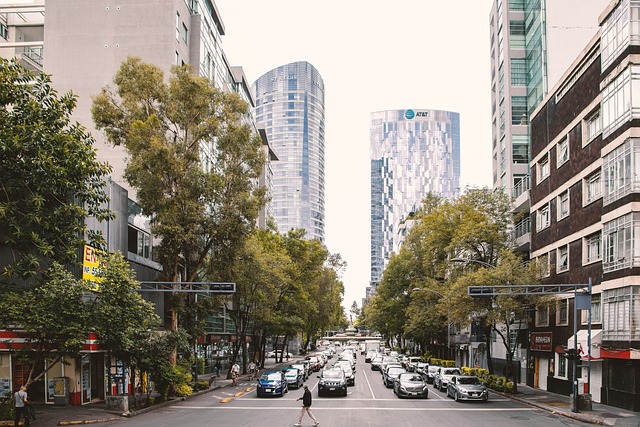
Basilica of Our Lady of Guadalupe, Mexico City
On December 12, approximately 10 million people visit the Basilica of Our Lady of Guadalupe in a single day. This figure is not an annual total – it is the crowd for the single feast day celebrating the Virgin of Guadalupe, the most important religious observance in Mexico. The surrounding neighbourhood becomes impassable; Metro Line A’s La Villa-Basilica station operates at maximum...
read more
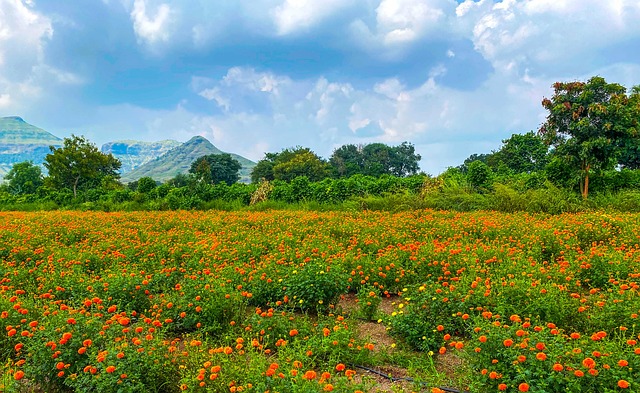
Dashashwamedh Ghat, India
Dashashwamedh Ghat, Varanasi The Ganga Aarti at Dashashwamedh Ghat starts at 6:45pm in summer and 5:45pm in winter, runs for approximately 45 minutes, and draws crowd densities that, at peak times, can reach 700 to 860 people per 100 square metres of ghat steps. That number is not a deterrent – it is a description of what the ceremony is: an event so embedded in the fabric of a living city...
read more
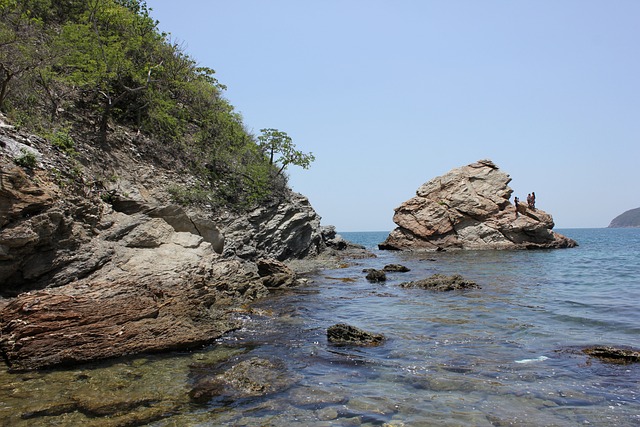
Tayrona National Park - Colombia
Tayrona National Park: Colombia’s Best Coastline, With Some Honest Caveats Tayrona occupies 150 square kilometres on Colombia’s Caribbean coast at the base of the Sierra Nevada de Santa Marta, the world’s highest coastal mountain range. The geography produces something that exists almost nowhere else: jungle-covered peaks descending sharply to the sea, with isolated beaches at...
read more
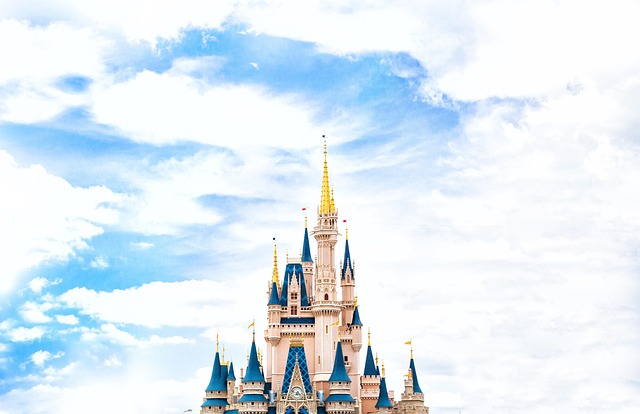
Walt Disney World Resort
Walt Disney World: A Practical Guide for First-Timers and Return Visitors Walt Disney World covers 27,000 acres in central Florida and has four theme parks, two water parks, a shopping and entertainment district, and over 30 resort hotels. A first visit without preparation is genuinely bewildering: too many options, significant walking distances, and a pricing structure that rewards advance...
read more
Hay on Wye
Hay-on-Wye: The Town That Declared Itself a Kingdom to Sell More Books Richard Booth started buying and selling secondhand books in Hay-on-Wye in the 1960s. The Welsh market town on the Wye Valley border with England had no particular claim to cultural significance. Booth kept buying books and kept opening shops, and other booksellers followed, and by the 1970s the town had accumulated enough...
read more
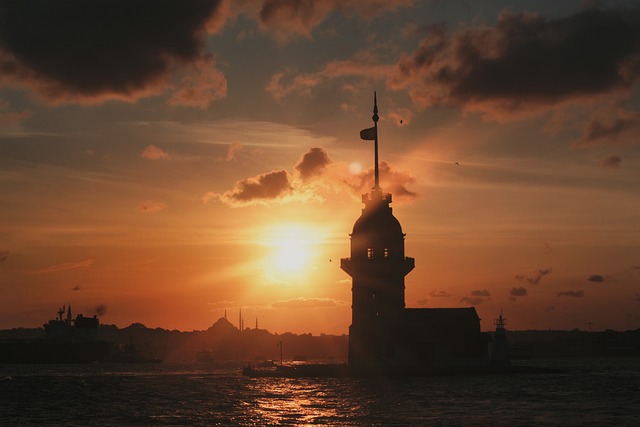
Azure Coast, Turkey
Over 60,000 people a year jump from Babadağ Mountain above Ölüdeniz, which puts the paragliding scene there in perspective: this is not a niche activity for adventure tourists, it’s an organised industry for anyone who wants to float above what has been voted one of Europe’s best beaches and look down at the improbable blue of the lagoon below. The tandem flights cost around 60-80...
read more
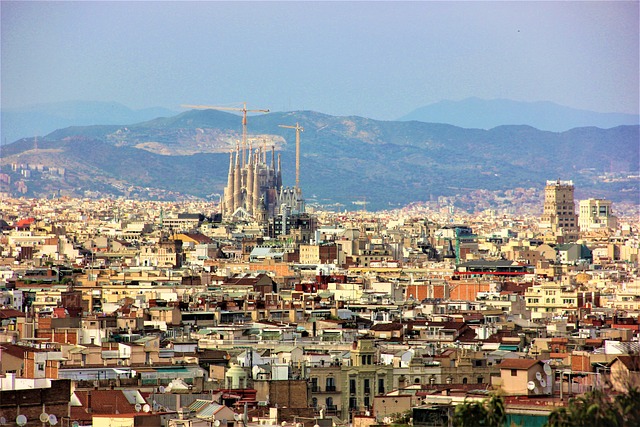
Sagrada Família
Sagrada Familia: Construction Began in 1882, Completion Expected in the 2030s Antoni Gaudi spent the last 15 years of his life living in the Sagrada Familia basilica and working on almost nothing else. He was hit by a tram in 1926, was initially unidentified because of his dishevelled appearance, and died three days later from his injuries. The crypt and apse were largely complete; the rest of the...
read more
Palawan, Philippines
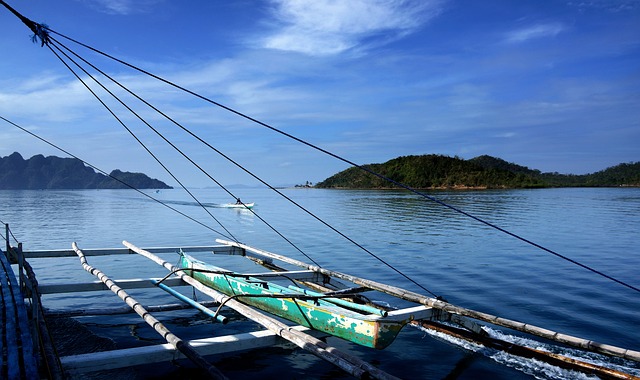
Palawan: The Philippines’ Best Island, and How to Navigate It Palawan is a long, narrow island southwest of Manila, with limestone karst formations, clear water, and a wildlife corridor that has made it the environmental benchmark for the Philippines. It is also being developed aggressively. El Nido and Coron both have significant tourist infrastructure now; what you won’t get is...
read more
Yangtze River
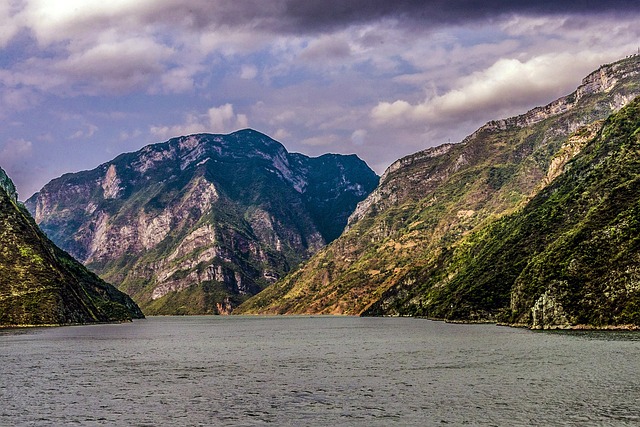
Yangtze River: The Gorges Are Still There, But Not as They Were The Three Gorges Dam was completed in 2003. The reservoir behind it raised water levels by 80-175 metres in the gorge sections, submerging the lower cliff faces, the old river towns that had operated since the Han dynasty, and over 1,300 archaeological sites. Some of the famous hanging coffins wedged in cliff faces above the waterline...
read more
Delphi
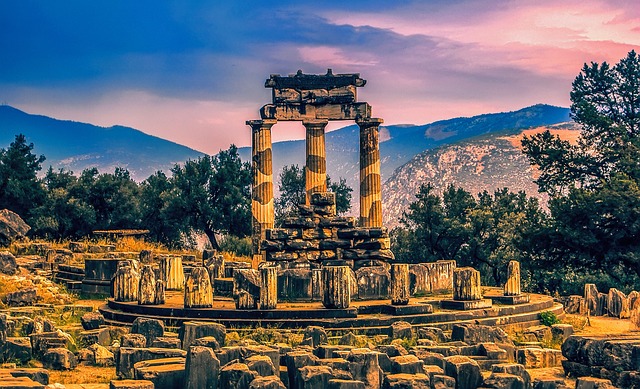
Delphi: The Centre of the Ancient World The ancient Greeks called Delphi the omphalos - the navel of the world. A conical stone, the omphalos stone itself, was kept in the sanctuary as physical proof. For a period spanning roughly the 8th to 4th centuries BC, this rocky hillside on the southern slope of Mount Parnassos was the most important religious site in the Greek world. Kings, generals, and...
read more

Pol-E Khaju
Pol-e Khaju: The Safavid Bridge That Doubles as a Teahouse In the lower arched chambers of Pol-e Khaju, old men play backgammon in the afternoons and families gather in the evenings. Tea costs almost nothing. The bridge was built for social use as much as for crossing water, and it still performs both functions 370 years after Shah Abbas II commissioned it.
Pol-e Khaju was constructed around 1650...
read more
Shwedagon Pagoda
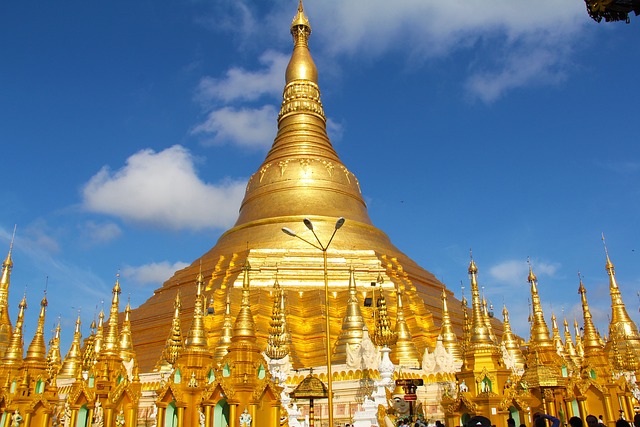
Important note before planning: Travel to Myanmar requires current research on safety conditions and visa requirements. The country has been under military rule since the 2021 coup and the security situation has changed substantially since then. Check your government’s current foreign travel advice (UK FCDO, US State Department) before making any bookings. What follows describes the...
read more
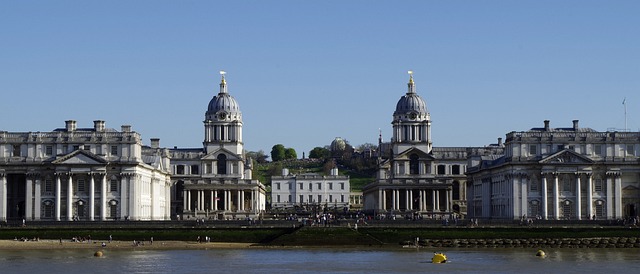
Greenwich Royal Observatory
The Royal Observatory Greenwich: Where the World Agreed to Start Counting The problem of longitude at sea killed sailors for centuries. Without a reliable way to calculate east-west position, ships ran onto rocks in the dark, and entire fleets were lost. Charles II founded the Royal Observatory in 1675 with a specific practical brief: improve the astronomical tables well enough that British...
read more