Recent Locations
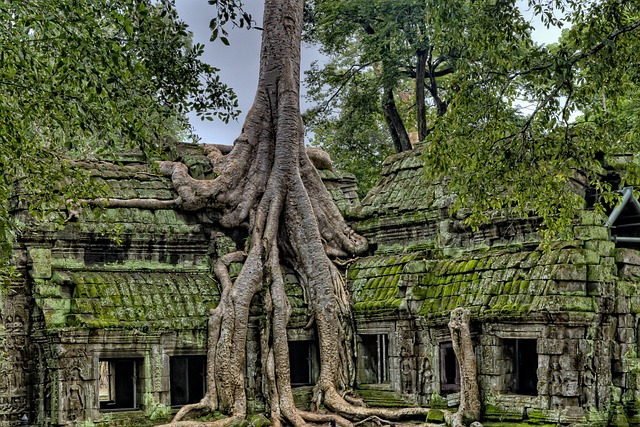
Angkor Wat Cambodia
Angkor Wat Cambodia The 800 metres of bas-relief that run around Angkor Wat’s third enclosure galleries take most visitors about three minutes to walk past. They deserve three hours. The south gallery’s Battle of Kurukshetra alone contains 1,500 individual figures in a composition that unfolds like a scroll: armies in formation, individual warriors locked in combat, elephants crushing...
read more
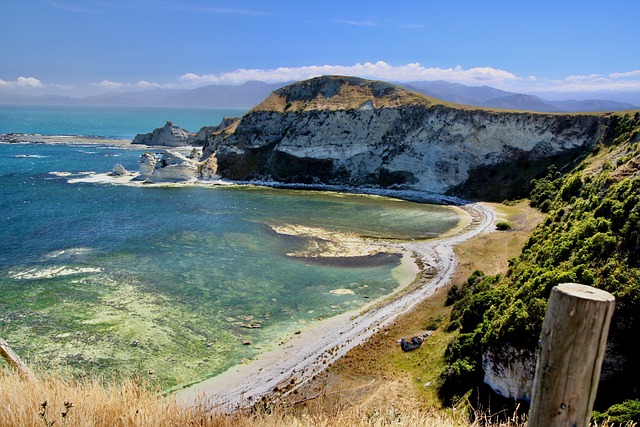
Kaikoura
Kaikoura The name means “to eat crayfish” in te reo Maori, and that tells you something about the order of priorities here. Kaikoura is a small town on the northeast coast of the South Island, pressed between the Pacific and the Kaikoura Ranges, which rise almost immediately from the shoreline. The combination of a deep offshore trench (the Hikurangi Trough) and the nutrient flow from...
read more
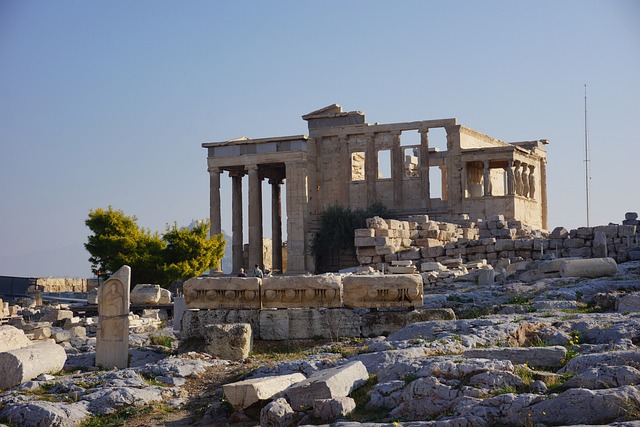
Acropolis
The Acropolis: How to Actually See It On the evening of 26 September 1687, a Venetian mortar round fired from Philopappos Hill arced over the city and dropped through the roof of the Parthenon. The Ottomans had been using the building as a powder magazine. The resulting explosion killed around 300 people inside, collapsed the cella walls, brought down most of the colonnade and scattered the carved...
read more
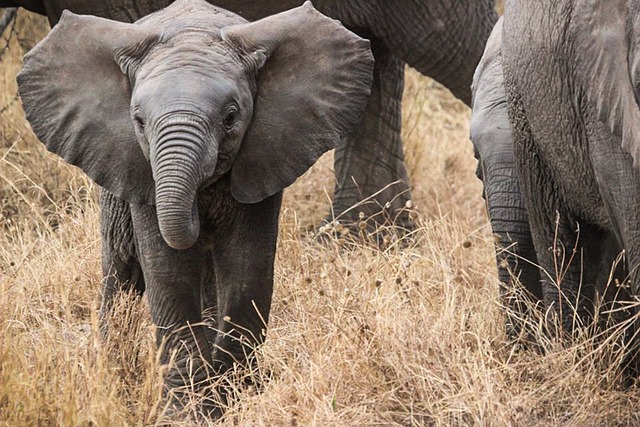
The Serengeti
Every year, 1.2 million wildebeest and 300,000 zebra move in a giant clockwise loop across 30,000 square kilometres of Tanzania and Kenya in search of rain-triggered grass. The circuit has no fixed timetable. The herds follow cues we don’t fully understand, and no one, including the most experienced guides, can tell you exactly when they will cross the Mara River on any given day. You show...
read more
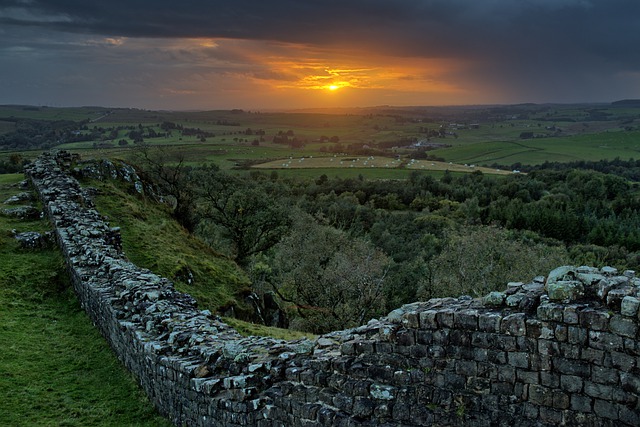
Hadrians Wall
Hadrian’s Wall: The Edge of an Empire, and What Is Left of It When Hadrian’s Wall was completed in 128 AD, it had been whitewashed. The plaster and lime coating made it visible for miles across the Northumberland moorland, a deliberate statement rather than just an engineering decision. The Romans built things to be seen as well as to function, and the wall that Hadrian ordered in 122...
read more
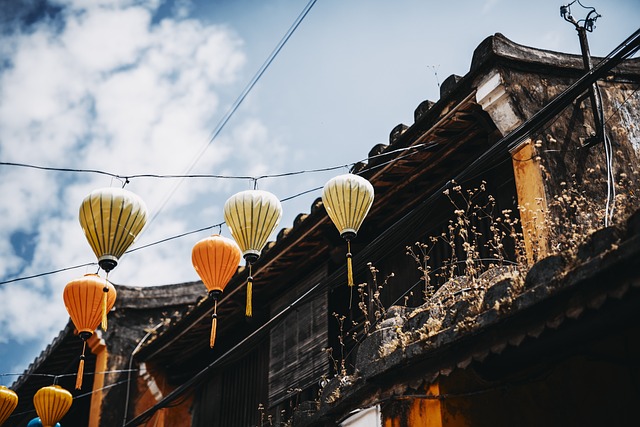
Hoi An
In October and November 2025, Hoi An’s Ancient Town was submerged by record flooding, with more than 1,000 millimetres of rainfall recorded in a 24-hour period. Streets like Tran Phu and Bach Dang, the Japanese Bridge, and the riverside night market were all temporarily closed. Since late November 2025 the floodwaters have receded and restoration work has returned the town to operating...
read more
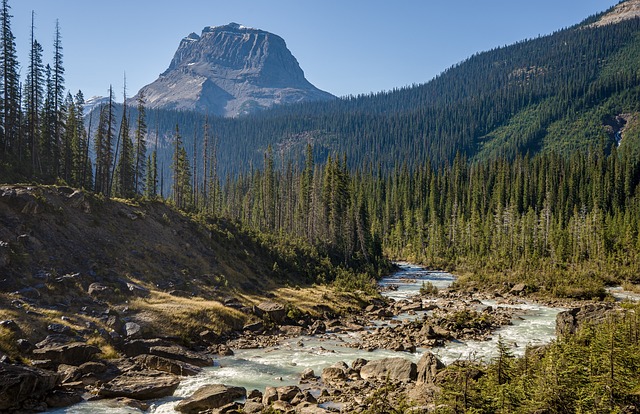
Haida Gwaii, British Columbia
Haida Gwaii: The Islands at the Boundary of the World The Haida name for this archipelago is Xhaaidlagha Gwaayaai, which translates as “Islands at the Boundary of the World.” That phrase is more literal than poetic. Haida Gwaii sits roughly 130 kilometres west of the British Columbia mainland, separated from Prince Rupert by the stormy waters of Hecate Strait. The islands were...
read more
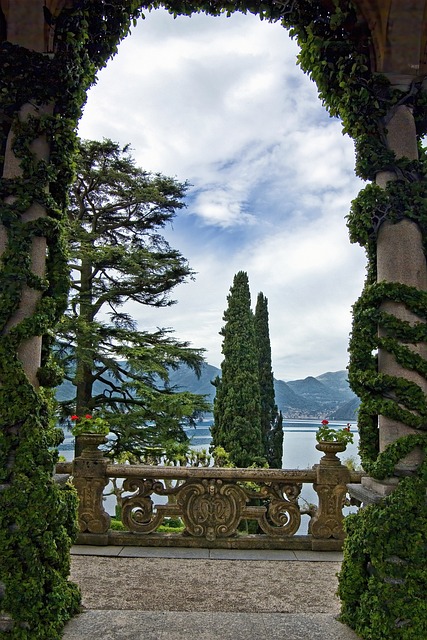
Villa Del Balbianello, Lake Como
The Villa Where James Bond Recovered, and Why You Should Visit on a Tuesday Villa del Balbianello sits on a narrow wooded promontory on the western shore of Lake Como, visible from the water long before you arrive. Most tourists see it from a ferry and take a photograph. Fewer actually visit, which is an oversight, because the interior contains something the lakefront photos do not hint at: the...
read more
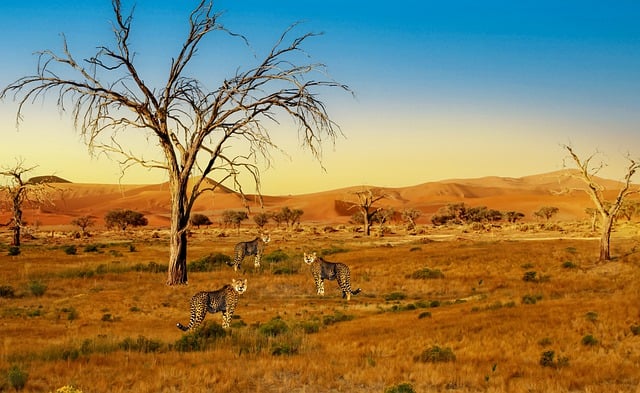
Serengeti Africa
The Migration Is Not a Single Event You Book a Ticket For Around 1.5 million wildebeest move continuously through the Serengeti-Mara ecosystem across Tanzania and Kenya throughout the year, following rainfall and grass. This is not a scheduled performance. The famous Mara River crossings, where herds plunge into crocodile-filled water on the Kenyan border, happen unpredictably between July and...
read more
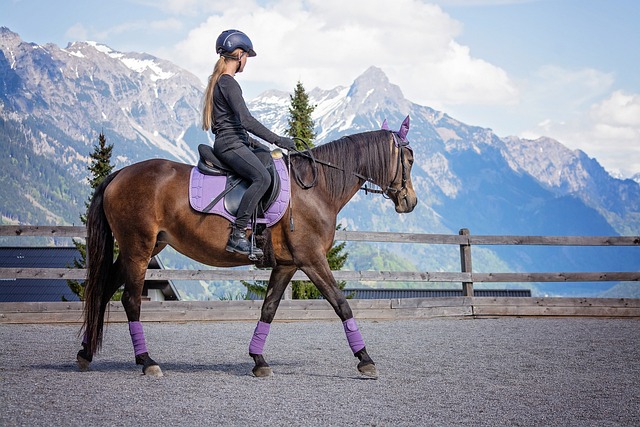
Spanish Riding School
The Spanish Riding School is not named after Spain. The name refers to the origin of the horses: in the 16th century, Ferdinand I, who had grown up in Spain, introduced Andalusian stallions to the Viennese court, and the breed that developed from crosses between Spanish, Arabian, and Berber horses became the Lipizzaner. The school itself was founded in Vienna in 1565, making it one of the oldest...
read more
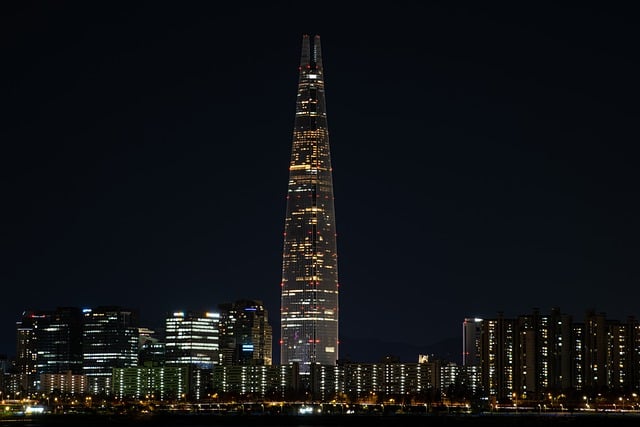
Lotte World, Seoul
Lotte World, Seoul: The World Record Theme Park Next to a 555-Metre Skyscraper Lotte World Adventure opened on 12 July 1989 in Jamsil, Songpa District, and holds the Guinness World Record for the world’s largest indoor theme park. The outdoor section, Magic Island, added the following year, floats on an artificial lake connected to the main building. In 2017, Lotte World Tower rose adjacent...
read more

Komsomolskaya Metro Station, Moscow
In November 1941, with German forces less than 20 kilometres from Moscow, Stalin gave a speech to Red Army soldiers on the platform of Mayakovskaya metro station. The speech invoked Alexander Nevsky, Dmitry Donskoy, Suvorov, Kutuzov: the great military commanders of Russian history. That speech became the conceptual brief for Komsomolskaya station a decade later. When the station opened in 1952,...
read more
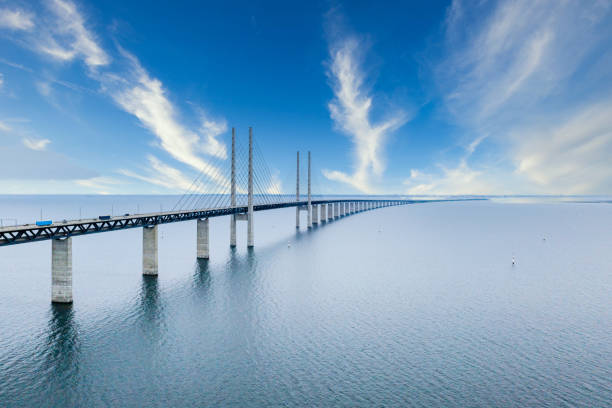
Oresund Bridge, Copenhagen
When engineers designed the Oresund crossing in the 1990s, they ran into a problem: the bridge could not be tall enough to clear shipping lanes without violating flight paths for Copenhagen Airport on the Danish side. Their solution was to make the crossing become two things: a bridge on the Swedish end that submerges into a four-kilometre underwater tunnel on the Danish end, with an artificial...
read more
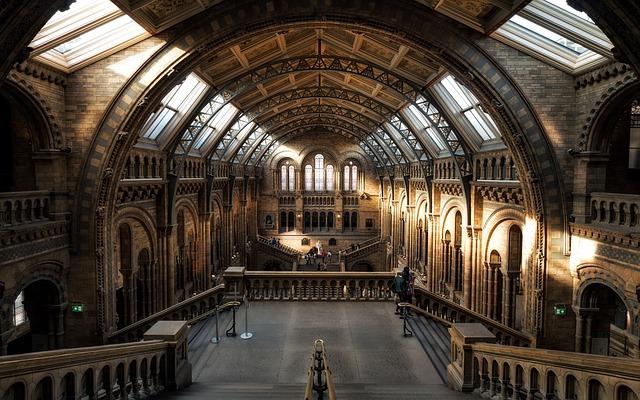
Smithsonian National Museum of Natural History
In 1958, Harry Winston shipped the most famous diamond in the world to the Smithsonian Institution in a plain brown package sent by registered mail. The Hope Diamond, 45.52 carats and the largest known blue diamond on earth, arrived at a museum that charged no admission and was open to anyone who walked in off the National Mall. That combination, extraordinary objects made freely available, is the...
read more
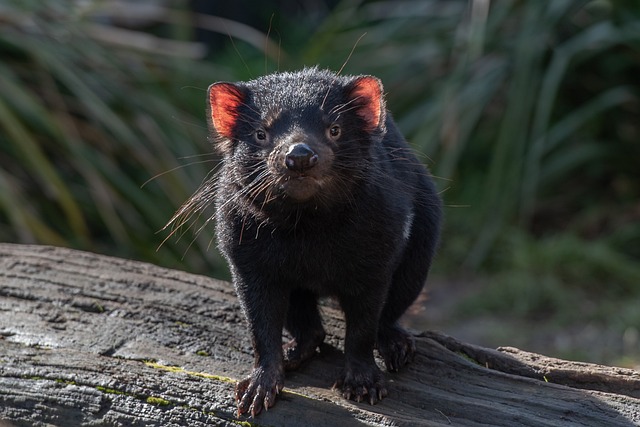
Devils Tower
The name Devils Tower is almost certainly a translation error. In 1875, Colonel Richard Dodge escorted a scientific survey through northeastern Wyoming and wrote the name down from a phrase he believed the local tribes used. The best current interpretation of the Lakota name is Mato Tipila, which means “Bear Lodge,” not anything devilish. The “Bad God’s Tower”...
read more
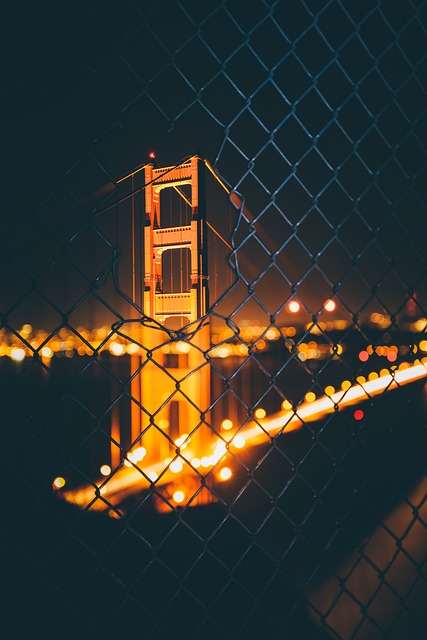
Golden Gate National Recreation Area
In 1972, Gulf Oil Corporation owned much of the Marin Headlands and had detailed plans to build a city called Marincello there, complete with high-density housing for 30,000 residents. An atomic bomb had even been proposed to blast a bowl out of the hillside for foundations. The Nature Conservancy outmaneuvered the developers, the land was transferred to the federal government, and the Golden Gate...
read more
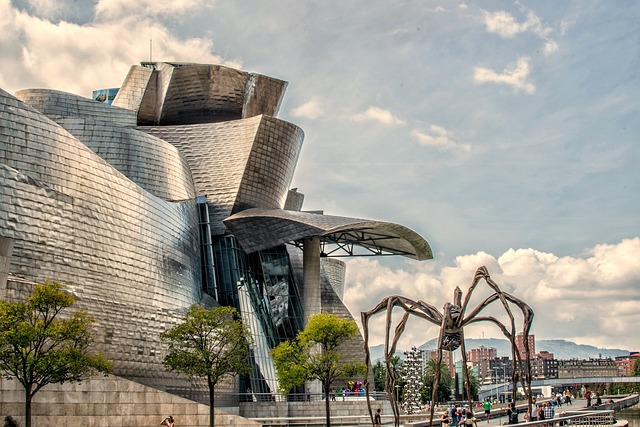
Guggenheim Museum (Bilbao)
The Guggenheim Bilbao repaid its construction costs in public tax revenue within three years Before the Guggenheim opened on 18 October 1997, Bilbao was an industrial city in decline, its shipbuilding and steel economy gutted. The Basque government approached the Solomon R. Guggenheim Foundation in 1991 with an unusual offer: fund the building entirely in exchange for the Guggenheim name and...
read more
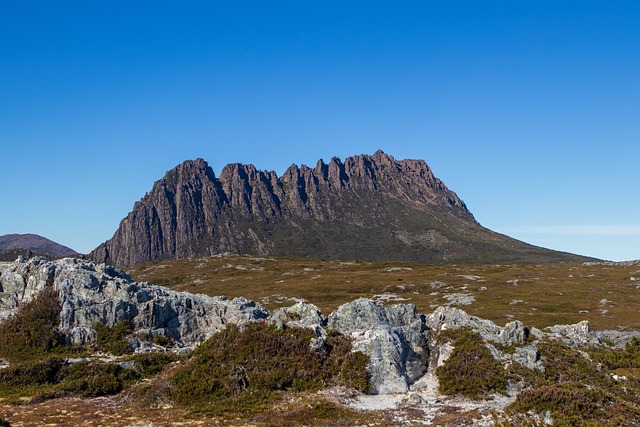
Cradle Mountain
Cradle Mountain, Tasmania: The Park That Rewards Patience The boat shed at the edge of Dove Lake is made from King Billy Pine, built by the park’s first ranger, Lionell Connell, sometime in the early twentieth century. It is no longer used for anything functional. It sits at the water’s edge with the jagged dolerite spires of Cradle Mountain reflected in the glacial lake in front of...
read more
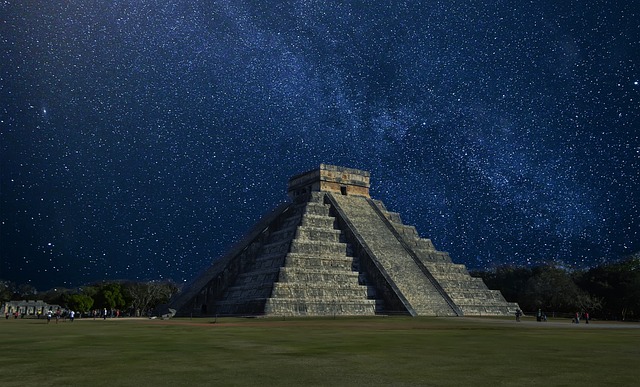
Chichen Itza
Chichen Itza: What the Pyramid Isn’t Telling You Yet Beneath the main plaza at Chichen Itza, ground-penetrating radar has detected an underground cenote containing dozens of ritual ceramic vessels with painted texts unlike anything found elsewhere at the site. Separately, a team led by Mexico’s INAH and UNAM is deploying muography (cosmic-ray imaging technology) inside El Castillo to...
read more
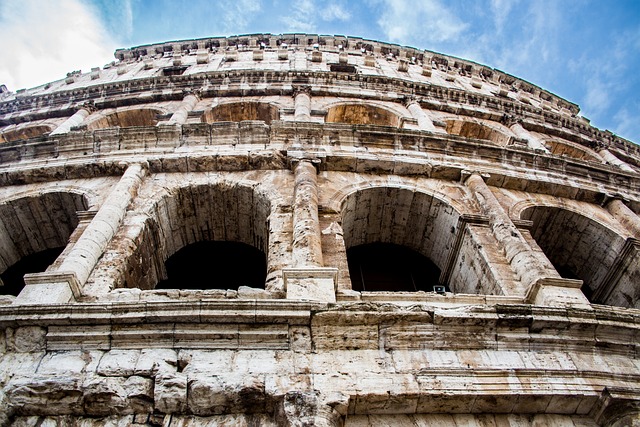
Colosseum
Getting Tickets for the Colosseum Without Losing Your Mind The Colosseum was built with plunder from Titus’s sack of Jerusalem in 70 CE and constructed largely by enslaved Jewish prisoners from Judaea. The marble facing has gone, quarried for other buildings through the medieval period, but the scale of the engineering still stops most visitors in their tracks. What does not stop them: the...
read more
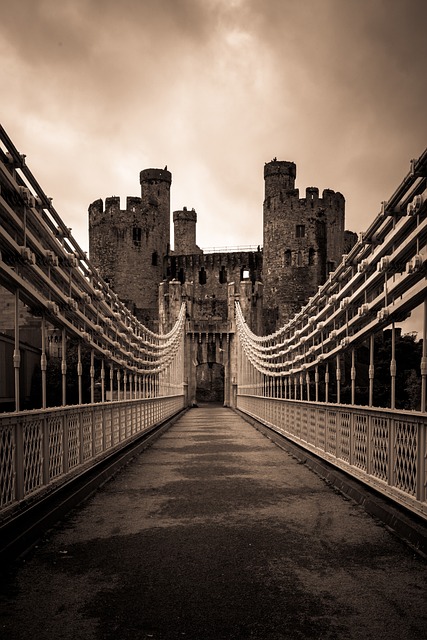
Conwy Castle
Conwy Castle, North Wales
On Good Friday in 1401, two cousins of Owain Glyn Dwr captured Conwy Castle by disguising themselves as carpenters. They walked in while the garrison was at prayer, killed the guards, and held the fortress for three months before eventually negotiating a surrender. It is exactly the kind of episode that gets left off the information boards, but it tells you a great deal...
read more
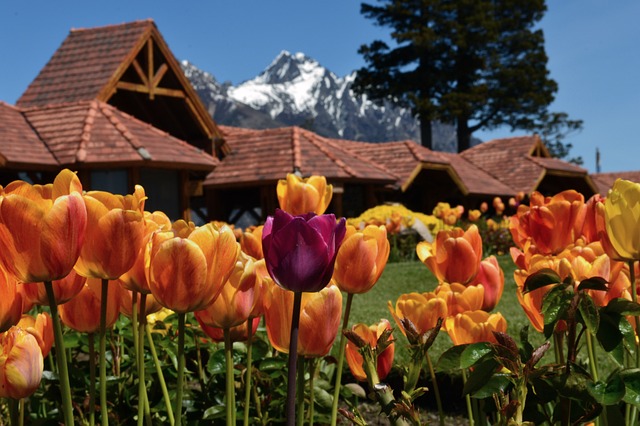
Llao Llao Hotel in the Mountains of Bariloche, Argentina
Architect Alejandro Bustillo chose the Puerto Pañuelo peninsula specifically because it had a port. That practical decision, a dock for guests arriving by boat, is why one of South America’s most photographed hotels sits exactly where it does, on a narrow strip of land between two glacial lakes with the Andes rising behind it. The hotel opened January 9th, 1938, burned down completely in...
read more
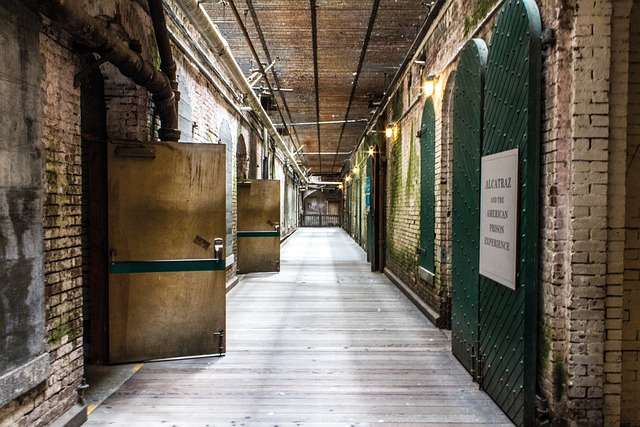
Alcatraz
Alcatraz: What the Rock Actually Tells You The morning ferry from Pier 33 crosses a mile and a quarter of bay water at roughly 12 degrees Celsius, and on the crossing you can see exactly how close San Francisco is. The city sits right there, gleaming and loud and full of restaurants and taxis and ordinary life. That proximity is not incidental to Alcatraz. It is the whole point. The men housed in...
read more
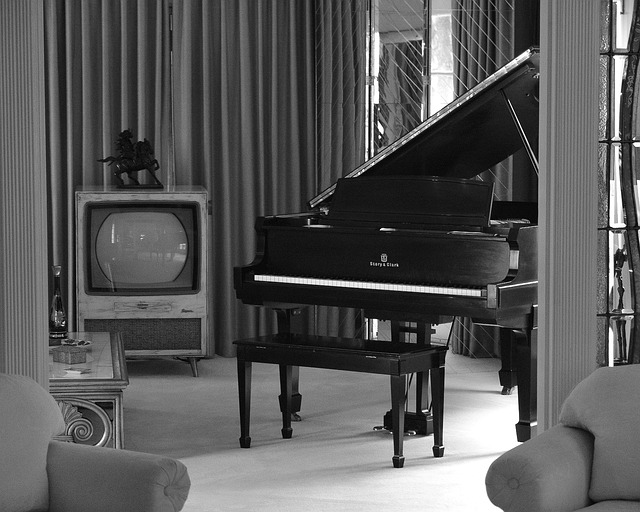
Graceland
Graceland: The Elvis Presley Estate in Memphis, Tennessee The Jungle Room at Graceland has green shag carpet on both the floor and the ceiling, an artificial waterfall, carved wood furniture with built-in cushions, and rainbow lighting. Elvis had it designed to look like a Hawaiian resort and reportedly spent $10,000 furnishing it in a single afternoon. It also doubled as a recording studio:...
read more
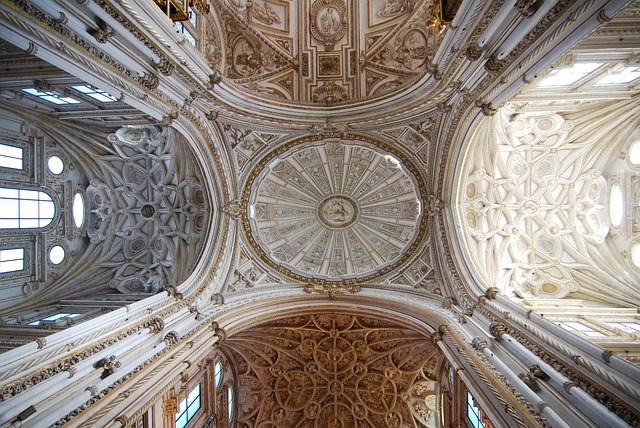
Cordoba
In the 10th century, Córdoba was the largest city on earth. While Paris shuffled along with a few tens of thousands of residents and London barely registered on the map, half a million people lived here under the Umayyad Caliphate, reading in libraries that held hundreds of thousands of manuscripts, visiting hammams fitted with star-shaped skylights, and debating philosophy in a city that had not...
read more
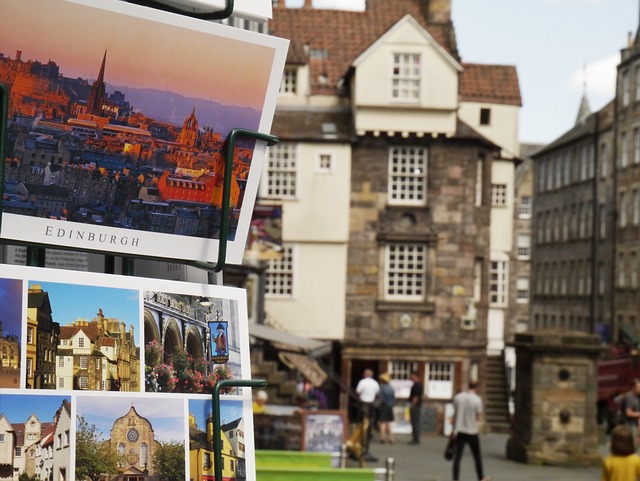
Royal Mile
The Royal Mile has over 70 named closes running off it, most of which tourists never enter Edinburgh’s Old Town is a city within a city. The Royal Mile, running almost exactly one mile from Edinburgh Castle to the Palace of Holyroodhouse, is its spine. Off either side, narrow passages called closes cut through the tenement blocks to the streets and levels below. A close is a covered or...
read more
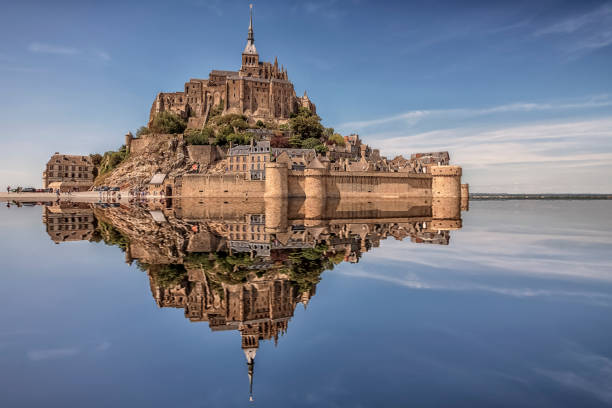
Mont St. Michel, France
During the Hundred Years’ War, the English besieged Mont Saint-Michel repeatedly for over a century. The island never fell. The combination of the tidal bay, the fortified walls, and the abbey’s strategic position on a granite outcrop made it effectively impregnable. That military record is part of what turned a religious site into a national symbol, the one place in Normandy that...
read more
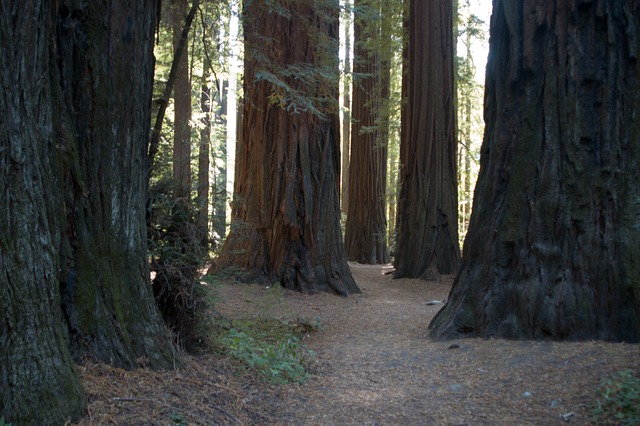
Drive Through a Giant Redwood in Northern California
Someone carved a tunnel through a living 2,400-year-old tree so that motorists could say they drove through a redwood. The tree has been standing since roughly the era of ancient Rome. The hole is 6 feet wide and 6 feet 9 inches tall. It has survived. The Chandelier Tree in Leggett, California remains alive despite the intervention, and the drive-through is one of those roadside attractions that...
read more
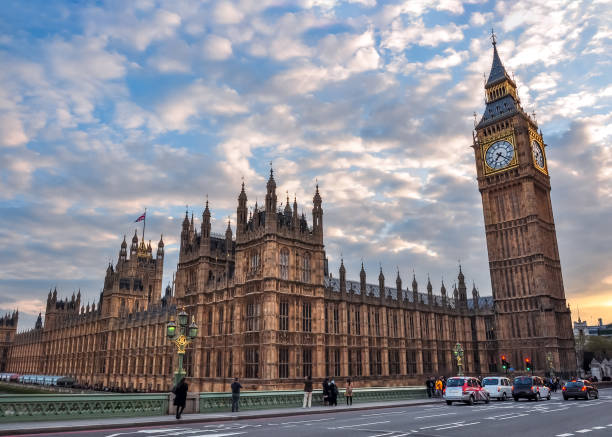
Houses of Parliament
Houses of Parliament, London The building you see from Westminster Bridge is not medieval. It is Victorian. The original palace burned down on the night of October 16, 1834, after two cartloads of medieval tax-receipt tallysticks, made from wooden notched sticks, were incinerated in the basement furnaces. The fire got into the floor of the House of Lords and spread from there, destroying most of...
read more
Gallipoli Peninsula
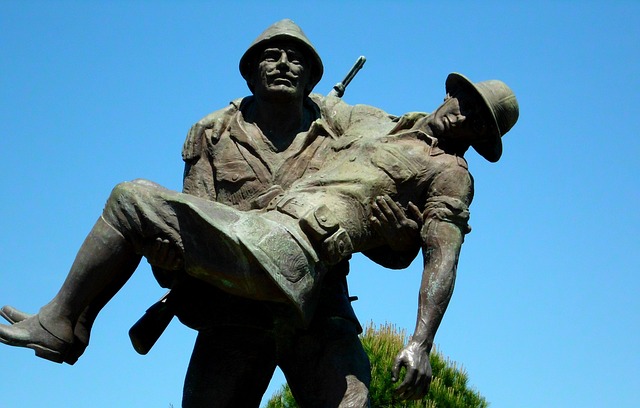
Gallipoli Peninsula: What the Anzac Narrative Leaves Out On May 19, 1915, roughly 42,000 Ottoman troops attacked 17,000 ANZAC soldiers defending the beachhead. The Ottomans suffered around 13,000 casualties in a single day, including 3,000 killed. A formal truce was arranged afterwards so they could collect their dead. That scale of loss, on a single day of fighting on a narrow strip of Turkish...
read more
Cultural Landscape of Honghe Hani Rice Terraces
The Living Irrigation System That Has Run for 1,300 Years
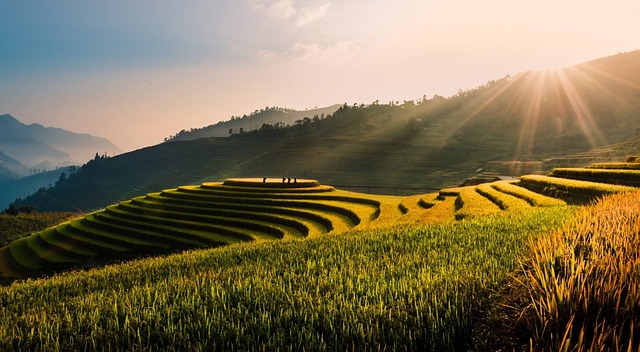
The rice terraces of Yuanyang County in southern Yunnan are not relics. They are a working agricultural system that the Hani people have maintained continuously since roughly the Tang Dynasty. Four trunk canals and 392 branch channels totalling nearly 446 kilometres of waterways bring water from forested mountaintops down through a vertical...
read more
Doubtful Sound
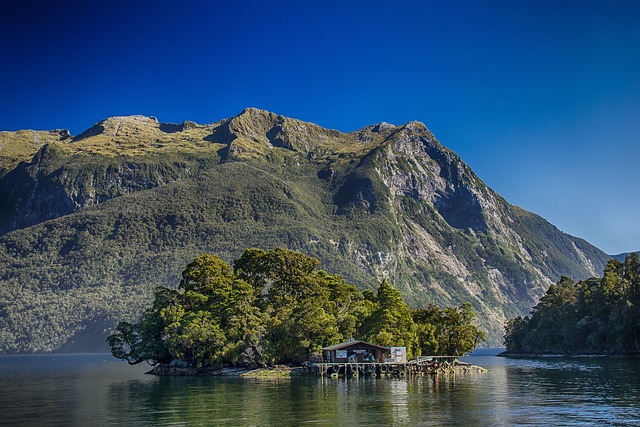
Captain Cook named this place “Doubtful Harbour” in 1770 because he was not convinced he could sail out of it again under wind power alone. He never entered. That reluctance left one of the most spectacular fjords on earth largely undisturbed for decades longer than it might otherwise have been, and in a sense that caution still defines Doubtful Sound today: fewer tourists, fewer...
read more
Cinque Terre, Italy
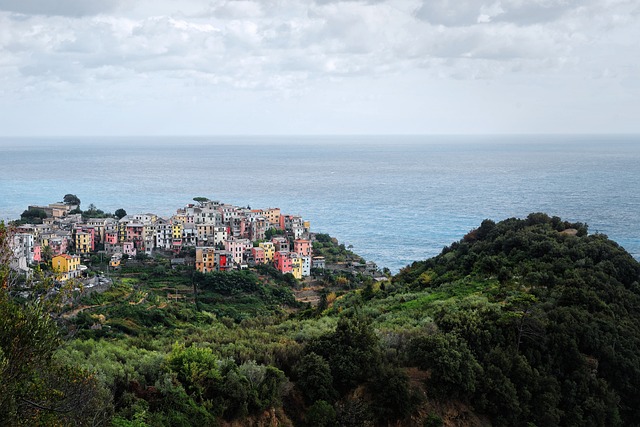
Cinque Terre, Italy: What the Crowds Miss In August 2024, the Via dell’Amore reopened after nearly a decade of closure following a landslide that killed two hikers in 2012. The restoration cost over 23 million euros and introduced a system most visitors still do not fully understand: 200 people per 30-minute timed slot, one-way only from Riomaggiore to Manarola, and as of March 2026 the...
read more
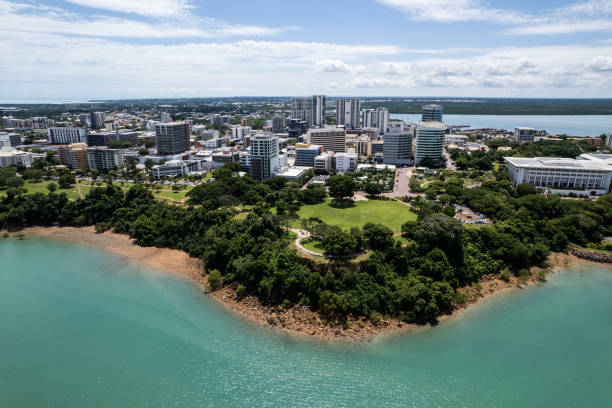
Darwin
On 19 February 1942, the same Japanese commander who led the attack on Pearl Harbor directed 188 aircraft over Darwin in two waves. It was the largest foreign assault ever launched on Australian soil, and the Australian government suppressed casualty figures for months to avoid panic. That story alone makes Darwin worth the detour, but the city has quietly accumulated other reasons to visit too,...
read more
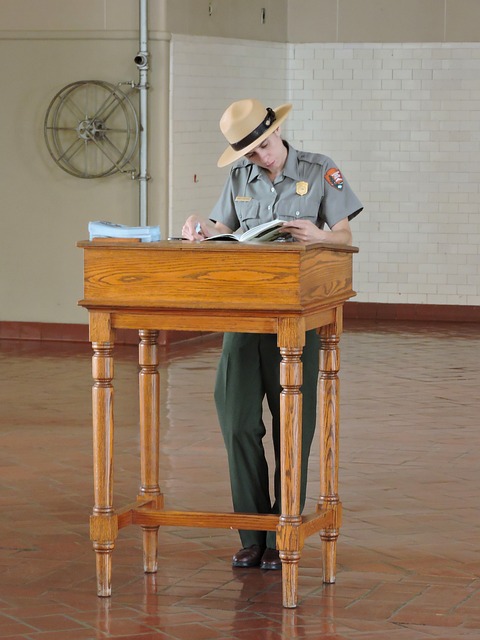
Ellis Island Immigration Museum
For most of the early 19th century, before the first immigrant ever set foot there, Ellis Island was known locally as Gibbet Island, a place where convicted pirates and mutinous sailors were hanged and their bodies displayed on wooden posts as a warning to ships entering New York Harbor. The fact that it became the gateway of hope for 12 million people over the following century is one of the more...
read more
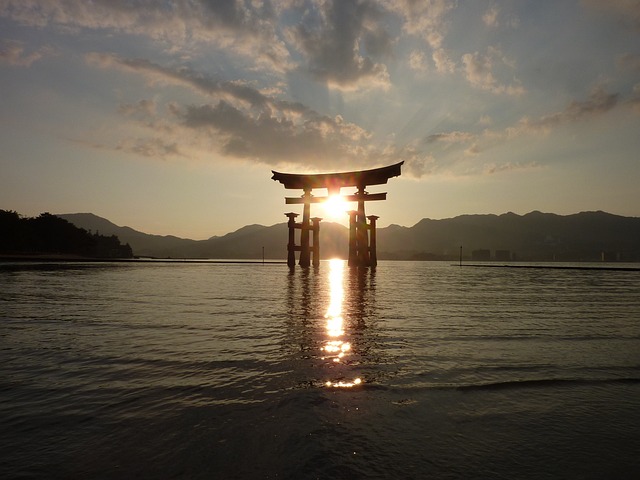
Hiroshima
Hiroshima The flame in Hiroshima’s Peace Memorial Park has been burning since 1964. What most visitors do not know is that the fire was lit from a torch carried from Mount Misen on the island of Miyajima, where a flame has burned continuously for over 1,200 years. The eternal fire in the Peace Memorial Park will be extinguished only when the last nuclear weapon on Earth is destroyed. The...
read more
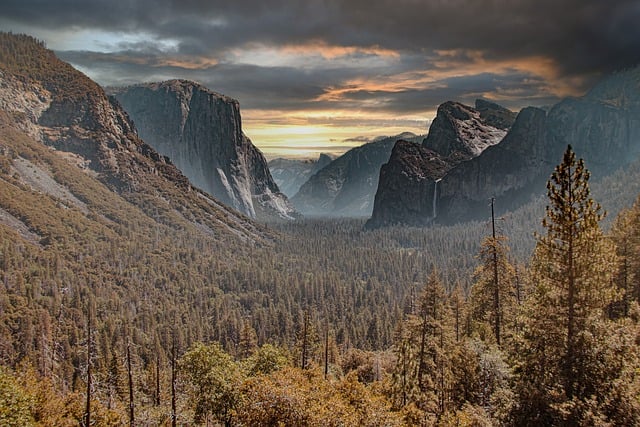
Kakadu National Park
Archaeologists working at the Madjedbebe rockshelter in Kakadu in 2015 uncovered stone axes, grinding stones, and ochre deposits dated to 65,000 years ago. The find pushed back the confirmed date of human habitation in Australia by nearly 20,000 years, and the grinding stones suggested that the people using this site were among the first bakers in the world. That single detail, people grinding...
read more
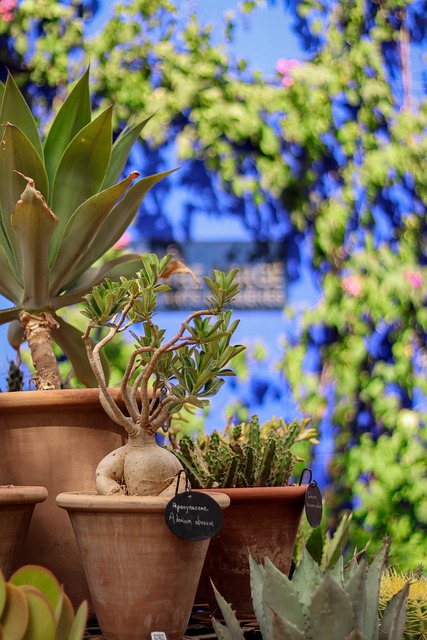
Majorelle Gardens
Jardin Majorelle, Marrakech: The Garden That Outlived Both Its Creators Jacques Majorelle was sent to Morocco in 1917 to convalesce from illness. He never really left. Over the following four decades he created a garden that he filled with 300 plant species from five continents, painted in an electric blue of his own devising, and eventually sold when a car accident cost him his left leg and a...
read more
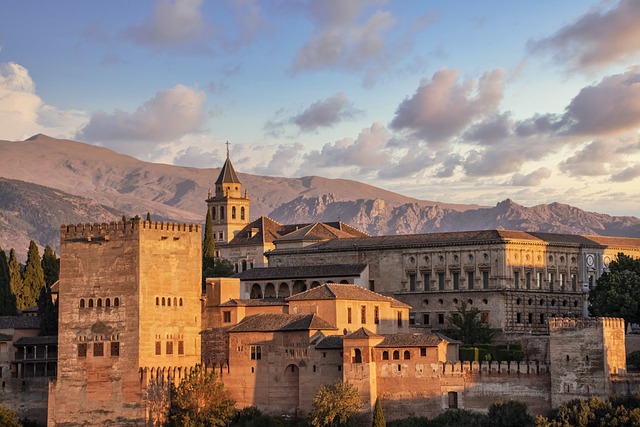
Alhambra
Alhambra Before you book your flight to Granada, before you look up hotel prices or figure out how to get there, open a new tab and go to tickets.alhambra-patronato.es. Buy your ticket. Do everything else after.
I’m not being dramatic. The Nasrid Palaces, which are the central reason the Alhambra exists as a destination, operate on a timed-entry system with a daily hard cap across all visit...
read more
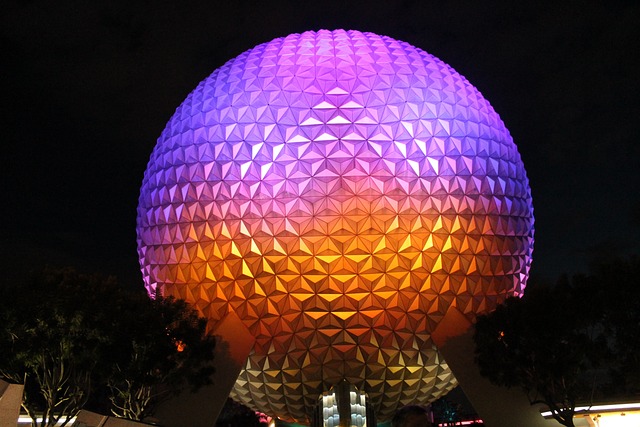
Epcot, Disney World, Orlando
EPCOT Was Supposed to Be a City Walt Disney’s original EPCOT was not a theme park. It stood for Experimental Prototype Community of Tomorrow, and Disney genuinely intended it to be a functioning city of 20,000 residents, with a central commercial district, outer residential neighbourhoods, a 1,000-acre office park for technology companies, and a PeopleMover transit system running on a...
read more
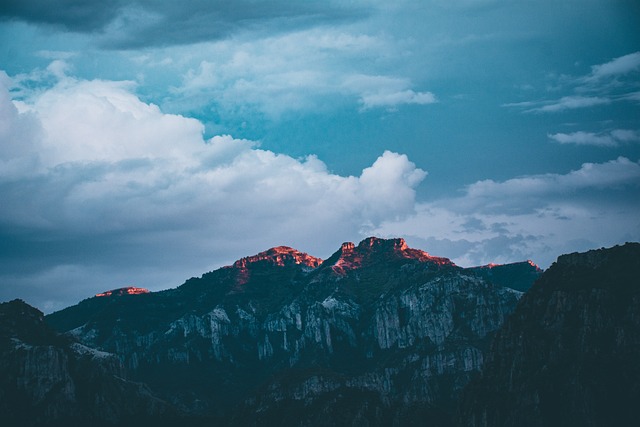
Copper Canyon, Mexico
The El Chepe train crosses 86 tunnels and 37 bridges over 653 kilometres, climbing from sea level at Los Mochis to 2,400 metres in the Sierra Tarahumara before descending through a canyon system that is, by area, roughly four times the size of the Grand Canyon. Most people have never heard of it. That gap between scale and fame is exactly why Copper Canyon still rewards visitors.
The Canyon System...
read more
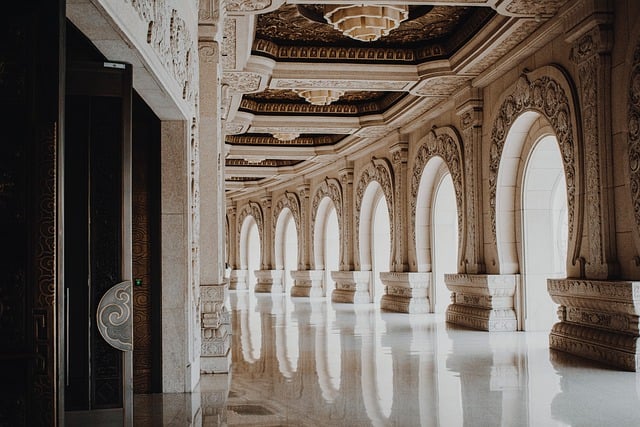
Papel Palace, Avignon
For roughly seventy years in the 14th century, the most powerful institution in the Western world was not in Rome. It was in Avignon, and the building that served as its centre still stands at the top of the city: the Palais des Papes, the largest Gothic palace complex in Europe, covering nearly 15,000 square metres on a rock above the Rhone.
The reason for this relocation was political rather...
read more
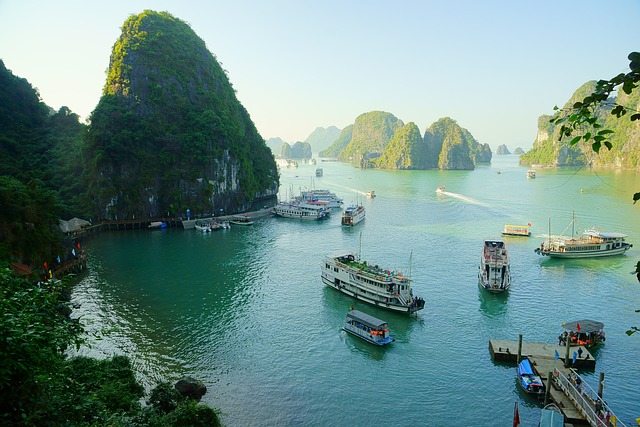
Halong Bay
Ha Long Bay contains 1,969 islands and islets spread across 1,553 square kilometres of the Gulf of Tonkin. The Vietnamese government has recently reduced the daily visitor cap from 45,000 to 38,000 as part of a sustainability initiative, and there are now tighter limits on the number of cruise boats that can anchor at the most-visited sites simultaneously. None of this makes the bay quiet during...
read more
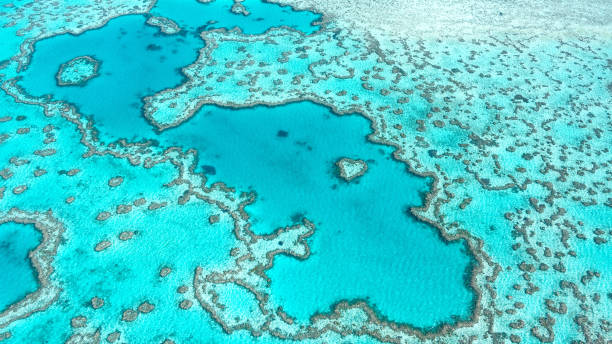
Great Barrier Reef
Great Barrier Reef: What the Situation Actually Is and Why You Should Still Go The Great Barrier Reef experienced its sixth mass bleaching event since 2016 in 2025, and research published during the same period suggests near-annual bleaching is now the realistic projection for the rest of this century. In 2024, the world’s largest coral survey conducted by AIMS found that 48 percent of...
read more
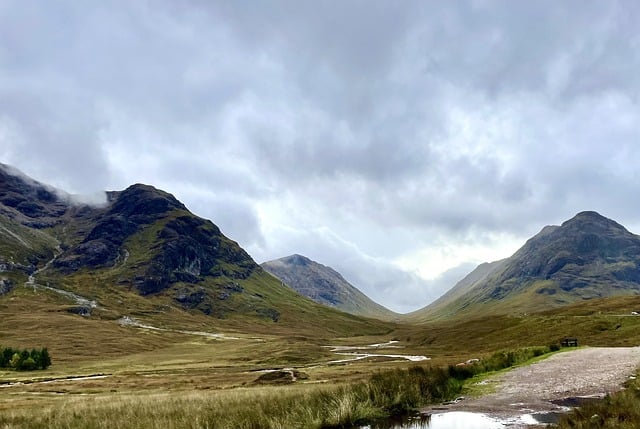
Glencoe
Glencoe, Scotland: A Glen That Earns Its Reputation At 5 am on 13 February 1692, soldiers who had been quartered in the homes of the MacDonald clan of Glencoe for twelve days turned on their hosts. Captain Robert Campbell of Glenlyon, who had eaten and drunk with the MacDonalds for nearly a fortnight, had orders under his coat since the previous evening. Thirty-eight men, women, and children were...
read more
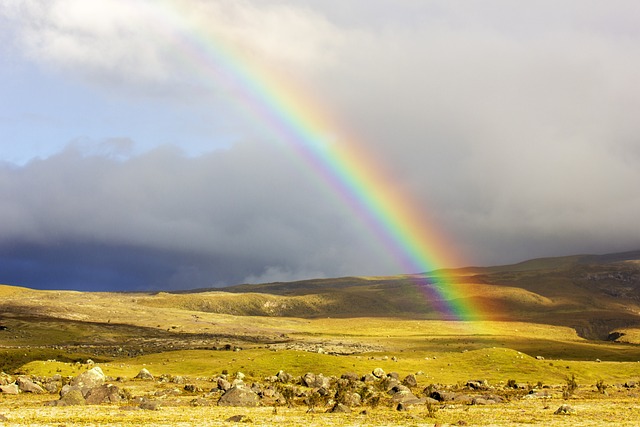
Cotopaxi Ecuador
Cotopaxi, Ecuador: The Active Volcano Worth the Altitude Headache At 5,897 metres, Cotopaxi is one of the highest active volcanoes on Earth and one of the few that summit climbers can reach on a single overnight push from a refuge at 4,864 metres. The fact that it’s also visible from Quito, roughly 50 kilometres to the north, on clear mornings means you may have already decided to go before...
read more
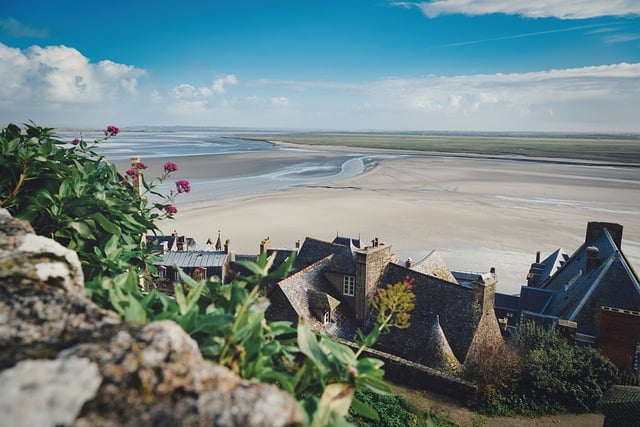
Mont-Saint-Michel, Normandy
Mont-Saint-Michel: The Tides Are the Point, and Most Visitors Miss Them The medieval pilgrims who crossed the bay on foot called this place “Saint Michael in peril of the sea.” They were not being poetic. The tides at Mont-Saint-Michel are the strongest in continental Europe, rising as fast as a person can run, reaching 14 metres on the biggest spring tides. Dozens of pilgrims drowned...
read more
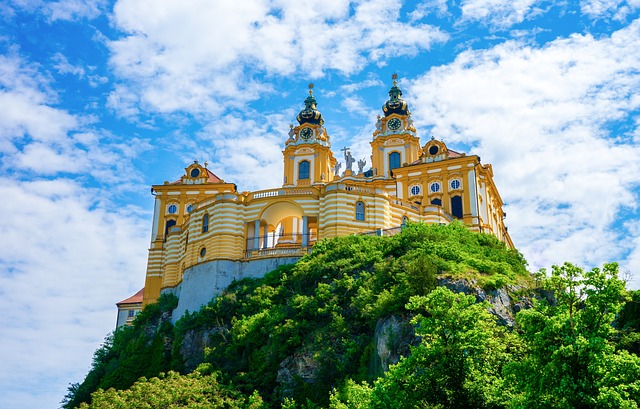
Melk
In 2019, a researcher from the Austrian Academy of Sciences was working through the archive at Melk Abbey when she found a previously unknown strip of medieval parchment tucked into the monastery’s collection. Written on it were 60 partial lines of a 13th-century poem called “Der Rosendorn” (The Rose Thorn), an explicit erotic allegory that commentators immediately described as...
read more
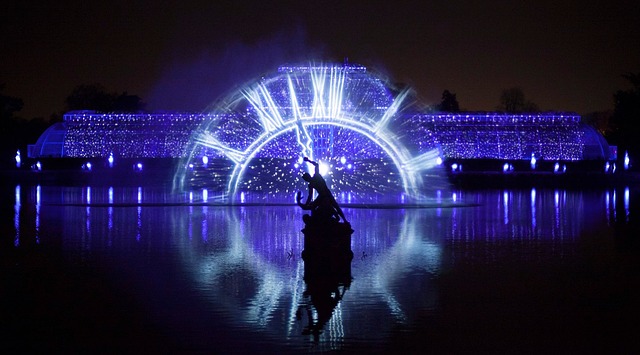
Kew Gardens
Kew Gardens holds more than 2.4 billion seeds from 189 countries, most of them never discussed in any travel guide The Millennium Seed Bank at Kew’s Wakehurst outstation in West Sussex is the largest wild plant seed bank in the world, containing roughly 16 percent of all wild plant species on Earth. It exists because Kew’s scientists calculate that a significant portion of those...
read more
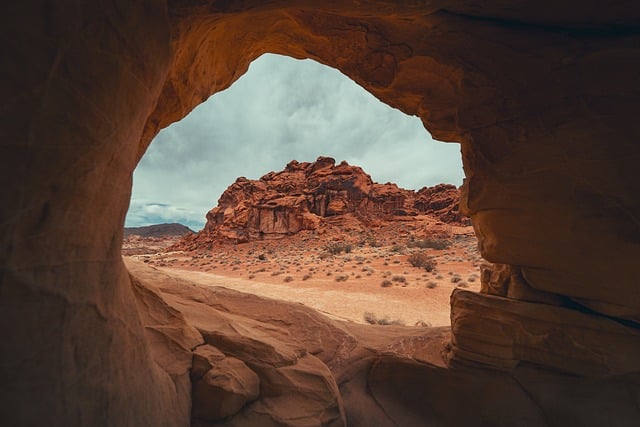
Glowworm Cave
Not Worms, Not Stars, But Something Stranger
The blue-green lights covering the ceilings of New Zealand’s glowworm caves are not bioluminescent worms. They are the larval stage of a fungus gnat called Arachnocampa luminosa, a species endemic to New Zealand and found nowhere else on earth. Each larva attaches to the cave ceiling and produces up to 70 sticky silk threads that hang below it...
read more