Recent Locations
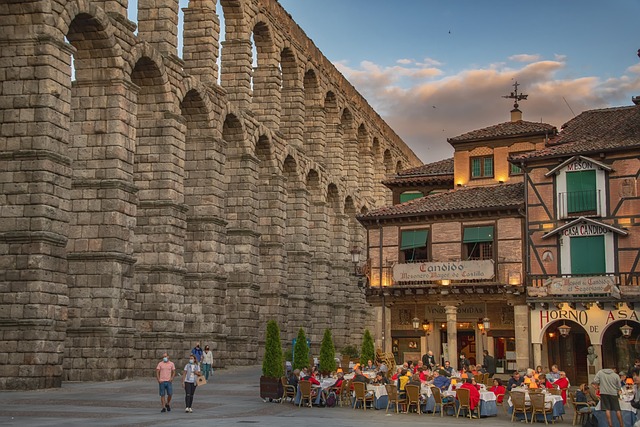
Segovia
Segovia: The Roman Aqueduct, the Roast Pig, and Why You Should Stay Overnight Segovia is only 90 kilometres from Madrid and only 28 minutes on the high-speed train from Chamartín station, which makes it the most popular day trip from the capital and also the most crowded between 11am and 4pm on weekends. Arriving by the first fast train and staying overnight fixes both problems. The day-trippers...
read more
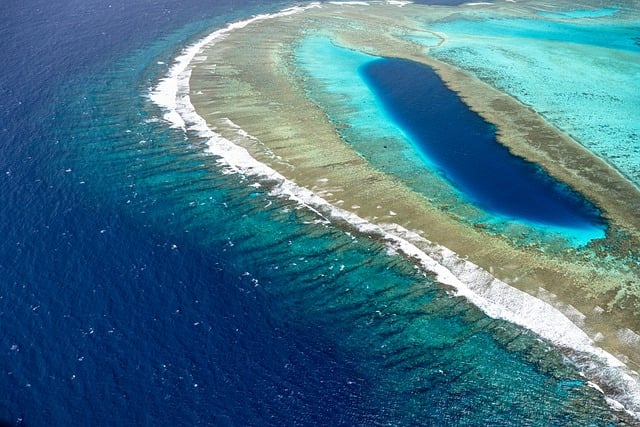
Blue Hole
Jacques Cousteau filmed the Great Blue Hole in 1971 and called it one of the world’s top ten dive sites. That declaration turned a geographic obscurity – a submarine sinkhole 70 kilometres from the Belizean coast – into a bucket-list destination. The influence of Cousteau’s list-making on dive tourism is arguably his most durable legacy, and the Blue Hole is the clearest...
read more
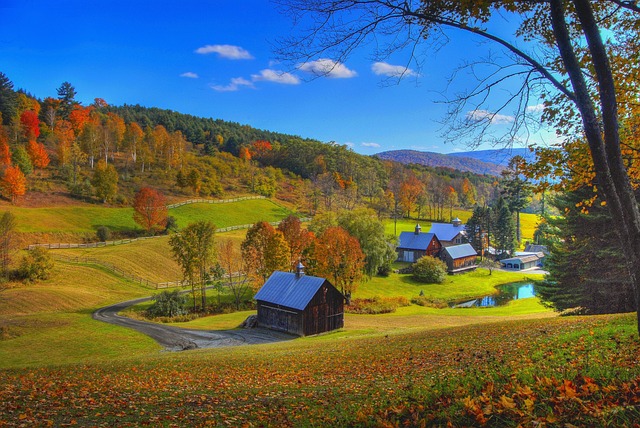
Vermont
Vermont: Four Seasons, One Pattern Vermont’s tourism has a clear logic: skiing in winter, leaves in autumn, and hiking and farm experiences in between. Each season is genuinely good. The mistake is treating them as interchangeable; the state looks and feels entirely different in February than in October, and planning a Vermont trip without knowing which version you’re arriving for is...
read more
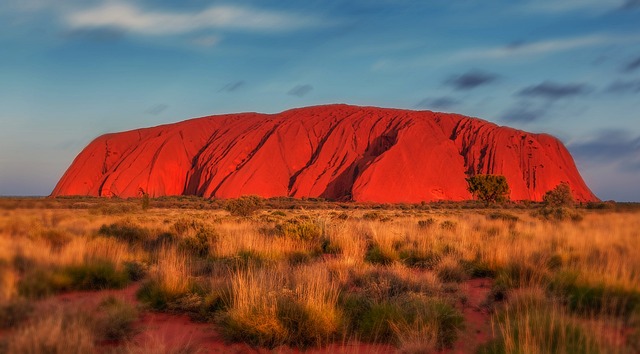
Uluru
Uluru: What the Rock Actually Is The numbers are 348 metres high and 9.4km in circumference, and they tell you almost nothing useful. The thing that makes Uluru genuinely astonishing is that it extends another 2.5 kilometres underground. What you see rising from the completely flat red scrubland is the exposed tip of a much larger sandstone monolith, and the way it sits in that landscape,...
read more
Zambezi
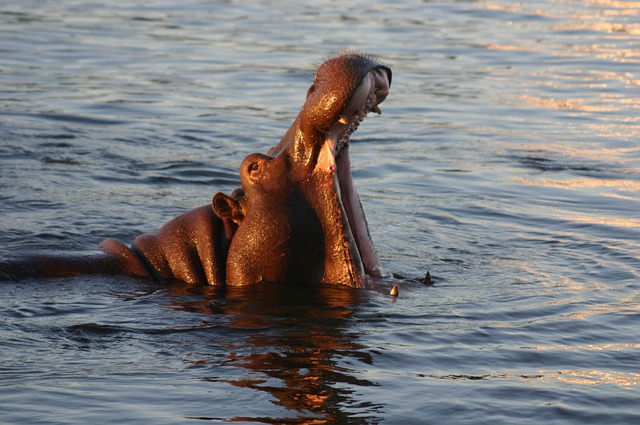
The Zambezi River: Four Countries, One Journey Victoria Falls is the world’s largest waterfall by total sheet area – 1,708 metres wide and 108 metres high at maximum. By comparison, Niagara is 57 metres high. The comparison matters not to diminish Niagara but to make clear what scale of water movement the Zambezi produces at this point on its run from Zambia’s northwestern corner...
read more
Ascot Racecourse
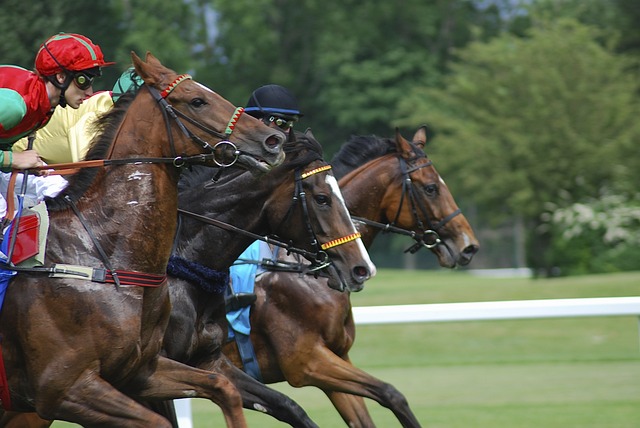
Royal Ascot 2026 runs June 16 through June 20, and the dress code argument will be happening in approximately every newspaper’s fashion section for the preceding three weeks. This is a feature, not a bug: the spectacle of hats, morning dress, and elaborately coordinated outfits is as much the point as the horses, and anyone who arrives at the Royal Enclosure in a lounge suit will be politely...
read more
Borobodur
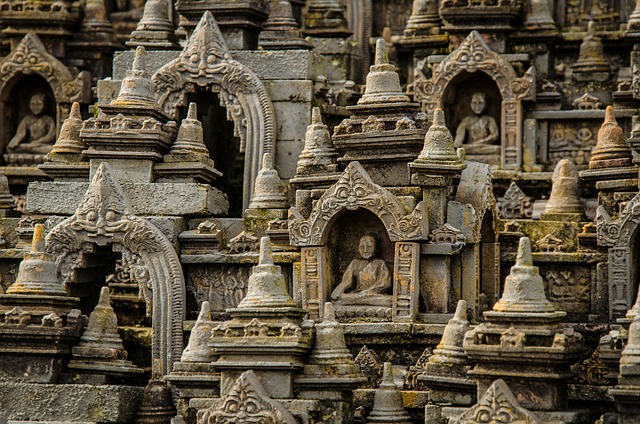
The sunrise at Borobudur is a legitimate bucket-list experience and an industry. Operators from Yogyakarta offer early morning pickups that deliver you to the temple for dawn, the moment when mist rolls across the Kedu Plain and the volcano profiles of Merapi and Merbabu appear behind the stupa crowns. Photographs of this scene circulate widely enough to create specific expectations. The reality,...
read more
Sigiriya - Sri Lanka
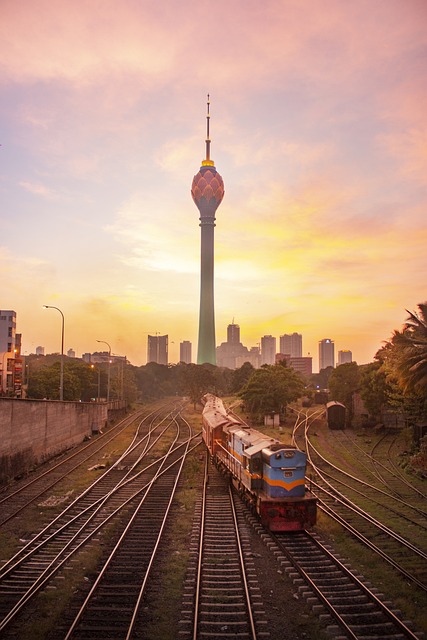
Sigiriya: The Rock That King Kashyapa Built His Palace On Sigiriya is a 200-metre volcanic rock plug rising from the Sri Lankan jungle in the North Central Province. Between roughly 477 and 495 AD, King Kashyapa built his palace on the summit, surrounded the base with water gardens and boulder gardens, painted the cliff face with frescoes, and enclosed the whole complex with a series of defensive...
read more
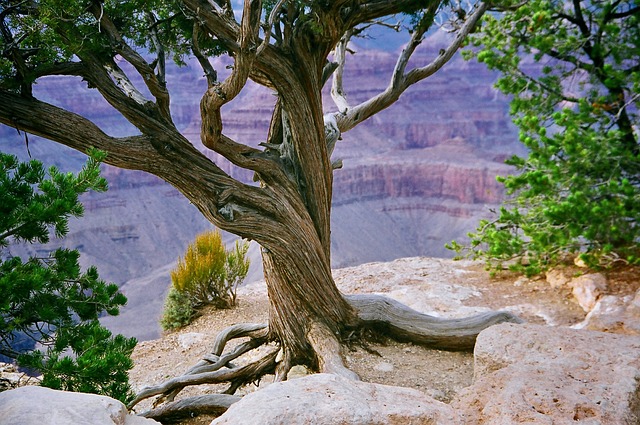
The Grand Canyon
The Grand Canyon: South Rim vs North Rim, and What Actually Matters The Grand Canyon is 446 kilometres long, up to 29 kilometres wide, and up to 1,857 metres deep. The Colorado River has been cutting it for 5-6 million years, exposing rock layers up to 1.8 billion years old at the bottom. These statistics are accurate and insufficient. The visual experience of standing at the rim for the first...
read more
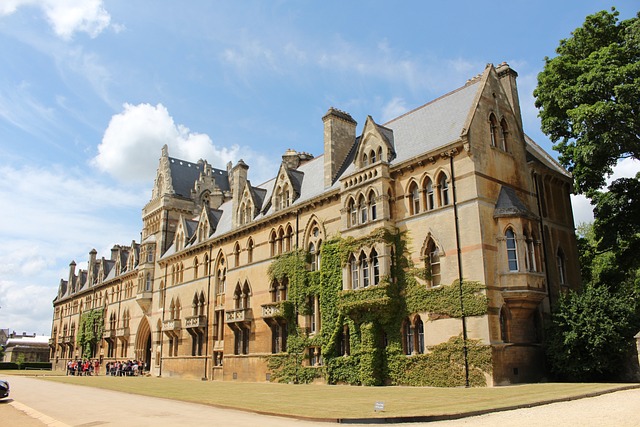
Oxford University
Oxford: The University Is the City, and Vice Versa Oxford University is not a single institution with a campus. It is a federation of 38 colleges distributed across a city, and that distinction matters enormously when visiting. There is no main gate, no central visitor centre with a single ticket. What you can visit, and when, and for what cost, varies by college, by term time versus vacation, and...
read more
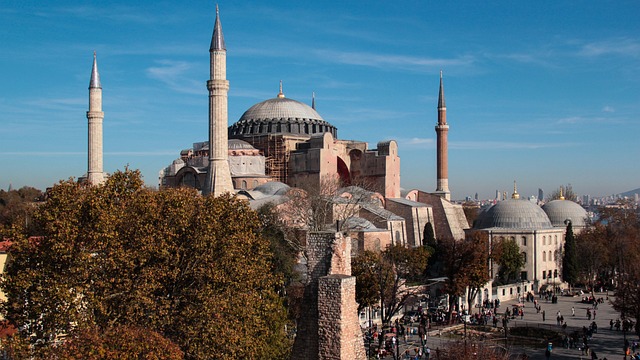
Aya Sofya (Hagia Sophia)
Hagia Sophia: 1,500 Years of Reinvention in One Building Hagia Sophia has been a cathedral, a mosque, a museum, and since 2020, a working mosque again. None of those descriptions fully captures what the building is. Completed under Byzantine Emperor Justinian I in 537 AD, it held the record for the world’s largest dome for nearly a thousand years. After the Ottoman conquest of Constantinople...
read more
Foteviken Viking
Foteviken Viking Reserve: The Living Museum That Takes It Seriously Foteviken Viking Reserve is not on Gotland (as one might assume from a quick read). It is on the mainland Scanian coast of southern Sweden, at the edge of a bay called Foteviken about 30 kilometres south of Malmö. The reserve was established in 1995 and is unusual in the Viking heritage world for being a working community rather...
read more
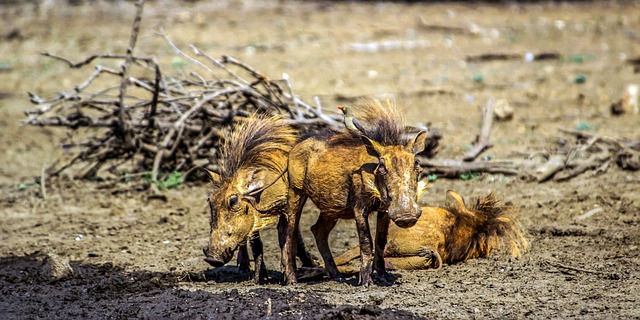
Kalahari Desert
The Kalahari: Not Quite What “Desert” Usually Means The Kalahari is technically not a true desert. Annual rainfall across most of the region (200-500mm per year) exceeds the scientific threshold for desert classification. It is a fossil desert: an ancient sandy environment from a much drier period millions of years ago that retains characteristic red sand dunes and sparse vegetation...
read more
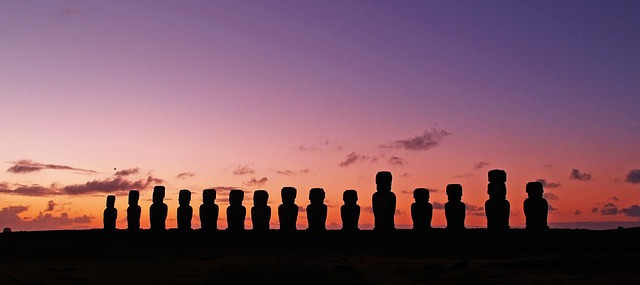
Easter Island (Chile)
Rapa Nui (Easter Island) sits 3,700 kilometres off the Chilean coast and is one of the most remote inhabited places on Earth. The flight from Santiago takes about 5 hours on LATAM Airlines, which operates the only regular service. Round-trip fares from Santiago run CLP 300,000-600,000 depending on season and advance booking. All visitors pay a USD 80 national park fee on arrival, granting access...
read more
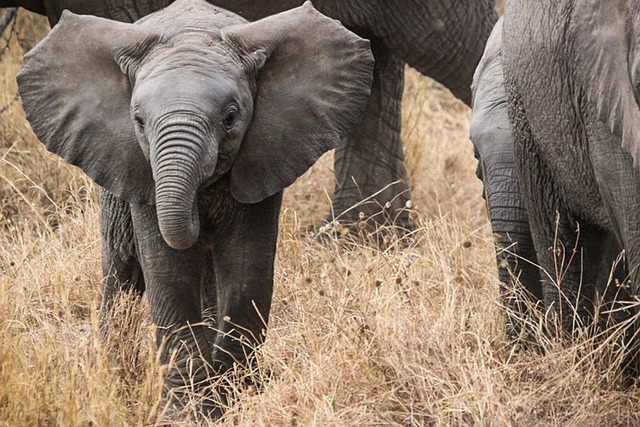
Serengeti National Park, Tanzania
The Serengeti: The Migration Is Continuous, Not an Event Most visitors who book a Serengeti safari talk about seeing “the migration” as though it is a concert with a fixed date and venue. It isn’t. The Great Migration is a continuous year-round circular movement of approximately 1.5 million wildebeest, 250,000 zebra, and 500,000 gazelle driven by rainfall patterns and grass...
read more
Registan Square
Registan Square: Samarkand’s Three-Faced Architectural Statement The Registan in Samarkand was the ceremonial centre of the Timurid empire and remains one of the most coherent examples of Islamic monumental architecture anywhere. Three madrasas (Islamic schools) face inward onto a square courtyard: the Ulugh Beg Madrasa (completed 1420), the Sher-Dor Madrasa (1636), and the Tilla-Kari...
read more
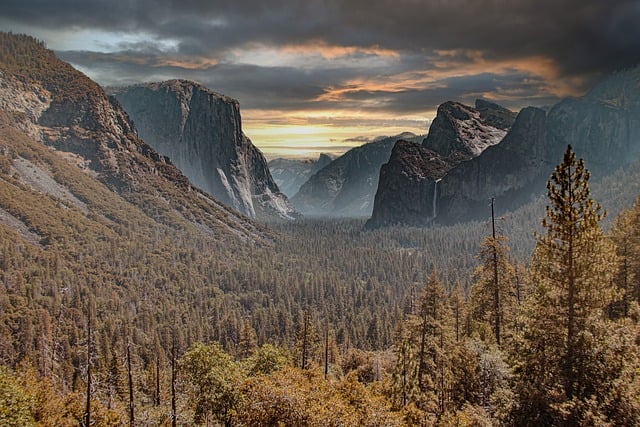
Independence National Historical Park
Independence National Historical Park: The Rooms Where the Arguments Actually Happened The Independence National Historical Park in Philadelphia covers about 45 acres in the old city and contains the most significant concentration of early American political history in the country. Independence Hall, the Liberty Bell, Carpenters’ Hall, Congress Hall - all within a few blocks, mostly free,...
read more
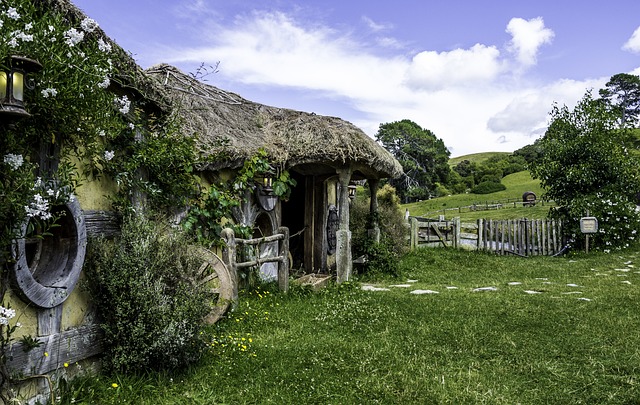
Waitomo Caves, New Zealand
Waitomo Caves: Glowworms Underground in the Waikato The boat through the Waitomo glowworm grotto is silent, and the guide kills the headlamps when you enter the chamber. Overhead, thousands of bioluminescent larva – Arachnocampa luminosa, a fungus gnat that exists only in New Zealand – produce a ceiling that looks exactly like a star field seen through perfectly still water. The...
read more
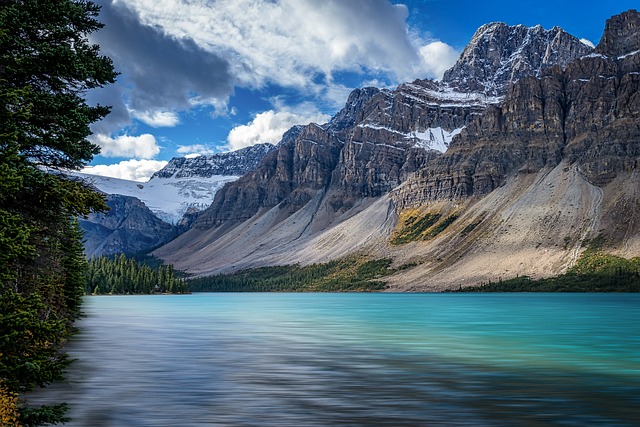
Morane Lake in the Rocky Mountains
Moraine Lake: What Actually Getting There Requires From late May through October, private vehicles are no longer permitted to drive to Moraine Lake. Parks Canada banned private car access in 2023 due to unsustainable congestion and has maintained the restriction. This is the most important practical fact about visiting Moraine Lake, and it needs to lead any planning.
The photograph – the...
read more
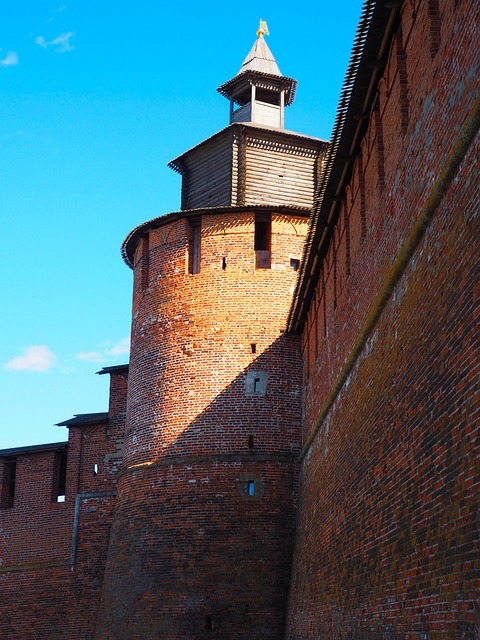
Novgorod Kremlin
Novgorod Kremlin: Russia’s Oldest Medieval City, and the Republic Moscow Erased Veliky Novgorod predates Moscow by several centuries and produced something historically rare: a medieval Russian city governed as a merchant republic. The Novgorod Republic, which ran from the 12th through the 15th centuries, operated with an elected prince, a popular assembly called the veche, and extensive...
read more
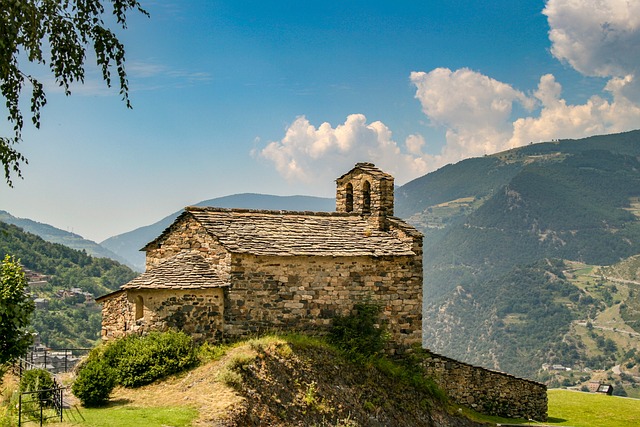
Andorra
Andorra is a co-principality jointly ruled since 1278 by the Bishop of Urgell and the Count of Foix – a medieval political arrangement that has survived into the 21st century intact, making it the only country in the world governed by two foreign heads of state simultaneously. The current Co-Princes are the Bishop of Urgell (Spain) and the President of France. This constitutional quirk is...
read more
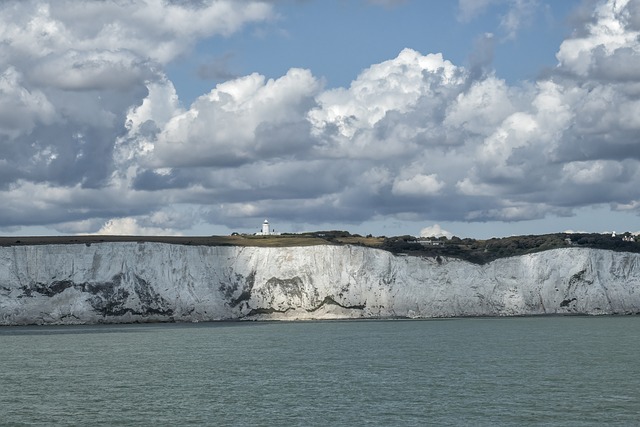
White Cliffs of Dover
The cliffs are white because the chalk they’re made from was laid down in a warm shallow Cretaceous sea about 80 million years ago. They stretch for 8 kilometres along the Kent coast between Dover and St Margaret’s at Cliffe, reaching up to 107 metres at their highest. On the clearest days – roughly 80 per year in favourable conditions – you can see the French coast from...
read more
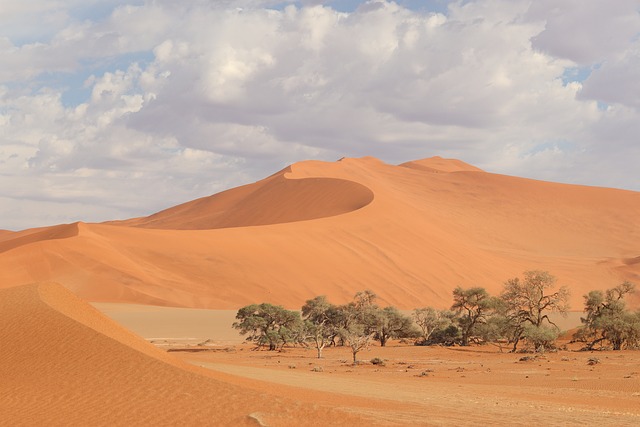
Sossusvlei
Sossusvlei: The Dunes, the Light, and the Practical Details The dunes at Sossusvlei are not the colour you expect from a desert. They are deep orange and red, stained by iron oxide that has been oxidising for an estimated 5 million years, and they shift from near-white at midday to vivid burnt sienna at sunrise and a deeper red at dusk. The colour change is not subtle. Standing at Dead Vlei in the...
read more
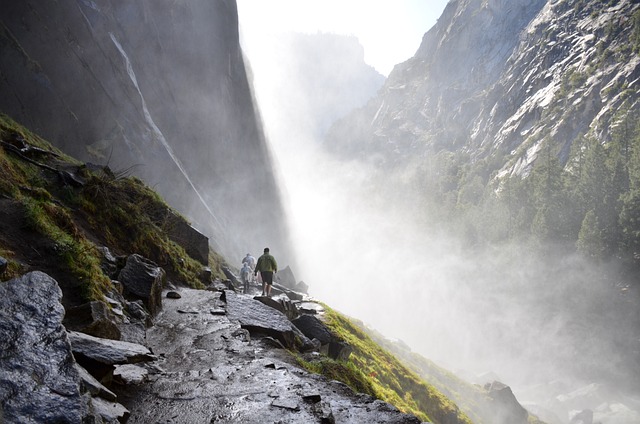
Yosemite
Yosemite: The Reservation System, the Crowds, and Why It’s Still Worth It Yosemite Valley is one of the most beautiful places in North America and one of the most logistically challenging national parks to visit. Four million people visit annually, the majority in July and August, and almost all of them go to the same 7-mile valley floor. The waterfalls, El Capitan, Half Dome, and the mirror...
read more
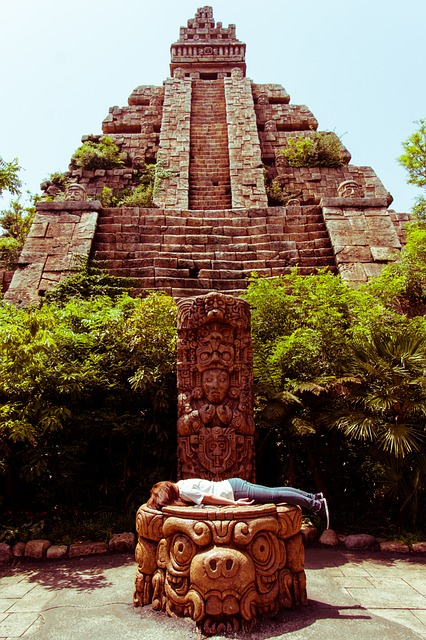
Tokyo DisneySea
Tokyo DisneySea: Why It’s Considered the Best Disney Park in the World Serious Disney park enthusiasts who have visited all 12 parks in the portfolio frequently argue that Tokyo DisneySea is the best of them. The argument is coherent: the park has a physical coherence that other Disney parks lack (a constructed harbour, an active volcano as centrepiece, seven themed areas with architectural...
read more
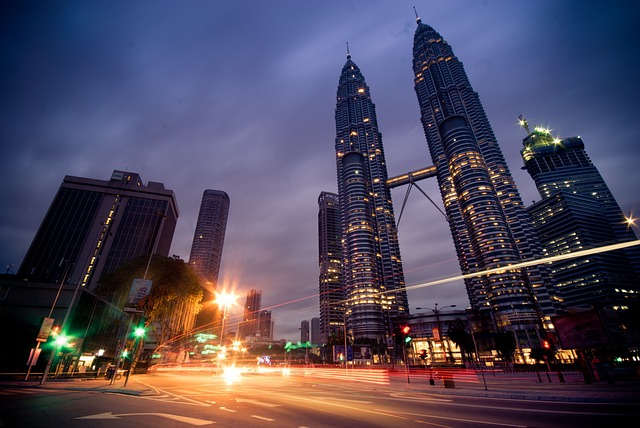
Petronas Towers Kuala Lampur
Petronas Twin Towers: The Building, the Sky Bridge, and Kuala Lumpur Around It The Petronas Twin Towers were the tallest buildings in the world from 1998 to 2004, when they were surpassed by Taipei 101. At 452 metres (with spires), they remain the tallest twin towers in the world. Argentine architect Cesar Pelli designed them for the Malaysian national oil company Petronas; the Islamic geometric...
read more
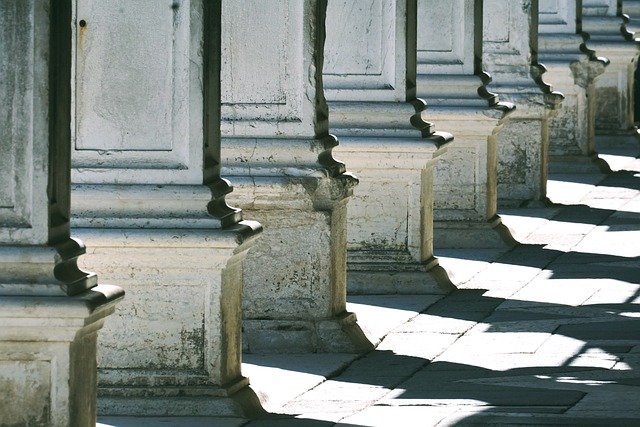
St Marks Square Venice
Piazza San Marco: Venice’s Main Square, Done Without Being Done By It Napoleon called it “the finest drawing room in Europe.” What it is from May through September is one of the most densely packed tourist areas in the world. Cruise ship passengers arrive in thousands, tour groups fill every corner, and the combination of St. Mark’s Basilica, the Doge’s Palace, the...
read more
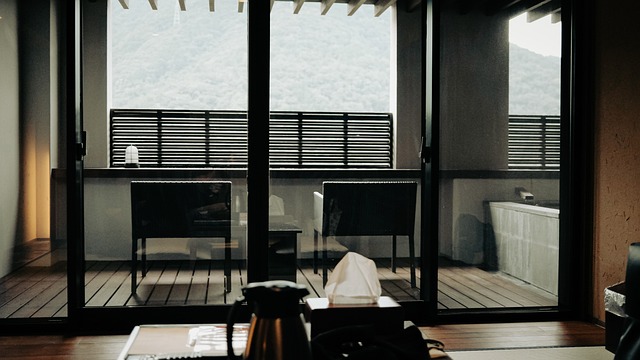
A Japanese Ryokan
The first night in a ryokan is, for most Western visitors, a small dislocation from everything familiar about sleeping and eating. Dinner arrives in your room at a set time, multi-course, while you’re sitting on the floor in a cotton robe. The bed, when laid out later by the same staff who brought dinner, is a futon on tatami mat. The bath requires washing before you get in and you’ll...
read more
Arena Di Verona
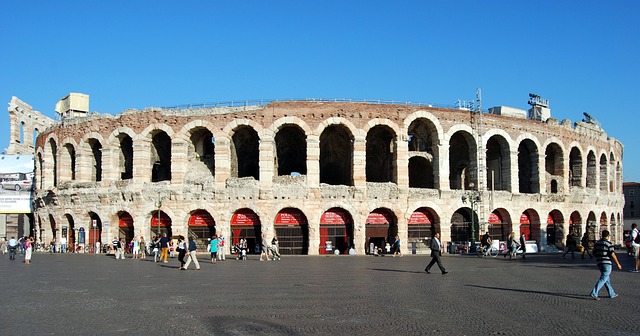
The Arena di Verona is the third-largest Roman amphitheatre in the world, built in the 1st century CE and capable of holding approximately 30,000 spectators. Unlike the Colosseum in Rome, which lost its outer ring of arches to earthquakes, the Verona Arena’s main structure survived almost intact, giving it better acoustics and a more complete sense of the original space. This is the reason...
read more
Twelve Apostles
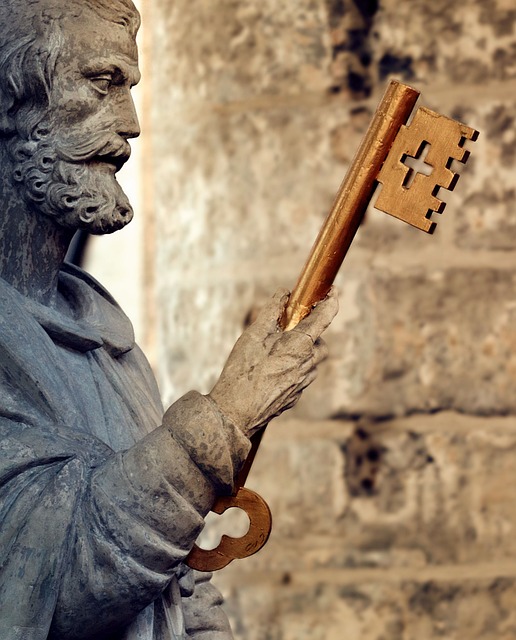
The Twelve Apostles: Victoria’s Most Photographed Coastline, Correctly Named or Not There are not twelve of them. There were originally nine stacks still standing when the site was formally named the Twelve Apostles in 1922 (it was previously called Sow and Piglets, which gives a sense of the naming committee’s creativity). Since then the number has declined: one collapsed dramatically...
read more
Pantanal
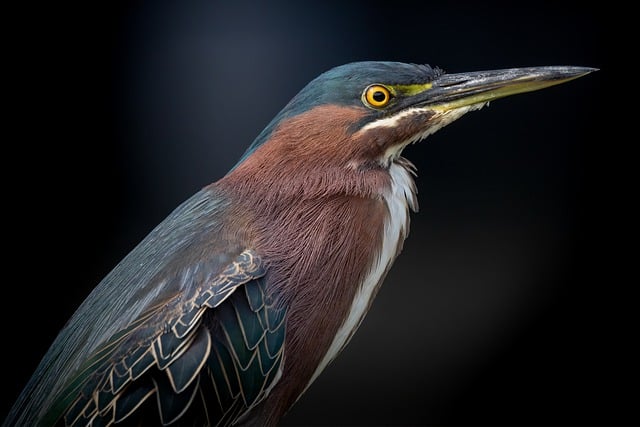
The Pantanal: The Best Wildlife Destination You’re Not Going To During peak dry season – August and September – operators running small boats along the Porto Jofre corridor in the northern Pantanal report jaguar sighting success rates above 90% over a three-day trip. That number should stop you. The Amazon gets the coverage, the tours, and the visitor infrastructure. The...
read more
St. Marks Basilica
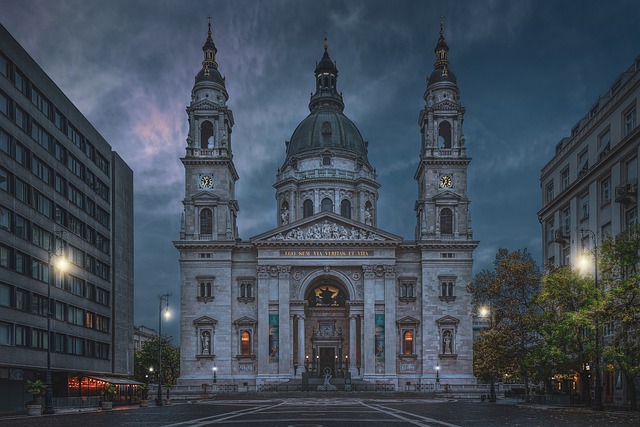
St. Mark’s Basilica: How to Actually See It St. Mark’s Basilica is covered in 8,000 square metres of gold mosaic accumulated between the 11th and 13th centuries. When the afternoon light comes through the western windows at a low angle, the entire interior appears to emit gold rather than reflect it, an effect that neither photography nor description does justice to. The building has...
read more
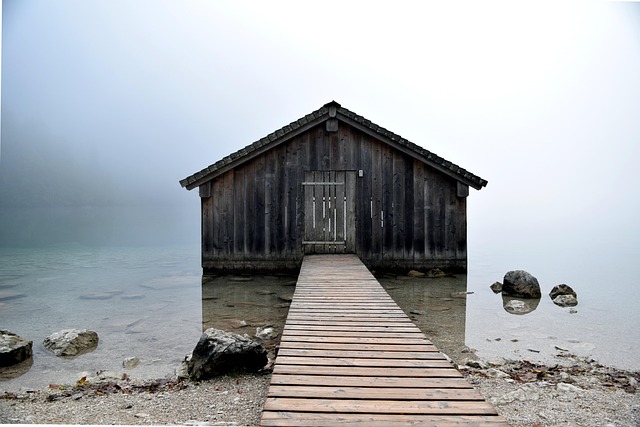
Shackletons Hut Antartica
Shackleton’s Hut: The Most Improbable Building You Will Ever Visit Getting to Shackleton’s hut requires booking passage on an expedition cruise to the Ross Sea, the remote eastern sector of Antarctica that most Antarctic tourist voyages don’t reach. This matters before reading further: the Ross Sea is not on the standard Antarctic Peninsula route. Getting there means a longer...
read more
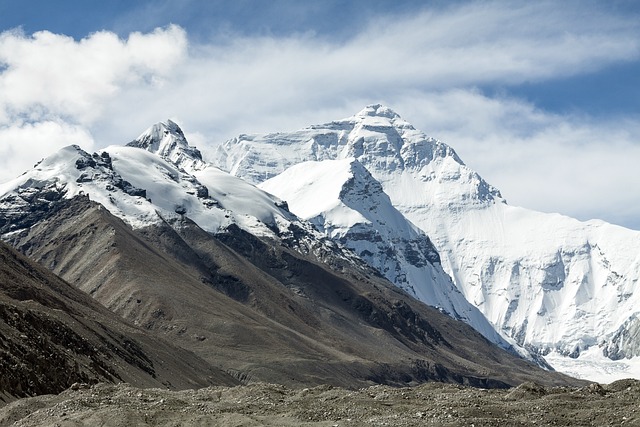
Mount Everest
Mount Everest: Getting Close Without a Climbing Permit Everest Base Camp on the Nepal side sits at 5,364 metres. Thousands of trekkers reach it every year. They do not climb Everest; they reach a rocky moraine from which, on a clear day, they can see the Khumbu Icefall and the lower slopes of the summit pyramid above. The summit itself is not visible from Base Camp - the angle is wrong.
read more
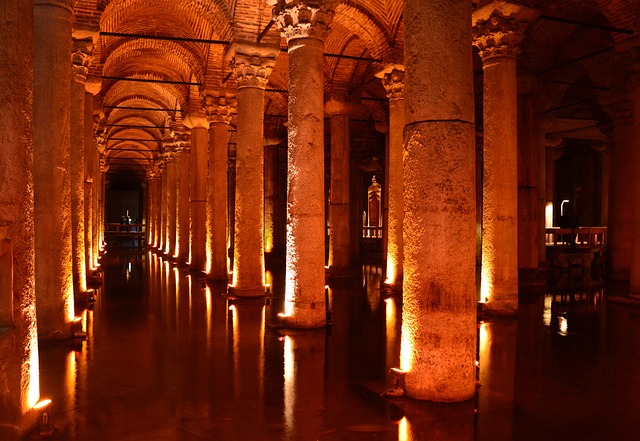
Basilica Cistern, Istanbul
Two Medusa heads sit at the base of columns in the northwestern corner of the Basilica Cistern, each used as a column base in different orientations – one turned sideways, one turned upside down. The reason for this is debated. One theory is that their orientation was intentional, neutralising the mythological gaze that turns viewers to stone (Medusa’s power only works when you look...
read more
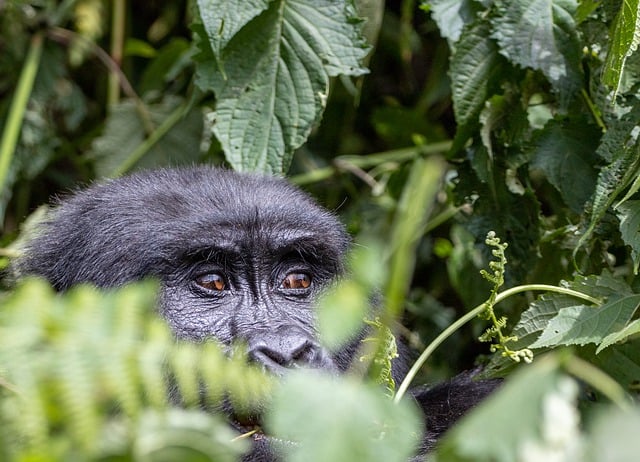
Bwindi Impenetrable Forest, Uganda
Bwindi Impenetrable Forest: The Gorillas Are Worth Every Dollar In February 2026, Uganda Wildlife Authority introduced a discounted permit tier: gorilla trekking in Bwindi during April, May, and November now costs $600 per permit for foreign non-residents, reduced from the standard $800. This matters because the permit is the single largest cost of a gorilla trek and the single most common barrier...
read more
Caernarfon Castle
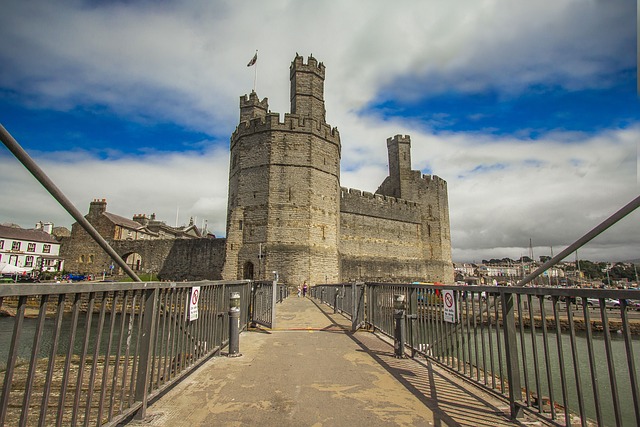
Caernarfon Castle was built as a statement of English military power in conquered Wales, and it still reads that way. Edward I built it from 1283 onwards specifically to dominate the town and the Menai Strait – not primarily for military defence in the ordinary sense but as an architectural declaration: this is how England wanted Wales to understand the new order. The polygonal towers with...
read more
Gobi Desert, China and Mongolia
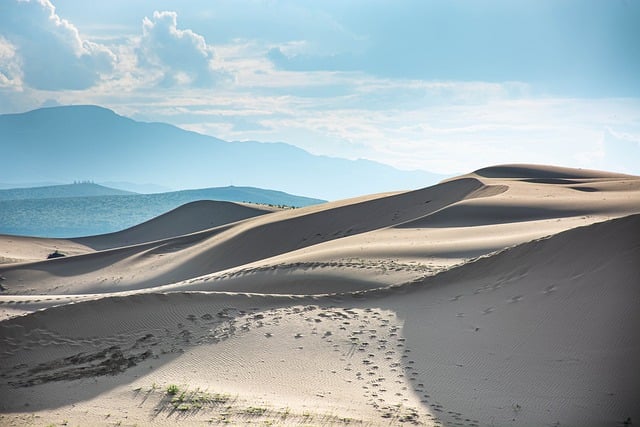
In 1922, American palaeontologist Roy Chapman Andrews found the first dinosaur eggs ever discovered in the orange-red cliffs of Bayanzag in the Mongolian Gobi. He called them the Flaming Cliffs. The eggs were Protoceratops. The discovery changed the understanding of dinosaur reproduction. Chapman Andrews is considered a partial inspiration for Indiana Jones, which gives the Mongolian Gobi a...
read more
The Shard
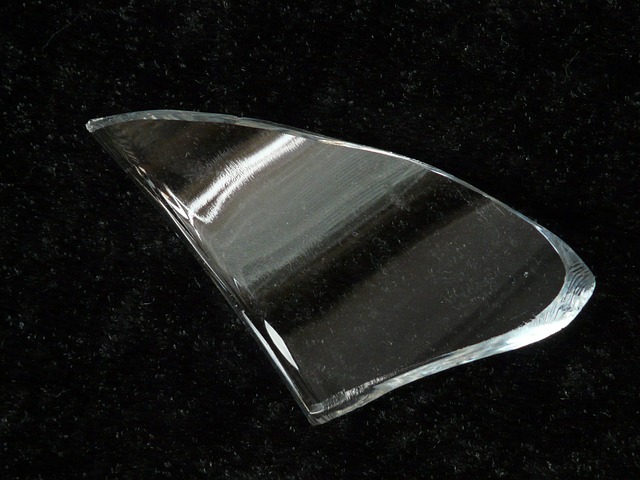
The Shard: Is the View Worth £40? The Shard is 310 metres of glass and steel designed by Renzo Piano, completed in 2012 on the South Bank at London Bridge. It is the tallest building in the United Kingdom. The view from the observation experience on floors 68-72 is exceptional on a clear day. The question is whether it justifies the ticket price compared to free alternatives.
Honest answer: yes,...
read more
Spot a Scarlet Macaw in Costa Ricas Corcovado Rainforest
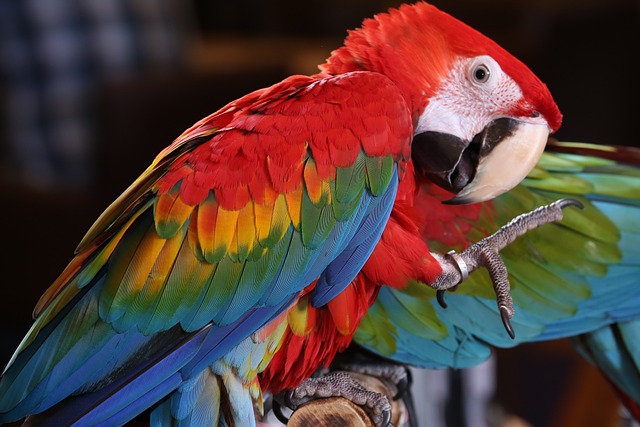
Corcovado National Park: How to Actually Get There and What to Expect Scarlet macaws (Ara macao) are common throughout the Corcovado National Park and the Osa Peninsula buffer zone. The Osa holds one of the largest scarlet macaw concentrations in Central America. You don’t need to travel far into the park to see them – the canopy around Sirena Station and on the coastal trail from La...
read more

Leptis Magna Libya
Leptis Magna: The Roman City That Libya Has Left Mostly Alone There is an argument that Leptis Magna is the most important unvisited Roman city in the world. By unvisited, this is not hyperbole: in the peak years before Libya’s 2011 revolution, fewer than 50,000 tourists saw the site annually. By comparison, Pompeii receives around 3 million visitors a year. The comparison is instructive...
read more
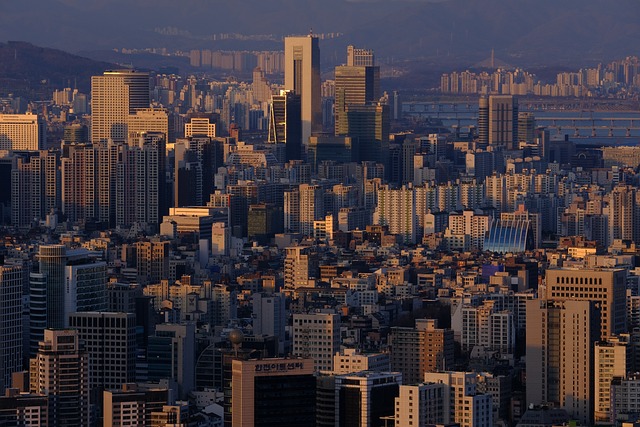
See What Seouls Ritzy Gangnam Neighborhood Is Really All About
Gangnam: What the Song Got Right and What It Got Wrong PSY’s 2012 song introduced “Gangnam Style” to the world and associated the neighbourhood with a particular vision of Korean nouveau riche culture: designer goods, expensive grooming, ostentatious consumption. That vision was always somewhat satirical (PSY was born in Gangnam and the song is a critique of the aspirational...
read more
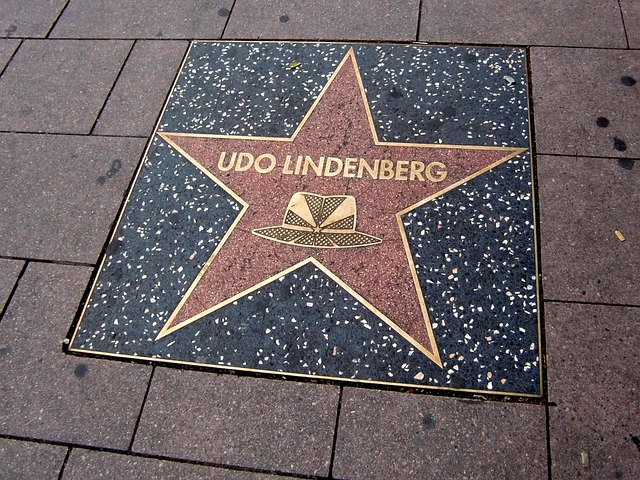
Hollywood Boulevard
Hollywood Boulevard: Real Tips for a Street That Mostly Disappoints Hollywood Boulevard is not the glamorous movie-land of your imagination. The sidewalk runs past pawnshops, souvenir stores, and people in dirty character costumes who expect a dollar for a photograph. The TCL Chinese Theatre is impressive and genuinely historic; everything immediately around it ranges from chaotic to actively...
read more
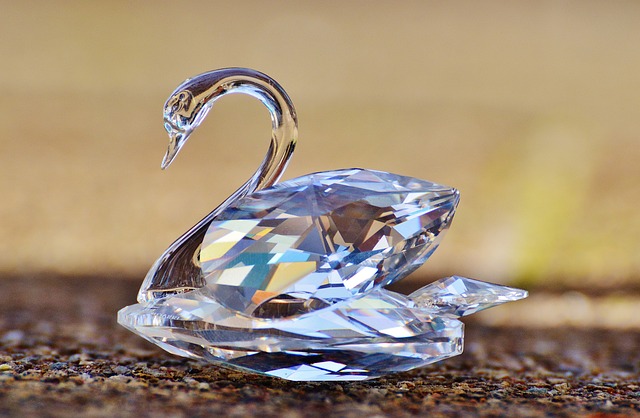
Swarovski Crystal World Austria
Swarovski Crystal Worlds: Art Installation or Theme Park, Depending on Your Expectations Swarovski Kristallwelten (Crystal Worlds) opened in Wattens in 1995 as a brand attraction marking the company’s 100th anniversary, designed by media artist André Heller. The original concept was surrealist: rooms inside a hill accessed through a water-spouting giant head, each room designed by a...
read more

Brussels: Mannekin-Pis
The Manneken-Pis is 61 centimetres tall. That’s the size of a toddler, cast in bronze, urinating into a fountain at the corner of Rue de l’Etuve and Rue du Chene, two minutes’ walk from the Grand Place. You will have seen photographs. The photographs do not adequately prepare you for the experience of arriving at what is supposedly one of the world’s most famous monuments...
read more
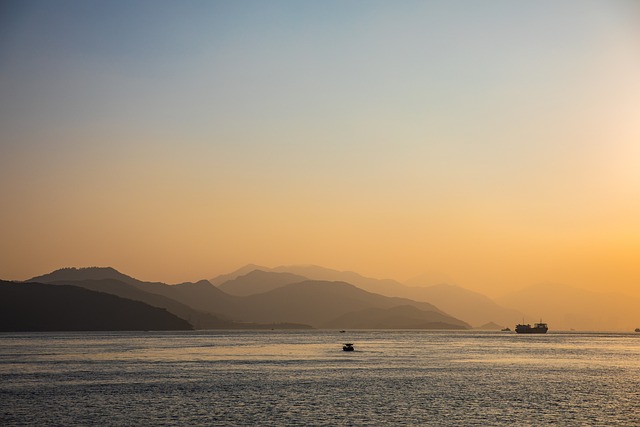
Ocean Park Hong Kong
Ocean Park Hong Kong: The Theme Park That Takes the Harbour View Seriously Ocean Park sits on a headland on the south side of Hong Kong Island, split across a mountain into two sections: the Waterfront area near the entrance and the Summit area at the top, connected by cable cars with views across the South China Sea. The setting is unusual for a theme park. This is not a flat concrete lot;...
read more
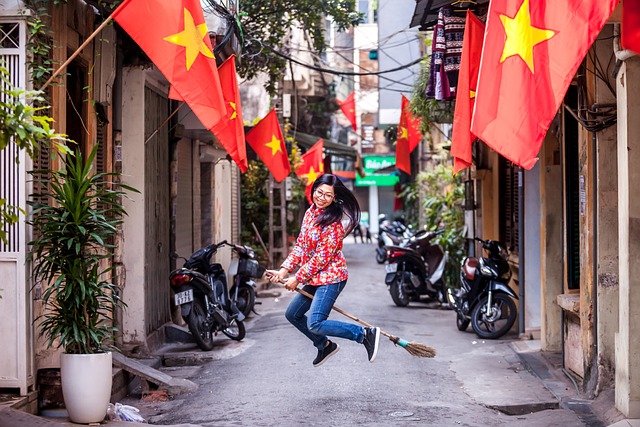
Hanois Old Quarter
Hanoi’s Old Quarter: Navigating the 36 Streets In 2016, Anthony Bourdain brought Barack Obama to Bun Cha Huong Lien on Hang Manh Street to eat bun cha – grilled pork in fish sauce broth with rice noodles and herbs – for around $6 per person. The restaurant has been fully leaning into the association ever since, with photographs of the moment on every wall. The food is still good....
read more
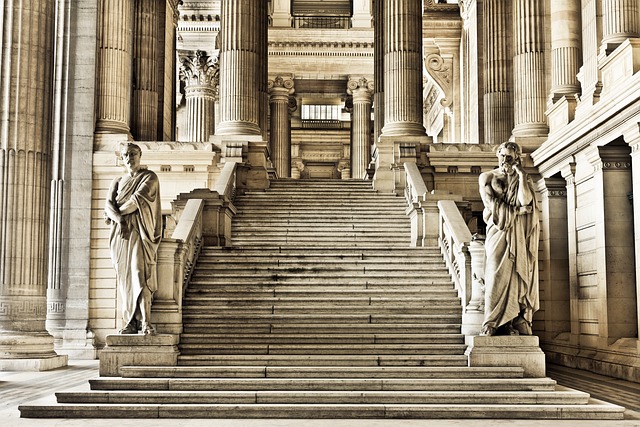
Hampton Court Palace
Hampton Court Palace: Henry VIII’s Favourite Residence, and Worth Every Minute of the Journey Hampton Court is 35 minutes from London Waterloo by South Western Railway, and it is one of those places that earns the trip every time. The palace is enormous, sprawling across centuries of royal use by multiple monarchs, and the grounds alone justify the entry fee. What most people don’t...
read more
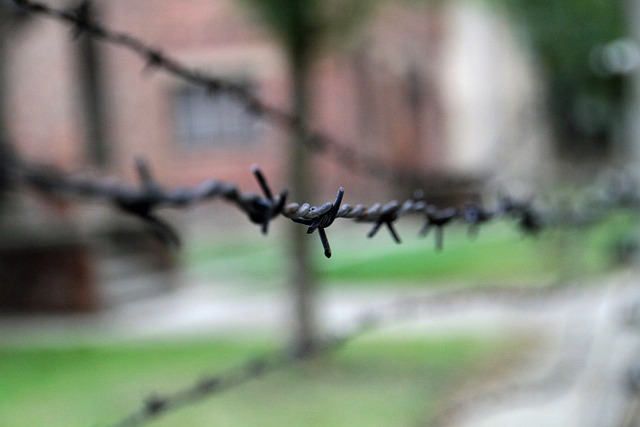
Auschwitz Memorial Muzeum Auschwitz
Auschwitz-Birkenau: What the Visit Requires of You More than 2.3 million people visited Auschwitz-Birkenau Memorial and Museum in 2025, making it one of the most visited sites in Europe. That number is worth sitting with. It says something about the place’s enduring necessity as a site of historical education and remembrance, but it also means that a visit requires planning, not because...
read more
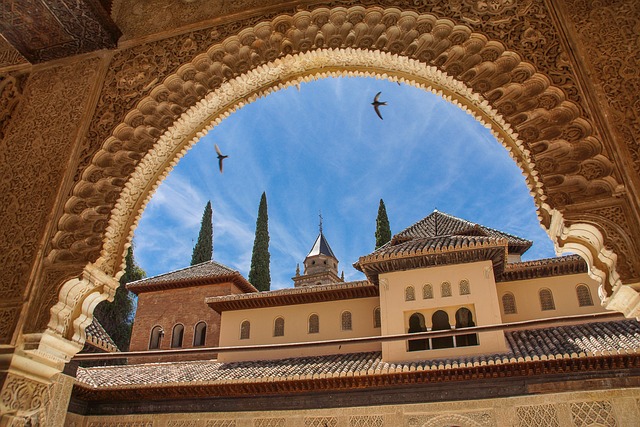
The Alhambra, Spain
The Alhambra, Spain: Architecture as a Continuous Argument The Alhambra complex sits on a red-earth ridge above Granada, and the argument it makes has never been adequately refuted. Islamic architecture reached something close to perfection here in the 13th-15th centuries under the Nasrid sultans, producing spaces that combine mathematical precision, sensory richness, and philosophical coherence...
read more