Recent Locations
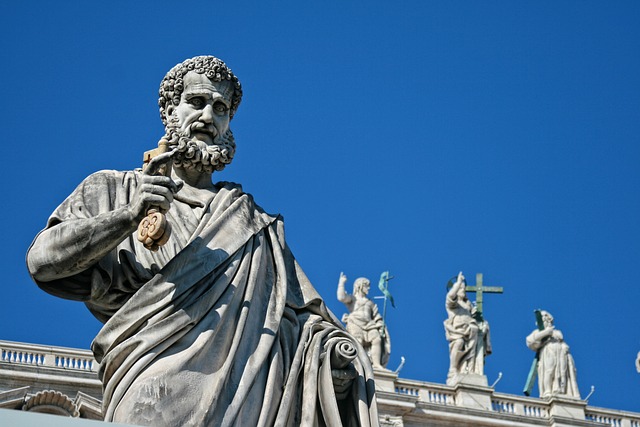
The Vatican
The Vatican: How to See It Without Losing Your Mind Seven million people visit the Vatican Museums each year. Most of them want the Sistine Chapel, which sits at the far end of a 7km circuit. To reach it, you funnel through the same corridors as every other visitor, past maps and tapestries and the Gallery of Candelabra, until you arrive in a room packed so tightly that the guards spend most of...
read more
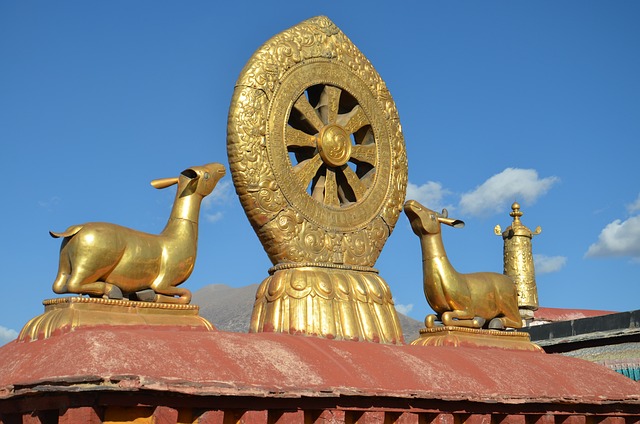
Jokhang Temple Lhasa
Important: Tibet access requires current research. Tibet Autonomous Region requires a separate Tibet Travel Permit in addition to a Chinese visa. The permit must be arranged through a licensed Tibetan travel agency before arriving in Tibet; it cannot be obtained on arrival. The region closes to foreign visitors at politically sensitive dates (the anniversary of the 1959 uprising in March, Tibetan...
read more
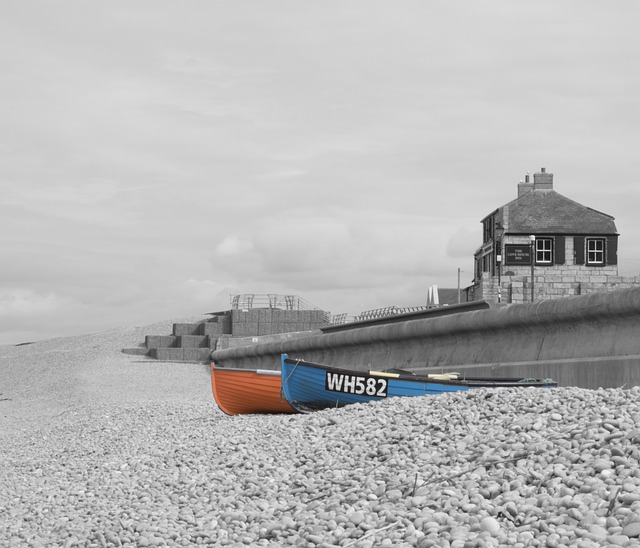
Chesil Beach
Discover the Beauty of Chesil Beach Located on the Dorset coastline in southern England, Chesil Beach is one of the most remarkable landforms in the British Isles. This 18-mile shingle barrier beach stretches from the Isle of Portland in the east to West Bay in the west, forming a continuous ridge of flint and chert pebbles that has been shaped by wave action over thousands of years. Behind the...
read more
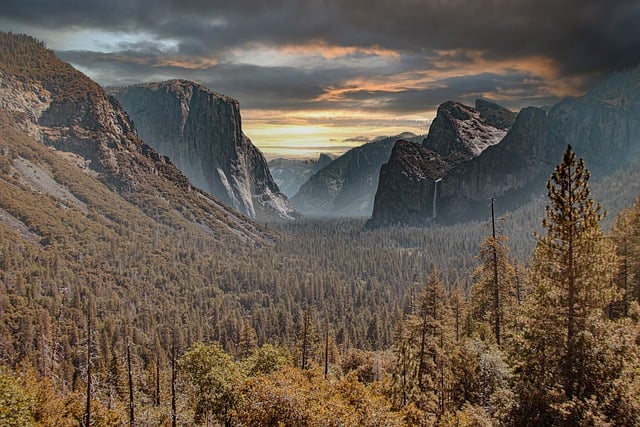
Whitsunday Islands National Park (QLD)
Whitsunday Islands: 74 Islands, One Perfect Beach The Whitsunday Islands sit off the central Queensland coast halfway between Brisbane and Cairns, scattered across the Coral Sea in a rough 100-kilometre arc. Of the 74 islands, most are uninhabited national park. About a dozen are accessible by boat. One, Whitsunday Island itself, has a beach that appears in Australian tourism campaigns so reliably...
read more
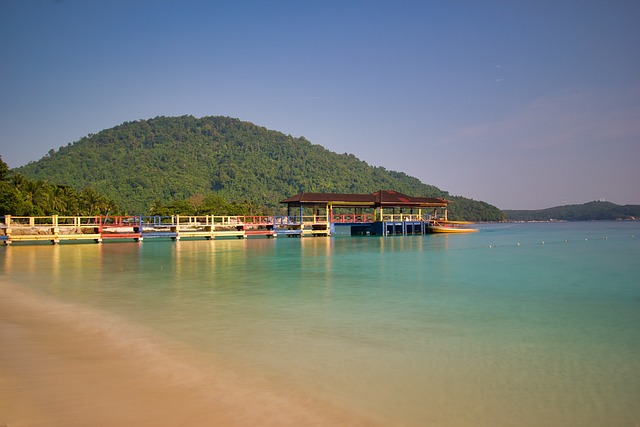
Perhentian Island
Perhentian Islands: Southeast Asia’s Best Budget Dive Destination The Perhentian Islands (Perhentian Besar, the big island, and Perhentian Kecil, the small one) sit off northeast Malaysia in Terengganu, 21km from the mainland. The marine park contains some of the best snorkelling and diving in Southeast Asia at prices that make Bali look expensive. Water visibility regularly exceeds 20...
read more
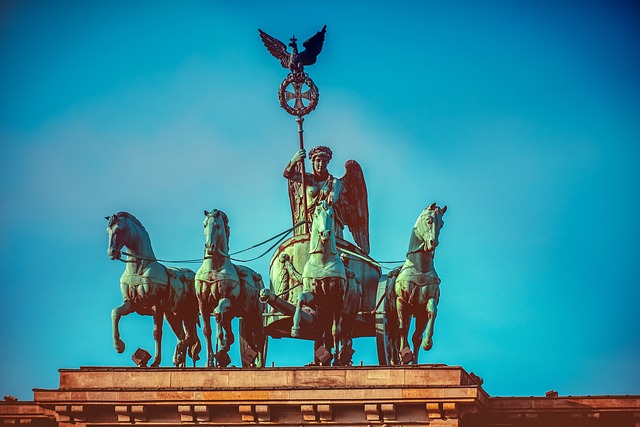
Brandenburg Gate, Berlin
The Brandenburg Gate was inaccessible for 28 years. It stood precisely on the border between East and West Berlin, and neither side could approach it: the Wall ran directly beside it on the east, and the death strip between the Wall and East Berlin proper made the immediate area a killing zone. For nearly three decades, the gate – built in 1791 as a symbol of Prussian power and named after...
read more
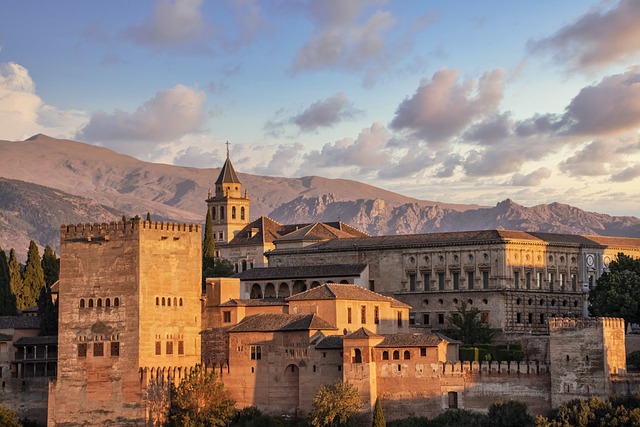
. Alhambra
The Alhambra: Book Months Ahead, Then Give It a Full Day The Alhambra sells out. Not occasionally, not just in high summer, but reliably and well in advance for the Nasrid Palaces - the heart of the complex that most people come specifically to see. Tickets are available through the official website (alhambra-patronato.es) and sell in timed entry slots that go 60 days ahead. When those slots are...
read more
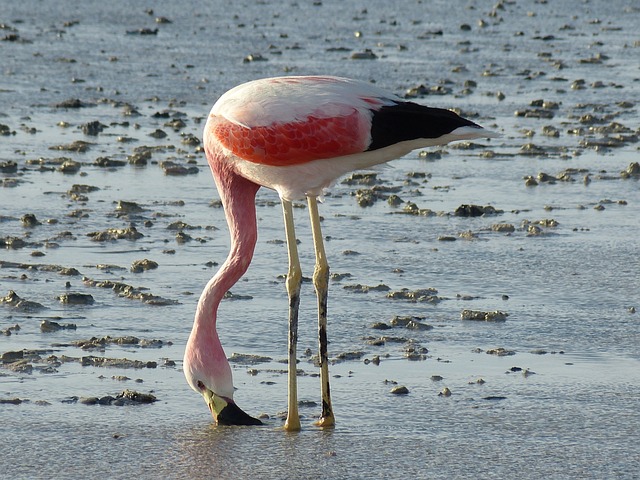
Valle De La Luna San Pedro De Atacama Chile
Valle de la Luna: Atacama Geology at Its Most Surreal The Atacama Desert in northern Chile is the driest non-polar desert on Earth. Parts of it receive less than 1mm of rainfall per year. The combination of this extreme aridity, altitude (around 2,400 metres above sea level), and the action of wind and occasional flash floods on salt-rich sedimentary layers has produced a landscape that erodes...
read more
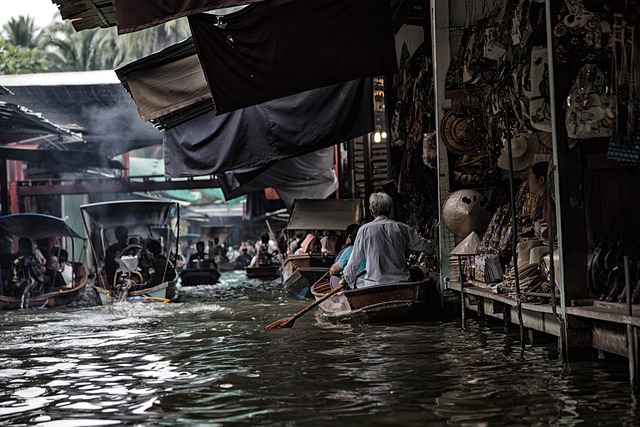
Chatuchak Weekend Market, Bangkok
Chatuchak Weekend Market, Bangkok The first thing you notice, walking in from the Mo Chit BTS station at 9am on a Saturday, is that you have already underestimated this market. Fifteen thousand stalls across 35 acres and up to 200,000 visitors every weekend: the numbers are correct, but they don’t translate until you’re standing at an intersection of covered corridors with no clear...
read more
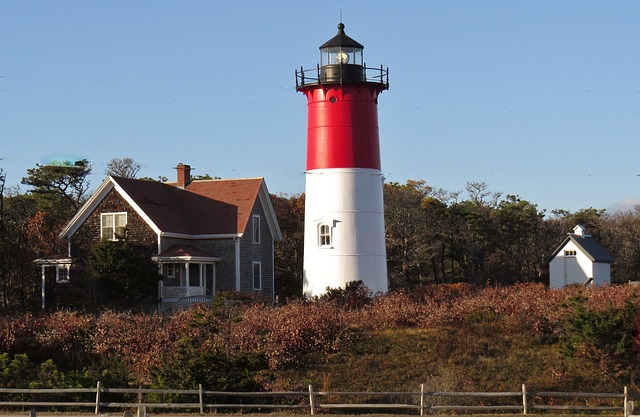
Cape Cod
Cape Cod: The Crowds Are the Point, Until They’re Not Here is something the Cape Cod tourism industry will never tell you: the experience degrades measurably as you move toward July Fourth weekend, and the best version of it happens in May and September, when the water is still swimmable (the Gulf Stream keeps it warmer than you’d expect), the restaurants actually have tables...
read more
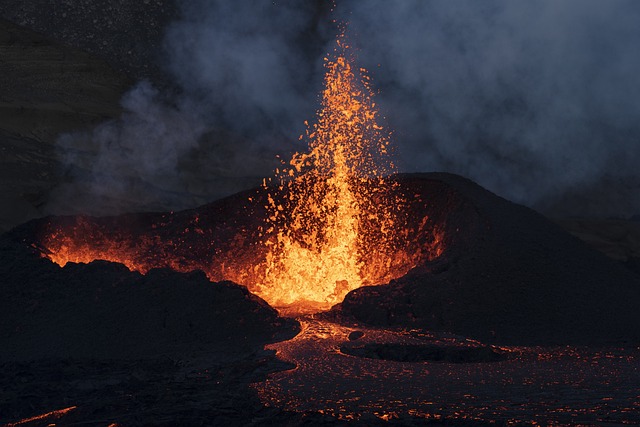
Arenal Volcano
Arenal hasn’t erupted since 2010, and that’s either a relief or a disappointment depending on why you came. The volcano spent most of the 20th century in full theatrical mode – lava flows, ash clouds, pyroclastic drama – before going quiet. What remains is a near-perfect 1,633-metre cone rising from the Alajuela highlands of northwestern Costa Rica, still steaming...
read more
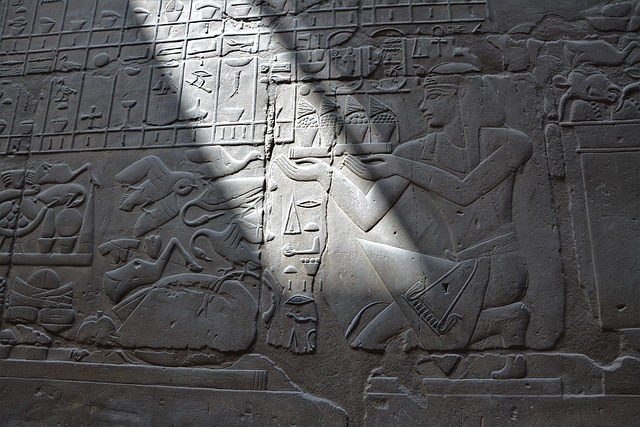
Karnak, Egypt
Karnak: The Largest Ancient Religious Complex in the World, and It Needs Half a Day The Karnak Temple Complex at Luxor is not a single temple but a collection of temples, chapels, pylons, and structures built across approximately 2,000 years. Construction began around 2000 BC in the Middle Kingdom and continued through the New Kingdom, the Late Period, and the Ptolemaic era. The complex covers...
read more
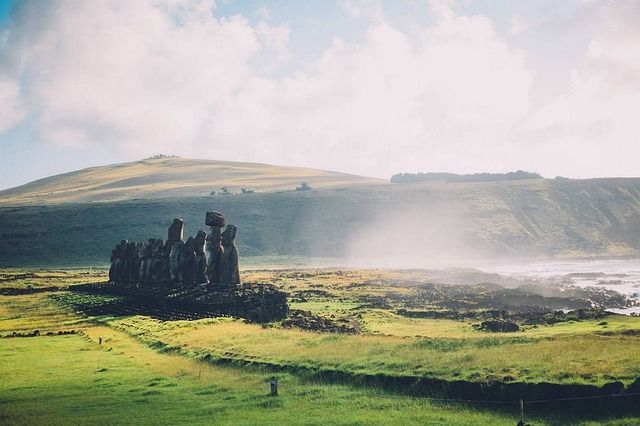
Anakena Beach Easter Island
Anakena Beach: Where the Moai Meet the Pacific Seven moai stand with their backs to the ocean at Ahu Nau Nau, looking inland as all moai do, watching over the white coral sand and the coconut palms at Anakena Beach. This is reportedly where the legendary first king of Rapa Nui, Hotu Matu’a, landed his canoes around 1200 CE after the long crossing from eastern Polynesia. Whether that...
read more
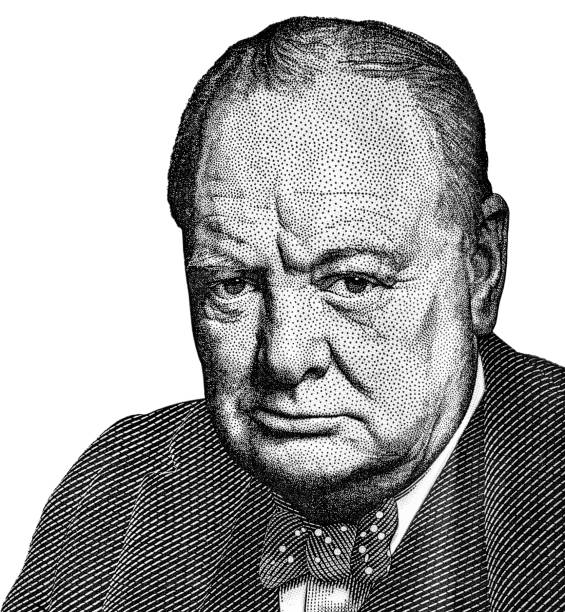
Churchill
Churchill, Manitoba: Polar Bears, Beluga Whales, and Aurora Churchill, Manitoba has a population of around 900 people and is the polar bear capital of the world – not as a tourism slogan but as a geographic reality. Every autumn, between 800 and 1,200 polar bears congregate on the western shore of Hudson Bay near the town, waiting for the sea ice to form so they can return to hunting seals....
read more
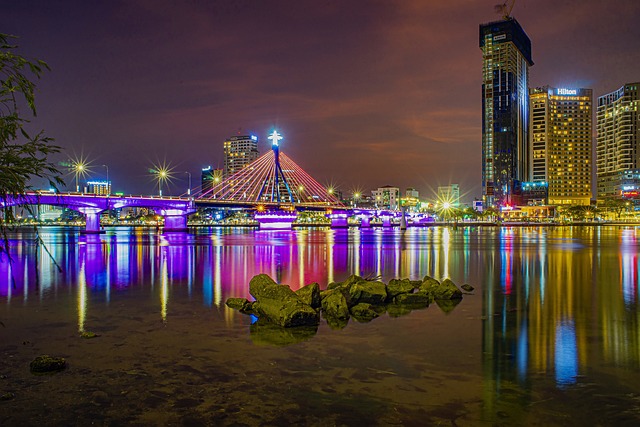
Da Nang
Da Nang: Vietnam’s Most Liveable City Done Right Da Nang’s position on Vietnam’s central coast makes it an unusually practical base. Hoi An is 30km south, Hue is 100km northwest through mountain passes, and the city itself has 30km of beach running through its urban centre. Vietnamese domestic travellers have always known this; international visitors are recognising it more...
read more
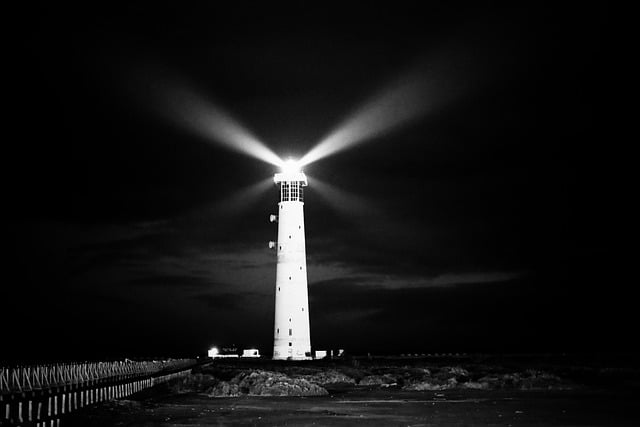
Brecon Beacons
Bannau Brycheiniog: The National Park That Changed Its Name (and Why That Matters) In April 2023, the Brecon Beacons National Park formally changed its name to Bannau Brycheiniog (pronounced Ban-eye Bruck-ein-iog, meaning “The Peaks of Brychan’s Kingdom”), abandoning the English name that had been in use since the park was established in 1957. The reasoning was simple: the...
read more
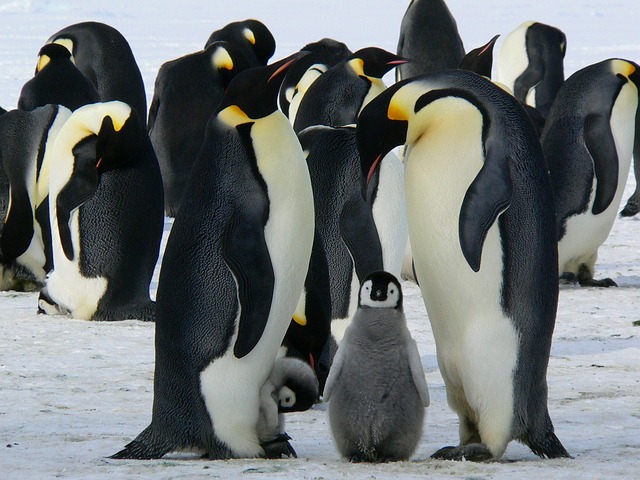
Antartica
The Drake Passage earns its reputation about 30% of the time, according to the expedition operators who cross it regularly. The other 70% of crossings run through what sailors call the Drake Lake – two days of open ocean that are rough but manageable, with albatrosses flying parallel to the ship and the temperature dropping noticeably as you push south. When the Drake Shake hits, however, it...
read more
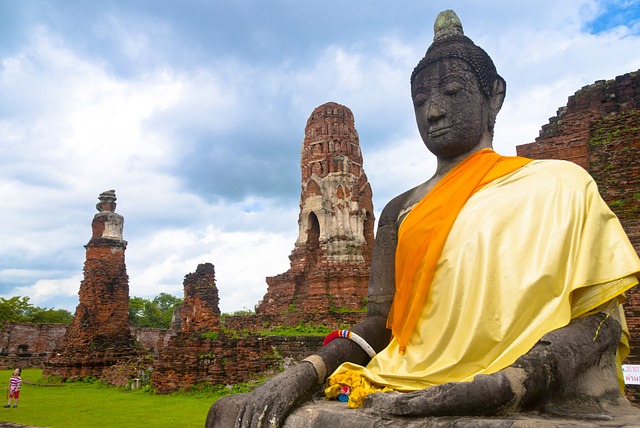
Ayuthaya Thailand
The Buddha head at Wat Mahathat – enclosed in fig tree roots that grew around it over centuries, the stone face looking out from between the serpentine wooden walls – is one of the more reproduced images in Southeast Asian travel. The arrangement is accidental: after the Burmese sacked Ayutthaya in 1767, destroying the capital and leaving statues decapitated, a fig tree slowly grew...
read more
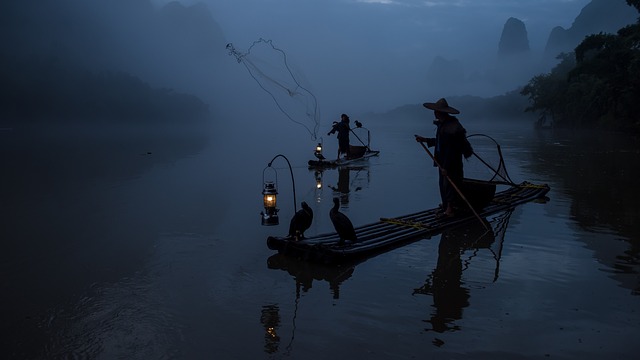
Yangshuo
Yangshuo: Li River, Karst Country, and How to Avoid the Tourist Strip The karst landscape around Yangshuo appears on the Chinese 20-yuan note: limestone peaks rising 200-300 metres from flat paddy fields, peaks reflected in the Li River below, morning mist occasionally moving between the columns of rock. It is one of the most striking landscapes in China and arguably anywhere. The problem is that...
read more
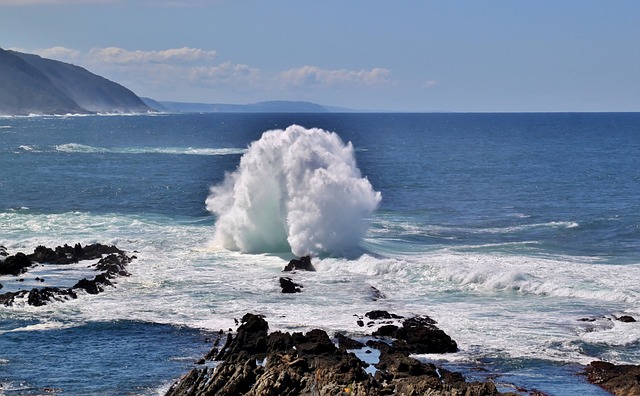
Kruger National Park South Africa
Kruger National Park: Self-Drive vs Guided Safari and How to Plan Kruger National Park covers 19,485 square kilometres of savanna, bushveld, and riparian forest in Limpopo and Mpumalanga provinces, on South Africa’s border with Mozambique. It is the size of Wales. It is one of the few large African national parks where self-drive safari is both practical and common: the road network inside...
read more
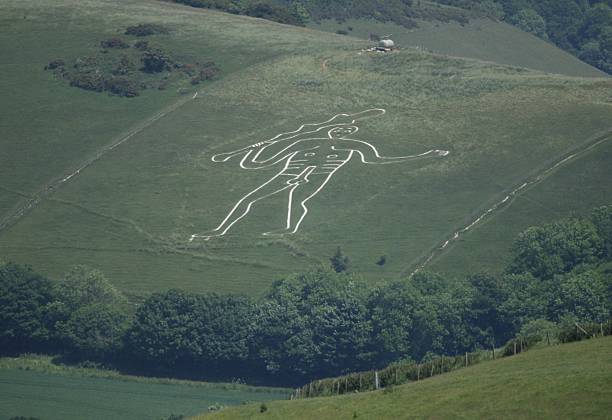
Cerne Abbas Giant & Other Chalk Figures, UK
The Cerne Abbas Giant: Older Than Anyone Expected The National Trust commissioned optically stimulated luminescence dating of sediment within the figure’s outline, publishing results that placed his creation between 700 and 1100 AD - the late Saxon period. This decisively overturned the long-standing theory that he was a 17th-century satirical portrait of Oliver Cromwell, and opened up new...
read more
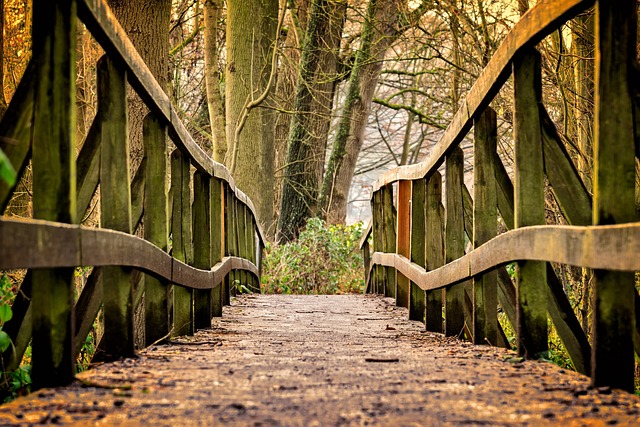
Pooh Bridge, Ashdown Forest
Pooh Bridge and Ashdown Forest: The Real Hundred Acre Wood The original wooden footbridge over Chuck Hatch stream in Ashdown Forest was replaced in 1999 with a replica built to the same design. This is the bridge where Christopher Robin, in A.A. Milne’s stories, invented the game of Poohsticks: dropping sticks off one side and running to the other to see whose emerges first. The game is...
read more
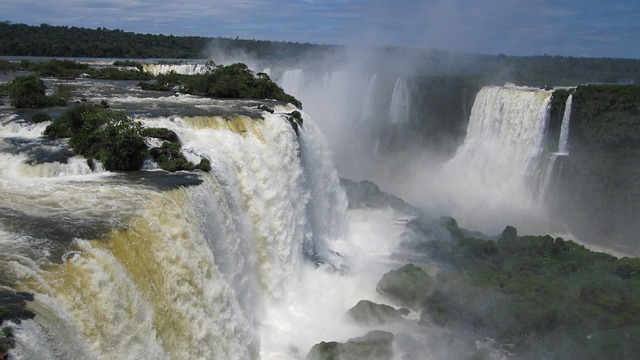
Iguazu National Park, Argentina
Iguazu Falls: Argentina vs Brazil, and Which Side is Better Iguazu Falls straddles the border between Argentina and Misiones province and the Brazilian state of Parana. Both sides offer access; they are genuinely different experiences and the honest answer is that you should do both if you have two days.
The Argentine side has more walking. The circuit system runs along the upper and lower...
read more
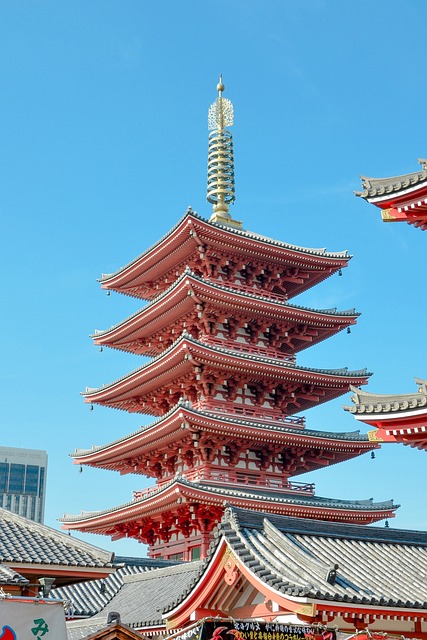
Sensoji Temple, Tokyo
Sensoji Temple: Asakusa’s Anchor and What Makes It Worth Visiting Twice Sensoji is Tokyo’s oldest temple, established according to tradition in 645 AD when two fishermen pulled a small statue of Kannon (the Buddhist bodhisattva of compassion) from the Sumida River. The current main hall dates from 1958, rebuilt after bombing in 1945. The Nakamise shopping street leading to it and the...
read more
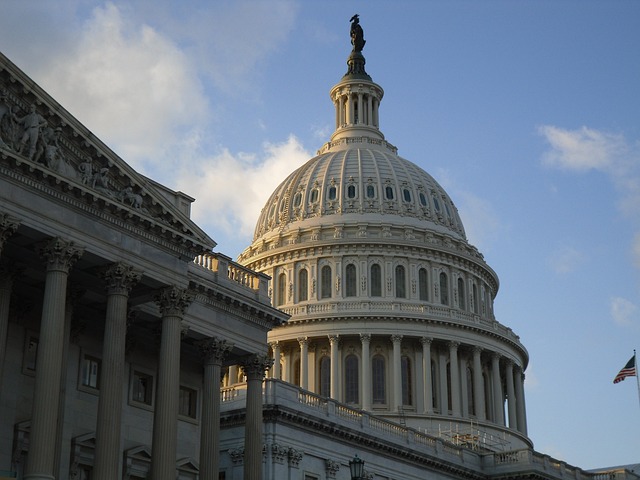
Washington D C
Washington DC: The Free Museums and What Else Is Worth Your Time Washington DC is the only capital city in the world where most of the major museums are both free and world-class. The Smithsonian Institution operates 19 museums and the National Zoo on annual congressional appropriations and charges nothing for general admission. London, Paris, Berlin, Tokyo, none of them offer the same combination...
read more
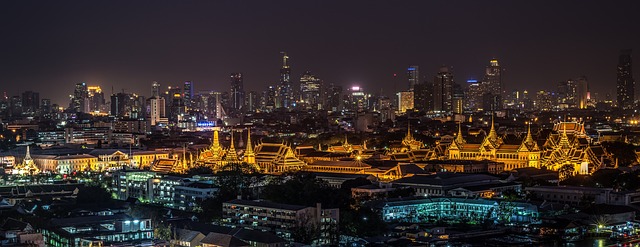
Grand Palace Bangkok
The Grand Palace, Bangkok: What You’ll Actually See and How to Navigate It Men near the Grand Palace entrance tell visitors in plain clothes or unofficial-looking uniforms that the palace is closed for a religious holiday or royal ceremony and suggest an alternative. This happens daily. The palace is almost never actually closed. Walk past these people, verify at the gate yourself, and...
read more
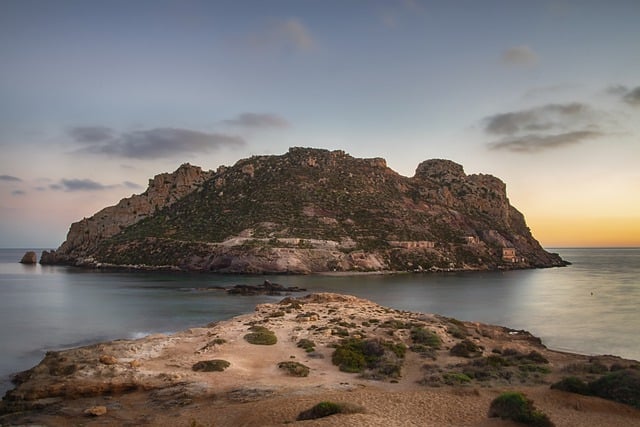
British Virgin Islands "Other Islands"
The BVI is considered one of the premier bareboat sailing destinations in the world, and the reason is geographic: 50 islands and cays spread across 59 square miles of protected water, with consistent trade winds, reliable anchoring, and almost nothing requiring serious open-ocean passage. You can sail a circuit of the main islands in a week and spend each night in a different anchorage. The...
read more
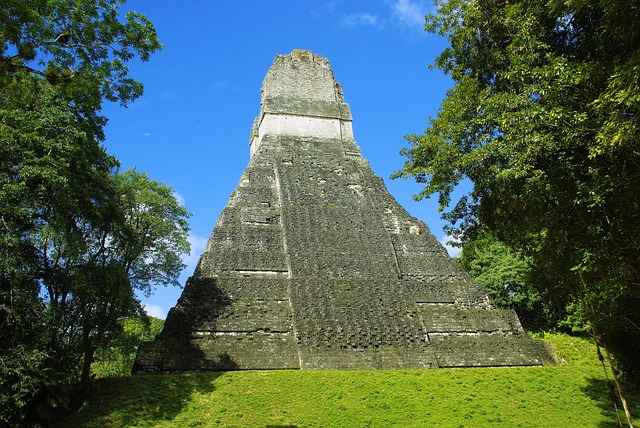
Tikal National Park, Guatemala
Tikal: Before the Tour Buses Arrive at 09:00 Temple IV at 64 metres is the tallest pre-Columbian structure in the Americas, and the best reason to be at its base before 06:30 is not the height but what happens around you. Dawn at Tikal begins with sound rather than sight: howler monkeys calling from the canopy before the sky lightens, then the first ocellated turkeys - iridescent birds with...
read more
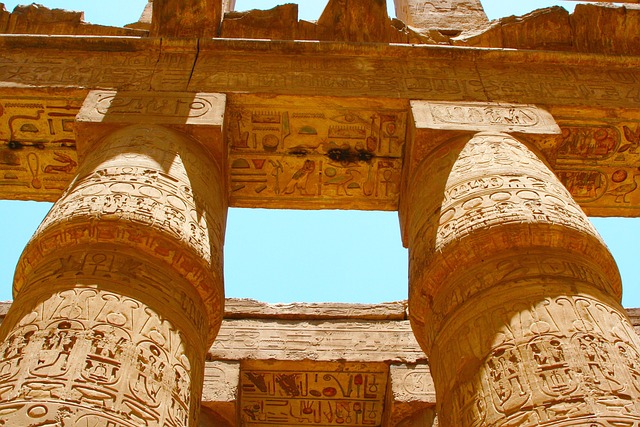
Temple of Luxor
The Luxor Temple: The Monument That Has Never Stopped Being Used The Luxor Temple is one of the most continuously occupied religious sites in the world. Built primarily by Amenhotep III around 1390 BC and extended by Ramesses II around 1260 BC, the temple was used for Egyptian religious ritual for over a thousand years. Then it was repurposed by the Romans as a fortress garrison. Then a Christian...
read more
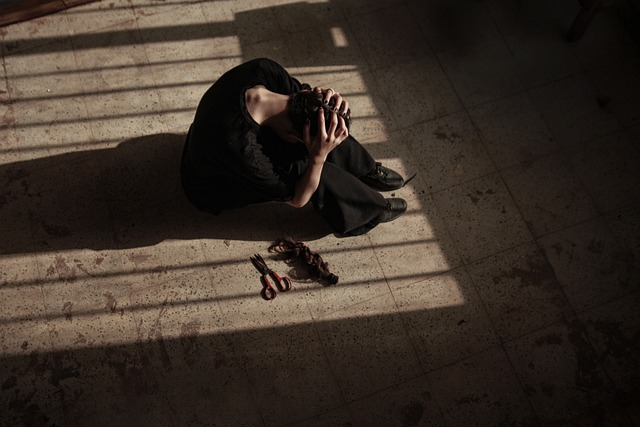
Naqsh-E Jahan, Iran
Naqsh-e Jahan: Isfahan’s Central Square and What Surrounds It Naqsh-e Jahan means “image of the world” in Farsi, and Shah Abbas I, who ordered the construction around 1598, was not understating his intentions. The square measures 512 metres long and 163 metres wide, the second-largest public square in the world after Tiananmen, enclosed on all four sides by monuments from the...
read more
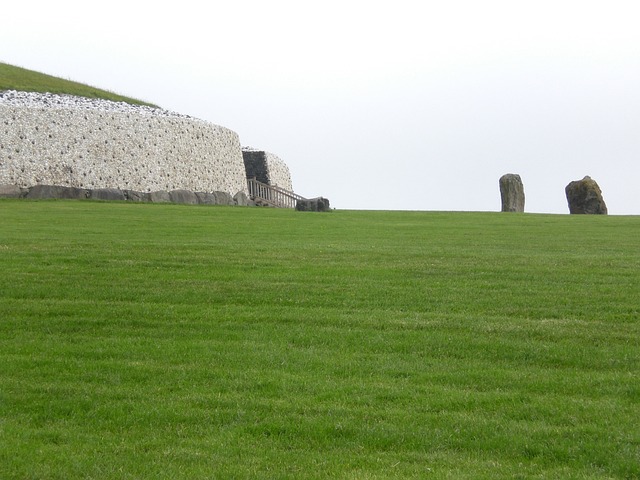
Newgrange
Newgrange: 5,200 Years Old and Still Making a Point Every year at dawn on the winter solstice, a narrow shaft of light enters a gap above Newgrange’s entrance and travels nineteen metres down the passage to illuminate the floor of the inner chamber for exactly seventeen minutes. This has been happening since approximately 3200 BC, and the fact that it still works perfectly, that the builders...
read more
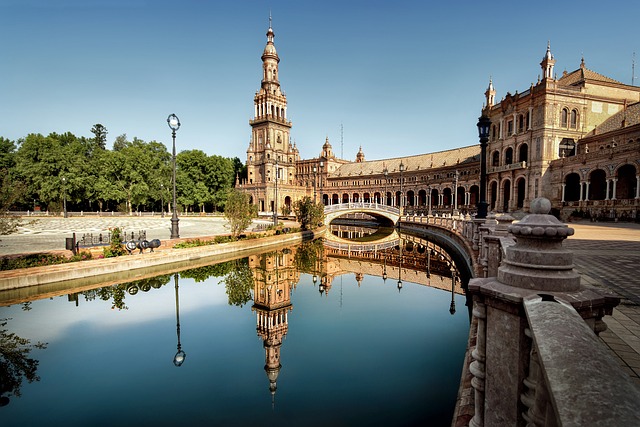
Alcazar, Seville, Spain
The Real Alcazar of Seville is the oldest royal palace in continuous use in Europe. The Spanish royal family still use it as the official Seville residence, which means on certain dates the upper apartments are closed to visitors – check before booking. Built primarily by King Pedro I of Castile in the 14th century on the foundations of a Moorish fortification, the palace is a specific...
read more
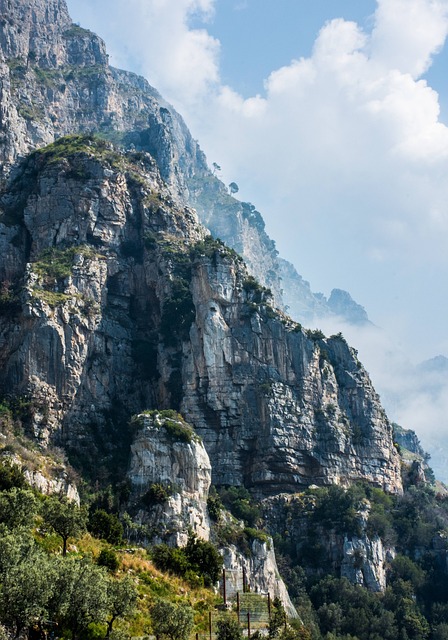
Amalfi Coast
The SS163 Amalfitana – the road that runs along the Amalfi Coast – is a two-lane highway clinging to cliffs above the Tyrrhenian Sea, shared by buses, tourist coaches, delivery vans, motorcycles, and cars, all attempting to pass each other on corners where two vehicles barely fit side by side. In July and August, the road is at maximum capacity from early morning. The experience of...
read more
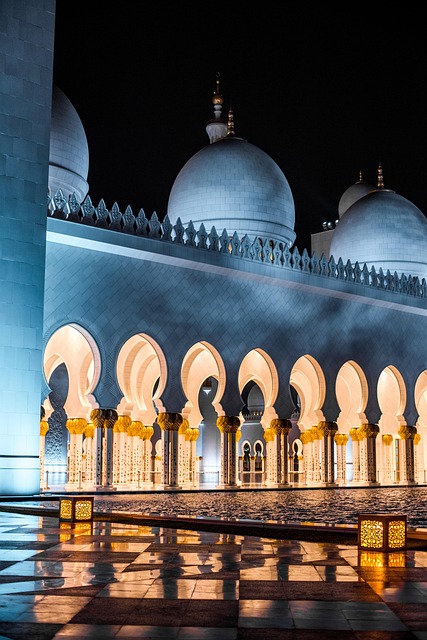
Sheikh Zayed Grand Mosque
Sheikh Zayed Grand Mosque: What to Know Before You Arrive The numbers at Sheikh Zayed Grand Mosque are relentless: 82 marble domes, 1,000 columns faced with semi-precious stones, a main prayer hall carpet weighing 35 tons hand-woven in Iran and assembled in sections on-site, 24-carat gold chandeliers hanging from the ceilings, and capacity for 41,000 worshippers. The mosque was completed in 2007...
read more
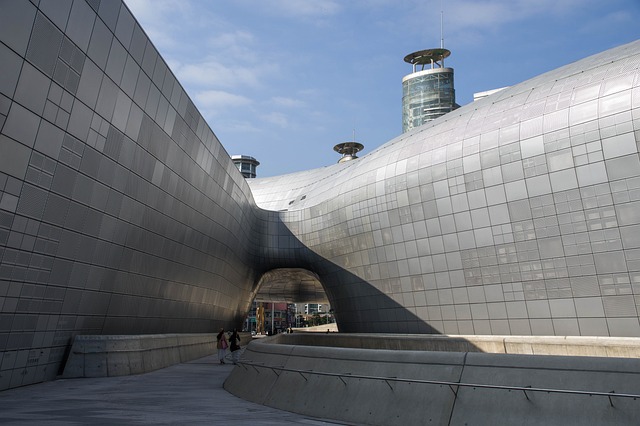
Heydar Aliyev Cultural Centre
Heydar Aliyev Cultural Centre: Zaha Hadid’s Most Accomplished Building In 2014, the Design Museum in London gave its Design of the Year award to the Heydar Aliyev Cultural Centre in Baku. The award went to the building, not to whoever commissioned it. That distinction matters: the centre is named after Azerbaijan’s third president, and acknowledging the extraordinary quality of the...
read more
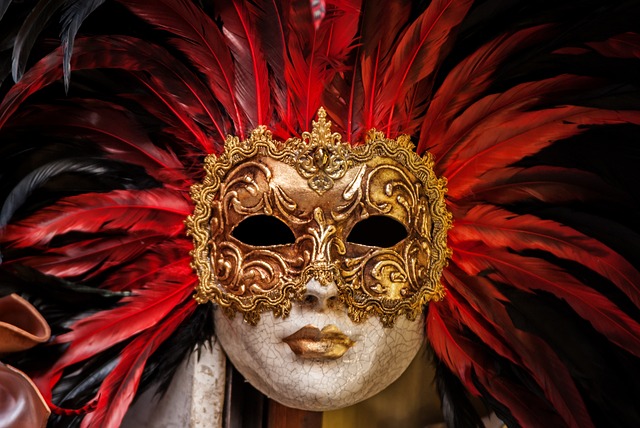
Go to Rio De Janeiro Carnival
Rio Carnival 2026: What the Experience Actually Involves Carnival 2026 runs February 13-21, with the main Sambadrome Special Group parades taking place February 15-17. The top 12 samba schools each perform a 65-90 minute spectacle starting around 21:30 and running through until dawn. Everything the school does, costumes, floats, song, choreography, and the thousands of members marching in...
read more
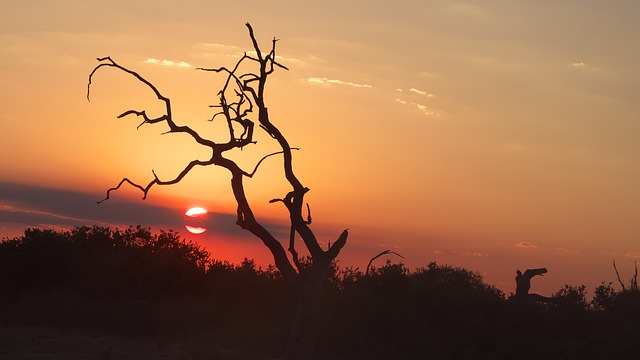
Chobe National Park, Botswana
By September, the Chobe River is the only significant water source for several hundred kilometres of mopane woodland, and the result is one of the most astonishing concentrations of wildlife on the African continent. The floodplain fills with elephant herds numbering in the hundreds – Chobe has over 120,000 elephants, the largest population anywhere on earth – alongside buffalo,...
read more
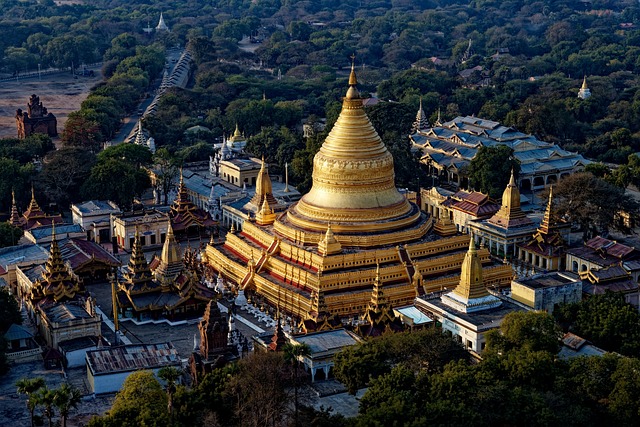
Bagan Temples & Pagodas
Bagan: 2,000 Temples on a Plain The Pagan Kingdom at its 11th-13th century peak built an estimated 3,500 temples on the alluvial plain of the Irrawaddy River in central Myanmar. About 2,000 still stand. Walking or cycling among them as the morning mist clears over the plain, with a balloon drifting silently above, is one of the most otherworldly visual experiences in Southeast Asia. Nothing...
read more
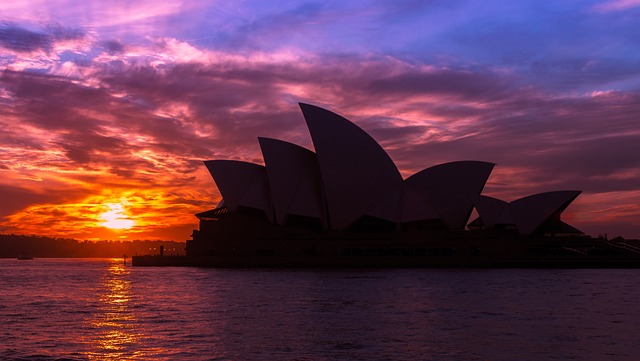
Sydney Opera House
Sydney Opera House: More Than the Photograph Jorn Utzon won the 1957 international design competition with drawings that the engineering community initially said were structurally impossible. The problem was the shells: no one could figure out how to build curved roof forms of that scale with concrete. Utzon solved it by realising all the shells could be designed as fragments of a single sphere...
read more
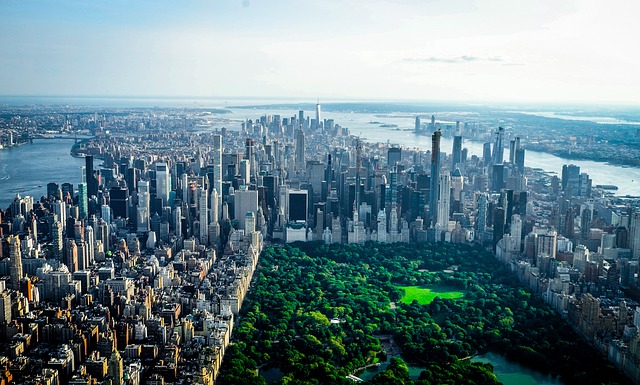
Central Park, New York City
Central Park looks natural and is almost entirely artificial. The rolling meadows, the lake, the woodland paths – almost none of it existed before construction began in 1858. Frederick Law Olmsted and Calvert Vaux won the Greensward Plan competition that year, and their design required moving more than ten million cartloads of stone and soil to create the landscape that now looks like it was...
read more
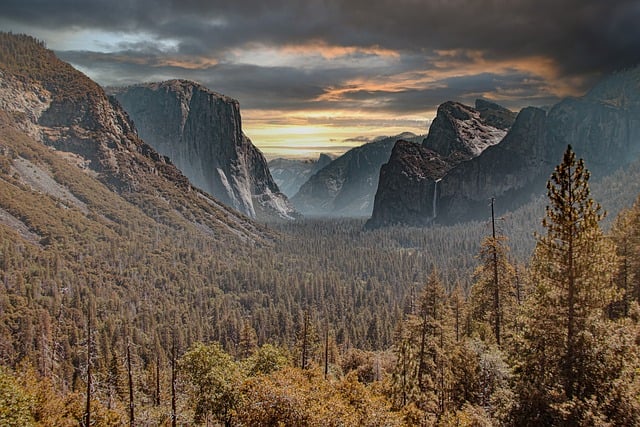
Cairngorms National Park
Cairngorms: Britain’s Largest National Park and Its Genuinely Subpolar Climate The Cairngorm plateau is the closest thing Britain has to an Arctic landscape. At 1,200 metres above sea level, the high tops experience hurricane-force winds more than 100 days per year, carry snow on their north-facing gullies well into June in a good winter, and support a community of species, mountain hare in...
read more
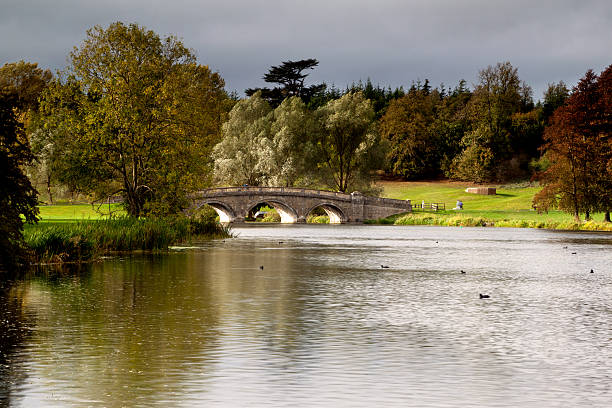
Blenheim Palace
Blenheim Palace: Too Big to Ignore, Too Interesting to Rush Winston Churchill was born here on 30 November 1874, six weeks early, in a room that is now one of the most visited spots on the estate. His mother had been at a dance in the palace the night before; by morning the most consequential Briton of the 20th century had arrived, prematurely, in an 18th-century baroque palace built as a...
read more
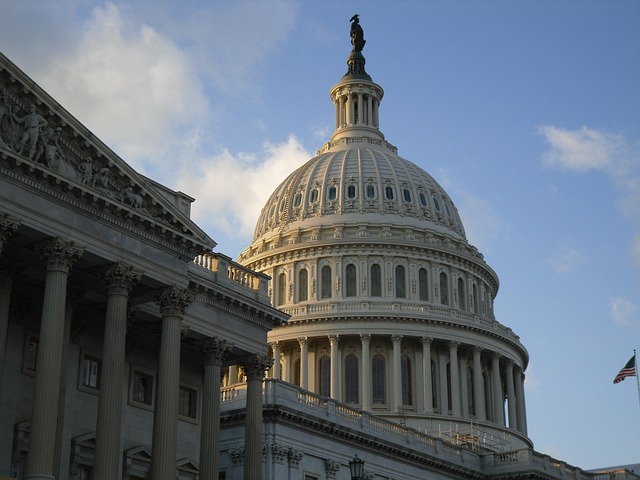
Library of Congress, Washington, D.C.
The Library of Congress holds more than 170 million items – the largest library in the world by collection size. Most visitors come for the Thomas Jefferson Building, which is the one that deserves the visit: a late 19th-century Italian Renaissance structure whose Great Hall is among the most elaborate interiors in Washington. Entry is free.
The library’s collection contains more than...
read more
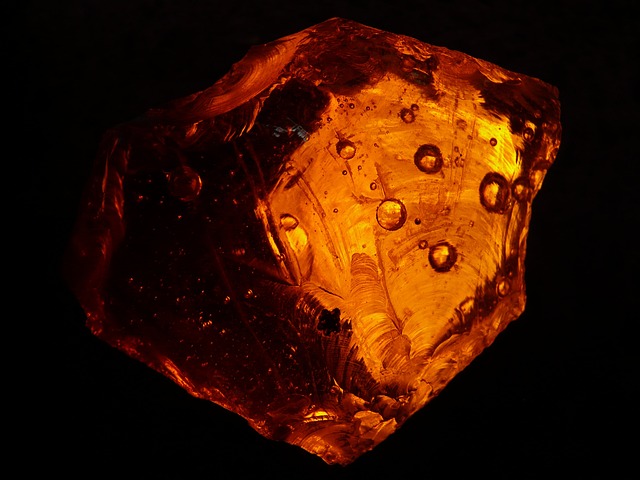
Amber Fort
Sheesh Mahal – the Hall of Mirrors – contains thousands of convex mirror tiles set into the ceiling and walls. A single candle is said to have lit the entire chamber through reflection, the light bouncing between surfaces until the room glowed. The engineering is 16th-century, using polished glass with backed silver and gold, arranged in patterns that include arabesques, flowers, and...
read more
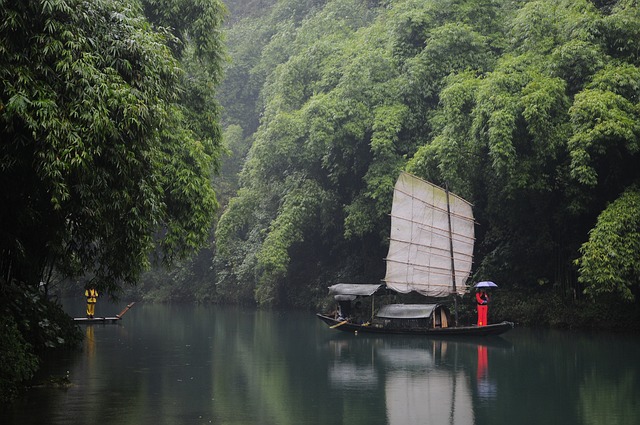
Three Gorges Dam, China
The Three Gorges Dam: Engineering, Displacement, and the Yangtze Cruise The Three Gorges Dam on the Yangtze River was completed in 2006 after 17 years of construction. It is the largest hydroelectric dam in the world by installed capacity at 22,500 megawatts, and the reservoir it created stretches 660km upstream to Chongqing. The construction flooded 1,000 towns and villages and required the...
read more
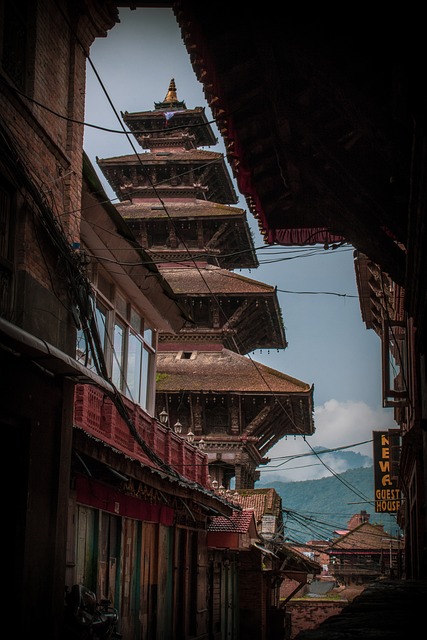
Bhaktapur Durbar Square Nepal
Bhaktapur Durbar Square: The Kathmandu Valley’s Least Overrun Treasure Of the three Durbar Squares in the Kathmandu Valley, Bhaktapur gets the fewest visitors and, by most honest accounts, deserves the most. Kathmandu’s square has become something of a tourist staging area; Patan is excellent but densely known. Bhaktapur feels like an actual medieval city that people still live in -...
read more
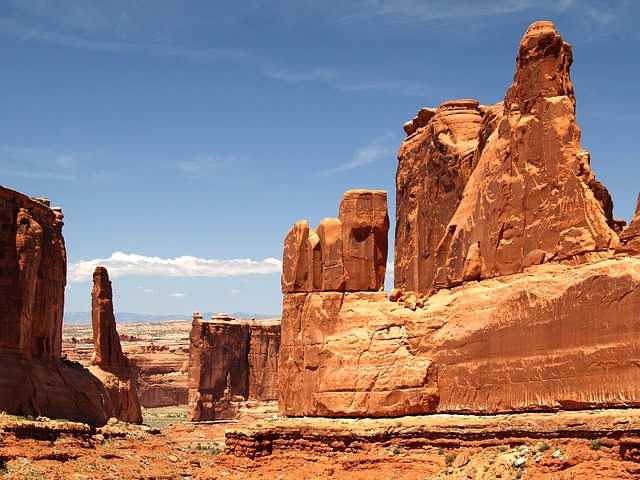
Bryce Canyon National Park Utah
Bryce Canyon technically isn’t a canyon. The formations here were carved not by a river cutting downward but by frost wedging and chemical erosion working simultaneously on different layers of limestone and sandstone – a process that produces the hoodoos (tall, thin rock spires) in a way that differs from the river-carved slot canyons and valleys elsewhere on the Colorado Plateau. The...
read more
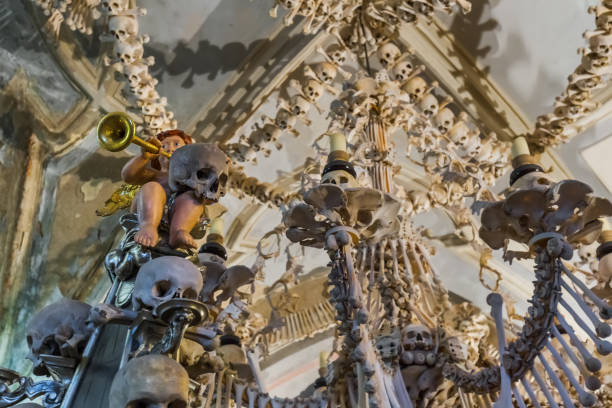
Sedlec Ossuary
Sedlec Ossuary: Bones, History, and the Edges of Taste In 1870, a local woodcarver named Frantisek Rint was commissioned to arrange the human bones stored in the crypt of a Gothic church in Sedlec, on the edge of Kutna Hora in the Czech Republic. He made chandeliers from them. He made a coat of arms for the Schwarzenberg family. He made garlands for the pillars. And in the corner, he signed his...
read more
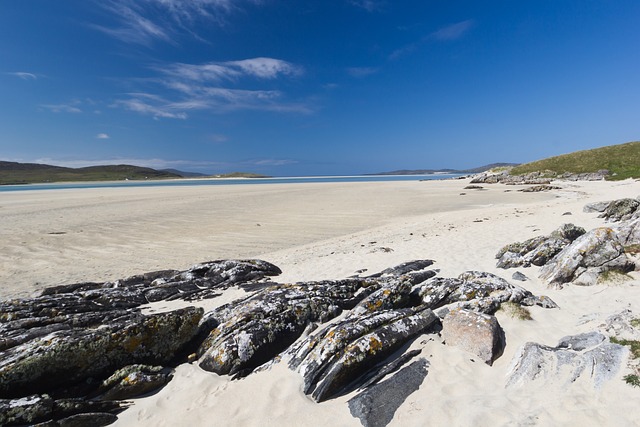
Luskentyre Beach
Luskentyre Beach, Harris: The Real Thing Travel magazines routinely put Luskentyre in lists of the world’s most beautiful beaches, which sounds like hyperbole until you’re actually there. The sand is a pale cream-white that shades into turquoise water, backed by machair grassland and with the hills of Harris rising beyond. On a sunny day in June with low tide exposing a kilometre of...
read more
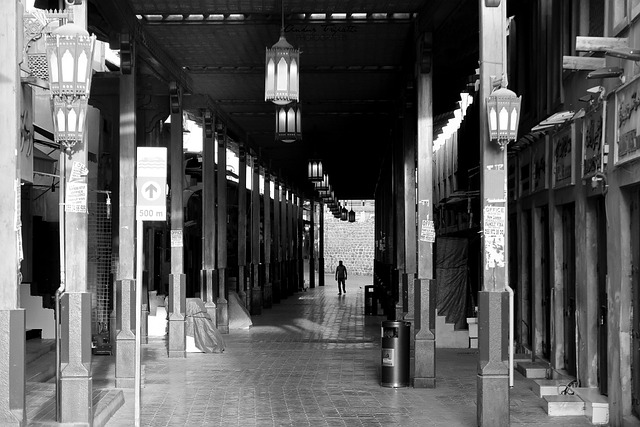
Mutrah Souq
Mutrah Souq: Muscat’s Old Market, Still Working The same alley in Mutrah Souq that sells tourist frankincense is the one where a Baluchi fisherman fills his prescription and a carpenter orders hardware. That detail is what separates this from most of the “traditional markets” that exist primarily for visitors: Mutrah is an actual working market that tourists happen to also love....
read more