Recent Locations
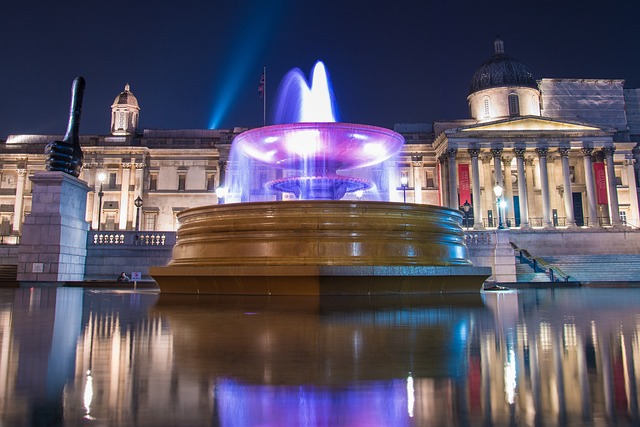
Trafalgar Square
Trafalgar Square: London’s Central Node, Used Correctly Trafalgar Square is not primarily a destination. It is a transit hub, a gathering point, and the geographic centre from which distances in London are officially measured (the point at the head of Charing Cross, at the south side of the square, is the central point for all UK road distances to London). Most visitors stand in the middle...
read more
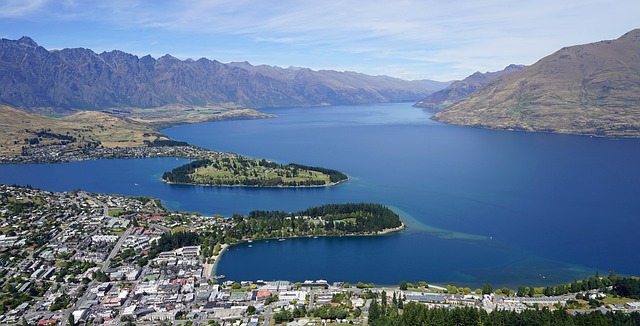
Queenstown
Queenstown: More Than the Adventure Clichés Queenstown gets sold as the adventure capital of the world, and it is. Bungee jumping, skydiving, jet boating, white-water rafting, paragliding: the adrenaline tourism infrastructure here is unmatched in the southern hemisphere. If that’s why you’re coming, you’ll be well served. But the town is also a serious food and wine destination...
read more
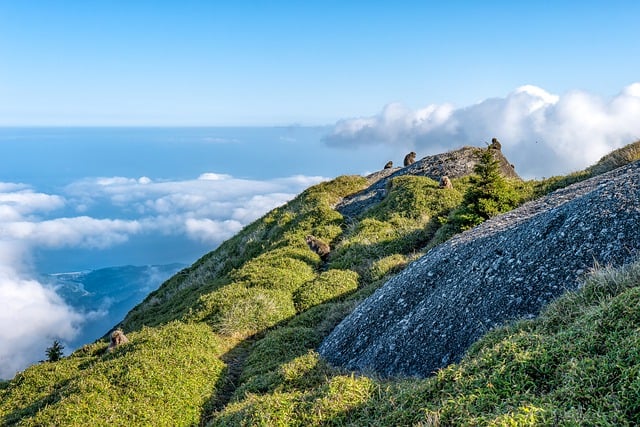
Torre De Belém (Belém Tower)
Note: The Torre de Belem is currently closed for restoration as part of Portugal’s Recovery and Resilience Plan. Reopening is expected in 2026 but has not been officially confirmed at time of writing. Check current status before visiting.
Torre de Belem: The Watch Tower at the Edge of the Known World The Torre de Belem was built between 1516 and 1521, commissioned by King Manuel I of...
read more
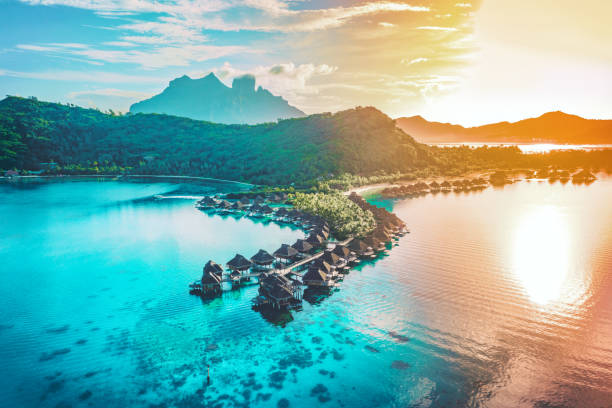
. Bora Bora
Bora Bora: The Overwater Bungalow Invented Here and the Cost of Getting It The overwater bungalow was pioneered in French Polynesia in the late 1960s by a hotel developer who built a few rooms on stilts above the lagoon at Bora Bora. The idea has since been replicated at hundreds of properties across the Maldives, Fiji, the Caribbean, and Southeast Asia. But Bora Bora remains the original, and the...
read more
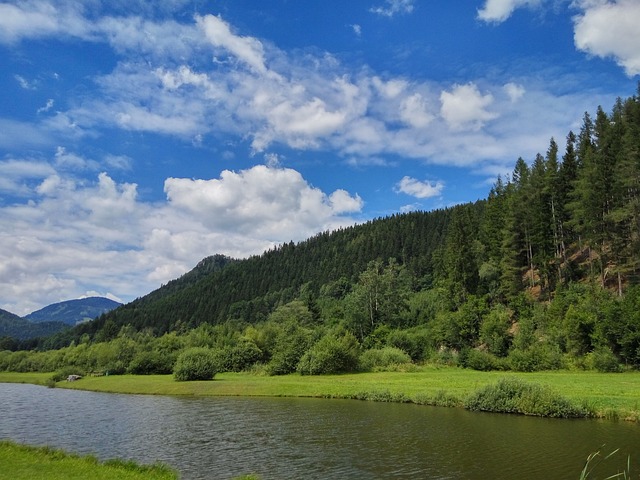
Semmering Pass
Semmering Pass: The Railway That Changed What Mountains Meant for Engineering The experts said it couldn’t be done. A steam locomotive climbing steep gradients through serious Alpine terrain, in 1854, was considered physically impossible by most of the engineering establishment. Carl Ritter von Ghega proved them wrong, and the Semmeringbahn became the first mountain railway in the world...
read more
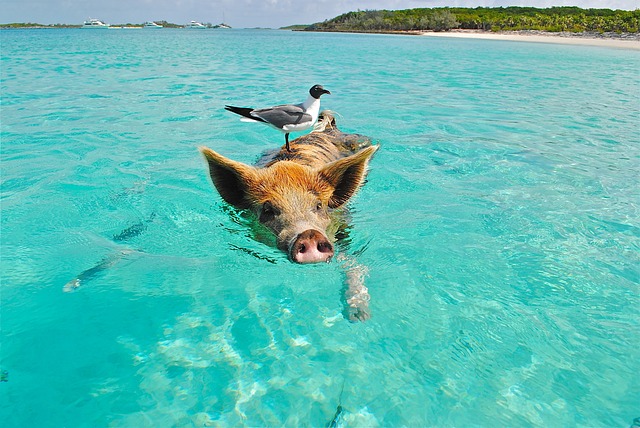
Feed Swimming Pigs in Exuma, the Bahamas.
Swimming Pigs of Exuma: The Island, the Reality, and the Experience Nobody agrees on how they got there. Some say a ship wrecked nearby and the pigs swam ashore. Others say sailors left them on Big Major Cay with plans to come back for dinner and never returned. A third version involves a nearby resort chef who decided the island made a better pig habitat than a kitchen. The origin is genuinely...
read more
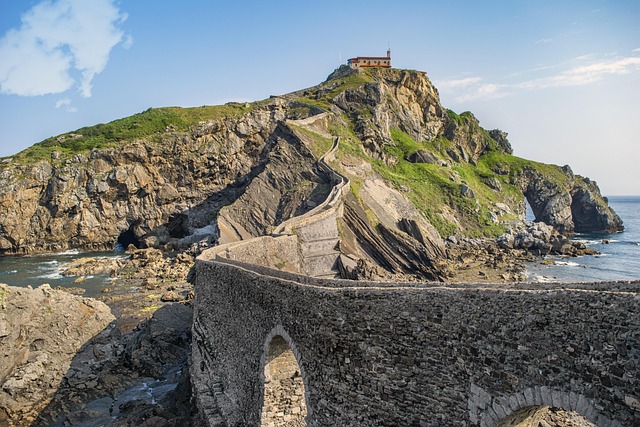
Hermitage
The Hermitage: Three Million Objects and Nowhere Near Enough Time Catherine the Great bought 225 paintings from a Berlin merchant in 1764 to settle a debt, and that transaction is where the Hermitage begins. What followed was two and a half centuries of acquisition on a scale that makes the Louvre look restrained: around 3 million objects total, roughly 70,000 of which are on display at any one...
read more
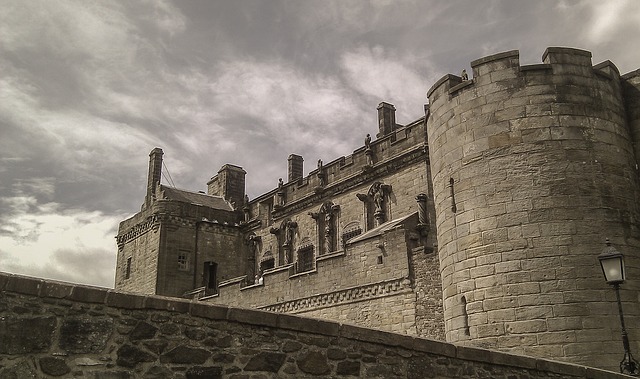
Stirling
Stirling: The Castle, the Monument, and the Bridge Between Them Stirling is the hinge of Scotland. The volcanic crag that the castle sits on stands 75 metres above the River Forth floodplain at the precise point where movement between Scotland’s Highlands and Lowlands has always been forced to pass through a narrow corridor. Control this crag and you control that movement. The castle exists...
read more
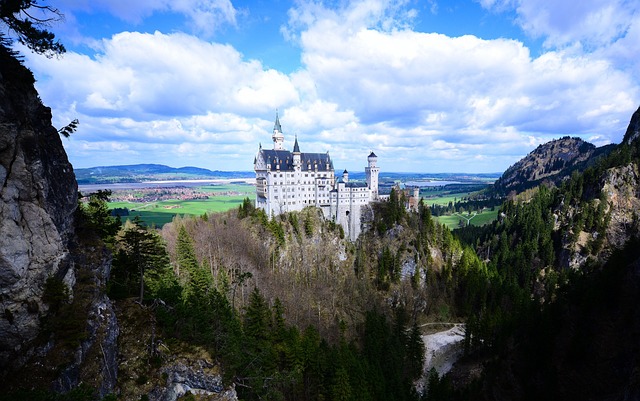
Schloss Neuschwanstein
Neuschwanstein: The Castle That Bankrupted Its Builder and Opened to Tourists 47 Days After His Death Ludwig II of Bavaria occupied Schloss Neuschwanstein for a total of 172 days. He commissioned it in 1869 as a homage to Wagnerian mythology - the throne room alone contains 2.5 million individual mosaic tiles, and the royal bedroom took 14 woodcarvers more than four years to complete. Ludwig died...
read more
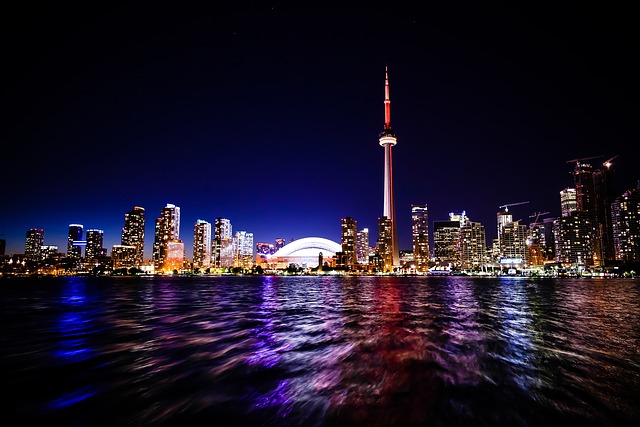
CN Tower
CN Tower: A Practical Guide to Visiting Toronto’s Most Recognisable Structure The CN Tower held the world’s tallest free-standing structure record from 1976 to 2009, when the Burj Khalifa took it. At 553 metres, it remains the tallest in the Western Hemisphere. The views from the observation decks on a clear day are genuinely exceptional: Lake Ontario spreading south, the Toronto grid...
read more
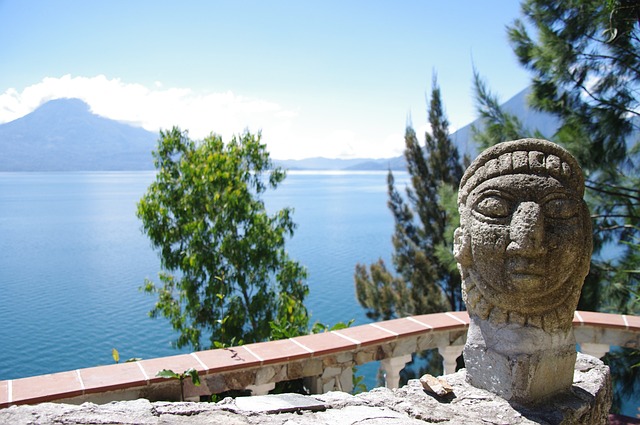
Lago Atitlan, Guatemala
Aldous Huxley called Lake Atitlán “the most beautiful lake in the world” in 1934, and that quote has been in every guidebook about the place ever since. The lake sits at 1,560 metres in the Guatemalan highlands, surrounded by three dormant volcanoes – Atitlán, Tolimán, and San Pedro – and about a dozen Maya villages around its shores. The combination of the dark water, the...
read more
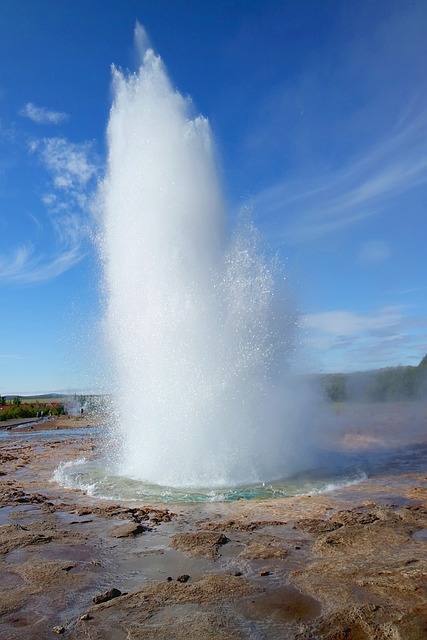
Great Geysir, Iceland
Geysir: The Original Geyser and the Golden Circle Every word form of “geyser” in every language traces back to one Icelandic hot spring: the Great Geysir in the Haukadalur valley in southwestern Iceland. The name comes from the Old Norse “gjósa,” to gush. Geysir has been erupting intermittently for at least 800 years; historical accounts describe columns reaching 80 metres....
read more
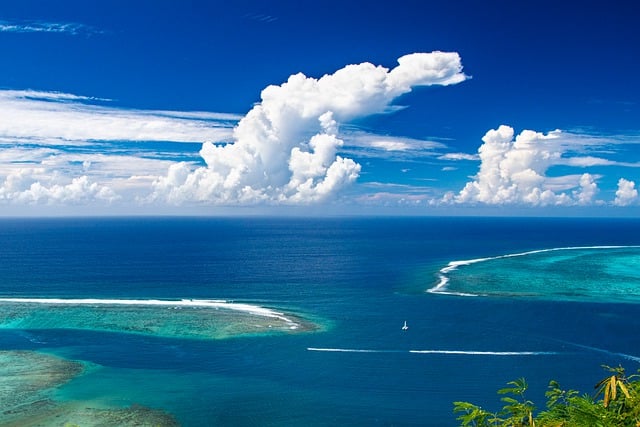
Pacific Islands
Pacific Islands: Which One and Why It Matters “Pacific Islands” covers approximately 25,000 islands scattered across Melanesia, Micronesia, and Polynesia in an ocean larger than all Earth’s landmasses combined. The generic category is useful for travel searches but tells you almost nothing useful. Each archipelago has its own distinct culture, price point, infrastructure, and...
read more
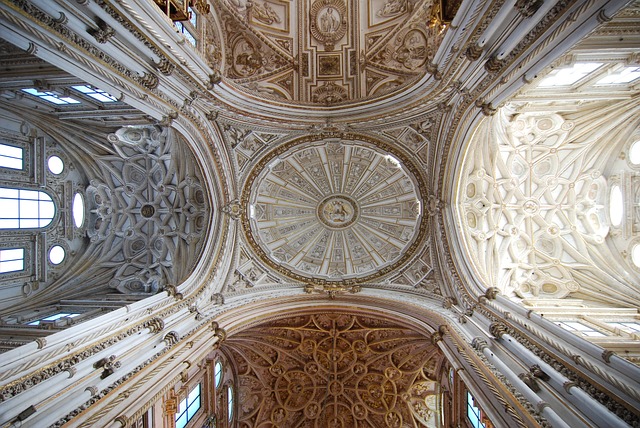
Mezquita of Cordoba
The Mezquita of Cordoba: A Building That Refuses to Be One Thing When Charles V came to Cordoba to inspect what the local diocese had done with the Great Mosque in 1523, inserting a full Gothic cathedral into the centre of it, he reportedly said: “You have destroyed something unique to build something ordinary.” This is the most honest review of the Mezquita-Catedral ever written, and...
read more
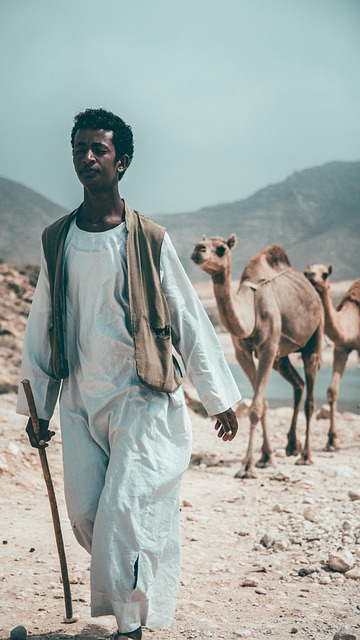
Nizwa Oman
Nizwa: Oman’s Ancient Capital and One of the Country’s Most Rewarding Day Trips Nizwa sits 165km south of Muscat in the Hajar Mountains and was the historical capital of Oman for much of the country’s history, the seat of the Ibadi Islamic imams who held combined religious and temporal authority. It is the most historically significant city in Oman and gives a more complete...
read more
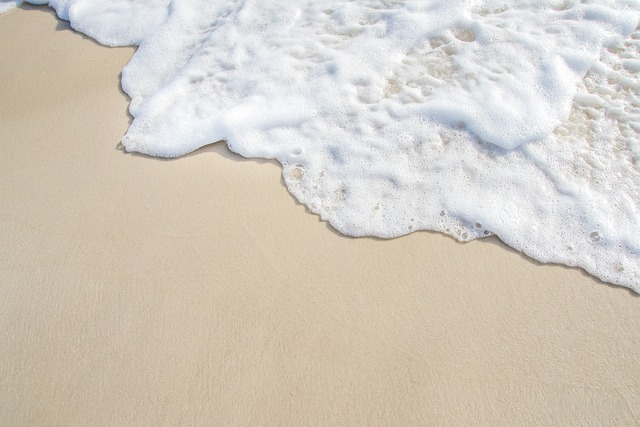
Camber Sands Beach
Camber Sands: The Only Sand Dune Beach in East Sussex Camber Sands does something most English beaches cannot: it looks like the coast of Portugal if you photograph it right. The dune system reaches 30 metres high in places, the sand is proper soft beach sand rather than the shingle that dominates the Kent and Sussex coastlines, and at low tide the sea retreats far enough that the beach triples in...
read more
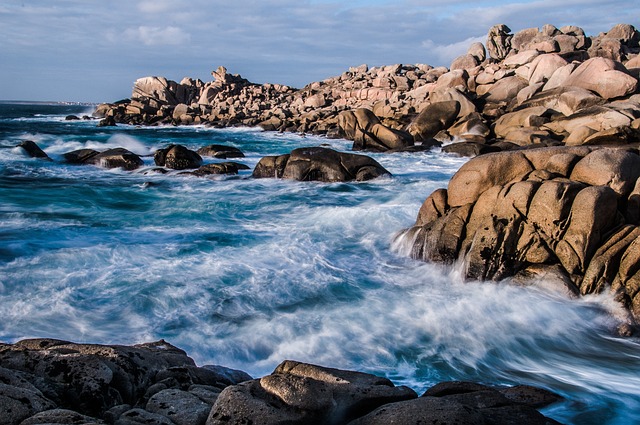
Rock Formations in Salta Province, Argentina.
Salta Province: Northwest Argentina’s Geological Spectacle In 1999, archaeologists found three perfectly mummified Inca children on the summit of Cerro Llullaillaco in Salta Province, at 6,739 metres. They had been sacrificed approximately 500 years earlier as part of the capacocha ritual – left with food, clothing, and offerings at the highest altitude Inca ceremonial site ever...
read more
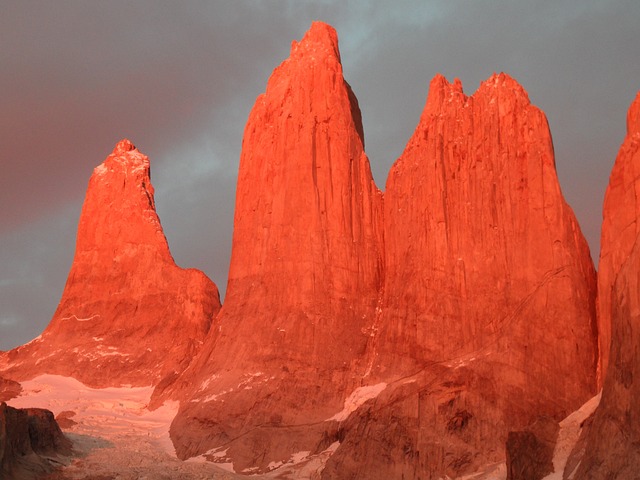
Torres Del Paine
Torres del Paine: The Logistics Are Worth It Torres del Paine National Park sits about 2,000km south of Santiago in Chilean Patagonia, and reaching it requires a connection to Punta Arenas or Puerto Natales and then road travel into the park. All of that is true. It is also one of the most extraordinary landscapes in the Southern Hemisphere, and the difficulty of getting there is part of what...
read more
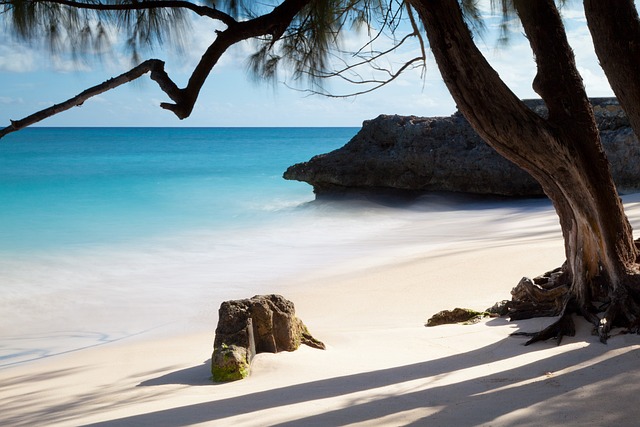
Barbados
Every Friday evening, the small town of Oistins on the south coast of Barbados holds a fish fry. Locals and visitors crowd around open-air stalls serving fresh-caught fish – flying fish and mahi-mahi primarily – grilled or fried, with rice and peas, macaroni pie, and coleslaw. The prices are reasonable, the sound system is loud, and the experience is what Barbados at its best actually...
read more
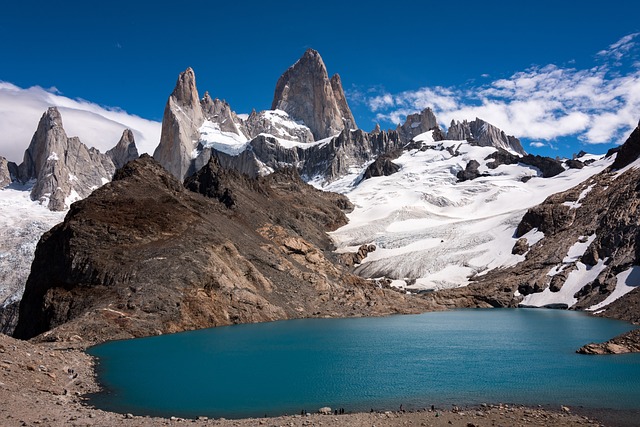
Valpara So Chile
Valparaíso: The Vertical City That Rewards Getting Lost Valparaíso was the most important port on the Pacific coast of South America for roughly 40 years. Then the Panama Canal opened in 1914, redirected trans-oceanic shipping away from Cape Horn, and the city entered a long economic decline. This turned out to be architecturally fortunate: Valparaíso couldn’t afford to tear down its...
read more
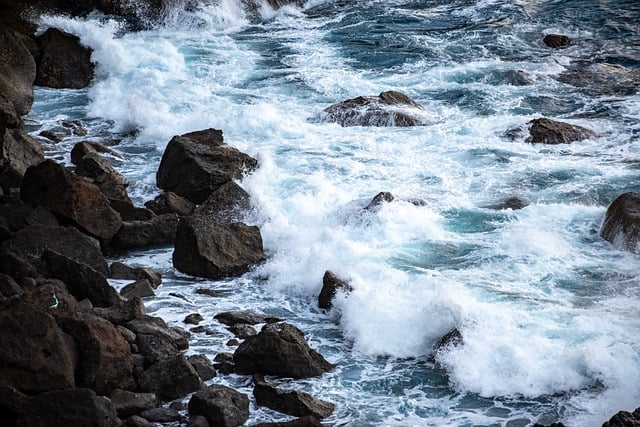
Bay of Fundy
Bay of Fundy: 100 Billion Tonnes of Water, Twice a Day The statistic is so large it sounds like exaggeration, but it isn’t: the Bay of Fundy moves more water in a single tidal cycle than all the world’s rivers combined. The tidal range reaches 16 metres at its maximum – roughly the height of a five-storey building – and the entire bay empties and refills twice every 24...
read more
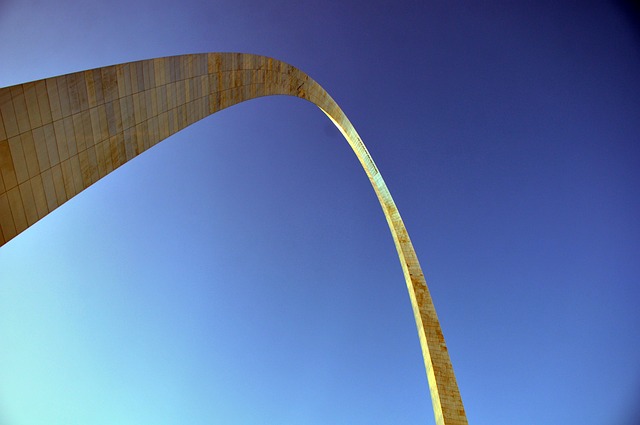
Gateway Arch
The Gateway Arch, St. Louis: Engineering the West’s Symbol The Gateway Arch is 192 metres tall, which makes it taller than the Washington Monument and the Statue of Liberty. The engineering required to build it between 1963 and 1965 was genuinely difficult: the two legs had to be constructed simultaneously and meet precisely at the apex, which required calculations at the limits of what was...
read more
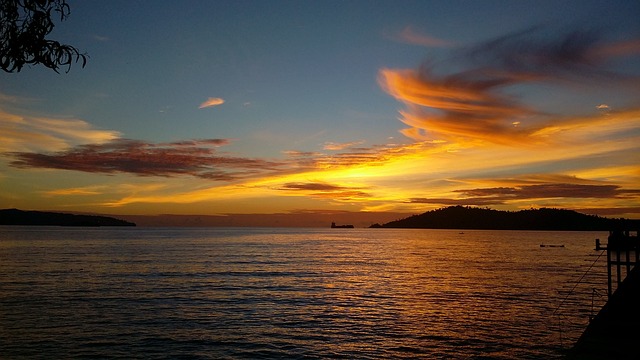
Kota Kinabalu
Kota Kinabalu: The Gateway to Mount Kinabalu and Sabah’s Coast On a clear morning from the KK waterfront, Mount Kinabalu rises 54km to the north and looks, frankly, unlikely. It is 4,095 metres above sea level, the highest peak in Southeast Asia outside New Guinea, and it sits in the same frame as islands you can reach by speedboat in 20 minutes. Kota Kinabalu manages to be both a genuinely...
read more

Bet Shean
Bet She’an: Seven Thousand Years Under the Same Sun Stand on the top of Tel Beit Shean and you’re looking down at one of the longest continuously occupied sites in human history: approximately 7,000 years of settlement in the Jordan Valley, from the Chalcolithic period around 4500 BCE through the medieval Islamic era. Most visitors come for the Roman city, Scythopolis, and the Roman...
read more
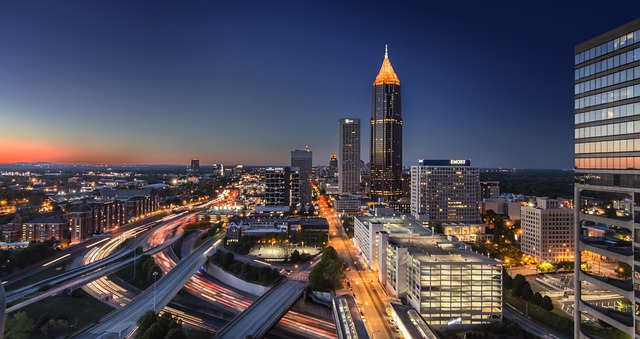
Atlanta
Atlanta: The City That Burned Down and Built Something Better Atlanta was burned by Union forces in 1864, rebuilt within years, hosted the 1996 Summer Olympics, became the headquarters of Coca-Cola, CNN, Delta, and the CDC, and developed one of the most important civil rights histories of any American city. That last part is underused by visitors who spend three hours at the aquarium and wonder...
read more
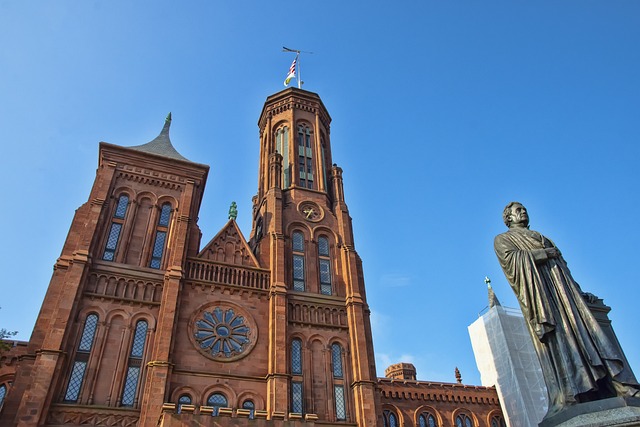
The Smithsonian Museum
The Smithsonian: Which Museums to Actually Prioritise The original Wright Flyer from Kitty Hawk (1903) hangs from the ceiling of the Air and Space Museum’s Milestones of Flight gallery. It is smaller than you expect and more fragile-looking. The wood-and-fabric aircraft that changed what humans do for 7 minutes on December 17, 1903, before the wind damaged it and ended the day’s...
read more
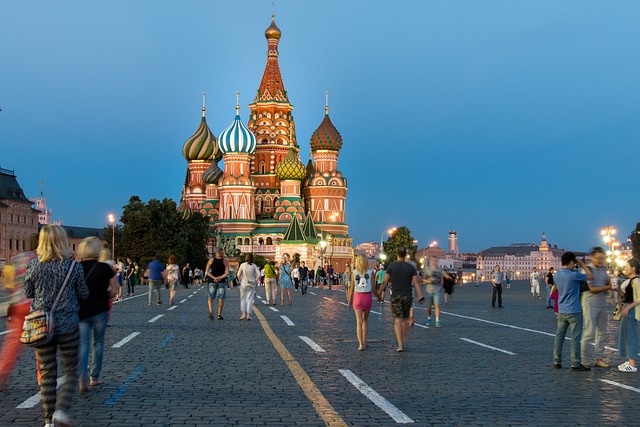
St. Basils Cathedral
St. Basil’s Cathedral: Russia’s Most Photographed Building Up Close St. Basil’s Cathedral sits at the south end of Red Square, and no photograph prepares you for the colours in person. The nine onion domes are each painted differently: deep reds, greens, yellows, and a twisting pattern that looks like no other church architecture in the Orthodox world. Ivan the Terrible...
read more
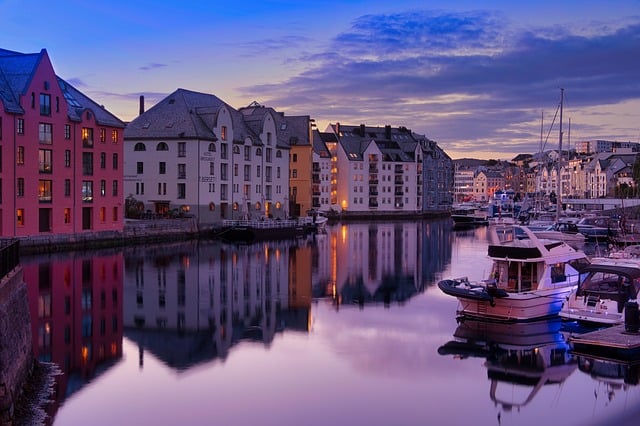
Kjeragbolten, Norway
Kjeragbolten: The Boulder, the Hike, and What It Actually Takes Kjeragbolten is a boulder roughly the size of a car wedged in a crack on the face of Kjerag mountain, 984 metres above the Lysefjord. The photograph of a person standing on it with the fjord far below and nothing underneath has become one of the defining images of adventure travel in Norway. The question worth asking honestly: is...
read more
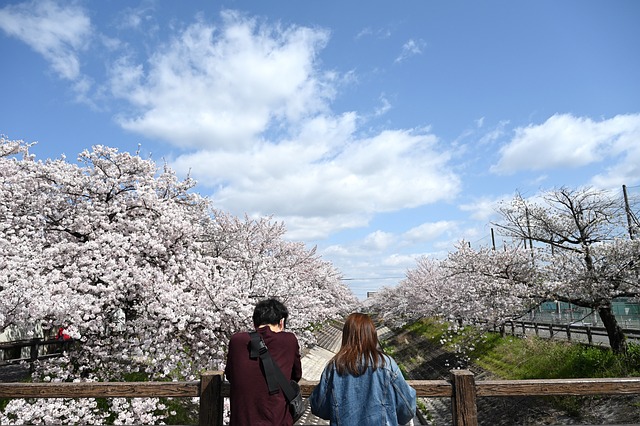
Lovers Bridge
Lovers Bridge in Niagara Falls sits along the Niagara Parkway, a landscaped boulevard that follows the Canadian side of the Niagara River from the falls upstream toward the Whirlpool. The bridge itself is a modest pedestrian crossing, but the Niagara Parks Commission land it sits within is genuinely well-kept, and the surrounding area offers some of the better viewpoints on the Canadian side.
The...
read more
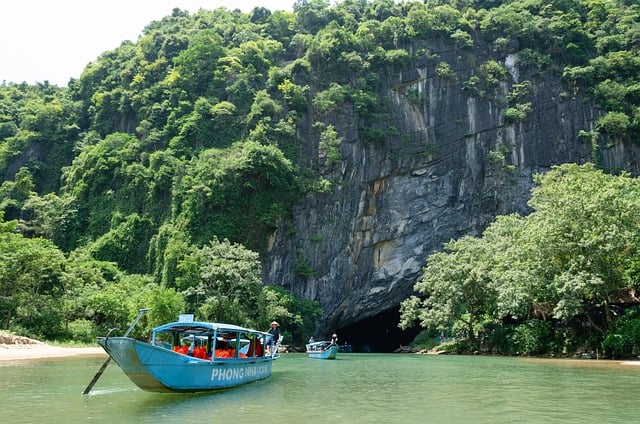
Phong Nha-Ke Bang National Park
Phong Nha-Ke Bang: Vietnam’s Cave Country Son Doong, the world’s largest cave by volume, has its own weather system, a subterranean jungle, and an underground river running through a chamber large enough to fit a Boeing 747 and still have space left. It was only surveyed by Western cavers in 2009. Son Doong is in the Phong Nha-Ke Bang karst formation in central Vietnam, and it is only...
read more
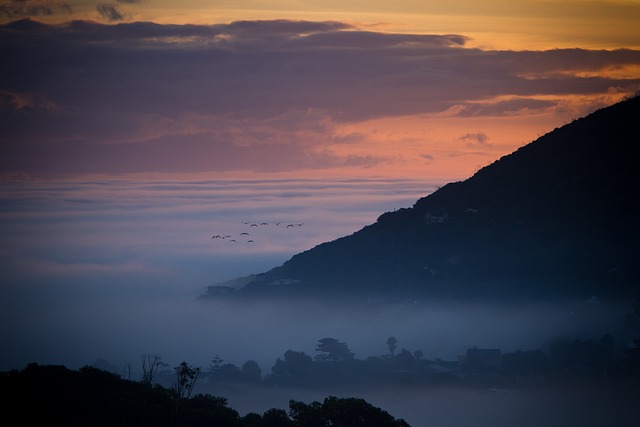
Cape Tribulation
Cape Tribulation: Where Two UNESCO World Heritage Sites Share a Coastline Captain James Cook named this headland “Cape Tribulation” in 1770 after his ship struck a reef nearby. The name stuck. What he couldn’t have known is that the reef that troubled him was the outer edge of the Great Barrier Reef - and that the rainforest immediately behind the beach where his crew made...
read more
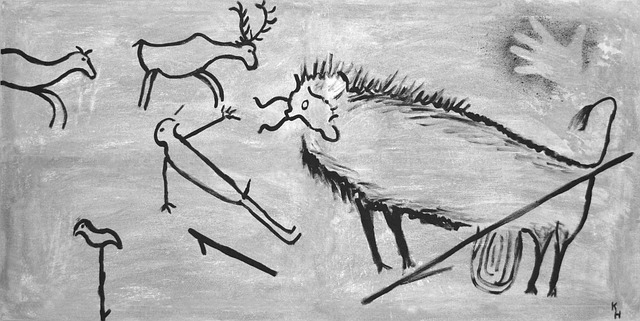
Lascaux Caves France
Lascaux: Why You Cannot See the Original Cave (and What to Do Instead) The original Lascaux cave near Montignac in the Dordogne has been closed since 1963. Four teenagers discovered it in September 1940, following their dog down a collapsed tree root shaft. When it opened to visitors in 1948, the cave received 1,200 visitors per day. Within a decade, the carbon dioxide and humidity from those...
read more
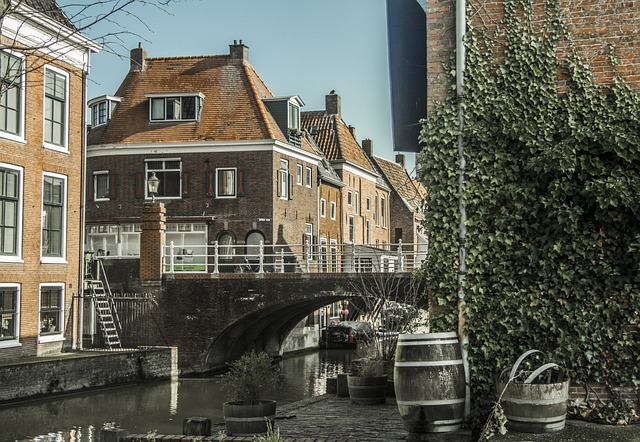
Baarle Nassau Netherlands
Some buildings in Baarle Nassau have their front door in the Netherlands and their back door in Belgium. The buildings are not large. The two countries share a kitchen, or a hallway, or a dining room wall. This is not a tourist installation – it is the actual legal and geographical situation that results from medieval land treaties never being properly resolved, and it has been this way for...
read more
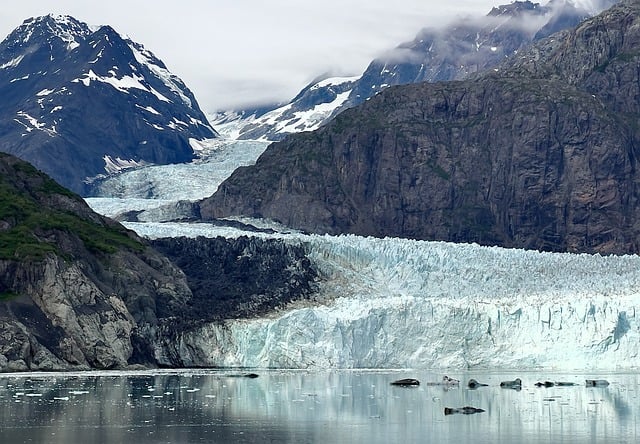
Glacier Bay Basin
Glacier Bay: What 200 Years of Retreat Looks Like, Compressed Into One Place In 1750, the entirety of what is now Glacier Bay was covered by a single vast ice mass more than a kilometre thick. George Vancouver sailed past the entrance in 1794 and found only 5 kilometres of open water. When John Muir arrived in 1879, the bay had opened 77 kilometres. Today the bay extends 105 kilometres and the...
read more
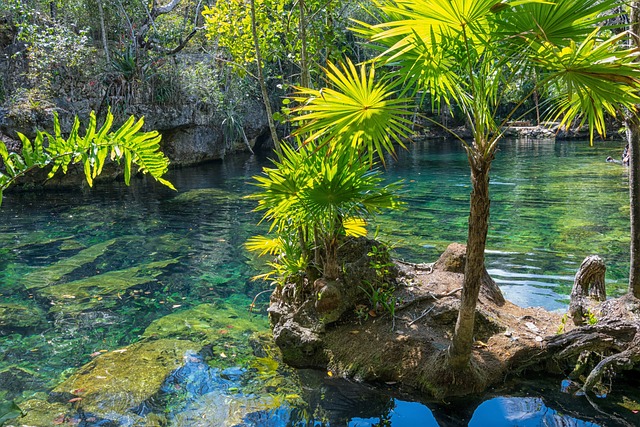
Bathe in a Cenote in the Yucatan Mexico
Cenotes: The Yucatan’s Sacred Wells, and How to Visit Them Well The word cenote comes from the Mayan term d’zonot, meaning sacred well. The ancient Maya didn’t use that word as a description of a nice swimming hole. These sinkholes were the primary freshwater source across a limestone peninsula with no surface rivers, and they were ritual spaces where the Maya made offerings to...
read more
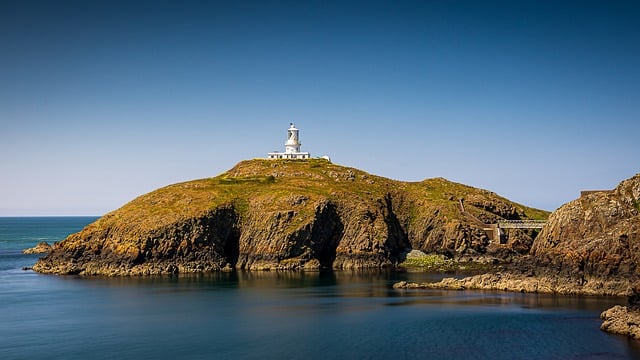
Pembrokeshire Coast National Park, Wales
Pembrokeshire: The Only Coastal National Park in Britain Pembrokeshire Coast National Park was designated in 1952 specifically for its coastline, which makes it unique among British national parks. The 299km Coast Path from St Dogmaels in the north to Amroth in the south takes around 15 days to walk end-to-end; the total elevation gain is roughly equivalent to climbing Everest. Individual day...
read more
Kailash Kher
Kailash Kher and the Music of Delhi Kailash Kher’s voice sounds like it was quarried from somewhere. He trained in Hindustani classical tradition, spent years struggling in Delhi – reportedly doing manual work and occasionally giving up on music entirely – before breaking through in 2003 with “Allah Ke Bande” on a Bollywood soundtrack. Since then he’s released...
read more
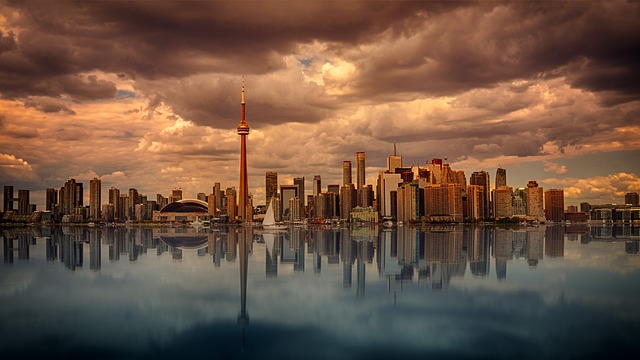
Gaspé Peninsula, Canada
The Gaspe Peninsula: Quebec’s Wild Eastern Tip The Gaspe Peninsula (La Gaspesie in French) extends 200 km into the Gulf of St. Lawrence from the eastern end of Quebec, with the St. Lawrence River on its north shore and Chaleur Bay on the south. The land is mountainous in the interior (the Chic-Choc Mountains, part of the Appalachian chain, reach 1,268 metres at Mont Jacques-Cartier),...
read more
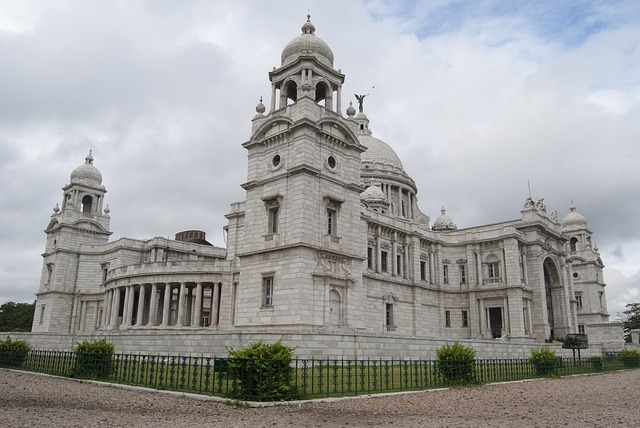
Kolkata (কলকাতা), West Bengal, India
Kolkata: India’s Most Underrated Major City Every major Indian city has a reputation that precedes it. Delhi has power and monuments; Mumbai has money and ambition; Jaipur has forts and tourists. Kolkata gets sadness and decay, which is unfair and increasingly outdated. The city that served as British India’s capital for nearly a century has extraordinary colonial architecture, a...
read more
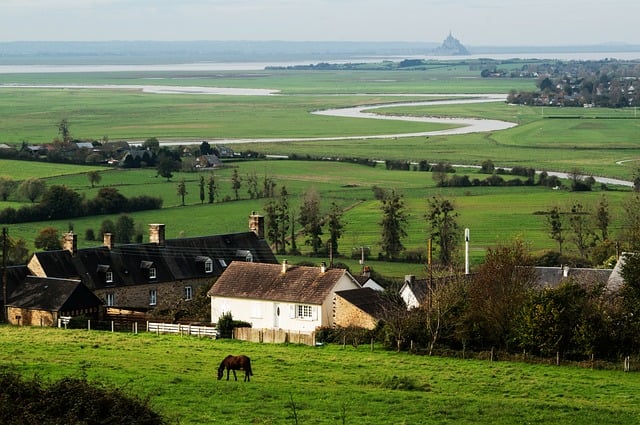
Clovelly Village
Clovelly: The Devon Village Where Cars Cannot Go Clovelly in North Devon is a fishing village built on a cliff face so steep that the main street is effectively a cobbled staircase descending 120 metres to the harbour. No wheeled vehicles enter. Residents use sledges to move supplies down. Donkeys were historically used for the same purpose; they’re still kept here and appear in the...
read more
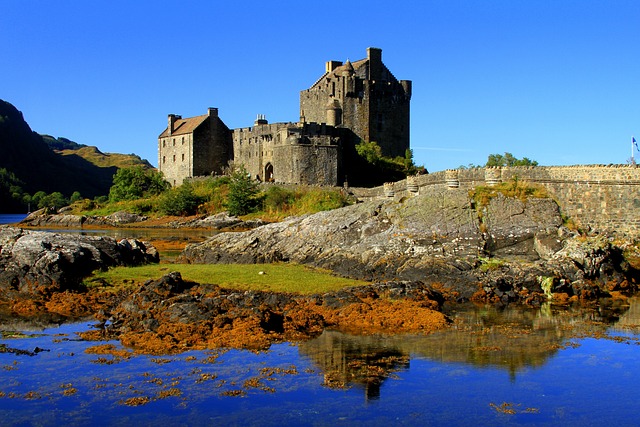
Loch Ness
Loch Ness: The Monster Is a Marketing Asset, The Loch Is Real The 1934 “Surgeon’s Photograph” of the Loch Ness Monster, which drove the legend into international consciousness, was exposed in 1994 as a hoax: a toy submarine fitted with a plasticine head, staged by a man seeking revenge against the Daily Mail. This debunking has had essentially no effect on visitor numbers. The...
read more
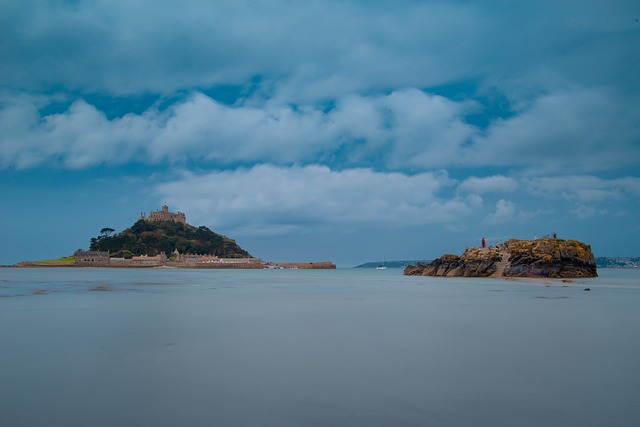
St Michaels Mount
St Michael’s Mount: Cornwall’s Tidal Island Worth the Timing The causeway to St Michael’s Mount disappears twice a day. That basic fact, the sea physically cutting off the island from the mainland at high tide, shapes every visit. Get the tide times wrong and you’re either stranded or waiting on the Marazion beach for the water to drop. Get them right and you walk across an...
read more
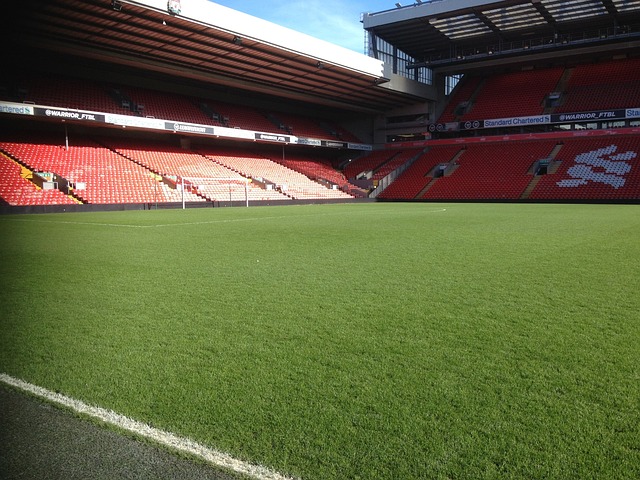
Anfield
Anfield: What It Feels Like When 61,000 People Sing Together The “This Is Anfield” sign hangs above the tunnel through which Liverpool’s players walk onto the pitch. The tradition is that players touch it on the way out; visiting teams do not. This tiny piece of theatre has been repeated before every Liverpool home match for decades, and when you stand in the tunnel on the...
read more
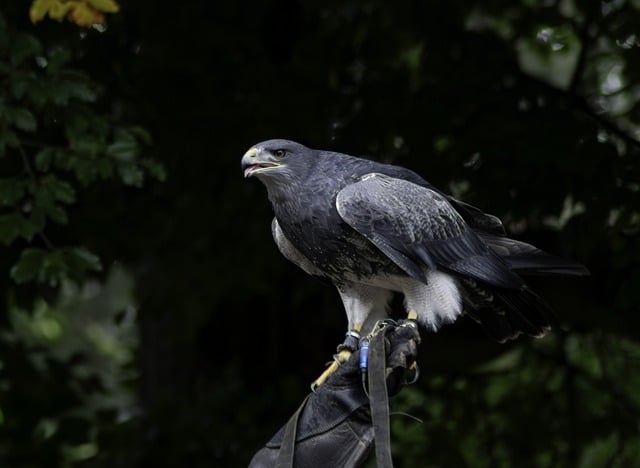
Cordillera Terraces, Philippines
Banaue and Batad: The Ifugao Rice Terraces in Practice The Ifugao rice terraces of the Cordillera region in northern Luzon have been in continuous cultivation for more than 2,000 years. The Ifugao people carved approximately 20,000 square kilometres of mountainside into a stacked system of irrigated paddies fed by a network of wooden channels and aqueducts flowing from the forests above. The...
read more
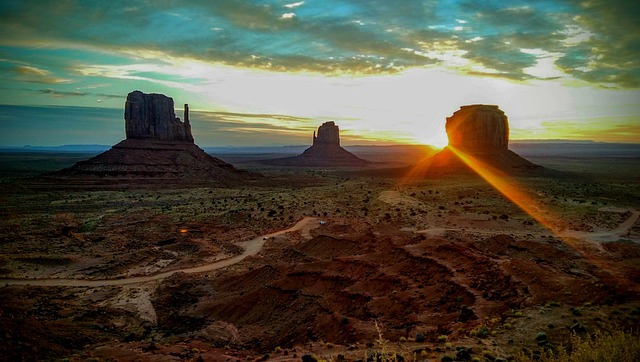
Monument Valley Navajo Tribal Park
Monument Valley: Recognisable Before You Arrive John Ford discovered Monument Valley in 1938 while scouting locations for Stagecoach. He returned for eight more films. By the time he finished with The Searchers in 1956, he had constructed so much of the visual vocabulary of the American Western around those sandstone buttes that the landscape was already mythologised before most Americans had ever...
read more
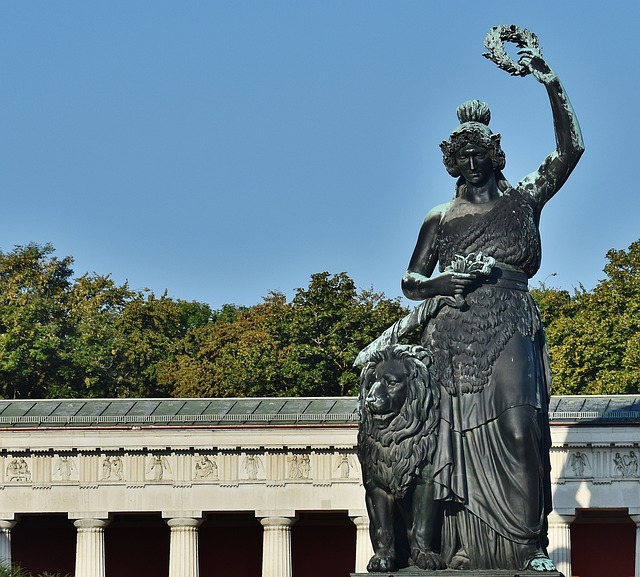
Theresienwiese
Theresienwiese: Munich’s Famous Field, 11 Months of the Year Oktoberfest is not held in October. The dates were shifted to September in the 19th century for better weather, so the 16-18 days that fill Theresienwiese every year start the penultimate Saturday of September and end the first Sunday of October. The name has been wrong for 150+ years and nobody is particularly bothered.
Most...
read more
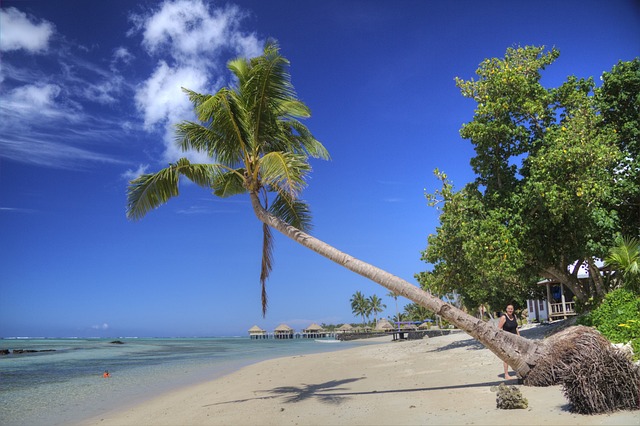
Tu Sua, Samoa
To Sua Ocean Trench: Samoa’s Most Photographed Swimming Hole To Sua (the name means “big hole” in Samoan) is a large ocean trench on the south coast of Upolu, connected to the sea by underground lava tubes. The water inside is deep blue-green, the walls are lush, and a long wooden ladder is the only way down. It’s a 30-second swim across and back. It’s also genuinely...
read more
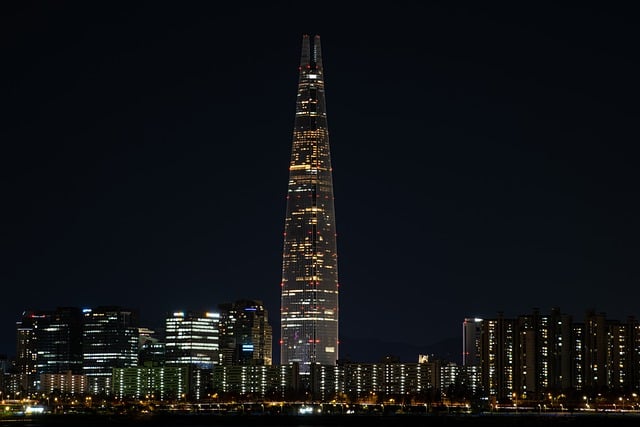
N Seoul Tower
N Seoul Tower: A View from Namsan, With Some Caveats N Seoul Tower sits on top of Namsan Mountain at an elevation of about 480 metres, giving it a meaningful advantage over other Seoul observation points. The tower itself adds 237 metres. On a clear day you can see Bukhansan to the north, the Han River snaking through the city, and on winter days after rain has cleared the air, the edge of the...
read more
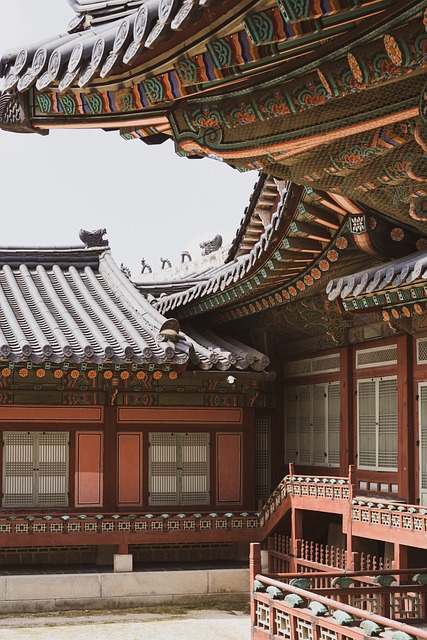
Changdeokgung Palace Complex, South Korea
Changdeokgung: The Palace Most Visitors Skip, to Their Own Loss Most first-time visitors to Seoul head to Gyeongbokgung because it’s larger and the photos are more immediately dramatic. That’s a defensible choice, but Changdeokgung Palace rewards visitors in ways that its more famous rival doesn’t. The buildings here have a more organic relationship with the hill they sit on. The...
read more
South Georgia Island South Atlantic Ocean
South Georgia: The Southern Ocean’s Most Extraordinary Island Salisbury Plain on South Georgia holds roughly 100,000 breeding pairs of king penguins – 200,000 birds moving, calling, and navigating each other while elephant seals sleep in the grass among them. This is the largest king penguin colony on Earth by some estimates. The sound is continuous and the scale is genuinely...
read more