Recent Locations
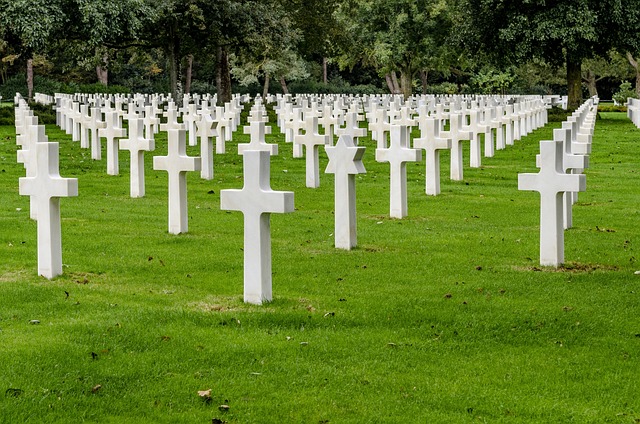
American Cemetery, Omaha Beach, France
Omaha Beach and the American Cemetery: The Ground Where History Is Still Visible The beach looks peaceful now. Tidal flats, sand, dunes, the grey-green Atlantic beyond. It takes a specific kind of attention to register that the men who died here on June 6, 1944, were crossing roughly 300 metres of open beach under fire from bluffs you can walk to in ten minutes. When you stand on those bluffs at...
read more
Lanse Aux Meadows, Canada
L’Anse aux Meadows: Where the Viking Expedition Ended The mounds at L’Anse aux Meadows looked unusual to Helge Ingstad in 1960. He was flying over the northern tip of Newfoundland and the shapes in the boggy headland seemed wrong for natural features. He landed, investigated, and began the excavations that proved what he suspected: the remains of Norse sod-and-timber structures from...
read more
Valley of the Kings
Valley of the Kings: Beyond Tutankhamun’s Tomb The Valley of the Kings is a dry ravine on the Nile’s west bank opposite Luxor, used as a royal necropolis for 500 years during the New Kingdom period from the 16th to 11th centuries BC. Archaeologists have identified 63 tombs. Almost every single one was plundered in antiquity. This matters for understanding what you’re visiting:...
read more
Encontro Das Aguas
Encontro das Aguas: Where the Amazon’s Two Biggest Rivers Refuse to Mix About 10 kilometres east of Manaus, the Rio Negro meets the Amazon (Rio Solimoes) and for the next 6 kilometres the two rivers flow side by side without blending. The Rio Negro runs black – coloured by tannins from decomposing forest matter, like very strong tea – and the Solimoes runs sandy brown, dense with...
read more
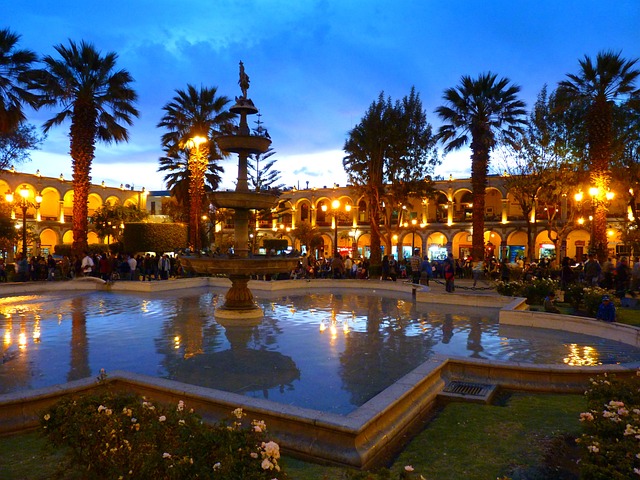
Arequipa, Peru
Arequipa: The White City in the Shadow of Three Volcanoes Arequipa sits at 2,335 metres above sea level in a valley between three volcanoes: El Misti (5,822m, perfectly conical, perpetually snow-capped), Chachani (6,057m), and Pichu Pichu (5,664m). The colonial city centre is built almost entirely from sillar, a white volcanic stone quarried from those same volcanoes, which gives the buildings a...
read more
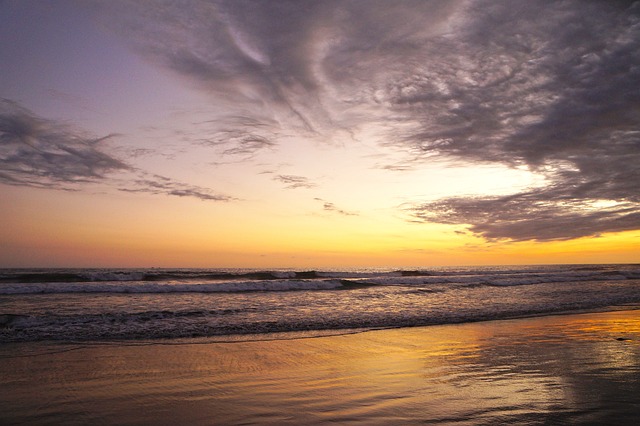
Ruta De Las Flores, El Salvador
Ruta de las Flores: El Salvador’s Coffee Highlands Route El Salvador is one of the most overlooked countries in Central America for travel, partly because of its history of violent crime and partly because it lacks the Maya ruins that draw people to Guatemala and Mexico. The Ruta de las Flores in the western Apaneca-Ilamatepec mountains deserves more attention than it gets. The route...
read more
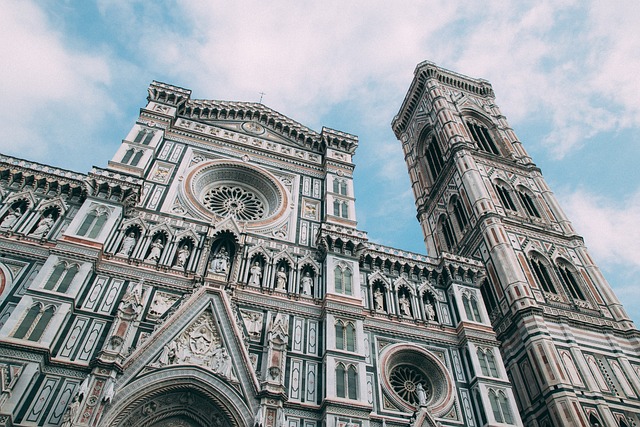
Santa Maria Del Fiore (Duomo Di Firenze / Florence Cathedral)
Santa Maria del Fiore: The Cathedral That Took 140 Years to Build The Florence Cathedral is so omnipresent in the city’s skyline that locals stop seeing it. Tourists stop seeing it differently: they photograph it from the piazza, check it off the list, and leave without going up. That’s a mistake with real costs, because the dome climb is one of the best tourist experiences in Italy...
read more
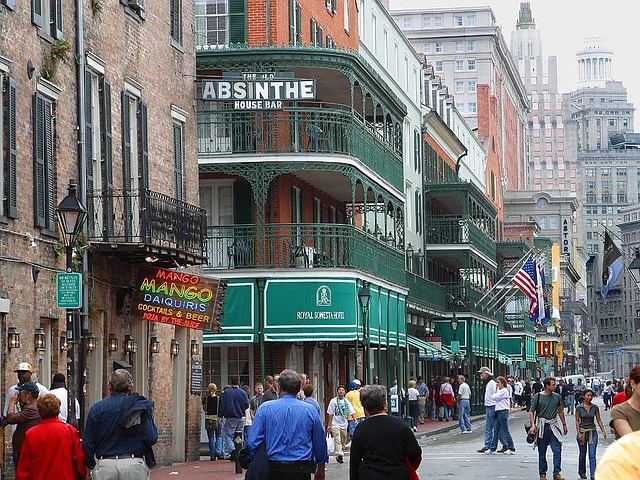
Bourbon Street, New Orleans
Bourbon Street: The Good Parts Are Not on Bourbon Street That’s the thing nobody tells you before the first visit. The best bars in New Orleans, the best live music, the best food in the French Quarter, essentially none of it is on Bourbon Street itself. The street is a pedestrian spectacle of neon signs, open-container culture, and the world’s strongest frozen daiquiris served from...
read more
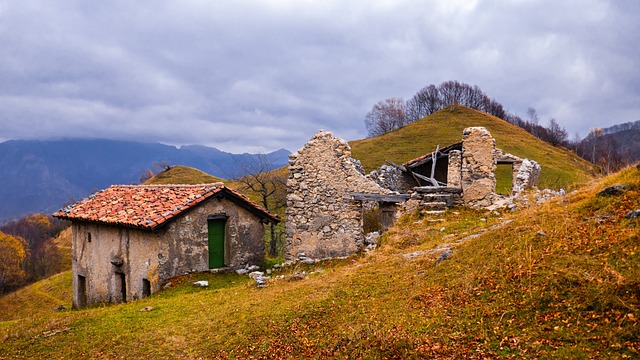
Ruins of Kilwa Kisiwani and Ruins of Songo Mnara
Kilwa Kisiwani and Songo Mnara: Tanzania’s Forgotten Trading Empire In 1331, the Moroccan traveller Ibn Battuta visited the East African coast and called Kilwa “one of the most beautiful and well-constructed towns in the world.” He was not being diplomatic. Kilwa Kisiwani, on a small island about 300km south of Dar es Salaam, was the centre of an Indian Ocean gold trade that...
read more
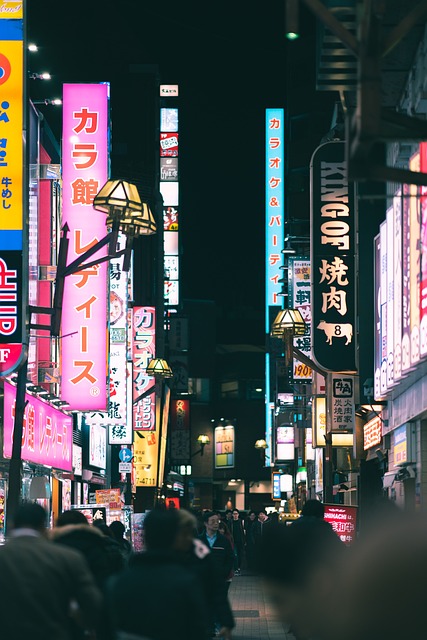
Tokyo Tower
Tokyo Tower was the world’s tallest freestanding structure when it opened in 1958, modelled on the Eiffel Tower but painted orange and white for aviation safety rather than grey. It held the height record for a decade before being surpassed by Moscow’s Ostankino Tower in 1967. The more recent comparison is Tokyo Skytree, which opened in 2012 at 634 metres – officially the tallest...
read more
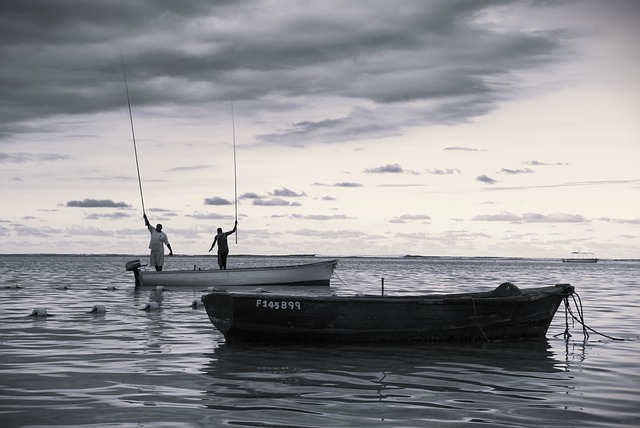
Boundary Waters Canoe Area Wilderness
Boundary Waters Canoe Area Wilderness: 1 Million Acres Without a Road On the second day in the Boundary Waters, after the portage over the ridgeline and down to a lake with no other boats in sight, the quiet becomes something you can hear. Not silence: loons calling, a beaver working the shore somewhere to the north, the small sound of water against the hull. What’s absent is road noise,...
read more
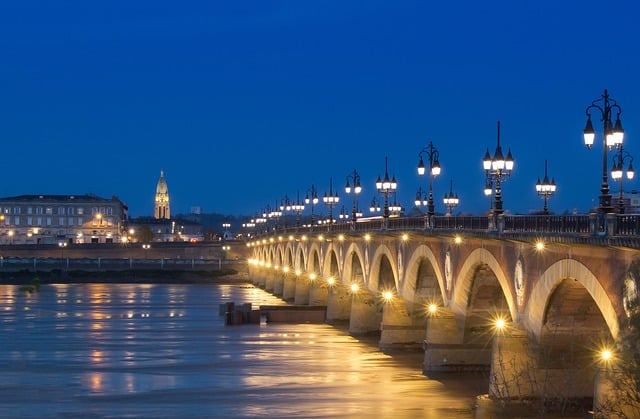
Millau Bridge France
Millau Viaduct: The Tallest Bridge in the World, in the Right Valley The approach from the north on the A75 is the correct way to see the Millau Viaduct for the first time. You crest a rise and the full structure appears ahead of you, spanning the Tarn valley at a height that seems wrong in the way that anything too large for its context seems wrong. The tallest mast rises 343 metres above the...
read more
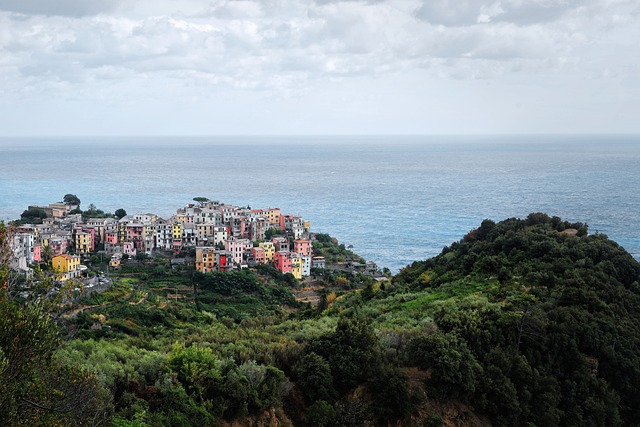
Cinque Terre
Cinque Terre: The Photography Is Accurate. So Are the Crowds. Five small villages on a 12km stretch of Ligurian coast: Monterosso al Mare, Vernazza, Corniglia, Manarola, Riomaggiore. Each built vertically up the cliff face, coloured facades facing the sea. The photographs you’ve seen are accurate representations of what’s there. So are the accounts of summer crowds. Understanding both...
read more
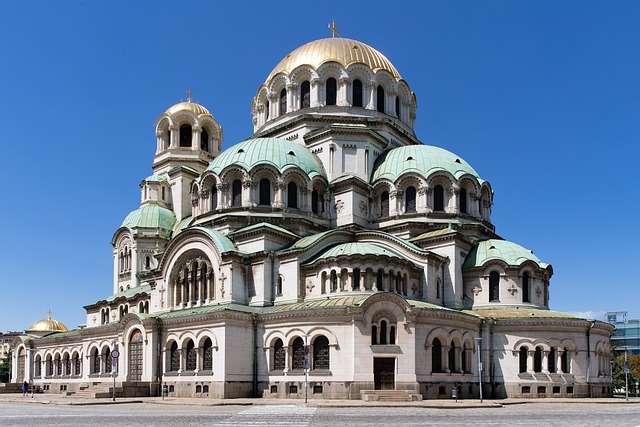
Alexander Nevsky Cathedral
Alexander Nevsky Cathedral, St. Petersburg: The Monastery at the End of Nevsky Prospekt Nevsky Prospekt is 4.5 kilometres long and runs from the Admiralty at the western end to the Alexander Nevsky Monastery at the eastern end. Peter the Great commissioned both the avenue and the monastery in the early 18th century; the monastery was built on the site where, according to tradition, the...
read more
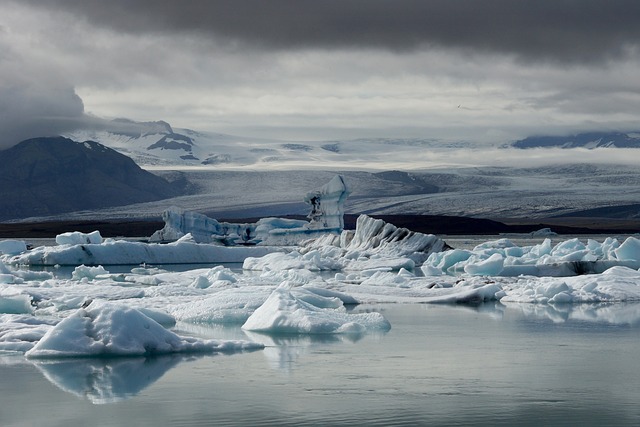
Glacier Tour on Athabasca Glacier, Canada
The Athabasca Glacier, Alberta: Ice You Can Walk On The markers along the road to the Athabasca Glacier tell you more about climate change than most museum exhibits. Wooden signs at intervals show where the glacier’s toe was in specific years: 1900, 1920, 1940, 1960, 1980, 2000, 2020. The retreating distance between each sign is larger than the previous interval. From the current glacier...
read more
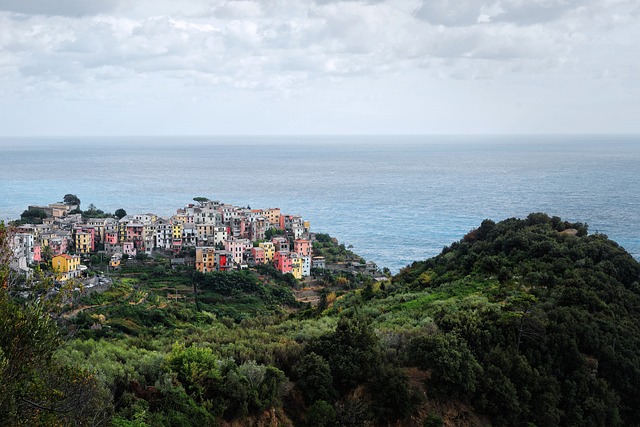
Cinque Terre National Park
Cinque Terre: Five Villages, One Honest Assessment The five villages of Cinque Terre (Riomaggiore, Manarola, Corniglia, Vernazza, Monterosso al Mare) are strung along 12km of Ligurian coastline between steep terraced hillsides and the sea. They are genuinely beautiful and have been genuinely overrun by tourism since about 2010. Day-tripper numbers from La Spezia and Genoa are significant enough...
read more
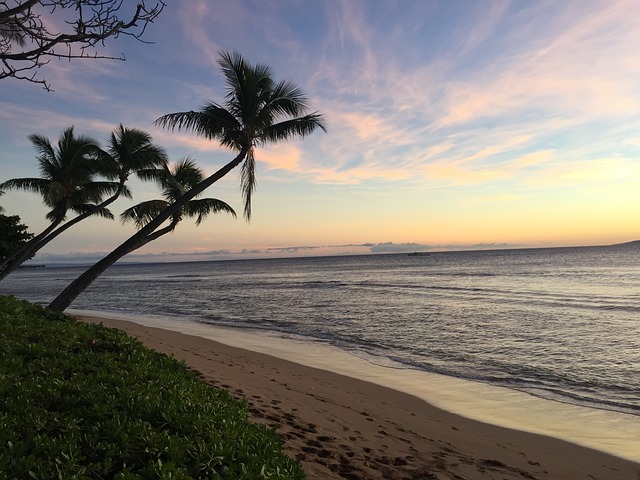
Molokai, Hawaii
Molokai: The Hawaiian Island That Deliberately Stayed Small Molokai has the highest percentage of Native Hawaiian residents of any island in the state, approximately 60%. That demographic reality shapes everything about visiting it. The island’s communities have consistently voted against large resort development, casino proposals, and the tourist infrastructure that defines Maui and Oahu....
read more
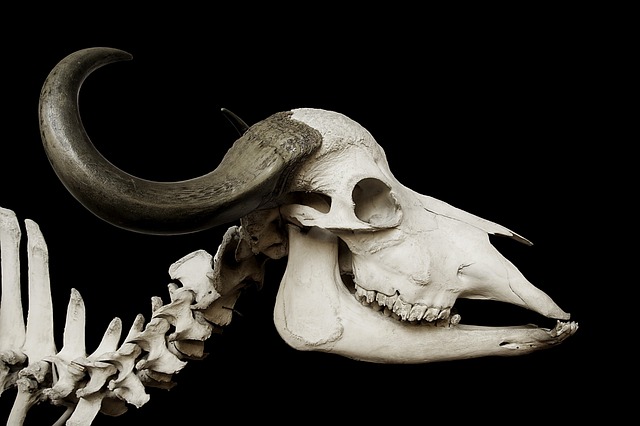
Skeleton Coast
The Skeleton Coast: Namibia’s Shipwreck Shore The Bushmen called it “The Land God Made in Anger.” Portuguese sailors called it “The Gates of Hell.” Both descriptions refer to the same physical facts: perpetual fog from the cold Benguela Current, desert heat meeting the cold sea, rocky reefs with no shelter for ships in distress, and a coastline so inhospitable that...
read more
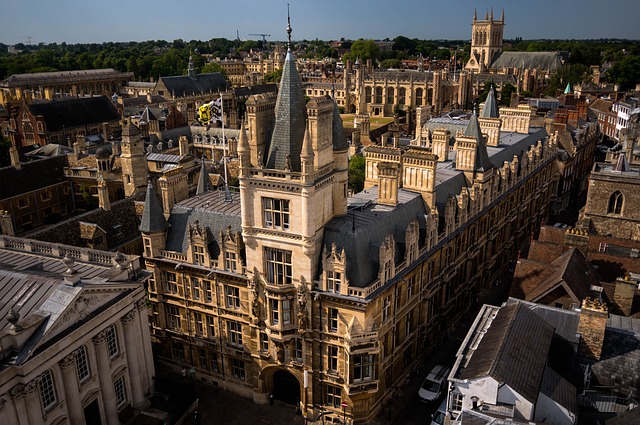
Cambridge University
Cambridge: The University Is the City Cambridge was founded in 1209 by scholars fleeing Oxford following a dispute with townspeople, which means the university began with a conflict and has been arguing about its relationship with the surrounding community ever since. Over 800 years of accumulated consequence, the result is a city where the distinction between university and town has essentially...
read more
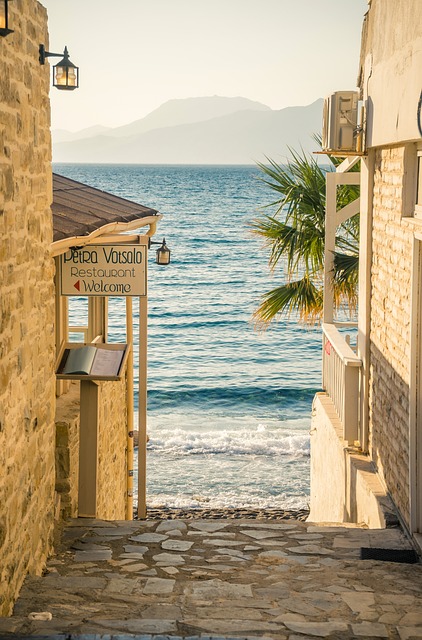
Knossos, Crete
Knossos: Europe’s Oldest Palace and Its Controversial Reconstruction When Sir Arthur Evans began excavating Knossos in 1900, he was looking for evidence of a civilisation that had been, to that point, entirely mythological. He found it: a Bronze Age palace covering 150,000 square metres, used continuously from roughly 2700 to 1450 BC, with indoor plumbing, multi-storey construction,...
read more
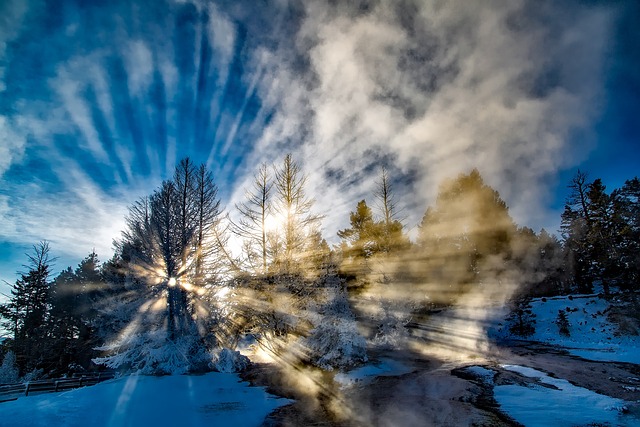
Yellowstone National Park
Yellowstone: What Three Days Gets You and What It Misses Yellowstone is 8,991 square kilometres and contains roughly half the world’s active geysers and hydrothermal features. Most first-time visitors spend two or three days and see the Grand Loop Road’s main attractions. That is a reasonable introduction, but most of what makes Yellowstone genuinely exceptional – the...
read more
Bull Running in Spain
Ernest Hemingway attended the San Fermín festival in Pamplona for the first time in 1923 and came back nearly every year until 1959. His 1926 novel The Sun Also Rises turned Pamplona into an internationally known destination, and the festival has been managing the resulting attention ever since. The Encierro – the Running of the Bulls – is eight days, July 6-14, 8am every morning, 850...
read more
Napa Valley
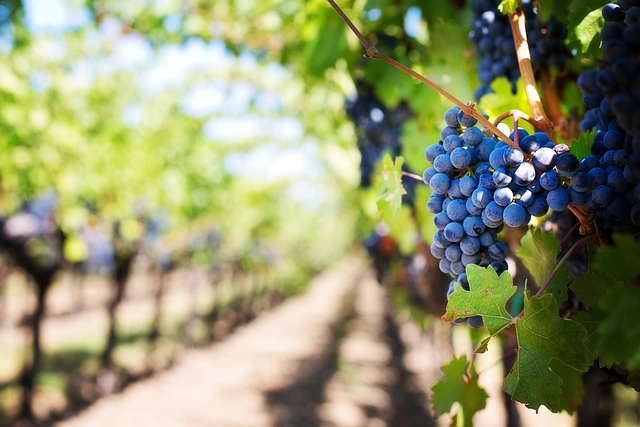
Napa Valley: What to Do When You Can’t Get Into The French Laundry The French Laundry books out three months in advance and costs around $400 per person before wine. That’s fine. Napa has enough excellent eating and drinking that you don’t need Thomas Keller’s tasting menu to have a seriously good trip. The valley is also genuinely beautiful in ways that don’t require...
read more
Castle Combe
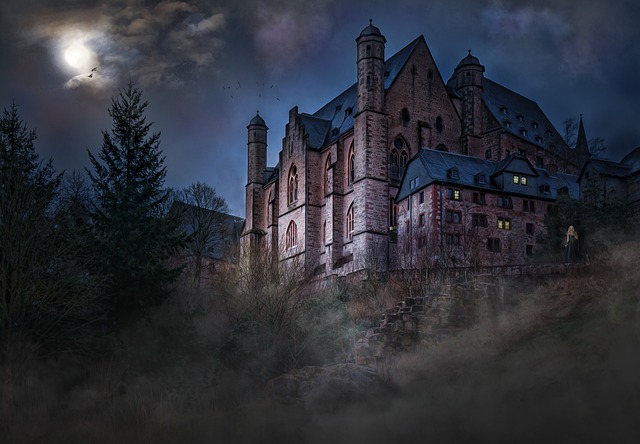
Castle Combe: England’s Most Photographed Village, and a Reasonable Defence of That Title Most “prettiest village in England” claims are marketing. Castle Combe’s has some substance to it. The village sits in a shallow valley in north Wiltshire, shielded by wooded hillsides on all sides. Honey-coloured stone cottages, a 15th-century market cross, and the spire of St...
read more
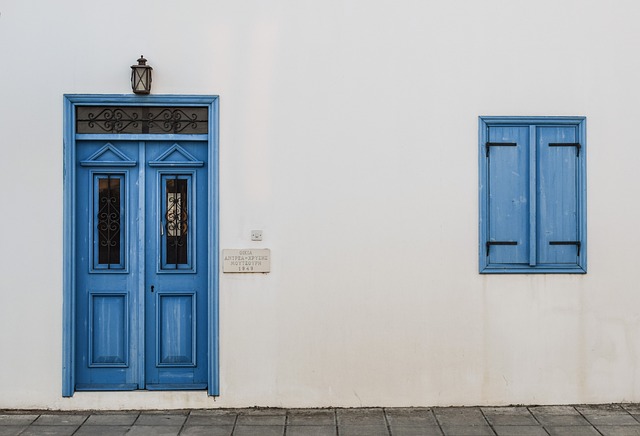
Door to Hell, Turkmenistan
Darvaza: The Burning Gas Crater in the Karakum Desert At night, the glow from the Darvaza gas crater is visible from several kilometres across the flat desert. At the rim, the heat is intense enough to feel uncomfortable within a metre or two of the edge. The sound is a deep, constant roar from 40,000 cubic metres of natural gas burning per day. The crater has been burning continuously since 1971.
read more
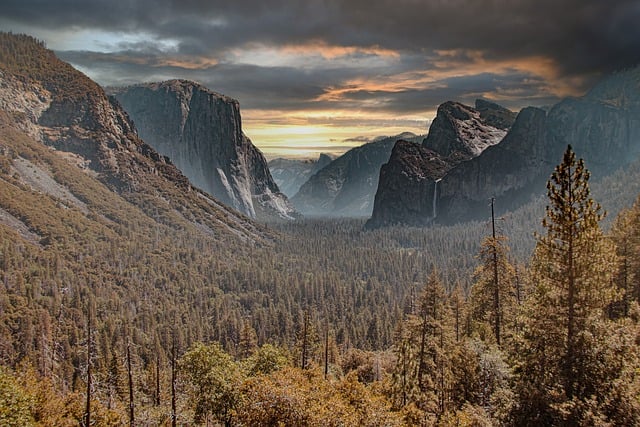
Bialowieza National Park Poland
Bialowieza: Europe’s Last Primeval Forest, With One Rule You Can’t Negotiate Bialowieza Forest is the last large remnant of the temperate primeval forest that once covered most of Europe before agriculture cleared it. It straddles the Poland-Belarus border, covers roughly 1,450 square kilometres, and contains old-growth trees that have never been logged, standing dead wood that has...
read more
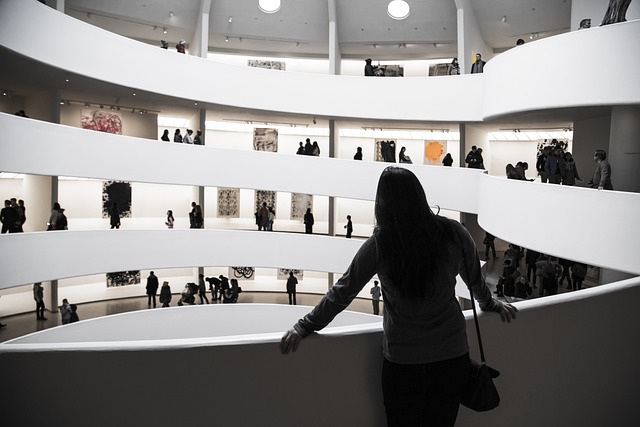
Metropolitan Museum of Art
The Metropolitan Museum of Art: Which Parts Are Worth Your Time A visitor who spent 30 seconds looking at each displayed object in the Metropolitan Museum would need 33 hours to see everything. The Met has approximately 400,000 objects on display at any given time across 17 departments. This is not a situation where a strong morning covers the essentials. The practical question for a first or...
read more
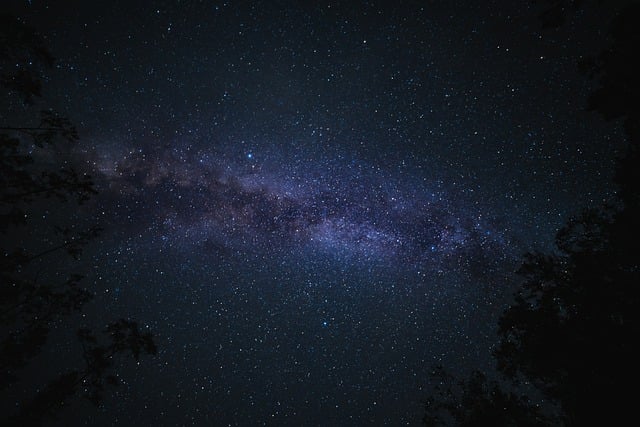
Headlands International Dark Sky Park
Headlands Dark Sky Park: One of the Best Places in the Great Lakes Region to See Stars On a clear, moonless August night here, the Milky Way appears as a distinct structural band with visible dark lanes, not the faint smear you get from most populated areas of North America. Headlands International Dark Sky Park on Michigan’s northern Lower Peninsula received Gold Tier certification from the...
read more
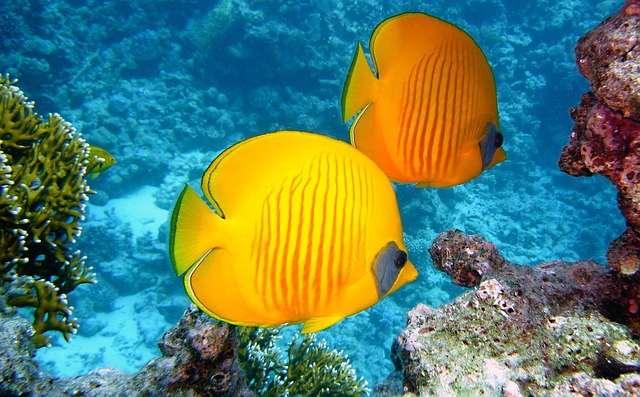
Rainbow Reef Dive Center
Rainbow Reef, Fiji: Diving the Somosomo Strait The soft coral here is not what you expect from a reef. Instead of the hard coral formations most divers associate with Pacific diving, the Somosomo Strait produces gardens of yellow, purple, orange, and white soft coral – branching, flower-like structures that cover the walls and ledges from 5 to 30 metres in a density that makes the site look...
read more
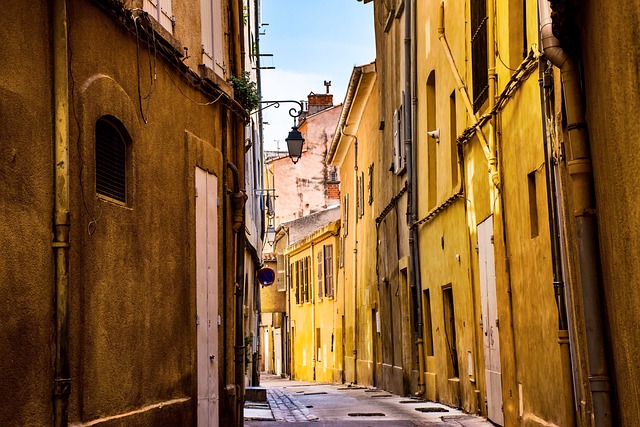
Provence (France)
Provence: The Region, the Landscape, and How to Actually See It The lavender blooms from roughly late June through late July. If lavender fields are the reason you’re going to Provence, time your trip to that window. Outside it, the fields are green or harvested brown. The landscape is still beautiful but the specific thing most visitors picture isn’t there, which produces...
read more
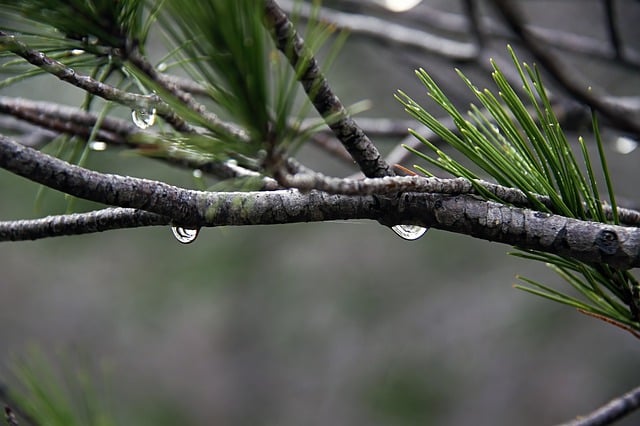
Amazon Rain Forest
The Amazon Rainforest: The Logistics Determine the Experience The Amazon covers 5.5 million square kilometres across nine countries, and “visit the Amazon” is one of those bucket-list entries that conceals the actual decision: which part, which country, what kind of experience, how much time? Getting this wrong produces a disappointing week; getting it right produces something...
read more
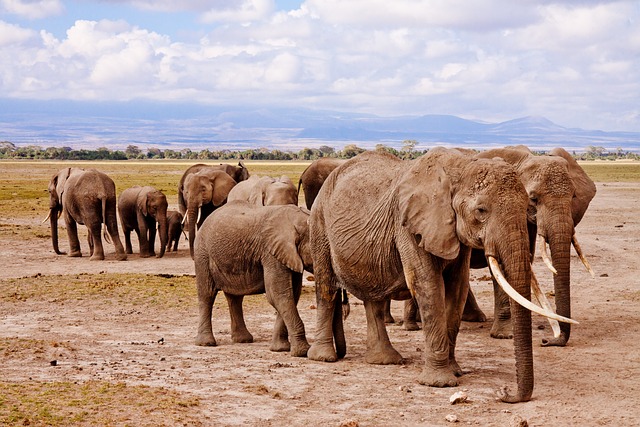
Amboseli Nationa Park, Kenya
Amboseli: Where the Elephants Walk Against Kilimanjaro The photograph that defines Amboseli National Park shows a bull elephant with tusks nearly touching the ground, silhouetted against the snow-capped summit of Kilimanjaro. It’s a real photograph from a real place. On clear mornings in the dry season, you can sit in an open vehicle watching herds of several hundred elephants move toward...
read more
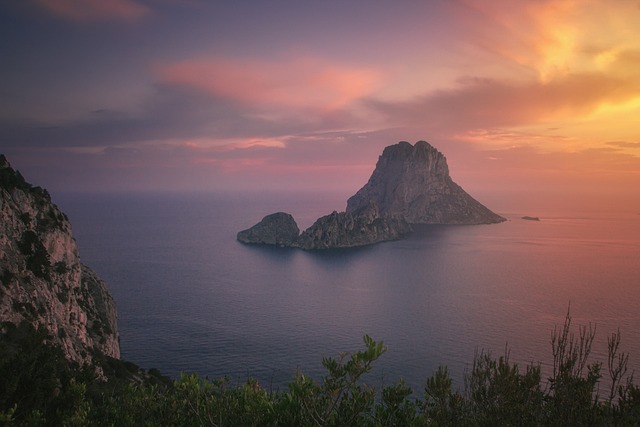
Privilege Ibiza
Privilege Ibiza: The Club, the Island, and What the Brochures Leave Out Privilege claims the title of the world’s largest nightclub by capacity, at around 10,000 people. It opened in the late 1980s under the name KU, and in those early years it was genuinely transformative: an outdoor club around a swimming pool where the celebrities of the Ibiza circuit mixed with locals, performance...
read more
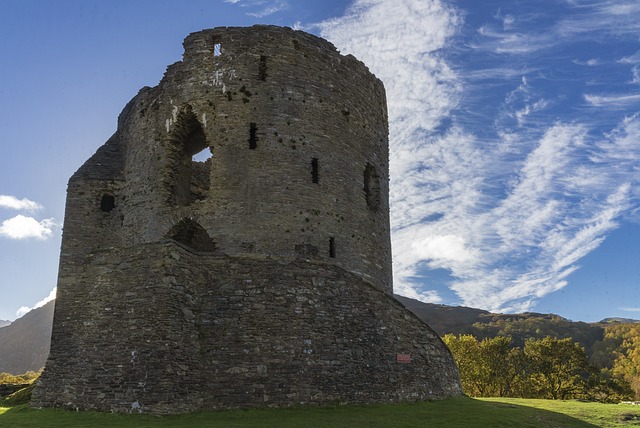
Caernarfon
Roughly 80% of Caernarfon’s population are Welsh speakers – one of the highest proportions in Wales. Walking around the town, Welsh is the language you hear in shops, cafes, and between people on the street. This is not a performance for tourists; it’s the working language of the community. Caernarfon Castle, which Edward I built specifically to symbolise English domination over...
read more
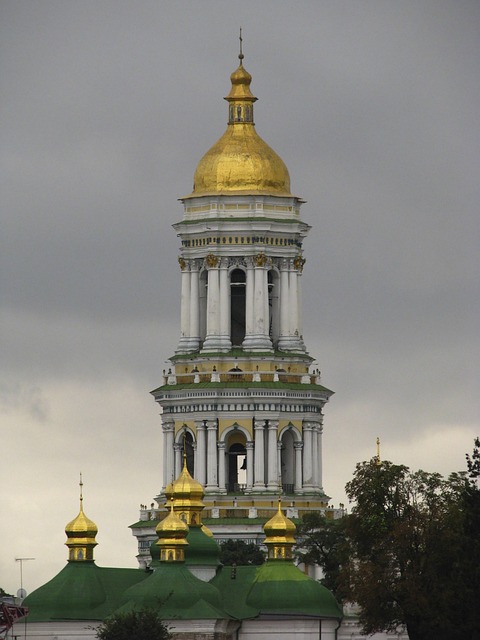
Pechersk Lavra
Kyiv-Pechersk Lavra: A UNESCO Site in a Country at War Kyiv-Pechersk Lavra (the Monastery of the Caves) was founded in the 11th century by monks who first inhabited limestone caves in the bluffs above the Dnieper River. Over seven centuries it grew into one of the most significant religious complexes in Eastern Europe: churches, bell towers, museums, and cave systems containing the mummified...
read more
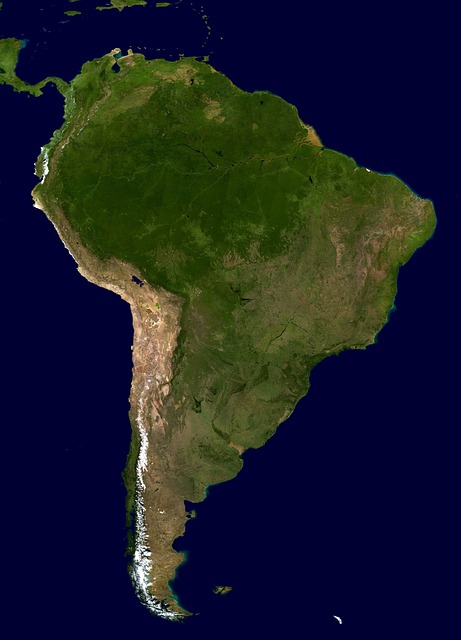
Amazon Rainforest, South America
The Amazon: Which Country, Which River, and What You’ll Actually See The Amazon basin covers 5.5 million square kilometres across nine South American countries. Brazil contains approximately 60% of it. The rest is distributed across Peru, Colombia, Bolivia, Ecuador, Venezuela, Guyana, Suriname, and French Guiana. The Amazon River itself, at roughly 6,400km, is disputed for the title of...
read more
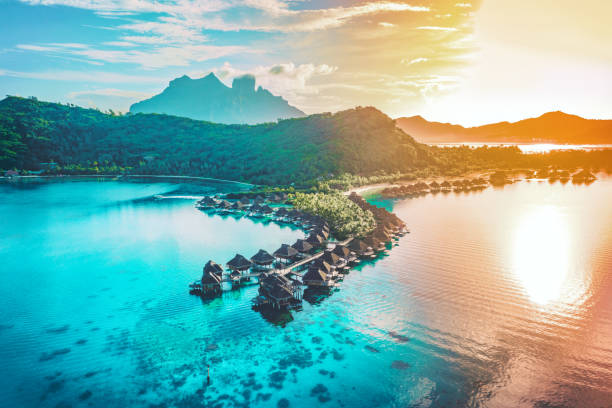
Bora Bora
Bora Bora: The Truth About the Most Expensive Holiday You’ll Take in the Pacific The overwater bungalow was invented in Bora Bora in 1967, at the Hotel Bali Hai on the island of Raiatea, by three American surfers who wanted a simple structure over the lagoon. The concept migrated quickly to French Polynesia and became, within two decades, the global shorthand for extreme luxury travel. Bora...
read more
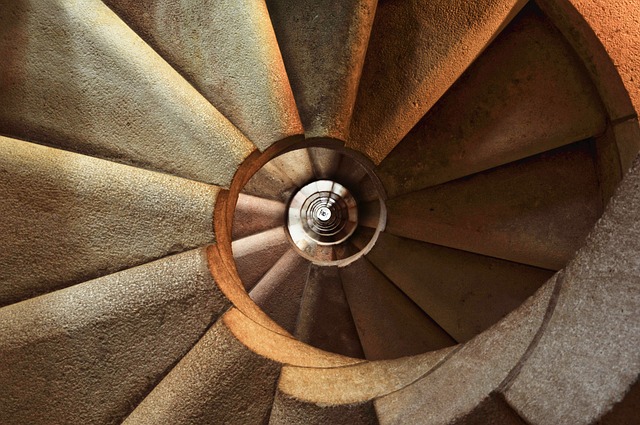
Spanish Steps
The Spanish Steps: What They Are and What to Do With Them The steps are not Spanish. The Scalinata di Trinita dei Monti were built between 1723 and 1725 with French money – specifically, funding provided by French diplomat Etienne Gueffier – to connect the French-owned Trinita dei Monti church at the top with the Piazza di Spagna below. The piazza takes its name from the Spanish...
read more
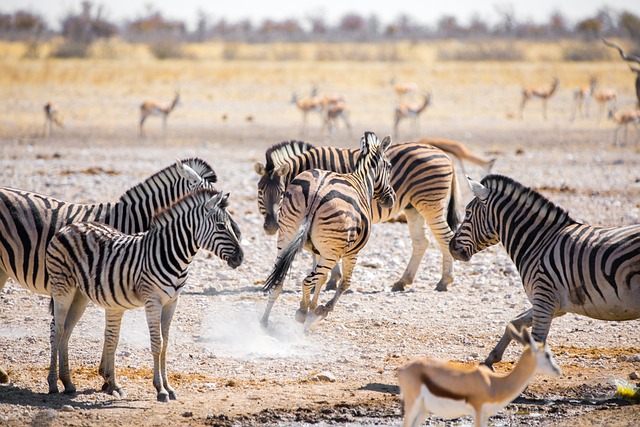
Etosha National Park Namibia
Etosha: The Safari Park That Works Without a Guide Etosha National Park is 22,270 square kilometres of semi-arid savannah and thornbush in northern Namibia, anchored by the Etosha Pan - a vast salt flat that was a shallow lake millions of years ago and is now white, flat, and mostly empty except after the rainy season. The park holds lion, leopard, cheetah, black rhinoceros, elephant, giraffe,...
read more
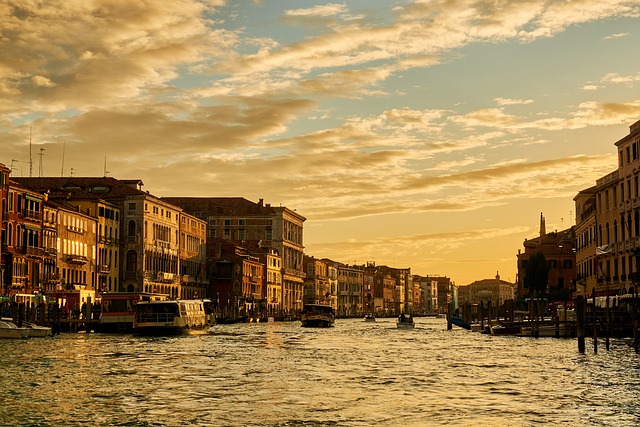
Grand Canal
Venice’s Grand Canal: What You’re Actually Looking At The Rialto market has been on the same spot since the 11th century. Every morning from around 7:30am until noon, Tuesday through Saturday, the fish market (Pescaria) and adjacent produce market (Erberia) operate as the working supply chain for Venice’s restaurants. Arriving at 8am puts you in the middle of an actual...
read more
Lençóis Maranhenses
Lençóis Maranhenses is one of those places that feels like it shouldn’t exist. A field of white sand dunes in equatorial Brazil that fills every year with thousands of translucent blue and green lagoons: the dunes are pushed inland from the coast by trade winds, the rains come January through June and collect in the depressions where impermeable rock prevents drainage, and by July the water...
read more
Groom Lake, Nevada
Area 51 and the Extraterrestrial Highway: What You Can Actually See The CIA officially acknowledged Area 51’s existence in 2013, confirming what people had suspected for decades: that the classified installation beside Groom Lake, 83 miles northwest of Las Vegas, is where the U-2 spy plane, the SR-71 Blackbird, the F-117 Stealth Fighter, and various other classified aircraft were developed...
read more
Lake Baikal, Russia
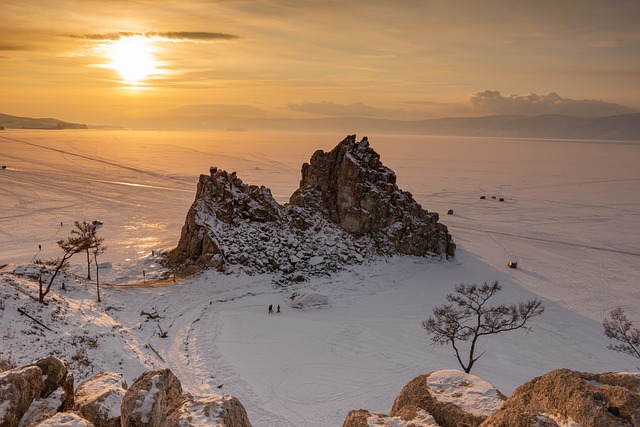
Lake Baikal: The Numbers First, the Experience After Lake Baikal holds 20% of the world’s unfrozen fresh water. It is 636km long and 1,642 metres at its deepest point, making it the deepest lake on earth. The water is so clear that visibility sometimes reaches 40 metres. The lake has been here for 25-30 million years, the oldest lake on earth, and approximately 20% of its species exist...
read more
Victoria Falls
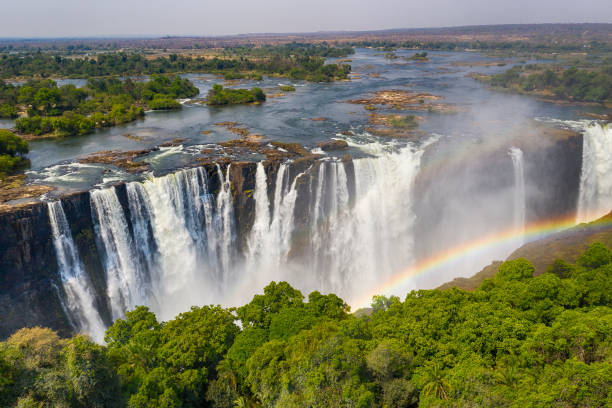
Victoria Falls: Zambia vs Zimbabwe, and What Nobody Tells You The falls straddle the border between Zambia and Zimbabwe. Most visitors enter from one side only; the better strategy, if your schedule allows, is to cross both borders and experience both perspectives. The falls are 1.7 kilometres wide; no single viewpoint captures the full picture.
The Zimbabwean town of Victoria Falls (the town, as...
read more
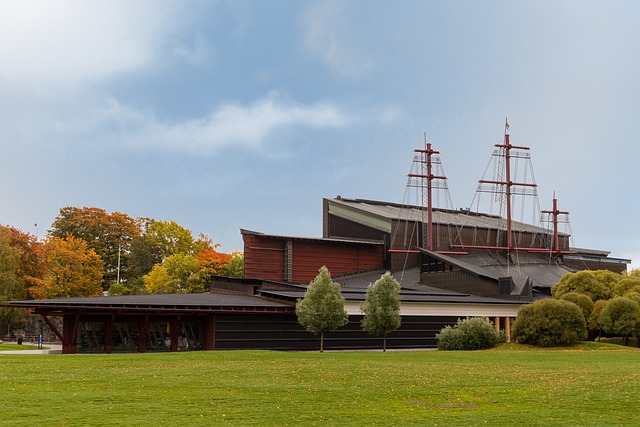
Vasamuseet / the Vasa Museum
The Vasa Museum: A Ship That Sank After 20 Minutes The Vasa was the largest, most heavily armed, and most elaborately decorated warship in the Baltic when it launched in Stockholm harbour on 10 August 1628. Twenty minutes and approximately 1,300 metres into its maiden voyage, it capsized and sank. Between 30 and 50 of the approximately 150 crew on board drowned. King Gustav II Adolf, for whom the...
read more
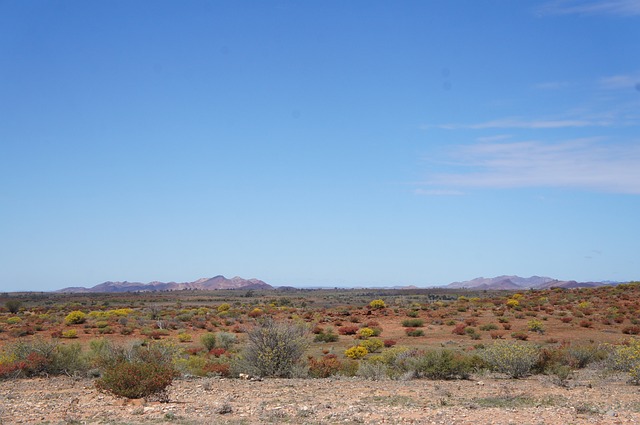
Australian Outback
The Australian Outback: What It Actually Takes to See It Right The outback is not a single destination. It is a scale problem. Spanning over two million square kilometres across Western Australia, the Northern Territory, Queensland, South Australia, and New South Wales, it is a landscape so large that most people who visit it see only a small corner and call it a comprehensive experience. That is...
read more
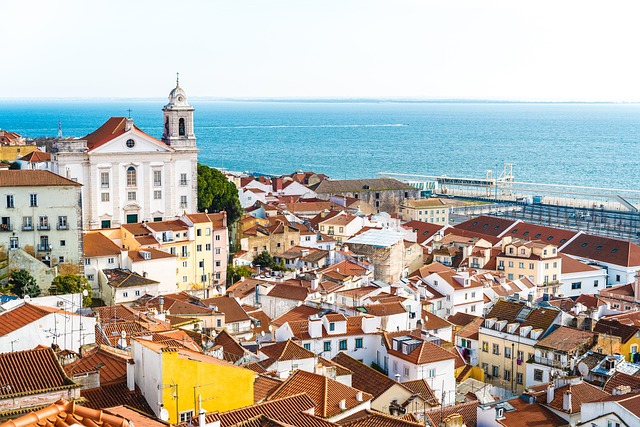
Bairro Alfama, Lisbon
Alfama survived the 1755 Lisbon earthquake that destroyed most of the rest of the city. The reason is geological: the Moorish construction patterns on hilly terrain proved more resilient than the flat-ground grid further west, and the hills themselves slowed the tsunami that followed the quake. What this means for visitors 270 years later is that Alfama is the oldest urban fabric in Lisbon –...
read more
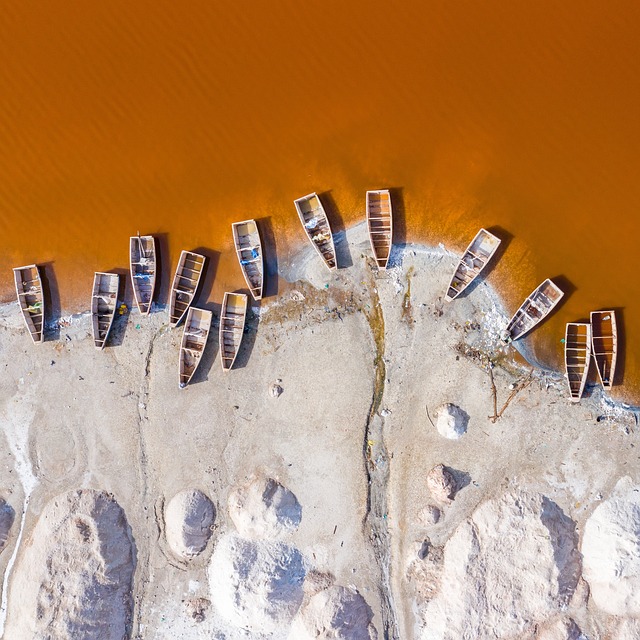
Goree Island, Senegal
Gorée Island: Significant, Contested, and Worth Visiting Honestly Gorée Island is 2 km off the Dakar coast, 900 metres long, and the site of the Maison des Esclaves (House of Slaves), the most visited historical site in West Africa. Since the 1990s, academic historians have contested the specific claims made about the building - how many enslaved people transited through Gorée specifically, and...
read more
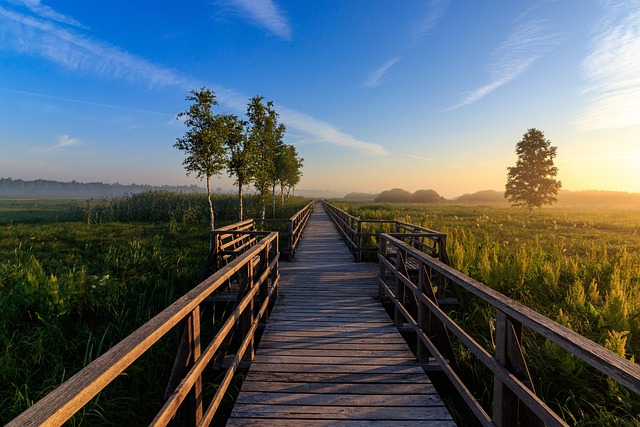
Isimangaliso Wetland Park
iSimangaliso Wetland Park: South Africa’s Most Underrated Wildlife Destination The name means “miracle” or “wonder” in Zulu, which is a claim most place names can’t support. iSimangaliso can. South Africa’s first UNESCO World Heritage Site (listed in 1999) stretches 220 kilometres down KwaZulu-Natal’s north coast from the Mozambique border to...
read more
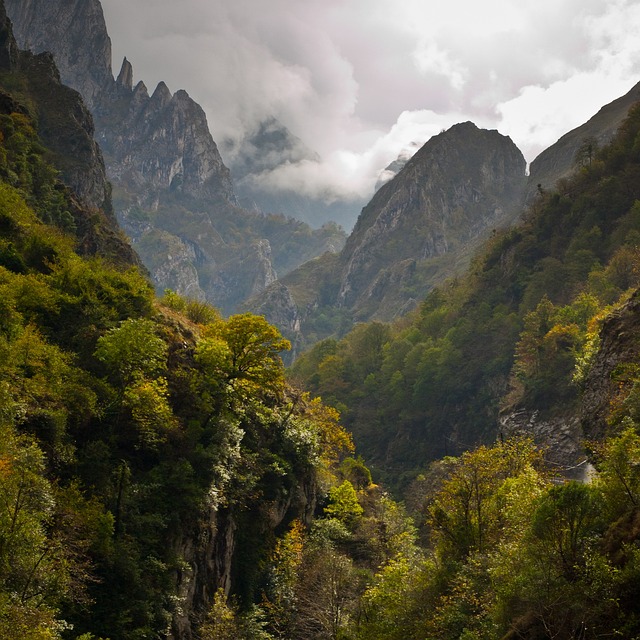
Picos De Europa
Picos de Europa: Northern Spain’s Overlooked Mountain Range The Picos de Europa’s name supposedly comes from returning Spanish sailors who spotted these peaks on the horizon as the first European landmark visible from the Atlantic. They’re not particularly tall – Torre de Cerredo, the highest summit, reaches just under 2,650 metres – but the limestone geology creates...
read more