Recent Locations
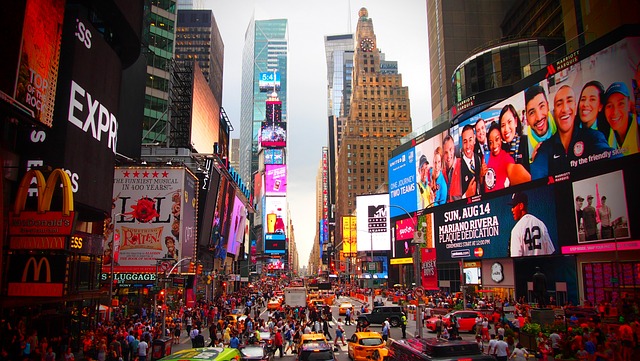
Times Square
Times Square: Honest Advice for First-Time Visitors Let’s get this out of the way: Times Square is not a neighbourhood. It’s a commercial intersection dressed up in LED advertising, and New Yorkers mostly avoid it. The good news is that it’s still worth visiting, just not in the way most tourist guides suggest. Treat it as a 45-minute spectacle rather than a destination in...
read more
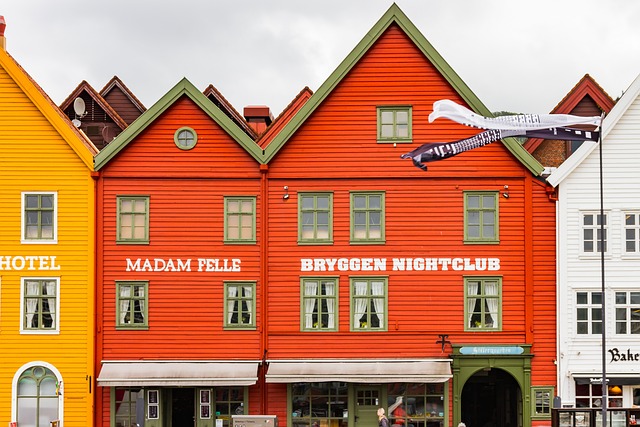
Bryggen
Bryggen: Bergen’s Hanseatic Harbour Quarter, Built and Rebuilt Bryggen has burned down seven times. After each fire - the most devastating in 1702, which destroyed much of medieval Bergen - the wharf district was rebuilt on the same medieval foundations following the same building lines, the same footprints, and the same construction principles that the Hanseatic League merchants established...
read more
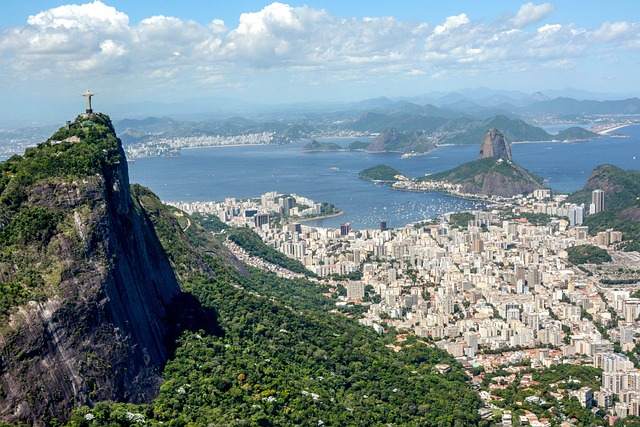
Parque Nacional Corcovado
Corcovado: The Most Biologically Intense Place on Earth National Geographic called Corcovado “the most biologically intense place on Earth,” and the data behind the phrase is genuinely unusual: the Osa Peninsula holds 2.5% of the world’s biodiversity on 0.001% of the world’s surface. Corcovado National Park covers 424 square kilometres of primary lowland rainforest on Costa...
read more
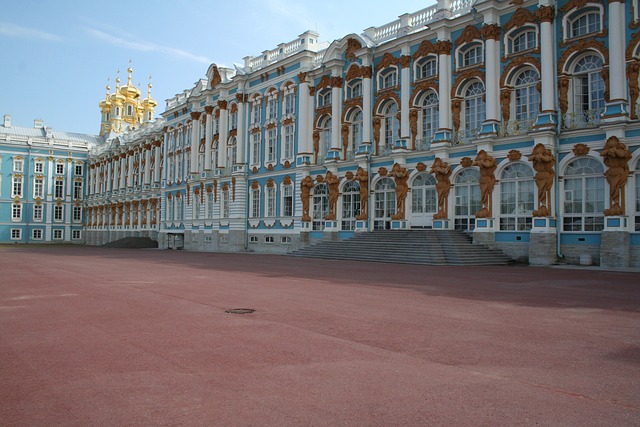
Tsarskoye Selo (Catherine Palace), St Petersburg, Russia
Catherine Palace at Tsarskoye Selo: Blue, Gold, and the Lost Amber Room Catherine Palace at Tsarskoye Selo (now the city of Pushkin) is 25km south of St. Petersburg and is, by a reasonable measure, the most extravagant building in Russia. The 300-metre-long Baroque facade is painted bright turquoise-blue and white with gilded ornament applied in such quantity that restoring it after World War II...
read more
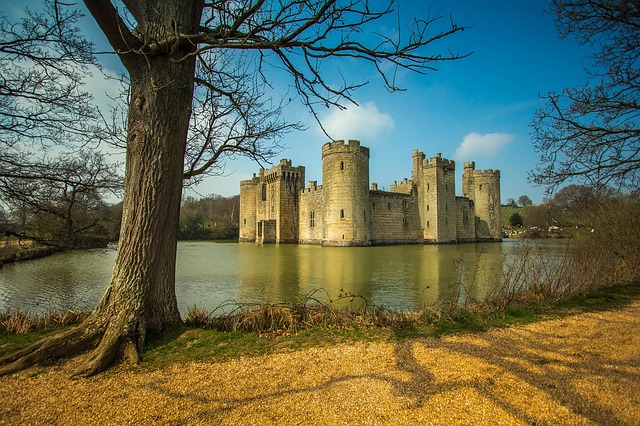
Bodiam Castle (East Sussex, UK)
The first time you see Bodiam Castle rising from its moat on a misty morning, you understand why every filmmaker with a budget and a medieval story reaches for this location. Four towers, crenellated walls, and a near-perfect reflection in still water – it looks less like a real place and more like someone’s idea of what a castle should look like. That’s part of what makes it...
read more
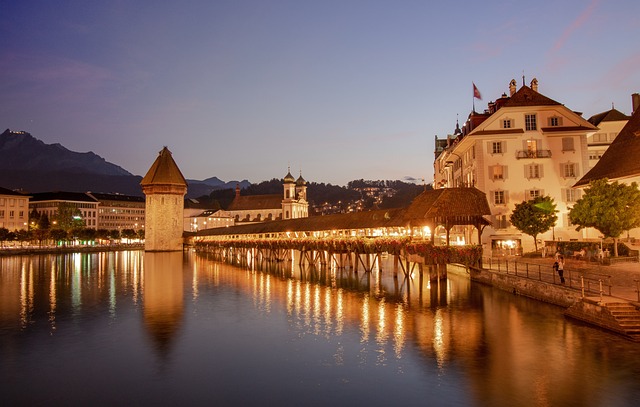
Chapel Bridge
Chapel Bridge, Lucerne: A Medieval Landmark That Nearly Burned Down in 1993 On August 18, 1993, a fire destroyed roughly two-thirds of Kapellbrucke’s original 17th-century roof paintings. The cause was most likely a discarded cigarette from a passing boat. Of the 147 painted triangular panels that existed before the fire, only 30 survived well enough for full restoration. Lucerne rebuilt the...
read more
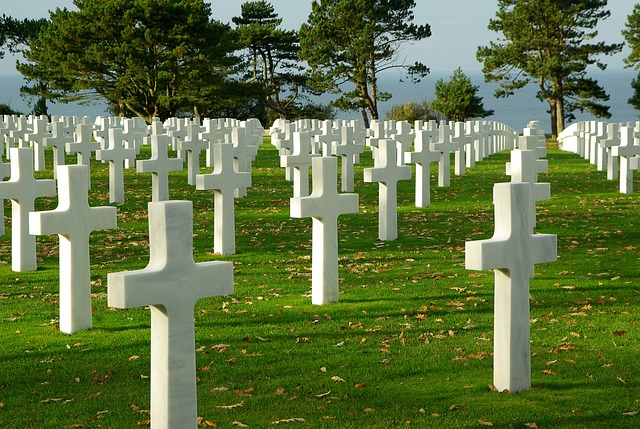
D-Day Beaches
The D-Day Beaches, Normandy On 6 June 1944, 156,000 Allied troops crossed the English Channel and landed on five beaches on the Normandy coast. The D-Day landings were the largest seaborne invasion in history and represented the beginning of the end of the Nazi occupation of Western Europe. Standing on Omaha Beach today, looking up at the bluffs that the German defenders held, and then walking to...
read more
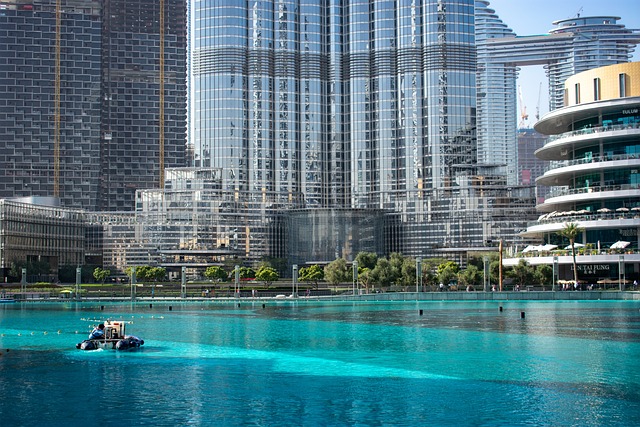
Burj Khalifa
The Burj Khalifa was completed in 2010 and has been the tallest building in the world since. At 828 metres, it is 56 storeys taller than the previous record holder (the Taipei 101) and will hold the record until the Jeddah Tower in Saudi Arabia is completed. The structure contains 57 elevators, took 22 million man-hours to build, and sits on 192 steel piles drilled 50 metres into the ground to...
read more
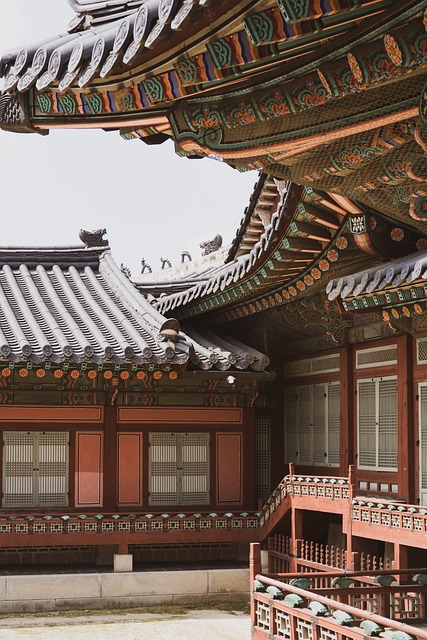
Dmz South Korea
The Korean DMZ: What You’re Actually Looking At The Korean Demilitarized Zone is 250 kilometres long and 4 kilometres wide, stretching from coast to coast across the Korean Peninsula along the Military Demarcation Line established by the 1953 armistice. It is technically not a border but a ceasefire line; North and South Korea remain legally at war. The zone contains the highest...
read more
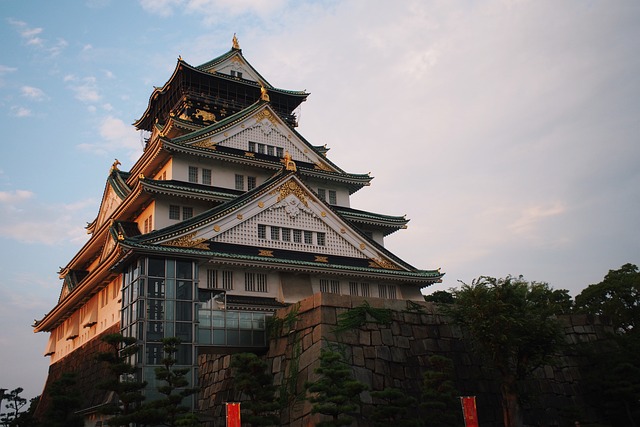
Osaka Castle
Osaka Castle: History, Reconstruction, and Cherry Blossom Crowds Osaka Castle (Osaka-jo) was originally built by Toyotomi Hideyoshi in 1583, making it the largest castle complex in Japan at the time. Hideyoshi was a former sandal-bearer who had risen to become de facto ruler of Japan, and the castle was meant to announce his achievement at an appropriate scale. It was destroyed in 1615 during the...
read more
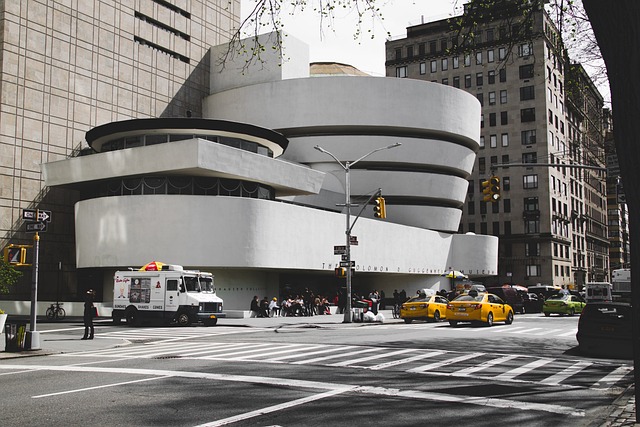
Guggenheim (New York City)
The Guggenheim: Frank Lloyd Wright Finished It Six Months Before He Died Frank Lloyd Wright spent 16 years fighting New York City building codes, contentious architects, and a client who kept changing her mind. He revised the plans 700 times. The Guggenheim opened in October 1959. Wright died in April of that year, never seeing the crowds file through the building he considered his masterpiece....
read more
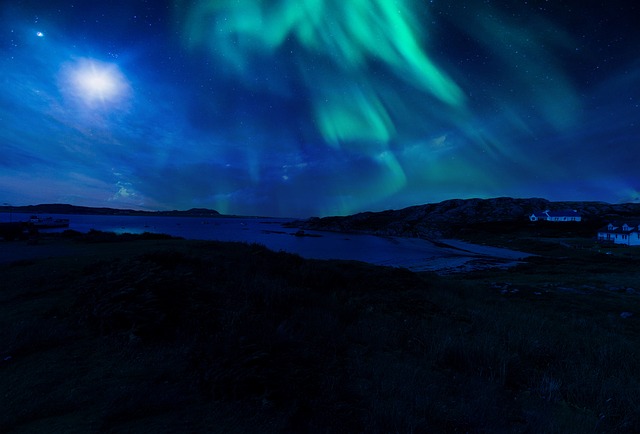
Iona
Iona: Three Miles of Island, Fifteen Hundred Years of History Iona is less than 5 kilometres long and about 2 kilometres wide. It has a permanent population of around 170 people. There are no cars for visitors, no ATMs, one pub, two small restaurants, and a ferry that stops running in the late afternoon. It is also one of the most significant places in early Christian history in Britain and...
read more
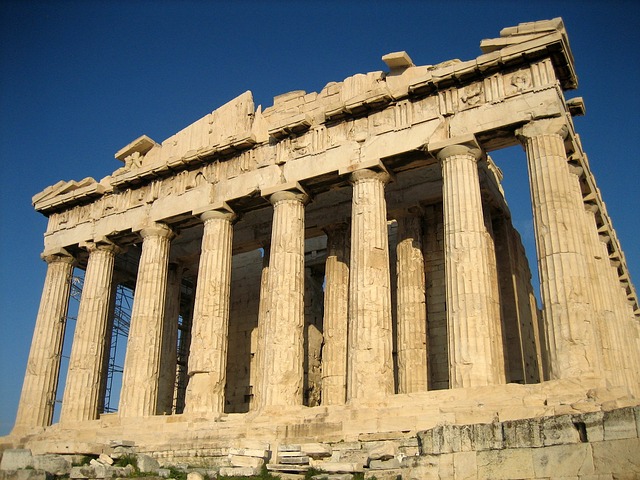
Parthenon
The Parthenon: What Survives, What Doesn’t, and Why the Marble Matters The Parthenon was completed in 432 BCE. About half of the original sculptural programme – the marble pediment figures, the metopes, and sections of the continuous frieze – is in the Acropolis Museum in Athens. The other half is in the British Museum in London, where it has been since Lord Elgin removed it...
read more
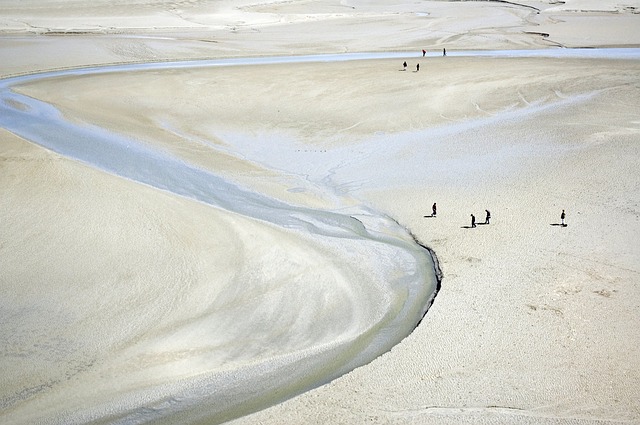
Mont St Michel
Mont-Saint-Michel: What to Know Before You Arrive Mont-Saint-Michel looks exactly like its photographs and manages to be more impressive anyway. The tidal island, capped by a Benedictine abbey, rises from a flat bay in Normandy where the tides have a 14-metre range, one of the largest tidal ranges in Europe. At high tide, water surrounds it on three sides. At low tide you can walk across the sand....
read more
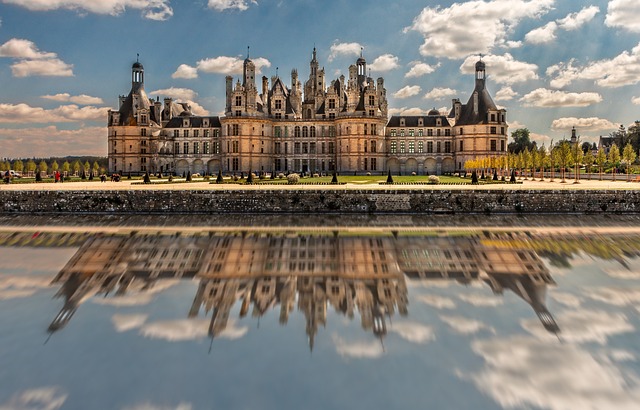
Chateau De Chambord
Château de Chambord: Francis I’s Statement in Stone King Francis I began building Chambord in 1519, not as a permanent residence but as a hunting lodge and demonstration of royal power. He never actually lived there for more than a few weeks in any given year; the Loire Valley’s courts at Amboise and Blois were his primary bases. The castle has 426 rooms, 77 staircases, and 282...
read more
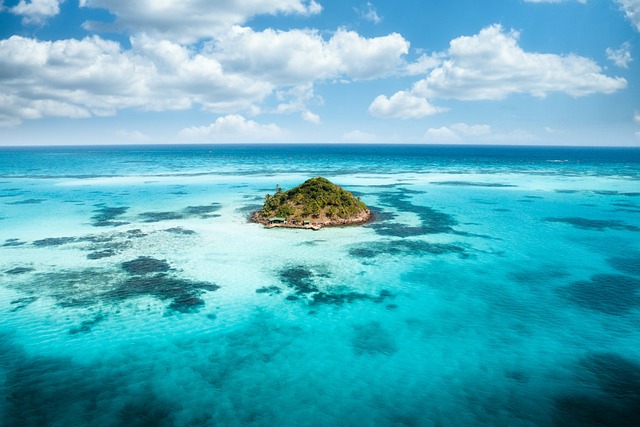
Relax in the Thermal Pools of Ischia, an Island off the Coast of Italy
Ischia’s Thermal Pools: Italy’s Best-Kept Spa Secret Most visitors to the Bay of Naples blow straight past Ischia on their way to Capri. Capri is smaller, more famous, and significantly more expensive. Ischia is 30 minutes further by hydrofoil, has better beaches, its own wine produced in volcanic soil, and dozens of natural thermal pools fed by the volcanic bedrock that heats...
read more
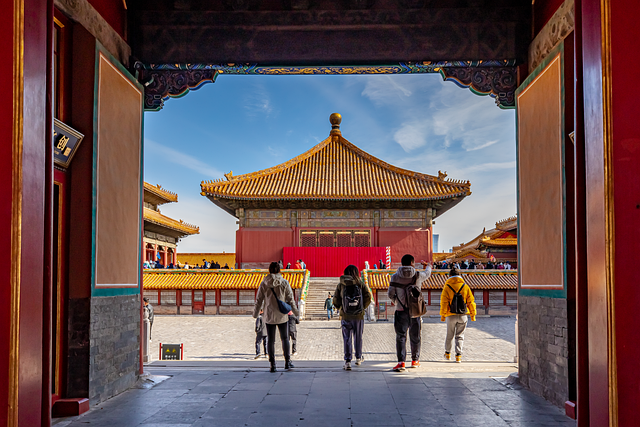
Ancient Maya City and Protected Tropical Forests of Calakmul, Campeche
Calakmul: The Maya City That Rivalled Tikal, Buried Deep in the Jungle At its height in the 7th century, Calakmul controlled a political network that stretched across much of the southern Maya lowlands, incorporating subordinate cities and waging proxy wars against its great rival Tikal in what is now Guatemala. The Kaan dynasty that ruled here named itself the Snake Kingdom; the serpent head...
read more
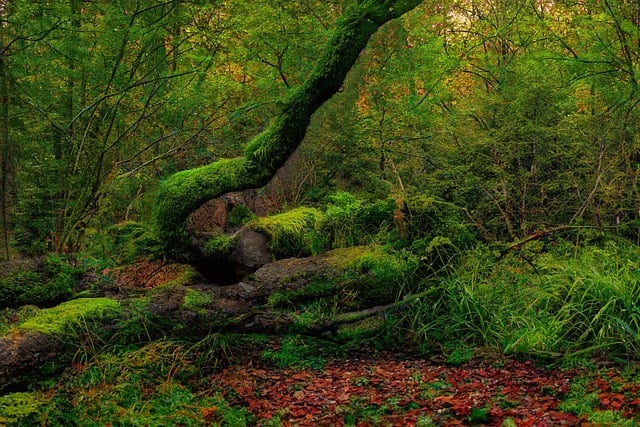
Jungles of Borneo
Borneo’s rainforest is approximately 130 million years old, which makes it one of the oldest on Earth – it predates the Amazon by roughly 60 million years, having survived intact through multiple ice ages while other forests contracted and vanished. About 60% of the island has been logged or converted to oil palm in the past 50 years. These two facts together explain why the Malaysian...
read more
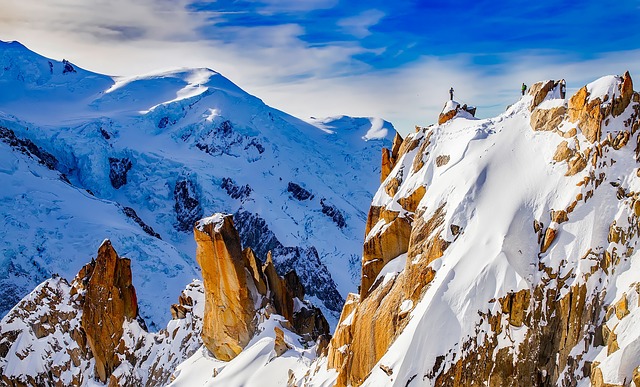
Vimy Ridge, France
Vimy Ridge: Why Canadians Come Here, and Why You Should Too On April 9, 1917, all four divisions of the Canadian Corps attacked Vimy Ridge simultaneously, taking a position that French and British forces had failed to capture for two years. They succeeded in four days. The cost was 10,602 Canadian casualties. Today, the ridge is Canadian sovereign soil under a 1922 land grant from France, and it...
read more
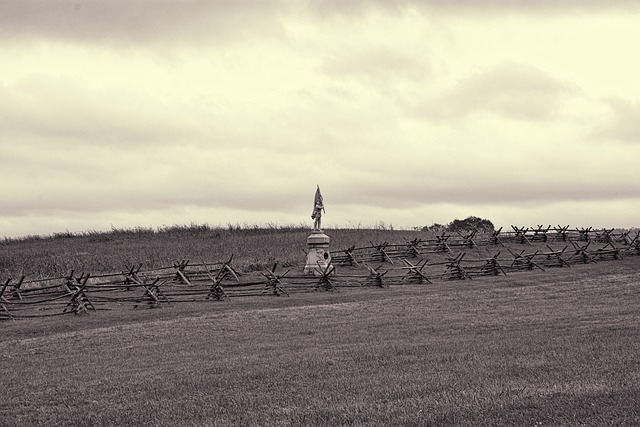
Gettysburg Battlefield
Gettysburg Battlefield: A Visit Worth Taking Seriously Three days in July 1863, July 1, 2, and 3, produced approximately 50,000 casualties between Union and Confederate forces. The army that lost, Robert E. Lee’s Army of Northern Virginia, never effectively threatened Northern territory again after Gettysburg. Walking the battlefield today, you get a sense of why the terrain mattered: the...
read more
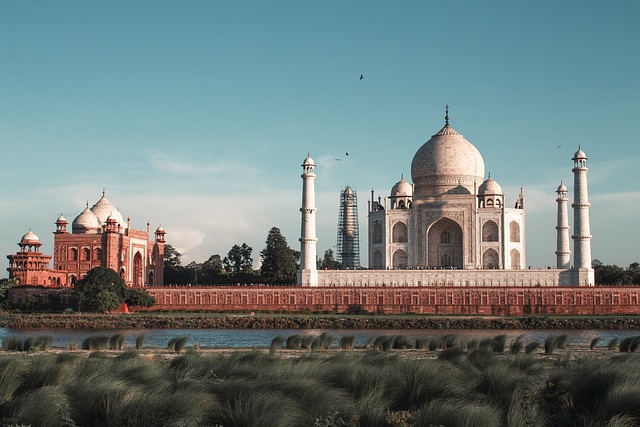
Taj Mahal, India
The Taj Mahal: It Actually Doesn’t Disappoint The Taj Mahal is the kind of place that you assume will let you down after a lifetime of photographs. It doesn’t. The white Makrana marble shifts colour by the hour, pale gold at dawn, near-blue in overcast light, blinding white at noon, and the symmetry of the cypress-lined gardens stretching toward the mausoleum still hits in a way that...
read more
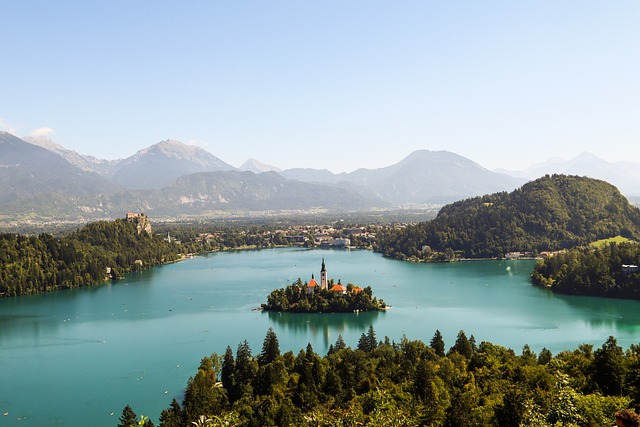
Lake Bled, Slovenia
Lake Bled, Slovenia: Famously Beautiful and Worth It Anyway On a still morning in early September, the mist sits low across Lake Bled’s surface and the island church disappears into it entirely. Then the sun hits the Julian Alps behind the castle cliff and the whole scene materialises at once, Julian Alps, medieval walls, emerald water, white church tower, like someone switched on a very...
read more
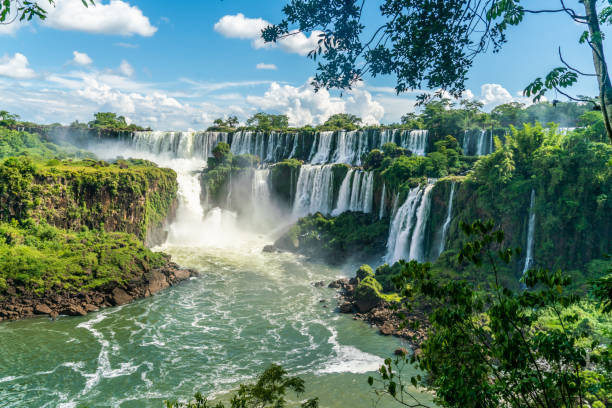
Iguazu Falls
Iguazu Falls: Both Sides, the Logistics, and What to Prioritise Iguazu Falls is the world’s widest waterfall system, spanning approximately 2.7 km along the Iguazu River on the border of Argentina and Brazil. The system consists of 275 individual falls that merge into a near-continuous curtain of water in wet season. The Garganta del Diablo (Devil’s Throat) is the largest single fall:...
read more

Qin Terra Cotta Warriors
The Terracotta Army: 8,000 Soldiers Nobody Knew Existed Until 1974 In March 1974, farmers drilling a well near Xi’an broke through into a chamber containing life-sized clay soldiers. Not one soldier, not a dozen: approximately 8,000 warriors, 130 chariots, 520 horses, and 150 cavalry horses, all buried with the First Emperor of Qin, Qin Shi Huang, who died in 210 BCE. Each face is...
read more
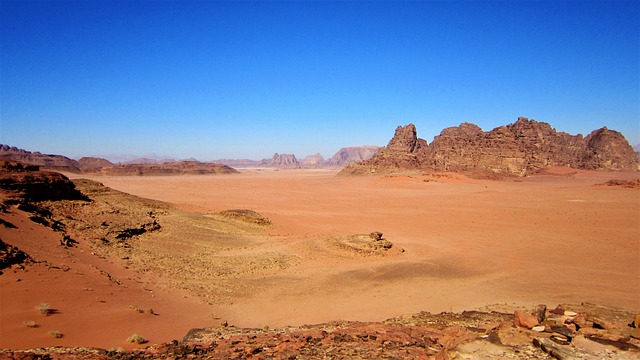
Wadi Rum Protected Area
Wadi Rum: Jordan’s Desert on Its Own Terms Wadi Rum has been used as a film location so many times (Lawrence of Arabia, The Martian, Dune, Rogue One, and more) that some visitors arrive expecting something theatrical. The real landscape is considerably more disorienting and more interesting: rust-red sandstone massifs rising 300-800 metres from a flat desert floor, narrow canyons, Nabataean...
read more
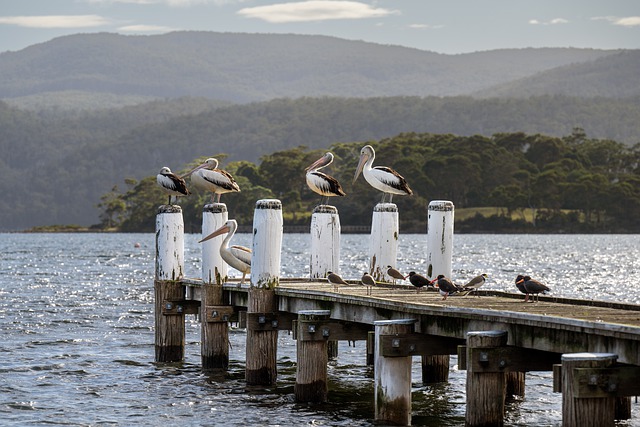
Tasmania
Tasmania: More Than Just a Stopover Tasmania sits 240km south of mainland Australia across the Bass Strait, and that distance is part of the appeal. The island runs its own schedule, grows its own food, and doesn’t much care whether the mainland has heard of it. About a third of the island has UNESCO-protected wilderness. You can drive from Hobart to Queenstown on the west coast and not see...
read more
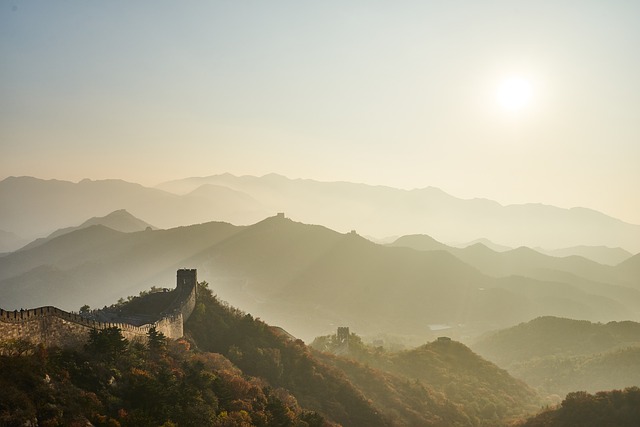
Great Wall, China
The Great Wall: Not One Wall The Great Wall is a series of walls, fortifications, and trenches built by different dynasties over roughly two millennia, stretching approximately 21,000km in total including all sections and branches. The Ming dynasty sections (14th-17th centuries) are what most visitors to Beijing see. Some are fully restored and managed; some are crumbling and largely inaccessible;...
read more
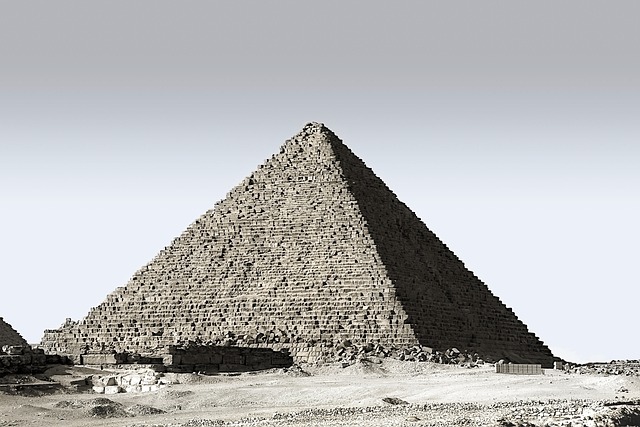
Giza Pyramids
The pyramids are enormous. That sounds obvious but it genuinely isn’t – every photograph flattens them into something comprehensible. When you stand at the base of the Great Pyramid of Khufu and tilt your head back, the scale is disorienting in a way that takes a moment to process. The limestone blocks at the base are taller than a person. The original structure, completed around 2560...
read more
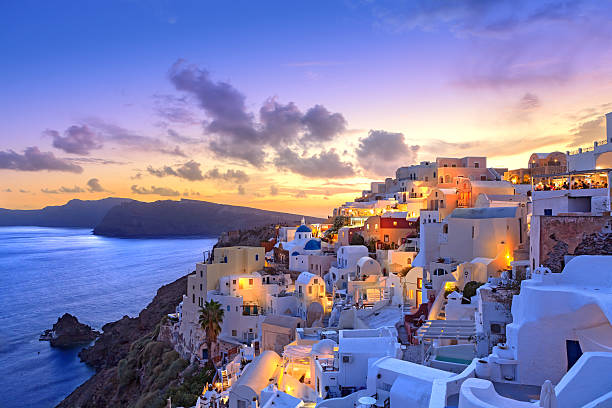
Greek Islands
Greek Islands: Which One and Why Greece has 227 inhabited islands and several thousand more rocks with enough grass to argue the point. The practical question isn’t “should I go to the Greek Islands?” It’s which one, when, and for how long. These are genuinely different destinations with different characters, different price points, and different expectations about what a...
read more
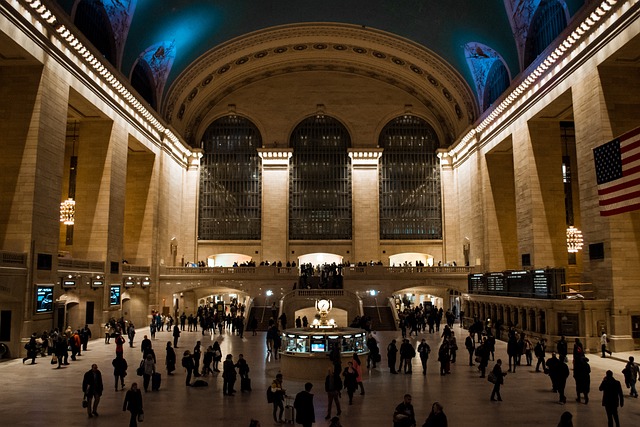
Grand Central Terminal, New York City
Grand Central Terminal: How to Actually Use It It is not Grand Central Station. That’s a post office nearby, and using the wrong name will earn mild corrections from New Yorkers. Grand Central Terminal opened in 1913 at 42nd Street and Park Avenue in Midtown Manhattan, handles around 750,000 people daily, and is both a functioning transit hub and one of the finest Beaux-Arts buildings in...
read more
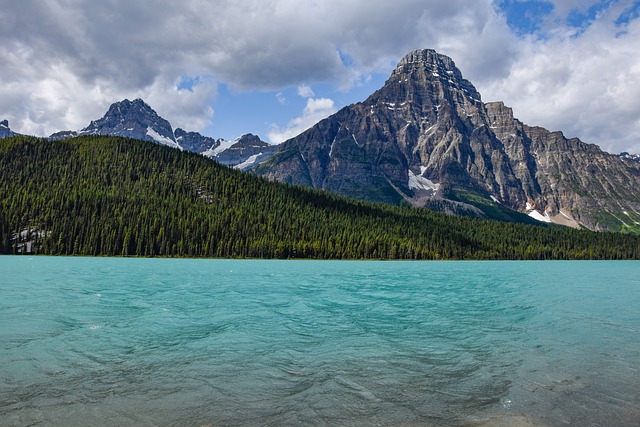
Banff National Park
Banff: Canada’s First National Park, Still Its Most Spectacular Canada designated Banff as its first national park in 1885 after railway workers discovered hot springs at the base of Sulphur Mountain. The decision was partly commercial and partly visionary: the Canadian Pacific Railway needed tourist traffic to justify the line through the Rockies, and the mountain scenery turned out to be...
read more
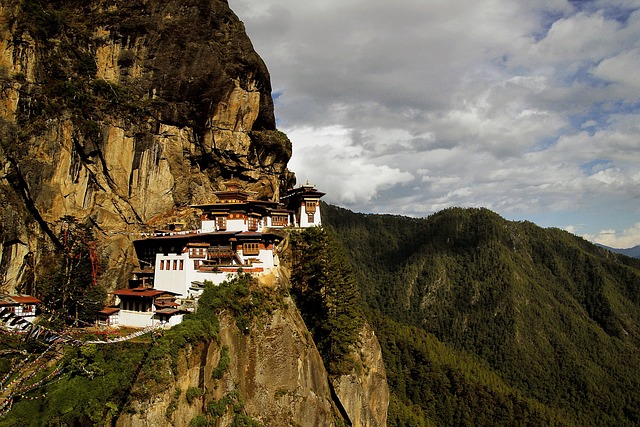
Visiting Tigers Nest, Bhutan
Tiger’s Nest (Paro Taktsang): The Hike That Justifies the Trip The first clear view of Paro Taktsang stops most hikers on the trail. The monastery appears to grow directly from the cliff face at 3,120 metres – white walls and golden roofs seemingly suspended between rock and air, 900 metres above the Paro valley floor. Photography cannot prepare you for the scale of the geological...
read more
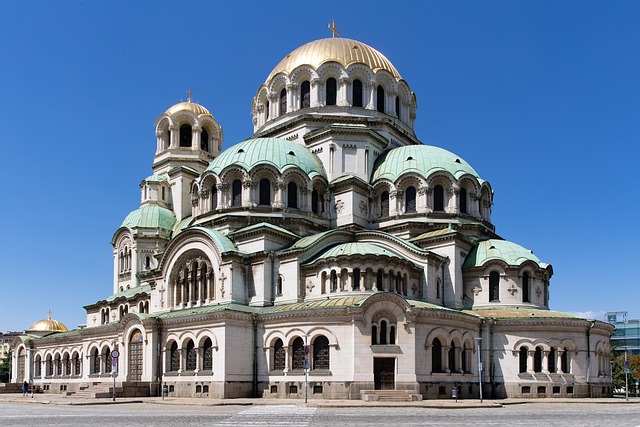
St Alexander Newski Cathedral Sofia
Alexander Nevsky Cathedral: Sofia’s Orthodox Landmark and Its Crypt Museum The Alexander Nevsky Cathedral was built between 1882 and 1912 to commemorate the Bulgarian liberation from Ottoman rule, achieved in 1878 with Russian military assistance. It is dedicated to the 13th-century Russian Orthodox warrior-prince Alexander Nevsky as an acknowledgement of that debt. The building is...
read more
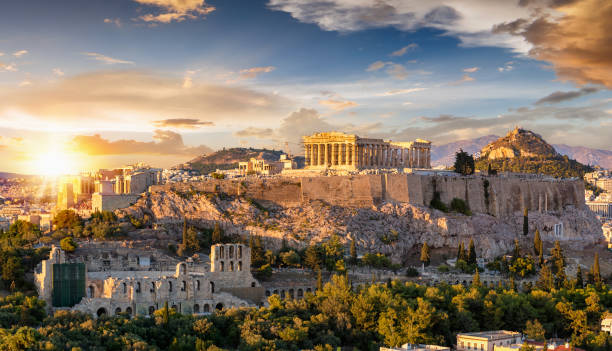
Acropolis, Greece
The Acropolis: What Changed in 2025 and What to Actually Do The Parthenon was completed in 432 BC, and the craftsmen who built it introduced subtle optical refinements that modern engineers still debate: the columns are slightly thicker in the middle, the stylobate (base platform) curves almost imperceptibly upward toward the centre, the columns lean very slightly inward. These adjustments correct...
read more
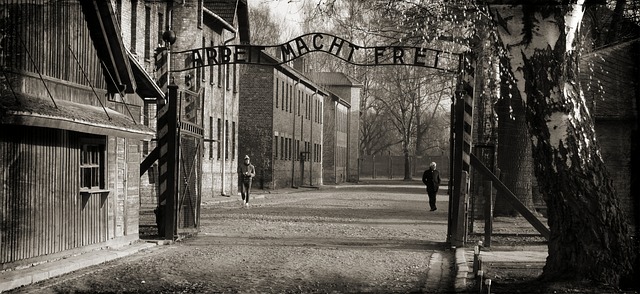
Auschwitz
Auschwitz-Birkenau: How to Visit In 2025, more than 2.3 million people visited Auschwitz-Birkenau. That number deserves a moment of reflection: it means the site is doing something important, generating attention and engagement with history that resists forgetting. It also means that visiting requires planning, and that visiting without a guide leaves most people significantly under-prepared for...
read more
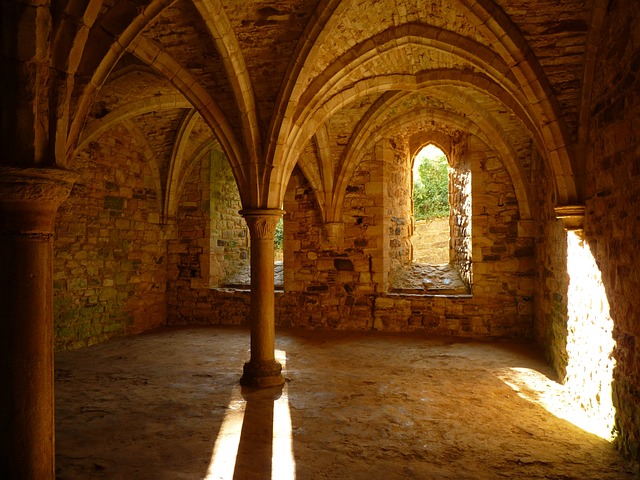
Battle Abbey and Battlefield
Battle Abbey: The Abbey Built on the Spot Where Harold Fell William the Conqueror’s act of conscience was unusually specific. After the Battle of Hastings on October 14, 1066, he did not build a general monument to the dead or dedicate a generic abbey to the Norman cause. He founded Battle Abbey in 1067 with its high altar positioned precisely on the spot where King Harold Godwinson fell - a...
read more
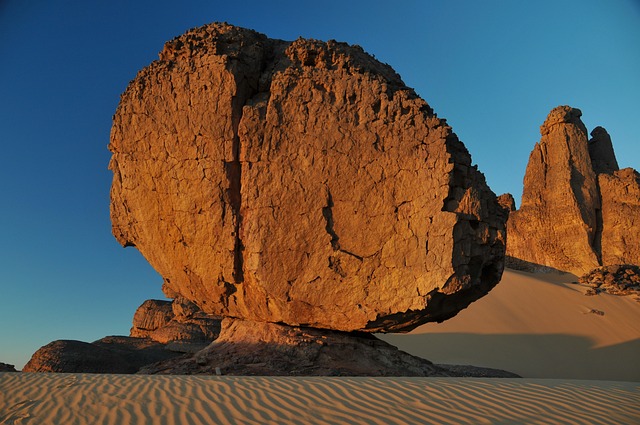
Grand Erg Occidental Desert - Algeria
The Grand Erg Occidental: Algeria’s Great Sand Sea The Grand Erg Occidental is one of two major erg (sand sea) regions in Algeria, covering roughly 78,000 square kilometres in the northwest Sahara between the Atlas foothills and the Saharan interior. Erg landscapes are what most people picture when they think of the Sahara: continuous dunes, some reaching 300 metres in height, arranged in...
read more
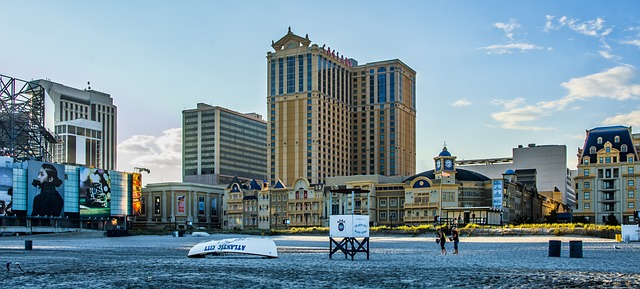
Atlantic City Boardwalk
Atlantic City Boardwalk: The Original American Entertainment Strip Atlantic City’s boardwalk, built in 1870 to keep sand off the floors of beachfront hotels, was the first boardwalk in the United States and briefly the entertainment capital of the East Coast. Harry Houdini performed here. The Miss America pageant started here in 1921. The Boardwalk was the inspiration for Monopoly’s...
read more
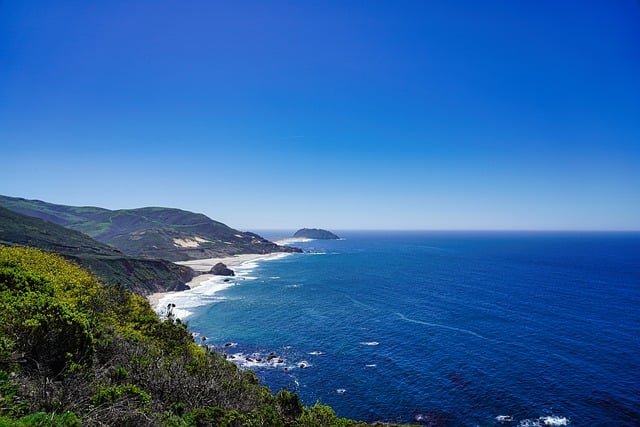
Big Sur
Big Sur: Highway 1 and the 90 Miles That Justify the Drive Highway 1 through Big Sur has been closed or partially closed multiple times in the past decade due to landslides, fires, and storm damage. The road runs on top of unstable coastal cliffs above the Pacific, and the forces that make the scenery dramatic are the same forces that periodically close the highway for months or years. Check...
read more
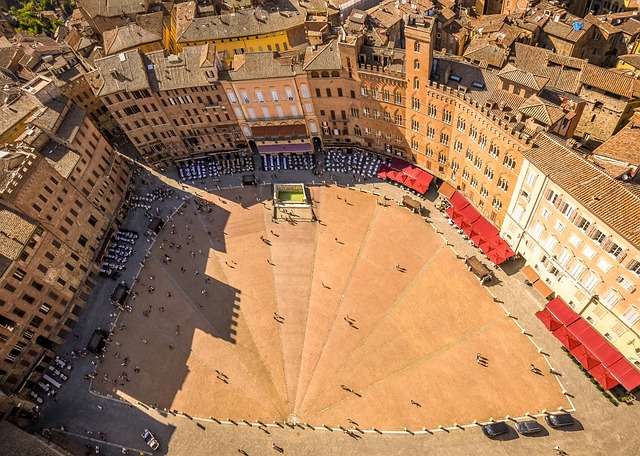
Piazza Del Campo, Siena
Siena and the Piazza del Campo: The Best Medieval Square in Italy The Piazza del Campo is a shell-shaped brick-paved square in the centre of Siena, sloped gently toward the base where the Gothic Palazzo Pubblico stands. It was built in the 13th and 14th centuries and has been the civic heart of Siena ever since. Twice a year, July 2 and August 16, it becomes the track for the Palio di Siena: a...
read more
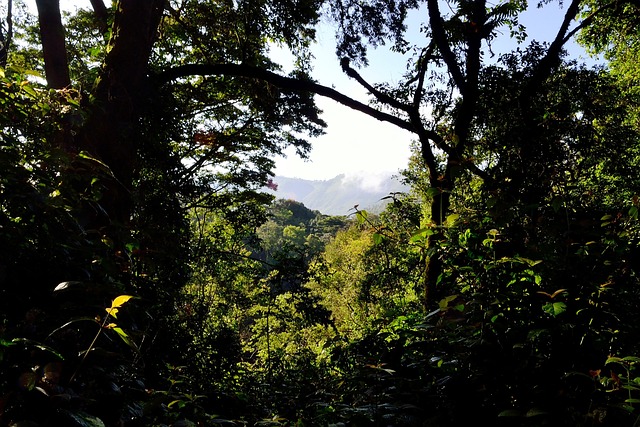
Bwindi Impenetrable National Park, Uganda
Bwindi Impenetrable National Park: The Mountain Gorilla Permit and Everything After A mountain gorilla trekking permit for Bwindi costs $700 USD per person as of 2024, issued by the Uganda Wildlife Authority. This is not negotiable and is not low. It is the most expensive single element of an African wildlife trip that many experienced travellers consider to be among the most significant...
read more
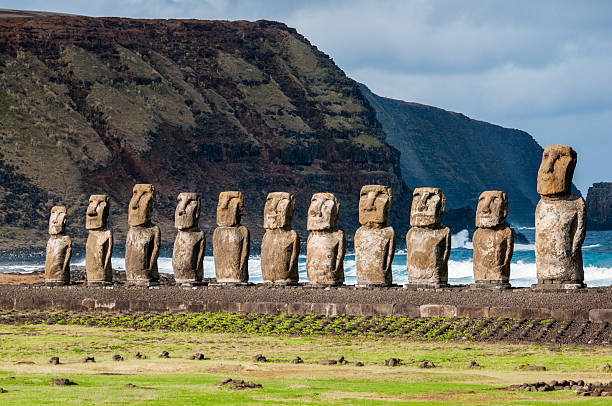
Easter Island
Easter Island (Rapa Nui): Getting There and Making It Worth the Trip Rapa Nui sits in the South Pacific 3,760 kilometres west of mainland Chile and 4,000 kilometres east of the nearest inhabited Polynesian island. It is one of the most remote inhabited places on Earth. The closest comparison is a Chilean meteorological outpost. Getting here requires a LATAM flight from Santiago (5 hours) or, less...
read more
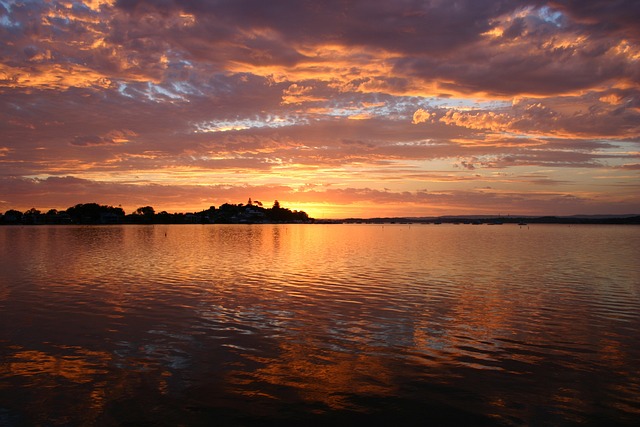
Bioluminescent Lake, Australia
Bioluminescent Australia: Paddling Through Living Light The paddle goes in and comes out trailing blue fire. Not metaphorically, not approximately, each drop of water as it falls from the blade is briefly, unmistakably luminous. The dinoflagellates responsible, Noctiluca scintillans, flash when physically disturbed, and in the Gippsland Lakes region of Victoria the conditions that produce dense...
read more
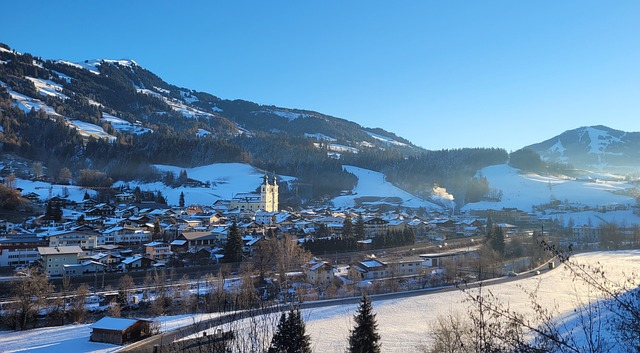
Kitzbuhel
Kitzbühel: The Ski Town That Earns Its Reputation Every January, the Hahnenkamm downhill race on the Streif piste produces one of sport’s more extreme spectacles: racers hitting 140km/h through sections with gradients of up to 85%, the Mausfalle launching them airborne for several seconds, and the Hausbergkante section where the course makes a sharp compression that forces g-loads on the...
read more
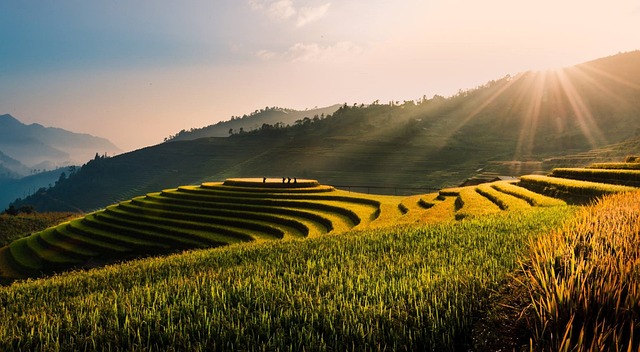
Banaue Rice Terraces
Banaue Rice Terraces: 2,000 Years of Agricultural Engineering The Ifugao people carved the rice terraces of the Cordillera mountains in northern Luzon more than 2,000 years ago using no mortar, no heavy machinery, and no metal tools, only wooden implements, fire, and the labour of generations. The result is a stacked system of irrigated paddies that follows the mountain contours from valley floor...
read more
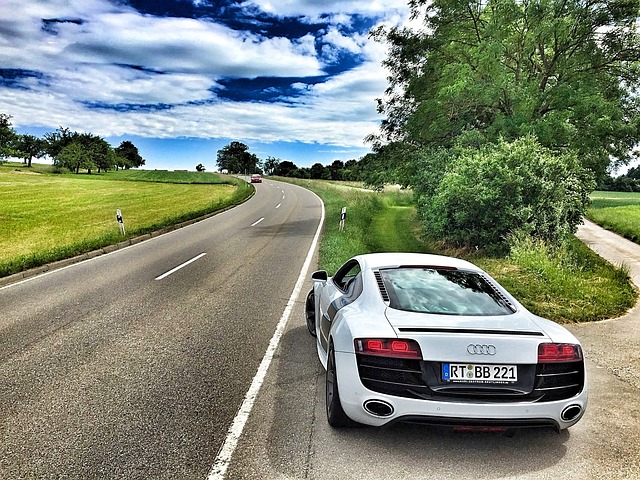
Borgarfjörður Eystri
Borgarfjörður Eystri: Iceland’s Best Puffin Viewing, Without the Boat Trip Most accessible puffin colonies in Iceland require a ferry or a Zodiac and a degree of distance that makes photography frustrating. Borgarfjörður Eystri, a small fjord village in East Iceland, has a viewing platform built directly over a colony of approximately 10,000 Atlantic puffin pairs, at eye level with the...
read more
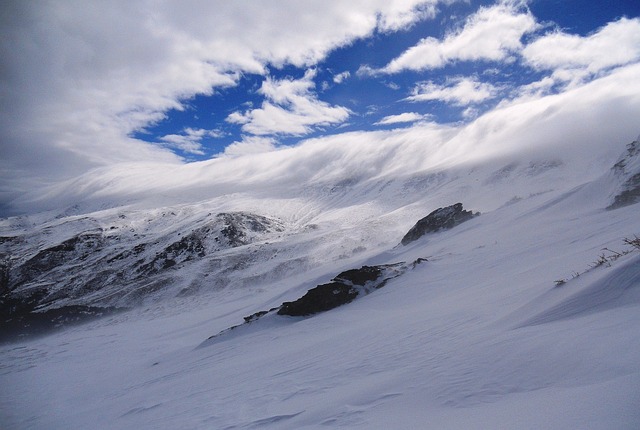
Burning Man Festival, Nevada
Burning Man: The Part Nobody Tells You Burning Man happens in the Black Rock Desert of Nevada, 120 miles north of Reno, during the week leading up to Labor Day. In 2026, that runs August 30 through September 7. For eight days, 70,000-80,000 people build and inhabit a temporary city on a dry alkaline lake bed, dismantling it completely by the time they leave. The city has streets, an airport, a...
read more
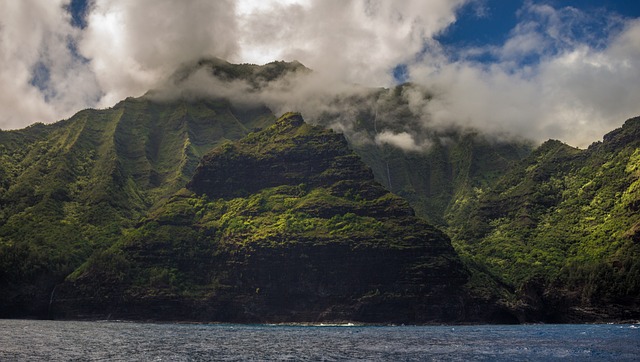
Big Island, Hawaii
Kilauea volcano’s Episode 48 of the current eruption series began at 4:40am on June 1, 2026, with lava fountains reaching 200 metres and a plume rising 7,600 metres. It lasted 9 hours. This eruption has now produced more fountaining episodes than any episodic eruption ever recorded, including the decades-long Pu’u’O’o eruption that reshaped the island’s southeast...
read more
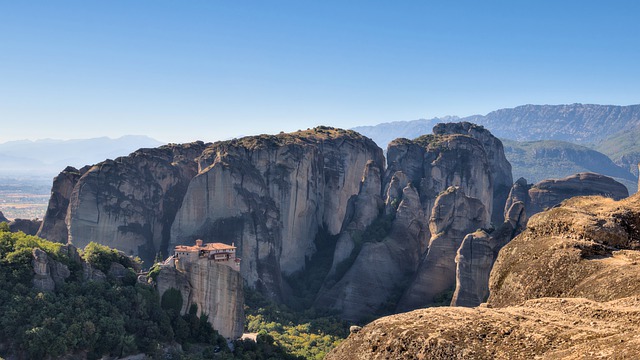
Meteora
Meteora: Six Monasteries on Impossible Rocks The sandstone pillars at Meteora rise up to 400 metres from the Thessaly plain, and the monasteries on top of them are among the most peculiar constructions in Europe. The first hermit monks arrived in the 11th century, living in the cave faces. By the 14th century, communities were establishing permanent monasteries on the summits. At peak there were...
read more
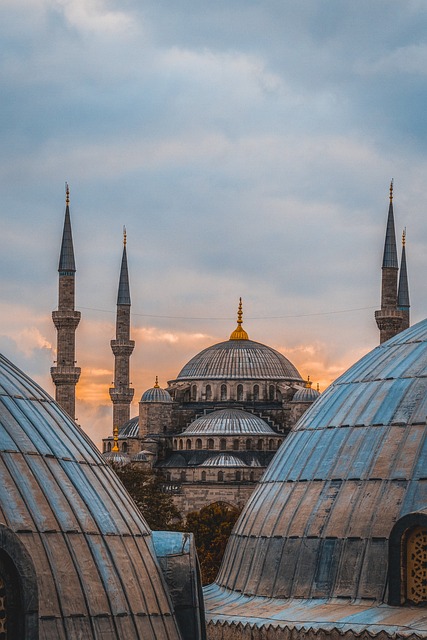
Blue Mosque, Istanbul
The Blue Mosque: Why Sultan Ahmed Built Six Minarets and Why That Caused a Problem Sultan Ahmed I was 19 years old when construction of his mosque began in 1609, and he made a decision that created a diplomatic incident before the building was even finished. He commissioned six minarets. At the time, the mosque in Mecca, the holiest site in Islam, had only six minarets. Constructing an equivalent...
read more