Recent Locations
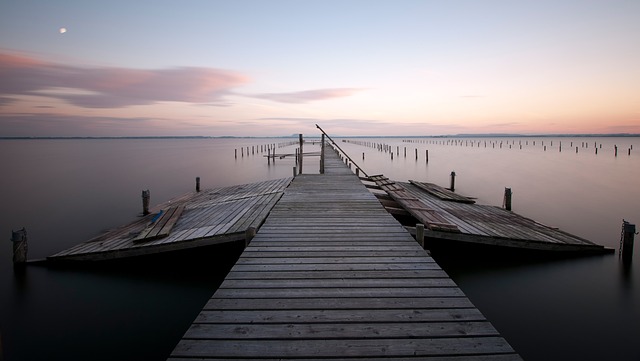
Albert Docks
Albert Dock, Liverpool: Victorian Engineering That Survived Its Own Redundancy Albert Dock was revolutionary when it opened in 1846 because it was the world’s first enclosed non-combustible dock complex: no timber was used in the construction, just stone, cast iron, and brick, specifically because the insurance companies had grown tired of paying out on warehouse fires. The dock’s...
read more
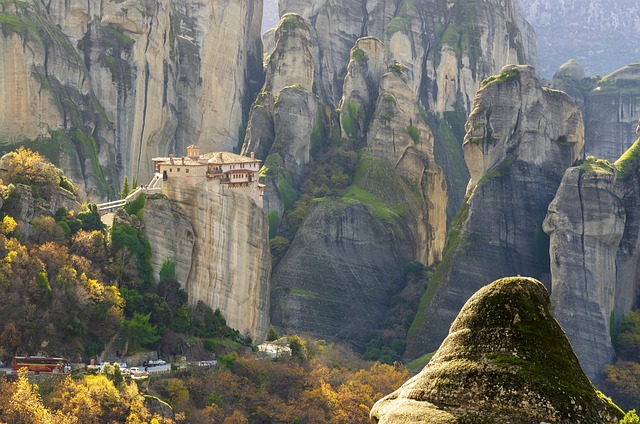
Church in the Rock
Temppeliaukio: Helsinki’s Church Carved Into a Rock Temppeliaukio is a Lutheran church in central Helsinki built inside a granite outcrop. Architects Timo and Tuomo Suomalainen won the design competition in 1961 and the church opened in 1969. Rather than building upward, they cut down into the rock, left the rough granite walls mostly unfinished on the interior, and covered the circular...
read more
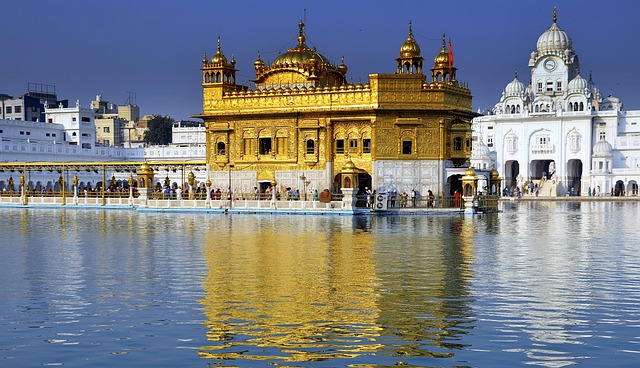
Amritsar, Punjab
The langar at the Golden Temple feeds around 100,000 people every day. That number is not symbolic – it is logistical. Volunteers work the dal, the roti ovens, and the serving lines in a continuous operation from early morning to late night, producing simple vegetarian Punjabi food at a scale that makes large catering operations look modest. The meal is free, open to everyone regardless of...
read more
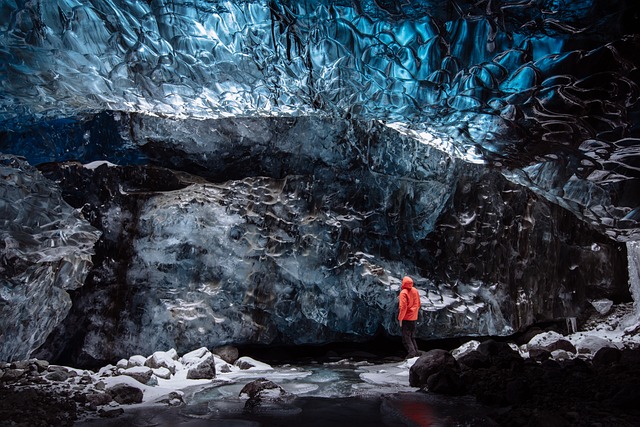
Vatnajokulll Glacier Cave
Ice Caves in Vatnajokull: What to Expect Vatnajokull is Europe’s largest glacier by volume, covering about 8% of Iceland’s land surface and sitting over several active volcanoes in the south-east of the country. The glacier’s natural ice caves form each winter where meltwater drains out beneath the ice, leaving hollow chambers with walls and ceilings of compressed blue ice. They...
read more
Bacuit Archipelago
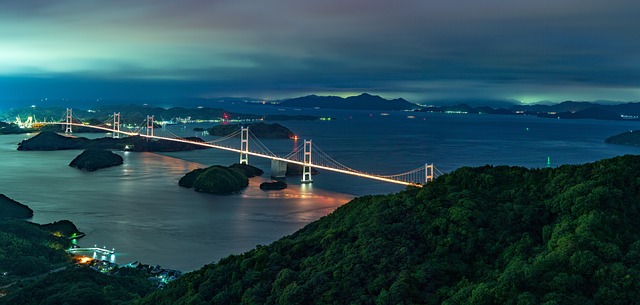
Bacuit Archipelago: Limestone Karst, Hidden Lagoons, and the Problem With Tour A The Bacuit Archipelago spreads around El Nido in northern Palawan, Philippines - 45 islands and islets of limestone karst rising from green-turquoise water, with hidden lagoons behind them, coral reefs at the base, and enough visual drama to justify the considerable logistics of getting there. It is one of the more...
read more

The White Horse Sutton Bank
Sutton Bank and the White Horse: The Escarpment at the Edge of the Moors The view west from Sutton Bank, at the top of the near-vertical limestone escarpment on the western edge of the North York Moors, covers the entire Vale of Mowbray, the Yorkshire Dales on the horizon, and on clear days the Pennines beyond. It’s one of the longer unobstructed views available in England’s...
read more
Paphos
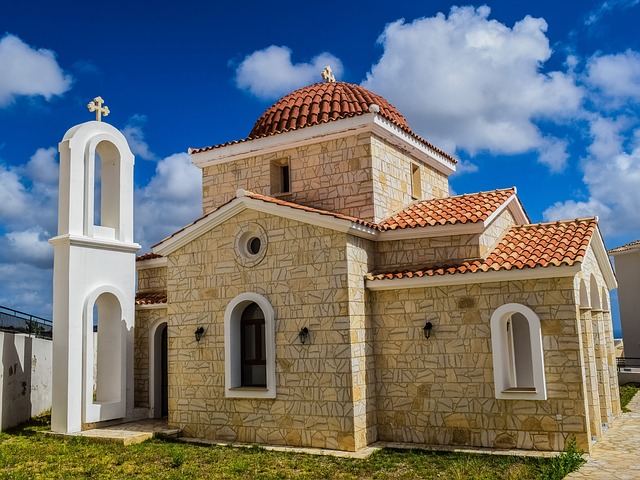
Paphos: Cyprus’s Best Archaeological Coast, and the Town Most Visitors Miss Paphos sits on the southwestern corner of Cyprus and holds the densest concentration of Roman-era archaeology on the island. The lower town (Kato Paphos) caters to beach resort tourists, and the upper town (Ktima) is where Cypriots actually live and work. Most visitors never make it up to Ktima, which is a mistake -...
read more
Tajik National Park (Mountains of the Pamirs)
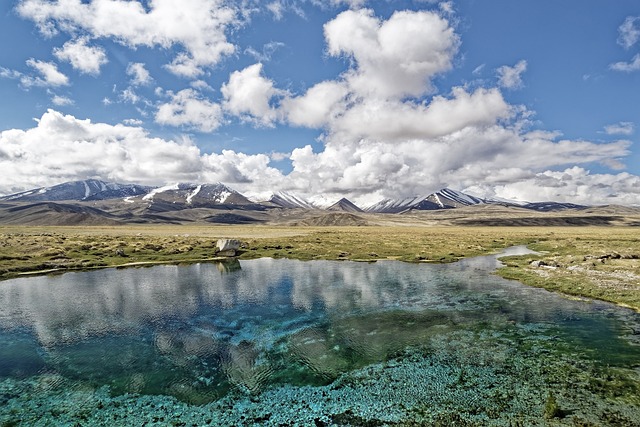
Tajik National Park: The World’s Second-Largest Park and Almost No One Goes Tajik National Park covers 2.5 million hectares in the eastern Pamirs and is, by area, the second-largest national park in the world. There are no visitor centres, no marked trails, no entry gates, and no towns inside the park boundaries. The average elevation is around 4,000 metres. It is a UNESCO World Heritage...
read more
Atomium Brussels
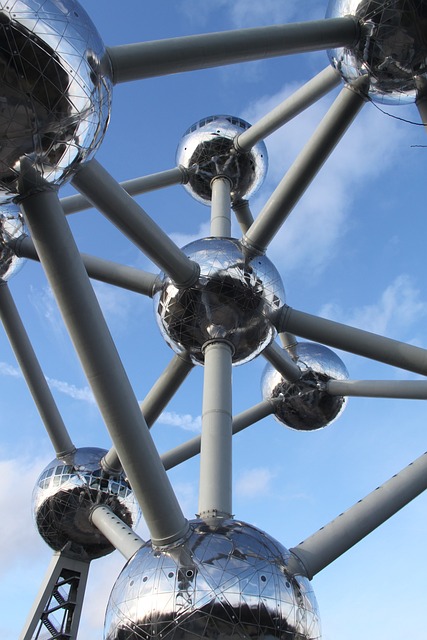
The Atomium: Belgium’s Most Eccentric Monument and Why It Works The Atomium was built for the 1958 World’s Fair in Brussels, designed by engineer André Waterkeyn to represent an iron crystal magnified 165 billion times. Nine steel spheres connected by tubes, 102 metres tall, the central vertical tube containing escalators and lifts connecting the spheres. It was supposed to be...
read more
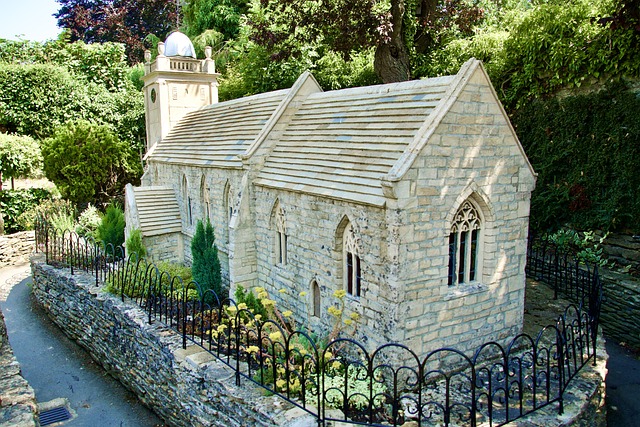
Bourton on the Water, Gloucestershire
Bourton-on-the-Water: The Most Photographed Village in the Cotswolds and Whether That’s a Good Thing Bourton-on-the-Water has low stone bridges over a shallow clear river, honey-coloured Cotswold stone buildings on both banks, ducks, and children paddling in the shallows in summer. The “Venice of the Cotswolds” comparison is flattery, and the guidebooks know it, but the scene is...
read more
Museo Del Oro Del Banco De La Rep Blica
The Gold Museum, Bogota: Better Than You Expect Sunday is the worst day to visit. Entry is free on Sundays and public holidays, which sounds appealing until you read that the museum sees between 3,000 and 5,000 visitors on those days compared to the 200 to 400 it gets on a Tuesday morning. The Gold Museum – Museo del Oro del Banco de la Republica – is extraordinary, and you will not...
read more
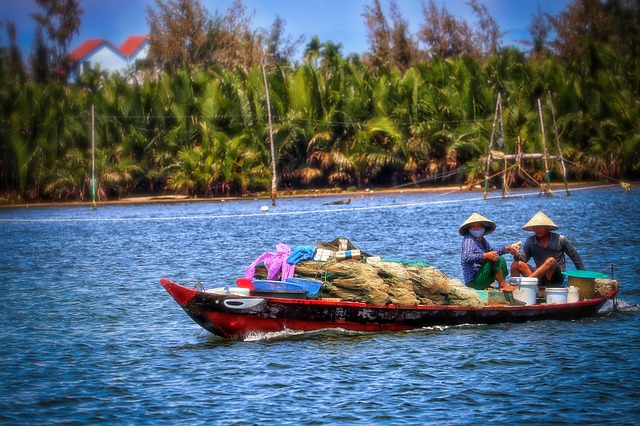
Mekong Delta
The Mekong Delta: Vietnam’s Southern Waterways The Mekong River enters Vietnam from Cambodia as a single river and then divides into nine main channels, the “Nine Dragons,” as it crosses a flat alluvial delta before reaching the South China Sea. The delta covers 40,000 square kilometres and is among the most productive rice-growing regions in Asia. It is also one of the most...
read more
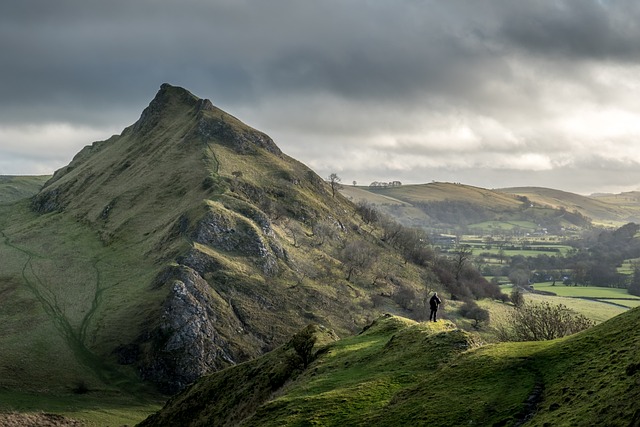
Cuillin Hills
The Cuillin Hills: The Most Demanding Mountain Range in Britain The Cuillin of Skye are not like other British hills. The Black Cuillin is a horseshoe of gabbro and basalt peaks with 11 Munros (summits above 3,000 feet), a complete ridge traverse that takes the most accomplished British mountaineers 15-20 hours, and scrambles and climbs with genuine alpine character. The rock is rough and grippy...
read more
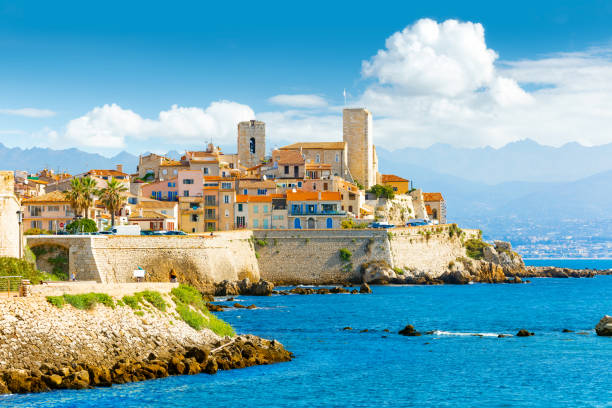
Antibes
Antibes: The Riviera Town That Picasso Actually Worked In Cannes is for the festival crowd and Nice is for everyone else. Antibes is for people who want the Cote d’Azur without the performative scene. That’s a defensible position, and the fact that Picasso spent the autumn of 1946 in the Chateau Grimaldi producing 23 paintings and 44 drawings makes it more than an attitude.
The Chateau...
read more
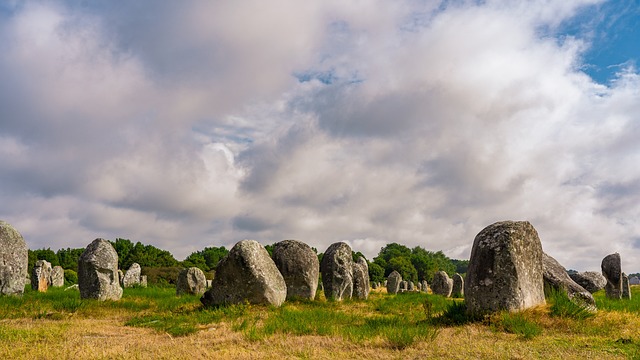
Carnac
Carnac, Brittany: Stones, Sand, and the Weight of Deep Time The alignments at Carnac are the largest prehistoric monument complex in the world. That phrase has been repeated so often it has lost its force, so let’s be specific: roughly 3,000 standing stones spread across three main fields (Menec, Kermario, and Kerlescan), arranged in rows that stretch for kilometres across the Breton...
read more
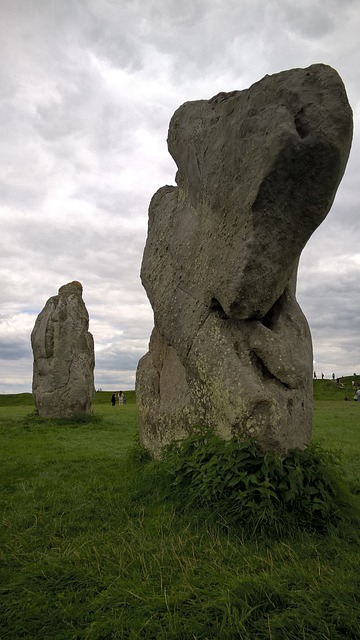
Avebury Stone Circle
Avebury: The Prehistoric Monument Where You Can Actually Walk Among the Stones Stonehenge is famous because it photographs well and because the roads and car parks built around it have concentrated the crowds. Avebury is arguably more interesting in every respect except photographs: it is the world’s largest prehistoric stone circle, you can walk among the stones freely, and a functioning...
read more
Saltaire
Saltaire: The Victorian Industrialist Who Built a Village and Banned the Pub Sir Titus Salt made his fortune in alpaca wool. When he built his new mill complex on the River Aire in 1851, he decided to build a complete town alongside it: terraced stone houses, schools, a hospital, almshouses, a park, bathhouses, a church, and a working men’s institute. Notably absent from this list was any...
read more
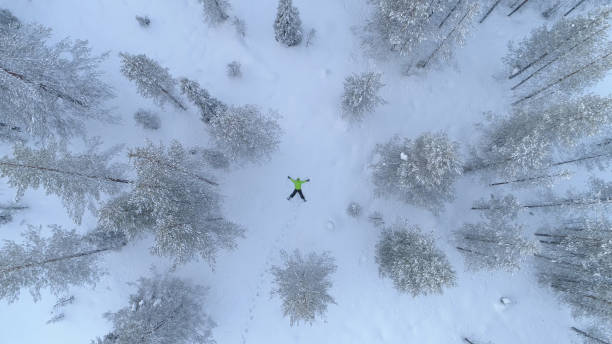
Angel of the North
The Angel of the North: Antony Gormley’s Steel Figure on the A1 The Angel of the North stands 20 metres tall with a 54-metre wingspan at the edge of Gateshead, by the A1 motorway, and it arrives in your peripheral vision before you’ve consciously noticed it: a figure with outstretched wings that appears, from the road, larger than it can possibly be. This is deliberate. Antony Gormley,...
read more
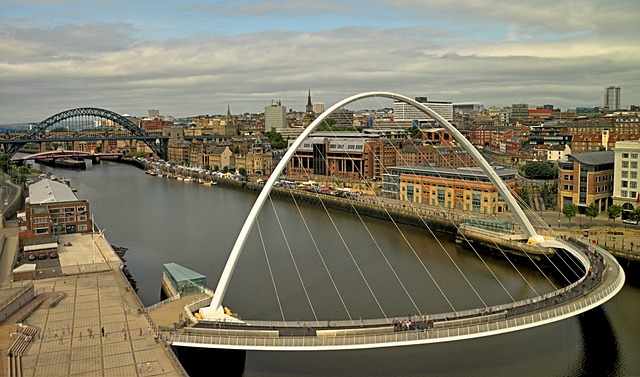
Blinking Bridge, Newcastle
The Gateshead Millennium Bridge was the world’s first tilting bridge when it opened in 2001, and the tilt mechanism is what earns it the nickname. When a vessel needs to pass, the entire structure rotates on its axis like an enormous blinking eye – the deck and arch move together, the arch descending while the walkway rises, until the gap is large enough for river traffic beneath. The...
read more
Altun Ha, Maya Site
The most famous object recovered from Altun Ha is a jade head, 5.25 pounds, carved in the Classic Maya period. It was found in 1968 in the Jade Head Temple (Structure B-4) by the archaeologist David Pendergast during a Canadian excavation. The head depicts Kinich Ahau, the sun god, and is the largest carved Maya jade ever found. It is now in a vault at the Belize Bank in Belmopan, brought out only...
read more
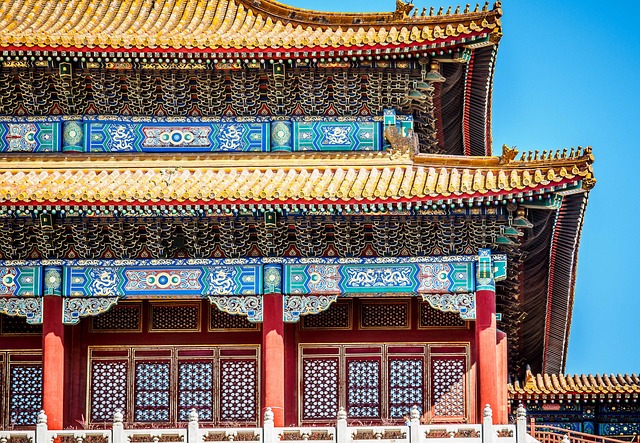
Summer Palace, an Imperial Garden in Beijing
The Summer Palace: Beijing’s Imperial Garden at Lake and Hill Empress Dowager Cixi notoriously diverted funds intended to modernise the Chinese navy to rebuild the Summer Palace after the Second Opium War. The Marble Boat on Kunming Lake – a palace pavilion designed to look like a Western-style paddle steamer – is the physical emblem of this decision: built partly with naval...
read more
Kuelap Peru
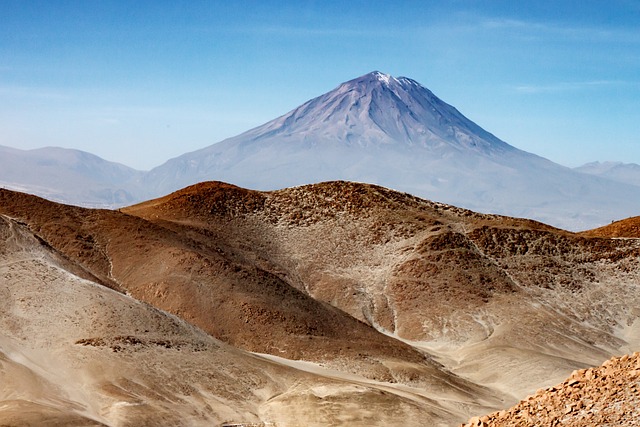
Kuelap: Larger Than Machu Picchu, Visited by Almost Nobody Kuelap sits at 3,000 metres in the cloud forests of Peru’s Amazonas Region. The outer walls reach 20 metres in height. The complex contains roughly 500 circular stone structures. The entire fortified settlement is larger than Machu Picchu by area. It was built by the Chachapoyas people between 900 and 1200 AD and inhabited until the...
read more
La Citadelle La Ferrière
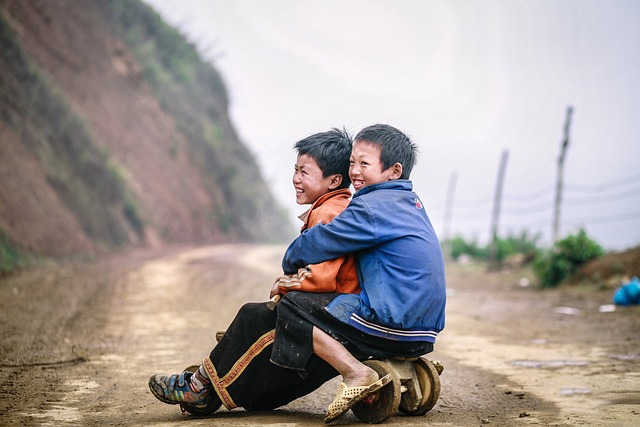
La Citadelle La Ferrière: The Most Significant Fortress in the Western Hemisphere Nobody Talks About Henri Christophe built the Citadelle La Ferriere to defend an idea. He had been enslaved. He had fought for Haiti’s independence. When the revolution succeeded in 1804 and created the world’s first Black republic, Christophe understood that France or Spain or Britain might simply come...
read more
Tintagel Castle
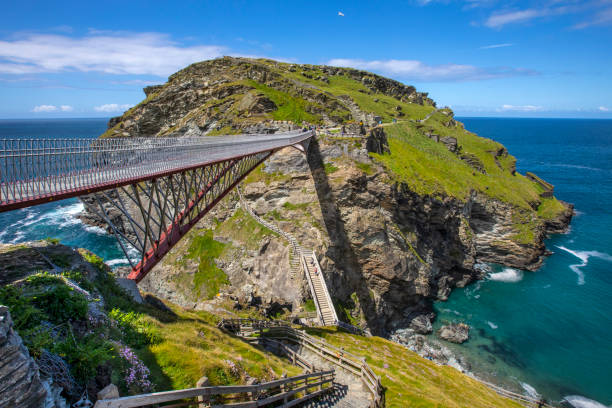
King Arthur was almost certainly not born here. That matters less than you’d think, because Tintagel is extraordinary without the mythology – a ruined 13th-century fortification split between a clifftop headland and a tidal island on the north Cornwall coast, connected by a 60-metre footbridge that English Heritage spent around £3 million to build. The bridge opened in 2019 and is, in...
read more

Valle De Vinales, Cuba
Valle de Viñales: Cuba’s Most Spectacular Landscape, with a Few Catches The mogote limestone formations that rise from the floor of the Viñales valley are some of the most dramatic scenery in the Caribbean. Steep, forested, geologically ancient, they stand in abrupt contrast to the tobacco fields and red soil of the valley floor. It is a genuinely spectacular place, and the small town of...
read more
Angkor, Cambodia
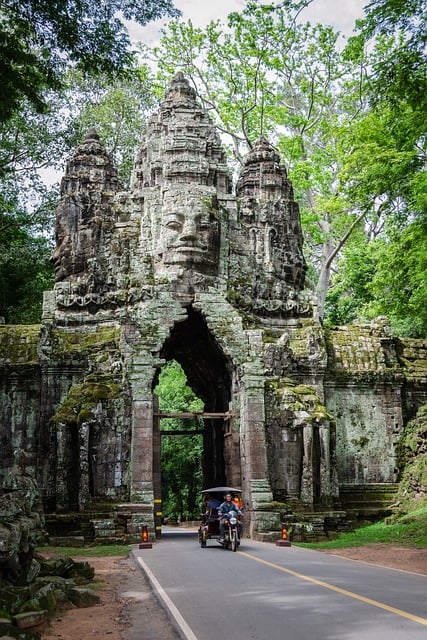
Angkor: The Largest Religious Monument Ever Built Angkor Wat’s moat alone is 5.5km around, and the moat is just the framing. What it frames is a temple complex covering 400 acres, built in the 12th century under King Suryavarman II, oriented westward (toward the setting sun and toward death in Khmer cosmology, which is one reason scholars believe it served as both a Hindu state temple and a...
read more
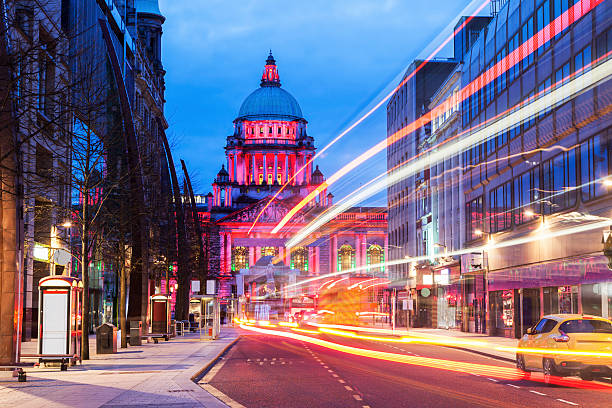
Belfast
Belfast Does Not Need Your Sympathy For most of its history in the international imagination, Belfast was shorthand for something you’d want to avoid. That image is now about 30 years out of date, and the city that has replaced it is one of the more interesting mid-sized cities in Europe: a working waterfront that has transformed without becoming sanitised, a food scene that punches well...
read more

Capitol Hill
Capitol Hill, Washington D.C.: Where History Is Still Operating Three of the most consequential buildings in American government sit within a five-minute walk of each other on Capitol Hill, and all three are open to the public, largely for free. That this is even possible, that you can walk into the building where laws are debated, the court where constitutional cases are heard, and the library...
read more
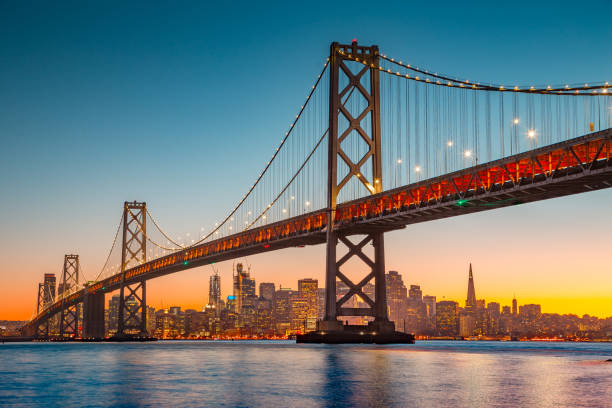
San Francisco
San Francisco Fog rolls in most summer mornings from the Pacific through the Golden Gate and sits over the Bay until late morning, when it burns off. This is not a design flaw in the city – it’s the specific atmospheric phenomenon, the California Current bringing cold water up from the deep Pacific close to shore, that Carl Sandburg and countless photographers have documented and that...
read more
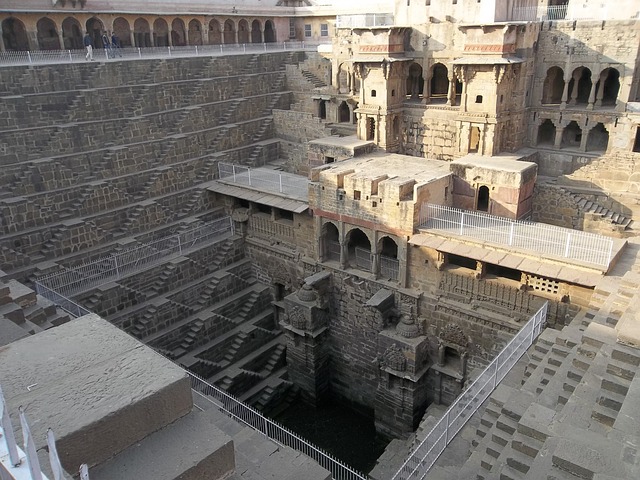
Chand Baori
Chand Baori: The Most Geometrically Perfect Hole in the Ground The photographs circulate widely enough that most visitors arrive expecting something they have already seen. What you have not seen, until you stand at the rim, is the depth. Chand Baori plunges approximately 30 metres below ground level across 13 stories. Three sides descend in identical stepped tiers, forming a perfectly symmetrical...
read more
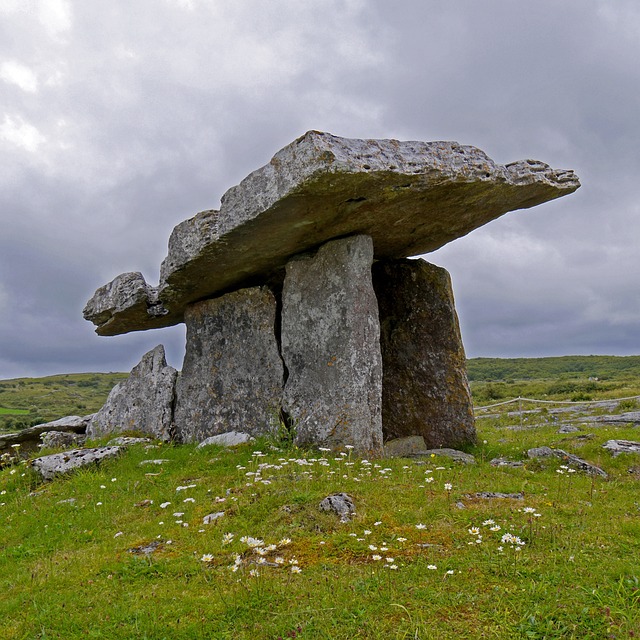
Brú Na Bóinne Neolithic Site (County Meath, Ireland)
Bru na Boinne: Older Than Stonehenge, Better Than You’ve Heard Newgrange was built around 3200 BCE – roughly 600 years before the Egyptian pyramids and 500 years before Stonehenge. The people who built it had no written language, no metal tools, and no wheel. They moved tens of thousands of tonnes of stone and earth with enough precision that a narrow shaft in the roof box aligns...
read more
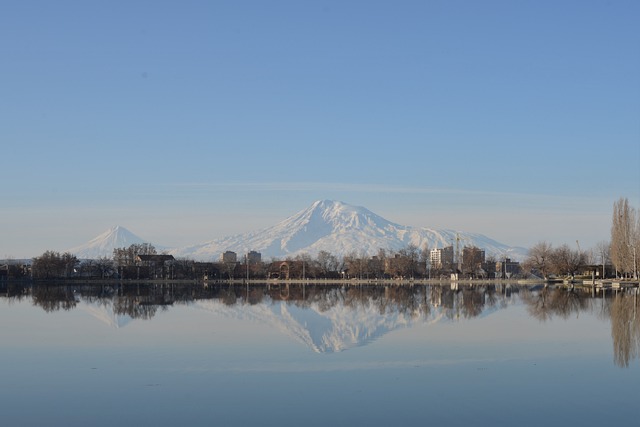
Ararat
Mount Ararat: On Not Being Able to Reach the Thing That Defines You Mount Ararat sits on the coat of arms of Armenia, in the crescent beneath the eagle’s wings. The mountain is also entirely inside Turkey. This political geography has defined Armenian national identity since the mountain was ceded to Ottoman Turkey in the 1921 Treaty of Kars, and visiting it requires crossing into a country...
read more
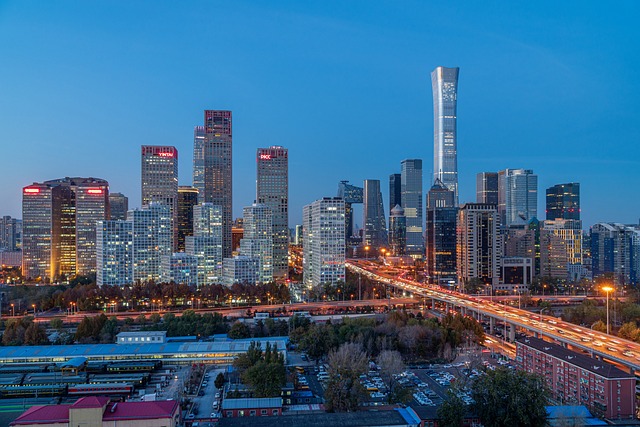
Art District, Beijing
The 798 Art District looks like a contradiction on arrival: Bauhaus factory buildings from the 1950s, built by East German architects under the early People’s Republic, now housing galleries selling work for prices that would have been ideologically unacceptable to the government that originally commissioned the structures. The red brick walls, the sawtooth factory rooflines, and the...
read more
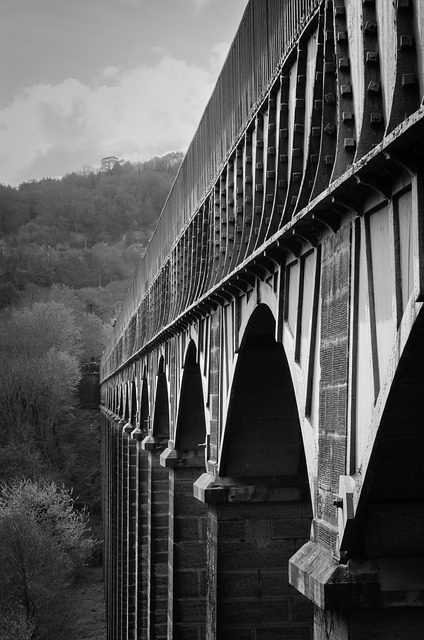
Pontcysyllte Aqueduct Llangollen Canal Wales
Pontcysyllte Aqueduct: Walking Across a Cast-Iron Trough 38 Metres in the Air Thomas Telford designed the Pontcysyllte Aqueduct. It opened in 1805. It is 307 metres long, carries the Llangollen Canal across the River Dee on 19 masonry piers, and stands 38 metres above the water in the valley below. It is the longest and highest navigable aqueduct in Britain and a UNESCO World Heritage Site. The...
read more
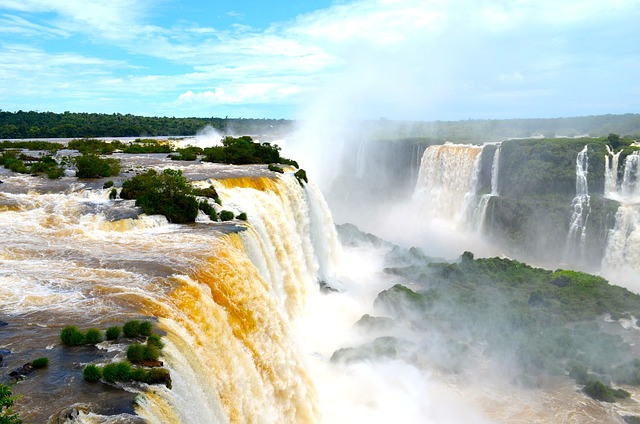
Visit Iguazu Falls
Iguazu Falls: Both Sides of the Border Eleanor Roosevelt, reportedly, saw Iguazu Falls for the first time and said, “Poor Niagara.” Whether or not she actually said it, the comparison is apt. Iguazu is 275 waterfalls strung across nearly 3km of the Iguazu River on the border between Argentina and Brazil. The biggest single drop, the Devil’s Throat (Garganta del Diablo), sends the...
read more
Iron Bridge, Shropshire
Ironbridge: Where the Industrial Revolution Actually Happened The Iron Bridge was completed in 1779 by Abraham Darby III, and it is the world’s first cast iron bridge. That single sentence places Ironbridge Gorge at the beginning of a transformation that changed human civilisation: the Industrial Revolution didn’t start here, exactly, but the breakthrough that made it possible –...
read more
Miami Beach, Florida
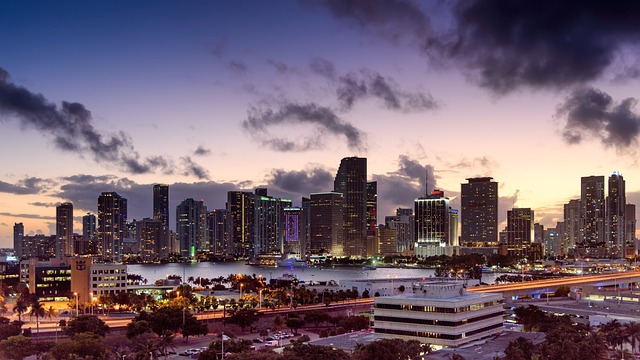
Miami Beach: The Art Deco, the Crab Claws, and the Party You Might Not Want Miami Beach is a barrier island. Ocean Drive faces the Atlantic; the Art Deco Historic District spreads west from there; Biscayne Bay separates the island from mainland Miami. The photographs of pink-and-turquoise hotels with neon signs and palm trees against a blue sky are real and the area is genuinely as photogenic as...
read more
Amazon Forest
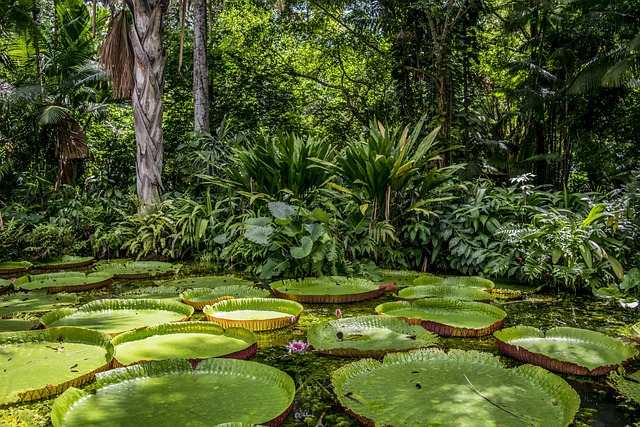
The Amazon Rainforest: How to Actually Get Into It The Amazon is the largest tropical rainforest on Earth, covering 5.5 million square kilometres across nine countries. Brazil holds roughly 60% of it. The statistics scale up into abstraction quickly: 390 billion trees, 16,000 species of trees, 1,300 bird species, 2,200 fish species. The only way these numbers make sense is to be inside the forest,...
read more
Casino Monte Carlo
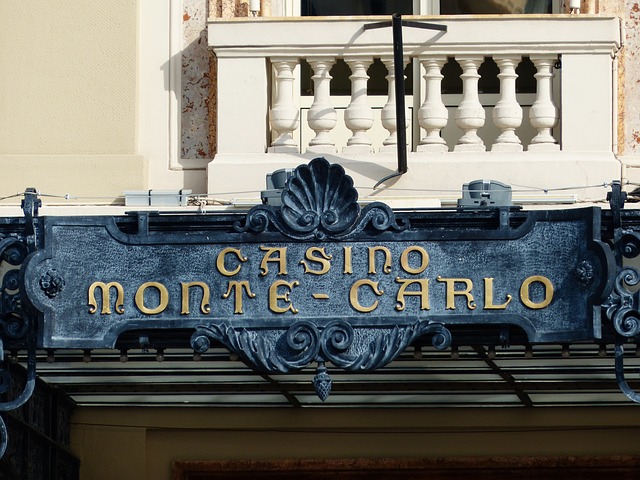
Casino de Monte-Carlo: The Building Is Reason Enough Most visitors to the Casino de Monte-Carlo don’t gamble. They pay the entrance fee (currently €17 for the European gaming rooms; passport required; no one under 18), walk through Charles Garnier’s 1863 Belle Epoque interior, stand in the atrium under the stained glass and marble columns, look around at the painted ceilings, and leave...
read more
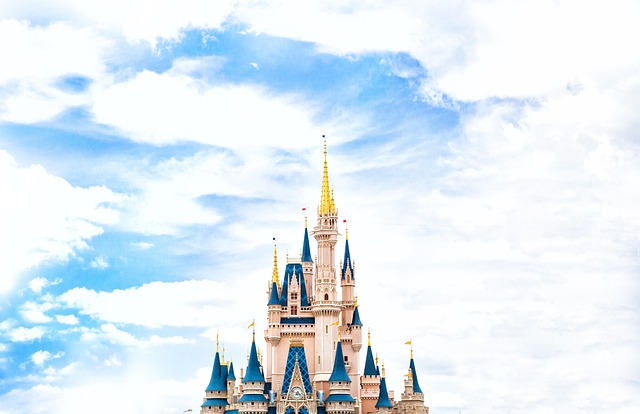
Walt Disney World
Walt Disney World: The Logistics Are the Product Walt Disney World covers 27,000 acres southwest of Orlando - roughly twice the area of Manhattan. Four theme parks, two water parks, more than 30 hotels, and enough restaurants to sustain a mid-sized city. Disney’s operational model depends on extracting money from guests continuously while making them feel they’re getting exceptional...
read more
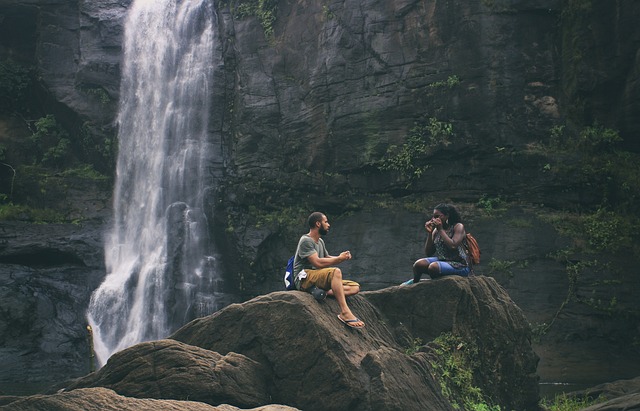
Kerala
Kerala: India’s Most Tourist-Friendly State, and Still Worth It Kerala has been doing responsible tourism longer than almost anywhere in India. The state is compact - 560 kilometres north to south, averaging 35 kilometres wide - literate to a degree unusual in India, and has public transport that actually functions. It is also genuinely beautiful. The backwaters, the hill stations, the...
read more
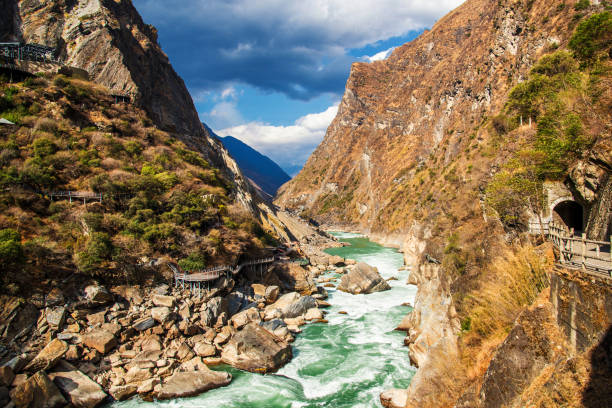
Tiger Leaping Gorge, China
Tiger Leaping Gorge: Two Days, One of the Best Walks in Asia Tiger Leaping Gorge cuts between Jade Dragon Snow Mountain and Haba Snow Mountain in northwest Yunnan, about 60 kilometres north of Lijiang. The Yangtze River (called the Jinsha in this section) drops around 200 metres over 16 kilometres. The gorge is deep enough that standing at the rim, the river looks like a thin silver thread far...
read more
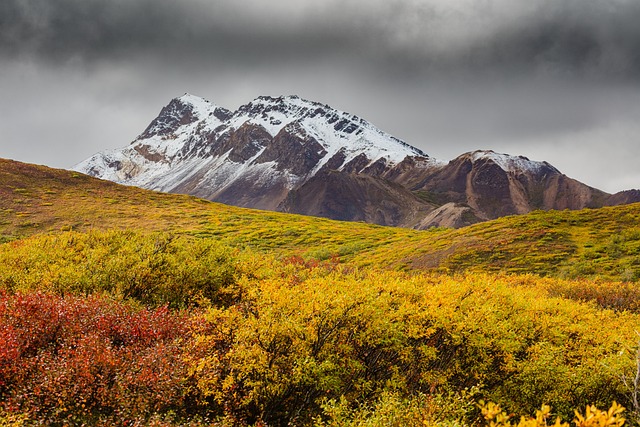
Aleutian Islands Alaska
The Aleutian Islands: The End of the World, More or Less You cannot drive to the Aleutian Islands. You cannot take a train. You can fly, if you can find a connection through Anchorage, and you can take the Alaska Marine Highway ferry from Homer on the Kenai Peninsula on a route that runs the chain as far as Dutch Harbor and takes about four days. Most people don’t do either of those things,...
read more

Animal Kingdom, Disney World, Orlando
Disney’s Animal Kingdom: The Disney Park That Actually Earns Its Name Animal Kingdom is the only Disney World park that contains real wildlife, which distinguishes it from its siblings in ways that affect how you plan your day. The park covers 580 acres, making it the largest by area in the Walt Disney World complex, and the central landscaping around Discovery Island genuinely absorbs sound...
read more
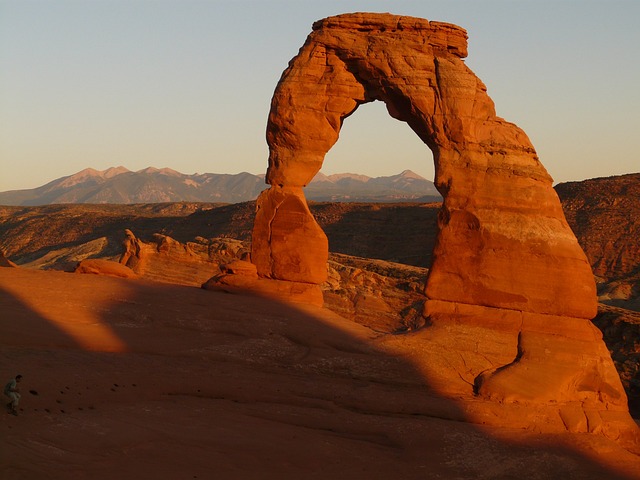
Arches National Park
Arches National Park: Over 2,000 Natural Stone Arches in Eastern Utah Arches National Park in eastern Utah contains the highest concentration of natural stone arches in the world: more than 2,000, ranging from small windows in rock faces to the 88-metre span of Landscape Arch, one of the longest natural spans on earth. The arches formed over millions of years as water, wind, and freeze-thaw cycles...
read more
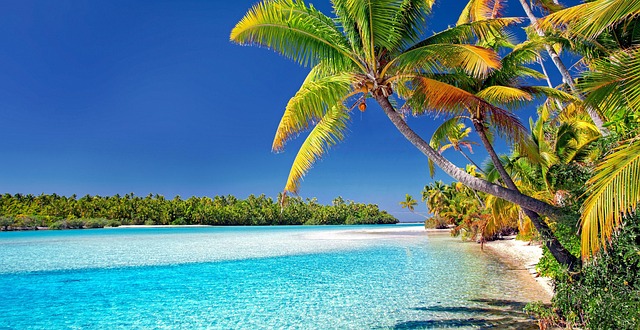
Aitutaki, Cook Islands
Aitutaki: The Lagoon That Most Lists Get Right Every credible ranking of Pacific lagoons puts Aitutaki at or near the top, and the consensus has never felt like marketing. The lagoon is genuinely extraordinary: a 50km² enclosure of water in multiple shades of blue and green, shallow enough to wade in most of it, with 21 motus (small coral islands) scattered around the inner ring. You fly in from...
read more
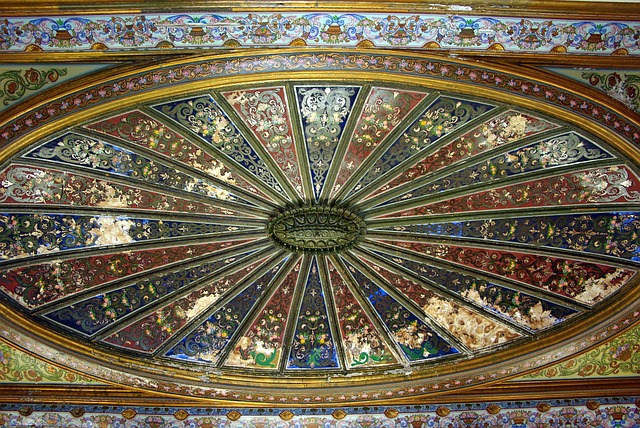
Bardo Museum, Tunis
The Bardo Museum: The Best Roman Mosaic Collection in the World, in a Hafsid Palace The Bardo Museum in Tunis holds the largest and finest collection of Roman mosaics anywhere on Earth. This is not a regional claim or a marketing superlative - it is the straightforward assessment of Roman art specialists. The mosaics from Thuburbo Majus, Dougga, Sousse, and dozens of other North African sites were...
read more
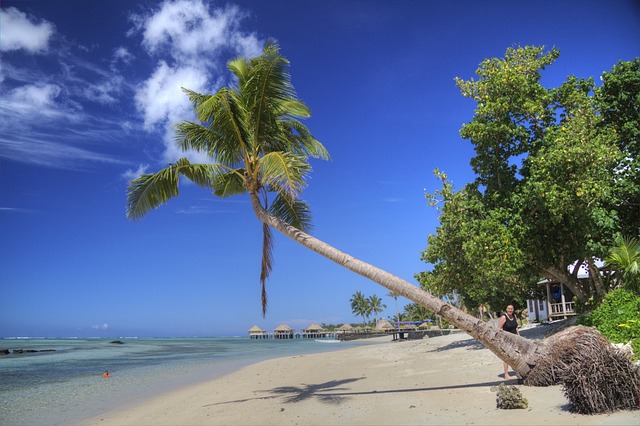
Samoa
Samoa: One of the Last Places in the Pacific That Feels Genuinely Unhurried Independent Samoa (to distinguish it from American Samoa to the east) is a two-island nation of about 220,000 people in the central South Pacific. Upolu, the smaller island, holds the capital Apia and the majority of the population. Savai’i to the northwest is larger, less developed, and the better destination if you...
read more

Ancient City Walls Dubrovnik
Dubrovnik’s City Walls: The Walk That Explains the City The first thing you understand when you walk the walls of Dubrovnik is that this was a city-state, not a village with ambitions but a genuine maritime republic with its own flag, its own coinage, and a foreign policy independent enough to maintain diplomatic relations with both the Ottoman Empire and the Habsburg monarchy...
read more
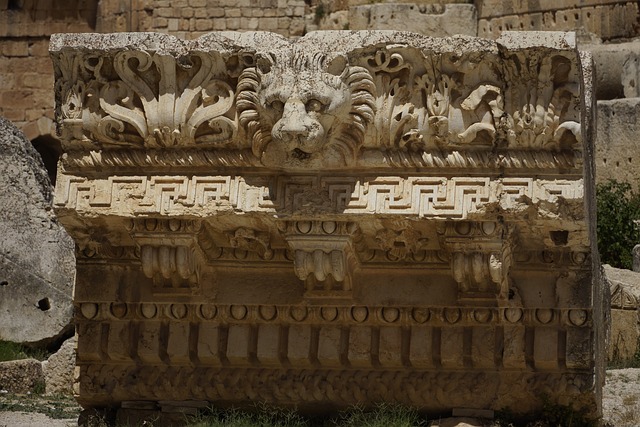
Baalbek
Baalbek: The Largest Roman Temple Ever Built, in Lebanon The Temple of Jupiter at Baalbek was, by volume, the largest temple in the Roman Empire. The platform on which it stood was itself a feat of engineering: the foundation stones include the Trilithon, three stone blocks each weighing approximately 800 tonnes, placed there by quarry workers using methods still debated by engineers. The largest...
read more