Recent Locations
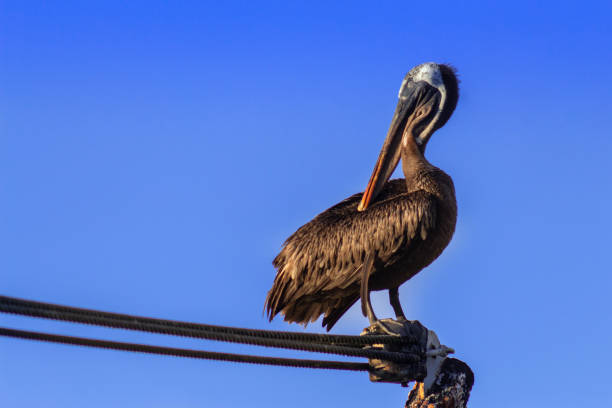
Galápagos Islands
Galápagos Islands: What Darwin Saw and What You Can The Galápagos sit 900km west of Ecuador in the Pacific, astride the equator. Darwin spent five weeks here in 1835 and the observations he made, giant tortoises varying by island, finch beaks adapted to local food sources, contributed substantially to the theory of natural selection he published 24 years later. The wildlife hasn’t changed...
read more
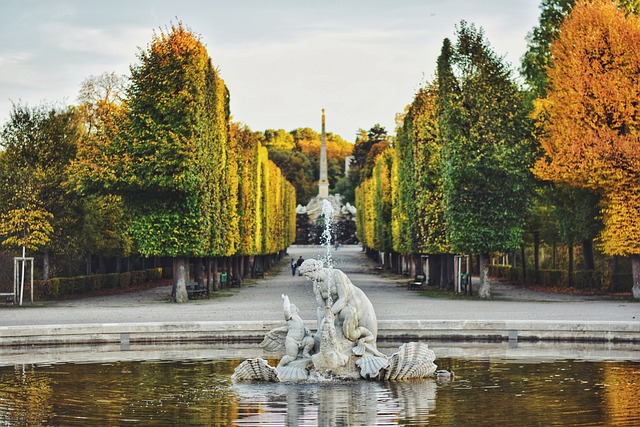
Mq Museumsquartier Wien
The MuseumsQuartier Vienna: One of Europe’s Best Museum Districts, Used Properly The MuseumsQuartier (MQ) occupies the former imperial court stables, a Baroque complex designed by Johann Fischer von Erlach in the early 18th century. The stables were converted into a cultural district in 2001 by adding four major museum buildings to the historic structure. The complex is the seventh-largest...
read more
Burgess Shale Bc Canada
Burgess Shale: Walking to the Cambrian Explosion In 1909, American paleontologist Charles Walcott was riding through Yoho National Park in British Columbia when his horse stumbled on a fossil-bearing rock. What Walcott had found were the Burgess Shale beds: a series of deposits dating to approximately 508 million years ago that preserve soft-bodied Cambrian marine creatures in extraordinary...
read more
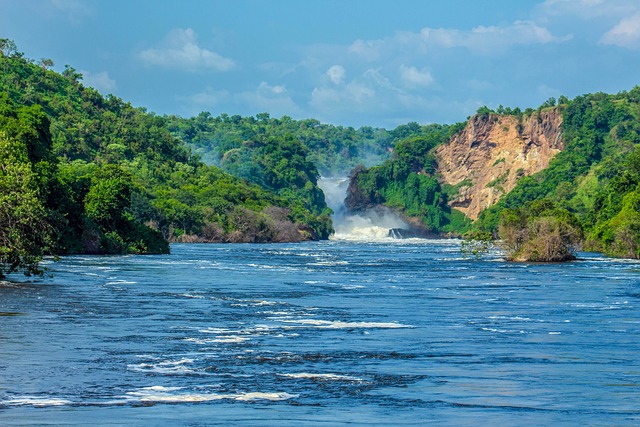
Murchison Falls, Uganda
The entire volume of the White Nile is forced through a 7-metre cleft in the rock before dropping 43 metres. That’s not a metaphor about nature’s power; it’s a physical description of what happens at Murchison Falls, where the world’s longest river has its most violent passage. The sound and spray reach you before you can see it. The compression point, where a river 50...
read more
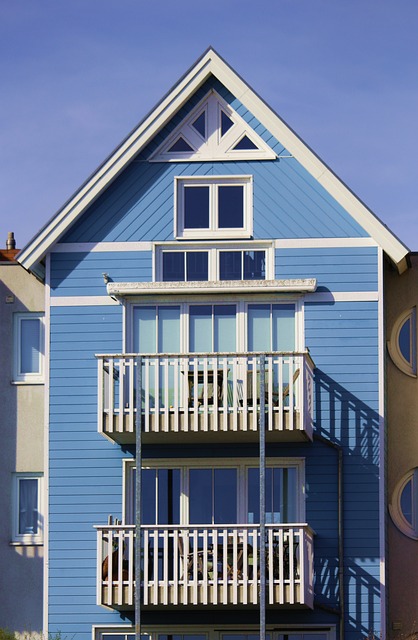
Juliets Balcony
Juliet’s Balcony in Verona: Managing Your Expectations Let’s be direct about what Juliet’s Balcony is and what it isn’t. The Casa di Giulietta at Via Cappello 23 in Verona is a 14th-century house that has no documented connection to Shakespeare’s play, which was written in 1594 and set the action in a fictional version of Verona. The balcony itself was added in 1937,...
read more
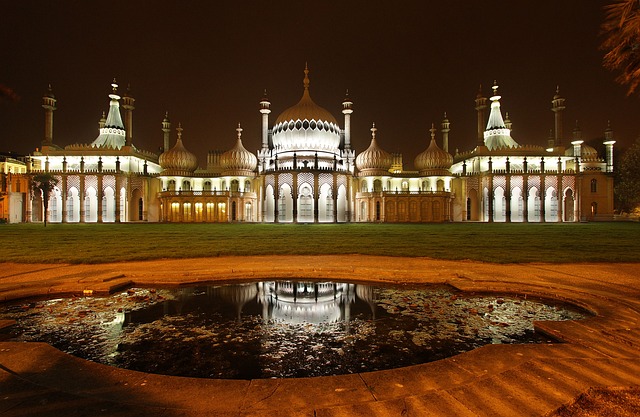
Royal Pavilion
Brighton’s Royal Pavilion: Indo-Saracenic Architecture in a Sussex Seaside Town The Royal Pavilion is one of the most architecturally bizarre buildings in Britain and is deliberately so. The exterior assembles minarets, onion domes, and cast-iron tented roofs in a way that quotes Mughal architecture in a thoroughly un-Indian manner – the design is a fantasy of the Orient filtered...
read more
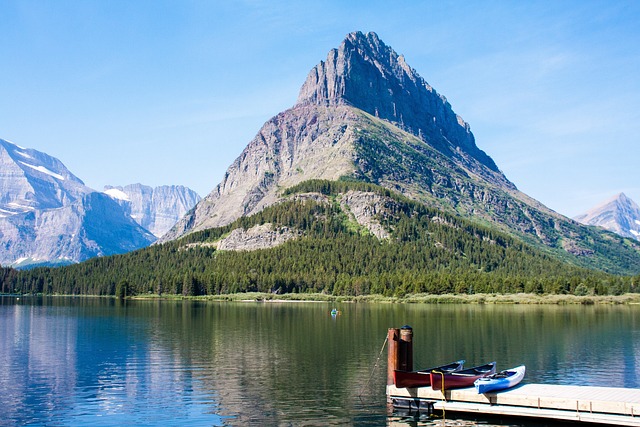
Glacier National Park, Montana
Glacier National Park: Before the Glaciers Are Gone When the park was established in 1910, it had 150 named glaciers. The current count is around 25, down from 37 in 1966. That number will continue to fall regardless of what happens from here – the ice locked in place before the 1990s is already committed to melting over the decades ahead. Climate projections suggest most of what remains...
read more
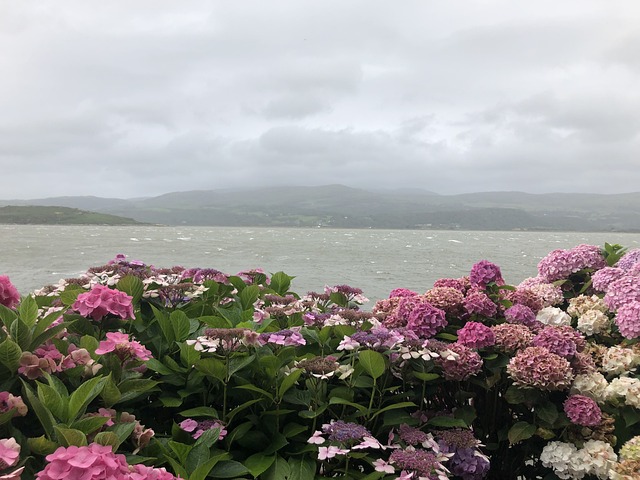
Portmeirion
Portmeirion: Clough Williams-Ellis’s Useful Folly Clough Williams-Ellis began building Portmeirion in 1925 with a thesis: that a beautiful building development need not destroy its landscape. He bought an abandoned peninsula on the Dwyryd estuary in North Wales, salvaged architectural fragments from demolished buildings across Britain, and assembled them into something that resembles an...
read more
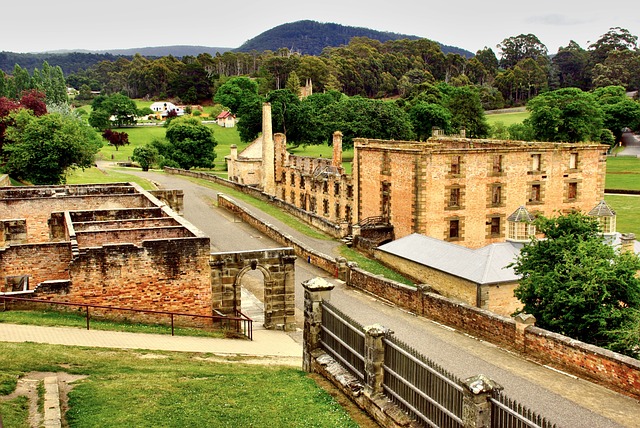
Port Arthur
Port Arthur, Tasmania: Confronting a Dark History Port Arthur operated as a convict settlement from 1830 to 1877 on the Tasman Peninsula, about 100km southeast of Hobart. Over 12,000 convicts passed through it, many transported from Britain and Ireland for crimes that today would carry a fine or a community order. The ruins are UNESCO World Heritage-listed as part of the Australian Convict Sites...
read more
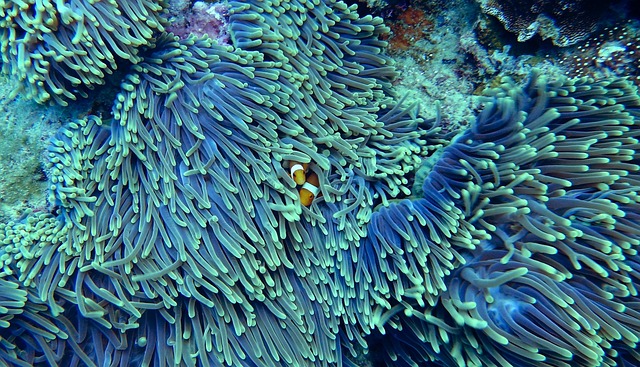
Tubbataha Reef
Tubbataha Reef: Getting There Is Half the Challenge Tubbataha Reef National Marine Park sits in the middle of the Sulu Sea, 150 kilometres southeast of Puerto Princesa in Palawan. There is no island to stay on, no day trips from a nearby resort, and no casual way to visit. The only practical access is via a liveaboard dive boat from Puerto Princesa, during the strictly limited season from March...
read more
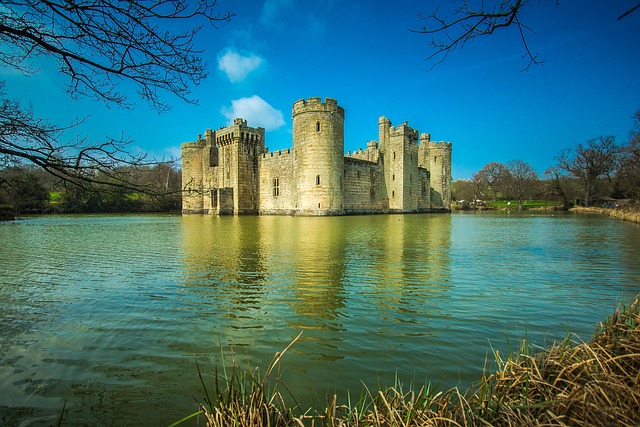
Bodiam Castle
You will see this castle before you understand it. The reflection in the moat stops most first-time visitors mid-stride: four towers, crenellated walls, the entire fortress mirrored in still water. Bodiam Castle looks so precisely like a castle should look that historians have been arguing ever since about whether that was the point. Was it a serious military fortification, or was Edward...
read more
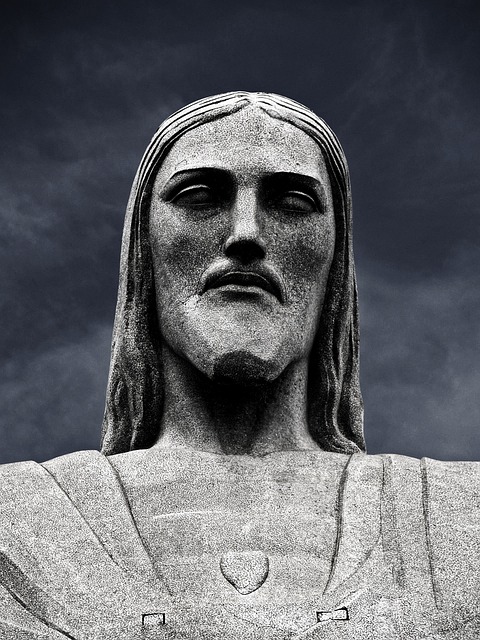
Christ the Redeemer
Cristo Redentor: Thirty Metres of Art Deco on Top of a Rainforest Mountain Christ the Redeemer was struck by lightning in 2014 and lost a thumb. The Brazilian government repaired it. This is not a metaphor; it is a practical consequence of the statue standing on the highest point of Corcovado mountain at 710 metres above Rio de Janeiro, where it functions effectively as a lightning rod during the...
read more
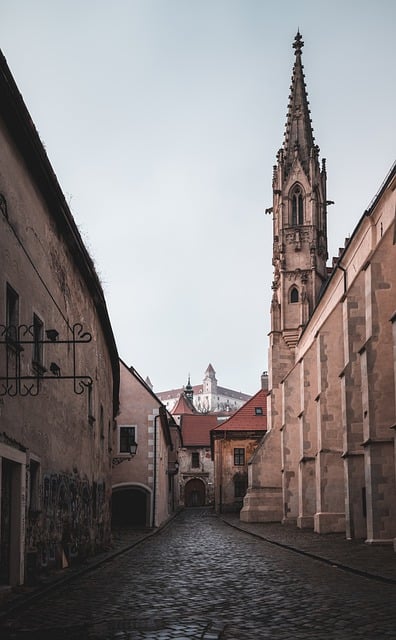
Bratislava Castle
Bratislava Castle: The City’s Most Visible Monument and What’s Actually Worth Seeing The castle on the hill above the Danube is the image you see in every photograph of Bratislava, a square white building with four corner towers that locals call the “upturned table.” It sits 85 metres above the river and has been rebuilt several times, most recently restored in the 1960s...
read more
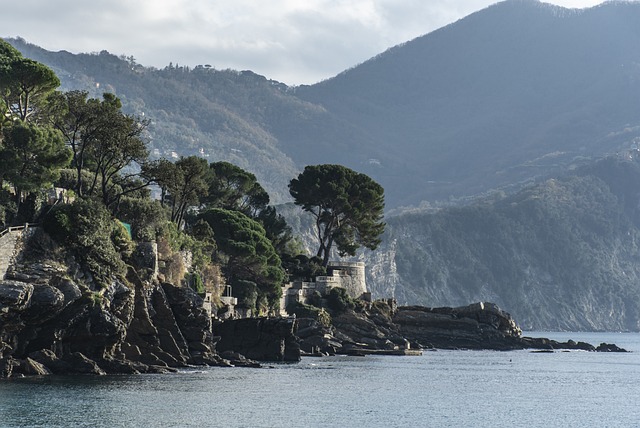
Gardens by the Bay
Gardens by the Bay: Singapore’s Most Photogenic Park and How to Actually Enjoy It Singapore built Gardens by the Bay on reclaimed land between Marina Bay Sands and the waterfront, opening it in 2012. The 18 Supertrees, steel-and-concrete structures covered in living plants and rising 25-50 metres, are visible from any approach to the Marina Bay area. They are not subtle. The design decision...
read more
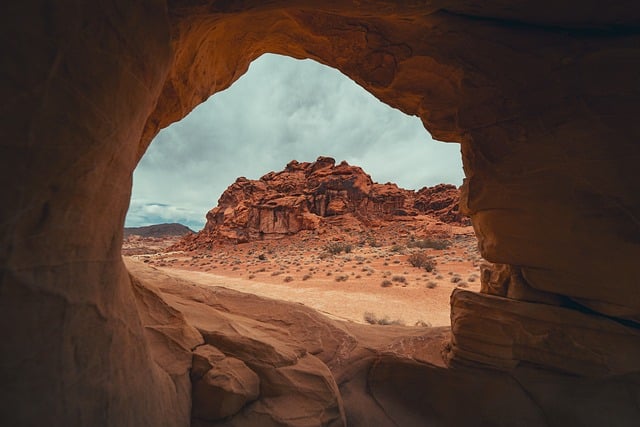
Cave of Altamira and Paleolithic Cave Art of Northern Spain
When Marcelino Sanz de Sautuola showed professional archaeologists the bison paintings he and his daughter Maria had found on the cave ceiling at Altamira in 1879, the response was dismissal. The paintings were too sophisticated, too accomplished – prehistoric humans couldn’t have produced art at that level, so the cave must be a fraud. It took until the early 20th century, after...
read more
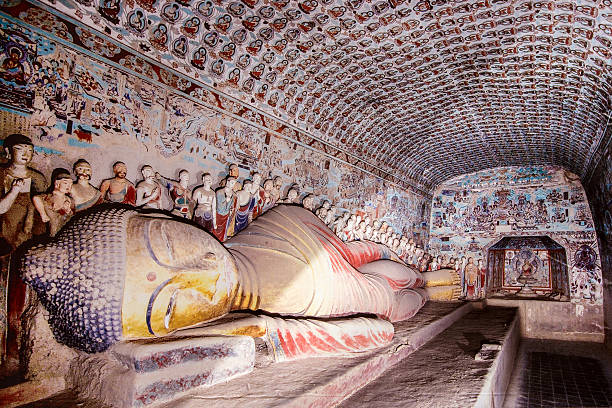
Mogao Caves
Mogao Caves: The Silk Road’s Greatest Archive In 1900, a Taoist monk named Wang Yuanlu was clearing sand from a cave at the Mogao site outside Dunhuang in Gansu Province when he discovered a sealed room. Inside were 40,000 manuscripts, paintings, and artefacts that had been bricked up for 900 years: texts in Chinese, Tibetan, Sogdian, Sanskrit, Uyghur, and other languages spanning Buddhist...
read more
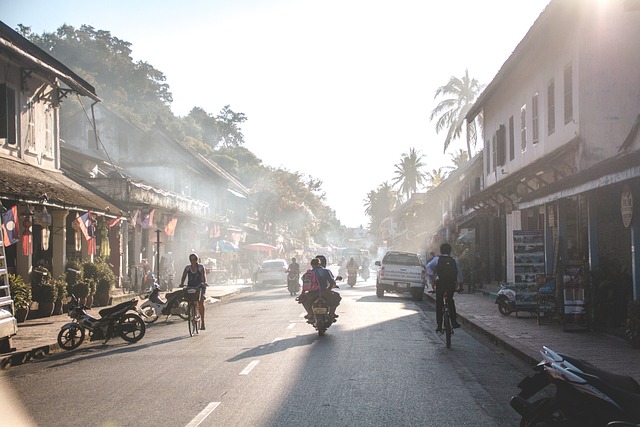
Town of Luang Prabang, Laos
Luang Prabang: UNESCO Town on the Mekong Every morning around 5:30am, monks from Luang Prabang’s 30-odd monasteries walk in single file through the streets collecting sticky rice from townspeople in an alms-giving ceremony called Tak Bat. It has been happening daily for centuries. The presence of tourists with cameras has made parts of this ceremony genuinely uncomfortable for the monks who...
read more
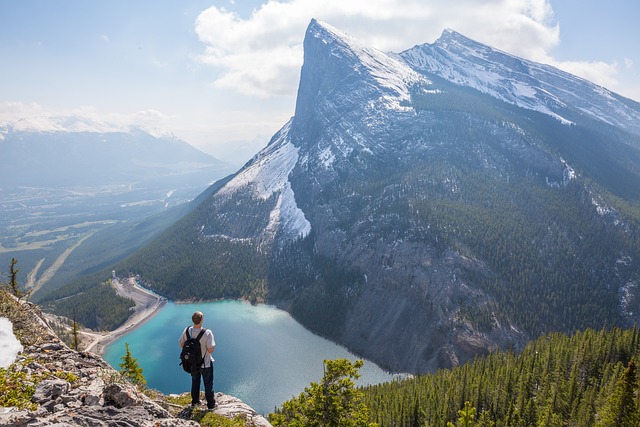
Canadian Rockies
Canadian Rockies: The Most Visited Mountain Parks in North America Moraine Lake Road is currently closed to private vehicles year-round, and that one fact reorganises how you visit Banff. To see the Valley of Ten Peaks, you book a Parks Canada shuttle through reservation.pc.gc.ca (reservations open April 15), arrive at the Lake Louise Park and Ride during your booked window, and take the shuttle...
read more
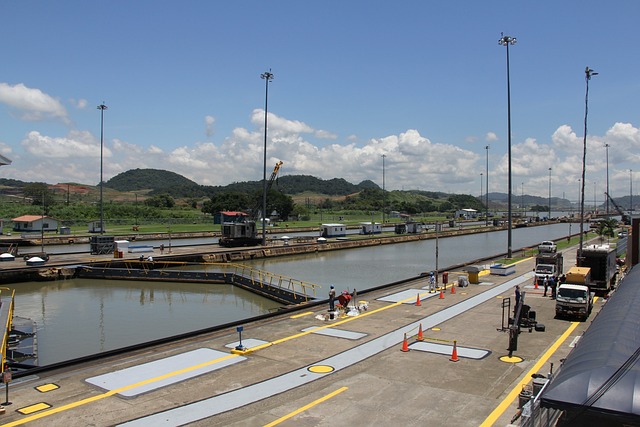
The Panama Canal
The Panama Canal: Engineering That Still Impresses The Panama Canal opened in 1914 and the engineering logic behind it remains remarkable. Rather than cutting at sea level (which the French had catastrophically attempted in the 1880s at a cost of 20,000+ lives), the American engineers built a series of locks to lift ships 26 metres up to the artificial Gatun Lake, cross the isthmus, then lower...
read more
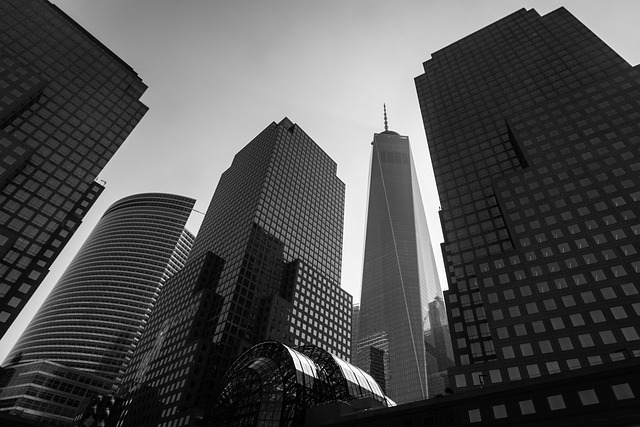
New York, New York
New York: The City That Doesn’t Need Introduction, Just Navigation Every piece of advice about New York begins with the same problem: the city has everything, so where do you start? The answer, genuinely, is the subway. An unlimited 7-day MetroCard costs $34; once you’re mobile across the city, the rest follows from whatever you care about.
The advice to see Times Square once and then...
read more
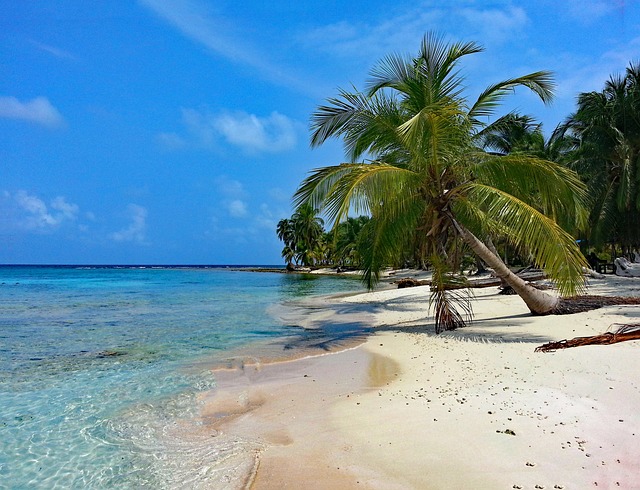
Panama Canal
The Panama Canal: Engineering on a Scale That Still Seems Impossible The Panama Canal opened in 1914 after a decade of American construction that followed two decades of failed French effort. The French attempt, begun in 1881 under the same Ferdinand de Lesseps who built Suez, employed 20,000-plus workers and lost more than 20,000 of them to yellow fever and malaria. The project collapsed in...
read more
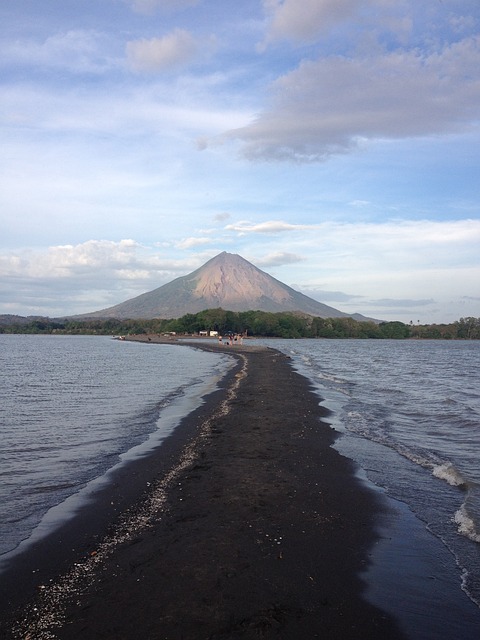
Ometepe Island, Nicaragua
Ometepe Island: Two Volcanoes, One Freshwater Lake, Zero Traffic Lights Ometepe is formed by two volcanoes rising out of Lake Nicaragua, the largest lake in Central America. Concepcion (1,610m, active) sits on the northern lobe; Maderas (1,394m, dormant, with a crater lake) on the southern one. The island’s distinctive figure-eight shape comes from the narrow isthmus connecting them....
read more
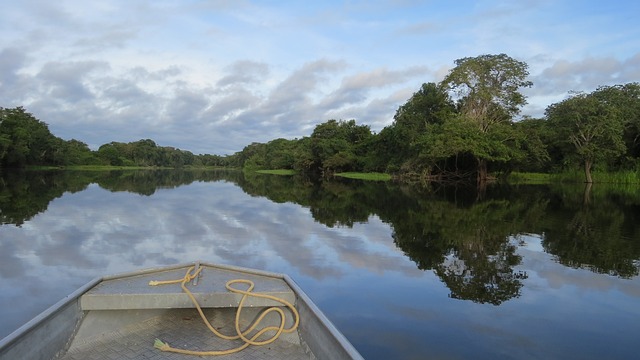
Amazon Forest and Amazon River
The Amazon River discharges roughly 20% of all the freshwater entering the world’s oceans from a drainage basin that covers 7 million square kilometres across nine countries. At its mouth, the river is so wide that you cannot see the opposite bank. The forest it sustains contains an estimated 390 billion individual trees of 16,000 species, roughly 10% of all species on Earth live here, and...
read more
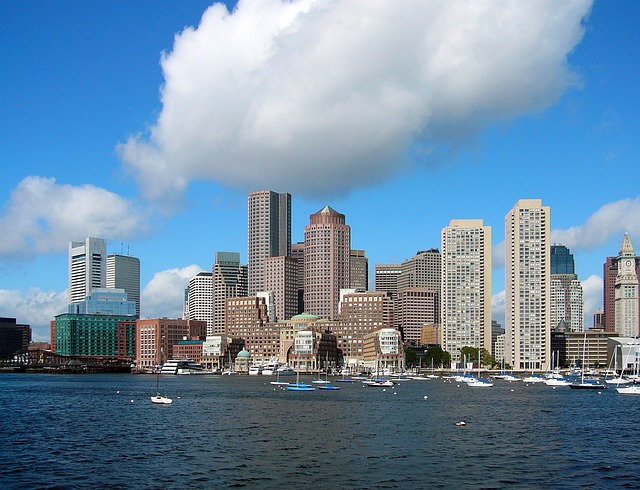
Boston Massachusetts
Boston: The City That Takes Its Own History Seriously The Freedom Trail is 2.5 miles of red brick through the oldest parts of a city that has been important for longer than the United States has existed. It connects 16 sites spanning from Boston Common (established 1634, the oldest public park in America) to the Bunker Hill Monument in Charlestown. Most visitors do the trail in a single morning...
read more
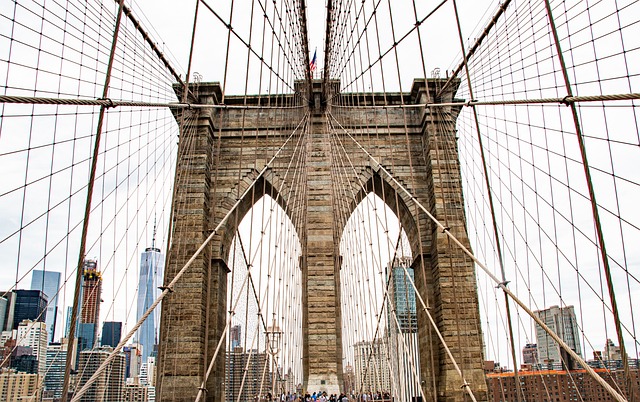
Peter Luger Steakhouse in Brooklyn, New York.
Peter Luger: The Most Difficult Table in New York, and Not for Reasons You’d Expect In 2019 the New York Times gave Peter Luger a zero-star review. In the same year it lost its Michelin star. The review described indifferent service, mediocre sides, and a tired atmosphere. The restaurant has been fully booked since. This is either a testament to brand loyalty that survives critical...
read more
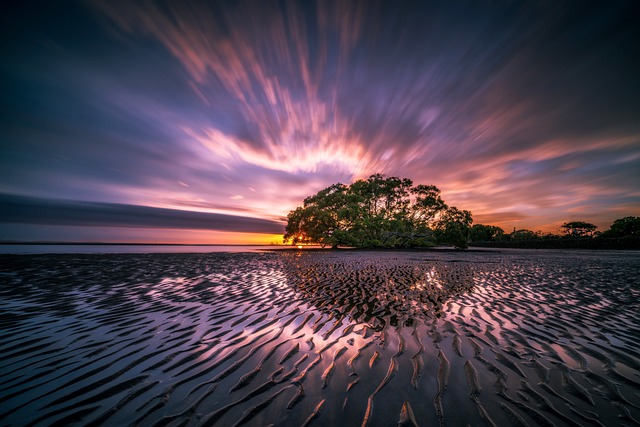
Ayers Rock, Australia
Ayers Rock / Uluru: The Correct Name and the Actual Scale of It The rock has two names. Uluru is what the Anangu people, who have been the custodians of this place for tens of thousands of years, call it. Ayers Rock is what it was named in 1873 by European surveyor William Gosse, after the South Australian Chief Secretary of the time. Both names remain in official use under the dual-naming...
read more
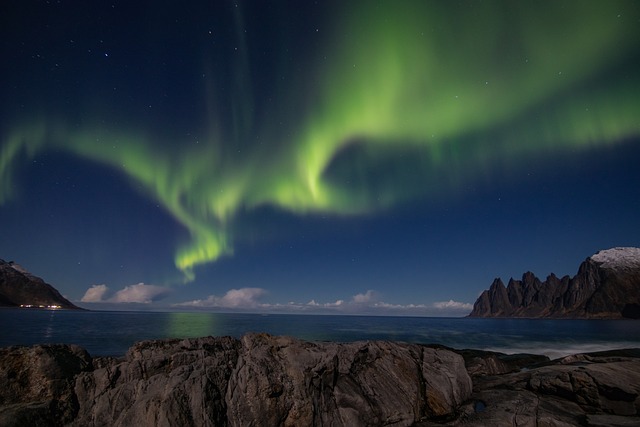
Aurora Borealis
Aurora Borealis: What to Know Before You Plan a Winter Trip Around It The solar cycle of 2024-2025 has been the most active in two decades, with geomagnetic storms strong enough to produce auroras visible in France, Texas, and New Zealand, places that normally never see them. The scientific peak of Solar Cycle 25 means the Northern Lights are more accessible right now than they have been in years,...
read more
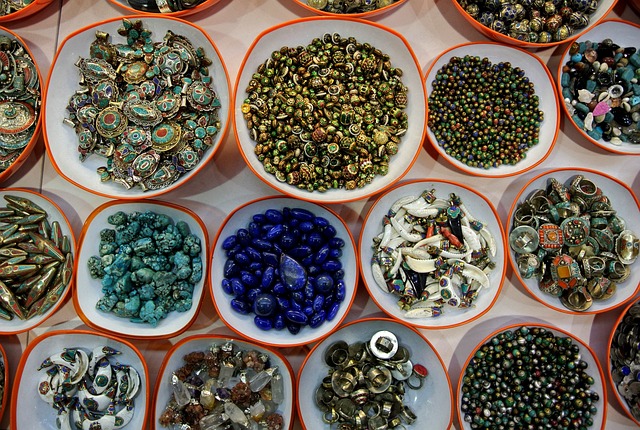
. Grand Bazaar, Istanbul
The Grand Bazaar, Istanbul: A Labyrinth You Cannot Navigate Without Getting Lost The Grand Bazaar has over 4,000 shops, 61 covered streets, and 18 gates, and the experience of navigating it for the first time is almost universally one of immediate and total orientation collapse. This is not a problem to solve; it is the correct relationship to the place. The Kapalıçarşı has been operating as a...
read more
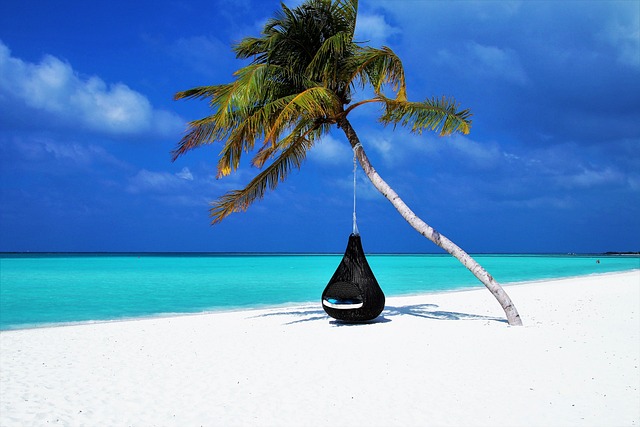
Blue Lagoon
Blue Lagoon, Iceland: The Overpriced Experience That People Keep Returning To A standard Blue Lagoon ticket runs $82-103 USD per person depending on timing, which is a lot for a warm outdoor pool. The lagoon is fed by runoff water from the nearby Svartsengi geothermal power plant, not from some ancient Icelandic spring, a fact the marketing materials don’t emphasise. The water is warm, milky...
read more
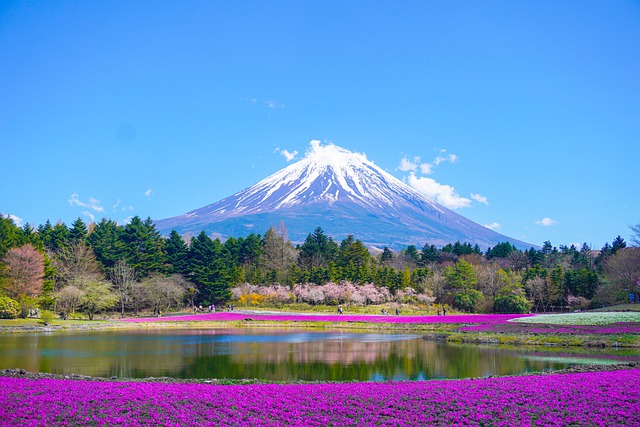
Fuji
Mount Fuji: Climbing Japan’s Most Famous Volcano Honestly Mount Fuji stands 3,776 metres above sea level and is the highest mountain in Japan, a UNESCO World Cultural Heritage site, and the most climbed significant peak in the world by annual ascent numbers, around 200,000 people per season. This last fact is not incidental context. On busy summer weekends the Yoshida trail from the 5th...
read more
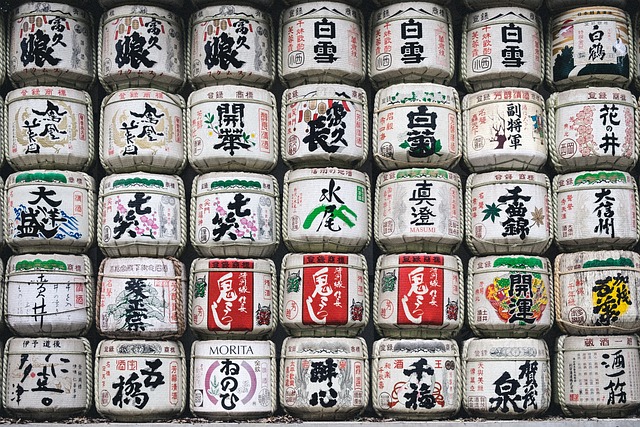
Meiji Jingu Shrine, Tokyo
Meiji Jingu: The Best Urban Escape in Tokyo, and It’s Free Walk through the wooden torii gate at Harajuku station and the city noise drops within 200 metres. The path to Meiji Jingu runs for about 10 minutes through 70 hectares of dense forested parkland - Shibuya-ku in every direction, but you wouldn’t know it. This is the most effective urban escape in Tokyo that doesn’t...
read more
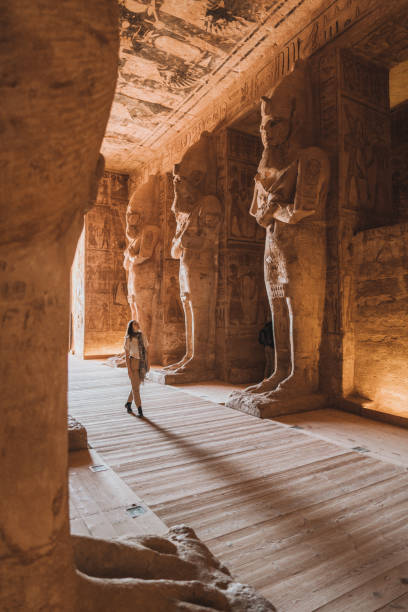
Abu Simbel Egypt
In the 1960s, the construction of the Aswan High Dam threatened to submerge Abu Simbel beneath Lake Nasser. UNESCO coordinated an international rescue operation funded by contributions from 50 countries: between 1964 and 1968, engineers cut both temples into 1,040 blocks weighing up to 30 tonnes each, moved them 65 metres up the hillside and 200 metres back from the original site, and reassembled...
read more
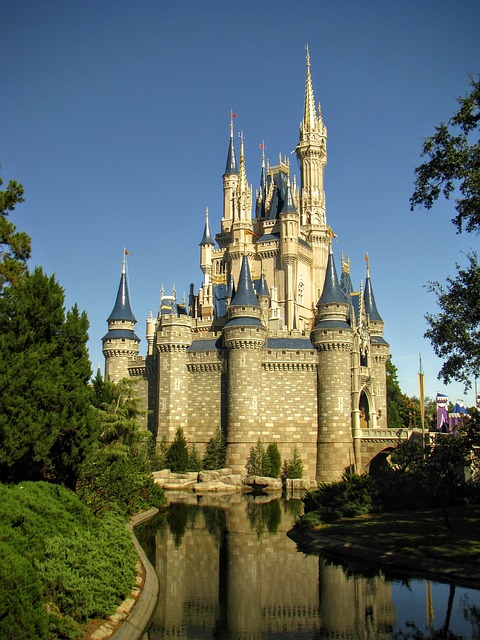
Hollywood Studios Disney World Orlando
Hollywood Studios: The Best and Worst Park at Walt Disney World Disney’s Hollywood Studios is the most uneven park at Walt Disney World, with two genuinely extraordinary areas and several others that feel like filler. Knowing which is which before you go helps considerably.
Galaxy’s Edge Star Wars: Galaxy’s Edge occupies the back third of the park and is, setting aside the IP,...
read more
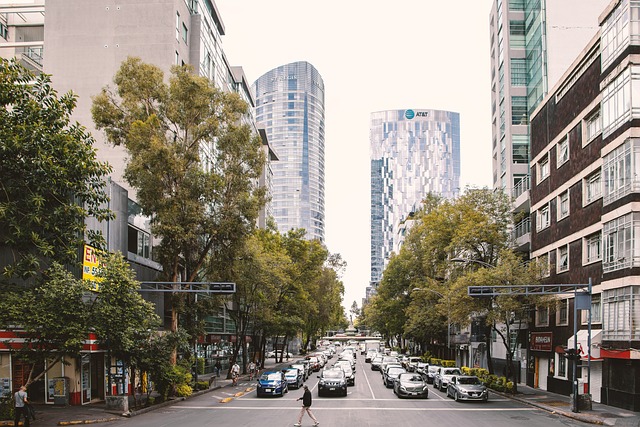
The Z Calo Mexico City
The Zocalo: Mexico City’s Civic Centre and How to Use It The Zocalo (Plaza de la Constitucion) is one of the largest public squares in the world, 240 by 240 metres. It sits directly above the ancient ceremonial centre of Aztec Tenochtitlan, and the remains of that centre were discovered in 1978 during construction work, a fact that changed how Mexico City understood its own foundation. What...
read more
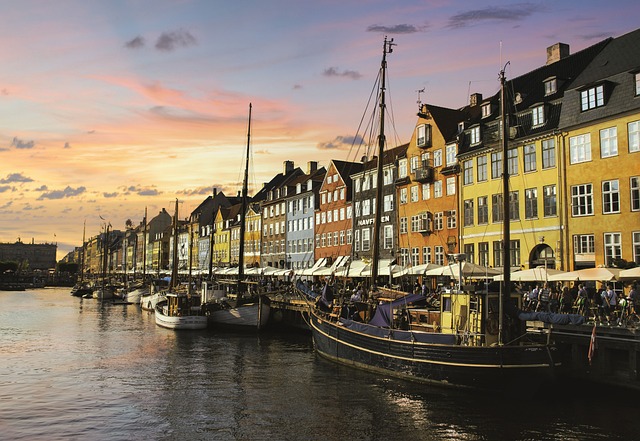
Nyhavn
Nyhavn: Copenhagen’s Canal in Context Nyhavn is a 17th-century waterfront canal running about 400 metres from Kongens Nytorv to the harbour in central Copenhagen. The row of coloured townhouses on the north bank, the wooden sailing ships moored in the canal, and the restaurant terraces on the south side produce a picture that has become the standard image of Copenhagen in tourism materials...
read more
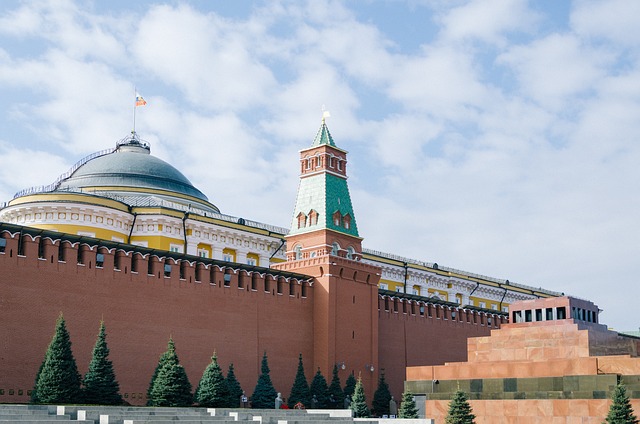
Kremlin
The Kremlin: Russia’s Power Centre, Open to Tourists on Three Sides The Moscow Kremlin is a working government complex and the official residence of the Russian president. Tourist access covers the historical and religious sections; the government buildings visible inside the walls are not accessible. This still leaves a substantial amount to see.
The walls run 2.2km around the complex on a...
read more
Pyramids
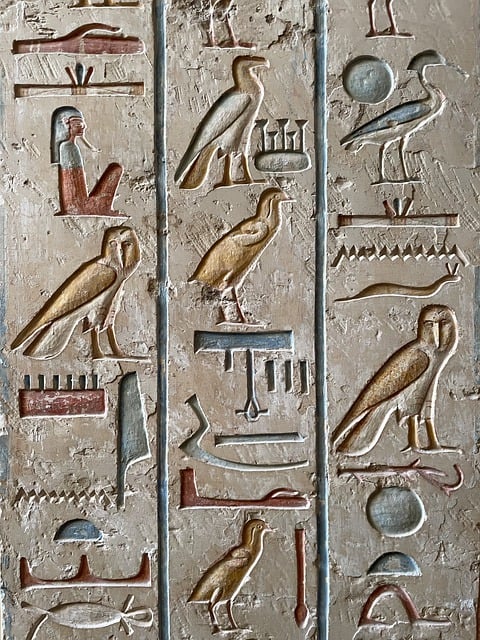
The Giza Pyramids: What to Skip, What to See Twice The Great Pyramid of Khufu is the only surviving Wonder of the Ancient World and has been on the tourist circuit since ancient Romans came to stare at it. That means roughly 2,000 years of people trying to sell you camel rides, fake papyrus, and “special access” to things that don’t require special access. Going in knowing this...
read more
Rock-Hewn Churches, Lalibela
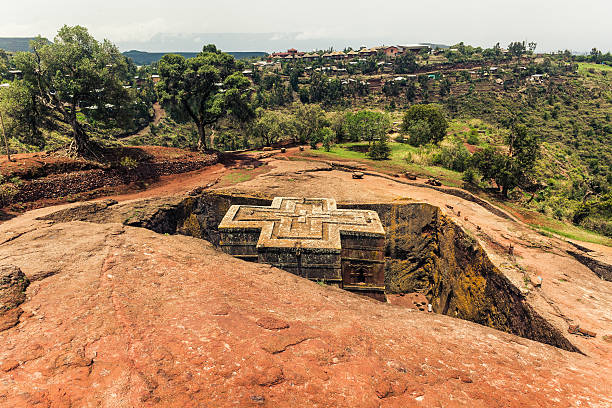
Lalibela: Eleven Churches Cut From Solid Rock, Still in Use Today The churches at Lalibela were not built. They were carved downward into the red volcanic rock of the Ethiopian Highlands in the 12th-13th centuries, under the reign of King Lalibela, who intended the site as a New Jerusalem for Ethiopian Christians who couldn’t make the pilgrimage to the actual Jerusalem. The facades, walls,...
read more

The Globe Theatre
Shakespeare’s Globe: The Best £5 Theatre Ticket in London The original Globe burned down in 1613 when a cannon fired for a theatrical effect during a performance of Henry VIII set the thatched roof alight. Nobody died, which the recorded account emphasises while also noting that someone’s trousers caught fire. This one opened in 1997, built 230 metres from the original site using...
read more
Saint Louis Missouri
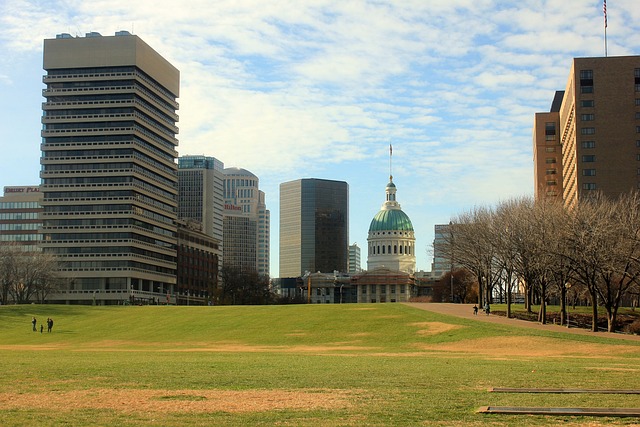
Saint Louis: The City That Keeps Surprising St. Louis sits at the confluence of the Missouri and Mississippi rivers in the middle of the country, 380 km south of Chicago and 950 km north of New Orleans. It was the staging point for the Lewis and Clark Expedition in 1804 and the westernmost city of consequence in the US for several decades afterward. The “Gateway to the West” label...
read more
Aoraki / Mount Cook
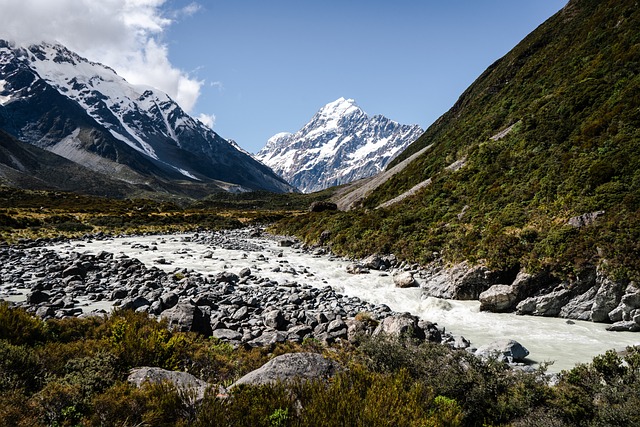
Aoraki / Mount Cook lost approximately 10 metres from its summit in a massive rockslide in December 1991, dropping from 3,764 metres to its current height of 3,724 metres. The event reshaped the summit and created a significant new debris field. This is not merely geological trivia – it’s a reminder that the mountain, the highest in New Zealand, is actively changing in ways that matter...
read more
Sedona, Arizona
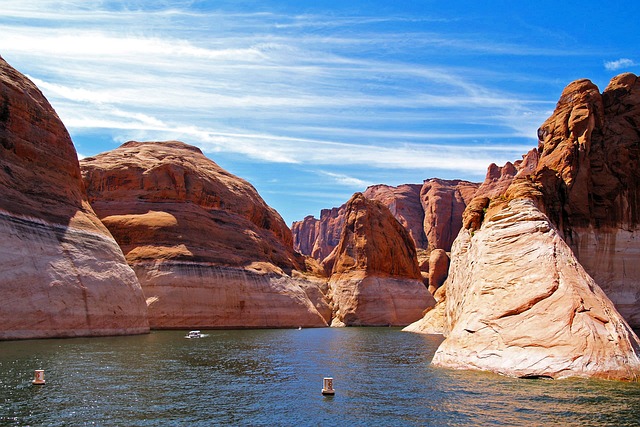
Sedona, Arizona: Red Rock Country Without the New Age Noise Sedona sits at 1,300 metres in the Verde Valley of Arizona, 45 minutes south of Flagstaff, and the geology is the reason to come. The red Schnebly Hill sandstone formations rise 300-400 metres above the town: Cathedral Rock, Bell Rock, Courthouse Butte, Chimney Rock. The colour comes from iron oxide in the Permian-era sandstone. In the...
read more
Mount Etna
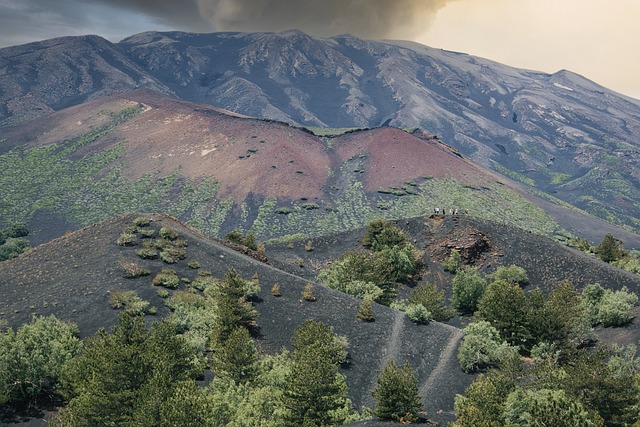
Mount Etna: Europe’s Most Active Volcano, Up Close
At 3,403 metres, Mount Etna is the tallest peak in Italy south of the Alps and the most persistently active volcano in Europe. It has been erupting in some form since at least 1500 BC, and today it erupts almost continuously. On Christmas Eve 2025, the Northeast Crater erupted for the first time in 28 years, sending lava fountains 400 to 500...
read more
Ras Al-Jinz
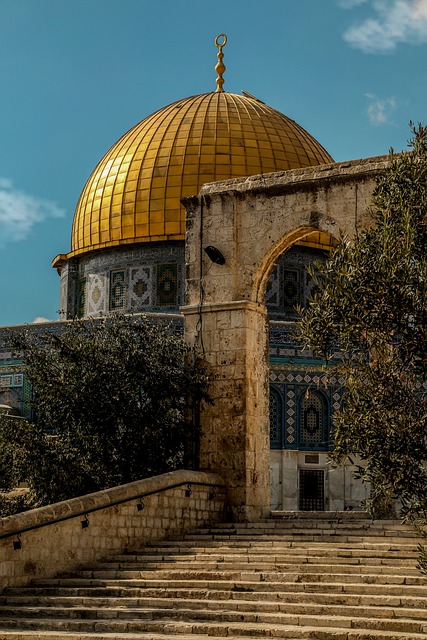
Ras Al-Jinz: Turtles, Empty Beaches, and an Oman That Most Travellers Never Find Ras Al-Jinz is where the Arabian Peninsula ends: Oman’s most easterly point, where the Arabian Sea meets the Gulf of Oman on a raw, largely empty coastline. The village has none of the resort gloss accumulating elsewhere on the Omani coast. You come here primarily for the green turtles. You stay because the...
read more
Alamo
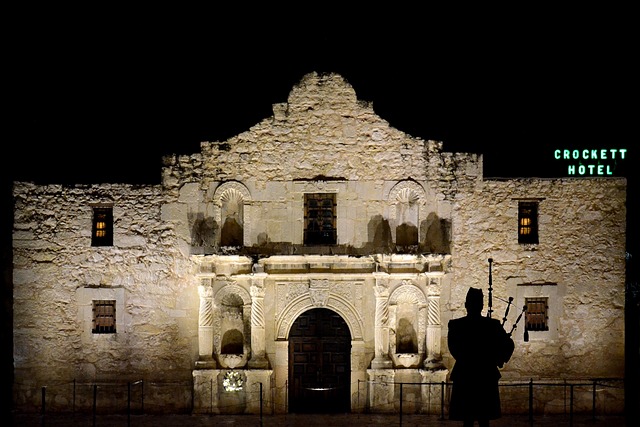
The Alamo: What Actually Happened and Why the Building Is Smaller Than You Think Most visitors to the Alamo are surprised by the scale. The famous chapel facade, the one on every Texas tourism image, is not a full fortress. It is one building of a former Spanish mission compound that once covered 4.2 acres. The building you photograph is 75 feet wide. The siege that made it famous in 1836 unfolded...
read more
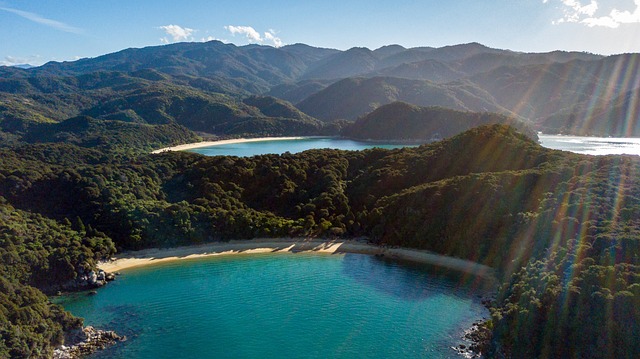
Abel Tasman National Park
Abel Tasman National Park: New Zealand’s Most Beautiful Coastal Walk The Abel Tasman Coast Track has a reputation as New Zealand’s easiest Great Walk, which can create the wrong expectations. It’s not easy in the sense of trivial: 60 kilometres along the northwest coast of the South Island, with tidal crossings that are impassable at high tide, enough variation in terrain to test...
read more
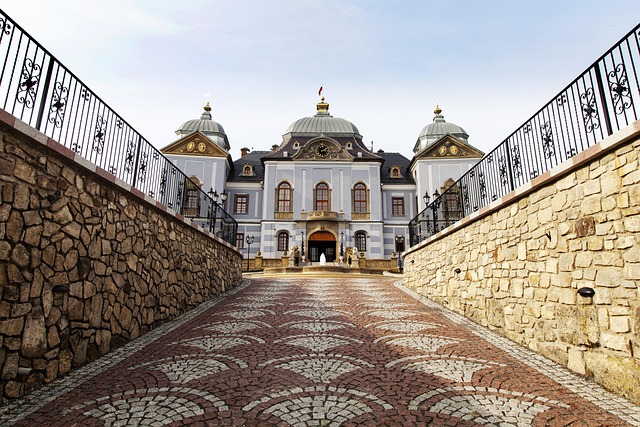
Spis Castle, Slovakia
Spis Castle: The Largest Castle Complex in Central Europe, With Almost No Crowds Spis Castle (Spissky hrad) in eastern Slovakia covers 4 hectares of a dolomite hill and is the largest medieval castle complex in Central Europe by area, larger than Prague Castle, though less famous by a significant margin. It has been a UNESCO World Heritage Site since 1993. On a Wednesday in June you can have the...
read more
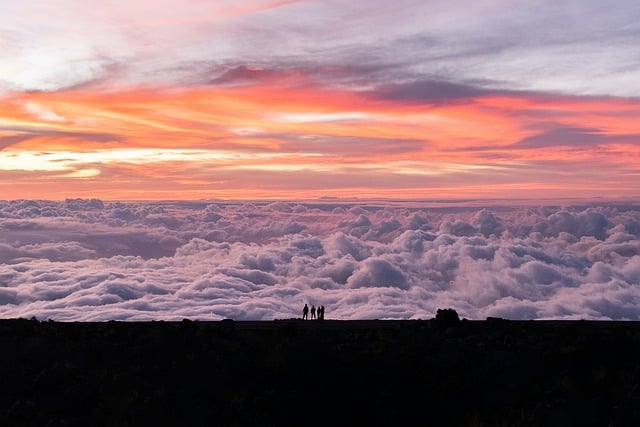
Maui
Maui: The Good Parts and the Honest Caveats Maui is genuinely beautiful and Hawaii’s most visited island for good reason. The Road to Hana has become a victim of its own fame. Lahaina is still rebuilding after the devastating August 2023 wildfire. Rental car prices are high. Parking at popular beaches requires reservations. Go in with accurate expectations and you’ll have a better time...
read more
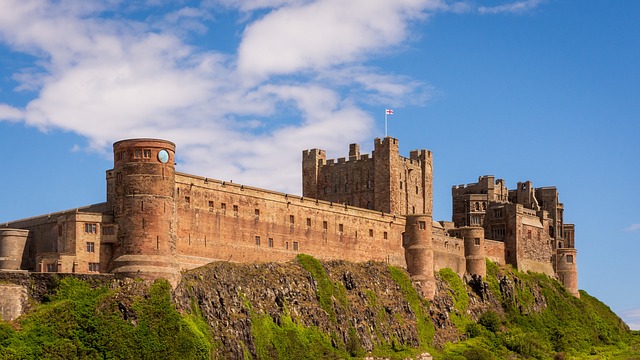
Bamburgh Castle
Bamburgh Castle sits on a dolerite basalt ridge rising 46 metres directly above the Northumberland coast, and it looks exactly like a castle at the northern edge of England should look: massive, windswept, indifferent to weather. The ridge provided natural defence that humans have been exploiting since at least the 2nd century CE. The Anglo-Saxon kingdom of Bernicia made it a royal stronghold in...
read more
Kelvingrove Art Gallery & Museum
Kelvingrove: Glasgow’s Best Argument Against Entry Fees Kelvingrove is free. That is the first thing to say, and it bears saying with some emphasis, because what is inside it costs nothing to see and is extraordinary. There is a Salvador Dali. There is a Rembrandt. There is a full-size Spitfire aircraft suspended from the ceiling of the main hall. In 1952, Glasgow City Council bought the...
read more