Recent Locations
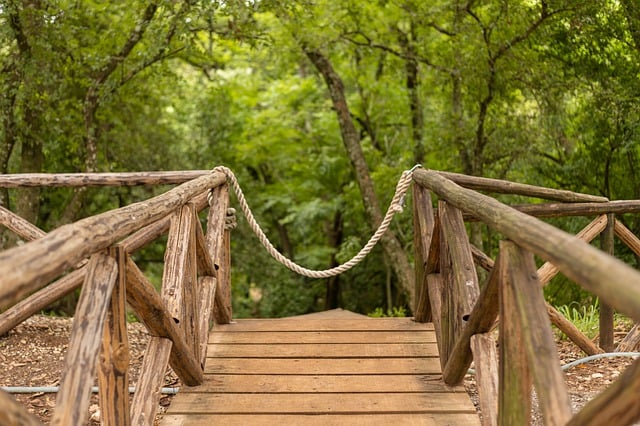
Green Park
Green Park: The Royal Park That Doesn’t Try Too Hard Green Park is the simplest of the central London Royal Parks and the better for it. No lake, no formal gardens, no cafe in the middle. Forty hectares of grass, mature plane and lime trees, and deck chairs for hire in summer. The absence of spectacle is the point. Wedged between Westminster and Mayfair, it functions as a corridor and a...
read more
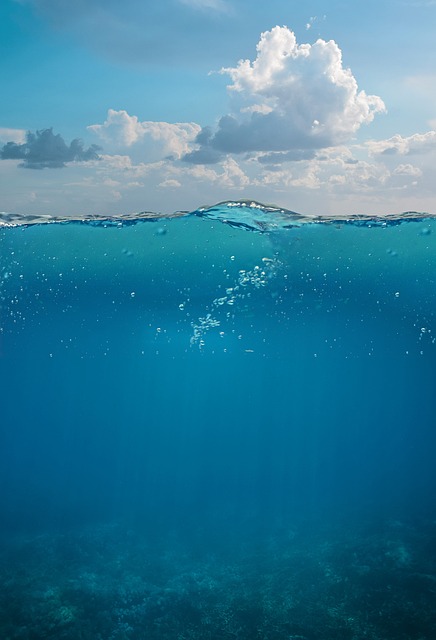
Molinere Underwater Sculpture Park, Molinere Bay, Grenada
Molinere Underwater Sculpture Park: Art That Becomes Reef Jason deCaires Taylor placed the first sculptures in Molinere Bay in 2006 with a specific intention: to create artificial reef substrate that would transfer authorship to the Caribbean Sea over time. The sculptures, more than 65 life-sized cement figures in 3-8 metres of water, were designed not to remain as he made them. Fifteen years of...
read more
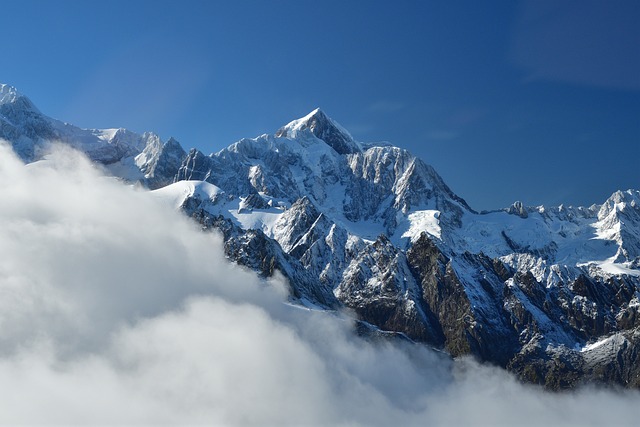
Franz Josef, New Zealand
Franz Josef Glacier: What You Can and Can’t Do There Now The town of Franz Josef (population approximately 300) on New Zealand’s West Coast exists because of the glacier. The glacier descends from the Southern Alps to within about 19 km of the Tasman Sea, unusual for a glacier at this latitude, and at the right vantage point you can see dense temperate rainforest and a 3,000-metre ice...
read more
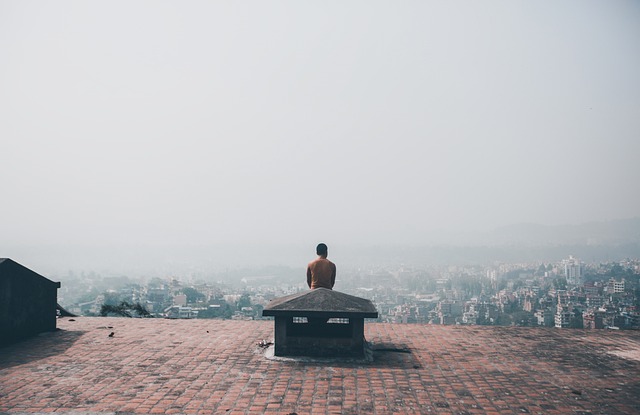
Boudhanath Stupa, Kathmandu, Nepal
At dawn, before the tourist groups arrive, the circumambulatory path around Boudhanath belongs to the monks, the elderly Tibetan pilgrims, and the prayer flags. The stupa rises 36 metres above the concentric circles of people moving clockwise, spinning bronze prayer wheels as they walk, murmuring mantras. By 9am, the coffee shops with their rooftop views are filling up with trekkers, and by noon...
read more
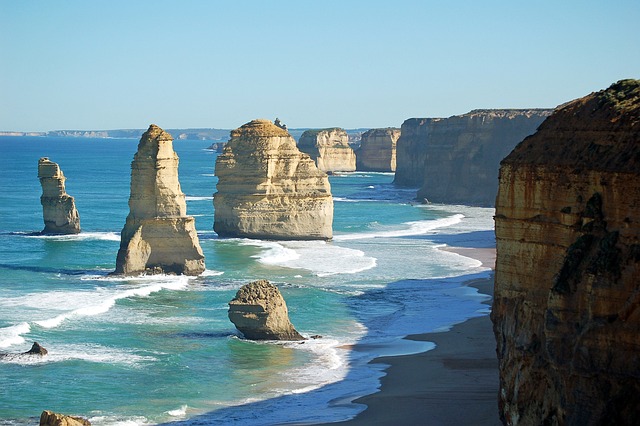
Apostles, Great Ocean Road
There were never twelve. The Twelve Apostles on Victoria’s southwest coast have been marketed under that name since the 1960s (they were previously called the Sow and Piglets), but the actual count at the time of renaming was eight. Coastal erosion has reduced the number further – one stack collapsed in 2005 – and current counts range from seven to nine depending on the tide....
read more
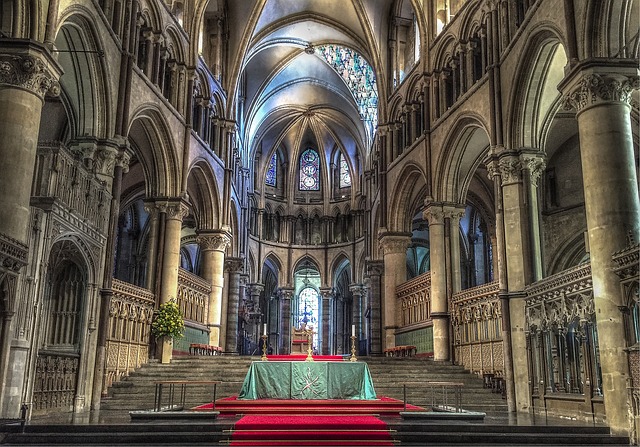
Canterbury Cathedral
Canterbury Cathedral: Murder, Pilgrimage, and One of England’s Most Important Buildings On December 29, 1170, four knights acting on a misread command from King Henry II hacked Thomas Becket to death inside his own cathedral. Within three years, the Pope had canonised Becket. Within a decade, Canterbury had become one of the most important pilgrimage destinations in medieval Europe. Within...
read more
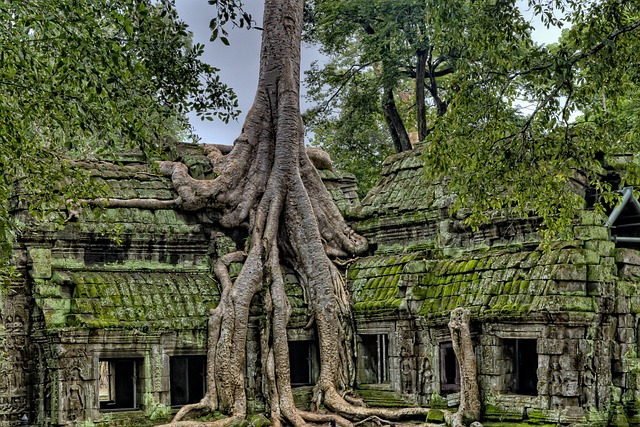
. Angkor Wat, Cambodia
The bas-reliefs along Angkor Wat’s third enclosure wall run for 800 metres and contain some of the most detailed narrative carving in the world. The south wall’s Battle of Kurukshetra panel alone shows 1,500 figures in a composition that took years to complete – armies meeting in detail that includes individual facial expressions, weapons, and the aftermath of combat depicted in...
read more
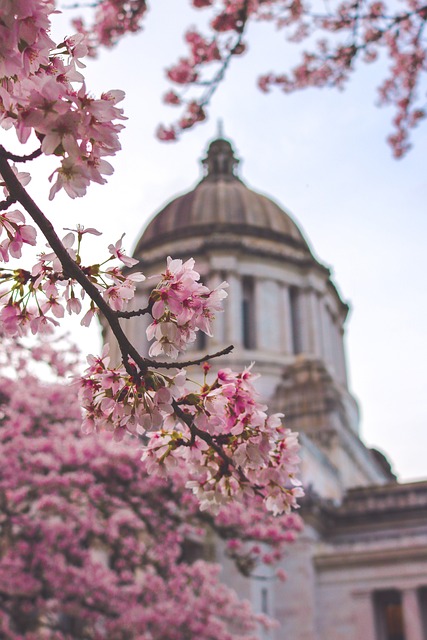
Washington Monument
Washington Monument: The Marble Changes Colour a Third of the Way Up The Washington Monument is a 169-metre marble obelisk - the tallest obelisk in the world - and if you look at it carefully, the marble changes colour about a third of the way up. Construction began in 1848, halted in 1854 due to funding problems and political complications, and resumed in 1877 after a 23-year gap. The marble for...
read more
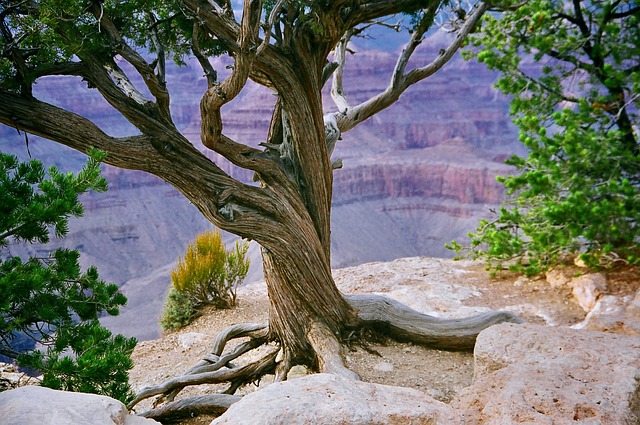
Mansudae Grand Monument
Mansudae Grand Monument: Visiting North Korea’s Most Symbolic Site Two 20-metre bronze statues of Kim Il-sung and Kim Jong-il stand on Mansu Hill in Pyongyang, backed by a 70-metre mosaic mural of Mount Paektu. The original Kim Il-sung statue was erected in 1972; a statue of Kim Jong-il was added in 2012 following his death, and the Kim Il-sung figure was modified at the same time to wear a...
read more
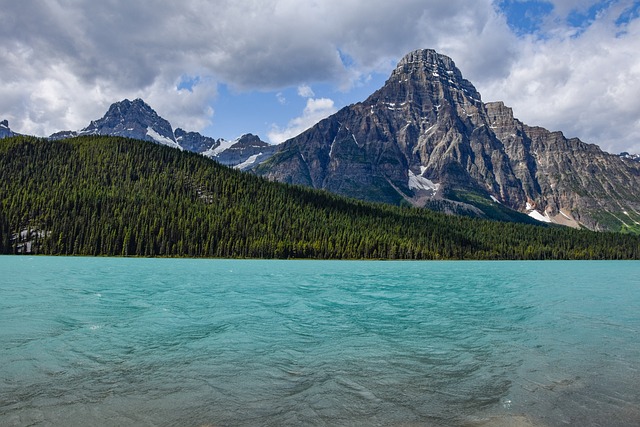
Auyuittuq National Park, Canada
Auyuittuq: The Land That Never Melts, and What That Costs You to See The name Auyuittuq means “land that never melts” in Inuktitut, and while climate change has been making the permafrost progressively less permanent, the scale of what the park contains makes the name feel appropriate. Nineteen thousand square kilometres of Baffin Island’s spine: the Penny Ice Cap, which still...
read more
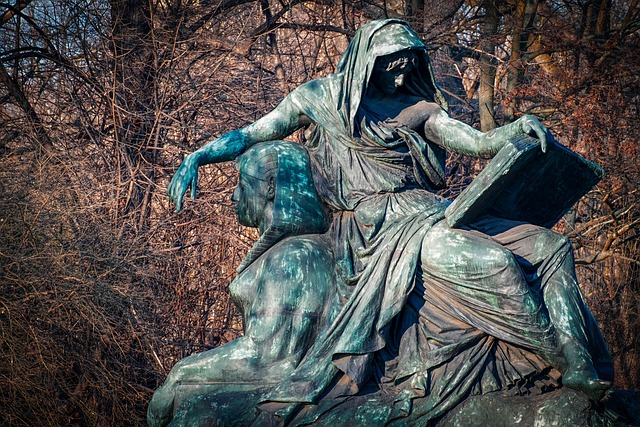
The Great Sphinx
The Great Sphinx of Giza The Great Sphinx is 73 metres long, 20 metres high, and carved from a single mass of limestone bedrock. It faces due east. It was built during the Old Kingdom, almost certainly during the reign of Pharaoh Khafre around 2500 BC, though the exact dating and the identity of the face depicted have been argued about for centuries. What’s certain is that it’s the...
read more
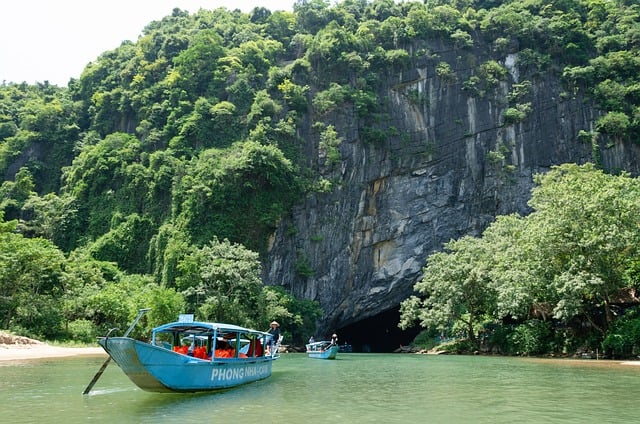
Boat Trip Through Halong Bay Vietnam
Ha Long Bay: The Three-Day Cruise vs the One-Day Tour Ha Long Bay, 1,600-plus limestone karsts rising from the Gulf of Tonkin in northeastern Vietnam, a UNESCO World Heritage Site, one of the most photographed seascapes in Southeast Asia, is something you experience properly only from the water. The tour you choose matters enormously, and the one-day tour from Hanoi (the cheapest, most common...
read more
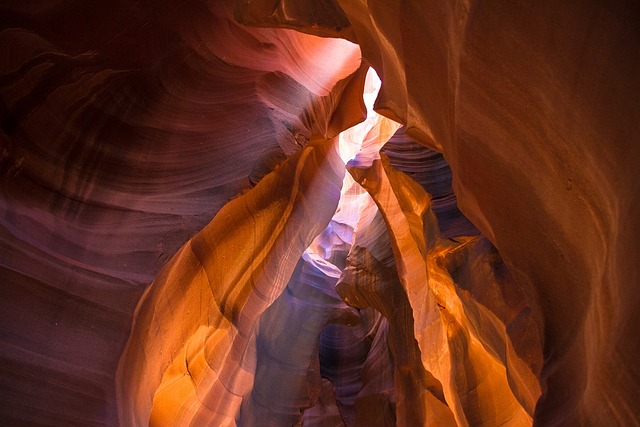
Rock Formations - Page, Arizona - Wave, Antelope Canyon, Lake Powell, Blue Canyon & More
Page, Arizona: The Slot Canyons, the Reservoir, and the Permit Reality Page, Arizona sits on the Colorado Plateau near the Utah border, surrounded by some of the most distinctive sandstone scenery on Earth. The concentration of remarkable formations within 20 kilometres of this small town is unusual even by the standards of the Colorado Plateau, which is itself one of the most geologically...
read more
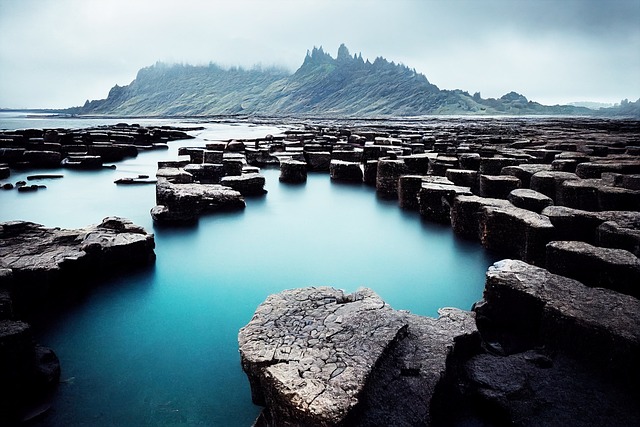
Giants Causeway
Giant’s Causeway: The Basalt Formation on the North Antrim Coast The hexagonal columns at the Giant’s Causeway are not cut or carved. They are a product of thermal contraction physics that produces hexagonal fracturing in cooling lava as reliably as bees produce hexagonal honeycombs in wax: the same geometry arising from completely different processes. Approximately 40,000 interlocking...
read more
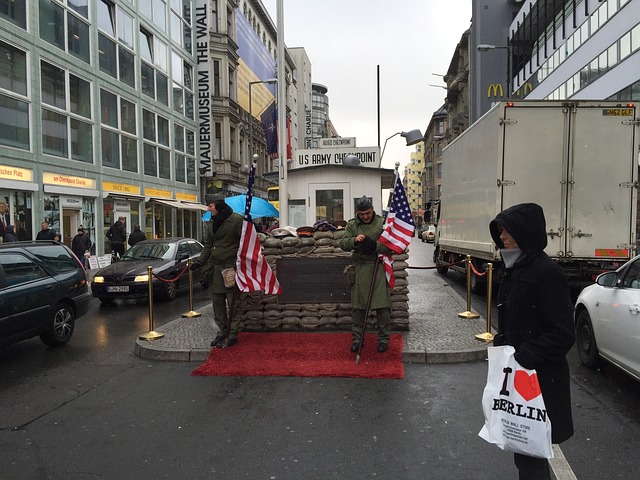
Checkpoint Charlie, Berlin
In October 1961, American and Soviet tanks faced each other across a 100-metre gap at Checkpoint Charlie for sixteen hours. This was the closest the two superpowers came to direct military confrontation at any point during the Cold War. Neither side blinked; both sides eventually withdrew. The standoff was triggered by a dispute over whether East German guards had the right to check the identity...
read more
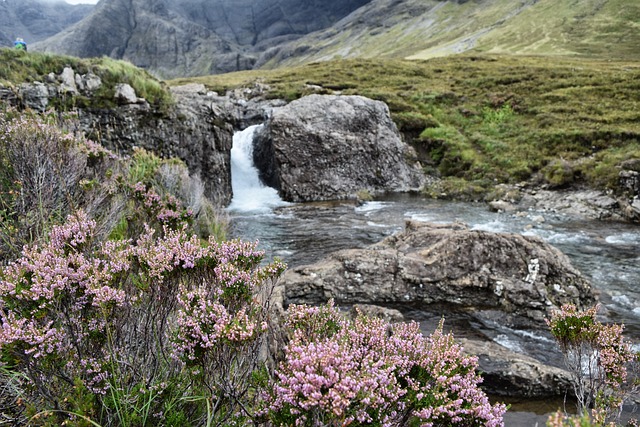
Isle of Wight
Isle of Wight: A Day Out That Earns a Weekend The Island Line trains run between Ryde and Shanklin on rolling stock originally built for the London Underground in 1938 – the same tunnels they were designed for simply got too narrow when modern trains arrived, so the Isle of Wight got them instead. Riding the Island Line is one of those genuinely odd British transport experiences that rewards...
read more
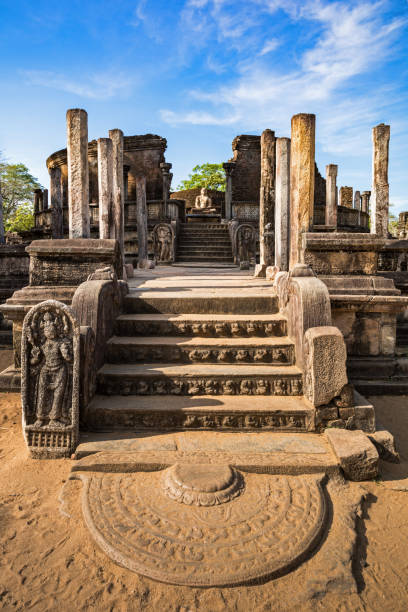
Ancient City of Polonnaruwa
Polonnaruwa: Sri Lanka’s Medieval Capital, Better Than Sigiriya for a Full Day Polonnaruwa is less famous than Sigiriya and that is a mistake made by most Sri Lanka itineraries. The ancient city served as the island’s capital from the 11th to 13th centuries, and what survives across the 3,600-acre site represents a more coherent medieval urban culture than the dramatic rock fortress an...
read more
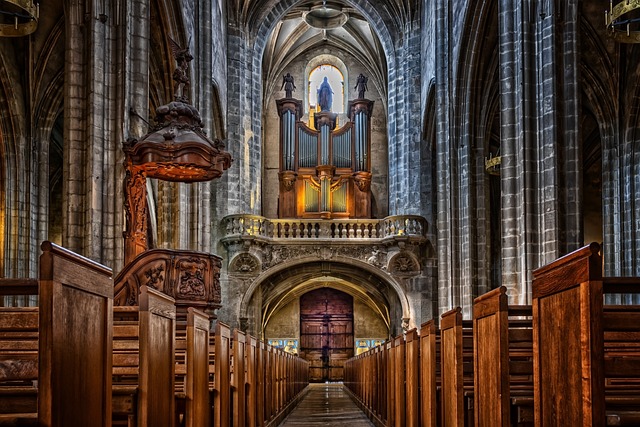
Notre Dame Cathedral at Reims, France
Reims Cathedral: The Coronation Church Reims is 45 minutes from Paris by TGV (Gare de l’Est, roughly every hour, around €25-45 depending on when you book) and is consistently overlooked by tourists who go to Versailles, Giverny, or Mont Saint-Michel for their day trip from the capital. This is a mistake. Reims has a Gothic cathedral arguably more important to French history than Notre-Dame...
read more
Queenstown, New Zealand
Queenstown: Very Good at What It Does Queenstown is very good at extracting money from tourists who are having too much fun to notice. This is not a complaint. The scenery on Lake Wakatipu with the Remarkables range above is among the best in the Southern Hemisphere, and the infrastructure for adventure activities is legitimately world-class. Go in knowing it’s expensive and you’ll...
read more
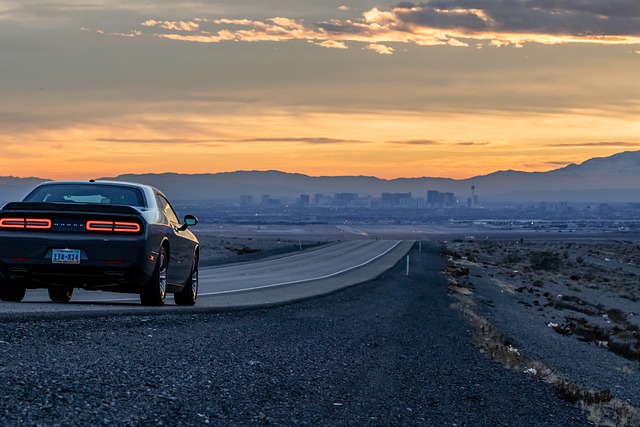
Las Vegas Strip (Las Vegas, NV)
Las Vegas: Making Sense of Four Miles of Deliberate Excess The Las Vegas Strip is not actually in Las Vegas. The 4.2-mile stretch of Las Vegas Boulevard South runs through unincorporated Clark County, which is why the hotels were built to the scale they were – no municipal planning restrictions, no zoning fights, just desert real estate and capital. The legal quirk shaped everything. The...
read more
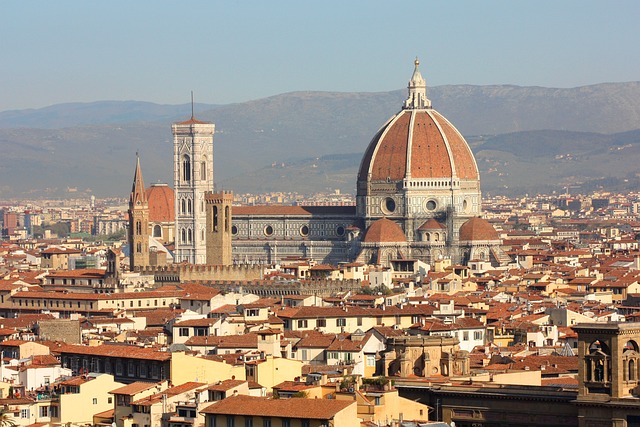
Duomo, Florence
The Duomo, Florence: What to Actually Do When You Get There When Brunelleschi completed his dome in 1436, it was the largest in the world and no one had any real confidence it would work. He refused to share his construction methods, worked without external scaffolding using a system of internal bracing no one had used since antiquity, and supervised the entire project personally over 16 years....
read more
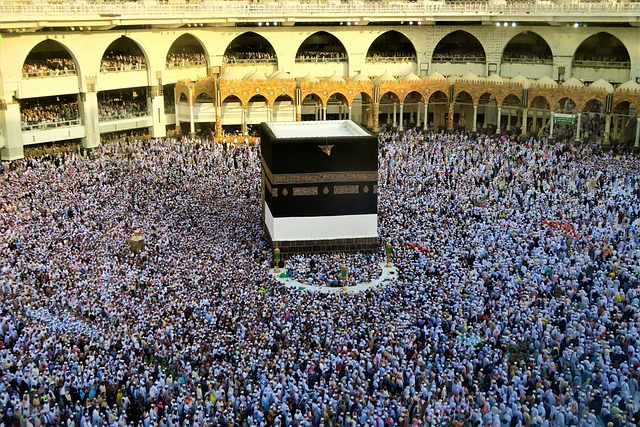
Kaaba
The Kaaba and Masjid al-Haram: A Guide for Muslim Travellers Mecca is the holiest city in Islam and entry is restricted to Muslims. Non-Muslims are not permitted to enter the city limits, enforced at checkpoints on all approach roads. This is not a grey area and is not negotiable. Any practical guide to visiting Mecca and the Kaaba is therefore for Muslim travellers specifically - those performing...
read more
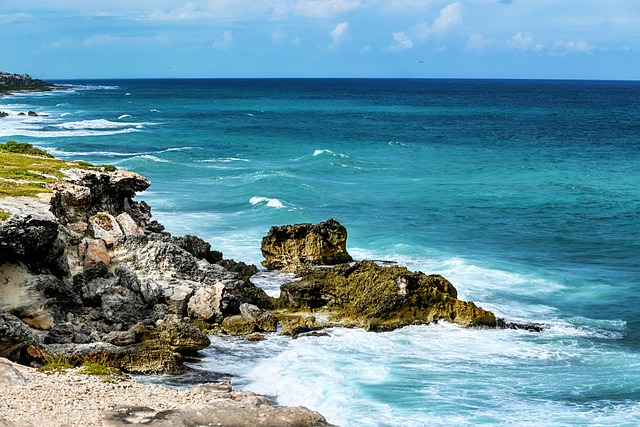
Isla Mujeres
Isla Mujeres: Cancun’s Better Neighbour Isla Mujeres is 8 kilometres offshore from Cancun’s Hotel Zone. The ferry takes 15-30 minutes depending on your departure point. That small distance produces a disproportionate change: a 7-kilometre island with no large resort towers, a village centre you can walk across in 10 minutes, and an atmosphere that the mainland strip definitively does...
read more
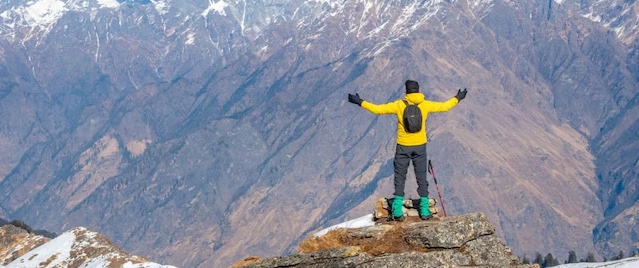
Centrul Vechi
Centrul Vechi: Bucharest’s Old Town Has More Layers Than the Party Scene Suggests Friday at midnight in Centrul Vechi and the cobblestone streets of Lipscani are at full roar: outdoor terraces packed, music bleeding from three venues at once, the kind of controlled chaos that Bucharest does better than most European capitals at a fraction of the price. Come back at 10am on a Tuesday and...
read more
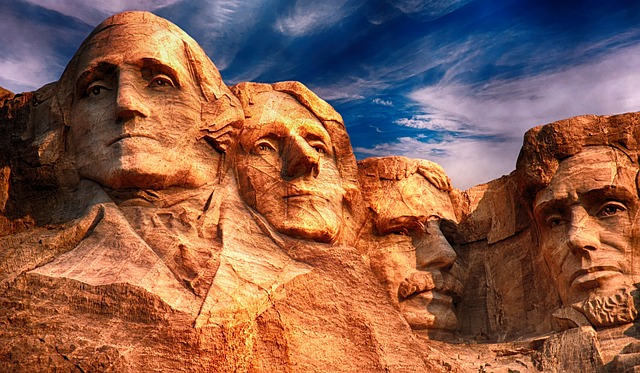
Mount Rushmore
Mount Rushmore: Sixty-Foot Presidents in the Black Hills The four faces are 18 metres tall each, and you don’t really grasp the scale until you’re standing on the Presidential Trail and your field of vision narrows to just Lincoln’s left nostril. Gutzon Borglum dynamited 450,000 tons of granite to make this happen, starting in 1927 and running until 1941, the year he died. His...
read more
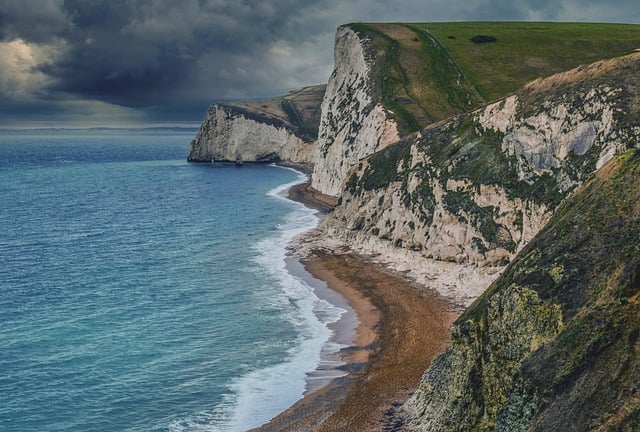
Jurassic Coast, England
The Jurassic Coast: Fossil Hunting Without the Fuss Mary Anning found the first complete ichthyosaur skeleton in the shale cliffs above Black Ven, east of Lyme Regis, in 1811-1812. She was 12 years old. The fossils she collected and sold built her scientific reputation and contributed directly to several foundational debates in 19th-century palaeontology, while the scientific establishment of the...
read more
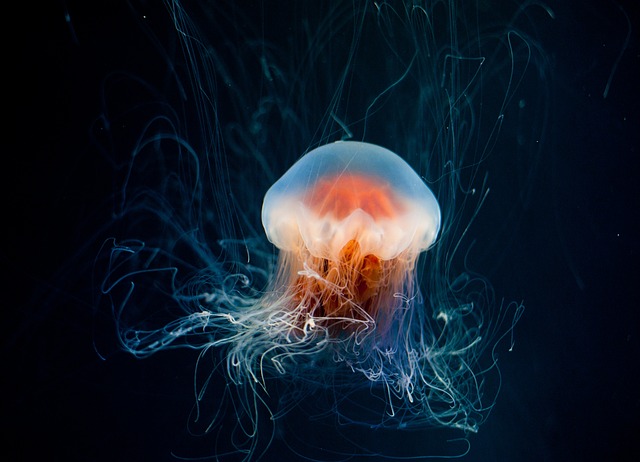
Jellyfish Lake Eil Malk Palau
Jellyfish Lake: Palau’s Strangest and Most Memorable Swimming Spot Several million golden jellyfish live in Jellyfish Lake on Eil Malk island in Palau’s Rock Islands. Because the lake was isolated from the ocean roughly 12,000 years ago and has no predators, the jellyfish (Mastigias papua etpisoni) lost their sting over millennia – evolution has no reason to maintain a defensive...
read more
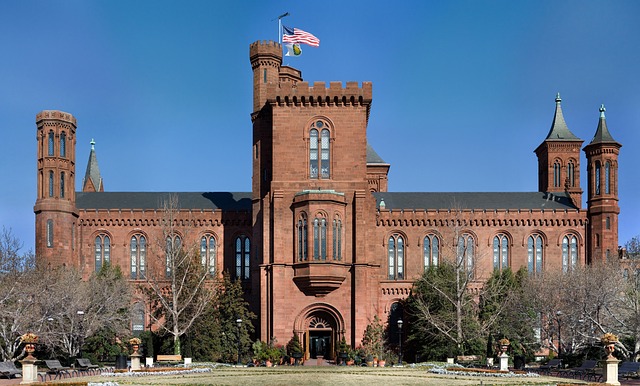
Smithsonian Institution
The Smithsonian: Which Museums Are Actually Worth Your Time Nineteen museums, nine research centres, and a zoo: all of the DC museums on the National Mall are free, and the correct response to this is not to try to see all of them. Trying to see more than two Smithsonian museums in a day produces museum fatigue, an overloaded mind, and nothing retained. The question is not whether to go. The...
read more
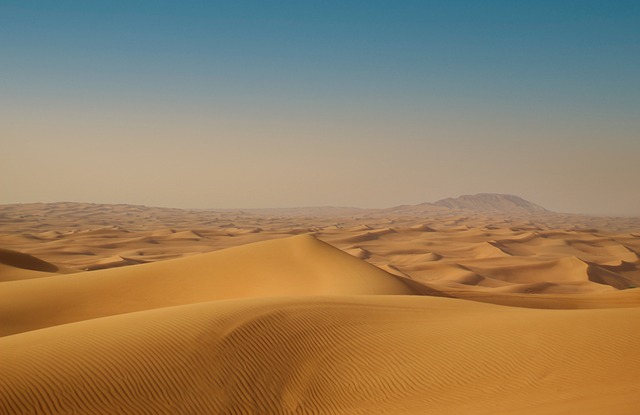
Dubai
Dubai is not subtle, and it doesn’t pretend to be. It built an indoor ski slope in a shopping mall, put a seven-star hotel on a man-made island, and then kept going. You can find it tacky or you can enjoy the spectacle. Both responses are defensible.
The city also has a genuine older character that most visitors miss entirely: the waterfront gold and spice souks of Deira and Al Fahidi, the...
read more
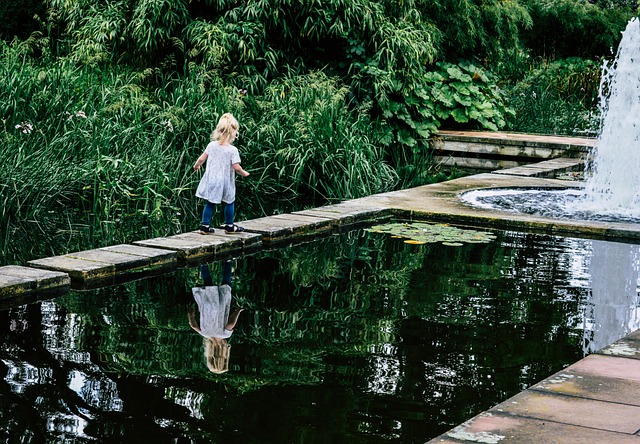
Studley Royal Park & Fountains Abbey
Studley Royal Park and Fountains Abbey, North Yorkshire Fountains Abbey is the largest and most complete ruined abbey in England. That is not a small claim given the number of ruined abbeys England has on offer. Founded by Cistercian monks in 1132 and dissolved by Henry VIII in 1539, the sandstone complex covers several acres of the River Skell valley in North Yorkshire. What makes it exceptional...
read more
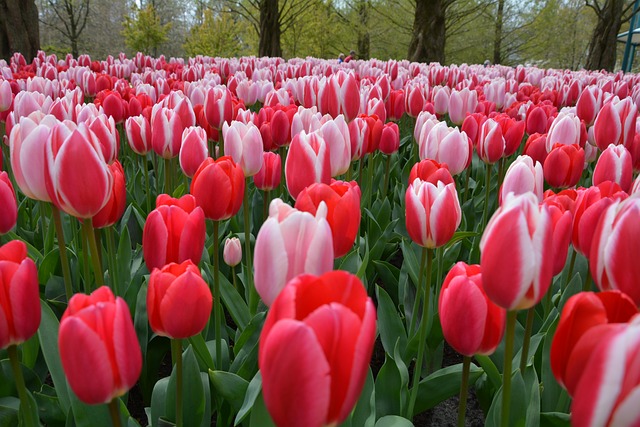
Lisse
Lisse and the Keukenhof: The Tulip Fields Without the Tourist Trap Lisse is a small Dutch municipality in the Duin- en Bollenstreek (Dune and Bulb Region) of South Holland, about 35km southwest of Amsterdam. For approximately 50 weeks of the year it is unremarkable. For the other eight weeks, between late March and mid-May, it hosts Keukenhof: the world’s largest flower garden, which plants...
read more
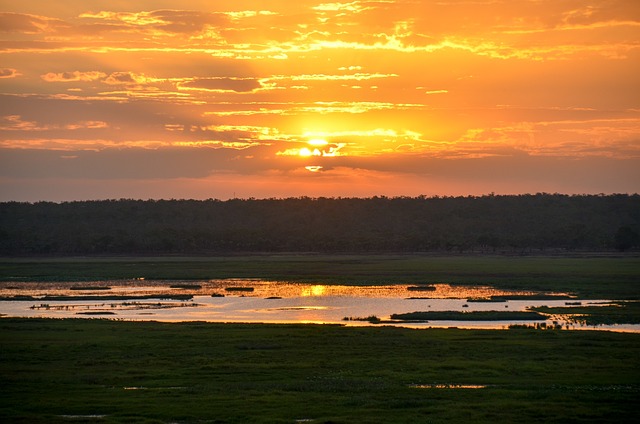
Arnhem Land, Australia
Arnhem Land: Where Restricted Access Is the Feature, Not the Bug Most of Australia’s wilderness is, to varying degrees, accessible. Drive to a park, pay a fee, get out of the car. Arnhem Land is not that. It covers 97,000 square kilometres of the Northern Territory – roughly the size of Portugal – and is Aboriginal-owned land held under perpetual freehold title. You cannot enter...
read more
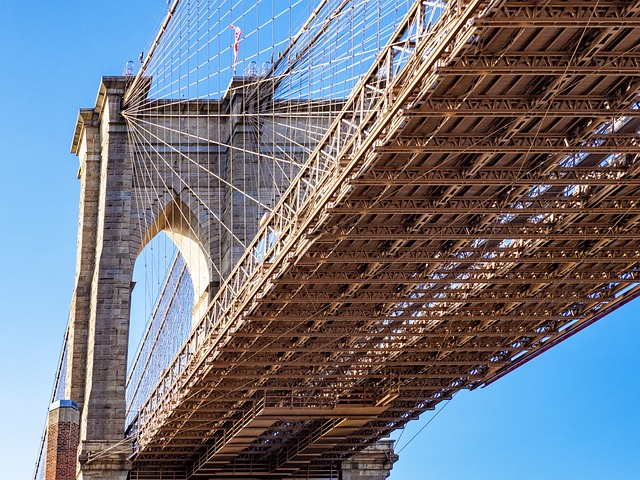
Brooklyn Bridge
Brooklyn Bridge: A Dead Man’s Work That Changed Engineering John Augustus Roebling, the engineer who designed the Brooklyn Bridge, died before construction began. He was surveying the tower locations in 1869 when a ferry crushed his foot against a dock; he refused amputation, developed tetanus, and died within weeks. His son Washington Roebling took over the project and supervised...
read more
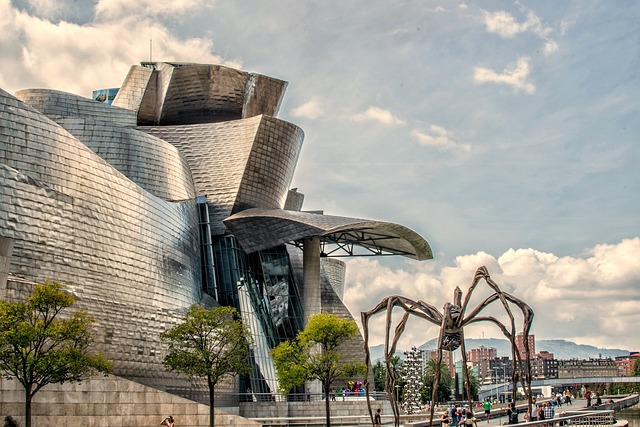
Guggenheim Museum, Bilbao
The Guggenheim Bilbao: The Building, the Art, and the City It Changed The Guggenheim Bilbao opened in October 1997 on the south bank of the Nervion River in what had been a derelict industrial zone. Frank Gehry’s design - titanium cladding over a complex curved steel structure, with the building dissolving into the river at one end and stretching under a bridge at the other - was immediately...
read more
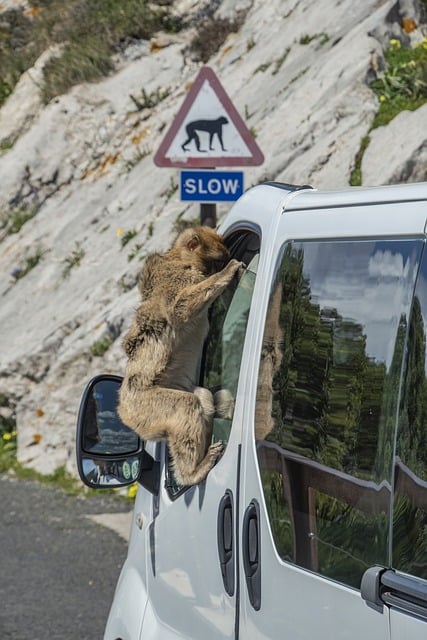
Rock of Gibraltar
The Rock of Gibraltar: Small Territory, Surprising Depth Gibraltar is 6.7 square kilometres of British territory attached to the southern tip of Spain, separated from Morocco by 14 kilometres of sea. It is one of the densest concentrations of historical incidents per square metre in Europe, and most visitors who come for a half-day leave wishing they had stayed longer.
The border with Spain at La...
read more
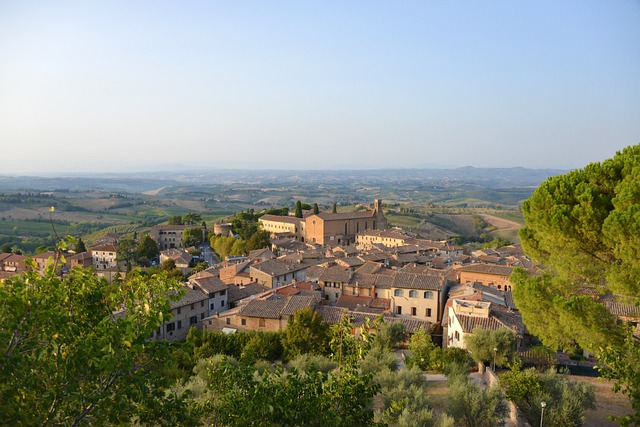
Pienza
Pienza: The Ideal Renaissance Town and Why It Still Works Pienza is a small hilltop town in the Val d’Orcia in Tuscany - population around 2,200 - that was largely rebuilt by Pope Pius II (born Enea Silvio Piccolomini in the village) starting in 1459. Pius II wanted to demonstrate Renaissance civic planning principles in practice: he commissioned the architect Bernardo Rossellino to create...
read more
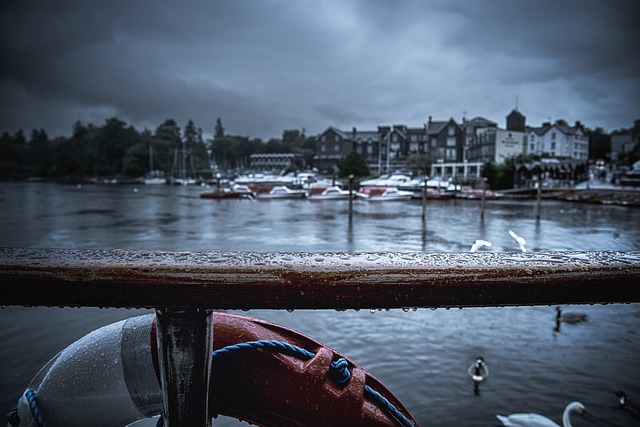
Windermere
Windermere and the Lake District: A Guide That Doesn’t Pretend It’s Not Crowded The Lake District is the most visited national park in the UK, receiving around 20 million visits annually. Windermere is its busiest lake, and Bowness-on-Windermere at its eastern shore is the most tourist-dense settlement in the park. On a July or August bank holiday weekend, the roads into Bowness are at...
read more
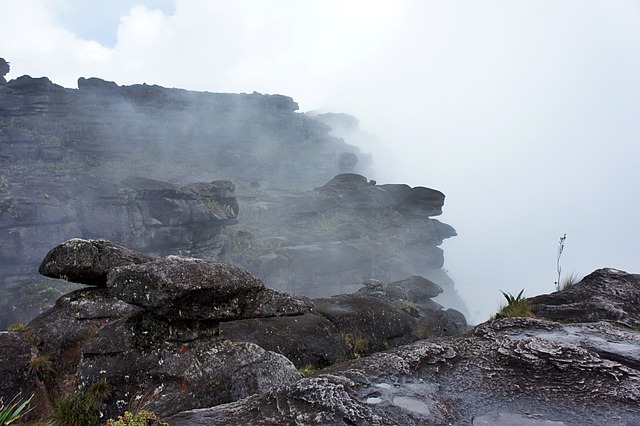
South American Tepuis
South American Tepuis: Mountains That Belong to a Different Era Tepuis are tabletop mountains found across the Guiana Highlands of Venezuela, Guyana, and Brazil. Flat-topped, steep-sided, and geologically ancient, the sandstone formations date back roughly 1.7 billion years, making them among the oldest exposed rock surfaces on the planet. They rise hundreds of metres from surrounding savannah and...
read more
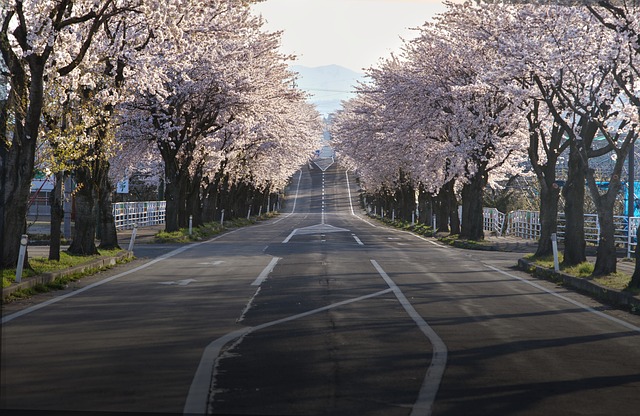
Attend a Cherry Blossom Festival in Japan
The Japan Meteorological Corporation releases sakura forecasts in late January or early February, tracking the progression of the cherry blossom front northward from Kyushu through Honshu to Hokkaido as spring advances. The forecasts are updated weekly, then daily as bloom approaches, and the entire country watches them. Travel agents, hotel booking sites, and rail networks adjust their pricing...
read more
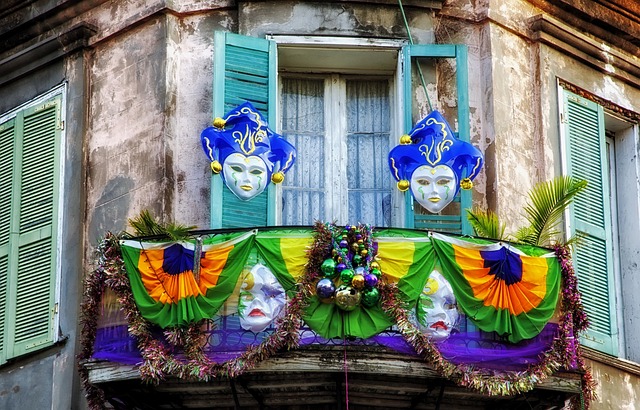
Mardi Gras New Orleans
Mardi Gras in New Orleans: Most People Go for the Wrong Part Mardi Gras is not a party on Bourbon Street. It’s a 12-day season of parades, balls, and neighbourhood events running from the Friday before Ash Wednesday through Fat Tuesday itself. Most first-time visitors arrive for the final weekend - the most crowded, most expensive, most photographed part of the celebration. The people who...
read more
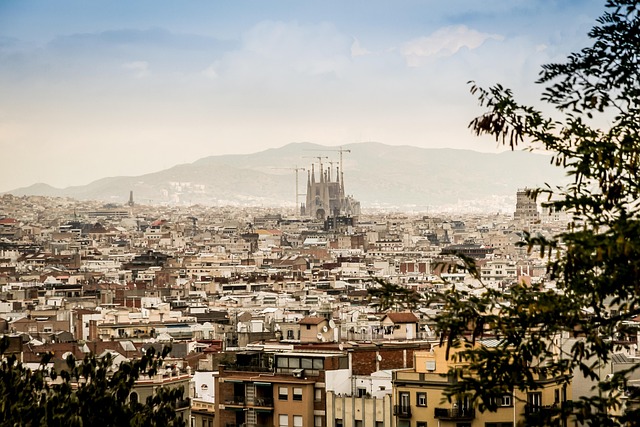
Sagrada Familia
Sagrada Família: Still Under Construction After 140 Years Antoni Gaudí took over the design of the Sagrada Família in 1883, worked on it for 43 years, and was killed by a tram in 1926 when the building was perhaps 25% complete. He is buried in the crypt below. Work has continued since, guided by his models and drawings, many of which were destroyed during the Spanish Civil War and have been partly...
read more
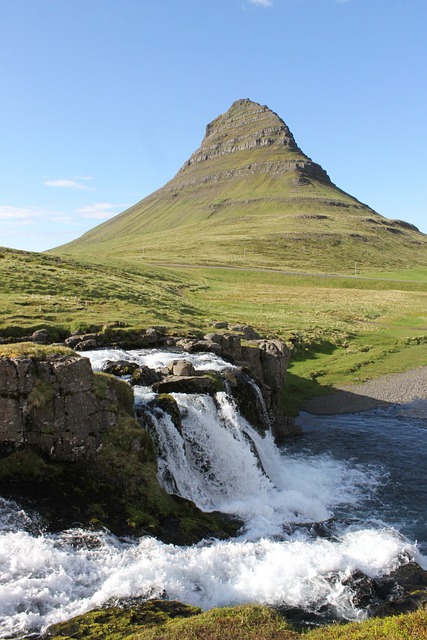
Snaefellsnes
Snaefellsnes: The Peninsula That Most Iceland Visitors Skip The standard Iceland itinerary follows the south coast: Seljalandsfoss, Skogafoss, the glacier lagoon, maybe the Golden Circle. Snaefellsnes, the peninsula jutting 90 km westward from the mainland about 170 km north of Reykjavik, gets skipped by the majority. That leaves it quieter than any comparable Icelandic landscape, and the variety...
read more
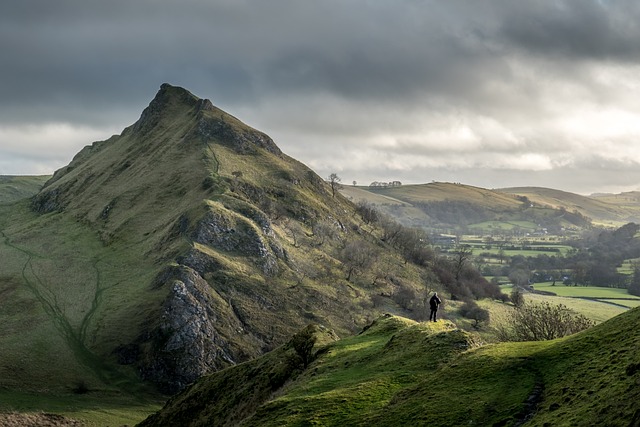
Wawel Hill Krak W
Wawel Hill: The Heart of Polish History Above the Vistula Wawel Cathedral’s Sigismund Bell weighs 11 tonnes and was cast in 1520. It is the largest bell in Poland and one of the largest in Europe. It can only be rung on major national and religious occasions. There is no schedule for visitors to anticipate a ringing; when it happens, the sound carries across Kraków and is reportedly audible...
read more
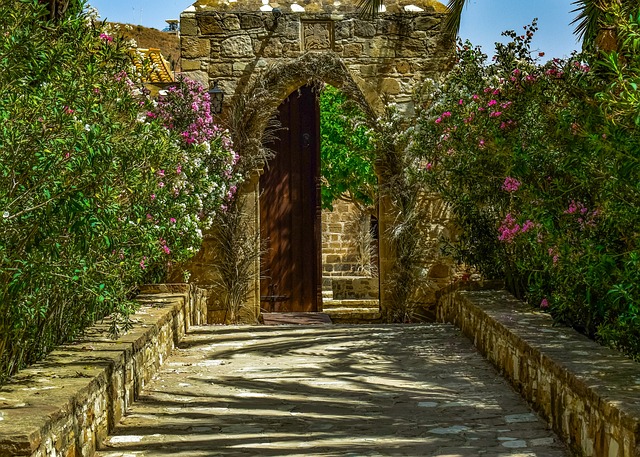
Kykkos Monastery, Cyprus
Kykkos Monastery: The Richest Monastery in Cyprus The monks of Kykkos possess an icon of the Virgin Mary that they have never shown to anyone. The icon, attributed to St. Luke and given to the monastery by Byzantine Emperor Alexios I Komnenos around 1100 CE, has been covered in silver-gilt protective covers for so long that no person alive has seen the face beneath them. The covering is considered...
read more
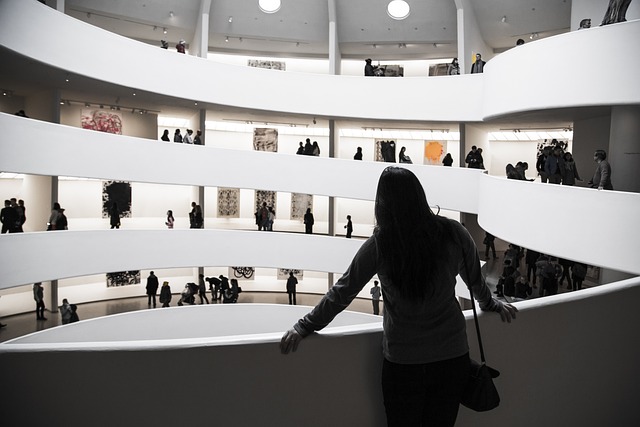
Louisiana Museum of Modern Art
Louisiana Museum of Modern Art: The Best Museum Most Visitors to Copenhagen Miss The Louisiana Museum of Modern Art is not in Louisiana. It is 35 kilometres north of Copenhagen on the Oresund coast, in the small town of Humlebaek. The name comes from three successive owners of the 18th-century country house that preceded the museum, all of whom were named Louise. The museum opened in 1958,...
read more
Split
Split: The Roman Emperor’s Retirement Palace and Everything Else Diocletian built his retirement palace in Split between 295 and 305 AD on the Dalmatian coast, where he planned to spend his final years growing cabbages. He died there in 311 AD. The palace gradually became the city itself as medieval inhabitants moved in and built on top of it. Today roughly 3,000 people live inside the...
read more
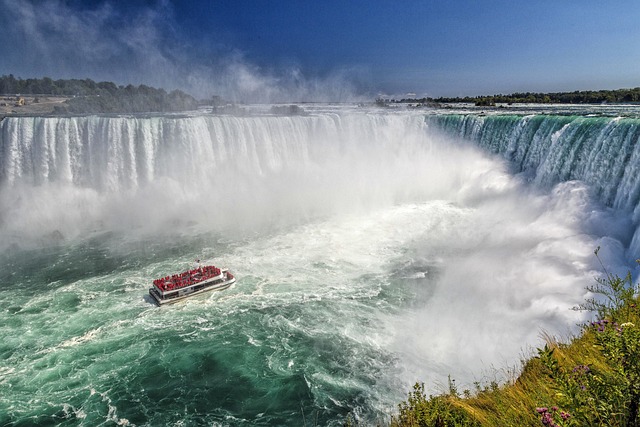
Niagara Falls - Ontario, Canada
Niagara Falls: The Falls Themselves and What’s Actually Worth Your Time There is a persistent argument that the American side of Niagara Falls offers a more “authentic” experience because it’s less commercialised. The argument is wrong. The Canadian side in Ontario gives you the better view – the Horseshoe Falls, by far the largest and most dramatic of the three...
read more

Teatre-Museu Dalí
Teatre-Museu Dalí, Figueres: The Artist as Architect of His Own Legend Salvador Dalí designed this museum himself, which tells you everything about the nature of the experience. It is not a museum in the conventional sense. It is a total environment, conceived as a single artwork, installed in the shell of a 19th-century municipal theatre that burned during the Spanish Civil War and that Dalí took...
read more
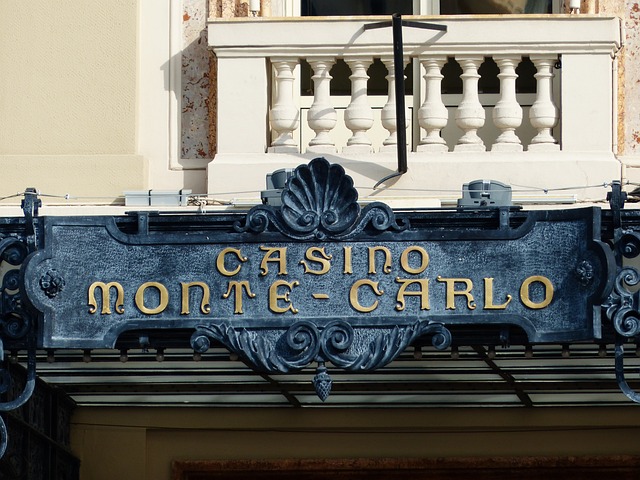
Monte Carlo Casino
Monte Carlo Casino: What to Know Before You Go The Casino de Monte-Carlo was designed by Charles Garnier, the same architect who built the Paris Opera, and completed in 1863. It looks the way it does because Garnier understood exactly what his client needed: an architectural statement of sovereign wealth that would be recognised as such from the moment you approach the Place du Casino. The ornate...
read more
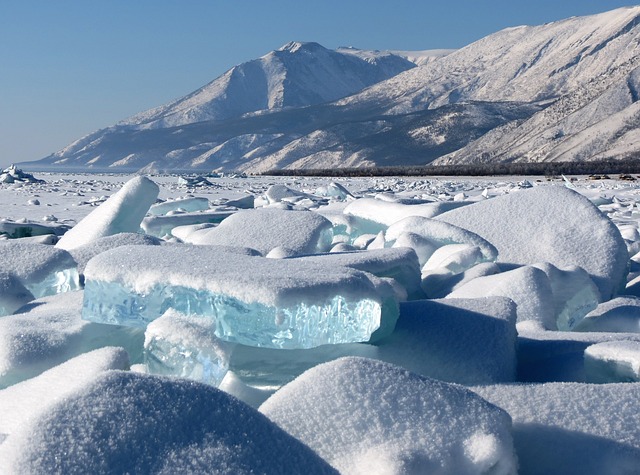
Lake Baikal
Note: As of 2026, travel to Russia requires current research on visa requirements and safety conditions. Check your government’s travel advisory before planning. What follows describes the destination for when conditions make a visit viable.
Lake Baikal: The World’s Deepest Lake and How to See It Properly Lake Baikal is 636 kilometres long, 80 kilometres wide at its broadest, and 1,642...
read more