Recent Locations
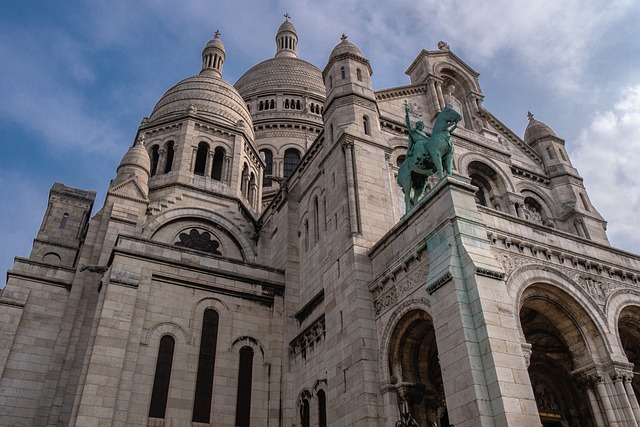
Sacre-Coeur: What Most Visitors Miss
Sacre-Coeur is free to enter, open daily, and sits on top of a piece of political history most visitors photograph without ever hearing about: the basilica was built partly as penance for France’s 1870-71 defeat and the Paris Commune, funded in part by donors who wanted the building to symbolise the repentance of a socialist Paris, on a hill that had been one of the Commune’s last...
read more
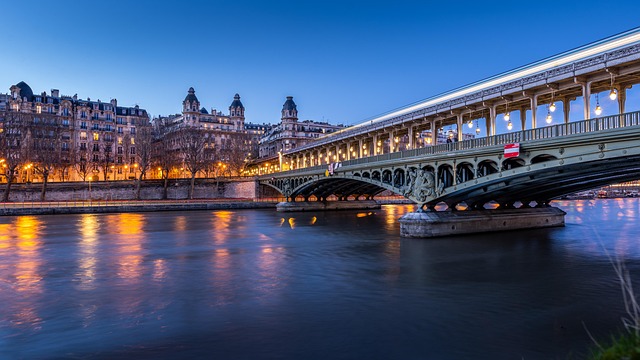
The Seine: What Most Visitors Miss
The Seine runs 775 kilometres total, and the 13 kilometres through central Paris carry Notre-Dame, the Louvre, and the Musee d’Orsay along one continuous walk. Most visitors ride the Metro between these three and never notice they are all on the same riverbank stretch that UNESCO listed as a single World Heritage site in 1991, the full write-up of which lives on our Banks of the Seine page ....
read more
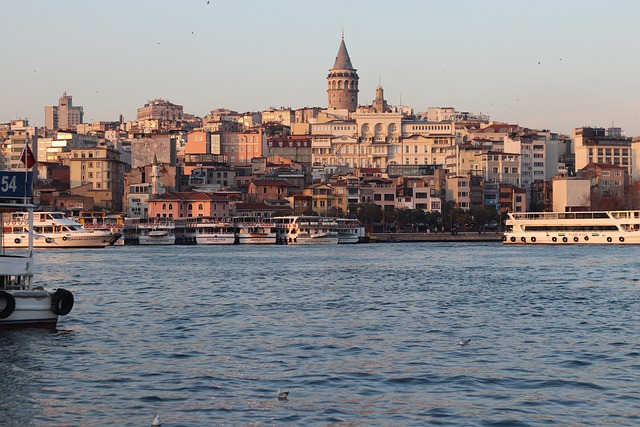
Bursa: What Most Visitors Miss
Most Istanbul-base day trip lists mention Bursa in one line, the Grand Mosque and the Green Tomb, then move on. That skips the actual reason to make the trip: Cumalikizik, a working Ottoman-era village a short bus ride outside town, and the cable car up Uludag that most visitors assume is a ski-resort gimmick rather than one of the oldest cable car lines in the country. Bursa was the Ottoman...
read more
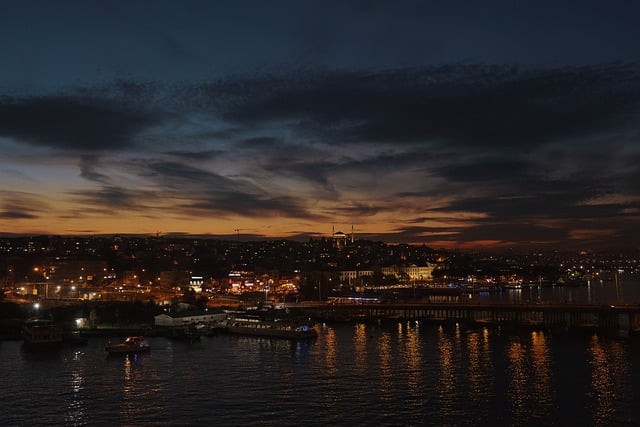
Istanbul: What Most Visitors Miss
Most first-time visitors assume a Hagia Sophia ticket opens the whole building. It does not: the ground floor is an active mosque, closed to tourist visits even briefly, and the paid foreigner ticket (about EUR 25) buys the upper gallery only. That single mix-up says more about how Istanbul actually works than any single landmark does; the city keeps its working, everyday version running...
read more
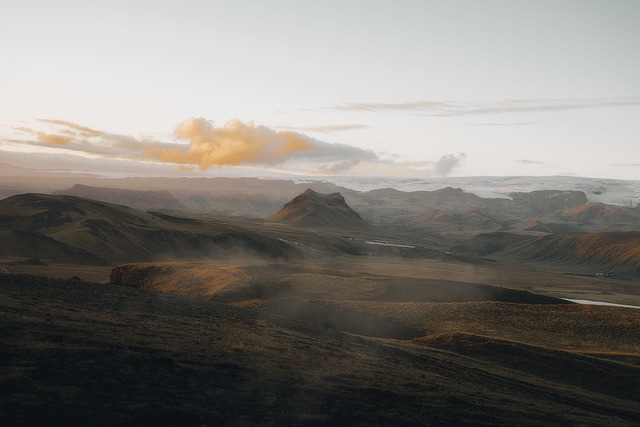
Snaefellsnes: What Most Visitors Miss
Most Reykjavik itineraries spend a week on the Golden Circle and the Blue Lagoon and never make it to Snaefellsnes at all, and the ones that do usually squeeze it into a single rushed day that skips a lava cave, a beach where old fishermen tested their strength on four stones, and a coastal walk most tour buses can’t spare the hour for. Nicknamed “Iceland in miniature” for...
read more
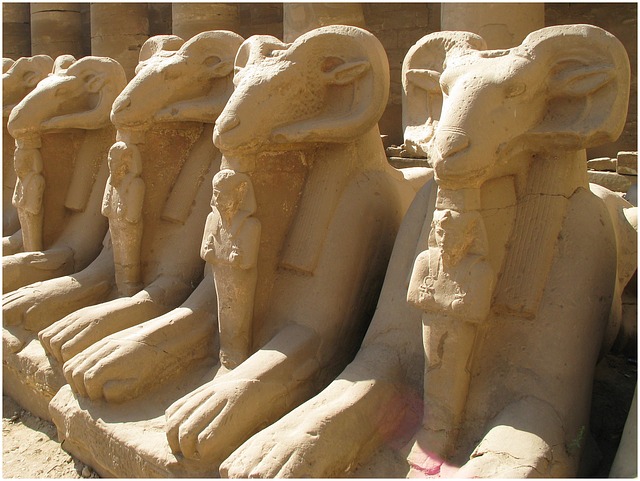
Luxor: What Most Visitors Miss
Luxor splits cleanly into two banks connected by nothing but a ferry, a bridge-adjacent road crossing, or a hired boat, and a surprising number of first-time visitors don’t grasp that until they’re stuck on the wrong side near closing time. The bigger surprise: the Valley of the Kings ticket everyone quotes online, EGP 750 (~$15), buys entry to roughly three tombs out of the eight to...
read more
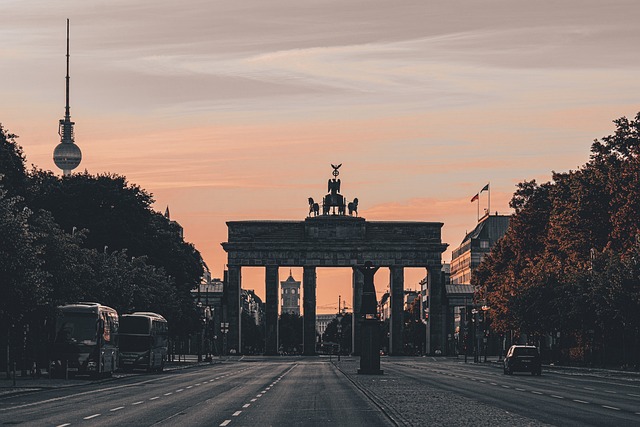
Berlin Teufelsberg: What Most Visitors Miss
Most Berlin itineraries end at the Wall and the museums, and never make it to a hill in the Grunewald forest built entirely from World War Two rubble, capped with an abandoned American and British listening station covered floor to ceiling in graffiti. Teufelsberg costs about 8 EUR to wander alone or roughly 15 to 20 EUR on a guided tour, and it sits fewer than 30 minutes from the center by train...
read more
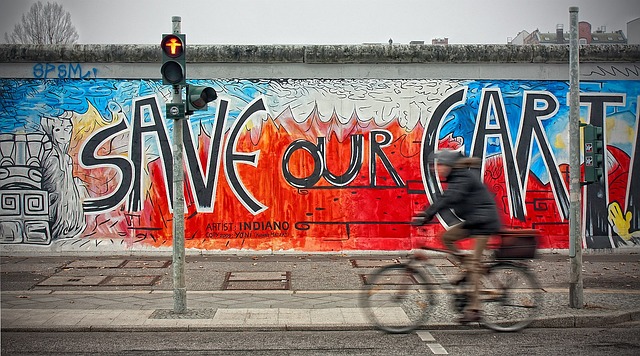
Berlin Wall: What Most Visitors Miss
Three different Wall sites get mixed up constantly, and the mix-up costs money. East Side Gallery and the Bernauer Strasse memorial are both free, always open, government run sites. The Mauermuseum next to Checkpoint Charlie is a private business charging 18.50 EUR, and it is not part of the Berlin Wall Foundation at all, despite standing a few meters from a free federal memorial that covers the...
read more
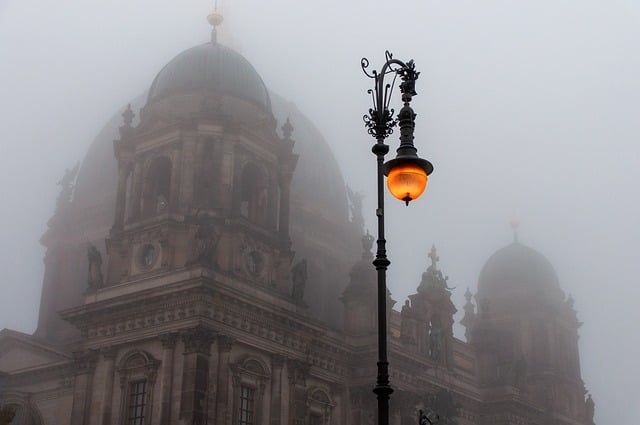
Berliner Dom: What Most Visitors Miss
Berliner Dom is not technically a cathedral. It has never been a bishop’s seat, just an enormous Protestant court church the Hohenzollern family built to rival St Peter’s. Most visitors climb the 270 steps to the dome gallery, take the skyline photo, and skip the Hohenzollern crypt below, which reopened in early 2026 after a long renovation and holds close to 100 royal sarcophagi under...
read more
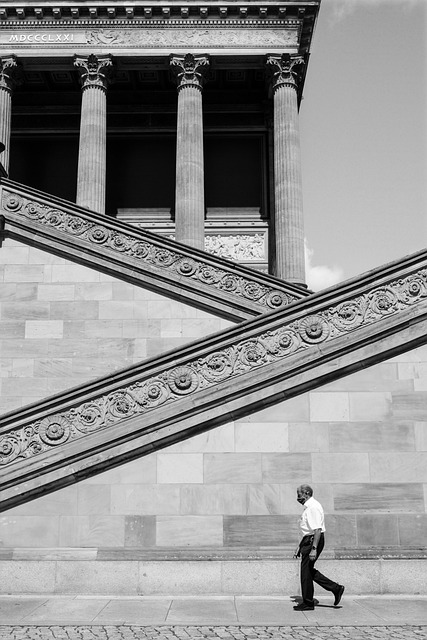
Museum Island: What Most Visitors Miss
Most people write off Museum Island because “the Pergamon is closed,” then skip the day pass entirely and miss four museums that are very much open. The Pergamonmuseum’s north wing has been shut since October 2023 and will not reopen until 4 June 2027 at the earliest, with the Ishtar Gate wing not due back until roughly 2037. What’s easy to miss: the separate Pergamonmuseum...
read more
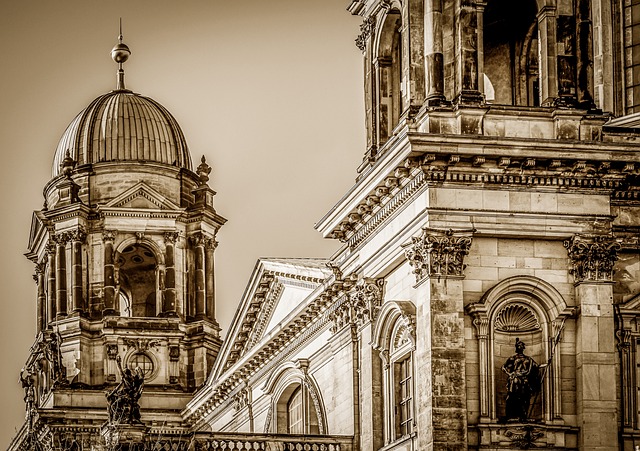
Spreewald: What Most Visitors Miss
Every brochure calls the Spreewald the Venice of Germany, and every brochure undersells it. Venice does not have a UNESCO biosphere reserve, a minority language that predates German settlement in the region by centuries, or a gherkin economy with its own dedicated roadside strip. What you actually get, about an hour from Berlin Hauptbahnhof by regional train, is a flat, forested wetland threaded...
read more
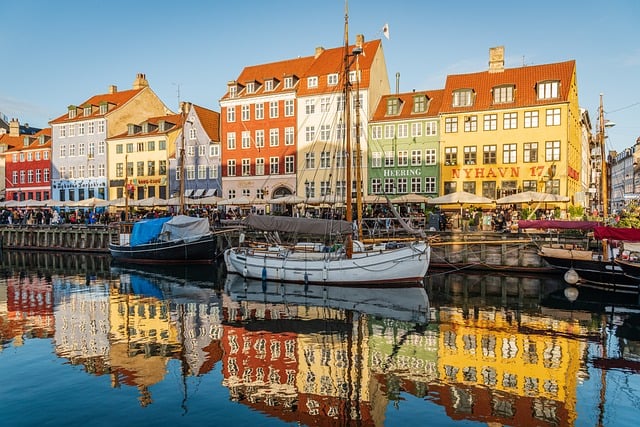
Copenhagen: What Most Visitors Miss
The driverless Metro from Copenhagen Airport drops you into the city centre in under fifteen minutes for around 25 DKK. That speed sets the tone for Copenhagen: a capital that mostly works, mostly on time, and expects you to keep up. What it cannot prepare you for is how much the city has shifted since 2024, when Noma shuttered its dining room, cannabis sales ended at Christiania by community...
read more
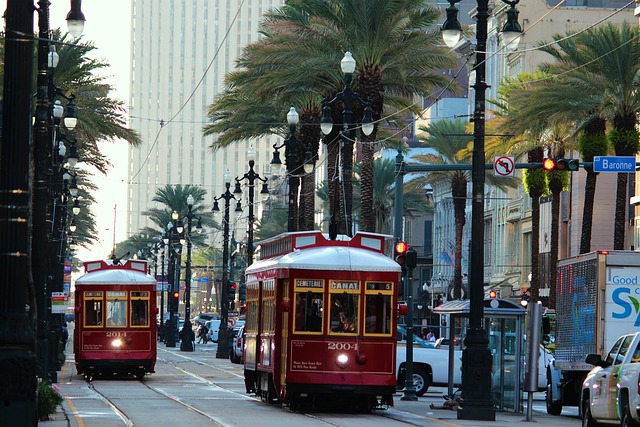
New Orleans: What Most Visitors Miss
Most of what tourists call the French Quarter’s charm is Spanish colonial rebuilding, not French design, and most visitors never learn it. Cafe du Monde is not open around the clock either, and the cemetery holding the city’s most famous grave stopped allowing walk-ins over a decade ago. None of that is obscure trivia; it changes how you should actually plan a visit.
What Detail Where...
read more
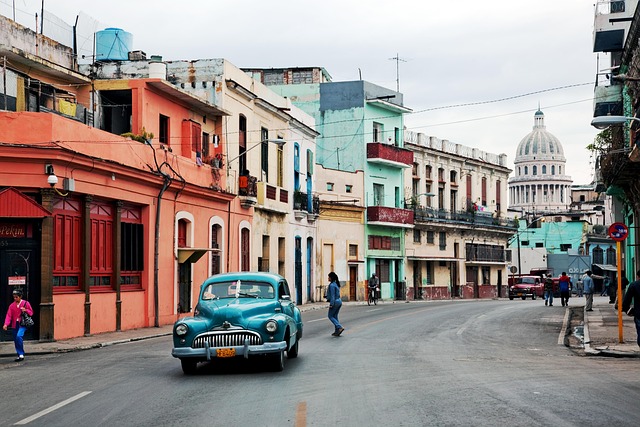
Havana: What Most Visitors Miss
Most visitors treat Habana Vieja as a two hour loop between four plazas and a mojito at the Floridita. That undersells the neighborhood by half a day at least, and it skips the one detail almost nobody notices: a working camera obscura sitting one floor above the crowd in Plaza Vieja itself. Havana’s flagship isn’t a single monument, it’s this walled colonial core, UNESCO-listed...
read more
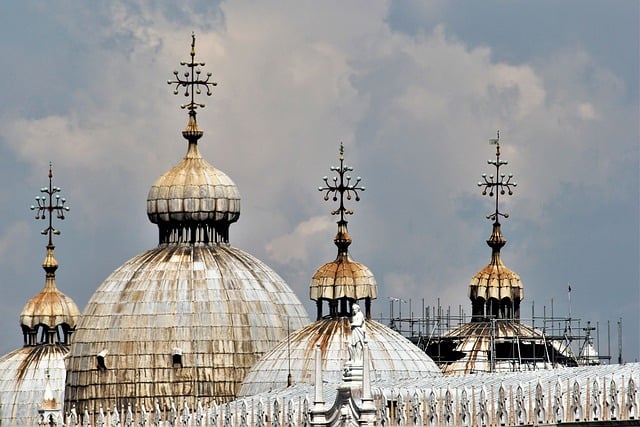
Orient Express: What Most Visitors Miss
Most people picture “the Orient Express” as a single legendary train still running its original 1883 Paris-Istanbul route. What actually departs from Venice is narrower and stranger than that: a specific Belmond-operated service using genuine 1920s and 1930s Wagons-Lits carriages, restored down to the marquetry and the Lalique glass panels, running a modern schedule of routes that...
read more
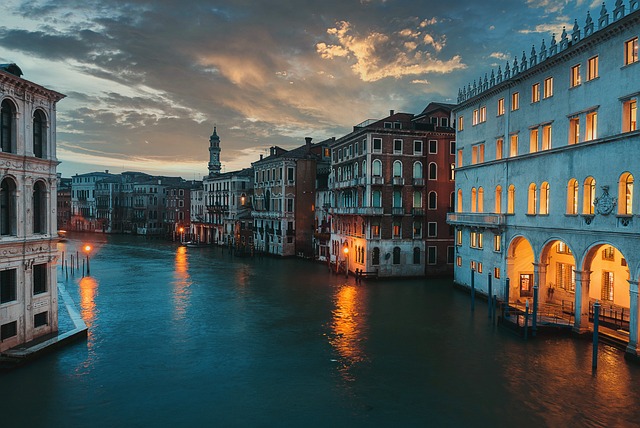
Venice: What Most Visitors Miss
The Veneto Sits an Hour From Venice, and Most Visitors Never Leave the Lagoon Venice is not just a destination, it is also the best-connected rail hub in the Veneto, and almost nobody treats it that way. Padua’s Scrovegni Chapel, a fresco cycle Giotto finished in 1305, is 25 to 30 minutes out and routinely skipped for lack of a booking. Verona’s Roman Arena is under an hour. A UNESCO...
read more
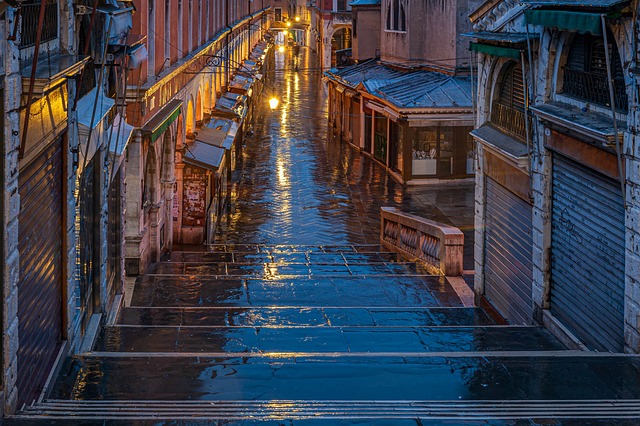
Venice: What Most Visitors Miss
Venice’s postcard image, canals and gondolas, undersells how strange the actual city is to move through: 118 named islands stitched together by more than 400 bridges, with no road, car, motorbike, or bicycle anywhere in the historic center, ever. Most visitors see St Marks Square, the Rialto, and a gondola dock before heading back to a cruise ship or a mainland hotel, missing the version of...
read more
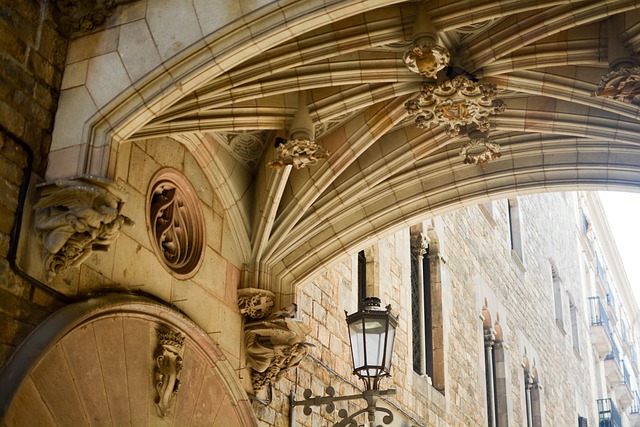
Barcelona: What Most Visitors Miss
Most people leave Barcelona having seen Sagrada Familia, Park Guell and Las Ramblas, and nothing else that was not on the same postcard rack. That is a fine three days, but it skips a hospital campus that rivals the Gaudi houses, a bunker with the city’s best sunset, and the fact that the basilica everyone photographs is, still, genuinely not finished. Here is what the standard itinerary...
read more
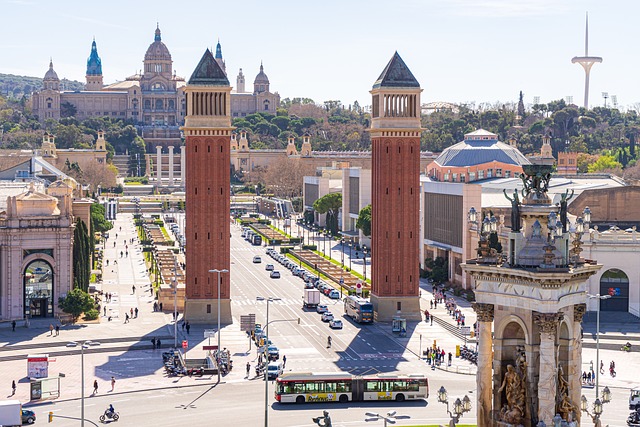
Montserrat: What Most Visitors Miss
Montserrat Is Not Just the Cable Car Everyone Photographs Most day-trip write-ups treat Montserrat as a single photo: a cable car climbing toward a mountain monastery, covered in one paragraph and forgotten. The mountain itself, a jagged, strangely eroded massif visible from much of Barcelona on a clear day, has hiking trails most day-trippers never walk far enough to find, plus a boys’...
read more
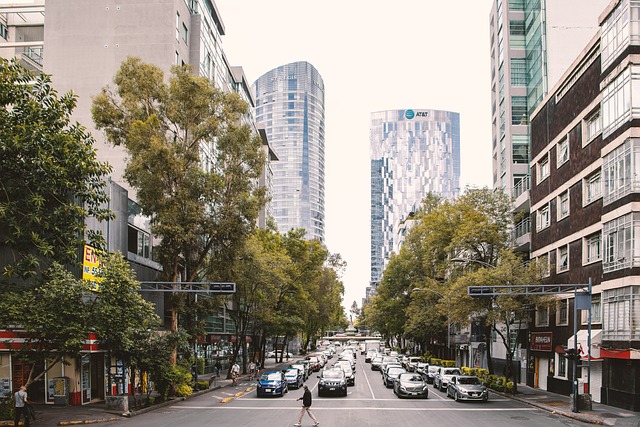
Teotihuacan: What Most Visitors Miss
Nobody built Teotihuacan on purpose to impress you a thousand years later, and that is the first thing most day-trippers from Mexico City get backwards. The Mexica arrived at these pyramids in the 14th century to find them already ancient ruins, gave them the names we use today (Teotihuacan itself means “the place where the gods were created”), and built their own mythology on top of a...
read more
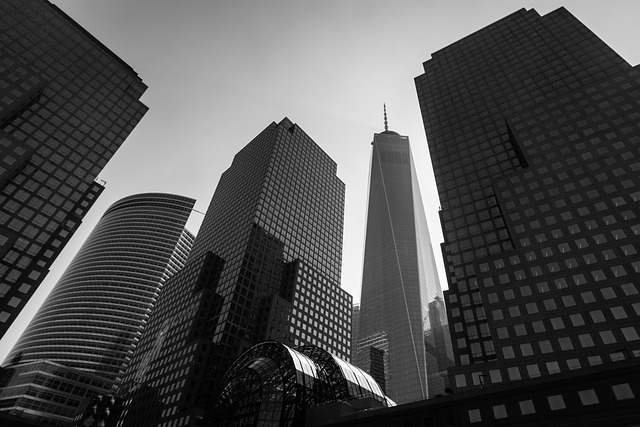
New York City: What Most Visitors Miss
New York City is not the capital of the United States and not the capital of New York State either, Albany holds that title, a fact that trips up more visitors and trivia nights than it should. Past that, most first-timers arrive carrying a handful of other outdated assumptions: that the Met is donation-based, that a MetroCard is still the way to pay, and that a slice of pizza costs whatever the...
read more
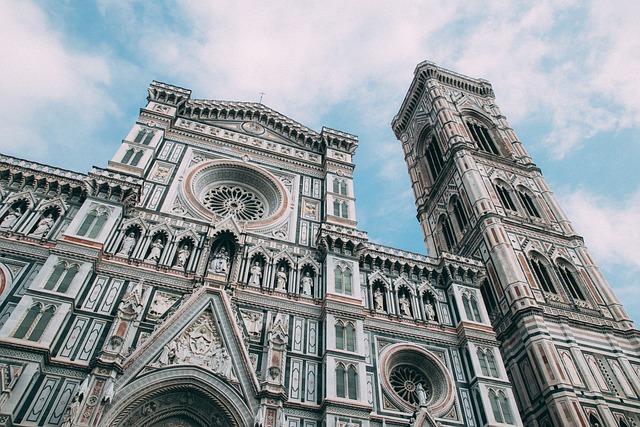
Florence Cathedral: What Most Visitors Miss
Most first-time visitors assume one ticket gets them into the Duomo complex and up the dome. It does not. The Opera del Duomo sells three separate passes, sold only through its own site, and only the priciest one includes Brunelleschi’s dome climb at all, one fixed timed slot up 463 steps that cannot be rebooked once confirmed. Buy from a reseller instead of the official ticket site and...
read more
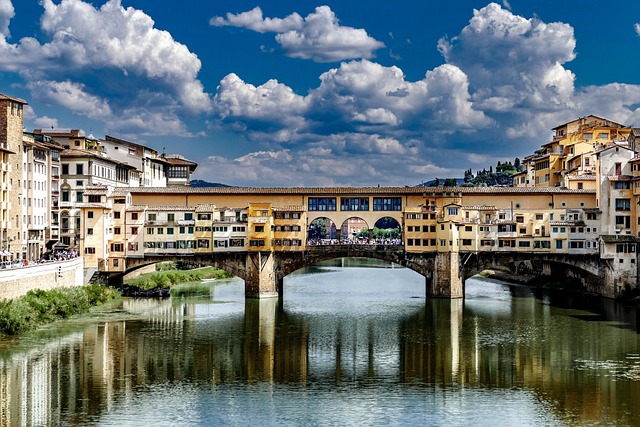
Florence Day Trips: What Most Visitors Miss
The Day Trip Most Florence Visitors Get Backwards Ask a hundred people planning one Tuscany day trip from Florence and most will say San Gimignano, because its towers photograph well and every list mentions it first. That’s the wrong lead. Siena beats it on almost every measure that matters for a single day, more to see, a livable medieval core instead of a photogenic shell, and it sits on a...
read more
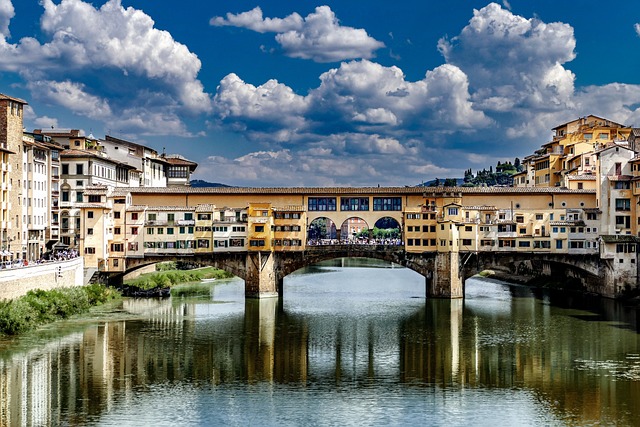
Florence: What Most Visitors Miss
Say “Florence” and a surprising number of people picture Venice’s canals instead, a different city in a different region entirely. Florence is the capital of Tuscany, has no canals in the Venetian sense, and the marble David posing in Piazza della Signoria for every tour-group photo isn’t even the real one. What’s actually true about this city is stranger and more...
read more
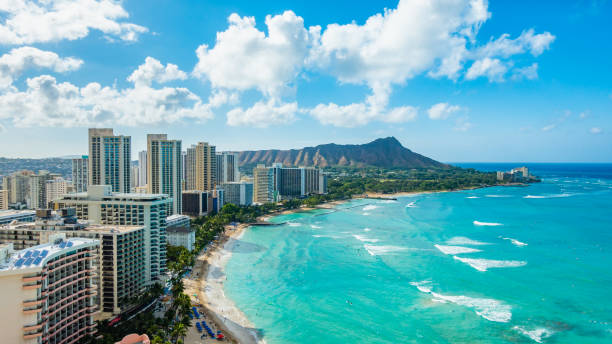
Honolulu: What Most Visitors Miss
The Train Reached the Airport in 2025. It Still Doesn’t Reach Waikiki Most visitors land at Daniel K. Inouye International, assume Honolulu’s new rail line will carry them into town, and are wrong. Honolulu is less a single beach town than a launchpad: a south-shore city wrapped around an airport that connects the rest of Hawaii, most of which sits on other islands you cannot drive to....
read more
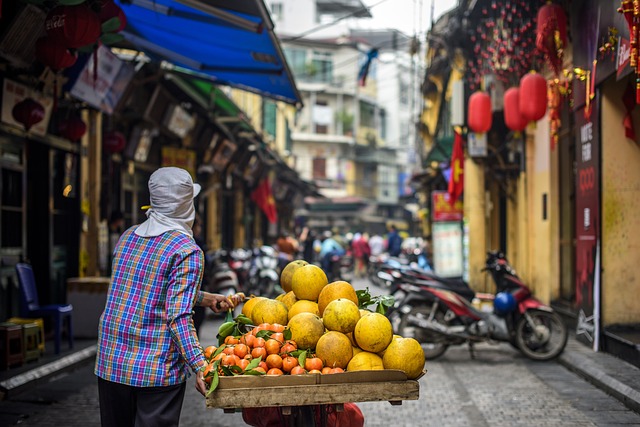
Hoan Kiem Lake: What Most Visitors Miss
Most people give Hoan Kiem Lake fifteen minutes: a lap of the water, a photo of the red bridge, then on to the Old Quarter next door. That is enough to see it and not enough to understand why Hanoi built an entire origin myth around this one patch of water. Cross the bridge, pay the small entry fee, and the lake turns from a nice walk into the strangest small museum in the city.
read more
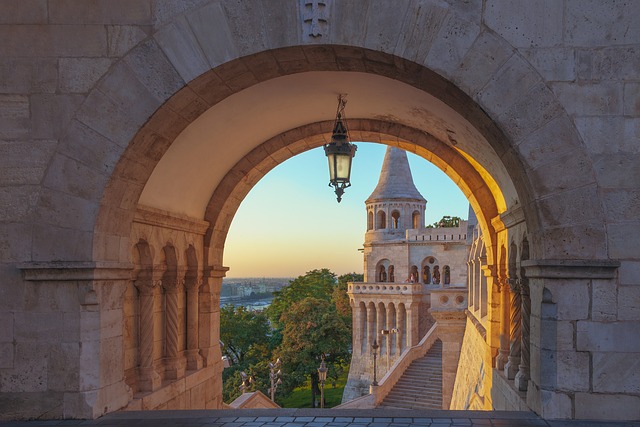
Budapest: What Most Visitors Miss
Most people picture Budapest as one city split cleanly in two, Buda and Pest, joined by a few famous bridges. That picture is off in a small but genuinely useful way: it was three settlements, Buda, Pest and Óbuda, plus Margaret Island, that merged in 1873, and the currency in every wallet here is the Hungarian forint, not the euro, despite two decades of EU membership. Both corrections change how...
read more
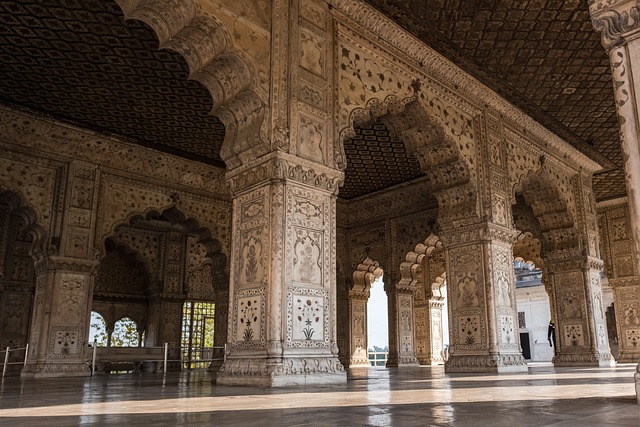
Red Fort: What Most Visitors Miss
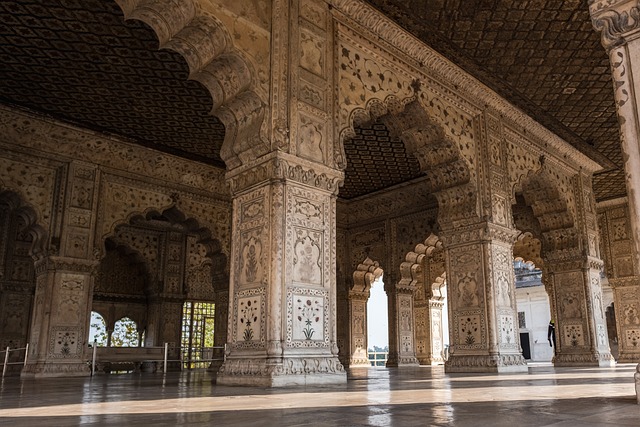
Most visitors do the Diwan-i-Am, photograph the marble Diwan-i-Khas, and leave the Red Fort thinking they’ve seen a Mughal palace. What they miss is that the empty hall they just photographed once held a jewel-encrusted throne stolen at swordpoint, that its gilded domes were pulled down and auctioned off within a generation, and that a courtroom on this same site once put three soldiers on...
read more
Taj Mahal: What Most Visitors Miss
The Best Taj Mahal View Isn’t From the Main Gate Most visitors see the Taj Mahal exactly one way: through the main gate, in a scrum of tour groups, angling for the same reflecting-pool photo everyone else has already taken. The building, 230km from Delhi in Agra, earns its reputation regardless. But two facts trip up more first-timers than the crowds do: the foreigner pricing, and a weekly...
read more
Blue Mountains: What Most Visitors Miss
Sydney’s Gateway Is a Plateau, Not a Mountain Range The Blue Mountains, Sydney’s single best-known day trip, are not technically mountains at all: they are a sandstone plateau cut deep by rivers into gorges and valleys, which is why the view from Echo Point reads more like a canyon than a peak. The name itself comes from a genuine optical effect, eucalyptus oil droplets released by the...
read more
Cockatoo Island: What Most Visitors Miss
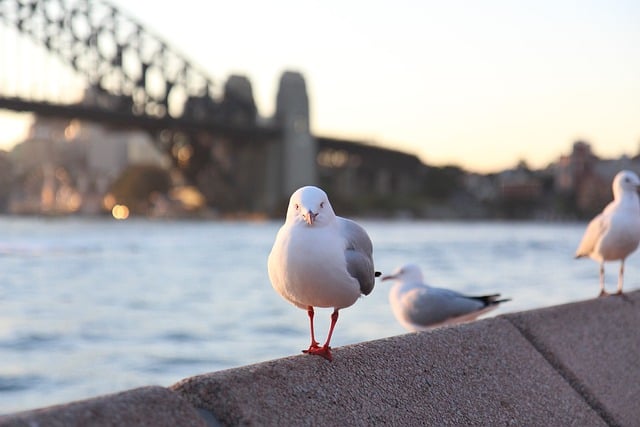
Sydney Harbour’s largest island sits a 20-minute ferry ride from Circular Quay, carries a UNESCO World Heritage listing, and most visitors never set foot on it. Cockatoo Island spent 70 years as a convict penal station and another century as a working shipyard before the machinery stopped and the Sydney Harbour Federation Trust turned it into one of the strangest, least-crowded things to do...
read more
Munich: What Most Visitors Miss
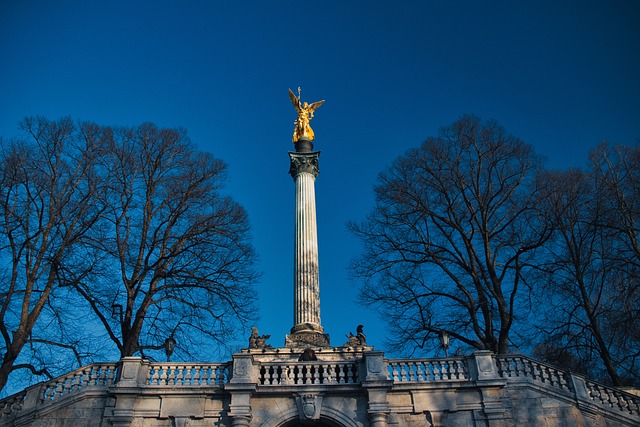
Most first-time visitors do Marienplatz, the Glockenspiel, and the Hofbräuhaus, then leave thinking they’ve seen Munich. They’ve seen the postcard. They’ve missed the state art museum that costs EUR 1 on Sundays, the toy museum that only takes cash a few steps from a museum that refuses it, and a stretch of river where people surf a standing wave for free, every day of the year....
read more
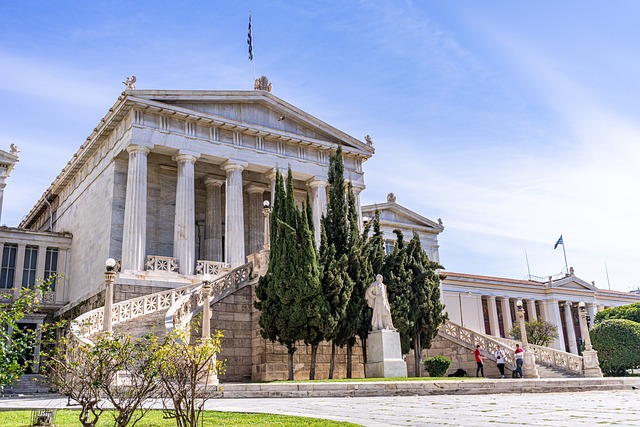
Athens Day Trips: What Most Visitors Miss
Athens Sits 25 Minutes From Seven Different Escapes Most people fly into Athens, photograph the Acropolis, and never notice that the city is ringed by genuinely distinct day trips and overnight extensions, some as cheap as a 15 EUR ferry ticket. Aegina, Poros, and Hydra are all real day trips from Piraeus. Cape Sounion, Delphi, and the Nafplio-Peloponnese loop are all doable from a mainland base....
read more
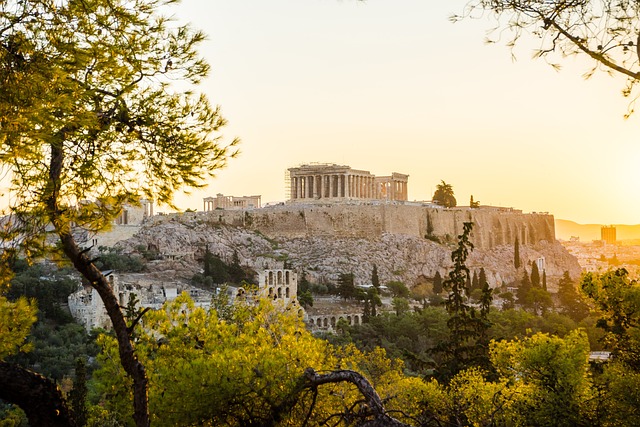
Athens: What Most Visitors Miss
Ask most travelers what Athens is and they’ll describe forty minutes on the Acropolis, a photo of the Parthenon, and a taxi back to the airport. That’s roughly a tenth of the city, and it skips the parts that actually explain the place: a tomb built to rival the temple it’s photographed next to, a weather station tucked into a ticket most visitors already paid for, and a museum...
read more
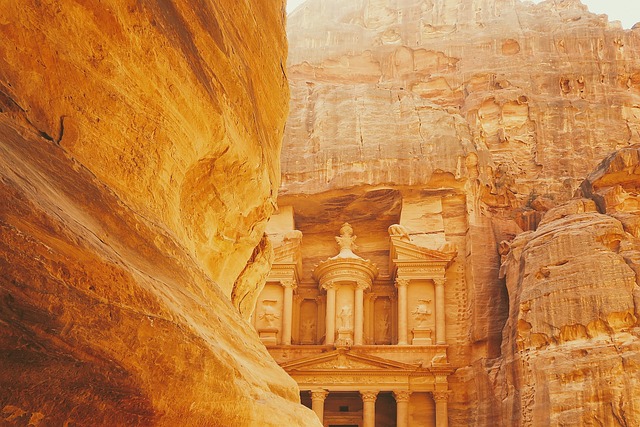
Jordan: What Most Visitors Miss
Petra gets the postcard, but it sits inside a country most visitors only see through a bus window on the way to and from it. Wadi Rum’s red dunes are 90 minutes south. The Dead Sea, low enough to pop your ears on the way down, is roughly 3 hours away, or under an hour if you are coming from Amman instead. Amman itself hides a Roman theatre and a hilltop citadel for a few dinars combined.
read more
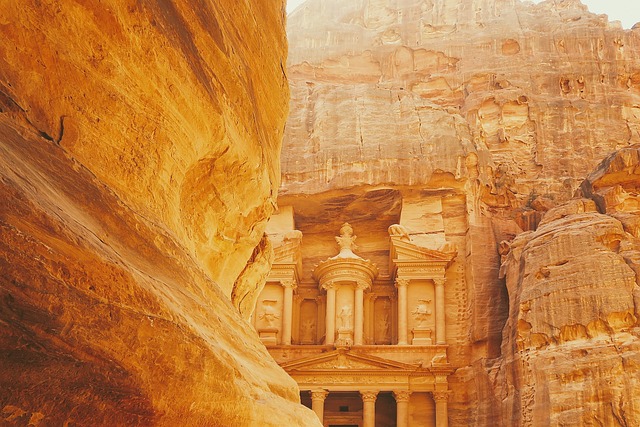
Petra: What Most Visitors Miss
The Facade Everyone Photographs Isn’t the One Worth the Climb Most people plan Petra around one photo: the Treasury, framed through the Siq’s last narrow gap. It’s genuinely worth the walk, but it’s also not a treasury (a Nabataean royal tomb, no rooms of gold), not the biggest carving on site (the Monastery beats it), and not even close to everything Petra actually holds....
read more
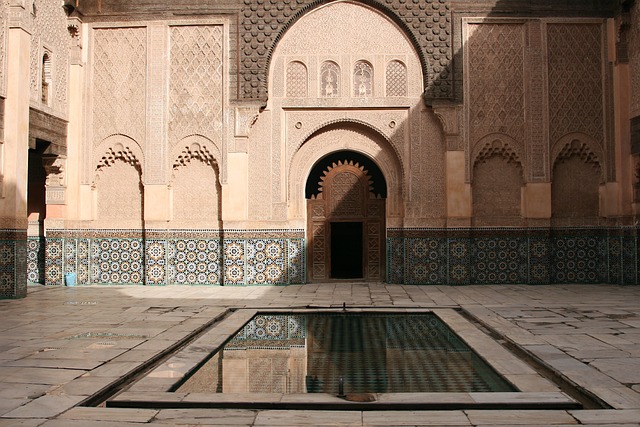
Marrakech Day Trips: What Most Visitors Miss
Most people research Marrakech itself and treat everything past the city limits as a footnote. That is backwards. The region ringing Marrakech holds a desert that is not really a desert, a kasbah with a busier acting career than most Hollywood extras, and an actual Sahara that is nowhere near as close as the tour posters imply. Here is what regularly surprises first-timers about using Marrakech as...
read more
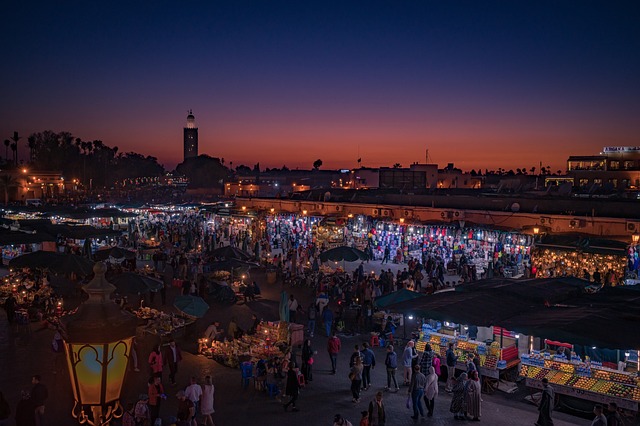
Marrakech: What Most Visitors Miss
Marrakech will sell you the Sahara as a day trip. It cannot deliver on that, and knowing why up front saves an argument with a tour desk and a very long, very disappointing van ride. The dunes at Merzouga sit roughly 550km and nine hours away by road, a three-day trip minimum, not a morning excursion. What the city delivers instead, if you go past Bahia Palace and Jemaa el-Fnaa on day one, is...
read more
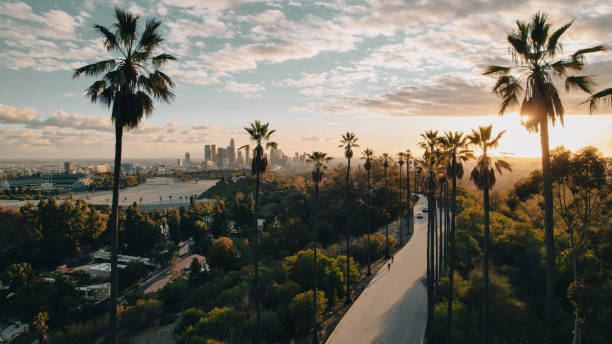
Los Angeles: What Most Visitors Miss
Say “Los Angeles” and most people picture one skyline and one boulevard. Neither picture is accurate. LA is roughly 500 square miles of neighborhoods that function like a dozen small towns sharing a single freeway system, and the sights everyone assumes are close together, Hollywood, the beach, Downtown, routinely sit 45-90 minutes apart depending on the hour. Pick a base before...
read more
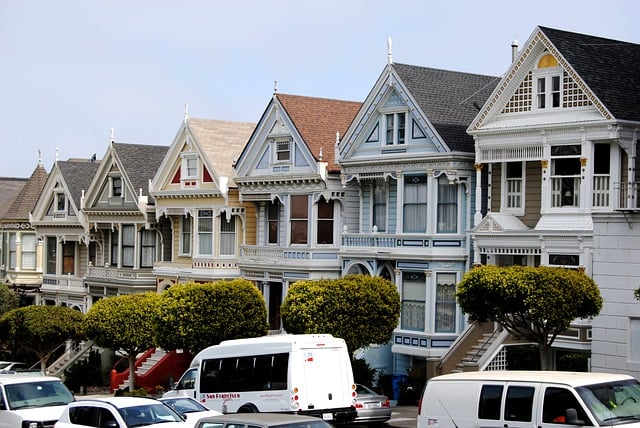
Northern California: What Most Visitors Miss
Most visitors treat San Francisco as the whole trip and Northern California as an afterthought glimpsed from a plane window. That’s backwards. The redwoods are 45 minutes away, a wine valley with no train service is 90, and a coastline with sea otters and a private toll road is 2 hours south. What most people miss isn’t a neighborhood inside the city; it’s that the city itself is...
read more
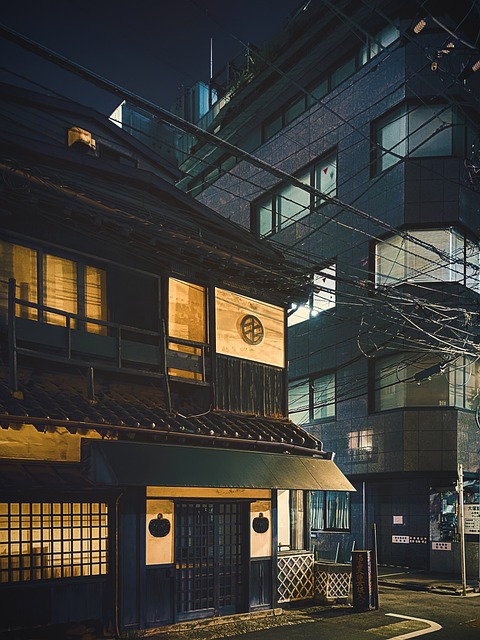
Beyond Tokyo: What Most Visitors Miss
Every trip to Japan more or less starts here, whether or not it’s supposed to. Fly into Narita or Haneda, and Tokyo becomes the default base camp, the place you keep circling back to between the parts of the country everyone actually posted about on their last trip. That’s not a consolation prize. Tokyo is the reason those other places are reachable in a day, and it’s plenty...
read more
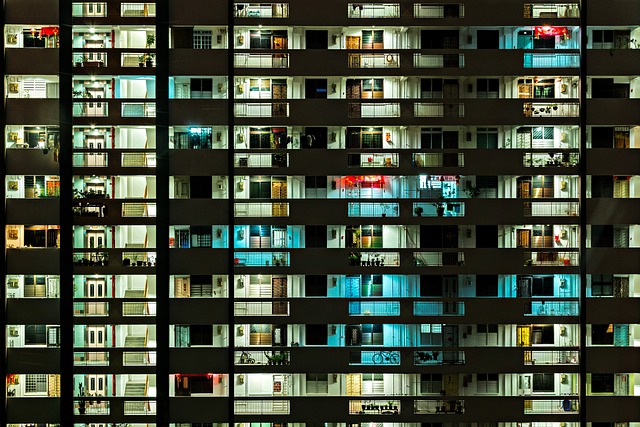
Singapore: What Most Visitors Miss
Singapore’s Best Free Attraction Sits Inside the Airport, Not the City Changi Airport has been named the world’s best fourteen times over, which is a strange thing for an airport to be famous for, since the whole point of an airport is usually to leave it as fast as possible. Here, people go on purpose: there’s a rooftop pool, a butterfly garden, and a 40-metre indoor waterfall...
read more
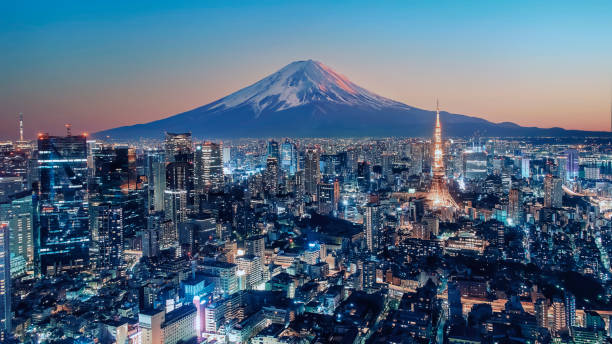
Tokyo: What Most Visitors Miss
Tokyo is the world’s largest metropolitan area, home to roughly 37 million people, and operates with a reliability that visitors from other global cities find genuinely disorienting at first. The trains run on time to a degree that Japanese rail companies issue formal apologies for delays measured in minutes. A visitor who treats it as a checklist has a pleasant week; a visitor who picks a...
read more
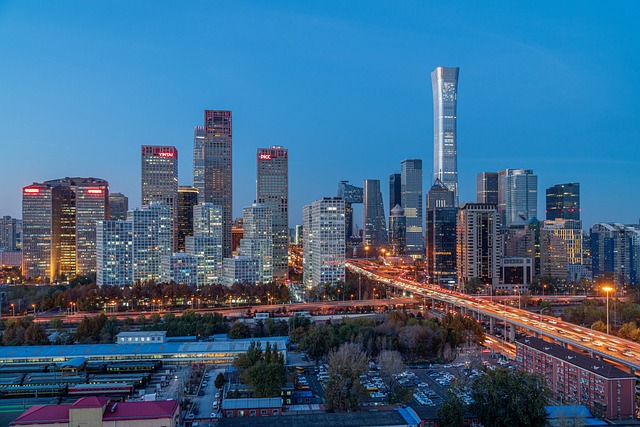
Beijing: What Most Visitors Miss
Everyone plans Beijing around the same three stops and books the same default option at each one. The Forbidden City is real-name only now, no walk-up tickets. The Great Wall has four genuinely different sections, and the closest one is the worst choice for most visitors. And the free ¥2 view that beats the paid ones inside the palace walls barely gets a mention anywhere. Here’s what the...
read more
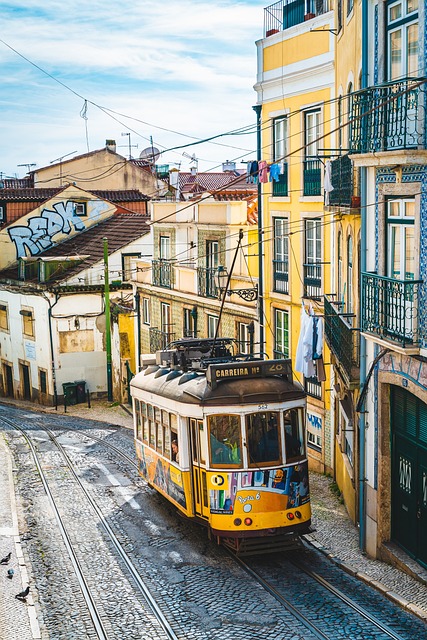
Sintra: What Most Visitors Miss
Most people who take the train out from Lisbon spend their entire day at one building. Pena Palace earns the hype, and its queue earns the crowd’s collective bad mood by early afternoon. What almost nobody plans time for is everything downhill from it: a well built to be walked down into rather than looked at, and a second palace that gets a fraction of the visitors for no defensible reason.
read more
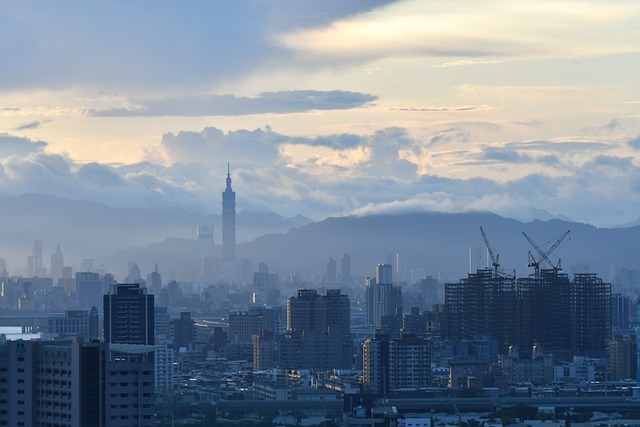
Taipei: What Most Visitors Miss
Ask most visitors what they know about Taipei before landing and the list is short and half wrong: a tower that’s the world’s tallest (it isn’t, hasn’t been since 2010), a dumpling chain from mainland China (it’s Taiwanese, founded in a Taipei oil shop), and a transit card that’s just for the metro (it pays for convenience-store snacks too). None of that is...
read more

Lhasa: What Most Visitors Miss
Most visitors walk out of the Potala Palace assuming they’ve seen it. They’ve seen roughly one hour of it, on a fixed timed route through a fraction of a building with about 1,000 rooms across 13 storeys. The rest, including some genuinely stranger corners, either isn’t on the route or gets rushed past by a group trying to make its slot. Getting here at all already required a...
read more
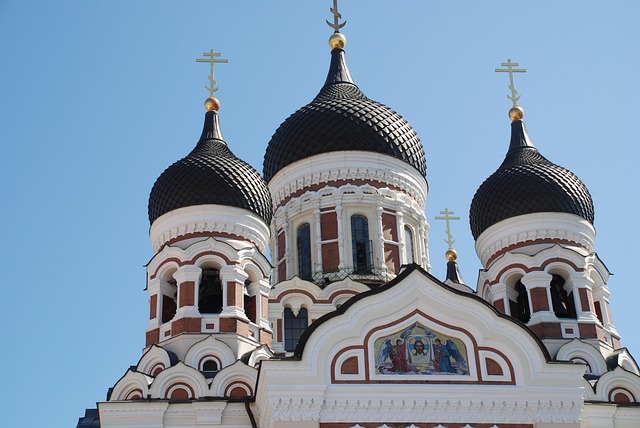
Tallinn: What Most Visitors Miss
Tallinn’s own name is a small act of trolling. The leading theory says it comes from “Taani-linn,” Estonian for “Danish town,” a nod to the brief thirteenth-century stretch when Denmark ran the place from a fortress on Toompea hill. Denmark hasn’t owned so much as a lamppost here in about seven hundred years, and Estonia is proudly its own EU, Schengen, and NATO...
read more
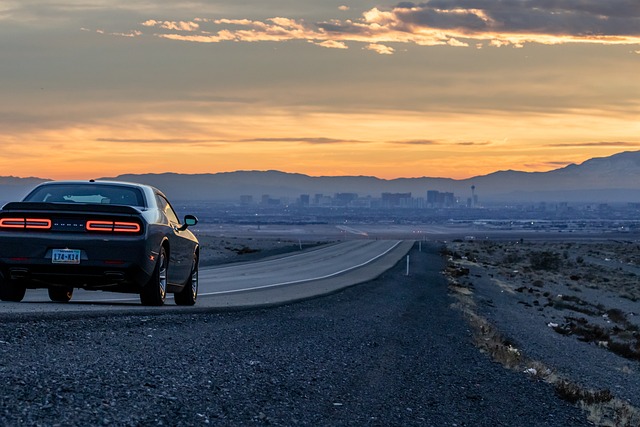
Las Vegas: What Most Visitors Miss
Say “Las Vegas” and most people picture the Strip. That picture is wrong twice over: the Strip isn’t inside the city limits of Las Vegas at all, and the loss-leader, everything-is-cheap town it’s still marketed as stopped existing a few years ago. What’s left is stranger and more interesting than the brochure version, a corporate spectacle machine sitting a few miles...
read more
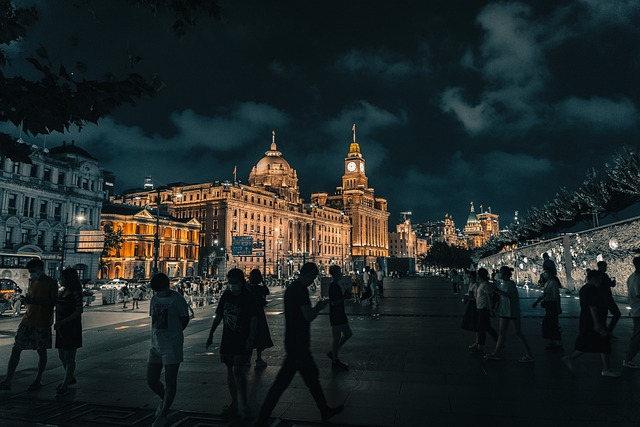
Shanghai: What Most Visitors Miss
A city that built a 632-metre tower purely to have the tallest observation deck in the country has already told you something about its personality. Shanghai does not do modest. It does, however, occasionally do misleading, so let’s clear a few things up before the sightseeing starts, starting with: it isn’t the capital. That’s Beijing. Shanghai is bigger, richer, and arguably...
read more