Recent Alpaca Travels
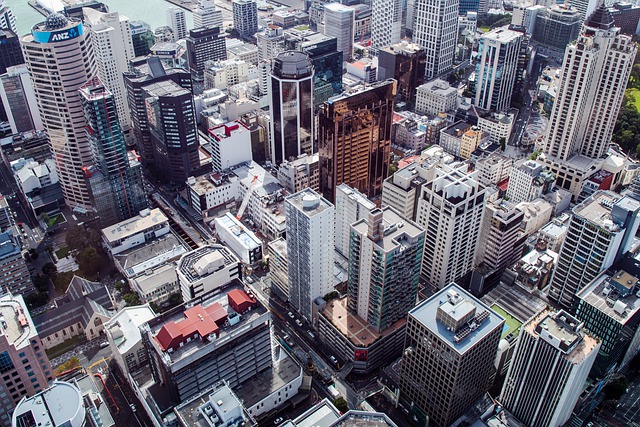
Auckland: Where to Stay for Character
Heads up: some links here are affiliate links. Book or buy through them and we may earn a small commission at no extra cost to you. We only point you to things we would actually use.
Auckland: Where to Stay for Character A CBD tower room gets you to Sky Tower on foot and looks the same as a CBD tower room anywhere else. Auckland’s actual character lives a ferry ride or a bus stop away, in a...
read more
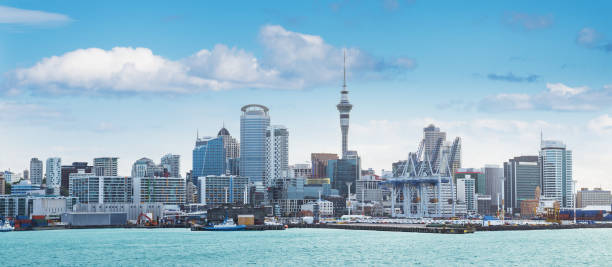
Auckland, NZ: Road-Trip Know-How
Heads up: some links here are affiliate links. Book or buy through them and we may earn a small commission at no extra cost to you. We only point you to things we would actually use.
Auckland, NZ: Road-Trip Know-How Using Auckland as a base changes the practical questions. CBD etiquette barely matters once you’re two hours down State Highway 2, distance, weather, and biosecurity rules do...
read more
Auckland's Best Meals Most Miss
Heads up: some links here are affiliate links. Book or buy through them and we may earn a small commission at no extra cost to you. We only point you to things we would actually use.
Auckland’s Best Meals Most Miss Skip the Viaduct waterfront for one meal and eat where Auckland actually eats: a Sandringham doorway you’d walk past twice, a K’Road curry house with the...
read more
Auckland, NZ: Where to Base Yourself
Heads up: some links here are affiliate links. Book or buy through them and we may earn a small commission at no extra cost to you. We only point you to things we would actually use.
Auckland, NZ: Where to Base Yourself Picking where to stay changes once day trips are the actual plan. Walkability to Sky Tower matters less than motorway access, ferry timing, and whether luggage moves back to the...
read more
Auckland: What Most Visitors Miss
Heads up: some links here are affiliate links. Book or buy through them and we may earn a small commission at no extra cost to you. We only point you to things we would actually use.
Auckland is built directly on top of 53 volcanic cones, one of the only major cities anywhere sitting on an active (dormant, not extinct) field, and most first-time visitors climb exactly one of them, usually Mt Eden,...
read more
Auckland, NZ: Photo Spots Most Miss
Heads up: some links here are affiliate links. Book or buy through them and we may earn a small commission at no extra cost to you. We only point you to things we would actually use.
Auckland, NZ: Photo Spots Most Miss The Sky Tower at night is a fine shot and every visitor already has it. These six sit further out, a dark-sky island, a gannet cliff, a bloom that only lasts one month, and reward...
read more
11 Unusual Things to Do in Auckland
Heads up: some links here are affiliate links. Book or buy through them and we may earn a small commission at no extra cost to you. We only point you to things we would actually use.
11 Unusual Things to Do in Auckland Sky Tower and the War Memorial Museum are the itinerary. Jumping off the Sky Tower, snorkelling the country’s first marine reserve, and queuing for hangi at a Saturday market...
read more
Auckland, NZ: Quiet Wild Corners
Heads up: some links here are affiliate links. Book or buy through them and we may earn a small commission at no extra cost to you. We only point you to things we would actually use.
Auckland, NZ: Quiet Wild Corners Most nature lists for Auckland stop at the volcanic cones, they’re free, easy, and genuinely good, but they’re also crowded by mid-morning. These six sit further out, a...
read more
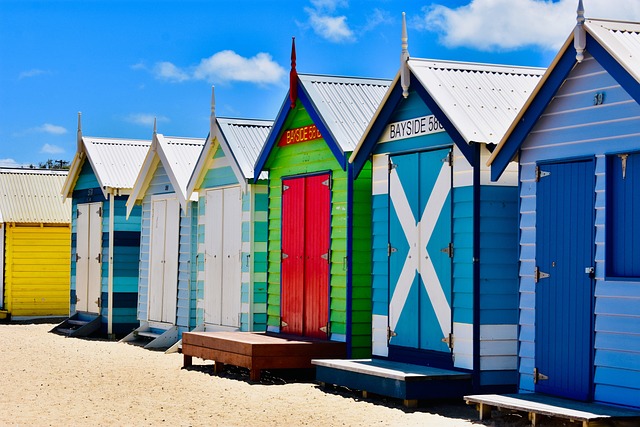
Brighton: Where to Stay for Character
Heads up: some links here are affiliate links. Book or buy through them and we may earn a small commission at no extra cost to you. We only point you to things we would actually use.
visitbrighton.com , the official destination site, lists accommodation by area if you want a second source before booking. A room on Kings Road gets you the sea view. It doesn’t get you Brighton’s actual...
read more
One Week in Auckland: Offbeat Itinerary
Heads up: some links here are affiliate links. Book or buy through them and we may earn a small commission at no extra cost to you. We only point you to things we would actually use.
A full week nests the 6-day plan and adds one slow, unscheduled day: Days 1-6 follow the tunnels-ferries-island-cone spine below, Day 7 is deliberately open, a Britomart precinct morning and whatever from the list...
read more
Brighton Tips Most Guides Skip
Heads up: some links here are affiliate links. Book or buy through them and we may earn a small commission at no extra cost to you. We only point you to things we would actually use.
Brighton Tips Most Guides Skip Most Brighton guides tell you to bring sunscreen and enjoy the pier. Fewer mention that the beach will wreck a pair of flip-flops, that driving here is close to pointless, or that half...
read more
Offbeat Walks Near Auckland, NZ
Heads up: some links here are affiliate links. Book or buy through them and we may earn a small commission at no extra cost to you. We only point you to things we would actually use.
Offbeat Walks Near Auckland, NZ The region’s best walking isn’t confined to Mt Eden’s ten-minute summit loop. Some of it needs a ferry, some needs three hours in a car, and one genuinely needs no...
read more
Auckland Off the Beaten Path: 6 Days
Heads up: some links here are affiliate links. Book or buy through them and we may earn a small commission at no extra cost to you. We only point you to things we would actually use.
Six days nests the 5-day plan and adds a slow morning in South Auckland, the volcanic cones nobody markets: Day 1 the city told the odd way, Day 2 two ferries for tunnels and ash history, Day 3 Waiheke, Day 4...
read more
Brighton's Quirkiest Events
Heads up: some links here are affiliate links. Book or buy through them and we may earn a small commission at no extra cost to you. We only point you to things we would actually use.
Brighton’s Quirkiest Events Brighton’s calendar has the usual arts-festival heavy hitters, and then it has a car run for vehicles built before 1905 and a bike ride that started as a dare between newspaper...
read more
One Week in Moldova: An Offbeat Itinerary
Heads up: some links here are affiliate links. Book or buy through them and we may earn a small commission at no extra cost to you. We only point you to things we would actually use.
A full week needs to go wide across Moldova, not deep into a third wine cellar, so this plan closes with Saharna and Tipova, Dniester cliff monasteries most visitors never hear of. Days 1-6 repeat the core,...
read more
Brighton's Best Meals Most Miss
Heads up: some links here are affiliate links. Book or buy through them and we may earn a small commission at no extra cost to you. We only point you to things we would actually use.
Brighton’s pier-front chippy stalls are fine if you’re already standing there and hungry. They’re not the meal to plan a trip around. That’s Bardsley’s, running since 1926 on Baker...
read more
Auckland, NZ: 7 Secrets Beyond the City
Heads up: some links here are affiliate links. Book or buy through them and we may earn a small commission at no extra cost to you. We only point you to things we would actually use.
Auckland, NZ: 7 Secrets Beyond the City The genuinely hidden Auckland doesn’t sit near the Sky Tower. It sits at the end of unsealed roads, inside unlit gun tunnels, and on a working farm nobody puts on a...
read more
Offbeat Day Trips from Brighton
Heads up: some links here are affiliate links. Book or buy through them and we may earn a small commission at no extra cost to you. We only point you to things we would actually use.
Offbeat Day Trips from Brighton Everyone points first-timers at Seven Sisters and Arundel Castle, both genuinely worth the trip. The four below get skipped by most itineraries anyway: a Bloomsbury Group farmhouse, a...
read more
Auckland Off the Beaten Path: 5 Days
Heads up: some links here are affiliate links. Book or buy through them and we may earn a small commission at no extra cost to you. We only point you to things we would actually use.
Five days nests the 4-day plan and adds Tiritiri Matangi, a full-day bird sanctuary most first-timers never hear about: Day 1 the city told the odd way, Day 2 two ferries for tunnels and ash history, Day 3 Waiheke,...
read more
Moldova Off the Beaten Path: 6 Days
Heads up: some links here are affiliate links. Book or buy through them and we may earn a small commission at no extra cost to you. We only point you to things we would actually use.
Six days needs genuinely new geography to earn itself, not a third wine cellar, so day 6 heads south to Gagauzia, an autonomous Turkic-speaking Orthodox Christian region almost nobody outside Moldova has heard of....
read more
Auckland, NZ: Quirkiest Events
Heads up: some links here are affiliate links. Book or buy through them and we may earn a small commission at no extra cost to you. We only point you to things we would actually use.
Auckland, NZ: Quirkiest Events Auckland’s calendar is Southern Hemisphere-backwards from what most visitors expect, summer festivals sit in January and March, not June, and a couple of the city’s biggest...
read more
Offbeat Walks Near Brighton
Heads up: some links here are affiliate links. Book or buy through them and we may earn a small commission at no extra cost to you. We only point you to things we would actually use.
Offbeat Walks Near Brighton Brighton’s best walking isn’t in Brighton at all, it’s on the South Downs Way, minutes from the city on a bus that doesn’t always run. That last part trips people up...
read more
12 Unusual Things to Do in Brighton
Heads up: some links here are affiliate links. Book or buy through them and we may earn a small commission at no extra cost to you. We only point you to things we would actually use.
Every Brighton list leads with the Pier, the Pavilion, and the Lanes. Fine sights, all three, and our main Brighton guide covers them alongside the essentials. This one is the deeper cut: 12 stops that don’t...
read more
Auckland Off the Beaten Path: 4 Days
Heads up: some links here are affiliate links. Book or buy through them and we may earn a small commission at no extra cost to you. We only point you to things we would actually use.
Four days nests the 3-day plan and adds a proper west-coast beach day: Day 1 is the city told the odd way, Day 2 is two ferries for tunnels and ash history, Day 3 is Waiheke done right, Day 4 is Karekare, a car day...
read more
Moldova Off the Beaten Path: 5 Days
Heads up: some links here are affiliate links. Book or buy through them and we may earn a small commission at no extra cost to you. We only point you to things we would actually use.
Five days is the point where Moldova stops being a wine trip with a Transnistria day bolted on and starts covering real geography. Days 1-4 repeat the core plus the breakaway republic, day 5 pushes north to Soroca for...
read more
Auckland, NZ: Best Meals Most Miss
Heads up: some links here are affiliate links. Book or buy through them and we may earn a small commission at no extra cost to you. We only point you to things we would actually use.
Auckland, NZ: Best Meals Most Miss Most “best of Auckland” food lists never leave the CBD. Widen the radius to what a base in Auckland actually gets you, a ferry, a short drive, a Saturday market, and the...
read more
Brighton's Quiet Green Corners
Heads up: some links here are affiliate links. Book or buy through them and we may earn a small commission at no extra cost to you. We only point you to things we would actually use.
Brighton’s Quiet Green Corners Brighton’s nature doesn’t announce itself. The city’s edges hold a Neolithic hillfort older than Stonehenge’s stone circles, a South Downs National Park...
read more
8 Unusual Things to Do in Auckland, NZ
Heads up: some links here are affiliate links. Book or buy through them and we may earn a small commission at no extra cost to you. We only point you to things we would actually use.
8 Unusual Things to Do in Auckland, NZ Treat Auckland as a base rather than a checklist and the city gets a lot stranger, in a good way. These eight things share a runway, a ferry terminal, or a short drive with the...
read more
A Long Weekend in Auckland: Offbeat
Heads up: some links here are affiliate links. Book or buy through them and we may earn a small commission at no extra cost to you. We only point you to things we would actually use.
Three days is the odd-city spine plus one full gulf island: Day 1 covers K’Road’s actual history and the Domain’s Wintergardens, Day 2 gets two ferries in for tunnels and ash-footprint history, Day 3...
read more
Brighton Photo Spots Most Miss
Heads up: some links here are affiliate links. Book or buy through them and we may earn a small commission at no extra cost to you. We only point you to things we would actually use.
Brighton Photo Spots Most Miss Everyone shoots the pier at sunset. Fewer people know that the ruin next to it turns into a wildlife spectacle for four months of the year, or that Hove’s beach huts photograph...
read more
Moldova Off the Beaten Path: 4 Days
Heads up: some links here are affiliate links. Book or buy through them and we may earn a small commission at no extra cost to you. We only point you to things we would actually use.
Four days is where Moldova stops being just a wine-and-monastery weekend and picks up its strangest geography: a Russian-backed breakaway republic an hour outside the capital. Days 1-3 repeat the honest core (mosaics,...
read more
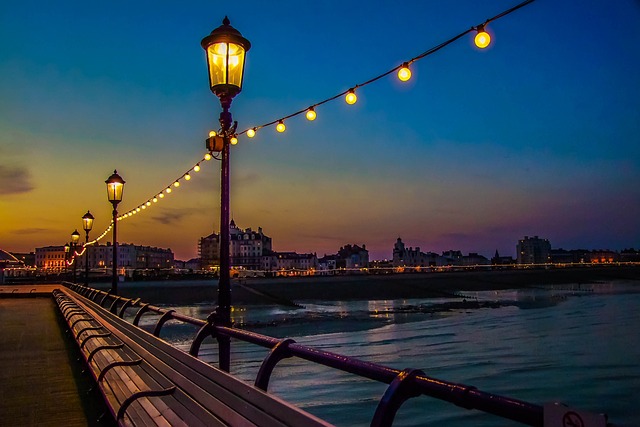
Brighton Pier: What Most Visitors Miss
Heads up: some links here are affiliate links. Book or buy through them and we may earn a small commission at no extra cost to you. We only point you to things we would actually use.
Most visitors walk the length of Brighton Palace Pier, eat something from a stall, and leave. That’s the pier at maybe 30% of what it’s got: it’s the survivor of a two-pier rivalry, it shares the...
read more
Brighton Hidden Gems: 10 Local Secrets
Heads up: some links here are affiliate links. Book or buy through them and we may earn a small commission at no extra cost to you. We only point you to things we would actually use.
Brighton Hidden Gems: 10 Local Secrets The Pavilion and the pier are fine, but they’re not where Brighton actually surprises you. This city’s real character sits in a fishing museum tucked into two working...
read more
Offbeat Day Trips from Auckland, NZ
Heads up: some links here are affiliate links. Book or buy through them and we may earn a small commission at no extra cost to you. We only point you to things we would actually use.
Offbeat Day Trips from Auckland, NZ Everyone with a rental car does Waiheke. Fewer people bother with a dark-sky island a flight away, a beach with better sand than its famous neighbour, or fish that will headbutt...
read more
A Long Weekend in Moldova: Offbeat
Heads up: some links here are affiliate links. Book or buy through them and we may earn a small commission at no extra cost to you. We only point you to things we would actually use.
A long weekend adds one genuine extra to the 2-day core: a second, deeper wine cellar and a monastery with a stranger Soviet-era backstory than any church has a right to. This is still the honest “core” of...
read more
A Weekend in Auckland, Off the Beaten Path
Heads up: some links here are affiliate links. Book or buy through them and we may earn a small commission at no extra cost to you. We only point you to things we would actually use.
Two days is enough to do Auckland’s odd version of the classics: Day 1 stays in the central city but trades the standard Sky Tower photo for the Wintergardens and a free tidal pool; Day 2 gets you on two harbour...
read more
One Week in Brighton: An Offbeat Itinerary
Heads up: some links here are affiliate links. Book or buy through them and we may earn a small commission at no extra cost to you. We only point you to things we would actually use.
Seven days only works honestly as Brighton plus Sussex, and this plan says so upfront rather than inventing a week of city-only sightseeing. Days 1 and 2 cover the city’s hidden corners, Days 3 to 6 add Lewes, a...
read more
Brighton Off the Beaten Path: 6 Day Plan
Heads up: some links here are affiliate links. Book or buy through them and we may earn a small commission at no extra cost to you. We only point you to things we would actually use.
Six days is enough to stop counting Brighton as a city break and start treating it as a base for East Sussex. Days 1 and 2 cover the city’s hidden corners, Days 3 to 5 add Lewes, a South Downs walk and a quieter...
read more
Brighton Off the Beaten Path: 5 Day Plan
Heads up: some links here are affiliate links. Book or buy through them and we may earn a small commission at no extra cost to you. We only point you to things we would actually use.
Five days is the point where Brighton stops being a weekend city and starts being a base for the whole coastline around it. Days 1 and 2 stay in the city’s hidden corners, Days 3 and 4 add Lewes and a South...
read more
Brighton Off the Beaten Path: 4 Day Plan
Heads up: some links here are affiliate links. Book or buy through them and we may earn a small commission at no extra cost to you. We only point you to things we would actually use.
Four days gets you the full offbeat city core plus two of the region’s better half-day trips, one by train, one by foot on the South Downs. Days 1 and 2 stay inside Brighton itself: telephone-box art, a...
read more
A Long Weekend in Brighton: Offbeat Plan
Heads up: some links here are affiliate links. Book or buy through them and we may earn a small commission at no extra cost to you. We only point you to things we would actually use.
Three days covers Brighton’s city core properly and adds the one day trip that’s genuinely easy to bolt on without a car. Days 1 and 2 stay in the hidden corners of the city itself, telephone-box art, a...
read more
A Weekend in Brighton, Off the Beaten Path
Heads up: some links here are affiliate links. Book or buy through them and we may earn a small commission at no extra cost to you. We only point you to things we would actually use.
Two days is enough to skip the queue for the Pier and the i360 entirely and still leave Brighton knowing it better than most weekenders do. This plan spends Day 1 on the stuff hiding in plain sight around the station...
read more
A Weekend in Moldova, Off the Beaten Path
Heads up: some links here are affiliate links. Book or buy through them and we may earn a small commission at no extra cost to you. We only point you to things we would actually use.
Two days is barely enough to be honest about Moldova, so this plan skips the padding: one Chișinău day built around Soviet mosaics instead of the postcard walk, then one long day pairing Orheiul Vechi’s cliff...
read more
Auckland: 10 Unusual Things to Do
Heads up: some links here are affiliate links. Book or buy through them and we may earn a small commission at no extra cost to you. We only point you to things we would actually use.
Auckland spends most of its tourism budget apologizing for not being Queenstown, which is exactly why it rewards the odd approach. Give it an afternoon off the main spine and you get WWII gun tunnels dug into a...
read more
Brighton: 8 Unusual Things to Do
Heads up: some links here are affiliate links. Book or buy through them and we may earn a small commission at no extra cost to you. We only point you to things we would actually use.
Brighton’s brochure sights, the Pier, the Pavilion, the Lanes, are worth an afternoon each and then done. What actually gives the city its character sits in the gaps: a cinema older than most people’s...
read more

2 Offbeat Days in Mont-Saint-Michel, France
Mont-Saint-Michel, France, has no parking at the door: since the 2014 bridge replaced the old causeway, every car stops at the mainland lot roughly 2.5km out, and the last stretch runs on the free Le Passeur shuttle or a 35 to 45 minute walk. The bay’s tide swings roughly 14 meters, among the highest ranges in continental Europe, and hides real quicksand, so the sand itself is licensed-guide...
read more
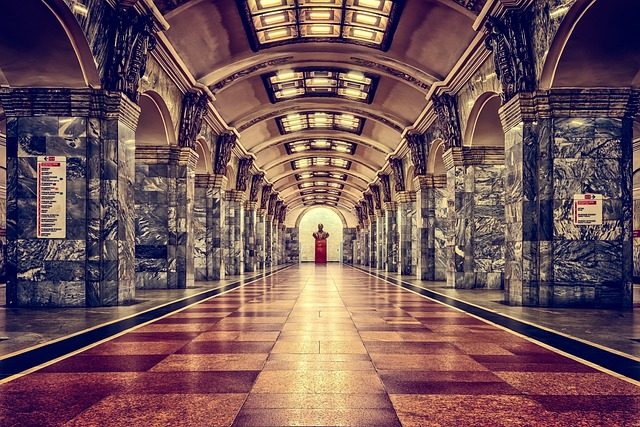
2 Offbeat Days in St Petersburg, Russia
Two days in St Petersburg, Russia raises an honest question before it raises an itinerary: can a Western traveler actually do this right now? Russia sits at the US State Department’s Level 4, Do Not Travel, tier, reissued 2 January 2026, the same bracket as active war zones, and the UK Foreign Office advises against all travel to the country. No airline has flown direct between Russia and...
read more
3 Offbeat Days in Mont-Saint-Michel, France
Mont-Saint-Michel, France, not to be confused with Cornwall’s Saint Michael’s Mount, is honestly a half-day-to-day-and-a-half site, so a proper three-day plan needs somewhere to put the rest of the time. No car reaches the rock itself: since the old causeway was replaced by a bridge in 2014, every visitor parks at the mainland car park about 2.5km out and finishes on the free Le...
read more
3 Offbeat Days in St Petersburg, Russia
Three days in St Petersburg, Russia is long enough to add Peterhof to the historic core, but the honest question comes before the itinerary: can a Western traveler actually make this trip right now? Russia sits at the US State Department’s Level 4, Do Not Travel, tier, reissued 2 January 2026, the same bracket as active war zones, and the UK Foreign Office advises against all travel to the...
read more

4 Offbeat Days in Anchorage
Four days out of Anchorage is enough to get past the city and into the two day trips that actually justify the flight to Alaska: a Kenai Fjords cruise out of Seward and real glacier ice underfoot at Matanuska. Anchorage itself, home to roughly 40% of the state’s population in one mid-sized gateway city, honestly fills a day, maybe a day and a half. Visit Anchorage markets most of its own...
read more