Recent Alpaca Travels
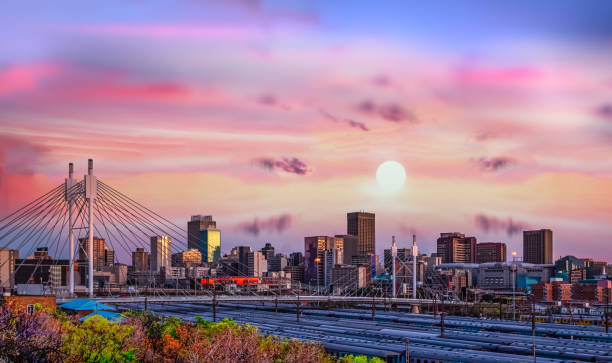
Where to Stay in Joburg: Sandton First
Heads up: some links here are affiliate links. Book or buy through them and we may earn a small commission at no extra cost to you. We only point you to things we would actually use.
Before you book: where you stay in Johannesburg matters more than in most cities, because it decides how much you rely on cars versus walking. Choose a neighborhood with Gautrain access if you can, use Uber or Bolt...
read more
Best Places to Eat in Joburg: Shisa Nyama
Heads up: some links here are affiliate links. Book or buy through them and we may earn a small commission at no extra cost to you. We only point you to things we would actually use.
Before you eat your way through Joburg: food-focused areas like Maboneng and the Neighbourgoods Market are well-secured in daylight, but get there and back by Uber or Bolt, not on foot, and especially not after dark.
read more
Things to Do in Joburg: 10 Offbeat Picks
Heads up: some links here are affiliate links. Book or buy through them and we may earn a small commission at no extra cost to you. We only point you to things we would actually use.
Before you plan the day: Johannesburg has genuine violent-crime risk (armed robbery, carjacking, smash-and-grabs at traffic lights), but it’s also a city that rewards street-smarts rather than avoidance. Get...
read more
Johannesburg: 12 Unusual Things to Do
Heads up: some links here are affiliate links. Book or buy through them and we may earn a small commission at no extra cost to you. We only point you to things we would actually use.
Reality check before you land: Johannesburg has real crime: armed robbery, carjacking, and smash-and-grabs at red lights are things locals will mention without being asked. That doesn’t make it a place to skip,...
read more
Rynek Glowny: What Most Visitors Miss
Heads up: some links here are affiliate links. Book or buy through them and we may earn a small commission at no extra cost to you. We only point you to things we would actually use.
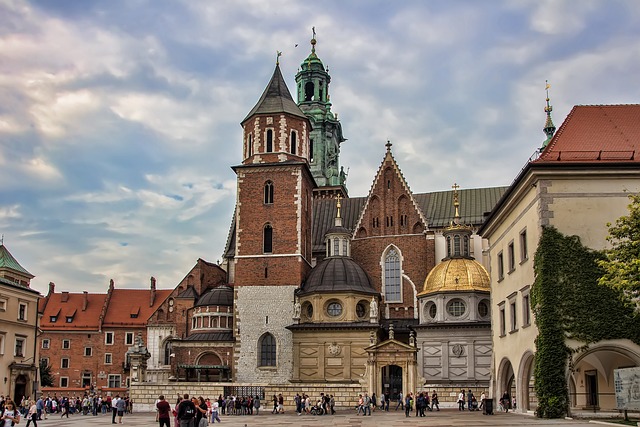
Rynek Główny is Europe’s largest surviving medieval square, roughly 200 by 200 meters, laid out in 1257 under Kraków’s city charter and essentially unchanged in footprint since. Most visitors photograph...
read more
Wawel Cathedral: What Most Miss
Heads up: some links here are affiliate links. Book or buy through them and we may earn a small commission at no extra cost to you. We only point you to things we would actually use.
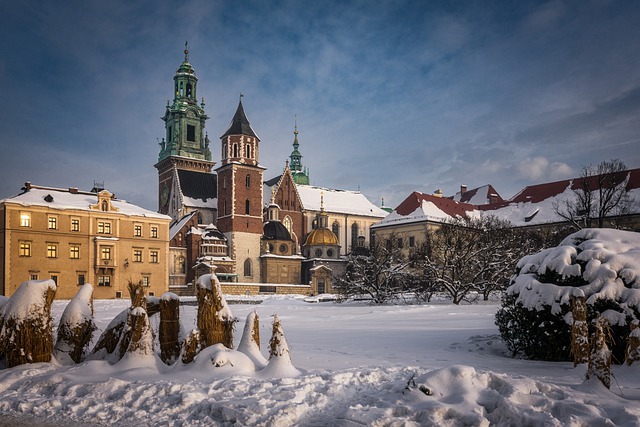
The photo everyone takes is the Sigismund Bell tower. The mistake almost as many people make is assuming the ticket they just bought at the Wawel Castle window also gets them into the cathedral next door.
read more
Krakow: What Most Visitors Miss
Heads up: some links here are affiliate links. Book or buy through them and we may earn a small commission at no extra cost to you. We only point you to things we would actually use.
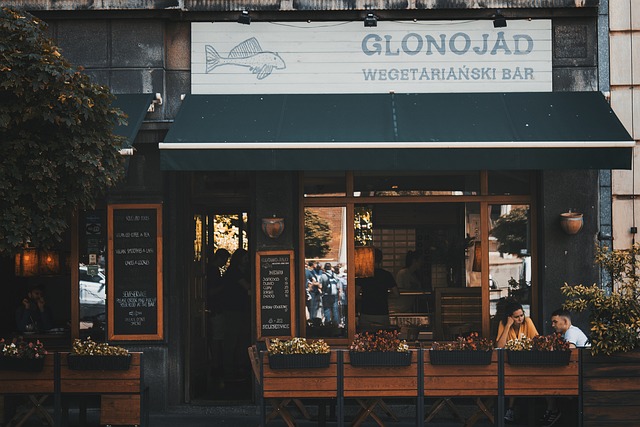
Most first-timers run the same two days: Rynek Główny, Wawel, a walk through Kazimierz, pierogi somewhere with an English menu. All of it earns its reputation, and none of it touches the stranger half of the city: a...
read more
A Long Weekend in Krakow: Offbeat
Heads up: some links here are affiliate links. Book or buy through them and we may earn a small commission at no extra cost to you. We only point you to things we would actually use.
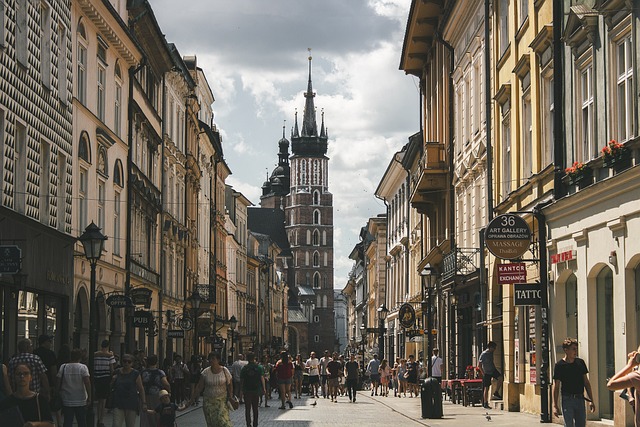
Three days nests the 2-day offbeat weekend exactly, then adds a half-day out to Nowa Huta, the Soviet-era planned district most visitors to Krakow never see. For a fourth day beyond this, adding Wieliczka Salt Mine...
read more
A Weekend in Krakow, Off the Beaten Path
Heads up: some links here are affiliate links. Book or buy through them and we may earn a small commission at no extra cost to you. We only point you to things we would actually use.
Two days is enough to skip the Rynek queues and still leave with a stranger Krakow story: a dragon that breathes fire on text command, a museum built into the market square’s own foundations, and a cabaret...
read more
Krakow Off the Beaten Path: 4 Days
Heads up: some links here are affiliate links. Book or buy through them and we may earn a small commission at no extra cost to you. We only point you to things we would actually use.
Four days nests the 3-day long weekend exactly, then adds Wieliczka Salt Mine and an afternoon of mound-hopping that exposes one of the city’s odder pricing quirks. For a fifth day beyond this, a full Tatra...
read more
Krakow Off the Beaten Path: 5 Days
Heads up: some links here are affiliate links. Book or buy through them and we may earn a small commission at no extra cost to you. We only point you to things we would actually use.
Five days nests the 4-day plan exactly, then adds a full day out to Zakopane and the Tatra Mountains, honestly framed as a long day rather than a rushed one. For a sixth day beyond this, a solemn standalone...
read more
Krakow Off the Beaten Path: 6 Days
Heads up: some links here are affiliate links. Book or buy through them and we may earn a small commission at no extra cost to you. We only point you to things we would actually use.
Six days nests the 5-day plan exactly, then sets aside one full day, and only that day, for Auschwitz-Birkenau. This is not another offbeat curiosity; it gets its own day, its own tone, and no affiliate link anywhere...
read more
Krakow: 11 Unusual Things to Do
Heads up: some links here are affiliate links. Book or buy through them and we may earn a small commission at no extra cost to you. We only point you to things we would actually use.
Most first-timers do Rynek Główny, Wawel, and a photo with the dragon statue, then leave without seeing much of the Krakow locals actually live in. Nowa Huta’s Soviet-era boulevards sit about 30 minutes by tram...
read more
One Week in Krakow: Offbeat Itinerary
Heads up: some links here are affiliate links. Book or buy through them and we may earn a small commission at no extra cost to you. We only point you to things we would actually use.
One week nests the 6-day plan exactly, then closes with a limestone gorge and a Renaissance castle most week-long visitors never reach. If you’d rather see all 11 offbeat picks this route draws from in one...
read more
Guilin Travel Tips: 9 Things to Know
Heads up: some links here are affiliate links. Book or buy through them and we may earn a small commission at no extra cost to you. We only point you to things we would actually use.
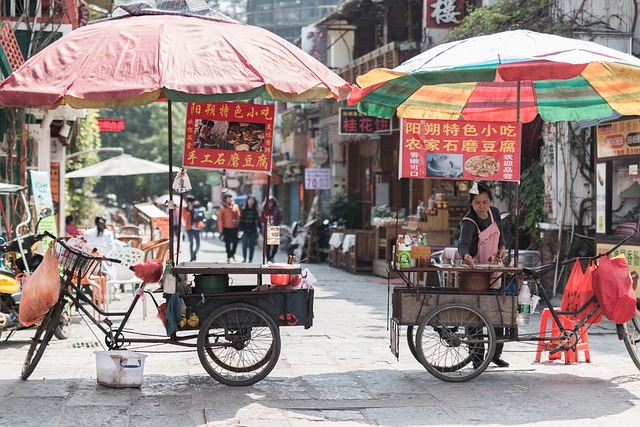
The old line about this place, 桂林山水甲天下, “Guilin’s scenery is the finest under heaven,” dates back to a Song-dynasty poet and it still holds up. What doesn’t hold up as well is a lot of the...
read more
Where to Stay in Guilin: 6 Offbeat Picks
Heads up: some links here are affiliate links. Book or buy through them and we may earn a small commission at no extra cost to you. We only point you to things we would actually use.
A standard Guilin city hotel is the safe, forgettable choice, and it’s not actually the right choice for most of this trip. The terraces, the river, and the old fishing towns are where the region earns its...
read more
Guilin Photo Spots: 6 Offbeat Angles
Heads up: some links here are affiliate links. Book or buy through them and we may earn a small commission at no extra cost to you. We only point you to things we would actually use.
The single most photographed view in this entire region is printed on a banknote most travelers already carry in their wallet without realizing it. Six shots worth the extra planning, including one spot that might not...
read more
Guilin Nature Spots: 6 Wild Corners
Heads up: some links here are affiliate links. Book or buy through them and we may earn a small commission at no extra cost to you. We only point you to things we would actually use.
Guilin’s karst comes in two geological flavors: fengcong, peak-cluster depressions strung along the river, and fenglin, isolated tower hills rising out of flat ground, the kind Yangshuo is known for. Both types...
read more
Guilin Hiking: 5 Karst Trails to Climb
Heads up: some links here are affiliate links. Book or buy through them and we may earn a small commission at no extra cost to you. We only point you to things we would actually use.
Most of what gets called “hiking” around Guilin is a short climb to a viewing platform, and that’s not a complaint, the platforms are the point. Five real hikes below, with actual distances and...
read more
Guilin Hidden Gems: 5 Local Secrets
Heads up: some links here are affiliate links. Book or buy through them and we may earn a small commission at no extra cost to you. We only point you to things we would actually use.
Elephant Trunk Hill and Reed Flute Cave get all the ticket sales, and Guilin’s real oddities sit past them: a 2,200-year-old canal still moving water, a WWII airfield turned museum, a fishing town nobody stays...
read more
Guilin Festivals: 5 Dates to Plan Around
Heads up: some links here are affiliate links. Book or buy through them and we may earn a small commission at no extra cost to you. We only point you to things we would actually use.
Guangxi’s actual living festivals belong to the Zhuang and Yao communities, not to some invented “Guilin Cherry Blossom Festival” that shows up on generic listicles and doesn’t correspond to...
read more
Where to Eat in Guilin: 7 Local Picks
Heads up: some links here are affiliate links. Book or buy through them and we may earn a small commission at no extra cost to you. We only point you to things we would actually use.
Guilin’s food identity isn’t fusion cuisine or fine dining, it’s a bowl of rice noodles you can eat for ¥3-10 at almost any hour, plus a handful of dishes so specific to the region that ordering them...
read more
Things to Do in Guilin: 8 Offbeat Picks
Heads up: some links here are affiliate links. Book or buy through them and we may earn a small commission at no extra cost to you. We only point you to things we would actually use.
Every Guilin list leads with Elephant Trunk Hill in daylight and the Li River cruise in general terms. Both deserve their spot, but neither is the interesting part. The interesting part is that the hill has a second,...
read more
Guilin Day Trips: 6 Beyond the Cruise Boat
Heads up: some links here are affiliate links. Book or buy through them and we may earn a small commission at no extra cost to you. We only point you to things we would actually use.
Longji’s rice terraces and the Li River cruise to Yangshuo are the two day trips every Guilin itinerary already mentions, and they earn it. What most lists skip is everything past them: a free thousand-year-old...
read more
One Week in Guilin: Offbeat Itinerary
Heads up: some links here are affiliate links. Book or buy through them and we may earn a small commission at no extra cost to you. We only point you to things we would actually use.
A week gives this route one more day than most Guilin trips ever use, and it’s honest that day 7 is genuinely optional rather than padding. Days 1-6 match the 6-day version exactly: a 214 BC canal, the Li River...
read more
Guilin Off the Beaten Path: 6 Days
Heads up: some links here are affiliate links. Book or buy through them and we may earn a small commission at no extra cost to you. We only point you to things we would actually use.
Six days adds a full day this route hasn’t had room for yet. Days 1-5 match the 5-day version exactly, a 214 BC canal, the Li River cruise, a Yangshuo countryside day, and a Dazhai/Jinkeng overnight for sunset...
read more
Krakow Photo Spots Most Miss
Heads up: some links here are affiliate links. Book or buy through them and we may earn a small commission at no extra cost to you. We only point you to things we would actually use.
The Rynek at sunrise is the obvious frame. The dragon breathing real fire at night and a turquoise former quarry are the two most visitors never plan around.
Wawel from Father Bernatek’s Footbridge Bernatek...
read more
Guilin Off the Beaten Path: 5 Days
Heads up: some links here are affiliate links. Book or buy through them and we may earn a small commission at no extra cost to you. We only point you to things we would actually use.
Five days is where a Longji overnight starts to make sense. Days 1-3 match the 3-day version of this route exactly, a 214 BC canal, the Li River cruise, and a full Yangshuo countryside day.
read more
Krakow Tips Most Guides Skip
Heads up: some links here are affiliate links. Book or buy through them and we may earn a small commission at no extra cost to you. We only point you to things we would actually use.
Most Krakow tip lists repeat “dress modestly in churches” and stop there. The ones that actually save you money or a bad night out are more specific than that.
Pay in złoty, not euros, even where euros are...
read more
Guilin Off the Beaten Path: 4 Days
Heads up: some links here are affiliate links. Book or buy through them and we may earn a small commission at no extra cost to you. We only point you to things we would actually use.
Four days is enough to add a Longji rice-terrace day trip to the 3-day version of this route, but only the easier Ping’an side, not the wilder Dazhai/Jinkeng terraces most photographs come from. This plan is...
read more
Krakow: Where to Stay for Character
Heads up: some links here are affiliate links. Book or buy through them and we may earn a small commission at no extra cost to you. We only point you to things we would actually use.
Every guide defaults to “stay in the Old Town,” and for a first visit, fair enough. But Krakow has three other districts, each with a genuinely different character, and none of them require the Old...
read more
A Long Weekend in Guilin: Offbeat
Heads up: some links here are affiliate links. Book or buy through them and we may earn a small commission at no extra cost to you. We only point you to things we would actually use.
Three days is the honest minimum for the core Guilin-to-Yangshuo route without a Longji terrace day tacked on. Days 1 and 2 keep close to the 2-day version of this trip, a 214 BC canal and an honest night cruise, then...
read more
Krakow's Quiet Green Corners
Heads up: some links here are affiliate links. Book or buy through them and we may earn a small commission at no extra cost to you. We only point you to things we would actually use.
Krakow’s green spaces sit closer than most visitors expect, from a turquoise former quarry to a park ring that traces the exact footprint of the medieval walls it replaced. None of these require a day trip.
read more
A Weekend in Guilin, Off the Beaten Path
Heads up: some links here are affiliate links. Book or buy through them and we may earn a small commission at no extra cost to you. We only point you to things we would actually use.
Two days is not enough for the full Guilin region, and this plan doesn’t pretend otherwise. Instead of the usual hill-hopping circuit inside the city, day 1 trades it for a 214 BC canal and an honest night...
read more
4 Offbeat Hikes Near Krakow
Heads up: some links here are affiliate links. Book or buy through them and we may earn a small commission at no extra cost to you. We only point you to things we would actually use.
Krakow isn’t a hiking destination in the way Zakopane is, but it doesn’t need to be. A protected forest with 35km of trails sits inside the city limits, a 7th-century burial mound sits in the same district...
read more
Guilin: What Most Visitors Miss
Heads up: some links here are affiliate links. Book or buy through them and we may earn a small commission at no extra cost to you. We only point you to things we would actually use.
Fan Chengda, a Song-dynasty poet, wrote “Guilin’s scenery is the finest under heaven” (桂林山水甲天下) centuries before tourism marketing existed, and the line still gets printed on every brochure. What...
read more
Krakow Hidden Gems: 6 Local Secrets
Heads up: some links here are affiliate links. Book or buy through them and we may earn a small commission at no extra cost to you. We only point you to things we would actually use.
Six places that don’t make the standard Wawel-and-Rynek itinerary, from a Soviet steel town you tour by Trabant to a turquoise flooded quarry with its own summer swim season.
Nowa Huta, toured by actual Trabant...
read more
Guilin: 11 Unusual Things to Do
Heads up: some links here are affiliate links. Book or buy through them and we may earn a small commission at no extra cost to you. We only point you to things we would actually use.
Every Guilin list runs the same four names: Elephant Trunk Hill, Reed Flute Cave, the Li River cruise, Yangshuo’s West Street. None of them are wrong, but they’re also not the whole city, and most visitors...
read more
Krakow's Quirkiest Events
Heads up: some links here are affiliate links. Book or buy through them and we may earn a small commission at no extra cost to you. We only point you to things we would actually use.
Krakow’s calendar has the expected Christmas market and a jazz festival, and then it has bricklayers building miniature cathedrals out of foil and colored paper for a competition older than most of the buildings...
read more
Krakow's Best Meals Most Miss
Heads up: some links here are affiliate links. Book or buy through them and we may earn a small commission at no extra cost to you. We only point you to things we would actually use.
Every Krakow food list starts with pierogi at a Rynek-adjacent restaurant, and that’s fine, but the city’s actual food story runs from a two-Michelin-star restaurant to a street pretzel with a 630-year...
read more
9 Unusual Things to Do in Krakow
Heads up: some links here are affiliate links. Book or buy through them and we may earn a small commission at no extra cost to you. We only point you to things we would actually use.
Wawel and the Rynek are Krakow done right, and you should still do them. But once those are checked off, the city has a stranger second layer: a dragon you can text into breathing fire, a cabaret-turned-jazz-cellar...
read more
Krakow Day Trips: What Each One Involves
Heads up: some links here are affiliate links. Book or buy through them and we may earn a small commission at no extra cost to you. We only point you to things we would actually use.
Krakow’s day trips fall into three different categories, and they shouldn’t be planned the same way. Auschwitz-Birkenau is a memorial and museum, not an outing, and it deserves its own day with nothing...
read more

Madrid, Spain: 7 Day Offbeat Trip
Heads up: some links here are affiliate links. Book or buy through them and we may earn a small commission at no extra cost to you. We only point you to things we would actually use.
Seven days keeps days one through six identical to the 6-day version of this plan, ghost station, Toledo, Segovia, El Escorial, Aranjuez, Chinchón and the Sierra de Guadarrama, then closes with a lighter day-seven...
read more
Madrid, Spain: 6 Day Offbeat Trip
Heads up: some links here are affiliate links. Book or buy through them and we may earn a small commission at no extra cost to you. We only point you to things we would actually use.
Six days keeps days one through five identical to the 5-day version of this plan, ghost station, Toledo, Segovia, El Escorial, Aranjuez and Chinchón, then hands day six to the one day on this whole route that...
read more
Madrid, Spain: 5 Day Offbeat Trip
Heads up: some links here are affiliate links. Book or buy through them and we may earn a small commission at no extra cost to you. We only point you to things we would actually use.
Five days keeps days one through four identical to the 4-day version of this plan, ghost station and mansion museum, Toledo, Segovia, El Escorial and the valley past it, then adds a fifth day that pairs two lighter...
read more
Madrid, Spain: 4 Day Offbeat Trip
Heads up: some links here are affiliate links. Book or buy through them and we may earn a small commission at no extra cost to you. We only point you to things we would actually use.
Four days keeps days one through three close to the 3-day version of this plan, ghost station and mansion museum, a full Toledo day, Segovia’s aqueduct with a city afternoon, then hands day four to Philip...
read more
Madrid, Spain: 3 Day Offbeat Trip
Heads up: some links here are affiliate links. Book or buy through them and we may earn a small commission at no extra cost to you. We only point you to things we would actually use.
Three days is the minimum for a real base trip, one offbeat city day, one full day trip, and one half-day trip with the city’s own afternoon still in it. Day 1 stays close to the 2-day version of this plan:...
read more
Madrid, Spain: 2 Day Offbeat Trip
Heads up: some links here are affiliate links. Book or buy through them and we may earn a small commission at no extra cost to you. We only point you to things we would actually use.
Two days is too short to be a real Madrid-as-base trip, so this plan is honest about the trade: one offbeat city day, then the whole of day two handed to Toledo, the single day trip that rewards a full day more than...
read more
Madrid, Spain: An Offbeat Base Guide
Heads up: some links here are affiliate links. Book or buy through them and we may earn a small commission at no extra cost to you. We only point you to things we would actually use.
Most Madrid guides spend every word inside the city limits: Prado, Palace, Sol, done. That undersells the actual advantage of basing here. Toledo, Segovia and El Escorial are each a separate UNESCO World Heritage town...
read more
A Long Weekend in Guam: Offbeat
Heads up: some links here are affiliate links. Book or buy through them and we may earn a small commission at no extra cost to you. We only point you to things we would actually use.
Three days is the realistic “core Guam” trip, not a rushed preview of one. Day 1 stays around Tumon for a WWII pillbox snorkel and the real story behind Two Lovers Point. Day 2 pairs the free War in the...
read more