Recent Alpaca Travels
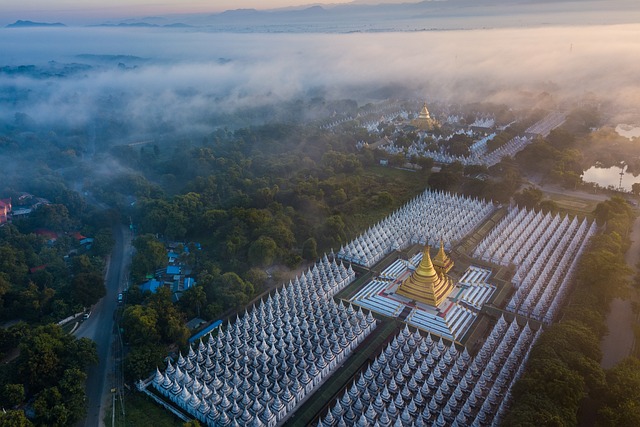
Mandalay Hiking: 3 Honest Alternatives
Heads up: some links here are affiliate links. Book or buy through them and we may earn a small commission at no extra cost to you. We only point you to things we would actually use.
Read this first: Myanmar has been under military rule since the February 2021 coup, with an ongoing civil war since then, most governments currently advise against travel, check your own government’s current...
read more
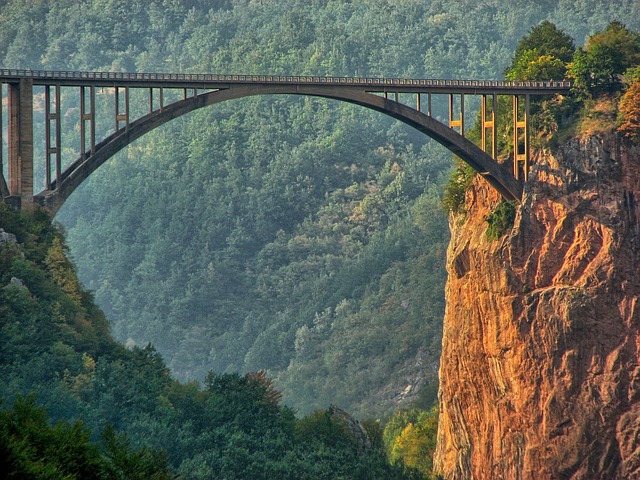
Montenegro Off the Beaten Path: 4 Days
Heads up: some links here are affiliate links. Book or buy through them and we may earn a small commission at no extra cost to you. We only point you to things we would actually use.
Four days is where Montenegro starts opening up past the coast. This route keeps the same first three days as the 3-day itinerary , Kotor and Perast, a Njeguši detour with Budva, and the Lovćen serpentine into...
read more
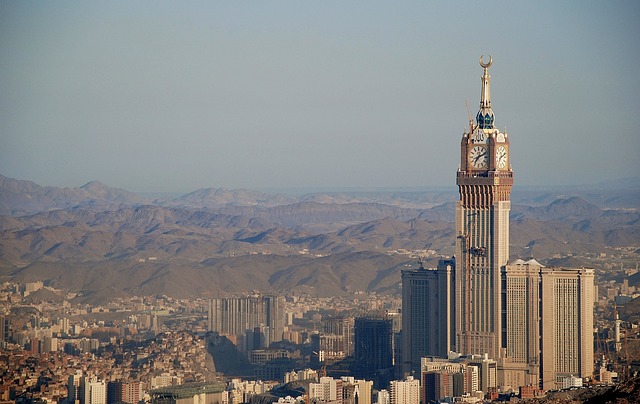
The Climbs to Hira and Thawr
Heads up: some links here are affiliate links. Book or buy through them and we may earn a small commission at no extra cost to you. We only point you to things we would actually use.
Mecca is closed to non-Muslims, and there is no recreational hiking scene here to write up. The two climbs below are devotional, undertaken for their place in the Prophet’s life, not for trail views, and both...
read more
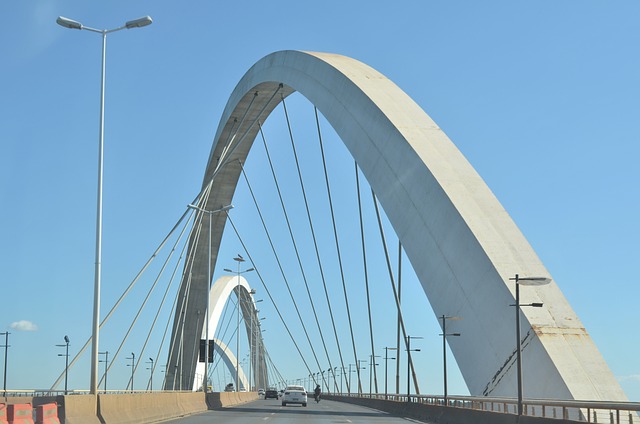
Brasilia Nature Spots: 5 Wild Corners
Heads up: some links here are affiliate links. Book or buy through them and we may earn a small commission at no extra cost to you. We only point you to things we would actually use.
One thing worth clearing up first: Brasília sits in cerrado savanna, not rainforest, so don’t come expecting canopy and macaws. What it actually offers is a built lake, a genuinely local spring-fed pool, and one...
read more
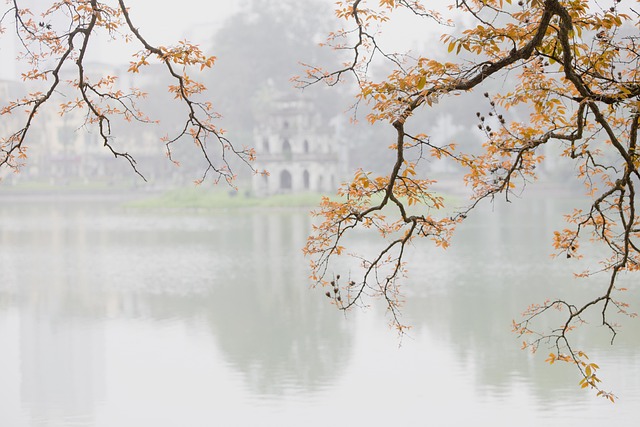
Hoi An Nature Spots: 5 Honest Picks
Heads up: some links here are affiliate links. Book or buy through them and we may earn a small commission at no extra cost to you. We only point you to things we would actually use.
Hoi An’s nature is coastal, riverine, and flat rice-paddy country, not a mountain range, so drop any expectation of dramatic scenery and you’ll enjoy these 5 spots a lot more. They’re built around...
read more
Mandalay Nature Spots: 5 Honest Picks
Heads up: some links here are affiliate links. Book or buy through them and we may earn a small commission at no extra cost to you. We only point you to things we would actually use.
Read this first: Myanmar has been under military rule since the February 2021 coup, with an ongoing civil war since then, most governments currently advise against travel, check your own government’s current...
read more
Mecca's Desert Valley, Honestly
Heads up: some links here are affiliate links. Book or buy through them and we may earn a small commission at no extra cost to you. We only point you to things we would actually use.
Mecca is closed to non-Muslims, and honestly, there is no nature-tourism scene here to reframe even for pilgrims. The city sits in Wadi Ibrahim, a narrow desert valley in the Sirat Mountains at about 277 metres...
read more
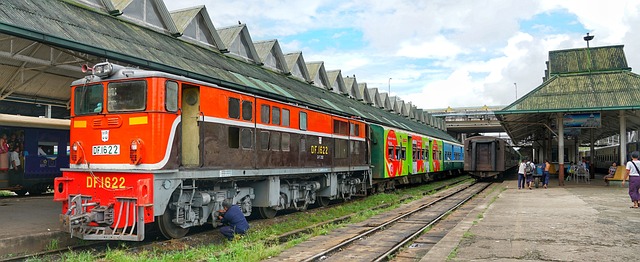
Best Places to Stay in Yangon: 6 Picks
Heads up: some links here are affiliate links. Book or buy through them and we may earn a small commission at no extra cost to you. We only point you to things we would actually use.
Travel advisory: Myanmar has been under military rule since the 2021 coup, and the civil war is ongoing. Most governments currently advise against travel, so check your own government’s current guidance before...
read more
Brasilia Hiking: 4 Trails Worth the Drive
Heads up: some links here are affiliate links. Book or buy through them and we may earn a small commission at no extra cost to you. We only point you to things we would actually use.
The Plano Piloto itself is flat and entirely urban, so “hiking in Brasília” always means driving out of it first. Four real options below, from a short in-city trail to an overnight plateau trek that...
read more
Hoi An Photo Spots: 6 Worth the Light
Heads up: some links here are affiliate links. Book or buy through them and we may earn a small commission at no extra cost to you. We only point you to things we would actually use.
Hoi An photographs well because the town has spent two centuries not changing, so the same yellow walls, the same bridge, and the same river show up in almost every frame worth taking. These 6 spots cover the obvious...
read more
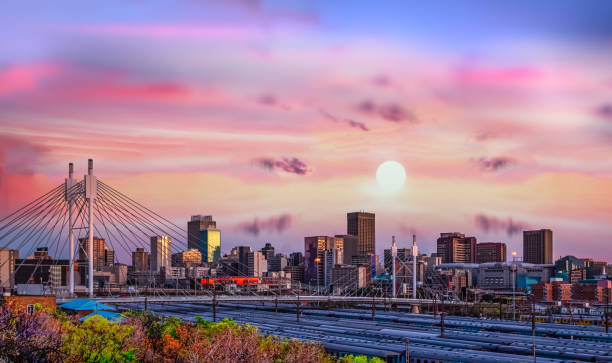
Joburg Festivals and Events: Braai Day
Heads up: some links here are affiliate links. Book or buy through them and we may earn a small commission at no extra cost to you. We only point you to things we would actually use.
Before you plan around a date: big events mean crowds, and crowds mean pickpockets and traffic more than anything else, so book a car for the trip in and out rather than walking or relying on street taxis.
read more
Mandalay Photo Spots: 7 Real Picks
Heads up: some links here are affiliate links. Book or buy through them and we may earn a small commission at no extra cost to you. We only point you to things we would actually use.
Read this first: Myanmar has been under military rule since the February 2021 coup, with an ongoing civil war since then, and most governments currently advise against travel, check your own government’s current...
read more
Photography Norms at the Haram
Heads up: some links here are affiliate links. Book or buy through them and we may earn a small commission at no extra cost to you. We only point you to things we would actually use.
Mecca is closed to non-Muslims, and this is not a photo-spot list. Photography inside the Masjid al-Haram is officially discouraged and, for professional equipment, restricted outright, so the honest guidance here is...
read more
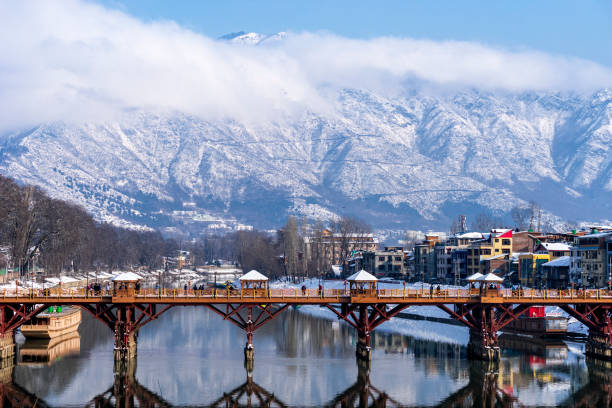
Where to Stay in Srinagar: 5 Real Options
Heads up: some links here are affiliate links. Book or buy through them and we may earn a small commission at no extra cost to you. We only point you to things we would actually use.
Before you book: Jammu & Kashmir is a security-sensitive, disputed region. The April 2025 attack near Pahalgam and the India-Pakistan tension that followed are the reason both the US State Department and the UK...
read more
A Long Weekend in Montenegro: Offbeat
Heads up: some links here are affiliate links. Book or buy through them and we may earn a small commission at no extra cost to you. We only point you to things we would actually use.
Three days gets you the bay, the coast, and one full mountain day, enough to leave Montenegro without feeling like you only saw the postcard. This route follows the same first two days as our 2-day version , then...
read more
Brasilia Hidden Gems: 5 Local Secrets
Heads up: some links here are affiliate links. Book or buy through them and we may earn a small commission at no extra cost to you. We only point you to things we would actually use.
Praça dos Três Poderes and the Cathedral get the postcard treatment, and Brasília’s stranger side sits past them: a pyramid temple built around a quartz crystal, a syncretic religious community founded by a...
read more
Hoi An Day Trips: 4 Worth the Trip
Heads up: some links here are affiliate links. Book or buy through them and we may earn a small commission at no extra cost to you. We only point you to things we would actually use.
Hoi An itself has no mountains, no ruins, and no second UNESCO site to speak of, which is exactly why the day trips out of it are so worth planning around. The 4 that actually deliver are My Son (a Cham ruin with...
read more
Mandalay Day Trips: 5 Real Options
Heads up: some links here are affiliate links. Book or buy through them and we may earn a small commission at no extra cost to you. We only point you to things we would actually use.
Read this before you plan a single day trip: Myanmar has been under military rule since the February 2021 coup, and the civil war since then hasn’t ended, most governments currently advise against travel, check...
read more
The Ritual Sites Around Mecca
Heads up: some links here are affiliate links. Book or buy through them and we may earn a small commission at no extra cost to you. We only point you to things we would actually use.
Mecca is closed to non-Muslims, and nothing here is a leisure day trip. These are the ritual sites a pilgrim moves through during Hajj itself, in a fixed sequence tied to specific days of Dhu al-Hijjah, not optional...
read more
Best Places to Eat in Srinagar: 9 Dishes
Heads up: some links here are affiliate links. Book or buy through them and we may earn a small commission at no extra cost to you. We only point you to things we would actually use.
Before the food talk: Jammu & Kashmir is a security-sensitive, disputed region, and the food scene below assumes you’ve already checked your government’s current advisory. The US State Department and...
read more
Best Places to Eat in Yangon: 7 Picks
Heads up: some links here are affiliate links. Book or buy through them and we may earn a small commission at no extra cost to you. We only point you to things we would actually use.
Travel advisory: Myanmar has been under military rule since the 2021 coup, with an ongoing civil war. Most governments currently advise against travel, so check your own government’s current guidance before...
read more
Brasilia Festivals: 5 Dates to Plan Around
Heads up: some links here are affiliate links. Book or buy through them and we may earn a small commission at no extra cost to you. We only point you to things we would actually use.
Brasília’s calendar runs on two dates built into the city’s own founding story, plus a handful of smaller scenes that don’t make most trip-planning lists. Five worth building a visit around, from a...
read more
Hidden Gems in Hoi An: 7 Real Ones
Heads up: some links here are affiliate links. Book or buy through them and we may earn a small commission at no extra cost to you. We only point you to things we would actually use.
Most of Hoi An’s actual hidden gems aren’t hidden inside the Old Town at all, they’re a short boat ride or bike ride away from it, in the villages and market that supply the town rather than perform...
read more
Hidden Gems in Mandalay: 6 Real Picks
Heads up: some links here are affiliate links. Book or buy through them and we may earn a small commission at no extra cost to you. We only point you to things we would actually use.
Read this first: Myanmar has been under military rule since the February 2021 coup, and the civil war since then hasn’t ended, most governments currently advise against travel, check your own government’s...
read more
Joburg Hiking Areas: Real Trails, Go Guided
Heads up: some links here are affiliate links. Book or buy through them and we may earn a small commission at no extra cost to you. We only point you to things we would actually use.
Before you lace up: Johannesburg has real hiking, but the safety rules that apply to the rest of the city apply here too. Go in groups, stick to marked trails, hike in daylight, and prefer the guided options where one...
read more
Mecca's Lesser-Known Ziyarah Sites
Heads up: some links here are affiliate links. Book or buy through them and we may earn a small commission at no extra cost to you. We only point you to things we would actually use.
Mecca is closed to non-Muslims, and there is no “hidden gems” list of leisure spots here. What this covers instead is ziyarah: the quieter, respectful visits pilgrims make to sites connected to the...
read more
Best Places to Stay in Mandalay (2026)
Heads up: some links here are affiliate links. Book or buy through them and we may earn a small commission at no extra cost to you. We only point you to things we would actually use.
Read this first: Myanmar has been under military rule since the February 2021 coup, and the civil war since then hasn’t ended, so most governments currently advise against travel here, check your own...
read more
Mecca Hotels by Distance to the Haram
Heads up: some links here are affiliate links. Book or buy through them and we may earn a small commission at no extra cost to you. We only point you to things we would actually use.
Mecca is closed to non-Muslims, so hotel choice here is a pilgrimage logistics question, not a leisure one. There is really only one metric that matters: how far your room is from the Masjid al-Haram, since every day...
read more
Where to Eat in Brasilia: 7 Local Picks
Heads up: some links here are affiliate links. Book or buy through them and we may earn a small commission at no extra cost to you. We only point you to things we would actually use.
Brasília is a capital built in 1960 by migrants from every Brazilian state plus a diplomatic corps of around 140 embassies, so there’s no single native cuisine to chase. What it does have is a strong cerrado...
read more
Where to Stay in Hoi An: 4 Real Options
Heads up: some links here are affiliate links. Book or buy through them and we may earn a small commission at no extra cost to you. We only point you to things we would actually use.
Where you sleep in Hoi An decides how much of the town you experience versus how much of it you can escape from at night, since the Ancient Town itself is small and dense. There are really 4 areas to pick between: the...
read more
A Weekend in Montenegro, Off the Path
Heads up: some links here are affiliate links. Book or buy through them and we may earn a small commission at no extra cost to you. We only point you to things we would actually use.
Two days in Montenegro is enough for the Bay of Kotor and a taste of the interior, not the whole country. Skip the packed cruise-day itinerary everyone else runs: walk Kotor’s walls before the ships dock, ride...
read more
Best Places to Eat in Hoi An: Odd Picks
Heads up: some links here are affiliate links. Book or buy through them and we may earn a small commission at no extra cost to you. We only point you to things we would actually use.
Hoi An earns its reputation as one of Vietnam’s food towns on the strength of a handful of dishes that barely exist anywhere else, plus two sandwich shops famous enough to have their own reputations abroad.
read more
Best Places to Eat in Mandalay: Mont Di
Heads up: some links here are affiliate links. Book or buy through them and we may earn a small commission at no extra cost to you. We only point you to things we would actually use.
Read this first: Myanmar has been under military rule since the February 2021 coup, with a civil war ongoing since then, and most governments currently advise against travel here, so check your own government’s...
read more
Eating Near the Grand Mosque in Mecca
Heads up: some links here are affiliate links. Book or buy through them and we may earn a small commission at no extra cost to you. We only point you to things we would actually use.
Mecca is closed to non-Muslims, so this is not a foodie tour. It is a practical note on how pilgrims actually eat between the rites of Umrah or Hajj: modest, halal by default, and mostly within a short walk of the...
read more
Johannesburg Nature Spots: Real Urban Green
Heads up: some links here are affiliate links. Book or buy through them and we may earn a small commission at no extra cost to you. We only point you to things we would actually use.
Before you go looking for green space: Johannesburg’s parks and reserves are genuinely worth visiting, but go in daylight, ideally in a group or on a guided walk, and drive rather than walk to the entrance.
read more
Things to Do in Brasilia: 6 Offbeat Picks
Heads up: some links here are affiliate links. Book or buy through them and we may earn a small commission at no extra cost to you. We only point you to things we would actually use.
Brasília is not a checklist of separate landmarks, it is one UNESCO-listed city plan, and almost everything on this list sits along the same 8.5km avenue, the Eixo Monumental. None of it is walkable between stops, so...
read more
Things to Do in Srinagar: 12 Real Picks
Heads up: some links here are affiliate links. Book or buy through them and we may earn a small commission at no extra cost to you. We only point you to things we would actually use.
Read this first: Jammu & Kashmir is a security-sensitive, disputed region. The April 2025 attack near Pahalgam and the India-Pakistan tension that followed it are the reason both the US State Department and the UK...
read more
Things to Do in Yangon: 8 Offbeat Picks
Heads up: some links here are affiliate links. Book or buy through them and we may earn a small commission at no extra cost to you. We only point you to things we would actually use.
Travel advisory: Myanmar has been under military rule since the 2021 coup, and the civil war is ongoing. Most governments currently advise against travel here, so check your own government’s current guidance...
read more
Brasilia Day Trips: 5 Beyond the Monuments
Heads up: some links here are affiliate links. Book or buy through them and we may earn a small commission at no extra cost to you. We only point you to things we would actually use.
The trip most lists sell as a Brasília day trip, Chapada dos Veadeiros, is not actually doable in a single day, not properly. It is 230km and about three hours each way, hiking inside the park requires a guide, and...
read more
The Rites of Umrah in Mecca
Heads up: some links here are affiliate links. Book or buy through them and we may earn a small commission at no extra cost to you. We only point you to things we would actually use.
Mecca is closed to non-Muslims, so there is no “things to do” list here in the tourist sense. What follows is Umrah: the sequence of acts of worship a Muslim pilgrim performs inside the Masjid al-Haram, in...
read more
Things to Do in Hoi An: 12 Offbeat Picks
Heads up: some links here are affiliate links. Book or buy through them and we may earn a small commission at no extra cost to you. We only point you to things we would actually use.
Hoi An rewards you for slowing down more than almost anywhere else in Vietnam, because most of what’s worth doing here is small: a craft village, a market, a single well-run tailor. This list runs 12 things to...
read more
Things to Do in Mandalay: 12 Picks
Heads up: some links here are affiliate links. Book or buy through them and we may earn a small commission at no extra cost to you. We only point you to things we would actually use.
Read this first: Myanmar has been under military rule since the February 2021 coup, and the civil war since then hasn’t ended. Most governments currently advise against travel here, and Sagaing, directly across...
read more
Hoi An: 13 Unusual Things to Do
Heads up: some links here are affiliate links. Book or buy through them and we may earn a small commission at no extra cost to you. We only point you to things we would actually use.
Hoi An only exists as a museum-piece town because the river that made it rich, the Thu Bon, silted up and quietly stranded it in the 19th century while Da Nang took over as the region’s port.
read more
Johannesburg Photo Spots: Skyline & Soweto
Heads up: some links here are affiliate links. Book or buy through them and we may earn a small commission at no extra cost to you. We only point you to things we would actually use.
Before you shoot: don’t wander with a camera hanging visibly around your neck downtown or after dark, it’s exactly the kind of valuable that draws attention. Book a car to and from each spot, shoot Soweto...
read more
Mandalay: 10 Unusual Things to Do
Heads up: some links here are affiliate links. Book or buy through them and we may earn a small commission at no extra cost to you. We only point you to things we would actually use.
Before you plan anything real: Myanmar has been under military rule since the February 2021 coup, and the civil war that followed hasn’t stopped. Most governments currently advise against travel to Myanmar, and...
read more
Mecca: An Umrah and Hajj Primer
Heads up: some links here are affiliate links. Book or buy through them and we may earn a small commission at no extra cost to you. We only point you to things we would actually use.
Mecca is closed to non-Muslims. Saudi law bars entry at checkpoints on every road into the city, and this primer is written for Muslim travellers preparing for Umrah or Hajj, not for tourists browsing a bucket list.
read more
Srinagar: 10 Unusual Things to Do
Heads up: some links here are affiliate links. Book or buy through them and we may earn a small commission at no extra cost to you. We only point you to things we would actually use.
Before you plan anything: Jammu & Kashmir is a security-sensitive, disputed region, and the 22 April 2025 attack near Pahalgam, plus the India-Pakistan military escalation that followed, are still the backdrop for...
read more
Yangon: 9 Unusual Things to Do
Heads up: some links here are affiliate links. Book or buy through them and we may earn a small commission at no extra cost to you. We only point you to things we would actually use.
Travel advisory: Myanmar has been under military rule since the February 2021 coup, and the country is in an active civil war. Governments including the US, UK, and Australia currently advise against travel to...
read more
Johannesburg Day Trips: Cradle & Pretoria
Heads up: some links here are affiliate links. Book or buy through them and we may earn a small commission at no extra cost to you. We only point you to things we would actually use.
Before you head out of the city: these day trips take you through and past areas with real crime risk, so use a booked driver, a tour operator, or careful self-driving rather than public minibus taxis, keep doors...
read more
Hidden Gems in Joburg: Victoria Yards & More
Heads up: some links here are affiliate links. Book or buy through them and we may earn a small commission at no extra cost to you. We only point you to things we would actually use.
Before you go looking: most of these spots reward daytime visits and a booked car rather than wandering. Johannesburg’s crime risk is real, so use Uber or Bolt rather than walking between neighborhoods, keep car...
read more