Recent Alpaca Travels

A Weekend in Guam, Off the Beaten Path
Heads up: some links here are affiliate links. Book or buy through them and we may earn a small commission at no extra cost to you. We only point you to things we would actually use.
Two days is enough to swap the (currently closed) Aquarium of Guam for something better: a WWII pillbox snorkel at Gun Beach, the older, stranger version of the Two Lovers Point legend, and a full day on the southern...
read more
Guam Off the Beaten Path: 4 Days
Heads up: some links here are affiliate links. Book or buy through them and we may earn a small commission at no extra cost to you. We only point you to things we would actually use.
Four days covers the same “core Guam” spine as a long weekend, then adds the one thing a rushed trip never has time for: an actual boonie stomp. Days 1 through 3 run the WWII-pillbox snorkel, Two Lovers...
read more
Guam Off the Beaten Path: 5 Days
Heads up: some links here are affiliate links. Book or buy through them and we may earn a small commission at no extra cost to you. We only point you to things we would actually use.
Five days is where honesty starts to matter. The real Guam sight list, beach, WWII sites, Hagåtña, the south loop, is a 3-to-4-day list, and a fifth day only earns its place with something genuinely different rather...
read more
Guam Off the Beaten Path: 6 Days
Heads up: some links here are affiliate links. Book or buy through them and we may earn a small commission at no extra cost to you. We only point you to things we would actually use.
Six days only makes sense on Guam with a genuinely different activity category, not another beach afternoon relabeled. This plan’s sixth day is Cocos Island, a small, mostly uninhabited islet off Merizo reached...
read more
One Week in Guam: An Offbeat Itinerary
Heads up: some links here are affiliate links. Book or buy through them and we may earn a small commission at no extra cost to you. We only point you to things we would actually use.
Seven days on Guam alone is padding unless something on the list is genuinely different from the six days before it, and this plan says so rather than pretending otherwise. Days 1 through 6 cover the real “core...
read more
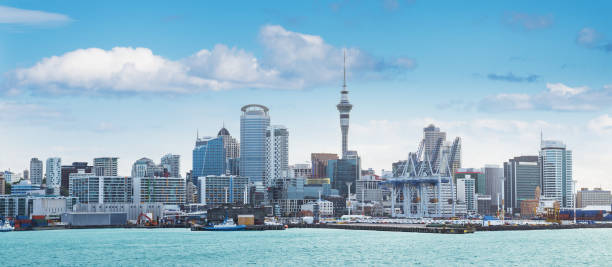
Auckland, NZ: 7 Day Offbeat Road Trip
Heads up: some links here are affiliate links. Book or buy through them and we may earn a small commission at no extra cost to you. We only point you to things we would actually use.
Auckland, NZ: 7 Day Offbeat Road Trip Seven days is enough to do this properly: city, Waitomo, Goat Island and Kumeu, Coromandel, west coast, and then two full days on Great Barrier Island rather than the rushed...
read more
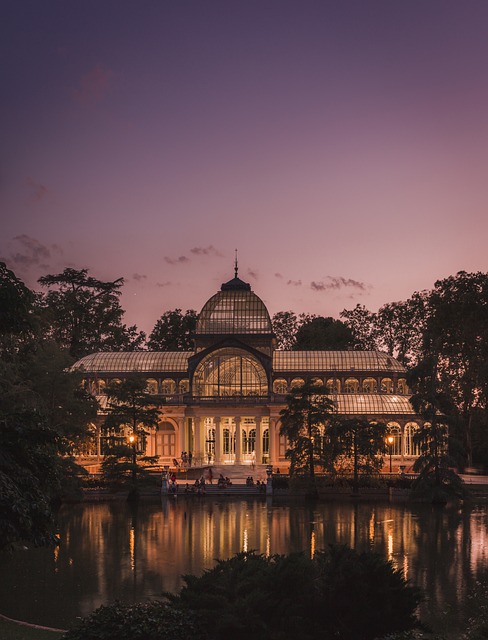
El Escorial: Stories Most Visitors Miss
Heads up: some links here are affiliate links. Book or buy through them and we may earn a small commission at no extra cost to you. We only point you to things we would actually use.
The Monastery and Site of the Escurial, Madrid, is UNESCO’s official name for the complex most people just call El Escorial, and the practical details matter more than the history on your first visit: EUR14 to...
read more
Auckland, NZ: 6 Day Offbeat Road Trip
Heads up: some links here are affiliate links. Book or buy through them and we may earn a small commission at no extra cost to you. We only point you to things we would actually use.
Auckland, NZ: 6 Day Offbeat Road Trip Six days takes the 5-day route , city, Waitomo, Goat Island and Kumeu, Coromandel, west coast, and closes with a Hauraki Gulf island most first-timers have never heard of.
read more
Auckland, NZ: 5 Day Offbeat Road Trip
Heads up: some links here are affiliate links. Book or buy through them and we may earn a small commission at no extra cost to you. We only point you to things we would actually use.
Auckland, NZ: 5 Day Offbeat Road Trip Five days takes the 4-day route , city, Waitomo, Goat Island and Kumeu, Coromandel, and adds a west-coast day that most first-timers skip entirely because of a rumour that the...
read more
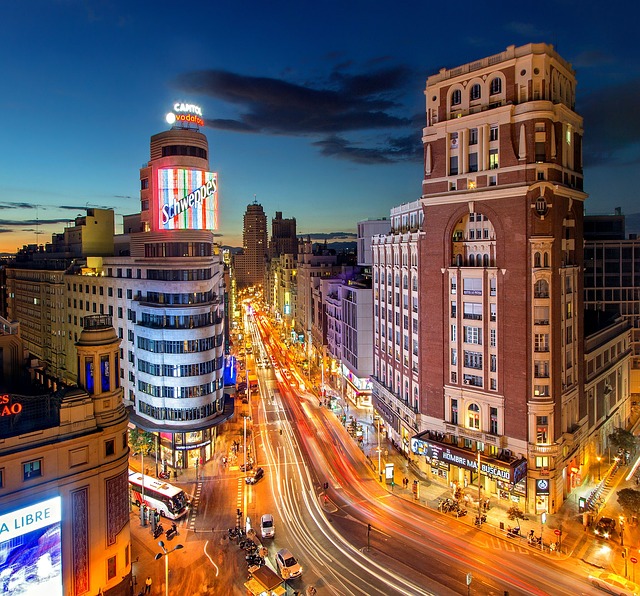
Puerta del Sol: What Most Visitors Miss
Heads up: some links here are affiliate links. Book or buy through them and we may earn a small commission at no extra cost to you. We only point you to things we would actually use.
Puerta del Sol is a square, not a monument, and most people spend ten minutes there photographing a bear statue that’s younger than their parents. The bronze bear and strawberry tree, El Oso y el Madroño, was...
read more
Auckland, NZ: 4 Day Offbeat Road Trip
Heads up: some links here are affiliate links. Book or buy through them and we may earn a small commission at no extra cost to you. We only point you to things we would actually use.
Auckland, NZ: 4 Day Offbeat Road Trip Four days builds on the 3-day route : city, Waitomo, Goat Island and Kumeu, then a fourth day that trades wine country for the Coromandel’s tide-dependent coastline. Shorter...
read more
Auckland, NZ: 3 Day Offbeat Road Trip
Heads up: some links here are affiliate links. Book or buy through them and we may earn a small commission at no extra cost to you. We only point you to things we would actually use.
Auckland, NZ: 3 Day Offbeat Road Trip Three days lets you add a third act to the 2-day version of this route: city offbeat corners, then Waitomo, then a day that pairs snorkelling with wine.
read more
Royal Palace of Madrid: What Most Miss
Heads up: some links here are affiliate links. Book or buy through them and we may earn a small commission at no extra cost to you. We only point you to things we would actually use.
The Royal Palace of Madrid, the Palacio Real, is billed as Europe’s largest functioning royal palace by floor area, roughly 135,000 square metres and 3,400-plus rooms, and no one actually lives in it. The...
read more
Auckland, NZ: 2 Day Offbeat Road Trip
Heads up: some links here are affiliate links. Book or buy through them and we may earn a small commission at no extra cost to you. We only point you to things we would actually use.
Auckland, NZ: 2 Day Offbeat Road Trip Two days isn’t enough to do Auckland and the region properly, so this route doesn’t try. Day one covers the city’s weirder corners on foot and ferry. Day two...
read more
A Long Weekend in Madrid: Offbeat
Heads up: some links here are affiliate links. Book or buy through them and we may earn a small commission at no extra cost to you. We only point you to things we would actually use.
Three days is the sweet spot for offbeat Madrid: enough time for a frozen 1966 Metro platform, a free noble mansion, Retiro’s own devil statue, and a private Goya-filled mansion most visitors never hear about,...
read more
A Weekend in Madrid, Off the Beaten Path
Heads up: some links here are affiliate links. Book or buy through them and we may earn a small commission at no extra cost to you. We only point you to things we would actually use.
Two days is enough to skip the Prado line entirely and still leave with a stranger, better Madrid story than most weekend visitors bring home: a frozen 1966 Metro platform, a free noble mansion, and the streets where...
read more
Auckland, NZ: An Offbeat Base Guide
Heads up: some links here are affiliate links. Book or buy through them and we may earn a small commission at no extra cost to you. We only point you to things we would actually use.
Auckland, NZ: An Offbeat Base Guide Most Auckland guides treat the city as the whole trip. Flip that: treat Tāmaki Makaurau as the launchpad. Two to three days covers the volcanic cones and the harbour properly, and...
read more
Madrid Off the Beaten Path: 4 Days
Heads up: some links here are affiliate links. Book or buy through them and we may earn a small commission at no extra cost to you. We only point you to things we would actually use.
Four days nests the 3-day offbeat plan and adds Goya’s actual resting place beside a cable car ride over the Manzanares. It’s the same ghost station, the same free mansions, and the same Lucifer statue,...
read more
Madrid Off the Beaten Path: 5 Days
Heads up: some links here are affiliate links. Book or buy through them and we may earn a small commission at no extra cost to you. We only point you to things we would actually use.
Five days nests the 4-day offbeat plan and adds Madrid’s most multicultural neighborhood and a former slaughterhouse turned contemporary arts centre, both places most week-long visitors never hear are worth a...
read more
Madrid Off the Beaten Path: 6 Days
Heads up: some links here are affiliate links. Book or buy through them and we may earn a small commission at no extra cost to you. We only point you to things we would actually use.
Six days nests the 5-day offbeat plan and trades one day of the city for La Pedriza, a granite massif reachable by public bus without renting a car. It stays inside city limits and a short bus ride out, not the UNESCO...
read more
Madrid: 8 Unusual Things to Do
Heads up: some links here are affiliate links. Book or buy through them and we may earn a small commission at no extra cost to you. We only point you to things we would actually use.
Skip the Prado queue for a morning and Madrid hands you a different city: a Metro platform frozen in 1966 with live trains still rattling past behind the glass, a free noble mansion nobody photographs for Instagram,...
read more
Madrid: What Most Visitors Miss
Heads up: some links here are affiliate links. Book or buy through them and we may earn a small commission at no extra cost to you. We only point you to things we would actually use.
Most first-timers run the same three days: Prado, Royal Palace, Plaza Mayor, a tapas crawl through La Latina. All of it is worth doing, and none of it touches the odder half of the city: a metro platform frozen since...
read more
One Week in Madrid: Offbeat Itinerary
Heads up: some links here are affiliate links. Book or buy through them and we may earn a small commission at no extra cost to you. We only point you to things we would actually use.
One week nests the 6-day offbeat plan and closes with 18th-century looms still weaving by hand and a ducal garden most Madrileños haven’t visited either. This whole route stays inside the city and one nearby bus...
read more
Madrid Tips Most Guides Skip
Heads up: some links here are affiliate links. Book or buy through them and we may earn a small commission at no extra cost to you. We only point you to things we would actually use.
Most Madrid tip lists tell you to dress modestly in churches and learn “gracias.” True, but not useful. Here’s what actually trips up first-timers: meal times that don’t match anywhere else in...
read more
Madrid's Quirkiest Events
Heads up: some links here are affiliate links. Book or buy through them and we may earn a small commission at no extra cost to you. We only point you to things we would actually use.
Skip the generic “Christmas markets and a summer festival” list. Madrid’s actual 2026 calendar has a parade for the Three Wise Men that ends at a fountain, a bullfighting feria that most travel...
read more
Offbeat Day Trips from Madrid
Heads up: some links here are affiliate links. Book or buy through them and we may earn a small commission at no extra cost to you. We only point you to things we would actually use.
Toledo and Segovia are the day trips everyone books, and they’re worth it. But Madrid also sits within striking distance of a village with a circular wooden-balconied plaza, a gorge town with houses cantilevered...
read more
Offbeat Walks Near Madrid
Heads up: some links here are affiliate links. Book or buy through them and we may earn a small commission at no extra cost to you. We only point you to things we would actually use.
Madrid’s real hiking country is the Sierra de Guadarrama, and you reach most of it by commuter train, not a rental car. The one catch is worth knowing before you plan a whole day around it: the line that reaches...
read more
Madrid's Quiet Green Corners
Heads up: some links here are affiliate links. Book or buy through them and we may earn a small commission at no extra cost to you. We only point you to things we would actually use.
Retiro Park is genuinely worth the visit, it’s the anchor green space of Madrid’s 2021 UNESCO landscape listing, but it’s also where every tour group ends up between 11am and 2pm. These spots sit a...
read more

Auckland Tips Most Guides Skip
Heads up: some links here are affiliate links. Book or buy through them and we may earn a small commission at no extra cost to you. We only point you to things we would actually use.
Auckland Tips Most Guides Skip The generic advice, learn “kia ora,” respect Maori culture, is fine but doesn’t stop you booking the wrong ferry or getting sunburned on a cloudy winter day. Ten actual...
read more
Madrid Photo Spots Most Miss
Heads up: some links here are affiliate links. Book or buy through them and we may earn a small commission at no extra cost to you. We only point you to things we would actually use.
Plaza Mayor at night is a fine shot, but it’s also the shot 10,000 other people took this month. The frames below take a bit more planning, mostly around light and timing, and reward you with something less...
read more
Madrid Hidden Gems: 10 Local Secrets
Heads up: some links here are affiliate links. Book or buy through them and we may earn a small commission at no extra cost to you. We only point you to things we would actually use.
A real hidden gem in Madrid isn’t a market building everyone already photographs, it’s the kind of place that survives on locals returning, not tour buses arriving. These 10 are genuinely under-visited,...
read more
Madrid: Where to Stay for Character
Heads up: some links here are affiliate links. Book or buy through them and we may earn a small commission at no extra cost to you. We only point you to things we would actually use.
Star ratings tell you almost nothing useful about a Madrid stay. What matters is which neighborhood you wake up in, because Sol and Salamanca are two completely different cities wearing the same postcode. Here’s...
read more
Auckland's Quirkiest Events
Heads up: some links here are affiliate links. Book or buy through them and we may earn a small commission at no extra cost to you. We only point you to things we would actually use.
Auckland’s Quirkiest Events March is the month to actually be here: Pasifika Festival, the Auckland Arts Festival, and the tail of Polyfest all land within a few weeks of each other, and most visitors have no...
read more
Madrid's Best Meals Most Miss
Heads up: some links here are affiliate links. Book or buy through them and we may earn a small commission at no extra cost to you. We only point you to things we would actually use.
Mercado San Miguel is the market every list sends you to. It’s a beautiful 1916 wrought-iron building, and it’s also charging about €2.75 for a croqueta that costs €1.50 two blocks away, and €18 to €30 for...
read more
12 Unusual Things to Do in Madrid
Heads up: some links here are affiliate links. Book or buy through them and we may earn a small commission at no extra cost to you. We only point you to things we would actually use.
Everyone tells you to do the Prado, the Palace, Plaza Mayor. Fine, do those too. But Madrid also has a decommissioned metro station frozen in 1966, a statue of Lucifer that nobody talks about, and a chapel where Goya...
read more

5 Offbeat Hikes Near Madrid, Spain
Heads up: some links here are affiliate links. Book or buy through them and we may earn a small commission at no extra cost to you. We only point you to things we would actually use.
Retiro Park is a nice walk, not a hike. If you actually want elevation and rock underfoot, the Sierra de Guadarrama sits under an hour outside Madrid by Cercanías train, no rental car required for most of it.
read more
6 Day-Trip Photo Spots From Madrid, Spain
Heads up: some links here are affiliate links. Book or buy through them and we may earn a small commission at no extra cost to you. We only point you to things we would actually use.
Puerta del Sol and the Metropolis Building are fine, but they’re also on every Madrid Instagram grid ever posted. The more interesting photography sits an hour or so outside the city, at the day-trip towns that...
read more
6 Offbeat Nature Spots in Madrid, Spain
Heads up: some links here are affiliate links. Book or buy through them and we may earn a small commission at no extra cost to you. We only point you to things we would actually use.
If you want elevation and trail markers, our hiking areas guide covers the Sierra de Guadarrama. This list is for the lower-effort version: gardens, forests, and one royal estate you can walk through in an afternoon...
read more
6 Offbeat Places to Eat in Madrid, Spain
Heads up: some links here are affiliate links. Book or buy through them and we may earn a small commission at no extra cost to you. We only point you to things we would actually use.
Treat Madrid as a base for the wider region and its food map opens up. Segovia’s cochinillo, Chinchón’s anís, and a Chamberí street most English-language guides still haven’t caught up to all sit...
read more
7 Hidden Gems in Madrid, Spain
Heads up: some links here are affiliate links. Book or buy through them and we may earn a small commission at no extra cost to you. We only point you to things we would actually use.
Mercado de San Miguel is not a hidden gem. It’s a beautiful 1916 iron-and-glass building charging roughly double the neighborhood price for the same croqueta, and it shows up on every “hidden gems”...
read more
7 Offbeat Day Trips from Madrid, Spain
Heads up: some links here are affiliate links. Book or buy through them and we may earn a small commission at no extra cost to you. We only point you to things we would actually use.
Everyone tells you to do Toledo or Segovia from Madrid. Fair enough, both earn the hype. But Madrid’s Cercanías and bus network reach seven other places most first-timers never hear about: a village that’s...
read more
8 Madrid, Spain Travel Tips for Day-Trippers
Heads up: some links here are affiliate links. Book or buy through them and we may earn a small commission at no extra cost to you. We only point you to things we would actually use.
Generic Madrid etiquette advice (queue politely, tip 5-10%, learn “gracias”) applies the same way to a base-in-Madrid trip as any other visit. What actually trips people up when using Madrid as a base for...
read more
8 Neighborhoods to Stay in Madrid, Spain
Heads up: some links here are affiliate links. Book or buy through them and we may earn a small commission at no extra cost to you. We only point you to things we would actually use.
Most “where to stay in Madrid” lists rank neighborhoods by nightlife and shopping. If you’re using Madrid as a base for Toledo, Segovia, and El Escorial, the more useful question is which...
read more
8 Offbeat Festivals in Madrid, Spain
Heads up: some links here are affiliate links. Book or buy through them and we may earn a small commission at no extra cost to you. We only point you to things we would actually use.
Most Madrid festival lists stop at the city limits. This one adds a regional pick, because if you’re treating Madrid as a base for the wider region anyway, a Saturdays-only heritage train to Alcalá de Henares...
read more
8 Offbeat Things to Do in Madrid, Spain
Heads up: some links here are affiliate links. Book or buy through them and we may earn a small commission at no extra cost to you. We only point you to things we would actually use.
Skip the Prado-Palace-Retiro checklist for a day and Madrid gets strange in a good way. There’s a decommissioned metro station frozen in 1966, a public statue explicitly dedicated to Lucifer, and a...
read more
Offbeat Day Trips from Auckland
Heads up: some links here are affiliate links. Book or buy through them and we may earn a small commission at no extra cost to you. We only point you to things we would actually use.
Offbeat Day Trips from Auckland Waiheke is a great day trip and also the day trip everyone already knows about. The seven below are the ones that don’t show up on the standard list: a causeway walk most...
read more
Offbeat Walks Near Auckland
Heads up: some links here are affiliate links. Book or buy through them and we may earn a small commission at no extra cost to you. We only point you to things we would actually use.
Offbeat Walks Near Auckland Correction first, since it’s a common one: Maungawhau and Mt Eden are the same mountain, Maungawhau is the Māori name for it, not a separate summit on the other side of town.
read more
Auckland's Quiet Wild Corners
Heads up: some links here are affiliate links. Book or buy through them and we may earn a small commission at no extra cost to you. We only point you to things we would actually use.
Auckland’s Quiet Wild Corners Everyone with a rental car heads for the Waitakere Ranges, hits a closed track sign, and turns around confused. Auckland’s actual quiet nature is spread wider than that: an...
read more
Auckland Photo Spots Most Miss
Heads up: some links here are affiliate links. Book or buy through them and we may earn a small commission at no extra cost to you. We only point you to things we would actually use.
Auckland Photo Spots Most Miss Everyone shoots Sky Tower from the Viaduct and calls it done. The photos that actually look like Auckland, and not like any other harbour city with a tall building, come from a volcanic...
read more
Auckland Hidden Gems: 9 Local Secrets
Heads up: some links here are affiliate links. Book or buy through them and we may earn a small commission at no extra cost to you. We only point you to things we would actually use.
Auckland Hidden Gems: 9 Local Secrets Auckland’s real secret isn’t a single spot, it’s that the whole city sits on a live volcanic field most visitors never clock, and the quietest corners of it are...
read more