Recent Alpaca Travels
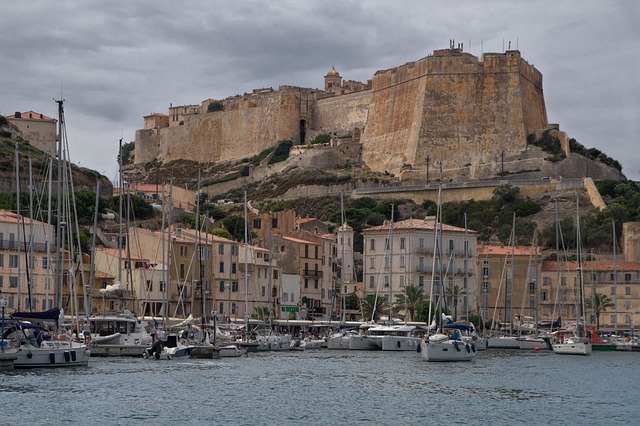
4 Offbeat Days in Bonifacio
Four days is more than the town of Bonifacio itself needs, and that’s the honest starting point. This is Corsica’s limestone clifftop citadel at the southern tip of France, above the strait to Sardinia, not Bonifacio Global City in Manila and not anywhere in the Philippines or Bohol. The old town’s ramparts and lanes walk out in a day, maybe two if you go slowly, so a four-day...
read more
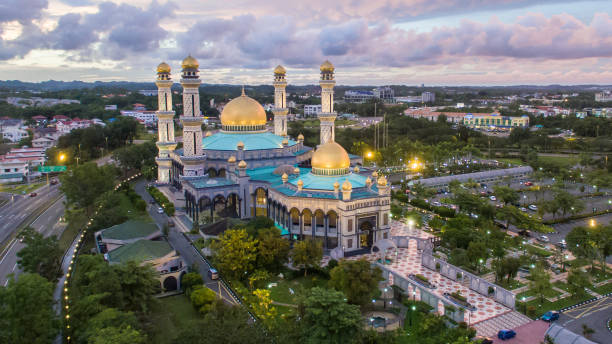
4 Offbeat Days in Brunei
Four days is enough for Brunei to breathe without turning into padding. This small sultanate on the north coast of Borneo, an absolute monarchy and not a Malaysian state, gives you a proper look at Bandar Seri Begawan’s mosques and water village, a full day in Ulu Temburong’s rainforest instead of a rushed half-day bolt-on, and a fourth day driving west to the oil town of Seria. It is...
read more
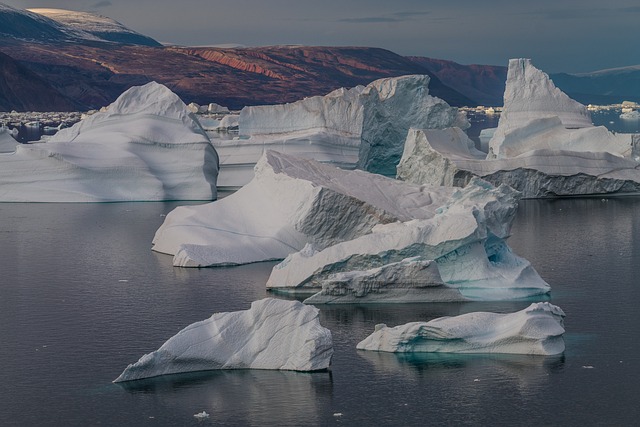
4 Offbeat Days in Greenland
Four days in Greenland is enough to do one place properly, not race between two. Most short itineraries here are built around a single iceberg boat tour and little else. The offbeat move is walking the Sermermiut trail first, past a settlement worked on and off for roughly 4,500 years, right at the mouth of the same icefjord everyone else only sees from a boat. Add a real day on Disko Bay’s...
read more
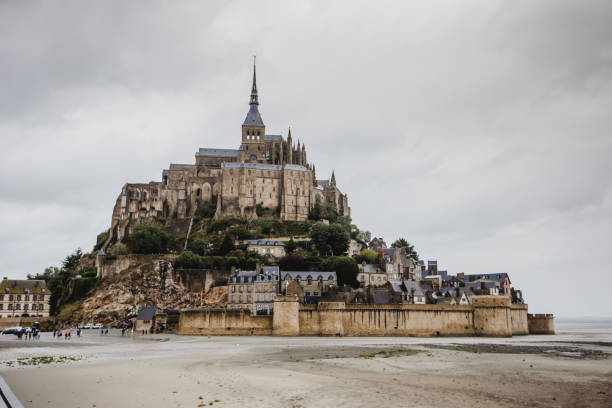
4 Offbeat Days in Mont-Saint-Michel
Four days at Mont-Saint-Michel is not four days spent on the rock itself. The mount is realistically a half-day-to-day-and-a-half site, so this plan uses the extra time to push into the surrounding region rather than inventing reasons to linger on the same street. Start with the access reality older itineraries get wrong: no car has reached the island since the old causeway was replaced by a...
read more
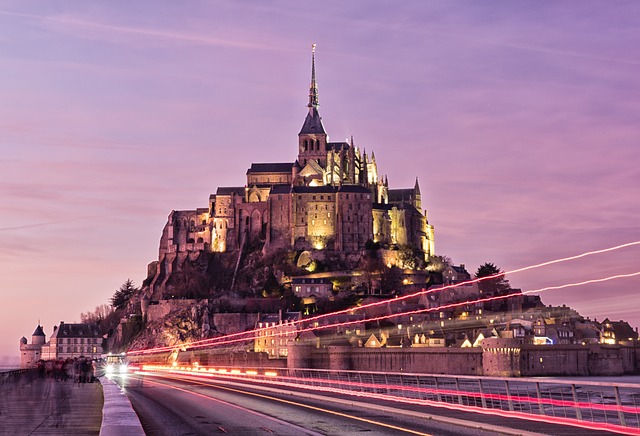
4 Offbeat Days in Mont-Saint-Michel, France
Mont-Saint-Michel, France, not to be confused with Cornwall’s Saint Michael’s Mount, is honestly a half-day-to-day-and-a-half site, so four days needs somewhere real to put the rest of the time. No car reaches the rock itself: since the old causeway was replaced by a bridge in 2014, every visitor parks at the mainland car park about 2.5km out and finishes on the free Le Passeur shuttle...
read more
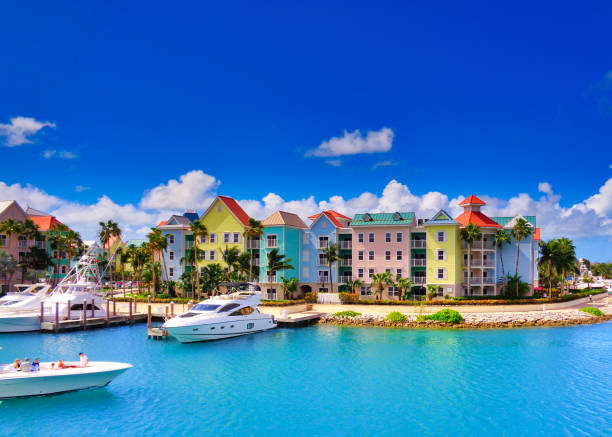
4 Offbeat Days in Nassau
Four days buys you the honest Nassau city core (forts, the Queen’s Staircase, Bay Street) plus one full boat day and a slower beach day, not four days of downtown sightseeing that doesn’t actually exist here. This is a cruise-port capital first: Bay Street genuinely crowds up on big multi-ship days, so timing beats hunting for secret alternatives. The safety picture is a calm US Level...
read more
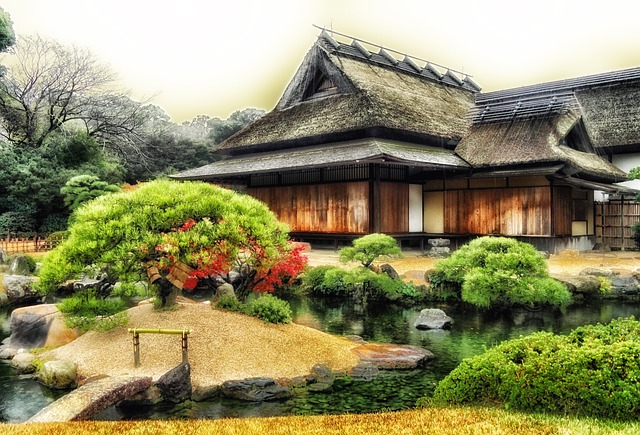
4 Offbeat Days in Okayama
Okayama’s own postcard shot, the black castle framed across the river from Korakuen Garden, is genuinely a one-day errand. Four days works because the other three belong to the region around it: Day 1 stays in the city, Day 2 rides the rails out to Kurashiki, Day 3 spins a bike loop across the Kibi Plain, and Day 4 spends a full, reservation-booked day on the Naoshima art islands. Want a...
read more
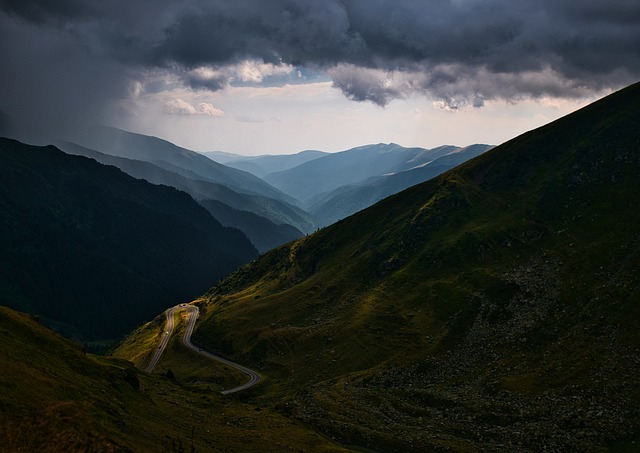
4 Offbeat Days in Romania
Four days in Romania is Bucharest for one day, then three days locked onto Transylvania’s most famous cluster: Brasov as a base, Bran and Peles castles as one day trip, and Sighisoara’s walled citadel to close things out. That’s a genuine, well-built sampler of Romania’s headline region, not the whole country and nowhere close to all of Transylvania. The offbeat move is...
read more
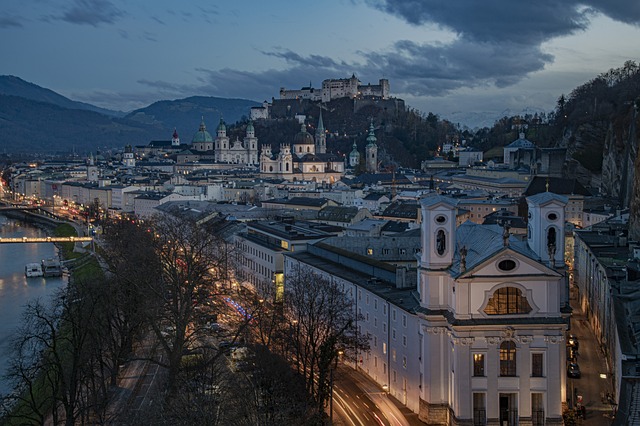
4 Offbeat Days in Salzburg
Four days in Salzburg is enough to do the Altstadt properly and still add one real day trip, as long as you resist stacking two of them into the same short stay. Mozart was born here in 1756, above a shop on Getreidegasse, and the baroque old town he grew up in became a UNESCO World Heritage Site in 1996 for exactly this kind of preserved streetscape. The Sound of Music was filmed across the city...
read more
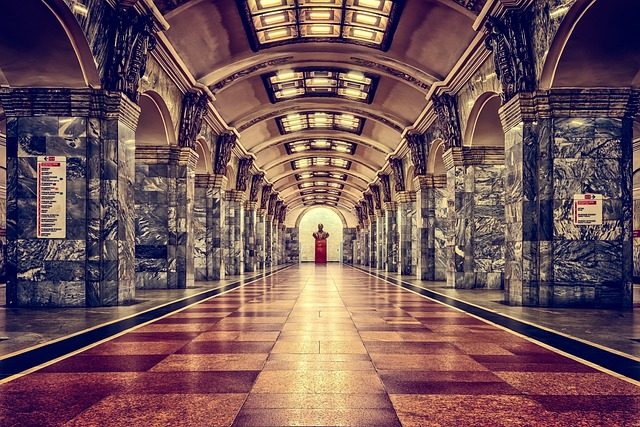
4 Offbeat Days in St Petersburg, Russia
Four days in St Petersburg, Russia is enough to add both signature day trips, Peterhof and the Amber Room at Catherine Palace, onto the historic core, and enough time to ask the real question first: should a Western traveler go at all right now? Russia has sat at the US State Department’s Level 4, Do Not Travel, tier since a reissue on 2 January 2026, the same bracket assigned to active war...
read more
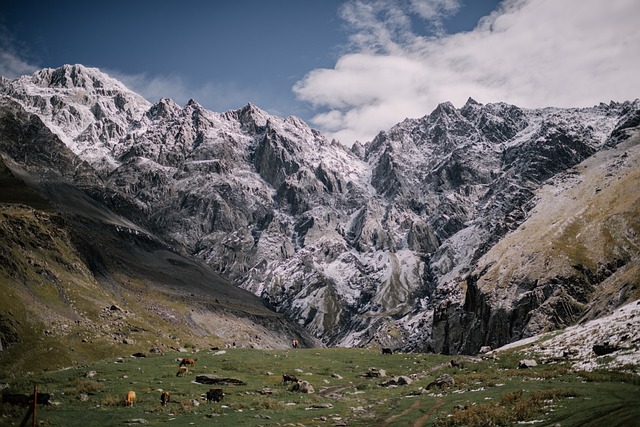
4 Offbeat Days in Tbilisi
Tbilisi is the capital of Georgia, the country in the South Caucasus, not the American state that shares its name, and that mix-up is common enough to clear up before anything else. Four days here is enough to work through the Old Town’s offbeat half, add the UNESCO town of Mtskheta, and still fit a full day out to the Caucasus mountains at Kazbegi, more ground than the shorter versions of...
read more
4 Offbeat Days in Thessaloniki
Four days in Thessaloniki buys the offbeat two-day core, a third day most guides skip entirely, and exactly one real day trip out of the city rather than invented extra sightseeing inside it. Days 1 and 2 stay inland then move to the water through Roman, Byzantine and Ottoman layers; Day 3 goes into Ottoman-era and Jewish Thessaloniki; Day 4 leaves the city for Philip II’s actual tomb.
Short...
read more
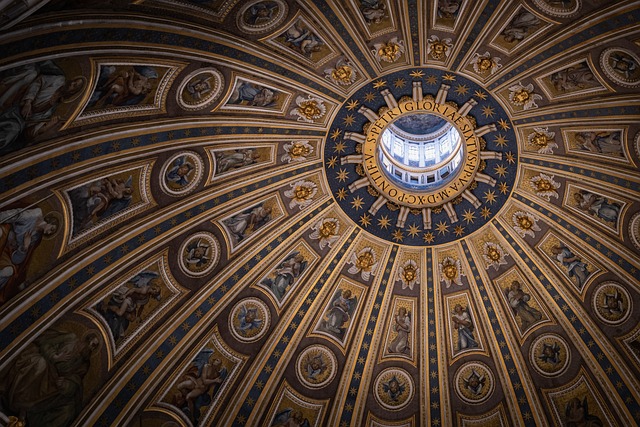
4 Offbeat Days in Vatican City
Vatican City has no border worth the word: you walk in from Rome, no passport check, no gate, nothing to clear except St Peter’s own security line. The basilica is free, but the dress code is real and enforced right there, shoulders and knees covered for everyone, no exceptions for a heat wave or a red-eye flight. The Vatican Museums and Sistine Chapel are the paid half, roughly EUR 20-25,...
read more
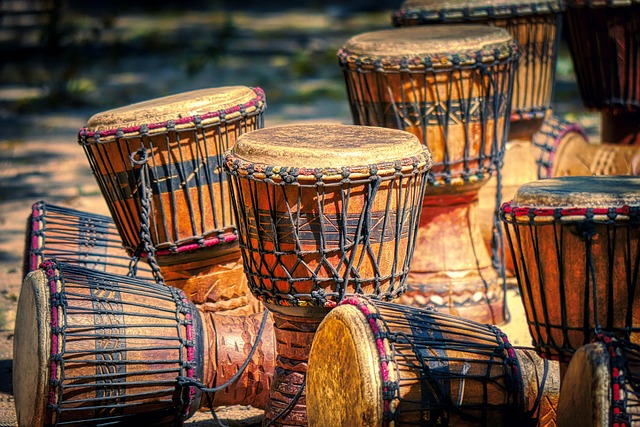
4 Offbeat Days in Zimbabwe
Four days in Zimbabwe is the shortest length where a real safari earns its place next to Victoria Falls, instead of getting flattened into a single rushed afternoon. Zimbabwe is park-based, mostly fly-in or operator-led safari country, anchored by the Falls but built around big distances between parks; a proper Hwange add-on needs at least two of these four days, not a bolt-on morning. Bring clean...
read more

5 Offbeat Days in Anchorage
Five days here means the two-day city core, the Seward Highway day out to Portage and Girdwood, a Kenai Fjords cruise from Seward, and then two more days pushing north to Denali. That last leg is the honest complication: Denali sits 240 miles from Anchorage, needs an overnight no matter how you get there, and the park road has been closed past Mile 43 since the 2021 Pretty Rocks landslide, a...
read more
5 Offbeat Days in Bonifacio
Five days is more than the town of Bonifacio needs on its own, and the honest itinerary says so upfront. This is Corsica’s limestone clifftop citadel at the southern tip of France, above the strait to Sardinia, not Bonifacio Global City in Manila and not anywhere in the Philippines. The old town’s ramparts and lanes walk out in a day, maybe two at a slow pace, so a five-day version...
read more
5 Offbeat Days in Brunei
Five days in Brunei buys you room, not new places. It is the same short list the three-day plan runs through, on BSB and Ulu Temburong, given the extra time to swap a rushed rainforest day for an actual overnight, plus a full day west to the oil town of Seria that shorter trips skip. Brunei’s own list of things worth doing does not stretch past that: this is a small, absolute-monarchy...
read more
5 Offbeat Days in Greenland
Most five-day Greenland itineraries try to force a second hub into the schedule. This one doesn’t, and that restraint is the offbeat move: staying in Ilulissat for all five days buys a whole extra day that a four-day trip never gets to spend, a crossing to Disko Island itself, on top of the icefjord, the iceberg boats, and the whales everyone already plans around. Fly in, walk the settlement...
read more
5 Offbeat Days in Mont-Saint-Michel
Five days at Mont-Saint-Michel does not mean five days on the rock; the mount itself is realistically a half-day-to-day-and-a-half site, so most of this trip happens in the Normandy and Brittany countryside around it. Start with what actually gets you there: no car has touched the island since the old causeway was swapped for a bridge in 2014, so you park on the mainland about 2.5km out and finish...
read more
5 Offbeat Days in Mont-Saint-Michel, France
Mont-Saint-Michel, France, can swallow two days easily and still leave you short on Normandy, so a five-day version of this trip has to spend most of its time off the rock, not on it. No car reaches the mount itself: since the 2014 bridge replaced the old causeway, every visitor parks at the mainland car park roughly 2.5km out and covers the last stretch on the free Le Passeur shuttle or a 35 to...
read more
5 Offbeat Days in Nassau
Five days is the length where the math on Nassau finally adds up: two days for the actual city core, a full boat day, a beach-and-water-park day, and one further trip that only makes sense once you have the time to spare on it. This is still a 1-2 day cruise-port capital wearing a five-day itinerary, not five days of downtown sightseeing that doesn’t exist. Expect the same calm Level 2...
read more
5 Offbeat Days in Okayama
Okayama’s own postcard shot, the black castle framed across the river from Korakuen Garden, is genuinely a one-day errand. Five days works because the other four belong to the region around it: Day 1 stays in the city, Day 2 rides the rails out to Kurashiki, Day 3 spins a bike loop across the Kibi Plain, Day 4 spends a full, reservation-booked day on the Naoshima art islands, and Day 5...
read more
5 Offbeat Days in Romania
Five days in Romania is enough for one proper Transylvania loop, Bucharest, Brasov, Bran and Peles, Sighisoara, Sibiu, done properly instead of rushed. It’s still Transylvania only, Bukovina’s painted monasteries, Maramures’ wooden churches and the Danube Delta stay separate trips. Everything here prices in the Romanian leu (RON), not the euro, and since land borders opened on 1...
read more
5 Offbeat Days in Salzburg
Five days in Salzburg buys the full city core plus two real day trips, run on separate days rather than crammed into one exhausting add-on. Mozart was born here in 1756, above a shop on Getreidegasse, and the baroque Altstadt he grew up in became a UNESCO World Heritage Site in 1996 for exactly this kind of preserved streetscape. The Sound of Music was filmed across the city and the lakes beyond...
read more
5 Offbeat Days in St Petersburg, Russia
Five days in St Petersburg, Russia is enough to add the Russian Museum and a Mariinsky evening onto the full four-day core, and enough time to ask the real question first: should a Western traveler go at all right now? Russia has sat at the US State Department’s Level 4, Do Not Travel, tier since a reissue on 2 January 2026, the same bracket assigned to active war zones, and the UK Foreign...
read more
5 Offbeat Days in Tbilisi
Tbilisi is the capital of Georgia, the South Caucasus country wedged between Russia, Turkey, Armenia and Azerbaijan, not the American state that shares its name. Five days is enough to work through the city’s quieter corners properly and still get out to the three day trips that make Tbilisi worth basing yourself in for a week: Mtskheta’s UNESCO monuments, a Kazbegi day deep in the...
read more
5 Offbeat Days in Thessaloniki
Five days in Thessaloniki works best split honestly: three days inside Greece’s second city, the food-capital one with the Byzantine churches, then two real day trips instead of inventing more in-city sightseeing. This route runs the same offbeat three-day core as the site’s own long weekend, then adds Vergina’s royal tombs and a Sithonia beach day.
That core matches the long...
read more
5 Offbeat Days in Vatican City
Vatican City has no border to cross, just St Peter’s Square, reached by walking in from Rome with no passport check, no visa, and nowhere to sleep once you’re there, since every visitor stays in Rome instead. St Peter’s Basilica itself is free, though the dress code is absolute: shoulders and knees covered, checked at the security line before anyone reaches the metal detectors....
read more
5 Offbeat Days in Zimbabwe
Five days puts Zimbabwe on the map as what it actually is: a safari country built around one enormous waterfall, not a quick stopover. Two days work Victoria Falls and its adrenaline circuit, two go to Hwange National Park for elephants, and the last swaps in Matobo Hills for rhino tracking on foot. If that shape is wrong for your trip, the 2-day , 3-day , 4-day , 6-day , and 7-day versions run...
read more
6 Offbeat Days in Anchorage
Six days out of Anchorage is enough to add the one thing shorter versions of this trip skip entirely: an overnight up at Denali. Anchorage itself, home to roughly 40% of Alaska’s population in one gateway city, still only fills a day, maybe a day and a half, on its own. Visit Anchorage markets most of its own recommended trips as excursions away from downtown, and Denali’s park road...
read more
6 Offbeat Days in Bonifacio
Six days is one more than Bonifacio’s old town can fill on its own, and this route doesn’t pretend otherwise. This is Corsica’s clifftop citadel at the southern tip of France, facing Sardinia across the strait, not Bonifacio Global City in Manila and not any town in the Philippines. Walk the Haute Ville in a day, two at most, and the honest math for six days is that four of them...
read more
6 Offbeat Days in Brunei
Six days is more Brunei than most people need, and an honest itinerary says so before it says anything else. Brunei Darussalam is a small, oil-rich Islamic sultanate on the island of Borneo, not a Malaysian state and not generic Southeast Asia: it’s bordered on every landward side by the Malaysian state of Sarawak, and Sarawak’s Limbang district actually splits Brunei into two separate...
read more
6 Offbeat Days in Greenland
Six days is the shortest window where two Greenland regions honestly makes sense, and only if the transfer day between them stays sacred. This plan spends the first half in Ilulissat and Disko Bay, the icefjord everyone actually books Greenland for, then flies south through Nuuk to Qaqortoq, the new airport that finally puts South Greenland’s Norse-and-Inuit farmland and a real hot spring...
read more
6 Offbeat Days in Mont-Saint-Michel
Six days at Mont-Saint-Michel is not six days on the rock. The mount itself is honestly a half-day-to-day-and-a-half site, so this plan spends most of its length looping through Normandy and Brittany with the mount as the hinge. Start with the access reality older itineraries get wrong: no car has reached the island since the old causeway was replaced by a bridge in 2014, so you park on the...
read more
6 Offbeat Days in Mont-Saint-Michel, France
Mont-Saint-Michel, France, is not a place you drive up to and park outside. Since the old causeway gave way to a bridge in 2014, every car stops at a mainland lot roughly 2.5km out, and the last stretch runs on the free Le Passeur shuttle or a 35 to 45 minute walk. The bay’s tide swings by roughly 14 meters, among the highest ranges in continental Europe, and hides real quicksand, so...
read more
6 Offbeat Days in Nassau
Six days here breaks down as one day of city and five of beach, boat and one very deliberate flight, and treating it as anything else is how people end up manufacturing a fourth day of downtown Nassau that doesn’t actually exist. The historic core, the staircase, the forts, Bay Street, is genuinely done in a single day once you factor in the crowds a big-ship morning brings (Nassau’s...
read more
6 Offbeat Days in Okayama
Okayama city itself is genuinely a one-day errand: Korakuen, the castle, done. Six days works by treating the city as a launchpad rather than padding it out, sending you to Kurashiki, a flat Kibi Plain bike loop, a full reservation-booked day on Naoshima, an original mountaintop castle, and a sixth day you get to choose yourself. Want a shorter cut of this same spine? See the weekend , long...
read more
6 Offbeat Days in Romania
Six days is enough to do Transylvania properly and still add one region past it, which is close to the honest ceiling for a week in Romania. This plan spends one day in Bucharest, three days on the Brasov, Bran, Peles and Sighisoara cluster that most Transylvania trips are built around, a day in Sibiu to close that loop properly, and a sixth day pushing north into Maramures for the Merry Cemetery...
read more
6 Offbeat Days in Salzburg
Six days in Salzburg is enough to stop choosing between day trips and just take all three, one per day, rather than picking Hallstatt or Berchtesgaden the way a shorter stay has to. Mozart was born here in 1756, above a shop on Getreidegasse, and the baroque Altstadt he grew up in became a UNESCO World Heritage Site in 1996 for exactly this kind of preserved streetscape. The Sound of Music was...
read more
6 Offbeat Days in St Petersburg, Russia
Six days in St Petersburg, Russia is enough to get past the postcard trio into a genuinely offbeat sixth day, but the honest question still comes first: can a Western traveler make this trip at all right now? Russia has sat at the US State Department’s Level 4, Do Not Travel, tier since a reissue on 2 January 2026, the same bracket assigned to active war zones, and the UK Foreign Office...
read more
6 Offbeat Days in Tbilisi
Tbilisi is the capital of Georgia, the South Caucasus country wedged between Russia, Turkey, Armenia and Azerbaijan, not the American state that shares its name. Six days turns the city into the anchor of a wider Georgia loop: two offbeat Old Town days, a UNESCO half-day at Mtskheta, a full Kazbegi mountain day, a Kakheti wine day, and a sixth day out to the cave town of Uplistsikhe and the town...
read more
6 Offbeat Days in Thessaloniki
Six days in Thessaloniki works best split honestly: three days inside Greece’s second city, the food-capital one threaded with 15 UNESCO-listed Byzantine churches, then three real day trips rather than invented extra sightseeing back in town. This route stacks Vergina’s royal tombs, a full Mount Olympus day and a Halkidiki beach day (or a swap to Edessa and Pella) on top of the same...
read more
6 Offbeat Days in Vatican City
Vatican City has no border to cross, just St Peter’s Square, reached on foot from Rome with no passport check, no visa, and nowhere to sleep once you’re there, since every visitor books a room back in Rome instead. St Peter’s Basilica itself is free, but the dress code is absolute: shoulders and knees covered, for men and women alike, checked at the security line before anyone...
read more
6 Offbeat Days in Zimbabwe
Six days is enough to run Zimbabwe’s classic safari spine to its third act instead of stopping at the second: two days at Victoria Falls, two chasing elephant herds through Hwange National Park, then two more flown into Mana Pools for the walking and canoe safaris that put it on the UNESCO list. That’s the honest shape of this route. Zimbabwe is park-based, mostly fly-in or...
read more
7 Offbeat Days in Mont-Saint-Michel, France
Mont-Saint-Michel, France, is honestly a half-day-to-day-and-a-half site, so seven days here is really a Normandy and Brittany road trip anchored by the mount, not a week spent on the rock itself. No car reaches the island: since the 2014 bridge replaced the old causeway, every visitor parks at the mainland car park about 2.5km out and finishes on the free Le Passeur shuttle or a 35 to 45 minute...
read more
7 Offbeat Days in St Petersburg, Russia
A full week in St Petersburg, Russia is enough to add a genuinely slow seventh day on top of the offbeat sixth, but the honest question comes before any of that: can a Western traveler make this trip at all right now? Russia has sat at the US State Department’s Level 4, Do Not Travel, tier since a reissue on 2 January 2026, the same bracket assigned to active war zones, and the UK Foreign...
read more
A Long Weekend in Anchorage: Offbeat
Anchorage’s own sights, the trail, the museums, downtown, genuinely fill one to two days. The third day here is what earns the “Alaska” in this trip: a full Kenai Fjords day cruise out of Seward, the closest a short visit gets to the glaciers and marine wildlife most people came this far north for. This plan keeps the two-day city-and-Seward-Highway route intact and simply...
read more
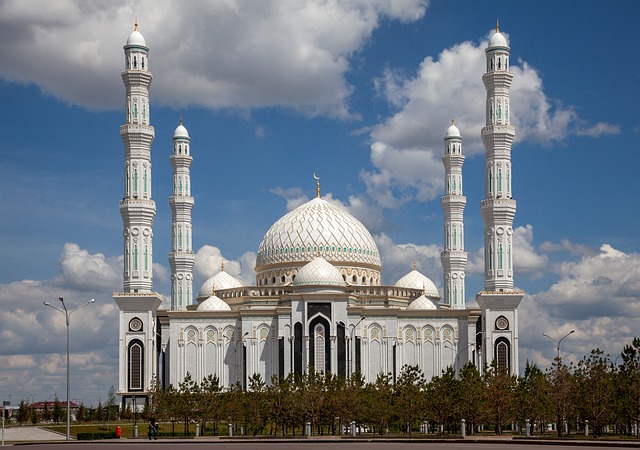
A Long Weekend in Astana: Offbeat
Three days is where offbeat Astana actually earns the word. The first two days run the same left-bank icons plus the Green Bazaar and a right-bank banya night that any weekend trip here should cover, then a third day leaves the boulevard behind entirely for the ALZHIR memorial, a sober Gulag history stop most short visits skip outright. Astana is the current name (Nur-Sultan only from 2019 to...
read more
A Long Weekend in Bonifacio: Offbeat
A long weekend is the honest ceiling for Bonifacio itself, not a limit on what you can do with three days. This is Corsica’s clifftop citadel town at the southern tip of France, above the strait to Sardinia, not Bonifacio Global City in Manila and nowhere near the Philippines. Roughly 3,000 people live inside the old town’s limestone walls, and its ramparts and lanes walk out in a day,...
read more
A Long Weekend in Brunei: Offbeat
Three days in Brunei is enough to do the place properly, provided you go in knowing what it actually is: a small, oil-rich Islamic sultanate on the island of Borneo, ruled by an absolute monarch, not a Malaysian state and not a generic Southeast Asian beach stop. Bandar Seri Begawan (BSB), the capital, earns two solid days of mosques, a stilt water village and a free museum, and Brunei’s...
read more