Recent Alpaca Travels
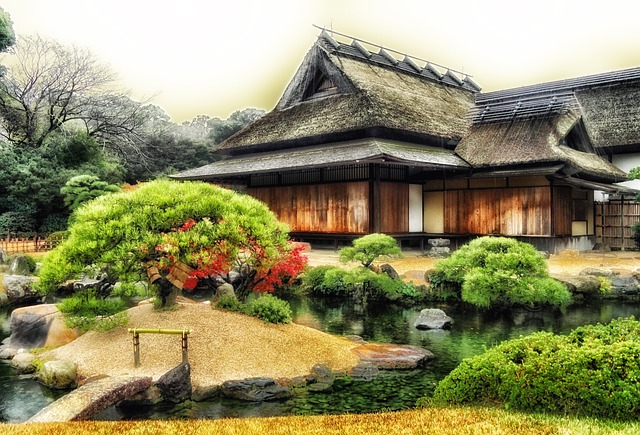
One Week in Okayama: An Offbeat Itinerary
Okayama city itself is genuinely a one-day errand: Korakuen, the reopened castle, done. A full week works only because six of those seven days properly belong to the region around it, layering in Kurashiki, a flat Kibi Plain cycle, a full reservation-booked Naoshima day, an original mountaintop castle, a second art island, and a seventh day that crosses into Shikoku, Hiroshima, or a bridge-view...
read more
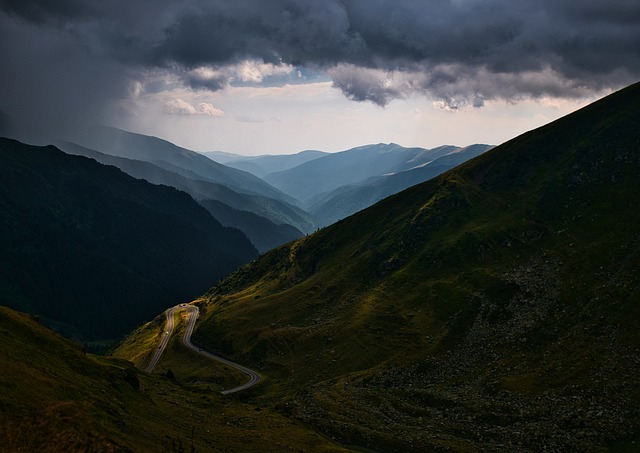
One Week in Romania: An Offbeat Itinerary
One week in Romania is enough for a full Transylvania loop, Bucharest, Peles, Brasov, Bran, Sighisoara and Sibiu, plus a genuine push north into Maramures for the wooden churches and the technicolor headstones of the Merry Cemetery. It is still not the whole country: Bukovina’s painted monasteries and the Danube Delta stay separate trips. Seven days is Romania’s actual sweet spot, long...
read more
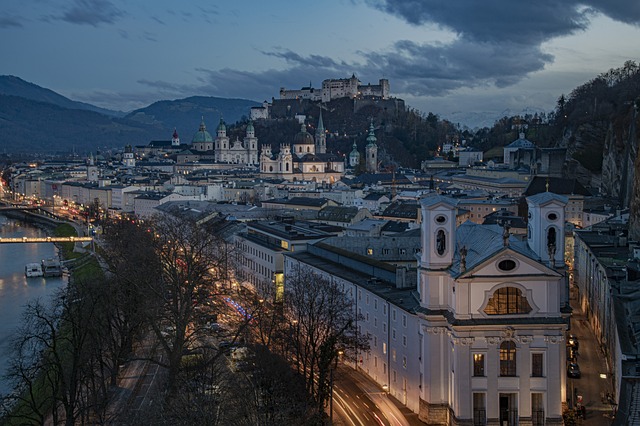
One Week in Salzburg: An Offbeat Itinerary
A full week in Salzburg is the length where the city itself runs out of new ground and the day trips take over instead, and the honest split is roughly three days to four. Mozart was born here in 1756, above a shop on Getreidegasse, and the baroque Altstadt he grew up in became a UNESCO World Heritage Site in 1996 for exactly this kind of preserved streetscape. The Sound of Music was filmed across...
read more
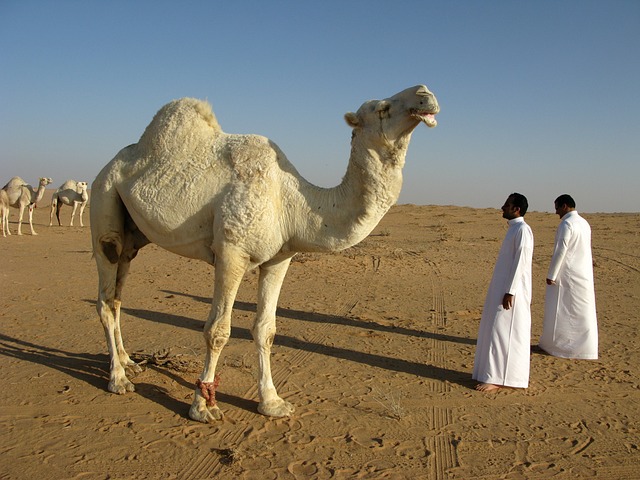
One Week in Saudi Arabia: Offbeat Plan
A week is enough to string Saudi Arabia’s three best cities together by domestic flight instead of picking just one, and this route treats the flying as part of the plan rather than a chore to minimise. Riyadh is the capital, not Jeddah and not Mecca, the riyal has been pegged at 3.75 to the US dollar since 1986, and the eVisa that opened this country to leisure travel in September 2019...
read more
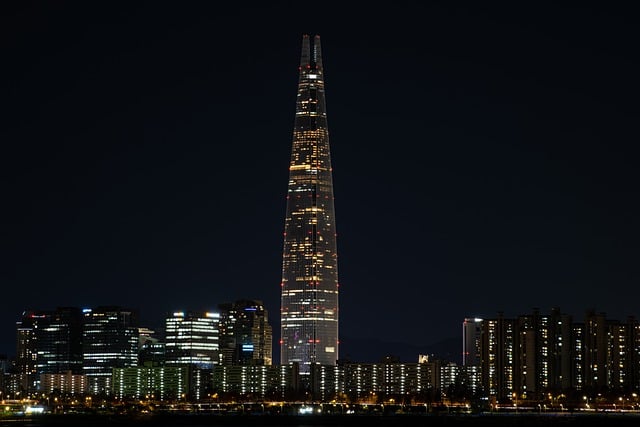
One Week in Seoul: An Offbeat Itinerary
Seoul is the capital of South Korea, not North Korea, worth stating outright before anything else. It runs on the Korean won (KRW), not yen or yuan, and a T-money card covers the subway, buses and most taxis for a few thousand won a day. Google Maps still won’t give you usable walking directions here, so get Naver Map or KakaoMap installed before you land. Most major tourist nationalities...
read more
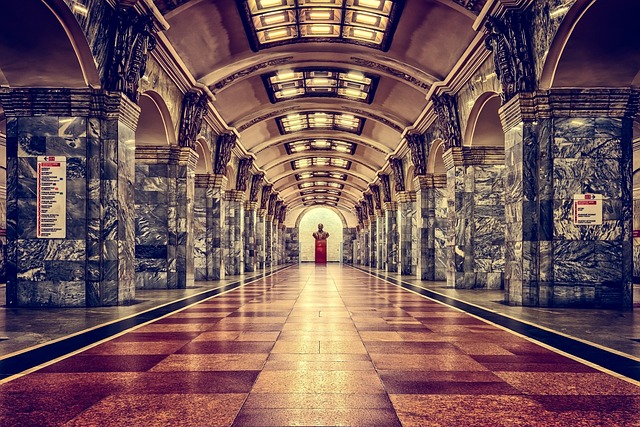
One Week in St Petersburg: An Offbeat Plan
Seven days is enough time to see St Petersburg properly, if this were an ordinary European capital open for business as usual. It isn’t. Russia sits at the US State Department’s Level 4, Do Not Travel, tier, reissued 2 January 2026 and reaffirmed by a US Embassy Moscow alert in June, the same bracket as active war zones. Wrongful detention of Americans is a stated risk there, not a...
read more
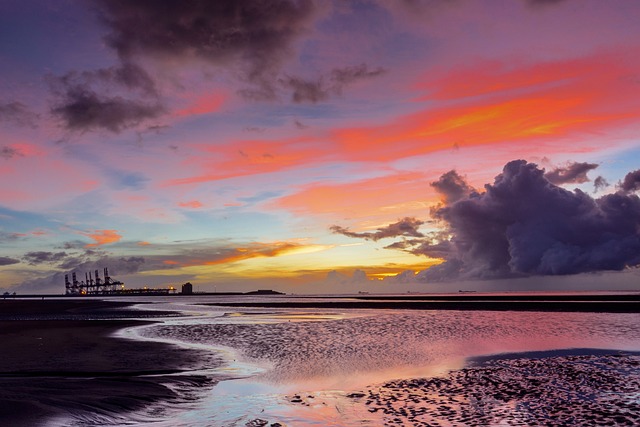
One Week in Taiwan: An Offbeat Plan
A week in Taiwan is enough to leave the Taipei 101 and Jiufen circuit almost entirely alone and still see three genuinely different sides of the island: two offbeat days in Taipei’s back lanes, a High Speed Rail run south to Tainan’s old capital, and a slower push east and south along the coast to Hualien and Taitung. Taiwan’s capital is Taipei, its currency is the New Taiwan...
read more
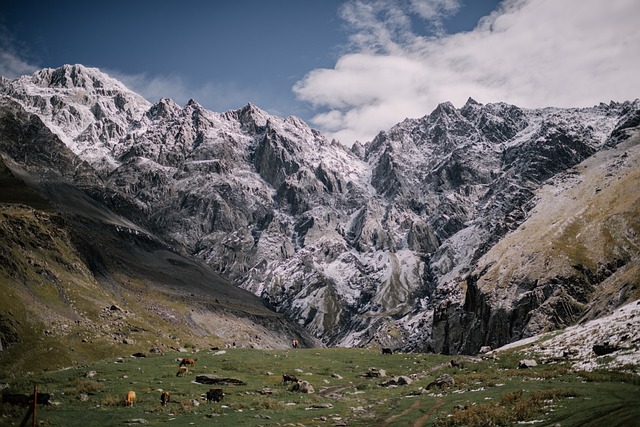
One Week in Tbilisi: An Offbeat Itinerary
Tbilisi is the capital of Georgia, the South Caucasus country wedged between Russia, Turkey, Armenia and Azerbaijan, not the American state that shares its name. A full week turns the city into a base for the fullest version of a Georgia loop this family covers: two offbeat Old Town days, a UNESCO half-day at Mtskheta, a full Kazbegi mountain day, a Kakheti wine day, a cave-town day at Uplistsikhe...
read more
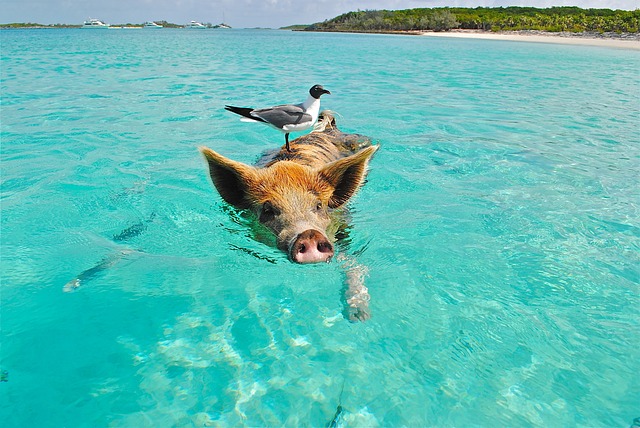
One Week in the Bahamas: Offbeat Plan
A week is enough to treat The Bahamas as more than a Nassau resort stop. This route spends two days in local, off-resort Nassau, three based in the Exumas for swimming pigs and Thunderball Grotto, then two more on Harbour Island for pink sand and Dunmore Town, with every inter-island leg by flight or ferry, since this archipelago of roughly 700 islands has no roads connecting them. The Bahamas is...
read more
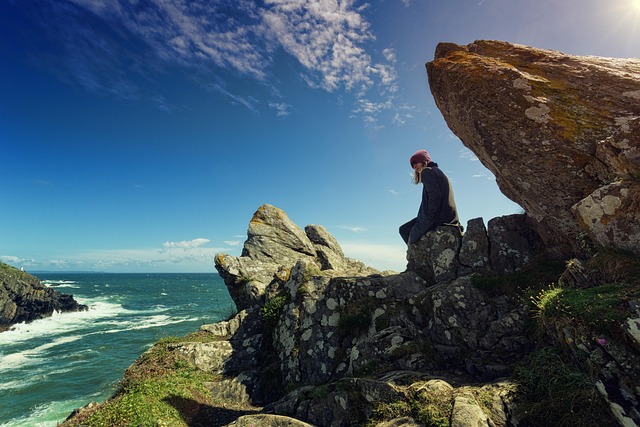
One Week in the UK: An Offbeat Plan
Seven days is enough for three real stops without turning half the trip into a train seat: two days in the London most visitors skip, two in Edinburgh’s quieter corners, and three pushing further, into the Highlands, by rail, ending on an overnight sleeper rather than a rushed flight home. The United Kingdom is four nations, England, Scotland, Wales, and Northern Ireland, with London as the...
read more
One Week in Thessaloniki: Offbeat
Seven days buys the whole route this site’s Thessaloniki family has been building toward: the offbeat three-day city core, then four straight days of real day trips, Vergina’s tombs, Mount Olympus, and a Meteora overnight. The city itself needs 2-3 days; the rest here is genuinely regional, not manufactured in-city padding.
This route nests the site’s own 2-day , 3-day , 4-day ,...
read more
One Week in Vatican City: Offbeat
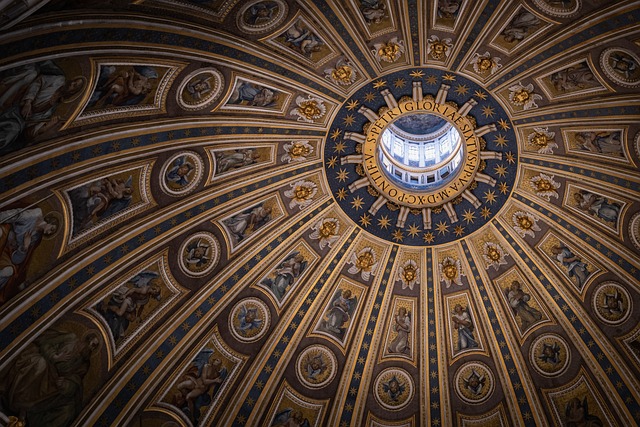
Vatican City has no border you actually cross: you walk in from Rome, no passport check, no gate, nothing between the street and St Peter’s Square. The basilica itself is free, though the dress code is absolute, shoulders and knees covered for everyone, checked at the security line before anyone reaches the metal detectors. The Vatican Museums and Sistine Chapel are the paid half, a timed...
read more

One Week in Zagreb: An Offbeat Plan
A full week in Zagreb only works if you stop treating it as a week in Zagreb: two days cover the city’s odd corners properly, and the other five belong to the countryside around it. Zagreb is Croatia’s inland capital, hours from the Adriatic coast rather than a stop on it, and the country has run on the euro since 2023, not the kuna, with Schengen membership from the same year.
read more
One Week in Zimbabwe: An Offbeat Itinerary
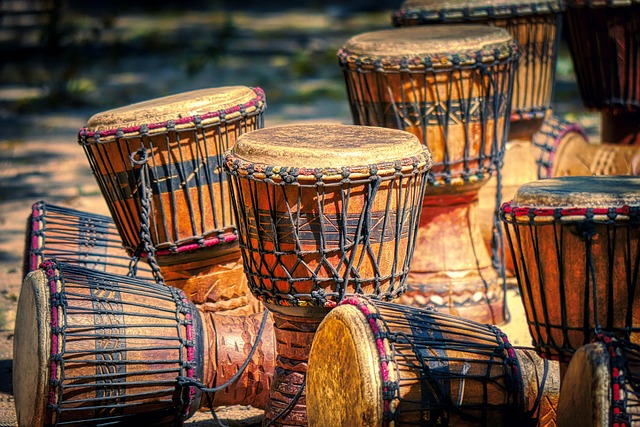
A week is where Zimbabwe stops being a Victoria Falls day trip and turns into an actual safari circuit: two days working the Falls itself, two more inside Hwange National Park for the elephant herds, then a push south to Bulawayo for Matobo Hills rhino tracking and a final detour into Great Zimbabwe’s stone ruins on the way out. This is genuinely a multi-leg, fly-or-drive trip across big...
read more
Salzburg Hidden Gems: 7 Unusual Spots
Salzburg earns its reputation honestly: Mozart was born here in 1756, the baroque Altstadt carries UNESCO status from 1996 , and The Sound of Music was filmed across the city and its lakes. All three deserve the attention they get. The city itself is a genuine 2 to 3 day visit, small enough to cross on foot, and everything past that is really about day trips rather than more in-town sightseeing.
read more
Saudi Arabia Off the Beaten Path: 4 Days
Four days in Saudi Arabia is enough to pair the actual capital with the country’s single best sight, as long as the middle of the trip is a flight and not a five-hour drive across the Najd desert. Riyadh is the capital, not Jeddah and not Mecca, and the riyal has been pegged at 3.75 to the US dollar since 1986, so a rough SAR-to-USD conversion holds for the whole trip.
read more
Saudi Arabia Off the Beaten Path: 5 Days
Five days buys a proper version of Saudi Arabia’s two best chapters: the capital done thoroughly, then a domestic flight out to the country’s actual headline sight. Riyadh is the capital, not Jeddah and not Mecca, the riyal has been pegged at 3.75 to the US dollar since 1986, and the eVisa that opened this country to leisure travel in September 2019 still clears in minutes online....
read more
Saudi Arabia Off the Beaten Path: 6 Days
Six days is enough to link Saudi Arabia’s three most different faces by domestic flight instead of a five-hour desert drive: two days in Riyadh, the actual capital (not Jeddah, and not Mecca), two more in Jeddah’s Red Sea old town, and two closing in AlUla’s desert ruins. The riyal has been pegged at 3.75 to the US dollar since 1986, so SAR prices convert cleanly the whole way...
read more
Seoul and Beyond: 2 Offbeat Days in Korea
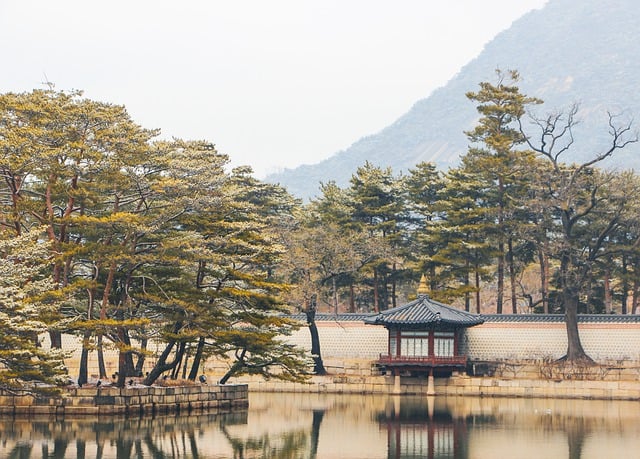
Two days is not enough for Seoul and it is not enough for South Korea, so this plan does not try. Day 1 condenses the city into a single loop: Gyeongbokgung, a hanbok rental, an early Myeongdong dinner. Day 2 leaves Seoul entirely for Nami Island and the Garden of Morning Calm, the tree-lined island a certain generation of K-drama fans already know by name, skipping the DMZ that every other...
read more
Seoul and Beyond: 3 Offbeat Days in Korea
Three days is enough to hit Seoul’s core once and still leave for two of South Korea’s best day trips: the DMZ on day two, Nami Island and the Garden of Morning Calm on day three. Day one compresses Gyeongbokgung, a hanbok rental and Myeongdong into a single loop instead of spreading them across two days, which is what frees up the rest of the trip. Everything below runs on Korean won...
read more
Seoul and Beyond: 4 Offbeat Days in Korea
Four days is enough to turn a Seoul trip into an actual South Korea trip, using the city as a rail-hub base rather than the whole destination. Day 1 condenses the capital into one loop, Gyeongbokgung in a rented hanbok and an early Myeongdong dinner, the same opener the shorter gateway itineraries use. Day 2 leaves for the DMZ, Day 3 for Suwon Hwaseong Fortress, and Day 4 swaps in Everland over...
read more
Seoul and Beyond: 5 Offbeat Days in Korea
Five days is enough to run South Korea’s full gateway spine out of Seoul: the DMZ, Suwon Hwaseong Fortress, Everland and Nami Island, one day trip apiece, with only a single morning kept inside the city itself. Day 1 condenses Gyeongbokgung and a rented hanbok into one loop, the same opener the shorter itineraries in this cluster use, then Days 2 through 5 leave Seoul in turn rather than...
read more
Seoul and Beyond: 6 Offbeat Days in Korea
Six days runs the full gateway spine out of Seoul, then adds one more stop beyond it: the DMZ, Suwon Hwaseong Fortress, Everland and Nami Island across four straight days out of the city, the same route the 5-day itinerary in this cluster builds, followed by a KTX day out to Gyeongju’s ancient tombs on day six rather than a second lap of central Seoul. Day 1 condenses Gyeongbokgung and a...
read more
Seoul and Beyond: 7 Offbeat Days in Korea
Seven days is the fullest offbeat week this cluster runs, every day trip in the gateway spine, plus two further reaches south by KTX that the shorter itineraries never touch. Day 1 condenses Gyeongbokgung and a rented hanbok into one Seoul morning, the same opener every itinerary in this family uses, then Days 2 through 5 hand the trip to the DMZ, Suwon Hwaseong Fortress, Everland and Nami Island...
read more
Seoul Hidden Gems: 9 Unusual Things to Do
Everyone’s Seoul photo looks the same: the palace guard change, Myeongdong’s neon, an N Seoul Tower sunset. Skip past all three for a day and the city gets stranger and better, a wine bar inside a century-old hanok, a bathhouse you sleep in instead of a hotel, a warehouse district nicknamed after Brooklyn, a fish market that starts before sunrise. Prices run in Korean won (KRW), not...
read more
Seoul Off the Beaten Path: 4 Day Itinerary
Seoul is the capital of South Korea, not North Korea, worth stating outright before anything else. It runs on the Korean won (KRW), not yen or yuan, and a T-money card covers the subway, buses and most taxis for a few thousand won a day. Google Maps still won’t give you usable walking directions here, so get Naver Map or KakaoMap installed before you land. Most major tourist nationalities...
read more
Seoul Off the Beaten Path: 5 Day Itinerary
Seoul is the capital of South Korea, not North Korea, worth stating outright before anything else. It runs on the Korean won (KRW), not yen or yuan, and a T-money card covers the subway, buses and most taxis for a few thousand won a day. Google Maps still won’t give you usable walking directions here, so get Naver Map or KakaoMap installed before you land. Most major tourist nationalities...
read more
Seoul Off the Beaten Path: 6 Day Itinerary
Seoul is the capital of South Korea, not North Korea, worth stating outright before anything else. It runs on the Korean won (KRW), not yen or yuan, and a T-money card covers the subway, buses and most taxis for a few thousand won a day. Google Maps still won’t give you usable walking directions here, so get Naver Map or KakaoMap installed before you land. Most major tourist nationalities...
read more
St Petersburg Hidden Gems: 9 Unusual Spots
Russia is a US State Department Level 4 Do Not Travel country, a rating reissued 2 January 2026, and the UK Foreign Office advises against all travel there too. No direct flights have run from the US, UK, or EU since 2022, and a foreign-issued Visa, Mastercard, or Amex card will not work anywhere in the country, cash or a Russian MIR card only. That is the honest starting point, not a footnote,...
read more
St Petersburg Off the Beaten Path: 4 Days
Four days in St Petersburg is enough to add the two signature imperial day trips, Peterhof and Catherine Palace’s Amber Room, onto the historic core covered in the shorter versions of this route. It is also enough time to notice how impractical the trip actually is right now. Russia has sat at the US State Department’s Level 4, Do Not Travel, tier since a reissue on 2 January 2026, the...
read more
St Petersburg Off the Beaten Path: 5 Days
Five days in St Petersburg sounds like enough time to slow down and really see an imperial capital. It might be, eventually. Russia currently sits at the US State Department’s Level 4, Do Not Travel, tier, reissued 2 January 2026, the same bracket as active war zones, and the UK Foreign Office advises against all travel to the country outright. No direct flights have connected the US, UK or...
read more
St Petersburg Off the Beaten Path: 6 Days
Six days in St Petersburg is enough to go past the historic core and the two imperial day trips into a genuinely offbeat extra day: Yusupov Palace, the Faberge Museum and New Holland Island. It’s also long enough to feel the weight of what going there actually takes right now. Russia sits at the US State Department’s Level 4, Do Not Travel, tier, reissued 2 January 2026, the same...
read more
St Petersburg, Russia: Beyond the Palaces
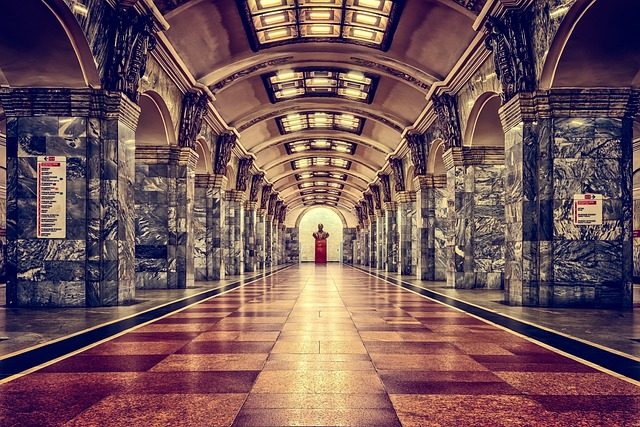
Russia is a US State Department Level 4 Do Not Travel country, a rating reissued 2 January 2026, and the UK Foreign Office advises against all travel there too. No direct flights have run from the US, UK, or EU since 2022, and a foreign-issued Visa, Mastercard, or Amex card is dead on arrival, cash or a Russian MIR card only. That is the honest starting point for St Petersburg, Russia, not to be...
read more
St Petersburg, Russia: The Honest Picture
Here is the honest answer before anything else: not easily, and “St Petersburg, Russia” is the distinction that actually matters here, this is not St. Petersburg, Florida. Russia has sat at the US State Department’s Level 4 Do Not Travel level since a 2 January 2026 reissue, the same tier the government uses for active warzones, and the UK Foreign Office advises against all...
read more
St Petersburg: What Most Visitors Miss
Russia is a US State Department Level 4 Do Not Travel country, a rating reissued 2 January 2026, and the UK Foreign Office advises against all travel there too. No direct flights have run from the US, UK, or EU since 2022, and a foreign-issued Visa, Mastercard, or Amex card is dead here, cash or a Russian MIR card only. That is the honest opening, before any postcard talk, and this is...
read more
Taiwan Off the Beaten Path: 4 Days
Four days in Taiwan buys you two places most first-timers treat as one: Taipei’s back lanes for two days, then a High Speed Rail run south to Tainan, the old capital that Taipei-only itineraries never reach. Taiwan’s capital is Taipei, its money is the New Taiwan Dollar (TWD, NT$), not the Chinese yuan, and it runs its own visa and entry system separate from mainland China’s, a...
read more
Taiwan Off the Beaten Path: 5 Days
Five days in Taiwan is enough to do Taipei’s overlooked lanes properly and still give Tainan, the old capital, three unhurried days rather than the rushed stopover most itineraries only manage as a day trip. Taiwan’s capital is Taipei, its currency is the New Taiwan Dollar (TWD, NT$), not the Chinese yuan, and it runs its own visa and entry rules, separate from mainland China’s....
read more
Taiwan Off the Beaten Path: 6 Days
Six days in Taiwan is enough to leave the Taipei 101 and Jiufen circuit almost entirely alone: two offbeat days in Taipei’s back lanes, a High Speed Rail run south to Tainan’s old capital, then a slower train east to Hualien for a Taroko Gorge that is honestly only part open right now. Taiwan’s capital is Taipei, its currency is the New Taiwan Dollar (TWD, NT$), not the Chinese...
read more
Tbilisi Hidden Gems: 7 Unusual Spots
Tbilisi is the capital of Georgia, the South Caucasus country between Turkey and Russia, not the US state that shares its name, and clearing that up matters before anything else. The Old Town’s sulfur baths and the Narikala cable car earn their fame, but Tbilisi is a genuinely rewarding 2-3 day city rather than a one-day layover stop, and a cheap, easy base for Caucasus mountain and Kakheti...
read more
Thessaloniki Hidden Gems: 7 Unusual Spots
Thessaloniki is Greece’s second-largest city, not a smaller Athens and not an island stop, and its real draw is layered Roman, Byzantine, Ottoman and Sephardic-Jewish history stacked into a food-capital city that comfortably fills 2-3 days before you add anything else. Most first-time guides repeat the same five stops: the White Tower, the Rotunda, Aristotelous Square, a market wander, a...
read more
United Kingdom Off the Beaten Path: 4 Days
Four days, split evenly: two inside London away from the icons, then two in Edinburgh’s quieter corners, linked by a roughly four-hour train instead of a flight. The United Kingdom is four nations, England, Scotland, Wales, and Northern Ireland, with London as the UK’s capital, not just England’s, and Edinburgh is Scotland’s capital, not England’s. Everything here is...
read more
United Kingdom Off the Beaten Path: 5 Days
Five days splits toward Edinburgh: two days inside London away from the icons, then three in Edinburgh’s quieter corners, linked by a roughly four-hour train rather than a flight. The United Kingdom is four nations, England, Scotland, Wales, and Northern Ireland, with London as the UK’s capital, not just England’s, and Edinburgh as Scotland’s capital, not England’s;...
read more
United Kingdom Off the Beaten Path: 6 Days
Six days is enough to string together three stops without rushing any of them: two days inside the London most visitors skip, two in Edinburgh’s quieter corners, and two more breaking the journey south in York, all linked by train rather than a rental car or a short-haul flight. The United Kingdom is four nations, England, Scotland, Wales, and Northern Ireland, with London as the whole...
read more
Vatican City Hidden Gems: 7 Unusual Spots
Vatican City has no border you queue at: you walk in from Rome, no passport check, no gate, nothing. St Peter’s Basilica costs nothing to enter, but the dress code is real and enforced at the security line, shoulders and knees covered for everyone, no exceptions for heat or a long flight. The Vatican Museums and the Sistine Chapel are the opposite: paid, timed-entry, and worth booking online...
read more
Vatican City: What Most Visitors Miss
Most visitors to Vatican City see three things: St Peter’s Basilica, the dome, and the Sistine Chapel ceiling, then leave. That covers maybe half of what the country holds. You walk in from Rome with no border to cross and no passport check; St Peter’s is free but dress coded and queued; the Vatican Museums and Sistine Chapel are paid, timed entry, and worth booking ahead. Past those...
read more
Zagreb Hidden Gems: 9 Unusual Things to Do
Zagreb is the inland, continental capital of Croatia, not a coastal stop on the way to the Adriatic, and most visitors treat it as a one-night layover before Split or Plitvice. That leaves the strange stuff untouched: a wartime tunnel under the Upper Town, a cemetery arcade longer than five football pitches, and a museum built entirely from breakup letters. Nine unusual things below, all inside or...
read more
Zagreb Off the Beaten Path: 4 Days
Four days is enough to see Zagreb’s odder side without padding the schedule with filler: two days working the Upper and Lower Town’s stranger corners, then two full day trips most first-timers skip entirely. Croatia’s capital sits well inland in the country’s continental north, on the euro since 2023, not the kuna, and in the Schengen Area since the same date, so there is...
read more
Zagreb Off the Beaten Path: 5 Days
Five days in Zagreb buys two days inside the city and three days out of it, and that split is the honest way to spend this much time here. Zagreb is Croatia’s inland capital, hours from the Adriatic coast rather than a stop on it, and Croatia has run on the euro since 2023, not the kuna, with Schengen membership from the same year. This version works the Upper Town’s odder corners...
read more
Zagreb Off the Beaten Path: 6 Days
Six days in Zagreb means two days on the city’s odder corners and four full day trips, more time outside the city than in it, which is the honest way to stretch a Zagreb trip instead of inventing a fourth or fifth day of sightseeing that isn’t really there. Croatia’s capital sits well inland in the country’s continental north, on the euro since 2023, not the kuna, and in...
read more
Zimbabwe: What Most Visitors Miss
Most Zimbabwe trips look identical: land at Victoria Falls Airport, spend two nights watching the Zambezi drop into the gorge, book a sunset cruise, fly home. Nothing wrong with that plan, except that it covers a fraction of the country. Zimbabwe is a multi-day, mostly fly-in or operator-led safari destination, and the Falls are the entry point, not the whole itinerary. Behind them sit...
read more