Recent Alpaca Travels
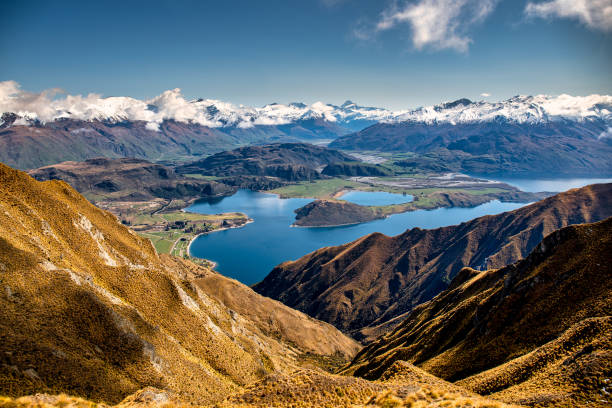
A Long Weekend in New Zealand: Offbeat Plan
Three days still isn’t New Zealand. It’s Auckland’s harbour, a cave system near Waitomo, and a full day of Rotorua’s geothermal weirdness, all inside the North Island, with the South Island and the Cook Strait ferry left for a longer trip. That’s the honest scope of a long weekend here: one region, done deeper, not a country ticked off. Sort your NZeTA and the NZD...
read more
New Zealand Off the Beaten Path: 4 Days
Four days buys you the North Island done properly, not New Zealand done in full, and this route leans into the parts most first-timers skip: WWII gun tunnels under an Auckland volcano, an inner-tube float through Waitomo’s glowworm caves instead of the tour boat, and a smaller Rotorua hangi than the big coach-tour venues run. It skips Hobbiton on purpose. New Zealand, Aotearoa, is two...
read more
New Zealand Off the Beaten Path: 5 Days
Five days on the South Island is where this route lands, and it skips the standard Christchurch-Aoraki-Milford loop for a slower line south through Dunedin’s wildlife coast and the little-visited Catlins, then bases in Te Anau rather than Queenstown for Milford Sound itself, cutting a punishing ten-hour coach day down to about six. New Zealand, Aotearoa, is two islands joined only by the...
read more
New Zealand Off the Beaten Path: 6 Days
Six days still isn’t the whole country, but it’s enough to do the North Island properly and take one real bite of the South instead of skipping it entirely. This route keeps the small stuff most first-timers miss, an inner-tube float through Waitomo instead of the tour boat, a Rotorua hangi at a smaller venue than the coach-tour favourites, then does something most six-day plans...
read more
New Zealand: A Weekend Off the Beaten Path
Two days is not New Zealand. It is one small pocket of Auckland and a single loop south to Waitomo, and this itinerary says so upfront rather than pretending a weekend covers two islands joined only by a three-and-a-half hour ferry crossing. What you actually get: a volcanic-cone view locals use for free, WWII gun tunnels most tourists never find, and a cave system you float through on an inner...
read more
New Zealand: What Most Visitors Miss
New Zealand splits into two islands joined by a ferry crossing most first-draft itineraries budget half an hour for and actually need half a day for. That is the first thing a rushed plan gets wrong; the second is treating the country as Auckland, Rotorua, Queenstown, Milford Sound, done. The regions that get skipped, the Catlins, the Otago Peninsula’s wildlife coast, Wanaka instead of...
read more
One Week in New Zealand: Offbeat Itinerary
Seven days buys you four honest days on the North Island plus a fast, flight-assisted taste of the South, not the whole country done properly. This route runs the same offbeat North Island spine as the shorter versions of this trip, Devonport’s volcano tunnels instead of the Sky Tower, black water rafting instead of the glowworm boat, a small Rotorua hangi instead of the coach-tour venues,...
read more
A Long Weekend in Accra: The Offbeat Plan
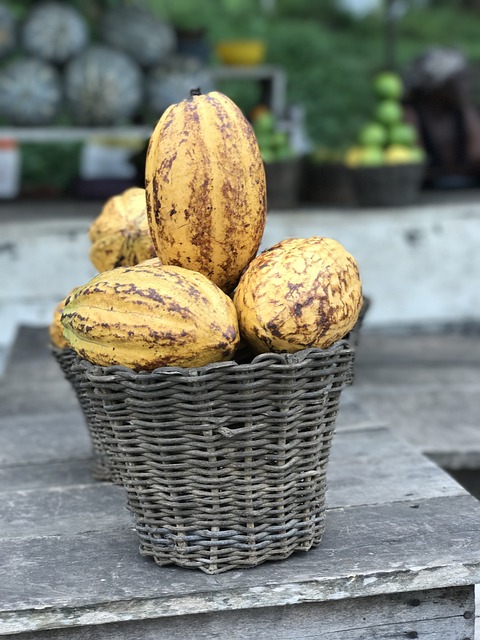
Skip the postcard version of Independence Square for two days and Accra turns into something else entirely: Jamestown’s lighthouse and boxing gyms, murals left over from the Chale Wote festival, a Teshie workshop where coffins get carved into cocoa pods and fishing canoes, and chop bars instead of hotel restaurants. This offbeat 3 day plan keeps that texture for two days, then hands day 3 to...
read more
A Weekend in Accra, Off the Beaten Path
Skip the postcard shot at Independence Square and spend your two days where Accra actually lives: Jamestown’s boxing gyms and striped lighthouse, the fantasy coffin workshops of Teshie and Nungua, Osu’s backstreets past the tourist strip, and a chop bar where the menu is spoken, not printed. Bring cedi, not dollars, and don’t skip the yellow fever certificate.
Day 1 stays in...
read more
Accra Hidden Gems: 9 Unusual Things to Do
Accra is Ghana’s anglophone capital on the Gulf of Guinea, and most first-time visitors cover it in a weekend: the Nkrumah Mausoleum, Makola Market, a plate of jollof in Osu. That itinerary works, but it skips the city most Accra residents actually spend time in. This list goes around those five standard stops toward a Jamestown boxing gym, a coffin workshop in Teshie, and a Volta Lake day...
read more
Accra Off the Beaten Path: 4 Day Itinerary
Accra is the anglophone capital of Ghana, on the Gulf of Guinea, where the cedi (GHS) and an MTN MoMo mobile-money tap do more daily work than cash or card. A yellow-fever vaccination certificate is a hard entry requirement, not a suggestion, and malaria prophylaxis is standard advice for the whole country, Accra included, so sort both with a travel clinic before you fly. Four days is enough to...
read more
Accra Off the Beaten Path: 5 Day Itinerary
Accra is Ghana’s anglophone capital on the Gulf of Guinea, where prices run in cedi (GHS) and a growing share of everyday spending moves through MTN Mobile Money rather than cash alone. A yellow-fever vaccination certificate is a hard entry requirement for essentially every arrival, and malaria prophylaxis is standard advice for the whole country, Accra included, so sort both with a travel...
read more
Accra Off the Beaten Path: 6 Day Itinerary
Accra is the anglophone capital of Ghana, on the Gulf of Guinea, where you pay in cedi (GHS) and increasingly through an MTN MoMo mobile-money tap rather than cash alone. A yellow-fever vaccination certificate is a hard entry requirement, not a suggestion, and malaria prophylaxis is standard advice for the whole country, Accra included, so sort both with a travel clinic before you fly. Six days is...
read more
Accra: What Most Visitors Miss
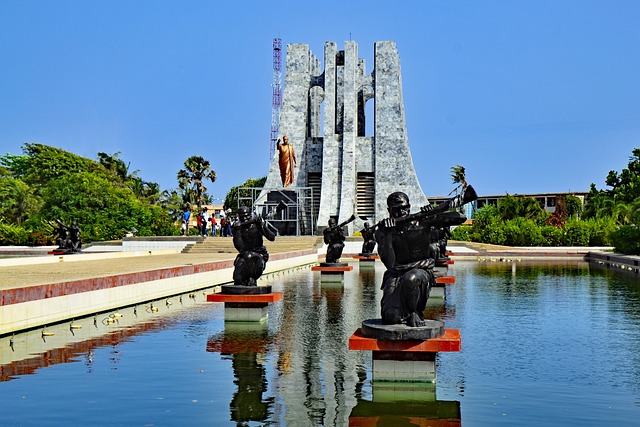
Most Accra itineraries hit the same four stops, the lighthouse in Jamestown, Independence Square, Makola Market, and an afternoon at Labadi Beach, then call it done. That covers maybe half of what Ghana’s capital actually holds for anyone willing to look one street further. Ghana is English-speaking, the currency is the cedi (GHS), and mobile money handles more daily spending than cards do....
read more
One Week in Accra: An Offbeat Itinerary
A full week in Accra only really needs two of those days inside the city itself: Ghana’s anglophone, cedi-and-mobile-money capital rewards a focused hit of Jamestown, the Nkrumah Mausoleum and Osu, then it starts repeating itself. The other five days are where this offbeat plan actually happens: an overnight out to the Cape Coast and Elmina slave-trade castles, still the single standout...
read more
A Long Weekend in Shenzhen: Offbeat Plan
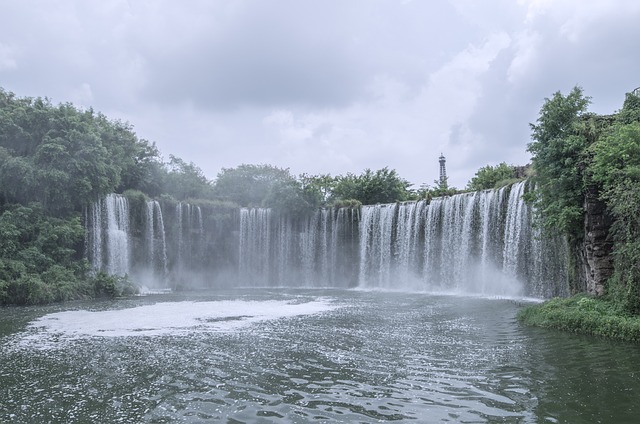
Skip the miniature Eiffel Tower by day and bother with it only after dark, if at all: that is the trade this offbeat 3 day Shenzhen plan makes, swapping the default photo-ops for a free red-brick arts district, a village that turns out more oil paintings than anywhere else on the planet, and a waterfront walk almost no visiting tourist ever takes. Shenzhen is a roughly 17.5 million-person mainland...
read more
A Weekend in Shenzhen, Off the Beaten Path
Shenzhen is a 17.5 million-person tech megacity in mainland China, not a Hong Kong suburb with better skyscrapers: you clear a real border to get here, spend yuan instead of Hong Kong dollars, and pay for almost everything with an Alipay or WeChat Pay QR code, because plenty of vendors barely know what to do with a bare foreign card. A VPN or a routed eSIM is worth setting up before you land,...
read more
One Week in Shenzhen: An Offbeat Itinerary
Shenzhen is a 17.5 million-person tech megacity in mainland China, not a Hong Kong suburb: you clear a real border to reach it, spend yuan rather than Hong Kong dollars, and pay for nearly everything with an Alipay or WeChat Pay QR code, since plenty of vendors barely handle a bare foreign card. Set up a VPN or a routed eSIM before you land, because Google, WhatsApp, and Instagram sit behind the...
read more
Shenzhen Hidden Gems: 9 Unusual Things to Do
Shenzhen runs on RMB, not Hong Kong dollars, even though the border crossing at Luohu is a single metro stop away, and it pays for nearly everything through an Alipay or WeChat QR code rather than cash. Google, WhatsApp and Instagram are blocked without a VPN or a routed eSIM, and the entry rules shifted again in 2024-2026, so check your nationality at nia.gov.cn before booking anything. This is a...
read more
Shenzhen Off the Beaten Path: 4 Days
Four days in Shenzhen means skipping the earnest highlight reel for the odder corners: a village of a few thousand painters mass-producing Van Goghs on demand, an electronics market that reads part night bazaar part sci-fi prop shop, and a beach instead of a fourth theme park. This is mainland China, priced in yuan, not Hong Kong dollars, a roughly 17.5-million-person tech megacity that barely...
read more
Shenzhen Off the Beaten Path: 5 Days
Shenzhen is a 17.5 million-person tech megacity in mainland China, not a Hong Kong suburb: you clear a real border to reach it, spend yuan rather than Hong Kong dollars, and pay for nearly everything with an Alipay or WeChat Pay QR code, since plenty of vendors barely handle a bare foreign card. Set up a VPN or a routed eSIM before you land, because Google, WhatsApp, and Instagram sit behind the...
read more
Shenzhen Off the Beaten Path: 6 Days
Shenzhen is a 17.5 million-person tech megacity in mainland China, not a Hong Kong suburb: you clear a real border to reach it, spend yuan rather than Hong Kong dollars, and pay for nearly everything with an Alipay or WeChat Pay QR code, since plenty of vendors barely handle a bare foreign card. Set up a VPN or a routed eSIM before you land, because Google, WhatsApp, and Instagram sit behind the...
read more
Cave of the Crystals: The Story No One Tells
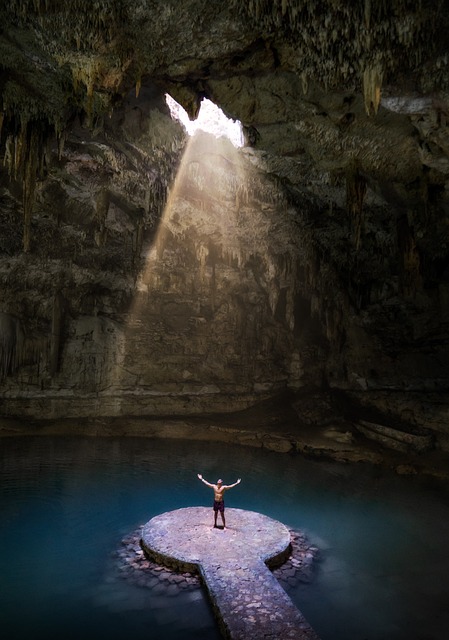
Type “Cave of Crystals Mexico” into a search bar hoping for a way in, and the honest answer is worth hearing before you build a trip around it: you cannot go. The Naica mine in Chihuahua state, owned by Industrias Peñoles , has sat flooded and sealed since 2015, and the chamber was never a public attraction even in the years scientists were allowed inside it. What follows is not a...
read more
Cave of the Crystals: What Visitors Miss
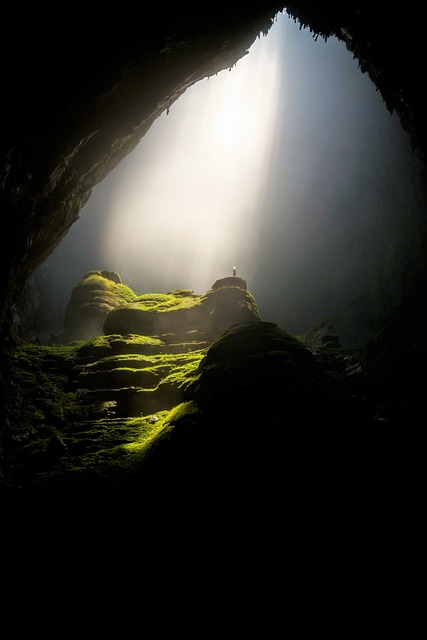
The thing almost nobody mentions about the Cave of the Crystals is that there is no one to visit it. Not tourists, not geologists, not the mining company that owns it. The chamber sits about 300 meters down in Mexico’s Naica mine, lined with selenite beams up to 11 to 12 meters long and an estimated 12 tonnes each, grown over as long as a million years in mineral-rich water a magma body kept...
read more

A Long Weekend in East Timor: Offbeat Plan
Three days in East Timor is enough for one proper Dili day plus a real Atauro overnight, not a rushed crossing that eats the whole trip for a single afternoon on the beach. Timor-Leste has run its own government on the US dollar since splitting from Indonesia on 20 May 2002, so leave the rupiah assumption at home and bring more cash than feels necessary, ATMs thin out fast past the capital and...
read more
A Weekend in East Timor, Off the Beaten Path
Two days in East Timor doesn’t have to mean the same three postcard stops every other guide runs through. Dili alone holds enough overlooked corners, a free climb of roughly 570-590 steps, a market selling textiles with real ceremonial weight, a currency that mints its own centavo coins, to fill 48 hours without ever boarding the Atauro ferry. Timor-Leste has run its own government and its...
read more
East Timor Off the Beaten Path: 4 Days
Four days in East Timor is enough for a proper Dili day, a real Atauro overnight, and a Baucau side trip most itineraries never bother adding. Timor-Leste has run itself on the US dollar since splitting from Indonesia on 20 May 2002, so bring more cash than feels reasonable: ATMs thin out fast past the capital, and there’s none at all on Atauro or in Baucau. It’s frontier travel, not...
read more
East Timor Off the Beaten Path: 5 Days
Five days in East Timor covers the full classic loop: a Dili day, an Atauro overnight, a Baucau side trip, and a fifth day pushing south into the coffee highlands around Maubisse, without turning any single day into a transit slog. Timor-Leste has run itself on the US dollar since splitting from Indonesia on 20 May 2002, so bring more cash than feels reasonable, since ATMs thin out fast once you...
read more
East Timor Off the Beaten Path: 6 Days
Six days in East Timor covers the same classic loop as the five-day version, a Dili day, an Atauro overnight, a Baucau side trip, a Maubisse coffee-highland finish, but works in a second night on Atauro on purpose, since the ferry back to Dili runs only a few days a week on a schedule nobody guarantees. Timor-Leste has run itself on the US dollar since splitting from Indonesia on 20 May 2002 (it...
read more
One Week in East Timor: An Offbeat Itinerary
Seven days in East Timor is the honest ceiling for the classic first-timer route, Dili, an Atauro overnight, Baucau, and a Maubisse coffee-highland finish, with an actual slack day built in rather than a far-east Jaco run or a Ramelau summit push tacked on just because the calendar allows it (that’s the deeper timor-leste lane’s territory). Timor-Leste has run itself on the US dollar...
read more
Timor-Leste: 2 Days on the Wild Side
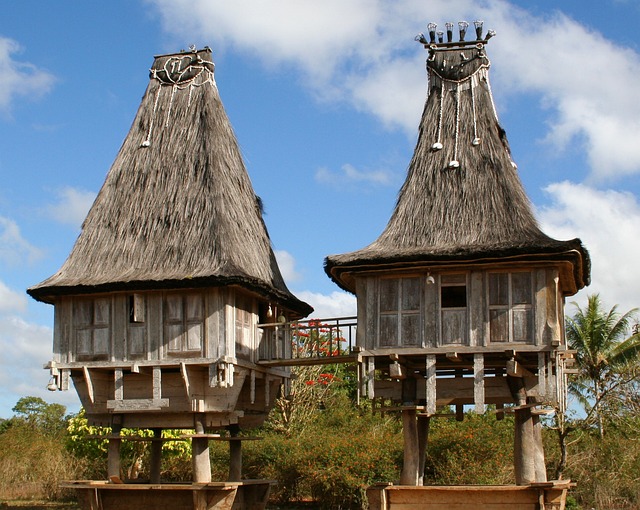
Two days in Timor-Leste is barely enough for one real dive day on Atauro, so this route is built around that trade-off on purpose: trim Dili down to the essentials, book a dive operator’s own speedboat instead of waiting on the public ferry, and spend your one full day on the reef instead of in transit. Timor-Leste has run on the US dollar and its own centavo coins since it broke from...
read more
Timor-Leste: 3 Days on the Wild Side
Three days in Timor-Leste is enough to do the wild-side version of Atauro properly: a full day in Dili first, then two dive days on the island instead of one, reached by the cash-only public ferry instead of a chartered speedboat. Timor-Leste runs on the US dollar, not Indonesian rupiah, and has been independent since 2002, not a province of Indonesia. The WHO certified it malaria-free in July...
read more
Timor-Leste: 4 Days on the Wild Side
Four days on Timor-Leste’s wild side buys exactly two of the country’s best offbeat commitments, an Atauro dive day and the pre-dawn scramble up Mount Ramelau to the Virgin Mary summit statue, not a diluted greatest-hits tour of Dili. Bring US dollars, since that is the currency here, not Indonesian rupiah, and Timor-Leste has been independent since 2002, not Indonesian territory....
read more
Timor-Leste: 5 Days on the Wild Side
Five days on Timor-Leste’s wild side buys the country’s two marquee offbeat commitments, an Atauro dive day and the pre-dawn Ramelau summit climb, plus a genuine head start on the far east: a full day’s 4WD drive from Dili toward Tutuala, overnighting on the edge of Nino Konis Santana National Park instead of turning back. It does not buy the Jaco Island crossing itself, that...
read more
Timor-Leste: 6 Days on the Wild Side
Six days on Timor-Leste’s wild side is the first day count that genuinely finishes the far-east run, not just starts it: an Atauro dive day, the pre-dawn Ramelau summit climb, then the full Dili-Baucau-Lospalos-Tutuala drive out to Jaco Island and back. Bring US dollars, since that’s the currency here, not Indonesian rupiah, and Timor-Leste has been independent since 2002, not...
read more
Timor-Leste: 7 Days on the Wild Side
Seven days on Timor-Leste’s wild side is the fullest single trip this country supports without cutting corners: an Atauro dive day, the pre-dawn Ramelau summit climb, and the complete far-east run to Jaco Island, with a Baucau night built into the return so the week doesn’t end on one bruising 9-hour drive. Bring US dollars, since that’s the currency here, not Indonesian rupiah,...
read more
A Long Weekend in Zanzibar: Offbeat Plan
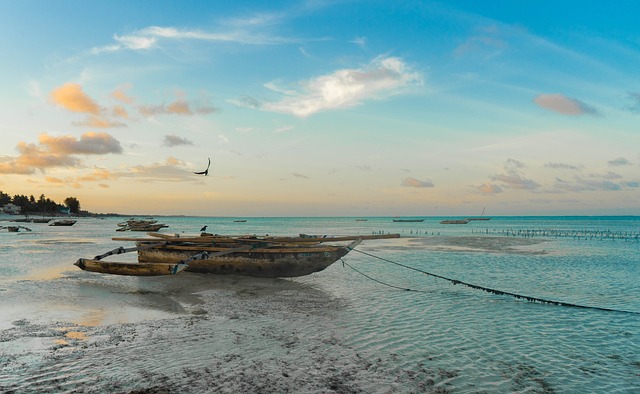
Three days is Stone Town plus one beach, not a tour of the whole archipelago. Day one is the old town and a spice tour; days two and three settle into Paje on the east coast, where seaweed farmers work the tide flats and Jozani’s red colobus monkeys wait in the forest just inland. Shorter trip? See the weekend version ; longer, the 4-day through 7-day plans add a second beach region or...
read more
A Weekend in Zanzibar, Off the Beaten Path
Two days in Zanzibar is not enough to see the archipelago, so don’t try. This weekend stays put in Stone Town and its immediate reach: the alleys, a slave-market memorial handled straight, a spice tour, and a swim at a limestone cave most beach-week visitors never hear about. For the beach days this trip skips, see the 3-day , 4-day , 5-day , 6-day , or 7-day version of this same route, and...
read more
One Week in Zanzibar: An Offbeat Itinerary
A full week in Zanzibar works best split three ways: a day and a half in Stone Town (the House of Wonders has been shut since a 2020 partial collapse, so this route doesn’t queue for it), a few days based in Nungwi in the north, then a coast swap south to Paje instead of parking at one resort for seven straight nights. Even a week doesn’t cover the whole archipelago, Pemba sits out...
read more
Zanzibar Hidden Gems: 9 Unusual Things to Do
Zanzibar’s obvious list is a spice tour, a photo of Forodhani Gardens from the taxi window, and a stop at the House of Wonders that, in 2026, is still shut for restoration. All fine, none of it unusual. Stone Town also holds a Persian bathhouse built for a homesick sultan’s wife, a ruined 19th-century palace with no ticket booth, and a whole second island most week-long trips never...
read more
Zanzibar Off the Beaten Path: 4 Days
Four days in Zanzibar covers both halves of the trip properly: a full day in Stone Town, then three based in Nungwi on the calmer north coast instead of the tide-chasing east. This route skips the shut House of Wonders, adds a half day on Mnemba Atoll, and spends part of a morning in a working boatyard instead of scheduling another spa treatment. Zanzibar is part of Tanzania, not a country of its...
read more
Zanzibar Off the Beaten Path: 5 Days
Five days is enough for Stone Town plus one beach region done properly, not a rushed lap of the whole archipelago. This plan spends a day and a half in Stone Town and the spice farms, then bases in Nungwi on the north coast, where the water swims well at almost any hour, for both of the day trips that actually earn a spot on a Zanzibar itinerary: Mnemba Atoll’s reef and Jozani Forest’s...
read more
Zanzibar Off the Beaten Path: 6 Days
Six days in Zanzibar is enough to drop the standard script: a day and a half in Stone Town, a quiet northeast base for both Mnemba and Jozani, then a deliberate fork to the east coast for a cave swim and a seaweed village most week-long trips skip entirely, closing with the tortoises on Prison Island instead of another resort breakfast. Zanzibar is part of Tanzania, not a country of its own; carry...
read more
A Long Weekend in Fiji: The Offbeat Plan
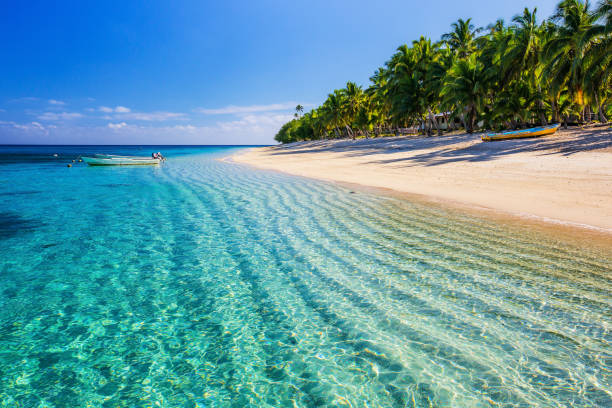
Three days is not enough to sample Fiji’s 300-plus islands, so this plan picks one offbeat pocket near Nadi and enjoys it. Day one trades the resort pool for Nadi’s mud pools and its Hindu temple; day two is a quirky Mamanuca day out; day three is the Coral Coast, a better fit than a rushed Yasawa overnight.
This keeps the same Nadi/Denarau spine as the 2-day plan ; the 4-day through...
read more
A Weekend in Fiji, Off the Beaten Path
Fiji is more than 300 islands, and two days gets you to one base and one boat ride, not a chain of them. The honest move: stay on Nadi/Denarau, skip the closest, busiest Mamanuca day-cruise island, and pick one a little further out instead. For the longer versions of this same loop, see the 3-day , 4-day , 5-day , 6-day , or 7-day itinerary, each one adding a region onto this base.
read more
Fiji Off the Beaten Path: 4 Day Itinerary
Four days in Fiji is not enough to see the archipelago, Tourism Fiji counts 333 islands, other sources round to roughly 330, so this route picks one offbeat lane and commits to it instead of skimming the whole map. Base in Nadi/Denarau, spend day two on a Mamanuca reef cruise, then give days three and four to a Yasawa village hop by public ferry, priced in Fijian dollars, a floating currency, not...
read more
Fiji Off the Beaten Path: 5 Day Itinerary
Five days buys enough time for the Mamanuca day trip most short Fiji trips settle for, plus something the 2-day and 3-day versions of this plan explicitly skip: a genuine two-night Yasawa hop instead of a rushed single night. Base on Denarau for the bookends, spend the middle three days on outer-island time, and don’t book anything tight against the return ferry.
This keeps the same...
read more
Fiji Off the Beaten Path: 6 Day Itinerary
Six days buys a genuine second act on top of the usual Nadi-Mamanuca-Yasawa spine: instead of the Pacific Harbour add-on most six-day trips default to, this route forks to Kadavu, the remotest of Fiji’s 300-plus islands, for one deliberately rushed day. Land at Nadi, cruise to the Mamanucas, spend two nights in the Yasawas, then find out how far “offbeat” stretches in 24 hours....
read more
Fiji: What Most Visitors Miss
Fiji’s postcard image, a swim-up bar twenty minutes from the airport, is real, and it is maybe five percent of the country. This is a nation of 300-plus islands (Tourism Fiji says 333, other counts round to roughly 330, only about 110 are inhabited) running the Fijian dollar, a managed float that actually moves, not the US or Australian dollar it often gets quoted in. Most visitors land at...
read more
One Week in Fiji: An Offbeat Itinerary
Seven days is enough to stop sampling and start choosing. The first four days keep this family’s usual shape: Nadi and Denarau, a Mamanuca cruise, one Yasawa night. The extra three buy Pacific Harbour’s shark dive and a real two-day shot at Kadavu, the remotest stop this whole cluster covers. Compare the 5-day , 6-day , 4-day , 3-day or 2-day versions of this same route, or the Fiji...
read more