Recent Alpaca Travels
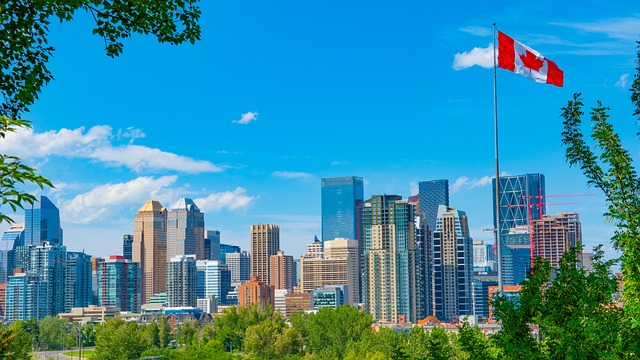
Calgary Hidden Gems: 12 Unusual Things to Do
Calgary gets sold as the doorway to the Rockies, and the mountains are a genuine day trip, Banff sits roughly 1h15 west by car, no train runs there. But Calgary itself is flat prairie at the foothills, not a mountain town, and the currency is the Canadian dollar (CAD, about 1.40 to the US dollar), not euros or greenbacks. The Stampede takes over downtown for exactly 10 days each July and nothing...
read more
Calgary Off the Beaten Path: 4 Day Itinerary
Four days pairs Calgary’s oddest downtown corners with an actual Rockies day trip instead of forcing a choice between them. Day 1 works downtown’s strangest angles: an indoor skywalk maze, a red pedestrian bridge, a fourth-floor rainforest, and a blue steel ring locals still argue about. Day 2 crosses the river for Inglewood’s Music Mile, Kensington, and a standing wave that...
read more
Calgary Off the Beaten Path: 5 Day Itinerary
Five days in Calgary earns room for the properly odd stuff, not just the postcard list: a giant wire-mesh head and a twisted red bridge on day one, Inglewood’s antique row, Kensington’s shop-lined strip and a landlocked river-surfing wave on day two, Heritage Park’s steam trains paired with a quiet, forgotten rock garden on day three, a full Banff and Lake Louise day west on day...
read more
Calgary Off the Beaten Path: 6 Day Itinerary
Six days keeps the 3 day long weekend intact: downtown’s odd angles, Inglewood and Kensington, then Heritage Park’s antique midway paired with the free Reader Rock Garden instead of a choice between them. Day 4 adds the marquee Rockies day trip to Banff and Lake Louise, roughly 1h15 to 2 hours west by car, since no rail line reaches either. Day 5 picks a second day trip, Kananaskis or...
read more
One Week in Calgary: An Offbeat Itinerary
A full week in Calgary only works if you accept what the city actually is: three days deep in its strangest corners, then four spent treating Calgary as a base for the Rockies rather than pretending the mountains sit downtown. The currency is the Canadian Dollar (CAD), running roughly 1.40 to the US dollar through 2026, and Calgary itself is a prairie city at the Rockies’ foothills, not a...
read more
A Long Weekend in Lima: The Offbeat Plan
Three days is enough to skip Lima’s standard checklist: odd angles on Miraflores instead of the postcard shots, an afternoon in Barranco and the Centro’s catacombs rather than another plaza photo, and a final day built around the Larco Museum’s erotic gallery and a proper Chifa or Nikkei meal. Lima runs on the Peruvian sol (PEN), trading at roughly S/3.38-3.41 per US dollar in...
read more
A Weekend in Lima, Off the Beaten Path
Two days in Lima works better sideways than head-on: skip the Machu Picchu detour entirely, since that ruin sits a separate flight and multi-day trip away in Cusco, and spend the time on a pre-Inca pyramid sitting mid-block in Miraflores, a park full of camera-ready stray cats, and a wooden footbridge with a local wish-making legend in Barranco. Prices run in Peruvian soles (PEN), roughly...
read more
Lima Hidden Gems: 12 Unusual Things to Do
Lima runs on the sol, roughly S/3.40 to the dollar, sits flat on desert cliffs at sea level with no altitude to worry about, and has quietly become one of the planet’s best food cities, Central and Maido both hold recent World’s 50 Best rankings. Most visitors do Plaza Mayor, Larcomar, and a ceviche lunch, then call it done. Twelve things past that list, some tucked inside...
read more
Lima Off the Beaten Path: 4 Day Itinerary
Four days in Lima is enough to do the standard Miraflores-to-Larco loop properly and still swap in one genuinely offbeat day: a guided walk through Callao Monumental’s restored, mural-covered blocks instead of a second pass through Larcomar. Lima runs on the sol (PEN), roughly 3.38-3.41 per US dollar in 2026, and sits flat at sea level, so there’s no altitude to plan around here,...
read more
Lima Off the Beaten Path: 5 Day Itinerary
Five days in Lima covers the walkable Miraflores-Barranco-Centro core, a half-day with the Larco Museum’s pre-Columbian ceramics, and then forces Day 5’s real decision: an overland push south to Paracas for the Islas Ballestas’ sea lions, penguins and cormorant colonies, sometimes billed as the poor man’s Galapagos, or a slower, deeper dive into Lima’s own ceviche...
read more
Lima Off the Beaten Path: 6 Day Itinerary
Six days in Lima is enough to go well past the standard Miraflores-to-Larco loop: a guided morning through Callao Monumental’s mural-covered blocks, a genuinely long day out to Paracas and the Islas Ballestas, and a closing day built around Chorrillos’ fishing pier, a Barrio Chino market crawl, and Barranco’s quieter Museo Pedro de Osma rather than a second pass through a museum...
read more
Lima: What Most Visitors Miss
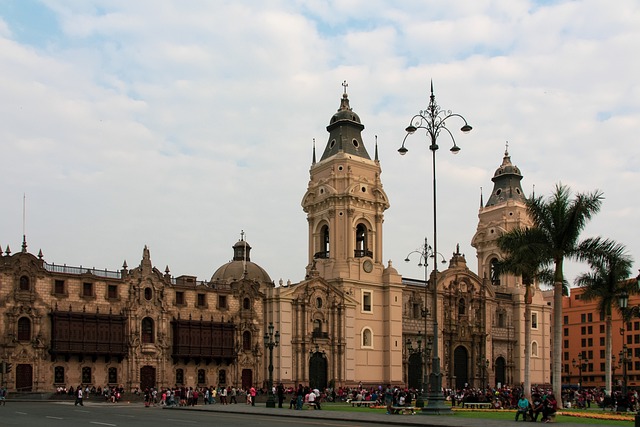
Lima splits into six barrios that read nothing alike, and most trips only ever see the postcard version of two of them. Miraflores means clifftop parks and Larcomar; Barranco means one bridge and a quick photo. The sol runs roughly 3.38 to 3.41 per dollar, the city sits flat at sea level with zero altitude to plan around, and the food scene has landed two restaurants on the World’s 50 Best...
read more
One Week in Lima: An Offbeat Itinerary
Seven days in Lima is enough to cover the city properly without padding: the usual Miraflores-to-Larco run, the two bigger day trips shorter visits skip, and a fuller pass through Chorrillos, Barrio Chino, and the colonial-art rooms at Museo Pedro de Osma that most itineraries never reach. Lima runs on the sol (PEN), roughly S/3.38-3.41 per US dollar in 2026, and sits flat at sea level, no...
read more
A Long Weekend Around Santiago Chile
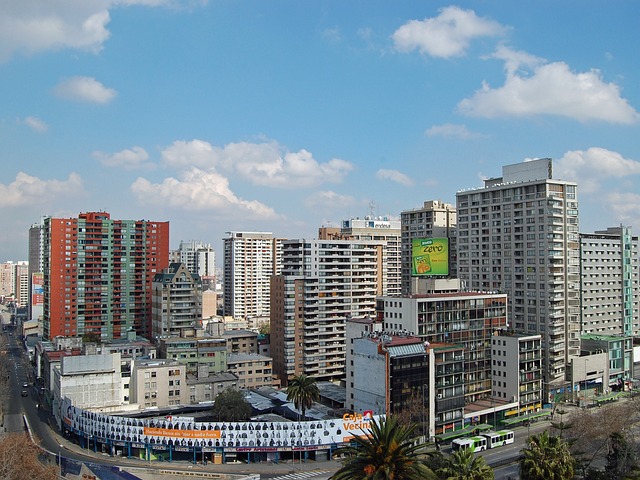
A Long Weekend Around Santiago Chile Three days in Santiago Chile point outward from day one: a light city anchor, then a wine day that skips the tour bus Maipo circuit for Casablanca’s cooler climate valleys instead, then Cajon del Maipo’s El Yeso reservoir and canyon hot springs to close. Two days here is one region day trip stitched to the anchor; three slides Casablanca in as day...
read more
A Long Weekend in Santiago Offbeat
A Long Weekend in Santiago Offbeat Three days keeps the 2-day weekend whole: Centro’s odd corners on day one, Cerro San Cristobal and Bellavista’s street art on day two. Day three adds Lastarria, Barrio Italia’s design workshops and the free Museum of Memory, with the sprawling Cementerio General as a bonus stop if the museum doesn’t run long. Santiago de Chile sits at just...
read more
A Weekend Around Santiago Chile
Two days around Santiago Chile is enough for exactly one city morning and one real day trip, not more, so this version keeps day one short on purpose and hands day two to the cooler-climate Casablanca Valley instead of the Concha y Toro coach run everybody else books. Need more room to spread out? Try the 3-day , 4-day , 5-day , 6-day , or 7-day version, same spine, more legs.
read more
A Weekend in Santiago Offbeat
Two days in Santiago goes further without a checklist: skip the rush past every sight and follow the odd details instead, a presidential palace that started out as a literal mint, a hilltop park that used to be a garbage-strewn rock, and a cliff railway climbing a hill most first-timers only see from a car window. Prices run in Chilean pesos, roughly CLP 925-950 to the US dollar, and Santiago sits...
read more
One Week in Santiago Chile: Wine and Andes
Seven days turns Santiago Chile into a full region loop rather than one day trip bolted onto a city stay: Casablanca’s cooler wine instead of the usual Maipo bus circuit, Cajon del Maipo’s El Yeso reservoir and roadside hot springs, Valparaiso’s funiculars and street art, then a pairing most itineraries never make, Isla Negra with Pomaire’s pottery stalls in one long day,...
read more
One Week in Santiago: An Offbeat Itinerary
Seven days in Santiago rewards a visitor willing to skip the postcard route and follow the odd corners instead: a presidential palace whose name literally means “the mint,” a hilltop park built over what used to be a barren, garbage-strewn rock, and a street art neighborhood most first-timers never hear the name of. Prices run in Chilean pesos, roughly CLP 925-950 to the US dollar, and...
read more
Santiago Chile Day Trips: 4 Days
Four days is enough to treat Santiago as a launchpad rather than the destination: one short city lap, then three actual day trips into the Chilean peso economy that surrounds it, roughly 925-950 CLP per US dollar as of this writing. The pattern here skips Concha y Toro’s coach-tour crowds for Casablanca’s smaller cellar doors, trades a generic Andes photo op for El Yeso’s oddly...
read more
Santiago Chile Day Trips: 5 Days
Five days around Santiago Chile is enough room for wine, the Andes, and the coast without rushing any one of them: a light city anchor, then Casablanca’s cooler-climate wine, Cajon del Maipo’s El Yeso reservoir, a full Valparaiso day with its funiculars and street art, then Pomaire’s pottery workshops folded into a coastal run out to Isla Negra. This is Santiago de Chile, not...
read more
Santiago Chile Day Trips: 6 Days
Santiago works best as a base for this trip, not a checklist inside it: six days here spends only the first day in the city itself and the other five radiating out to the Casablanca vineyards, the Cajon del Maipo hot springs, the Valparaiso hillsides, the coast at Isla Negra, the pottery town of Pomaire, and a Day 6 that flips entirely depending on the month. Pay in Chilean pesos (CLP), roughly...
read more
Santiago Chile: Offbeat Day Trips Nearby
Ask a Santiago hotel desk for a day trip and the answer is always the same: a coach to Concha y Toro, then a rushed loop through Valparaiso before the bus back. Both are worth doing once. Neither is odd. The stranger version of this region swaps the crowded Maipo pour for Casablanca’s cooler-climate wineries, trades the standard coastal loop for Isla Negra’s strangest Neruda house, and...
read more
Santiago Chile: What Most Visitors Miss
Most Santiago Chile itineraries repeat the same three moves: a Concha y Toro coach through Maipo, a rushed Valparaiso day that never leaves the bus window, and one photo at La Chascona before flying home. None of that is wrong, it just leaves the more interesting half of the region untouched. Barrio Italia’s workshop blocks sit one comuna over from Bellavista’s noise, Casablanca pours...
read more
Santiago Hidden Gems: Unusual Things to Do
Santiago’s postcard shots, the Virgin statue on Cerro San Cristobal, the glass floor at Sky Costanera, cover maybe half the city. The other half sits a few blocks off that route: a cemetery where a socialist president rests within a few streets of the families who backed the government that overthrew him, a museum built entirely around what happened here between 1973 and 1990, and a fish...
read more
Santiago Off the Beaten Path: 4 Days
Four days is enough to work through Santiago’s odd corners rather than its postcard shots: a hillside stacked with follies instead of another viewpoint, a cemetery where a president rests among the families who backed his overthrow, and a private museum charging a nominal CLP 1,000 that most itineraries skip. This is Santiago de Chile, sitting at a modest 520m, nowhere near the altitude that...
read more
Santiago Off the Beaten Path: 5 Days
Five days in Santiago earns the detours a shorter trip skips: a president’s grave a few streets from the families who backed his overthrow, a fish market that outworks the tourist stalls across the river, and a mural district most visitors never reach. Prices run in Chilean pesos, roughly CLP 925-950 to the US dollar in 2026. Santiago sits around 520m, well inland with no coast in reach,...
read more
Santiago Off the Beaten Path: 6 Days
Santiago Off the Beaten Path: 6 Days Six days keeps the 2-day weekend and 3-day long weekend whole, Centro, Cerro San Cristobal, Bellavista, Lastarria, Barrio Italia and the Museum of Memory, then stretches further out. Day four adds Sky Costanera and the Precolombino, day five trades the tourist markets for La Vega, Franklin and Barrio Brasil’s murals, and day six slows down before a...
read more
A Long Weekend in Tunisia: The Offbeat Plan
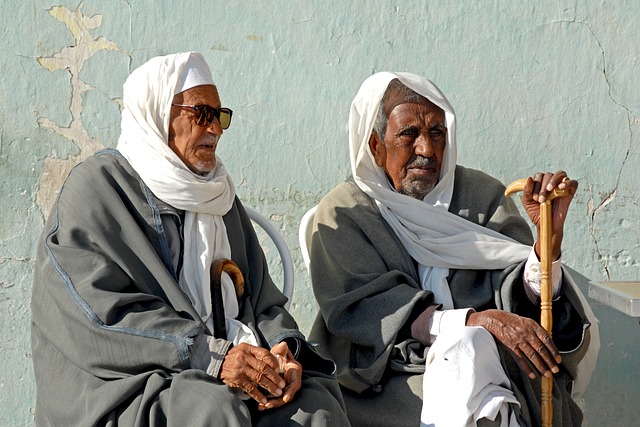
Most 3-day Tunisia plans pad the third day with a Hammamet beach afternoon. Skip it. Spend day one in Tunis Medina and the Bardo’s mosaic halls, day two riding the TGM out to Carthage’s scattered ruins and Sidi Bou Said’s clifftop lanes, then trade the sunbed for El Jem, where you can actually climb down into the amphitheatre’s underground chambers most coach tours never...
read more
A Weekend in Tunisia, Off the Beaten Path
Two days in Tunisia is really two days in Tunis and its suburbs, and any itinerary claiming more than that is overselling itself. You will pay in Tunisian dinar, a closed currency you cannot buy before landing, so budget for an airport ATM run and keep the exchange receipt for reconverting leftovers at departure. Spring and autumn beat the summer heat here too. The whole loop, Tunis, Carthage,...
read more
One Week in Tunisia: An Offbeat Itinerary
A full week is what it actually takes to run Tunisia’s entire Tatooine scavenger hunt without turning it into a single exhausting day: Lucasfilm scattered its sets across three separate locations, Matmata’s cave homestead, the fortified ghorfa granary at Ksar Ouled Soltane near Tataouine, and the Mos Espa and Ong Jemel cluster near Tozeur, none of them within an easy drive of the other...
read more
Tunisia Off the Beaten Path: 4 Day Itinerary
Four days in Tunisia takes the offbeat weekend and pushes it one stop further: two days around Tunis and its suburbs, a third going underground at El Jem instead of padding the schedule with a beach afternoon, then a fourth relocating to the Sahel coast for Monastir’s ribat over Sousse’s polished, souvenir-heavy version next door. The dinar (TND) is a closed, non-convertible currency,...
read more
Tunisia Off the Beaten Path: 5 Day Itinerary
Five days covers Tunisia’s north and centre loop, Tunis and the Bardo mosaics, Carthage’s scattered ruins, Sidi Bou Said, El Jem’s amphitheatre, the Sousse coast, then forces the trip’s real decision on Day 5: push south to Tozeur for the Chott el Djerid salt flat and the scattered Mos Espa and Ong Jemel Star Wars sets, or stay coastal on Djerba. Pay in Tunisian dinar (TND,...
read more
Tunisia Off the Beaten Path: 6 Day Itinerary
Six days turns the back half of a Tunisia loop into an actual scavenger hunt: Lucasfilm scattered its Tatooine sets across the south, so Matmata’s underground Lars homestead and the Mos Espa and Ong Jemel cluster near Tozeur sit roughly two hours fifteen apart, not one convenient stop. Pay for everything in Tunisian dinar, a closed currency you cannot buy before landing, change cash on...
read more
A Weekend Beyond Washington DC
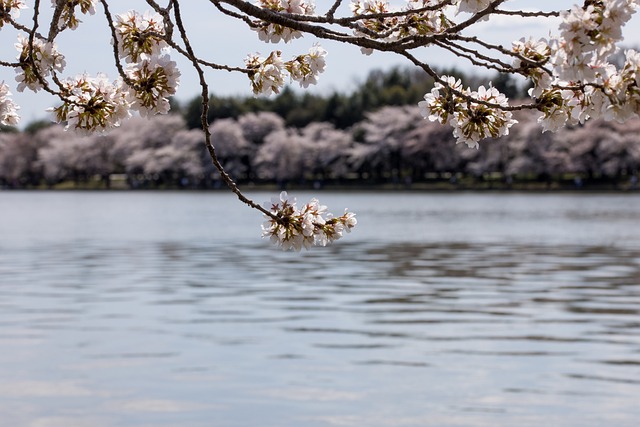
Two days is barely enough for the marble-and-museums version of Washington DC, so this plan treats the city as a launchpad instead: one deliberately light day on the Mall, then a full escape across the Potomac to Old Town Alexandria’s cobblestone waterfront. Everything runs in USD, and this particular pairing is DC’s only genuinely car-free weekend, no rental, no tour bus, just Metro,...
read more
Beyond DC: 3 Offbeat Days
Three days is enough to treat DC as a launchpad instead of a checklist. Day 1 is a brief, deliberately light anchor on the Mall, save the full monument crawl for a dedicated DC-city trip. Day 2 crosses the Potomac to Old Town Alexandria’s cobblestone waterfront. Day 3 goes 16 miles south to Mount Vernon, George Washington’s actual working estate and tomb, a $30 paid site, not a free...
read more
DC Day Trips: 8 Offbeat Escapes
Most Washington DC trip planning stops at the district line, which means most visitors skip the actual oddities sitting one to two hours past it: an overlook where three states line up in a single glance, a Founding Father’s estate that’s also a working farm built around his own tomb, and a military academy the Metro flatly refuses to reach. Eight escapes below, priced in 2026 dollars,...
read more
Five Offbeat Days Beyond DC
Most five-day Washington DC plans spend all five days inside the same three-mile Mall strip, circling back to a monument you already photographed on day one. This route does not. Day 1 covers the core once, properly, then the itinerary breaks outward: Old Town Alexandria’s cobblestones, George Washington’s actual working farm at Mount Vernon, a bus out to Annapolis for the Naval...
read more
Four Offbeat Days Beyond DC
Four Days Where Only the First Stays in DC Four days is enough to treat Washington DC as a launchpad rather than the whole trip. Day one covers the city itself, briefly; the other three leave it entirely, and that is the point. Old Town Alexandria is the easy add, a Metro ride away. Mount Vernon is the $30 estate George Washington actually lived on, distinct from the free monument on the Mall that...
read more
One Week Beyond Washington DC
Seven days is enough to stop treating Washington DC as one city and start treating it as a base for a much odder week. One day covers the Mall properly; the other six fan out into Virginia, Maryland, Pennsylvania, and West Virginia, entirely in US dollars. Days 1 through 5 run car-free on Metro, a seasonal water taxi, a direct bus, and a train. Day 6 forks between a car-only gorge and a once-daily...
read more
Six Offbeat Days Beyond DC
Washington DC gets one anchor day here; the other five belong to the region around it. Prices run in USD throughout. Alexandria and Baltimore need nothing but a SmarTrip card or a MARC ticket; Mount Vernon adds a seasonal riverboat as a car-free option; Annapolis and Great Falls are the two legs where a car, a rideshare, or an organized tour genuinely becomes necessary rather than optional. Spring...
read more
A Long Weekend in Innsbruck Offbeat
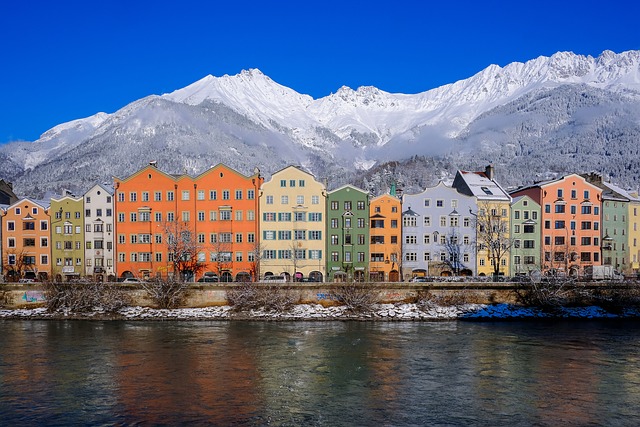
A Long Weekend in Innsbruck Offbeat Three days keeps the 2-day weekend whole: the Altstadt’s empty tomb and stone giants on day one, the Nordkette’s quieter shoulder at Seegrube on day two. Day three adds Schloss Ambras’s cabinet of curiosities and the Bergisel ski jump tower, a Habsburg-to-Olympics pairing that fits into one unhurried afternoon. Stretch to 4 days for a Stubai...
read more
A Weekend in Innsbruck the Slow Way
Most two-day Innsbruck trips make the same move: straight up to Hafelekar for the summit photo, then a rushed half-day out to Wattens for Swarovski Crystal Worlds, a manufactured 1995 attraction 15-20km from town that has little to do with Tyrol itself. Do it slower instead. Spend day one on foot in the Altstadt, tracking down an empty imperial tomb and a pair of stone giants most visitors walk...
read more
Five Slow Days in Innsbruck
Five days in Innsbruck is enough to slow all the way down: an empty imperial tomb and a pair of stone giants on day one, Seegrube over the Hafelekar crowd on day two, Bergisel and Schloss Ambras on day three, a full Stubai Glacier day instead of a rushed Swarovski dash on day four, and a genuinely open fifth day for whichever odd corner of Tyrol appeals most. Innsbruck is the capital of Tyrol, not...
read more
Four Offbeat Days in Innsbruck
Four days in Innsbruck is enough time to do the obvious things properly and still add the two picks most visitors skip: Wilten’s stone giants and a full day at the Stubai Glacier instead of a rushed dash to Swarovski Crystal Worlds in Wattens. Innsbruck is the capital of Tyrol, not Austria (that’s Vienna, roughly four hours east by rail), and the currency is the euro throughout. The...
read more
Innsbruck Hidden Gems: 8 Odd Finds
Innsbruck is the capital of Tyrol, not Austria, Vienna holds that title, a good four hours east by train, and it spends euros like every other Austrian city. Most visitors ride the Nordkette straight to Hafelekar, snap the summit photo, and call the offbeat box checked. Fair enough, the ride itself is real: a historic city center to a 2,256 meter alpine summit in about 20 minutes, still one of the...
read more
One Week in Innsbruck Offbeat
Seven days is enough to stop skimming Innsbruck and start finding what a two-day crowd misses entirely: an empty imperial tomb, a pair of stone giants at Wilten, Seegrube’s view without the Hafelekar queue, a full Stubai Glacier day instead of a rushed Swarovski dash, Hall in Tirol’s old mint town, and a genuinely open closing day for whatever the rest of the week didn’t reach....
read more
Six Offbeat Days in Innsbruck
Six days is enough room to stop treating the Nordkette as a one-and-done photo stop and Wattens’ Swarovski Crystal Worlds as an automatic add-on. This plan keeps the 4-day itinerary’s spine (the Altstadt’s empty imperial tomb, Wilten’s stone giants, Seegrube over the Hafelekar crowd, a full Stubai Glacier day) and spends the extra two days on the picks most visitors never...
read more
A Long Weekend in Belgrade: History Way
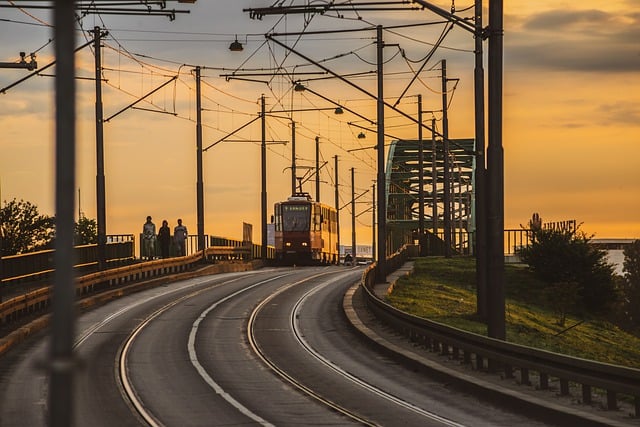
Three days in Belgrade’s history quarter keeps the fortress, the dome and the golden sphere from the two-day plan, then adds a Novi Beograd afternoon among the Brutalist blocks the splav-barge crowd never bothers crossing the river for. The trade is worth it: an underground tunnel network most first-time visitors never learn to look for, an inventor’s ashes locked inside gold rather...
read more
A Weekend in Belgrade, the History Way
Two days in Belgrade’s history quarter means picking the fortress, the dome and the museum over the splav barges, and the trade is worth it: Kalemegdan’s stacked underground layers, a free Saint Sava crypt, and Tesla’s ashes locked inside a gold sphere out-weird almost anything else on offer here. Belgrade still has no metro, so base in Stari Grad and ride the free bus, tram or...
read more