Recent Alpaca Travels
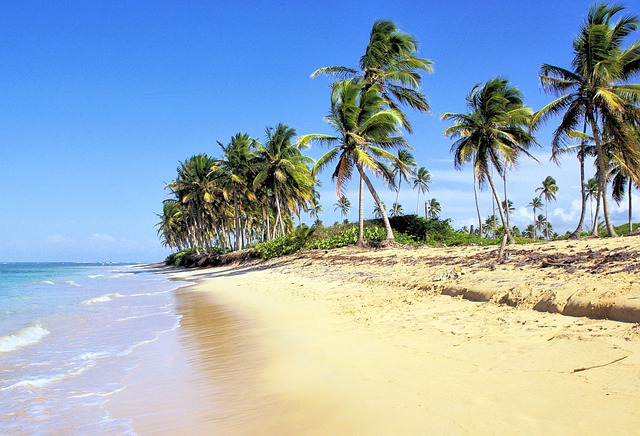
The DR Off the Beaten Path: 4 Day Itinerary
The peso (DOP) is the only official currency, running roughly 58-59 to the US dollar in mid-2026 after starting the year near 64, though tourism-zone prices show up in dollars regardless. Four days stretches from Santo Domingo’s colonial core to Isla Saona to a first, rushed taste of Samana, proof the country is bigger than a Punta Cana all-inclusive stay even on a short trip. Dry season...
read more
The DR Off the Beaten Path: 5 Day Itinerary
Pesos (DOP) run roughly 58-59 to the dollar in mid-2026, quoted alongside USD prices at nearly every tour desk and resort. Five days is the point where Samana stops being a rushed add-on: Santo Domingo, Isla Saona, and a full day for El Limon, Los Haitises’ mangrove caves, or the humpback whales if the calendar lands mid-January to late March, all considerably more distinctive than another...
read more
The DR Off the Beaten Path: 6 Day Itinerary
The Dominican peso (DOP) trades around 58-59 to the US dollar this July, a genuine strengthening from a January 2026 high near 64; tourism prices still run in dollars regardless. Six days is Santo Domingo, Isla Saona, a full Samana day, and a first push into the north coast’s 27 Charcos canyoning circuit near Puerto Plata, a genuinely different country than the one a Punta Cana-only trip...
read more
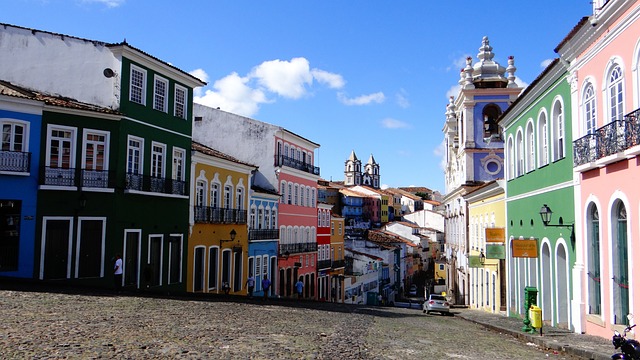
A Long Weekend in Salvador: The Offbeat Plan
Three days builds on the 2-day plan , the Pelourinho core plus Porto da Barra, and adds a full day out on the Bay of All Saints. It still isn’t Morro de Sao Paulo territory, that island wants an overnight, so it stays reserved for the 5-day and longer versions.
Book these before you go:
A Barra or Rio Vermelho hotel : beachfront and well-lit over the Pelourinho A guided Pelourinho heritage...
read more
A Weekend in Salvador, Off the Beaten Path
Two days is the honest, no-pretending version of Salvador: the Pelourinho core with its fita ribbons and capoeira circles on day one, Porto da Barra and the coast on day two. It skips Morro de Sao Paulo entirely, that island needs an overnight to be worth the ferry, and it belongs to the 5-day and 7-day versions instead.
Book these before you go:
A Barra or Rio Vermelho hotel : well-lit and...
read more
One Week in Salvador: An Offbeat Itinerary
A full week keeps the 6-day plan intact through the Morro de Sao Paulo round trip, then adds a seventh day north at Praia do Forte’s sea-turtle center before you fly out. If a week feels like too much, the honest short version is the 2-day plan , Pelourinho and Porto da Barra only.
Book these before you go:
A Barra or Rio Vermelho hotel for the city nights The Morro de Sao Paulo catamaran...
read more
Salvador Hidden Gems: 9 Unusual Things to Do
Salvador spends most of its postcard budget on the gold-leaf interior of Igreja de Sao Francisco, except that church has been closed since a ceiling collapse killed a visitor in February 2025, and it is not due back until roughly 2029. The city’s real draw sits one layer under the postcard anyway: Candomble terreiros, real capoeira rodas, Olodum’s samba-reggae drumming, and the fita...
read more
Salvador Off Beaten Path: 4 Day Itinerary
Four days keeps the 3-day plan intact, Pelourinho, Porto da Barra, the Bay of All Saints schooner, and adds a fourth day chasing Salvador’s odd angles: a real capoeira academy, Olodum’s free rehearsal, and Itapua’s quieter sand. Morro de Sao Paulo still doesn’t fit; that’s the 5-day version’s job.
Book these before you go:
A Barra or Rio Vermelho hotel :...
read more
Salvador Off Beaten Path: 5 Day Itinerary
Five days keeps the 4-day plan intact, Pelourinho, Porto da Barra, the schooner, and a capoeira academy day, then spends day five getting out to Morro de Sao Paulo, the car-free island where wheelbarrow porters run the luggage. It’s a one-way trip out only; the 6-day version brings you back.
Book these before you go:
A Barra or Rio Vermelho hotel for the city nights, well-lit over the...
read more
Salvador Off Beaten Path: 6 Day Itinerary
Six days keeps the 5-day plan intact through the catamaran out, then gives Morro de Sao Paulo a full day and the catamaran back, instead of leaving you stranded on the island. The 7-day version adds one more day north at Praia do Forte.
Book these before you go:
A Barra or Rio Vermelho hotel for the city nights The Bay of All Saints schooner tour for day 3 The Morro de Sao Paulo catamaran both...
read more
A Long Weekend in Jogja: The Offbeat Plan
Three Days, Two Temples, and a Hilltop Sunset Most Visitors Skip Three days extends the 2-day city-and-Borobudur plan with Prambanan’s Hindu spires and Ratu Boko’s hilltop sunset, a better close to a temple day than fighting the crowd for the Ramayana Ballet. The 4-day itinerary adds Jomblang Cave’s abseil on top of this same route.
Book these before you go:
Borobudur’s...
read more
A Weekend in Jogja, Off the Beaten Path
Two Days, One City, One Underground Mosque Two days is enough for an honest slice of Yogyakarta, not a rushed sample of everything: the Kraton and Taman Sari’s hidden tunnels on day one, Borobudur on day two. This is the compressed version of the family; the 3-day itinerary adds Prambanan and a Ratu Boko sunset, and the 7-day itinerary works in Jomblang Cave, Kotagede, and a Merapi jeep tour...
read more
Jogja Hidden Gems: 7 Unusual Things to Do
The Cave Under Yogyakarta Has Its Own Beam of Daylight Yogyakarta sits on the island of Java, not Bali, a mix-up worth killing before it spreads any further into your packing list. Prices run in Indonesian rupiah, thousands to hundreds of thousands at a time, at roughly 17,900 to 18,000 IDR to the US dollar in 2026. The city anchors two separate UNESCO temples, Borobudur (Buddhist) and Prambanan...
read more
Jogja Off the Beaten Path: 4 Day Itinerary
Four Days, and a Sinkhole With a Beam of Light Inside It Four days keeps the 3-day city-and-temples route intact and adds Jomblang Cave, a vertical sinkhole an hour and a half out where sunlight drops through the opening like a spotlight around midday. It’s the first genuinely offbeat day in this family, past the two headline temples. The 5-day itinerary adds Kotagede’s silver district...
read more
Jogja Off the Beaten Path: 5 Day Itinerary
Five Days, and a Silver District Older Than the City Itself Five days keeps the 4-day route through the temples and Jomblang Cave, then adds a free day in Kotagede, the working silver district that predates Yogyakarta itself, and a walk along the 2023-listed Cosmological Axis. The 6-day itinerary adds Prambanan’s near-empty twin temple on top of this.
Book these before you go:...
read more
Jogja Off the Beaten Path: 6 Day Itinerary
Six Days, and a Twin Temple Nobody Queues For Six days keeps the 5-day route through the temples, Jomblang Cave, and Kotagede, then adds a sixth day pairing Plaosan, a ninth-century twin candi a fraction of Prambanan’s crowd size, with an afternoon at Parangtritis Beach. The 7-day itinerary closes the week with a Merapi jeep tour on top of this.
Book these before you go:
Borobudur’s...
read more
One Week in Jogja: An Offbeat Itinerary
Seven Days Is Long Enough for Both Volcanoes and Caves A week is the sweet spot in Yogyakarta: long enough to fit both Merapi’s jeep lava tour and Jomblang Cave’s abseil without forcing a choice between them, on top of the two headline temples, Kotagede’s silver district, and Plaosan’s quiet twin candi. This extends the 6-day route with a closing Merapi day.
Book these...
read more
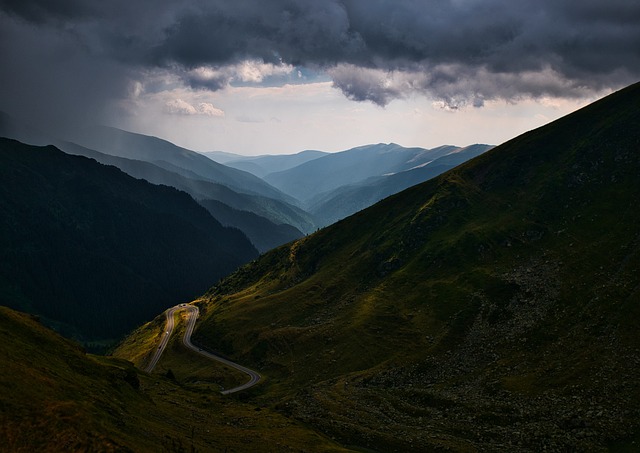
A Long Weekend in Bucharest: An Offbeat Plan
Three days in Bucharest takes the same Palace of Parliament and Revolution Square spine as a shorter trip and adds a third day for the city’s quieter, odder corners: Cismigiu Gardens, the Belle Epoque stretch of Calea Victoriei, and the free ruins at Curtea Veche. This is still a city-only trip, no Transylvania, no rushed castle day. Prefer a shorter or longer version? See the 2-day or 5-day...
read more
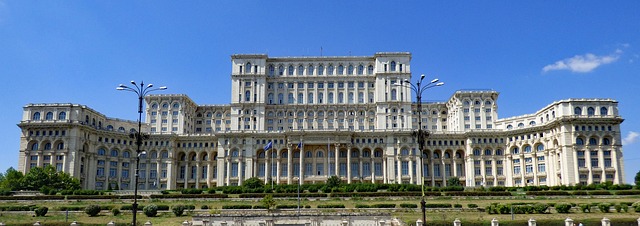
A Long Weekend in Bucharest: To the Castles
Three days keeps the same Bucharest-and-Sinaia base as the 2-day version and adds one long day trip north to Bran Castle and Brasov, a 12 hour round trip that will not feel relaxed. It is still cheaper and simpler than the alternative: skipping Transylvania’s marquee castle entirely. The 4-day itinerary turns this same day into an overnight instead, if a rushed third day sounds like the...
read more
A Weekend in Bucharest, Castle Bound
Two days is a rushed but honest version of this trip: one night in Bucharest’s Old Town, then a full day at Sinaia’s Peles and Pelisor castles before flying out that evening. It skips Bran and Brasov entirely. For the calmer pace that adds them, see the 3-day through 7-day versions of this same route.
Book these before you go
Peles Castle timed entry slot at bilete.peles.ro, the daily...
read more
A Weekend in Bucharest, Off the Beaten Path
Two days in Bucharest is enough for the city’s one unmissable oddity plus its darkest history, nothing more. Day one is the Palace of Parliament and the Old Town, day two is Revolution Square and the Village Museum. Skip Transylvania entirely this trip, there is no time, and this route does not try to squeeze a castle in anyway. Longer stays get their own 3-day and 7-day versions of this...
read more
Bucharest Hidden Gems: 7 Castle Day Trips
Bucharest is the landing pad, not the postcard. You touch down at Otopeni, spend a night in the Old Town, and pay in lei, RON, never euros, even though Romania sits fully inside Schengen since January 2025 and has been an EU member since 2007. The actual draw is two to six hours north: Peles Castle’s overstuffed royal rooms, Bran Castle wearing a Dracula story it never earned, and...
read more
Bucharest Hidden Gems: 9 Odd Things to Do
Bucharest pays in lei (RON), not euros, despite sitting inside the EU and full Schengen since January 2025. That single fact trips up more visitors than anything else. The city itself, not the Transylvanian castles two hours north, is the point of this guide: a Cold War palace so big it needs its own basement tour, a square where a dictator’s speech turned into his downfall, and a museum...
read more
Bucharest Off Beaten Path: 4 Day Itinerary
Four days in Bucharest takes the 3-day city spine, Palace of Parliament, Revolution Square, Cismigiu and Curtea Veche, and adds a full day at Therme Bucuresti, the mega thermal spa outside the city, as a genuine break from monuments. Still no Transylvania here; that is a separate trip covered in our Bucharest castles and day-trips guide . Shorter or longer plans on this same route: 3-day and 6-day...
read more
Bucharest Off Beaten Path: 5 Day Itinerary
Five days in Bucharest keeps the 4-day city spine, Palace of Parliament, Revolution Square, Cismigiu, Curtea Veche, and Therme Bucuresti, and adds a fifth day for the wealthy Primaverii district and a proper local market. Still entirely city-based; Peles and Bran get their own day starting at the 6-day mark . Want less time instead? See the 4-day itinerary .
Book these before you go:
Palace of...
read more
Bucharest Off Beaten Path: 6 Day Itinerary
Six days in Bucharest keeps the 5-day city spine, Palace of Parliament, Revolution Square, Cismigiu, Curtea Veche, Therme Bucuresti, and Primaverii Palace, and allows exactly one day to leave the city: Peles Castle in Sinaia. That is the only day trip on this itinerary; the rest stays in Bucharest on purpose. Want the deeper Transylvania version with Bran and Brasov added in? See our 7-day...
read more
Bucharest to the Castles: 4 Day Itinerary
Four days does what the 3-day version cannot: it turns the Bran and Brasov day into an actual overnight, so you reach the castle without a taxi rush and leave Brasov’s old town properly seen the next morning. Same Bucharest arrival, same Sinaia day, one calmer night added north. The 5-day itinerary pushes this same route on to Sighisoara if four days leaves you wanting more Transylvania....
read more
Bucharest to the Castles: 5 Day Itinerary
Five days keeps the 4-day route intact through Brasov and adds Sighisoara, the genuine medieval Saxon town where Vlad the Impaler was actually born, a stronger claim than anything Bran can offer. The catch is the return trip: the direct train from Sighisoara to Bucharest runs about 6 hours, which this version has to spend on your last afternoon. The 6-day itinerary fixes that by giving Sighisoara...
read more
Bucharest to the Castles: 6 Day Itinerary
Six days keeps the 5-day route through Sinaia, Brasov, and Sighisoara, but stops asking your last afternoon to absorb a 6 hour train. Sighisoara gets a real second day here, artisan shops and citadel walls at a walking pace, before the long ride back to Bucharest happens with a full day to spare rather than a rushed one. The 7-day itinerary adds one more thing entirely: the real Vlad the Impaler...
read more
One Week in Bucharest: An Offbeat Itinerary
A full week in Bucharest runs the entire 6-day spine, Palace of Parliament, Revolution Square, Cismigiu, Curtea Veche, Therme Bucuresti, Primaverii Palace, and one Sinaia day trip to Peles Castle, then closes with a slower seventh day back in the city instead of a second day trip. This route deliberately keeps Transylvania to that single Sinaia day; for a deeper castle-and-mountains trip, see our...
read more
One Week in Bucharest: Castles and Peaks
A full week runs the entire 6-day route through Sinaia, Brasov, and Sighisoara, then adds the one castle none of the shorter versions reach: Poenari Fortress, the ruined clifftop citadel that was actually Vlad the Impaler’s seat, unlike Bran. There is no train to Poenari, so this closing day runs on a rental car or a private driver out of Bucharest, not the rail network the rest of the week...
read more
A Long Weekend in Cartagena Coast: Offbeat
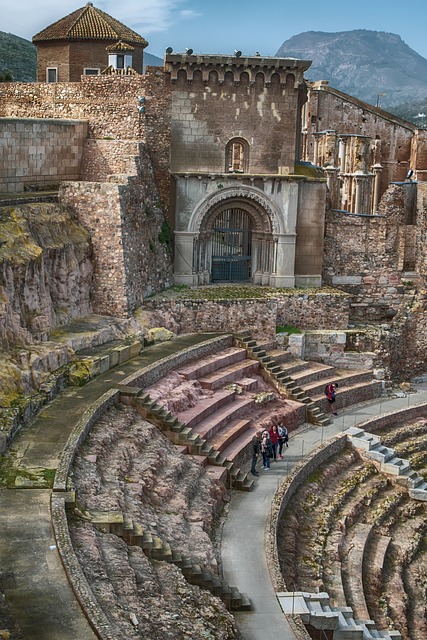
Three days keeps the two-day spine and adds a mangrove morning: Day 1 arrival and the Old City, Day 2 the Rosario Islands boat day, Day 3 La Boquilla’s canoe tunnels followed by a recovery afternoon on Bocagrande. The 2 day version drops La Boquilla if you’re tighter on time; the 4 day version adds the Totumo mud volcano.
Book these before you go
Book a Rosario Islands boat day , a...
read more
A Long Weekend in Old Cartagena: Offbeat
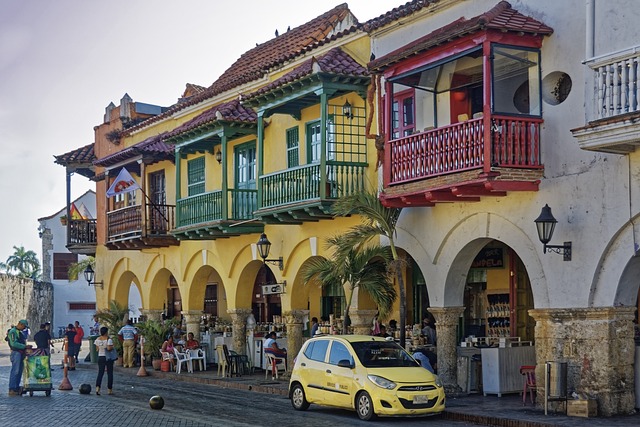
Three days covers Old Cartagena’s walled-city loop plus a full evening in Getsemani: Day 1 orientation and a quiet sunset wall, Day 2 La Popa, the Palace of the Inquisition and Castillo San Felipe, Day 3 Getsemani’s street art and its unmarked rooftop bars. The 2 day version drops Getsemani’s nightlife if you’re tighter on time, and the 4 day version adds a San Basilio de...
read more
A Weekend in Cartagena Coast, Off the Path
Two days covers exactly one boat day: Day 1 lands you in Cartagena and gives the walled Old City a single afternoon pass, Day 2 is the Rosario Islands/Playa Blanca trip in full, taxes and all. The 3 day version adds a La Boquilla mangrove morning and a Bocagrande recovery afternoon if you can spare a day.
Book these before you go
Book a Rosario Islands boat day , a reviewed operator over a dock...
read more
A Weekend in Old Cartagena, Off the Path
Two days covers Old Cartagena’s headline walled-city loop without touching the beach circuit: Day 1 is walled-city orientation, Las Bovedas and a quiet sunset stretch of wall; Day 2 pairs La Popa’s morning view with the Palace of the Inquisition and Castillo San Felipe at last light. The 3 day version adds Getsemani’s street art and nightlife if you can stretch to a third...
read more
Cartagena Coast Offbeat: 4 Day Itinerary
Four days follows the same spine through Day 3 and adds Volcan del Totumo’s mud float on Day 4, roughly 1-1.5 hours inland. The 3 day version drops Totumo; the 5 day version adds an Isla Grande overnight and a Baru bioluminescent plankton night.
Book these before you go
Book a Rosario Islands boat day , a reviewed operator over a dock tout given the overselling reputation Compare Bocagrande...
read more
Cartagena Coast Offbeat: 5 Day Itinerary
Five days keeps Days 1-4 intact and adds a second, quieter water day: an Isla Grande overnight in the Rosario archipelago plus a Baru sunset and bioluminescent plankton tour after dark. The 4 day version drops this second island day; the 6 day version adds a flex day and a chiva party bus night.
Book these before you go
Book a Rosario Islands boat day , a reviewed operator over a dock tout given...
read more
Cartagena Coast Offbeat: 6 Day Itinerary
Six days follows the same five-day spine and adds a flex day: Bocagrande shopping or a slow Getsemani coffee by daylight, a chiva party bus by night. The 5 day version drops the flex day; the 7 day version adds a genuine departure morning rather than rushing straight from Day 6 to the airport.
Book these before you go
Book a Rosario Islands boat day , a reviewed operator over a dock tout given the...
read more
Cartagena Islands: 7 Unusual Things to Do
Cartagena’s real beach trip lives past the airport, not behind the city walls: the Rosario Islands, Baru’s Playa Blanca, the Totumo mud volcano and La Boquilla’s mangroves. Prices run in Colombian pesos, moving between roughly 3,236 and 3,425 per US dollar through 2026, so check today’s rate before you land. This is sea-level Caribbean heat, 30-32C with humidity to match,...
read more
Cartagena Islands: What Most Visitors Miss
This is a ranked rundown of Cartagena’s water sights, not a day-by-day plan, priced in 2026 Colombian pesos (roughly 3,236-3,425 per US dollar, volatile, check today’s rate). The city sits at sea level in hot, humid Caribbean heat, 30-32C most days, not the cooler Andes climate of Medellin a few hundred kilometers inland. Ranked first is the Rosario Islands boat day, and ranked dead...
read more
Cartagena Old City: 9 Unusual Things to Do
Cartagena’s walled Old City runs on Colombian pesos, not dollars, at a volatile mid-2026 rate near 3,250 COP per dollar (it spiked to roughly 3,425 in June, check today’s number before you land). This is hot, humid, sea-level Caribbean, 30-32C most days, not the spring-like Andes climate of Medellin or Bogota a few hundred kilometers inland. The walled city and its fortresses are...
read more
Old Cartagena Off the Path: 4 Day Itinerary
Four days covers the walled city, Getsemani and a full-day trip to San Basilio de Palenque, the settlement escaped enslaved people built into the Americas’ first free Black town. Day 1 orientation, Day 2 La Popa and the fortress, Day 3 Getsemani’s street art and history, Day 4 Palenque. The 3 day version drops Palenque; the 5 day version adds San Diego’s balconies and Manga.
Book...
read more
Old Cartagena Off the Path: 5 Day Itinerary
Five days covers the walled city, Getsemani and San Basilio de Palenque, then adds a slower Day 5 for San Diego’s balcony architecture and Manga’s quiet streets. Day 1 orientation, Day 2 La Popa and the fortress, Day 3 Getsemani, Day 4 Palenque, Day 5 the neighborhoods most itineraries skip. The 4 day version drops Day 5; the 6 day version adds a second museum pass and a chiva night.
read more
Old Cartagena Off the Path: 6 Day Itinerary
Six days covers the walled city, Getsemani, San Basilio de Palenque and San Diego’s balconies, then adds a Day 6 for museums a second time and a chiva party bus night out. Day 1 orientation, Day 2 La Popa and the fortress, Day 3 Getsemani, Day 4 Palenque, Day 5 San Diego and Manga, Day 6 museums and the chiva. The 5 day version drops Day 6; the 7 day version adds a full flex day.
read more
One Week in Cartagena Coast: Offbeat Plan
Seven days keeps Days 1-6 intact and adds a real departure morning rather than cutting Day 6’s chiva night short for a flight: a last swim or wall walk, bottled water on the way out, then CTG. Days 1-6 follow the same spine as our 6 day version .
Book these before you go
Book a Rosario Islands boat day , a reviewed operator over a dock tout given the overselling reputation Compare Bocagrande...
read more
One Week in Old Cartagena: Offbeat Plan
A full week covers the walled city, Getsemani, San Basilio de Palenque, San Diego and Manga, a second museum pass and a chiva night, then leaves Day 7 open for whatever the heat cut short earlier. Days 1-6 follow the same spine as our 6 day version ; Day 7 is a genuine flex day before departure, and it lands during the Fiestas de Noviembre window, 10-15 Nov 2026, if your dates line up.
read more
A Long Weekend in Austria: The Offbeat Plan
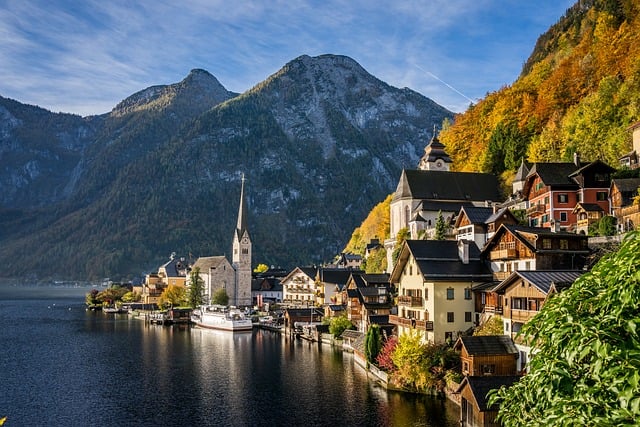
Austria’s euro, its OBB Railjet network, and its EUR 12.80-and-up motorway vignette (skip it, no car needed here) all matter less than one honest fact: three days means Vienna plus a single day trip, and the Wachau valley is the best use of it. Melk Abbey and a wine-village lunch beat a rushed Salzburg add-on at this length. Go April through October for the vineyards, and book Railjet...
read more
A Weekend in Austria, Off the Beaten Path
Austria runs on the euro, its OBB Railjet trains are good enough that a rental car is a liability inside any city loop, and a motorway vignette (EUR 12.80 for 10 days) is legally required the moment a car touches the Autobahn, none of which matters for two days, because two days in Austria is honestly one city: Vienna. Go in shoulder season, April-May or October, for the thinnest crowds, and skip...
read more
Austria Off the Beaten Path: 4 Day Itinerary
Four days is enough to add one overnight beyond Vienna, and Salzburg earns it over a rushed day trip: the euro-priced Railjet from Wien Hauptbahnhof takes about 2h22, no car or vignette required for this route. Skip the Klimaticket, it’s a EUR 1,400-a-year resident pass, not a four-day visitor’s problem, and book point-to-point Railjet fares on oebb.at instead. Go outside the Salzburg...
read more
Austria Off the Beaten Path: 5 Day Itinerary
Five days buys Vienna, the Wachau, and Salzburg with a full day left for the Salzkammergut lakes, which means Hallstatt, honestly timed. No enforced daily cap exists there in 2026, only a coach time-slot rule, so crowd management is entirely on the traveler: an early train from Salzburg, not a midday tour bus. Everything here runs on OBB Railjet and euros; a car and the EUR 12.80 vignette only...
read more