Recent Alpaca Travels

Santorini Hidden Gems: 9 Unusual Things
Everyone already knows Oia’s blue domes and the sunset crowd standing on the castle wall. What most visitors never learn is that Santorini is officially Thira, a volcanic caldera rim rather than a beach island, and that the more interesting version of the trip happens away from that one photo: a former capital nobody stops at, an island across the water almost nobody crosses to, and a...
read more
Santorini Off the Beaten Path: 4 Days
Four days adds the clifftop ruins almost nobody climbs to and a beach day that isn’t white sand, because Santorini doesn’t have any. This nests the 3 day plan and adds a fourth day on the island’s southeast coast; for the dawn caldera hike, move up to the 5 day version .
Day Focus Travel time 1 Fira, the cable car and the Old Port 20-30 min transfer from Athinios port on arrival...
read more
Santorini Off the Beaten Path: 5 Days
Five days is where Santorini starts rewarding people willing to get up early. This nests the 4 day plan and adds the caldera-edge hike most visitors drive past instead of walk; for a day trip across the caldera itself, move up to the 6 day version .
Day Focus Travel time 1 Fira, the cable car and the Old Port 20-30 min transfer from Athinios port on arrival 2 Oia by day, then a caldera sunset...
read more
Santorini Off the Beaten Path: 6 Days
Six days makes room for the island most visitors never notice: the one sitting directly across the caldera. This nests the 5 day plan and adds a Thirassia day trip; for the inland villages too, move up to the 7 day version .
Day Focus Travel time 1 Fira, the cable car and the Old Port 20-30 min transfer from Athinios port on arrival 2 Oia by day, then a caldera sunset cruise 30 min bus from Fira;...
read more

Santorini: What Most Visitors Miss
Most visitors see Fira, Oia and one beach, then leave thinking that’s the island. It isn’t. Santorini is officially Thira, a volcanic caldera rim with black and red beaches, not white sand, and most of what makes it interesting sits inland or across the water from the two towns everyone photographs. Below is a ranked rundown of the sights most itineraries skip, alongside what they...
read more
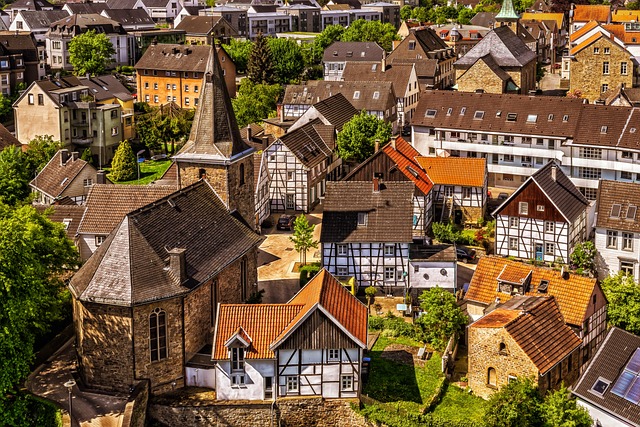
A Long Weekend in Germany: The Offbeat Plan
A long weekend in Germany covers two cities honestly instead of stretching thin across five. Three days means Berlin, two nights, plus a Dresden day trip by ICE, about 2 hours each way, the shortest add-on that’s actually worth the train fare. Berlin, not Frankfurt or Munich, is Germany’s capital, and the country runs on the euro throughout. This plan trades Checkpoint Charlie’s...
read more
A Weekend in Germany, Off the Beaten Path
A weekend in Germany is really a weekend in Berlin. Two days is not enough time to add Munich or Dresden without turning half the trip into train windows, so this plan stays put and goes looking for the parts of Berlin most itineraries skip entirely. Berlin, not Frankfurt or Munich, is Germany’s capital (Bonn only held that title for divided West Germany, 1949 to 1990), and the country runs...
read more
Germany Off the Beaten Path: 4 Day Itinerary
Four days in Germany means Berlin, a Dresden day trip, then Munich by ICE Sprinter, skipping the Romantic Road and the Rhine for now since neither fits without rushing. Berlin, not Frankfurt or Munich, is Germany’s capital, and the euro is the only currency in play. The offbeat trade here: Teufelsberg’s spy ruins and the Stasi Museum over Checkpoint Charlie, then Munich’s Eisbach...
read more
Germany Off the Beaten Path: 5 Day Itinerary
Five days adds Neuschwanstein to the Berlin, Dresden and Munich route, and it’s worth saying upfront: the castle is 19th century, not medieval, whatever the fairy-tale branding implies. Berlin, not Frankfurt or Munich, is Germany’s capital, and the euro runs the whole trip. This version still trades Checkpoint Charlie for Teufelsberg’s spy ruins and a Hofbrauhaus photo for the...
read more
Germany Off the Beaten Path: 6 Day Itinerary
Six days adds Rothenburg ob der Tauber and its oddly entertaining crime museum to the Berlin, Dresden, Munich and Neuschwanstein route. Berlin, not Frankfurt or Munich, is Germany’s capital, and the euro is the only currency you’ll need. This version keeps the same offbeat picks, Teufelsberg over Checkpoint Charlie, the Eisbach’s surfers over another Hofbrauhaus photo, then adds...
read more
One Week in Germany: An Offbeat Itinerary
Seven days completes the loop: Berlin, a Dresden day trip, Munich and Neuschwanstein, Rothenburg, then the Rhine Valley and Cologne, all by Deutsche Bahn’s ICE network. Berlin, not Frankfurt or Munich, is Germany’s capital, and the euro is the only currency in play. The offbeat thread runs the whole way: Teufelsberg over Checkpoint Charlie, the Eisbach’s surfers over another...
read more
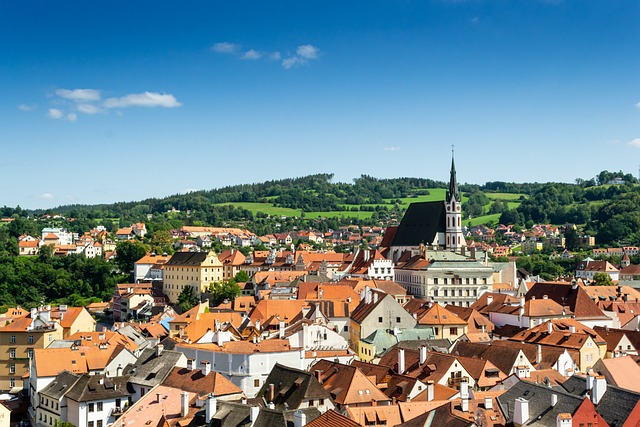
A Long Weekend in Czechia: The Offbeat Plan
Three days in Czechia adds one more Bohemian day trip to a Prague weekend, not a full country loop, and this plan is honest about that scope. The currency is the koruna (CZK), not the euro, despite EU and Schengen membership; expect roughly 21-24 CZK to the US dollar, rates move. Day one is Prague, day two is Kutna Hora’s bone church, and day three reaches Karlstejn Castle, the ride most...
read more
A Weekend in Czechia, Off the Beaten Path
Two days in Czechia covers Prague’s essentials plus one real day trip, not the whole country, and that is the honest scope of this plan. The currency is the koruna (CZK), not the euro, despite EU and Schengen membership; expect roughly 21-24 CZK to the US dollar, and rates move. Trains are cheap and frequent enough that a rental car buys nothing here. This version skips the obvious...
read more
Czechia Off the Beaten Path: 4 Day Itinerary
Four days in Czechia is where the trip stops being just a Prague weekend and starts being a real country loop, because it is the first version here with room for an actual overnight outside the capital. The currency is the koruna (CZK), not the euro, despite EU and Schengen membership; expect roughly 21-24 CZK to the US dollar, rates move. Prague, Kutna Hora and Karlstejn fill the first three days...
read more
Czechia Off the Beaten Path: 5 Day Itinerary
Five days in Czechia gives Cesky Krumlov a proper morning of its own before moving on, instead of treating the overnight as just a place to sleep between bus rides. The currency is the koruna (CZK), not the euro, despite EU and Schengen membership; expect roughly 21-24 CZK to the US dollar, rates move. Prague, Kutna Hora, Karlstejn and the Cesky Krumlov arrival fill the first four days exactly as...
read more
Czechia Off the Beaten Path: 6 Day Itinerary
Six days in Czechia is the first version here that actually leaves Bohemia, trading the last day for Brno, the country’s genuinely distinct second city rather than a Prague afterthought. The currency is the koruna (CZK), not the euro, despite EU and Schengen membership; expect roughly 21-24 CZK to the US dollar, rates move. Days 1-5 run the same Prague, Kutna Hora, Karlstejn and Cesky...
read more
One Week in Czechia: An Offbeat Itinerary
One week is roughly the minimum for a genuine Czechia trip, not a Prague weekend with a couple of add-ons, and this route uses all seven days to actually earn that claim: Bohemia through day five, then Moravia. The currency is the koruna (CZK), not the euro, despite EU and Schengen membership; expect roughly 21-24 CZK to the US dollar, rates move. Days 1-6 run the same Prague, Kutna Hora,...
read more
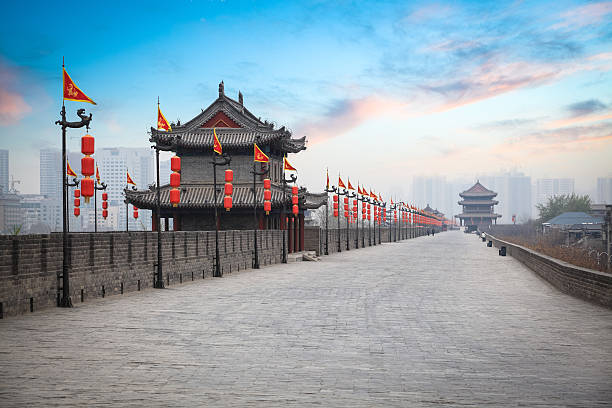
A Long Weekend in Xian: The Offbeat Plan
Three days covers the essential pair, the Terracotta Army and a City Wall bike ride on Day 1, the Muslim Quarter’s hidden mosque on Day 2, then adds a free fountain show most visitors assume needs a paid ticket. The 2-day version drops Day 3; the 4-day plan adds Han Yangling’s glass-floor tomb.
Book these before you go
Book a Terracotta Army tour , tickets are online-advance-only,...
read more
A Weekend in Xian, Off the Beaten Path
Two days is enough for Xi’an’s essential pair: the Terracotta Army and a City Wall bike ride on Day 1, the Muslim Quarter’s hidden mosque on Day 2. Want more time? The 3-day plan adds the free fountain show and a pagoda that cracked open in an earthquake, twice, and reportedly sealed itself shut again.
Book these before you go
Book a Terracotta Army tour , tickets are...
read more
One Week in Xian: An Offbeat Itinerary
One week covers all of it: the Terracotta Army, City Wall, Muslim Quarter, the pagodas, Han Yangling, Mount Huashan and Famen Temple, then closes at Huaqing Palace, the actual site of the 1936 Xi’an Incident. The 6-day plan drops the final day if Huaqing’s hot springs don’t interest you.
Book these before you go
Book a Terracotta Army tour , tickets are online-advance-only,...
read more
Xian Hidden Gems: 7 Unusual Things to Do
Xi’an runs on CNY, Alipay and a VPN, not on the walk-up spontaneity a European city trains you for. Book Terracotta Army tickets online days ahead (there’s no ticket window at the gate), load Alipay or WeChat Pay before you land since foreign cards barely function past a five-star hotel, and confirm whether you need a visa or the 240-hour transit exemption. Get that squared away and...
read more
Xian Off the Beaten Path: 4 Day Itinerary
Four days adds a full day at Han Yangling’s glass-floor tomb and the earthquake-cracked Small Wild Goose Pagoda on top of the Terracotta Army, City Wall, Muslim Quarter and the pagodas’ free fountain show. Shorter on time? The 3-day plan drops Day 4; add Mount Huashan with the 5-day version .
Book these before you go
Book a Terracotta Army tour , tickets are online-advance-only,...
read more
Xian Off the Beaten Path: 5 Day Itinerary
Five days adds Mount Huashan’s full-day plank walk, a 2-hour HSR ride each way, on top of the Terracotta Army, City Wall, Muslim Quarter, the pagodas and Han Yangling. Prefer to skip the mountain? The 4-day plan stops at Day 4; the 6-day version adds Famen Temple’s Buddha relic.
Book these before you go
Book a Terracotta Army tour , tickets are online-advance-only, there’s no...
read more
Xian Off the Beaten Path: 6 Day Itinerary
Six days adds a full day trip to Famen Temple, home to a Buddha finger-bone relic found in 1987, on top of the Terracotta Army, City Wall, Muslim Quarter, pagodas, Han Yangling and Mount Huashan. The 5-day plan drops Day 6; the 7-day version closes with Huaqing Palace’s 1936 kidnapping plot.
Book these before you go
Book a Terracotta Army tour , tickets are online-advance-only, there’s...
read more
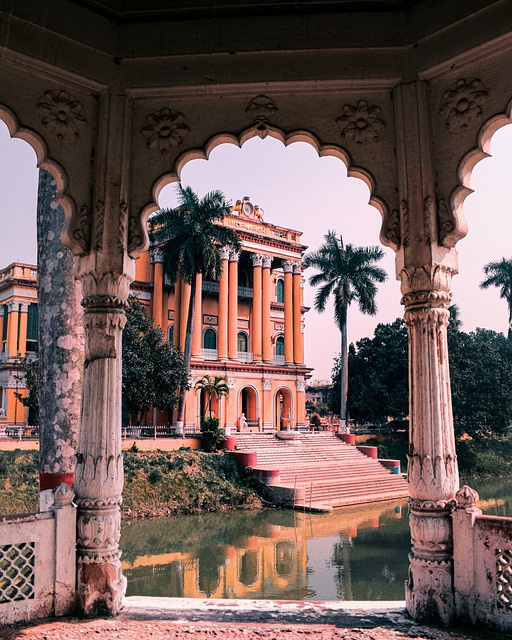
A Long Weekend Base in Kolkata: Day Trips
Three days adds Rabindranath Tagore’s Shantiniketan to the weekend plan: the city-edge temples on day one, Chandannagar’s French Strand on day two, then a full day at Visva-Bharati’s open-air campus on day three. Only have a weekend? See the 2 day version . Want the Sundarbans added in too? Jump to the full week . For the city itself, see our Kolkata guide .
Day Focus Travel time...
read more
A Long Weekend in Kolkata: The Offbeat Plan
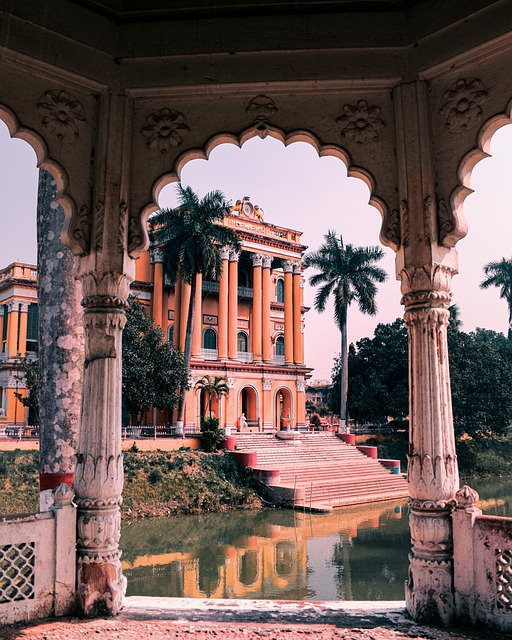
Three days adds Kalighat and the free Motherhouse to the North Kolkata and colonial-core weekend, plus a half-day at Dakshineswar and Belur Math across the river. Doing this in 2 days instead? See the weekend plan ; want more, including Tiretti Bazaar’s dawn breakfast? See the 4 day plan .
Day Focus 1 North Kolkata’s book stalls, idol makers, and a surviving tram 2 Victoria Memorial,...
read more
A Weekend Base in Kolkata: Day Trips
Two days uses Kolkata purely as a launchpad: a free half day at the Dakshineswar and Belur Math temples on day one, then the hour-long train ride to Chandannagar’s French river Strand on day two. Want the Sundarbans or Shantiniketan folded in too? See the full week version . For the city itself, start with our Kolkata guide .
Day Focus Travel time 1 Dakshineswar and Belur Math, the city-edge...
read more
A Weekend in Kolkata, Off the Beaten Path
Two days covers Kolkata’s North Kolkata half and its colonial core: idol makers, book stalls, and a surviving tram on day one, Victoria Memorial and the Indian Museum on day two. Want the fuller offbeat list, including Kalighat and Tiretti Bazaar? See the 3 day plan or the full week . For our companion Kolkata guide , read the 9 unusual things list first.
Day Focus 1 North Kolkata’s...
read more
Kolkata Gateway Trips: 4 Day Itinerary
Four days completes the single-day gateways: temples on day one, Chandannagar on day two, Shantiniketan on day three, and Murshidabad’s Hazarduari Palace on day four, a tighter run at roughly 4 hours each way. Only have a long weekend? See the 3 day version . Want the Sundarbans folded in too? That needs the 6 or 7 day plan instead.
Day Focus Travel time 1 Dakshineswar and Belur Math, the...
read more
Kolkata Gateway Trips: 5 Day Itinerary
Five days runs through all 4 realistic single-day gateways, temples, Chandannagar, Shantiniketan, Murshidabad, then hands you back a genuine 5th day in Kolkata rather than manufacturing a rushed extra trip. Only need 4 days? See that shorter version . Ready for the Sundarbans instead of a rest day? That needs the 6 or 7 day plan.
Day Focus Travel time 1 Dakshineswar and Belur Math, the city-edge...
read more
Kolkata Gateway Trips: 6 Day Itinerary
Six days runs the 4 single-day gateways first, temples, Chandannagar, Shantiniketan, Murshidabad, then swaps the 5 day version’s rest day for a compressed, 1 night Sundarbans trip across days 5 and 6. Want the fuller 2 night version instead? See the 7 day itinerary . For only the 4 quicker trips, the 5 day plan keeps a rest day instead.
Day Focus Travel time 1 Dakshineswar and Belur Math,...
read more
Kolkata Hidden Gems: 5 Unusual Day Trips
The Sundarbans is not a day trip from Kolkata, whatever a same-day tour ad promises. Budget 2 to 3 days for that one alone. What genuinely works as a single day out from a Kolkata base: the old French river town of Chandannagar, about an hour by local train, Shantiniketan’s open-air Tagore campus, as little as 2h10min by express or up to 3 hours on slower services, and Hazarduari Palace in...
read more
Kolkata Hidden Gems: 9 Unusual Things to Do
Everyone photographs the Victoria Memorial and calls it a day. What most visitors never find is the city working quietly behind that postcard: idol-makers hand-building a hundred faces of Durga months before anyone prays to them, a private zoo tucked inside a 19th-century mansion, and a Chinese breakfast market that opens at 5am and sells out by 8. Nine unusual things below, all inside Kolkata...
read more
Kolkata Off the Beaten Path: 4 Day Itinerary
Four days adds Tiretti Bazaar’s 5am Chinese breakfast market and the BBD Bagh colonial core to the Kalighat and North Kolkata plan. Prefer 3 days? See the long weekend plan ; want the full week instead? See the 7 day plan .
Day Focus 1 North Kolkata’s book stalls, idol makers, and a surviving tram 2 Victoria Memorial, the Indian Museum, and Howrah Bridge from a safe distance 3...
read more
Kolkata Off the Beaten Path: 5 Day Itinerary
Five days adds a slow adda day at Gariahat and Rabindra Sarobar Lake to the Tiretti Bazaar and colonial-core plan below. Need less time? See the 4 day plan ; want more? See the 6 day plan .
Day Focus 1 North Kolkata’s book stalls, idol makers, and a surviving tram 2 Victoria Memorial, the Indian Museum, and Howrah Bridge from a safe distance 3 Kalighat, the free Motherhouse, and Dakshineswar...
read more
Kolkata Off the Beaten Path: 6 Day Itinerary
Six days adds Tangra’s Chinese Kali temple and a Prinsep Ghat sunset to the adda and colonial-core plan below. Prefer 5 days? See the 5 day plan ; want the full week? See the 7 day plan .
Day Focus 1 North Kolkata’s book stalls, idol makers, and a surviving tram 2 Victoria Memorial, the Indian Museum, and Howrah Bridge from a safe distance 3 Kalighat, the free Motherhouse, and...
read more
One Week Based in Kolkata: Day Trips
A full week runs the 4 single-day gateways first, temples, Chandannagar, Shantiniketan, Murshidabad, then gives the Sundarbans the full standard 2 night, 3 day package it actually needs across days 5 to 7, instead of the 6 day version’s compressed 1 night trip. Tighter on time? See the 6 or 4 day plan. For the city itself, start with our Kolkata guide .
Day Focus Travel time 1 Dakshineswar...
read more
One Week in Kolkata: An Offbeat Itinerary
A full week covers all six days below plus Shobhabazar’s Durga Puja heritage mansions and a final slow day before departure. Need less time? See the 6 day plan , or start with our Kolkata guide for the 9 unusual things this whole week draws from.
Day Focus 1 North Kolkata’s book stalls, idol makers, and a surviving tram 2 Victoria Memorial, the Indian Museum, and Howrah Bridge from a...
read more
A Long Weekend in Oslo: The Offbeat Plan
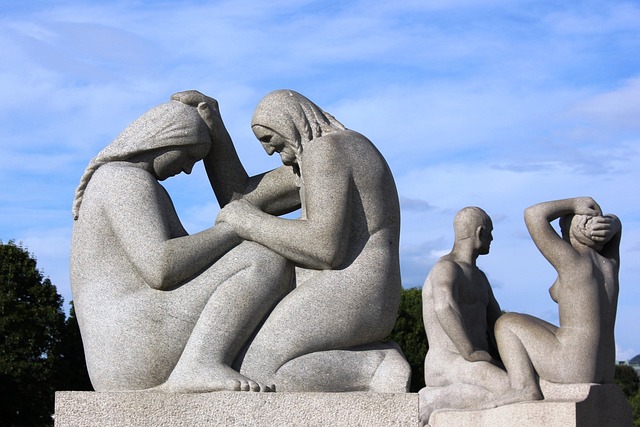
Three days builds on the offbeat weekend with a full Bjorvika waterfront day: the free Opera House roof, Oslo’s striking new library, and the pedestrian bridge that loops over the Barcode district’s back yard. Still no car needed. This is the extended version of our 2 day itinerary ; see the full week-long plan if three days isn’t enough.
Day Focus 1 Vigeland Park’s angry...
read more
A Weekend in Oslo, Off the Beaten Path
Two days trades Oslo’s queue-heavy sights for the version locals actually visit: Vigeland Park’s angriest statue, then Ekeberg Hill’s free sculpture forest and the actual spot that inspired The Scream, capped with a fjord sauna and a cold plunge on the Bjorvika waterfront. No car, no day trip, everything reachable by tram or a short walk. For the longer version of this same...
read more

An Oslo Long Weekend: Day Trips
Three days adds Drammen, a working Norwegian city rather than a curated stop, to the ferry-and-forest weekend above. All three days run on public transit or one short regional train, still no rental car. This extends our 2 day version ; see the 4 day plan if you can add Fredrikstad, or the full week .
Day Day trip Travel time from Oslo 1 Oslofjord islands (Hovedoya, Lindoya) 7-15 min by ferry 2...
read more
An Oslo Week: Day Trips
A full week of Oslo day trips ends with a flex day, either a deeper push into Nordmarka’s trail network or a return look at Fredrikstad, on top of the fjord islands, forest, Drammen, Fredrikstad, Lillehammer, and splurge day above. No rental car across all seven days. This is the full version of our 6 day plan ; see the 2 day version if a week is more than you need.
read more
An Oslo Weekend: Day Trips
Two days of Oslo day trips, no rental car and no advance booking: a public ferry to a 12th-century monastery island on day one, then a forest loop by T-bane on day two. Both run on the same NOK 44-46 Ruter ticket. See the extended 3 day plan if you can add Drammen, or the full 7 day version for the whole gateway family. Prefer the city itself first? Start with our 2 day Oslo itinerary .
read more
One Week in Oslo: An Offbeat Itinerary
A full week stays inside the city itself and still doesn’t run out of offbeat ground: Vigeland’s angriest statue, Ekebergparken’s free Scream view, a fjord sauna, Bygdoy’s museums, Holmenkollen, the National Museum’s own Scream, and a last slow day at Tjuvholmen. Still no rental car needed. This extends our 6 day itinerary ; see the shorter 4 day version if a week is...
read more
Oslo Day Trips: 4 Day Plan
Four days adds Fredrikstad, an hour by train and a free ferry crossing into the best-preserved fortress town in Northern Europe, to the ferry, forest, and Drammen route above. Still no rental car by day four. This builds on the 3 day plan ; see the 5 day version if you can push on to Lillehammer.
Day Day trip Travel time from Oslo 1 Oslofjord islands (Hovedoya, Lindoya) 7-15 min by ferry 2...
read more
Oslo Day Trips: 5 Day Plan
Five days pushes on to Lillehammer, 1h45-2h15 from Oslo S and the long trip on this list, added to the fjord islands, forest, Drammen, and Fredrikstad route above. This builds on the 4 day plan ; see the 6 day version for a splurge day on top.
Day Day trip Travel time from Oslo 1 Oslofjord islands (Hovedoya, Lindoya) 7-15 min by ferry 2 Nordmarka forest (Frognerseteren, Sognsvann) 30-35 min by...
read more
Oslo Day Trips: 5 Unusual Picks
Oslo’s own sights are only half the reason to base yourself there. The city sits on a fjord with a public ferry to 12th-century monastery ruins, a fortress town an hour away by train, and a two-hour run to Norway’s old Olympic host, and none of it needs a rental car. Skip the paid Oslofjord cruise on your first day out: a standard NOK 44-46 Ruter ticket, the same one that covers the...
read more
Oslo Day Trips: 6 Day Plan
Six days adds a splurge day: a paid, narrated Oslofjord cruise in summer or Tryvann’s alpine runs in winter, on top of the fjord islands, forest, Drammen, Fredrikstad, and Lillehammer route above. This builds on the 5 day plan ; see the 7 day version for a flex day on top.
Day Day trip Travel time from Oslo 1 Oslofjord islands (Hovedoya, Lindoya) 7-15 min by ferry 2 Nordmarka forest...
read more
Oslo Hidden Gems: 7 Unusual Things to Do
Oslo’s marquee sights are exactly as good as advertised, and exactly as crowded as you’d expect: the queue for the Monolith photo in Vigeland Park, the timed-entry line at the Munch Museum, the tour buses idling outside Akershus Fortress. Skip past those for a day and the city hands you a different Oslo entirely: a sculpture forest where Edvard Munch’s actual Scream view sits...
read more
Oslo Off the Beaten Path: 4 Day Itinerary
Four days adds a full Bygdoy museum peninsula day to the offbeat 3 day route, with an honest correction most 2026 guides skip: the Viking Ship Museum is closed. Still no rental car needed. This extends our 3 day itinerary ; see the full week-long plan for the longer version.
Day Focus 1 Vigeland Park’s angry baby, then Grunerlokka and Mathallen 2 Ekebergparken’s Scream view, then a...
read more