Recent Alpaca Travels

Oslo Off the Beaten Path: 5 Day Itinerary
Five days adds Holmenkollen and a T-bane stop that most riders never look up in, to the offbeat 4 day route through Vigeland, Ekebergparken, Bjorvika, and Bygdoy. Still no rental car needed. This extends our 4 day itinerary ; see the full week-long plan for the longer version.
Day Focus 1 Vigeland Park’s angry baby, then Grunerlokka and Mathallen 2 Ekebergparken’s Scream view, then a...
read more
Oslo Off the Beaten Path: 6 Day Itinerary
Six days adds the National Museum’s own Scream, Akershus Fortress, and a genuinely quiet botanical garden to the offbeat 5 day route through Vigeland, Ekebergparken, Bygdoy, and Holmenkollen. Still no rental car needed. This extends our 5 day itinerary ; see the full week-long plan for the longer version.
Day Focus 1 Vigeland Park’s angry baby, then Grunerlokka and Mathallen 2...
read more

4 Days of Saigon Day Trips
Four days keeps the same Cu Chi, Tay Ninh, Mekong and Vung Tau days as the 3 day version, then heads out to Can Tho for a night, setting up the dawn floating market a rushed day trip always misses. One overnight bag needed, for Can Tho only. Tighter on time? See the 3 day version . Want the market itself the next morning? The 5 day version adds Cai Rang at dawn.
read more
5 Days of Saigon Day Trips
Five days keeps the same Cu Chi, Tay Ninh, Mekong, Vung Tau and Can Tho-overnight days as the 4 day version, then cashes in the reason for that overnight: Cai Rang’s dawn floating market by sampan, before the return drive to HCMC. Only need the setup day? See the 4 day version . Want a Ben Tre homestay too? The 6 day version adds one.
Day Day trip Travel time from HCMC 1 Cu Chi Tunnels (Ben...
read more
6 Days of Saigon Day Trips
Six days keeps the same Cu Chi, Tay Ninh, Mekong, Vung Tau, Can Tho and Cai Rang days as the 5 day version, then swaps the return-straight-to-HCMC drive for a second Mekong stop: a night in a Ben Tre coconut-lane homestay instead of a group bus back to the city. Don’t need the second overnight? See the 5 day version . Have a full week? The 7 day version adds a slower finish.
read more

A Long Weekend in Saigon: The Offbeat Plan
Three days adds a proper Cholon Chinatown morning to the palace-and-museum, cafe-tower weekend above, still without a rental car or a day trip out of the city limits. Shorter on time? See the 2 day version of this trip. Chasing the Cu Chi Tunnels or the Mekong Delta instead? See Ho Chi Minh City as a Vietnam base .
Day Focus 1 Reunification Palace, the War Remnants Museum, and a hidden cafe tower...
read more
A Long Weekend of Saigon Day Trips
Three days out of HCMC keeps the same Cu Chi and Mekong pair as the 2 day version, then adds a Vung Tau beach day, hydrofoil there and back, with a climb up the inside of the Christ of Vung Tau statue. Still no rental car. Only have a weekend? See the 2 day version . Want a fourth day? The 4 day version adds a Can Tho overnight.
Day Day trip Travel time from HCMC 1 Cu Chi Tunnels (Ben Duoc) and...
read more
A Weekend in Saigon, Off the Beaten Path
A weekend inside the city itself skips straight past the mega-attractions’ polish for the palace-and-museum morning everyone should still do, a hidden cafe tower stacked ten floors deep, and a coffee culture that beats Bui Vien’s bucket cocktails without much competition. No day trip, no rental car. Chasing the Cu Chi Tunnels or the Mekong Delta instead? See our Ho Chi Minh City as a...
read more
A Weekend of Saigon Day Trips
Two days out of HCMC covers the two day trips worth the furthest travel: Cu Chi’s quieter Ben Duoc tunnels paired with Tay Ninh’s noon Cao Dai ceremony on day one, then a My Tho and Ben Tre Mekong run on day two. No overnight, no rental car, just an early Grab to a pickup point each morning. Want the city itself instead? See our Saigon offbeat weekend . Have more time?
read more
HCMC Day Trips: 5 Hidden Gems
Every HCMC day-trip desk sells the same combo: Cu Chi Tunnels in the morning, a Mekong boat in the afternoon, back for dinner. Ben Dinh, the closer Cu Chi site, and a rushed Cai Rang run both exist because the bus needs to keep schedule, not because either is the better version of its trip. Five swaps worth knowing: Ben Duoc’s tunnels over Ben Dinh’s, Tay Ninh’s noon Cao Dai...
read more
Ho Chi Minh City: What Most Visitors Miss
Everyone researching Ho Chi Minh City gets handed the same six names: the War Remnants Museum, Reunification Palace, Notre-Dame, Ben Thanh Market, a viewing deck, and the Jade Emperor Pagoda. They earn the ranking. What most lists skip is that half of them come with an asterisk nobody prints: the cathedral’s interior has been closed since 2017, the post office wasn’t designed by the...
read more
One Week in Saigon: An Offbeat Itinerary
A full week inside the city itself covers the palace, the museum, a hidden cafe tower, Cholon, the real record-holder tower, a turtle pond, the city’s oldest pagoda, and enough slack to end with a cooking class rather than one more rushed sight. No day trip, no rental car. Only have six days? See the 6 day version . Chasing the Cu Chi Tunnels or the Mekong Delta instead? See Ho Chi Minh City...
read more
One Week of Saigon Day Trips
A full week keeps the same Cu Chi, Tay Ninh, Mekong, Vung Tau, Can Tho and Ben Tre homestay days as the 6 day version, then trades the rushed drive home for one slow morning before heading back to HCMC. Only have six days? See the 6 day version . Want the city itself instead? See our Saigon offbeat week .
Day Day trip Travel time from HCMC 1 Cu Chi Tunnels (Ben Duoc) and the Tay Ninh Cao Dai noon...
read more
Saigon Hidden Gems: 7 Unusual Things to Do
Every Ho Chi Minh City guide sends you to the same five stops: the War Remnants Museum, Notre-Dame’s scaffolding, Ben Thanh Market, and an observation deck with a queue longer than the elevator ride up. All five earn the trip once. None of them explain why locals still call this city Saigon under their breath, or why the best coffee stop in District 1 doesn’t have a sign out front....
read more
Saigon Off the Beaten Path: 4 Day Itinerary
Four days adds Landmark 81’s real record-holder view and a one-way ride on the city’s only metro line to the palace, museum, cafe-tower and Cholon days above, still without a rental car or a day trip out of the city. Only have three days? See the 3 day version . Chasing the Cu Chi Tunnels or the Mekong Delta instead? See Ho Chi Minh City as a Vietnam base .
read more
Saigon Off the Beaten Path: 5 Day Itinerary
Five days adds a slow Jade Emperor Pagoda morning and a wider food crawl to the palace, Cholon, and Landmark 81 days above, still without a rental car or a day trip out of the city. Only have four days? See the 4 day version . Chasing the Cu Chi Tunnels or the Mekong Delta instead? See Ho Chi Minh City as a Vietnam base .
Day Focus 1 Reunification Palace, the War Remnants Museum, and a hidden cafe...
read more
Saigon Off the Beaten Path: 6 Day Itinerary
Six days adds Ho Chi Minh City’s oldest pagoda and a genuine slow day to the palace, Cholon, Landmark 81, and Jade Emperor days above, still without a rental car or a day trip out of the city. Only have five days? See the 5 day version . Chasing the Cu Chi Tunnels or the Mekong Delta instead? See Ho Chi Minh City as a Vietnam base .
Day Focus 1 Reunification Palace, the War Remnants Museum,...
read more

A Weekend in Trinidad and Tobago, Offbeat
Two days is Trinidad only, honestly. The ferry to Tobago runs 3 to 4 hours each way and the flight adds airport time on both ends, so a fair island split needs more time than this. Trinidad and Tobago runs on the TT dollar (TTD, roughly TT$6.8 to US$1), not the Eastern Caribbean dollar used next door, and this short trip sticks to Port of Spain and a Maracas Bay day trip over the Saddle Road.
read more
Long Weekend in Trinidad and Tobago: Offbeat
Three days still stays on Trinidad, and that’s the honest call: the ferry to Tobago runs 3 to 4 hours and the flight adds transfer time on both ends, so a real island split wants more runway than a long weekend gives. This plan nests the 2-day route inside it and adds a third day built around Trinidad’s least beach-shaped attraction, a sunset flight of scarlet ibis over a mangrove...
read more
One Week in Trinidad and Tobago: Offbeat
A full week is the first plan on this list where neither island feels shortchanged: three Trinidad days, a crossing day, then three Tobago days that finally reach past the reef into the rainforest and a beach with no entrance fee. This nests the 6-day route and adds a Day 7 finish. Prices run in TT dollars (TTD, roughly TT$6.8 to US$1), best in the dry season, January to May, or around Carnival...
read more
Trinidad and Tobago Offbeat: 4-Day Itinerary
Four days is the shortest trip that fairly earns a taste of both islands, and it’s still lopsided: three Trinidad days for doubles, Maracas, and the Caroni ibis, then a Day 4 crossing that lands you in Tobago with an afternoon, not a reef tour. This nests the 3-day plan and adds the hop across. Prices run in TT dollars (TTD, roughly TT$6.8 to US$1), best in the dry season, January to May.
read more
Trinidad and Tobago Offbeat: 5-Day Itinerary
Five days is where Tobago stops being a rushed afternoon and starts being an actual second leg of the trip. This plan nests the 4-day route (three Trinidad days, then the crossing) and adds a full Day 5 built around the reef most visitors fly here for. Prices run in TT dollars (TTD, roughly TT$6.8 to US$1), and the dry season, January to May, is the reliable weather window.
Book these before you...
read more
Trinidad and Tobago Offbeat: 6-Day Itinerary
Six days lets Tobago stretch past the beach and into the hills. This plan nests the 5-day route (three Trinidad days, the crossing, a full Buccoo Reef day) and adds a Day 6 built around the oldest legally protected forest reserve in the Western Hemisphere. Prices run in TT dollars (TTD, roughly TT$6.8 to US$1), and renting a car for this one day genuinely earns its cost.
Book these before you go
read more

A Long Weekend in Reunion: The Offbeat Plan
Three days buys you the coast and one cirque, and Cilaos is the one worth the climb: a spa town with its own wine, its own lentils, and a road famous for 400-plus numbered hairpin bends. This plan spends day one in Saint-Denis, day two at the lagoon, and day three up in the mountains, overnight, because Cilaos rewards more than a drive-through. Want a shorter trip? The 2 day weekend skips Cilaos...
read more
A Weekend in Reunion, Off the Beaten Path
Two days on Reunion Island is not enough for the cirques, the volcano, or Mafate, and this plan does not pretend otherwise. It covers exactly two things properly: Saint-Denis on arrival, then a full day on the one stretch of coast where swimming is not banned. Everything else on this French volcanic island waits for a longer trip.
Day Focus Drive time 1 Saint-Denis arrival, the Barachois...
read more
One Week in Reunion: An Offbeat Itinerary
Seven days is the version that actually finishes what six days starts: Saint-Denis, the lagoon, Cilaos, the volcano, Salazie, then two days on Piton des Neiges instead of one, hiking up on day six and pushing to the 3,070m summit before dawn on day seven. That extra morning is the entire point of the mountain, a sunrise over all three cirques with the still-active Fournaise visible on a clear day....
read more
Reunion Island: What Most Visitors Miss
Reunion Island is a French overseas department, not a country and not part of Mauritius, a separate nation roughly 175km away that most people confuse it with. It is also home to one of the most active volcanoes on Earth, a village of 800 people you can only reach on foot or by helicopter, and a west coast where swimming is legally banned outside one protected lagoon. None of that fits the generic...
read more
Reunion Off the Beaten Path: 4 Day Itinerary
Four days is the point where Reunion stops being a coastal trip and starts being a volcanic one: Saint-Denis, the lagoon, Cilaos, and then a drive to one of the most active volcanoes on Earth. Piton de la Fournaise erupted across three separate phases between February and April 2026 alone, so this plan treats caldera access as a day-of decision, not a guarantee. Shorter on time? The 3 day plan...
read more
Reunion Off the Beaten Path: 5 Day Itinerary
Five days adds the third cirque to the loop: Saint-Denis, the lagoon, Cilaos, the volcano, then north into Salazie, the lushest and wettest of the three, where Hell-Bourg’s carved wooden houses sit a short walk from a waterfall most visitors only ever see from a moving car. This is the version that finally covers all three regions of the island without touching Mafate or the Piton des Neiges...
read more
Reunion Off the Beaten Path: 6 Day Itinerary
Six days is enough to add the Piton des Neiges hike to the loop, but only enough to reach the refuge doorstep, not the summit. This plan spends day six climbing from Cilaos up to the Gîte de la Caverne Dufour at 2,478m for an overnight in a basic, cash-only mountain hut, and stops there. The pre-dawn summit push and the sunrise over three cirques belong to the 7 day itinerary instead, one extra...
read more
A Long Weekend in Bergen: The Offbeat Plan
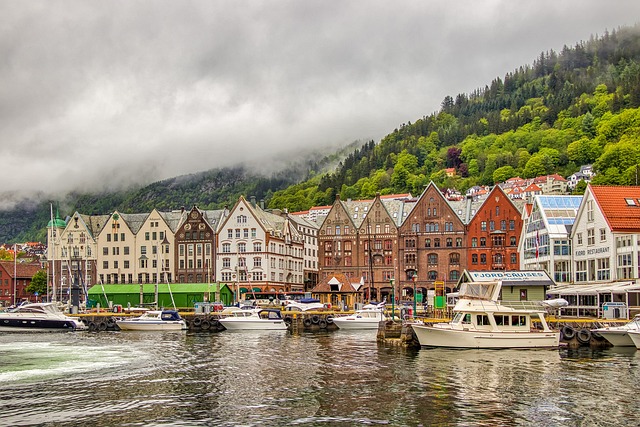
Three days in Bergen is the sweet spot for the city alone, no fjords yet. The first two days cover Bryggen’s back lanes and the Floyen funicular the way our 2 day weekend plan does; the third adds Norway’s biggest Munch collection outside Oslo and a free ridge-line walk that most three-day visitors never find. This is still entirely a city itinerary. If you want a fjord day added on,...
read more
A Weekend in Bergen, Off the Beaten Path
Two days in Bergen is enough to do the city properly and not one hour more, which is the honest verdict this plan is built around. You get Bryggen’s back lanes instead of just its front row, and the Floyen funicular up followed by a free walk down instead of paying for the round trip. What you do not get is any fjord day trip. Norway in a Nutshell alone eats a full 12 hour day, so a real...
read more
Bergen Hidden Gems: 9 Unusual Things to Do
Bergen’s famous sights are worth doing, but they are also the least interesting way to spend your time there. Bryggen, the Fish Market and the Floibanen funicular get photographed by everyone who arrives, and none of that is wrong, it is just the whole story from the postcard rack. The more useful version of Bergen is in the 9 things below: a free ridge walk with better views than the paid...
read more
Bergen Off the Beaten Path: 4 Day Itinerary
Four days is where this itinerary stops being a city trip and starts being a fjord trip with a good city attached. The first three days follow the same spine as our 3 day plan : Bryggen’s back lanes, the Floyen funicular up and the free walk down, then KODE’s Munch collection and the Fjellveien path. Day 4 adds Hardangerfjord, a gentler, greener fjord than the famous Naeroyfjord,...
read more
Bergen Off the Beaten Path: 5 Day Itinerary
Five days keeps the same spine as our 4 day itinerary , Bryggen, Floyen, KODE, Fjellveien and a Hardangerfjord day, then adds the best hike in the Bergen area on Day 5: Vidden, the 13km ridge trail between Ulriken and Floyen. It is the kind of day locals actually recommend over a guided tour, and most five-day visitors never hear about it.
Book these before you go
Check rates on Booking.
read more
Bergen Off the Beaten Path: 6 Day Itinerary
Six days follows the same spine as our 5 day itinerary , city days plus Hardangerfjord plus the Vidden ridge hike, then spends Day 6 on the trip most people come to this part of Norway for in the first place: Norway in a Nutshell, the train-bus-boat-train route to the Naeroyfjord and the Flam Railway. It is a genuinely full day, not a half-day add-on, so it earns its own slot rather than getting...
read more
One Week in Bergen: An Offbeat Itinerary
A full week in Bergen builds on the same 6 days as our 6 day itinerary , city days, Hardangerfjord, the Vidden ridge hike and Norway in a Nutshell, then closes with a Day 7 built for a slower departure: an arson-scarred stave church, a composer’s garden with its house currently shut, and a neighborhood most visitors never wander into. Seven days is genuinely enough to go deep here; the city...
read more
A Long Weekend in Monaco: The Offbeat Plan
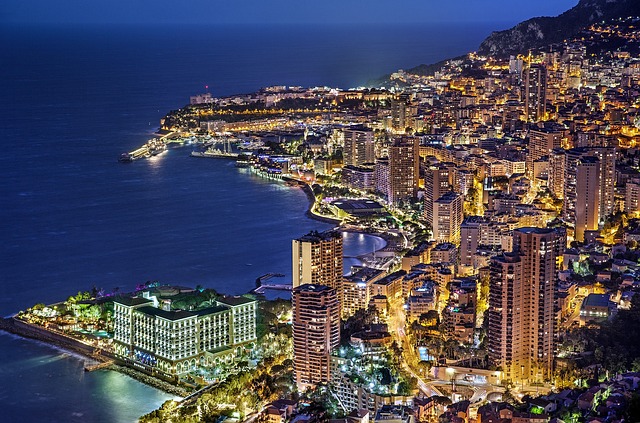
Three days buys Monaco itself, unhurried, plus a genuine Riviera day trip, all without ever renting a car. The country only takes a determined day to cover, so this plan spends two on Le Rocher and Monte-Carlo before crossing to Eze, the perched village next door. Anyone with just a weekend should look at the 2-day plan instead; anyone with a full week should see the 7-day version , which folds...
read more
A Weekend in Monaco, Off the Beaten Path
Two days is enough to walk the whole of Monaco slowly: Le Rocher on day one, Monte-Carlo and the port on day two, without ever needing a bus. Honestly, that’s more Monaco than most visitors need, since the country is barely 2 square kilometers and a single determined day covers the postcard sights. If a second day feels like padding, swap it for the 3-day plan ’s addition instead, a...
read more
Monaco Hidden Gems: 7 Unusual Things to Do
Everyone photographs the Casino de Monte-Carlo from the same angle and calls it Monaco. What most visitors never find is that the country is barely 2 square kilometers, small enough that a free public lift network beats every hill in it, the changing of the guard costs nothing at 11:55am, and a cliffside cave only reopened to the public in March 2026 after six years shut. The seven picks below sit...
read more
Monaco Off the Beaten Path: 4 Day Itinerary
Four days is Monaco itself plus two short looks at the neighbors: Eze’s perched village and Nice’s actual city, the region’s real hub. This builds directly on the 3-day plan , adding a day in Nice rather than reinventing the first three; anyone with more time should see the 5-day version , which adds Menton next.
Day Focus Travel time from Monaco 1 Le Rocher, the Palace, the...
read more
Monaco Off the Beaten Path: 5 Day Itinerary
Five days keeps the 4-day plan ’s spine, Monaco, Eze and Nice, and adds Menton, the last French town before Italy and the flattest of the three day trips. This is the point where the Riviera stops feeling like an add-on and starts feeling like the actual trip, with Monaco itself as the anchor rather than the whole itinerary.
Day Focus Travel time from Monaco 1 Le Rocher, the Palace, the...
read more
Monaco Off the Beaten Path: 6 Day Itinerary
Six days keeps the 5-day plan ’s spine, Monaco, Eze, Nice and Menton, and adds a day across the Italian border for Ventimiglia’s Friday market. That one condition matters: this day only works if it actually lands on a Friday, so check your dates before locking this plan in over the 7-day version .
Day Focus Travel time from Monaco 1 Le Rocher, the Palace, the Cathedral, the...
read more
Monaco: What Most Visitors Miss
Most Monaco write-ups rank sights by fame: the Casino first, the Palace second, the Oceanographic Museum third, in that order, every time. Ranked by what actually earns the walk, the order looks different, and the free things beat several of the paid ones outright. The table below covers all seven, by quartier (Monaco has four, not one interchangeable “Monaco/Monte-Carlo” blob), with...
read more
One Week in Monaco: An Offbeat Itinerary
A full week keeps the 6-day plan ’s spine, Monaco, Eze, Nice, Menton and Ventimiglia, and closes with a flexible last day: Cannes and Antibes if a bigger train ride still appeals, or the Grande Corniche’s scenic drive if six days of train schedules is enough. For a shorter version of this same trip, see the 4-day plan ; for the guide behind every stop, see the hidden gems guide .
read more

A Long Weekend in Bagan: The Offbeat Plan
Three days is the honest ceiling for Bagan’s temple plain on its own, and it happens to match the zone pass exactly. This route keeps the marquee sites, then spends day three on the cluster most visitors never reach. Building a shorter or longer trip? See the 2-day version or the full week .
Book these before you go
Hotel: check Nyaung-U and Old Bagan availability on Booking.com Hot air...
read more
A Weekend in Bagan, Off the Beaten Path
Two days is the tight version: enough for the marquee temples and one real detour, not enough to pretend you’ve seen everything. Building a longer trip? Step up to the 3-day plan or the full week that adds the region. Full logistics live on the Bagan guide .
Book these before you go
Hotel: check Nyaung-U and Old Bagan availability on Booking.com Hot air balloon: the classic dawn flight on...
read more
Bagan Hidden Gems: 7 Unusual Things to Do
Almost everyone who visits Bagan photographs the same six temples and calls it done. That leaves roughly 3,595 recorded monuments, a village of lacquerware workshops, a monkey-guarded volcanic plug an hour out, and a river that turns gold at dusk if you’re actually on it instead of standing above it, largely untouched by the crowd. First, though, the honest part: Myanmar has been under...
read more
Bagan Off the Beaten Path: 4 Day Itinerary
Four days is where Bagan starts borrowing from the region, since the plain itself is honestly a 2-3 day proposition. This route keeps the temples and the lacquerware detour, then spends day four on the volcanic plug an hour out that most itineraries treat as an afterthought and shouldn’t.
Book these before you go
Hotel: check Nyaung-U and Old Bagan availability on Booking.com Hot air...
read more
Bagan Off the Beaten Path: 5 Day Itinerary
Five days is where the temple plain stops carrying the whole trip alone, which is fine, Bagan was never built to stretch past three days without help. This route keeps the marquee sites, the Minnanthu detour and Mount Popa, then adds Salay, a quiet river town most visitors skip outright.
Book these before you go
Hotel: check Nyaung-U and Old Bagan availability on Booking.com Hot air balloon:...
read more