Recent Alpaca Travels
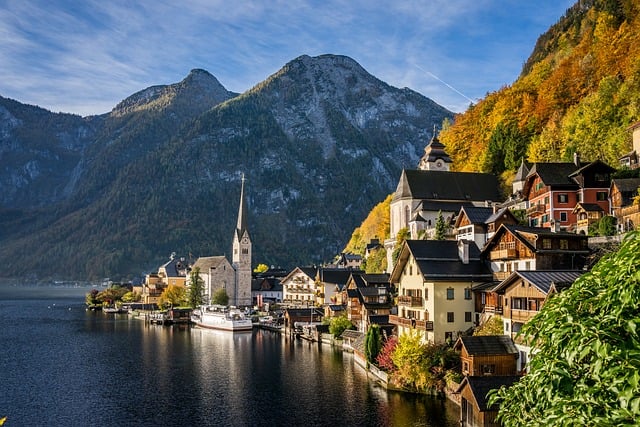
Austria Off the Beaten Path: 6 Day Itinerary
Six days is where this route earns the word “loop”: Vienna, the Wachau, Salzburg and Hallstatt, then Innsbruck by Railjet, about 2h40 to 3h from Salzburg, for a genuine taste of the Alps. Everything connects by OBB rail and runs in euros; skip renting a car unless the Grossglockner High Alpine Road specifically is the goal, since its own seasonal toll and the standard vignette both...
read more
One Week in Austria: An Offbeat Itinerary
Seven days is the honest whole-country version: Vienna, the Wachau, Salzburg and Hallstatt, Innsbruck and Tyrol, all connected by OBB Railjet in euros with no domestic flight and, for this route, no car or vignette needed. It isn’t a relaxed week, closer to a city or region a day than a lounge-by-the-lake trip. Go April-May or September-October for the best balance of weather and crowds, and...
read more
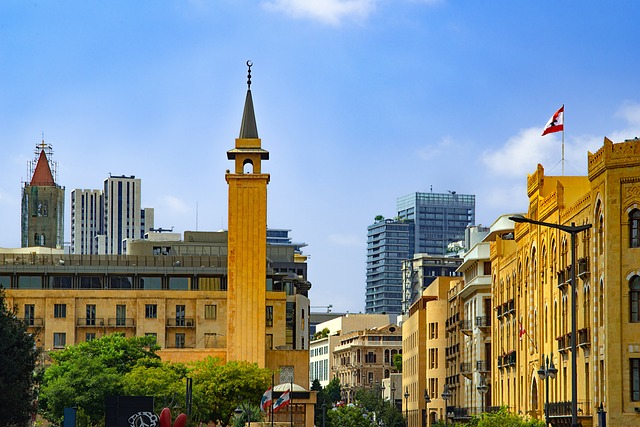
A Long Weekend in Beirut: Offbeat Plan
Three days extends the 2-day core , the Corniche, downtown, the National Museum, a Gemmayzeh dinner, with one day trip to Byblos, all still deliberately leaving out Baalbek, the Bekaa, and the south under 2026’s advisory zones. Treat this as what a long weekend looks like once your government’s current advisory eases, not a plan to book against it. Longer versions continue at 4 , 5 ,...
read more
A Weekend in Beirut, Offbeat
Two days covers central Beirut only: the Corniche, downtown, the National Museum, and a Gemmayzeh dinner, deliberately leaving out Baalbek, the Bekaa, and the south given 2026’s advisory zones. This is not a go-now plan, it’s what these two days look like once your own government’s current advisory eases enough to justify the trip. The same route extends to 3 , 4 , and 7 days ,...
read more
Beirut Hidden Gems: 8 Unusual Things
Beirut carries the US State Department’s Level 4, Do Not Travel, rating in 2026, reaffirmed after non-emergency government staff and their families were ordered out on 23 February. The UK FCDO advises against all travel to the southern suburbs, the south, the Bekaa and Baalbek, and Lebanon’s north, and against all but essential travel across the rest of Beirut and Mount Lebanon. A 2024...
read more
Beirut Off the Beaten Path: 4 Days
Four days extends the 3-day plan , the Corniche, downtown, the National Museum, Gemmayzeh, and Byblos, adding Jeita Grotto and Harissa’s hilltop shrine, still leaving out Baalbek, the Bekaa, and the south under 2026’s advisory zones. This is a conditional plan, worth having ready for whenever the advisory eases, not a schedule to book against it today. See 5 , 6 , and 7 days for longer...
read more
Beirut Off the Beaten Path: 5 Days
Five days extends the 4-day plan , the Corniche, downtown, the National Museum, Gemmayzeh, Byblos, Jeita Grotto, and Harissa, adding a Chouf mountain day, still leaving out Baalbek, the Bekaa, and the south under 2026’s advisory zones. Hold this plan for when the advisory eases; it is not built to run against it. See 6 and 7 days for longer versions.
Is it safe to visit Beirut in 2026? Not...
read more
Beirut Off the Beaten Path: 6 Days
Six days extends the 5-day plan , the Corniche, downtown, the National Museum, Gemmayzeh, Byblos, Jeita Grotto, Harissa, and the Chouf, adding a slower Hamra day, still leaving out Baalbek, the Bekaa, and the south under 2026’s advisory zones. Hold this plan for when the advisory eases; it is not built to run against it. See the full week version for one more day.
Is it safe to visit Beirut...
read more
One Week in Beirut: Offbeat Plan
A full week extends the 6-day plan , the Corniche, downtown, the National Museum, Gemmayzeh, Byblos, Jeita Grotto, Harissa, the Chouf, and a Hamra day, closing with Achrafieh’s galleries and a final Corniche sunset, all still leaving out Baalbek, the Bekaa, and the south under 2026’s advisory zones. Keep this plan ready for when your government’s advisory eases; it is not built...
read more
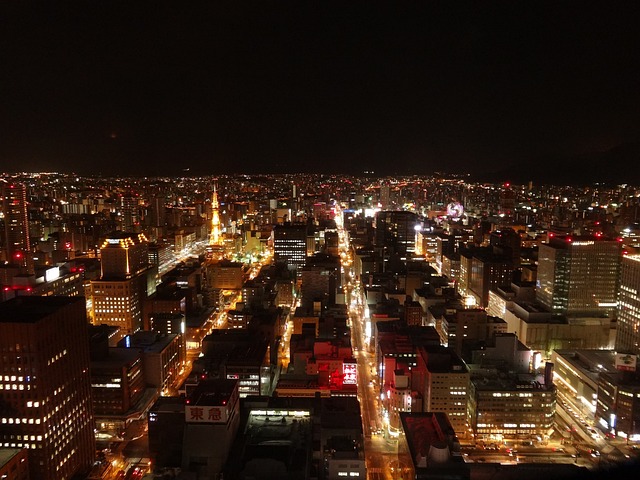
A Long Weekend in Sapporo: The Offbeat Plan
Three days adds Maruyama’s shrine-and-zoo cluster to the core-plus-Mt-Moiwa route, still skipping Otaru and the ski/onsen day trips for a longer stay. See the 2 day version if even this feels like too much, or the 7 day itinerary for Otaru, Jozankei Onsen and Furano.
Day Focus 1 Odori/Susukino core and Ramen Yokocho 2 Mt Moiwa’s night view 3 Beer Museum, Nijo Market and...
read more
A Weekend in Sapporo, Off the Beaten Path
Two days covers Sapporo’s downtown core and its best night view, not the day trips. Day 1 settles into Odori/Susukino and Ramen Yokocho; Day 2 combines the Beer Museum, Nijo Market and Mt Moiwa’s sunset ropeway. For Otaru, Jozankei Onsen and the full offbeat route, see the 3 day and 7 day versions, or the full Sapporo guide for everything this trip skips.
Day Focus 1 Odori/Susukino...
read more
One Week in Sapporo: An Offbeat Itinerary
A full week covers the downtown core, Mt Moiwa, the Beer Museum, Maruyama, Otaru, Jozankei Onsen (or a ski day), Moerenuma Park, and a Furano lavender or Yoichi whisky finish: Sapporo’s complete offbeat route rather than a Snow Festival sprint. Shorter on time? See the 4 day or 5 day versions, or the full Sapporo guide for the facts behind every stop here.
Day Focus 1 Odori/Susukino core and...
read more
Sapporo Hidden Gems: 7 Unusual Things to Do
Sapporo runs on Japanese yen, sits on Hokkaido rather than a snowy corner of Honshu, and the shinkansen still doesn’t reach it, so flying into New Chitose Airport (CTS) and riding the 37 minute JR Rapid Airport train (about 1,430 JPY) is how nearly everyone actually arrives. Most guides then point you straight at the Sapporo Snow Festival, Feb 4-11, 2026, and stop there. That’s the...
read more
Sapporo Off the Beaten Path: 4 Day Itinerary
Four days is the first version honest about needing Otaru, the canal town short Sapporo trips usually shortchange as a rushed afternoon. Days 1-3 cover the downtown core, Mt Moiwa and the Beer Museum; Day 4 heads to Otaru properly. Compare the 3 day plan without it or the 7 day version with Jozankei Onsen and Furano added.
Day Focus 1 Odori/Susukino core and Ramen Yokocho 2 Mt Moiwa’s night...
read more
Sapporo Off the Beaten Path: 5 Day Itinerary
Five days adds Jozankei Onsen, or a Niseko/Rusutsu ski day, to the core-Moiwa-Beer-Museum-Otaru route. It’s the first length where a hot spring or a lift ticket genuinely fits without cutting anything else. See the 4 day version without it or the 6 day itinerary for Moerenuma Park too.
Day Focus 1 Odori/Susukino core and Ramen Yokocho 2 Mt Moiwa’s night view 3 Beer Museum, Nijo Market...
read more
Sapporo Off the Beaten Path: 6 Day Itinerary
Six days folds in Moerenuma Park, Isamu Noguchi’s land-art park that most Snow Festival visitors never hear about, in as a genuine slow half-day after Otaru and Jozankei Onsen. See the 5 day version without it or the full 7 day route ending in Furano.
Day Focus 1 Odori/Susukino core and Ramen Yokocho 2 Mt Moiwa’s night view 3 Beer Museum, Nijo Market and Maruyama’s shrine and zoo...
read more

A Long Weekend in Madagascar: Offbeat Plan
Three days gives Andasibe a full overnight instead of a rushed there-and-back, the dawn chorus and a night walk on top of the Indri Trail circuit. It still doesn’t reach Antsirabe or the RN7 proper, that starts at four days . Check your government’s current travel advisory first, the transitional government sworn in October 2025 is still finding its footing.
Day Focus 1 Arrival in...
read more
A Weekend in Madagascar, Off the Beaten Path
Two days is the honest limit for reaching Madagascar’s headline wildlife at all: Tana plus a long day out to Andasibe-Mantadia for the indri, nothing further. Check your government’s current travel advisory before booking, Madagascar’s political transition since October 2025 is still settling. For Antsirabe and the coast, see the 3 day and longer plans in this guide’s full...
read more
Madagascar Hidden Gems: 7 Unusual Things
Most Madagascar guides sell the whole island in one trip: lemurs by morning, baobabs by lunch, a beach sunset to close. Ignore that. The currency is the ariary, roughly 4,200-4,400 to the US dollar through 2026, the wildlife draw is real and found nowhere else on Earth (the indri, chameleons, six of the world’s eight baobab species), and the dry season from April to November is the only sane...
read more
Madagascar Off the Beaten Path: 4 Days
Four days adds a genuinely different Madagascar to the Andasibe rainforest: the RN7 south to Antsirabe, the cool former French spa town everyone skips. It’s still one region deep, not the full RN7 to Isalo and Tulear, that needs 8 to 10 more days on top. See the 2 day version if Antsirabe doesn’t fit your schedule.
Day Focus 1 Arrival in Tana, easing into the ariary and the jet lag 2...
read more
Madagascar Off the Beaten Path: 5 Days
Five days backtracks from Antsirabe to Tana for a flight out to Ile Sainte-Marie, trading driving time for a second Madagascar entirely, whales instead of lemurs. It’s a lot of transit for one extra island night, the 6 day and 7 day versions let that flight actually pay off.
Day Focus 1 Arrival in Tana, easing into the ariary and the jet lag 2 The paved RN2 to Andasibe, and the indri’s...
read more
Madagascar Off the Beaten Path: 6 Days
Six days is enough to actually use that flight to Ile Sainte-Marie: a full day of whale watching and the island’s real pirate cemetery, not just an arrival. It’s a genuinely ambitious week pairing rainforest, highlands, and coast, the 4 day Antsirabe-only version is the calmer trade if that’s too much transit.
Day Focus 1 Arrival in Tana, easing into the ariary and the jet lag 2...
read more
Madagascar: What Most Visitors Miss
Most Madagascar lists rank parks by fame, Andasibe first, then whichever RN7 stop photographs best. Rank them instead by what the standard itinerary skips, and the order shifts. The indri’s loudest call comes at dawn, not the mid-morning slot most day trips book. Nosy Be’s actual best day out is a 40,000 MGA boat ride most beach-only visitors never take. Ile Sainte-Marie’s pirate...
read more
One Week in Madagascar: An Offbeat Itinerary
Seven days adds one slow island morning before the flight home, room to actually rest after a week that already covered the indri, Antsirabe’s pousse-pousse, and Sainte-Marie’s whales and pirate graves. Build slack around that last domestic flight; see what six days covers if a full week isn’t on the table.
Day Focus 1 Arrival in Tana, easing into the ariary and the jet lag 2 The...
read more
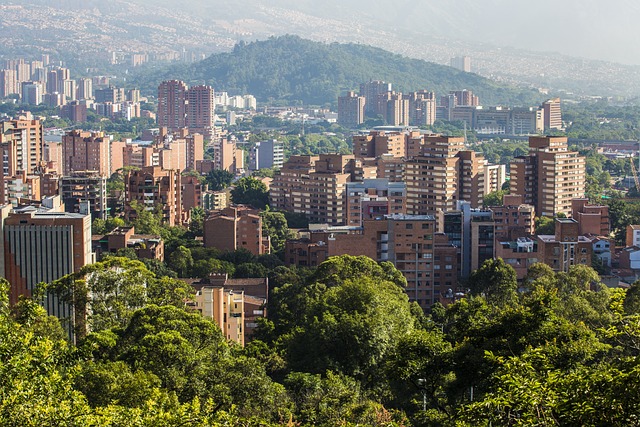
A Long Weekend in Medellin: The Offbeat Plan
Three days covers Medellin’s offbeat headline circuit: Comuna 13 and El Centro on day one, Guatape’s zocalos on day two, then Parque Arvi’s actual forest trails, not just the Metrocable photo, on day three. Base in Laureles throughout; the 2 day version drops Arvi if you’re tighter on time, and the 4 day version adds a coffee finca.
Day Focus 1 Comuna 13’s free...
read more
A Weekend in Medellin, Off the Beaten Path
Two days is enough for Medellin’s essential offbeat pair: Comuna 13’s escalators and El Centro on day one, then a full day out at Guatape hunting the town’s painted zocalos beyond the rock. Base in Laureles, not El Poblado, and skip Parque Arvi and the coffee finca for a longer trip; see the 3 day version if you have room for both.
Day Focus 1 Comuna 13’s free escalators,...
read more
Medellin Hidden Gems: 7 Unusual Things to Do
Medellin prices in Colombian pesos, not dollars, and the numbers look enormous until you do the math: a menu del dia lunch runs about 21,460 COP, roughly $6-7 at the volatile mid-2026 rate near 3,270 COP per dollar (check today’s rate before you land, it moves). The city sits at 1,495m in a narrow Andean valley, which keeps it spring-like year-round, not tropical, despite sitting barely six...
read more
Medellin Off the Beaten Path: 4 Days
Four days covers Medellin’s full offbeat circuit: Comuna 13 and El Centro, Guatape’s zocalos, Parque Arvi’s forest trails, and a fourth day at a smaller, family-run coffee finca. Base in Laureles throughout; the 3 day version drops the finca, and the 5 day version adds Pueblito Paisa.
Day Focus 1 Comuna 13’s free escalators, guided, then Plaza Botero and El Centro 2...
read more
Medellin Off the Beaten Path: 5 Days
Five days covers the full offbeat circuit plus room to breathe: Comuna 13, Guatape’s zocalos, Parque Arvi’s forest trails, a smaller coffee finca, then a fifth day pairing Pueblito Paisa’s free panorama with a slow Laureles afternoon. The 4 day version drops that last day, and the 6 day version adds an Envigado detour.
Day Focus 1 Comuna 13’s free escalators, guided, then...
read more
Medellin Off the Beaten Path: 6 Days
Six days covers the full offbeat circuit with a proper change of pace built in: Comuna 13, Guatape’s zocalos, Parque Arvi’s forest trails, a coffee finca, Pueblito Paisa, then a sixth day across the river in Envigado, quieter than either Laureles or El Poblado. The 5 day version drops Envigado, and the 7 day version adds a genuine flex day.
Day Focus 1 Comuna 13’s free...
read more
One Week in Medellin: An Offbeat Itinerary
A full week covers the entire offbeat circuit at a real pace: Comuna 13, Guatape’s zocalos, Parque Arvi’s forest trails, a coffee finca, Pueblito Paisa, an Envigado detour, and a genuine flex day at the end. Base in Laureles throughout; the 6 day version drops that last flex day for a tighter trip, or see the full Medellin hidden gems guide for more on each stop.
Day Focus 1 Comuna...
read more

A Weekend in Red Square, Off the Beaten Path
Two days is enough for Red Square and the Kremlin, not for Moscow, and this plan doesn’t pretend otherwise. Bring rubles: no foreign Visa or Mastercard works anywhere in Russia since 2022, cards dead, cash only. A visa is required for almost everyone, and the cheap e-visa skips US, UK, Canadian, and Australian passports specifically. Both the US State Department and the UK Foreign Office...
read more
Moscow Hidden Gems: 9 Unusual Things to Do
Red Square looks identical in every postcard: onion domes, red brick wall, a queue for a mausoleum. What the postcards leave out is the mechanics of actually standing there in 2026. Bring rubles, physical cash, because no foreign-issued Visa or Mastercard has worked anywhere in Russia since 2022. A visa is required for almost every nationality, and the cheap e-visa does not cover US, UK, Canadian,...
read more
One Week in Red Square: An Offbeat Itinerary
A full week starting at Red Square, ending at a modern skyscraper deck, and covering everything odd in between. Bring rubles: no foreign Visa or Mastercard works anywhere in Russia since 2022, cash only, no exceptions for tourists. A visa is required for almost everyone, and the e-visa skips US, UK, Canadian, and Australian passports specifically, who need a slower, pricier consular visa instead....
read more
Red Square Long Weekend: Offbeat Plan
Three days lets Red Square and the Kremlin breathe a little, plus one genuinely odd detour the weekend version skips. Bring rubles: no foreign Visa or Mastercard works anywhere in Russia since 2022, cash only, no exceptions for tourists. A visa is required for almost everyone, and the e-visa skips US, UK, Canadian, and Australian passports specifically. Both the US State Department and the UK...
read more
Red Square Offbeat: 4 Day Itinerary
Four days is where a Red Square trip stops being cramped. Bring rubles: no foreign Visa or Mastercard works anywhere in Russia since 2022, cash only, no exceptions for tourists. A visa is required for almost everyone, and the e-visa skips US, UK, Canadian, and Australian passports specifically, who need a slower, pricier consular visa instead. Both the US State Department and the UK Foreign Office...
read more
Red Square Offbeat: 5 Day Itinerary
Five days is enough to widen out from Red Square without losing the anchor. Bring rubles: no foreign Visa or Mastercard works anywhere in Russia since 2022, cash only, no exceptions for tourists. A visa is required for almost everyone, and the e-visa skips US, UK, Canadian, and Australian passports specifically, who need a slower, pricier consular visa instead. Both the US State Department and the...
read more
Red Square Offbeat: 6 Day Itinerary
Six days is enough to leave the city once and still cover Red Square properly. Bring rubles: no foreign Visa or Mastercard works anywhere in Russia since 2022, cash only, no exceptions for tourists. A visa is required for almost everyone, and the e-visa skips US, UK, Canadian, and Australian passports specifically, who need a slower, pricier consular visa instead. Both the US State Department and...
read more
Red Square: What Most Visitors Miss
Red Square isn’t named for the color. “Krasnaya” meant “beautiful” in medieval Russian centuries before anyone connected it to communism, and the square itself predates the association by a long way. It’s free to enter, 24 hours a day, and everything most visitors actually pay for sits around its edges: the Kremlin, St Basil’s, and a mausoleum with a body...
read more
A Long Weekend in Zermatt: The Offbeat Plan
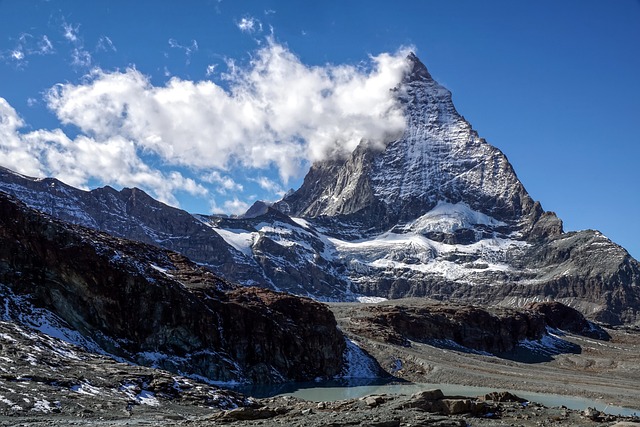
Three days adds the Five Lakes hike to the car-free arrival and the Gornergrat’s classic view, the cheapest genuine big-view activity in the valley alongside the two lifts everyone already photographs. Prefer the full three-lift week? See the 4 day itinerary next.
Book these before you go
Reserve Gornergrat Railway tickets , the classic Matterhorn view, worth a set time slot Book the...
read more
A Weekend in Zermatt, Off the Beaten Path
Two days buys the car-free arrival, the cemetery that explains why this village exists, and the Gornergrat’s classic Matterhorn view, honestly not the other two lift systems, that takes at least four days. See the 3 day version if the Five Lakes hike can fit too.
Book these before you go
Reserve Gornergrat Railway tickets , the classic Matterhorn view, worth a set time slot Compare Zermatt...
read more
One Week in Zermatt: An Offbeat Itinerary
A full week covers the car-free arrival, all three lift systems, the Cervinia crossing, a ski or glacier day, and a slow finale day before the Glacier Express pulls out toward St Moritz. Need it shorter? The 4 day itinerary keeps the three-lift core without the extra days.
Book these before you go
Reserve Gornergrat Railway tickets , the classic Matterhorn view, worth a set time slot Book the...
read more
Zermatt Hidden Gems: 7 Unusual Things to Do
Everyone photographs the Matterhorn from the same spot by the church and calls the trip done. What most people miss: a cemetery of the men who proved the mountain could be climbed, a lake that mirrors the peak better than any camera trick, a glacier you can ski across in July, and a cable car that crosses into Italy without a single passport check. Zermatt runs on Swiss francs, not euros, bans...
read more
Zermatt Off the Beaten Path: 4 Day Itinerary
Four days adds the Matterhorn Glacier Paradise, Europe’s highest cable car station, to the arrival, the Gornergrat, and the Five Lakes hike, the first itinerary here that covers all three lift systems properly. Need a rest day too? See the 5 day version .
Book these before you go
Reserve Gornergrat Railway tickets , the classic Matterhorn view, worth a set time slot Book the Sunnegga Five...
read more
Zermatt Off the Beaten Path: 5 Day Itinerary
Five days adds a cable car crossing into Cervinia, Italy, on top of the three-lift core, a genuine cross-border day trip most Zermatt visitors never take. See the 6 day itinerary if a proper ski or glacier day should fit too.
Book these before you go
Reserve Gornergrat Railway tickets , the classic Matterhorn view, worth a set time slot Book the Sunnegga Five Lakes ticket , the cheapest big-view...
read more
Zermatt Off the Beaten Path: 6 Day Itinerary
Six days adds a ski day, winter’s cross-border Cervinia circuit or summer’s glacier skiing on the Theodul, to everything the 5 day version covers. See the full week for a slower finale and the honest Glacier Express detour.
Book these before you go
Reserve Gornergrat Railway tickets , the classic Matterhorn view, worth a set time slot Book the Sunnegga Five Lakes ticket , the cheapest...
read more
Zermatt: What Most Visitors Miss
Almost everyone who comes to Zermatt takes the same photo of the Matterhorn from Kirchbrucke and leaves thinking that was the whole point. It wasn’t. Ranked below are the seven lifts and sights that actually structure a visit here, with the altitude and the CHF cost most blogs leave out, plus the parts of the story, a cemetery, a disaster, a lake that mirrors the mountain, that the postcard...
read more
A Long Weekend in Santorini: Offbeat Plan
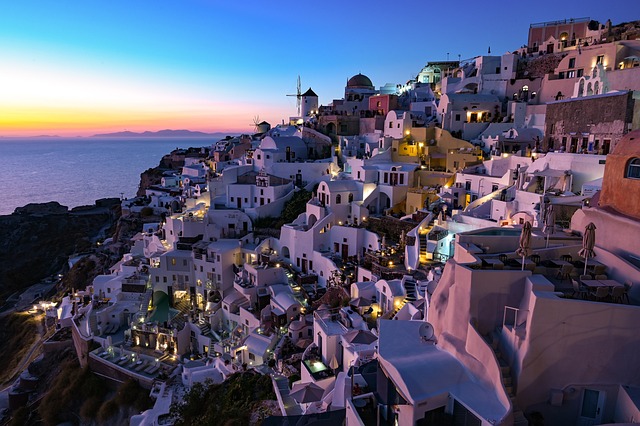
Three days is the honest floor for seeing Santorini beyond Fira and Oia: it adds Akrotiri’s Bronze Age ruins and wine country’s quieter half without a rushed pace. This nests the 2 day weekend plan and adds one day; for Ancient Thera and the black-sand coast too, move up to the 4 day version .
Day Focus Travel time 1 Fira, the cable car and the Old Port 20-30 min transfer from Athinios...
read more
A Weekend in Santorini, Off the Beaten Path
Two days is enough for Fira and Oia, not the whole island, so this trip stays honest about that: no Akrotiri, no wine country, no rental car. It swaps the standing-room-only Oia sunset for a caldera cruise instead. For the fuller island trip, see the 3 day offbeat plan once Akrotiri and wine country earn a place on the schedule.
Day Focus Travel time 1 Fira, the cable car and the Old Port 20-30...
read more
One Week in Santorini: An Offbeat Itinerary
A full week covers the caldera-rim towns, the archaeology, an island most visitors never cross to, and still leaves a slow last day inland at the villages nobody’s rental-car circuit reaches. This nests the 6 day plan and closes with Pyrgos and Emporio; for the shorter versions, see the 2 day through 6 day plans.
Day Focus Travel time 1 Fira, the cable car and the Old Port 20-30 min transfer...
read more