Recent Alpaca Travels
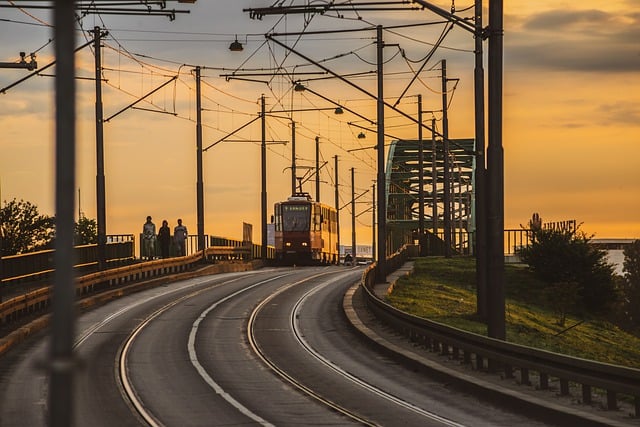
Belgrade Deep History Week: 6 Days
Six Days of Ashes, Tombs, and Grey Concrete Six days here move backward and forward through five centuries at once: a fortress with a well every guide calls Roman (it isn’t), an inventor’s ashes kept in a gold sphere, a Yugoslav leader’s tomb built inside his own greenhouse, and two day trips out to a rubble-strewn river castle and a crypt tiled floor to ceiling in glass. This...
read more
Belgrade Hidden Gems: 7 Unusual Things to Do
Belgrade’s splav boats and the Ada Ciganlija beach scene get most of the attention online, and we cover that side on its own in our Belgrade nightlife and river guide . This loop is the other half of the city: a fortress with four empires’ worth of stonework stacked under one park, a church roofed in fifty million pieces of Murano glass and gold, and an inventor whose ashes sit in a...
read more
Belgrade History Deep Dive: 7 Days
Seven days on Belgrade’s history side means the four-day core, Kalemegdan’s stacked walls and tunnel network, a free Saint Sava dome, Tesla’s ashes in a gold sphere, Tito’s rose garden, Skadarlija’s kafana bands, Novi Beograd’s concrete skyline, and a museum-card afternoon beside Avala Tower, then three day trips most visitors never fit in: Smederevo’s...
read more
Belgrade History Off the Path: 4 Days
Four days on Belgrade’s history side means Kalemegdan’s stacked walls and the tunnels most visitors never notice, a free Saint Sava dome, an inventor’s ashes sealed in a gold sphere, a marshal’s rose garden, Skadarlija’s kafana bands, Novi Beograd’s concrete skyline, and a last day split between a Cold War tower and a museum-card afternoon. It nests inside the...
read more
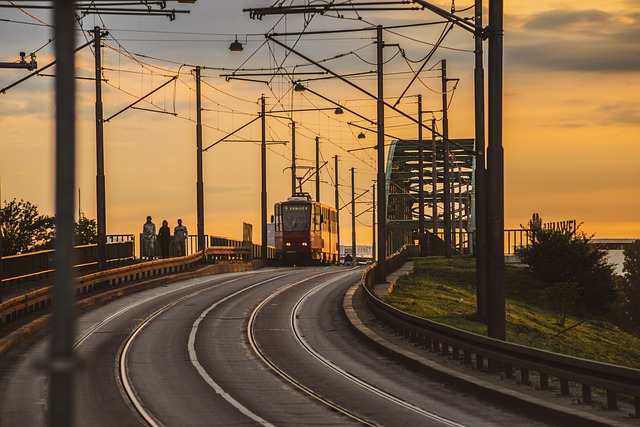
Belgrade Rivers and Nightlife: 3 Days
Three days on Belgrade’s river side means Savamala’s splavovi and a night out on day one, Zemun’s quay and Ada Ciganlija’s free lake beach on day two, then a Sava-Danube cruise, Belgrade Waterfront’s glass skyline and one last kafana dinner on day three. Kalemegdan’s fortress walls show up here only as the view across the water from a splav deck or a cruise...
read more
Belgrade Rivers and Nightlife: 4 Days
Four days on Belgrade’s river side is enough to stop rushing it: the first three days below track the 3-day version almost move for move, itself built on the 2-day weekend plan , and Day 4 adds a fourth day spent on an island most visitors do not know exists. Kalemegdan gets a glance from the water and nothing else, the fortress-and-museum route lives on the Belgrade history itinerary...
read more
Belgrade Rivers and Nightlife: 5 Days
Five days on Belgrade’s river side runs the whole loop end to end: Savamala and a splav night on day one, Zemun’s quay and Ada Ciganlija’s free lake beach on day two, a Sava-Danube cruise past Belgrade Waterfront and Kula on day three, then two days most shorter trips skip outright, a slow morning on Great War Island’s undeveloped Lido beach on day four, and a day trip...
read more
Belgrade Rivers and Nightlife: 6 Days
Six days on Belgrade’s river side means the first four days run exactly as our 4-day plan does, Savamala’s splav strip, Zemun’s tower and the Belgrade Sea, a Danube cruise past Belgrade Waterfront, then a slow morning on Great War Island, before two new days push out of the city entirely. Day 5 crosses north to Novi Sad and the Fruska Gora wine hills, Day 6 runs east to Golubac...
read more
Belgrade Rivers and Nightlife: 7 Days
Seven days on Belgrade’s river side is the whole loop plus the two day trips most visitors never reach: the splav, Zemun, Ada Ciganlija and cruise core running days one through four, Fruska Gora’s monastery vineyards and Novi Sad on day five, a full day at Golubac Fortress and the Danube’s Iron Gate gorge on day six, and a slow Zemun-quay wrap on day seven. Kalemegdan’s...
read more
Belgrade Rivers and Nightlife: 8 Odd Spots
Belgrade’s nightlife runs on water. Stand on a splav deck bouncing gently on the Sava past midnight and Kalemegdan’s fortress walls across the river start to look like a different city’s assignment, we cover that history side separately in our Belgrade history guide . This side of town prices in Serbian dinar (RSD), not euro, roughly 117 RSD to 1 EUR and 103 RSD to 1 USD through...
read more
Belgrade Rivers and Splav Weekend
Two days on Belgrade’s river side means one splav that used to be an actual boat, a walk through Savamala instead of a queue at the fortress, and a second day given entirely to Zemun and, if the heat allows, a swim at the self-styled Belgrade Sea. Kalemegdan gets a single glance from the water on the way past, nothing more; that fortress-and-museum route lives in the Belgrade history guide...
read more
Belgrade Slow History Trip: 5 Days
Five days is the three-day history core, Kalemegdan’s tunnels, Saint Sava’s dome, Tesla’s gold-sphere ashes, Skadarlija and Novi Beograd’s Brutalism, plus two days most short trips skip entirely: an afternoon on Avala Mountain beside a war memorial held up by eight stone women instead of one soldier, then a day trip out to a church whose walls are covered floor to ceiling...
read more

A Long Weekend in Varanasi: The Ghats Plan
Three Days Buys the Ghats a Second Look Three days adds a full day of the Old City itself to the two-day river core: dawn wrestlers at the ghats, a food crawl through Kachori Gali, and an independent silk shop instead of a commission-driven one. This extends the 2-day itinerary by one day; the 4-day version adds a Mallah boatman’s river history on top of this.
Book these before you go:
read more

A Long Weekend in Varanasi: The Offbeat Plan
Three days on the same beyond-the-ghats spine as the 2-day plan : arrival and one river evening, a Sarnath day trip, then a third day added here for the silk-weaving quarters and BHU’s own temple. Longer versions through a full week add Ramnagar Fort and festival season. Check today’s INR rate; the rupee has swung near record lows around 96-97 to the dollar through mid-2026.
Book these...
read more
A Weekend in Varanasi by the Ganges
Two Days Is Enough for the Ganges, Not the City Two days on the Ganges covers the essentials at a walking pace: one sunset Aarti from the ghat steps, one sunrise boat past the cremation ghats (respectfully, no photography), and Kashi Vishwanath’s corridor in between. This is the short end of a spine that runs to 7 days; see the 3-day and 7-day versions for how it extends.
Book these before...
read more
A Weekend in Varanasi, Off the Beaten Path
Two days built beyond the ghats: one arrival evening on the river, then a full day given to Sarnath and the Old City’s food lanes. The same spine runs longer in the 3-day plan through a full week , adding the silk quarters, Ramnagar Fort, and festival season as the days stack up. INR has been volatile in 2026, near record lows around 96-97 to the dollar, so check today’s rate.
read more
One Week in Varanasi: An Offbeat Itinerary
A full week on the same spine as the 6-day plan : arrival, Sarnath, the silk quarters, Ramnagar Fort, Bengali Tola, and Tulsi Manas Temple, with a seventh day here for the BHU museum and a proper departure buffer. Shorter versions from a weekend up compress this same route. Verify today’s INR rate; the rupee has traded near record lows around 96-97 to the dollar through mid-2026.
Book these...
read more
One Week in Varanasi: Ghats and the Ganga
A Full Week on the Ganges, Slowly A full week on the Ganges is the six-day river itinerary plus a genuine flex day, insurance against a rained-out boat or a monsoon-shortened Aarti if your dates land July-September. This is the full version of the spine that starts at the 2-day itinerary and builds one day at a time through the 6-day version .
Book these before you go:
A sunrise Ganges boat and...
read more
Varanasi Beyond: 7 Unusual Things to Do
Varanasi’s rupee has been sliding all year, record lows near INR 96-97 to the dollar by mid-2026, so check today’s rate before trusting a single price below. Most guides for this holy city on the Ganges never leave the river: the ghats, the sunrise boat, the nightly Ganga Aarti, handled here with the respect an active cremation site demands, camera away, always. This one keeps going....
read more
Varanasi by the Ganges: 4 Day Itinerary
Four Days for the River Below the Surface Four days adds a longer private row with a Mallah boatman and an evening of Banaras gharana music to the three-day river-and-Old-City core. This extends the 3-day itinerary by one day; the 5-day version adds the Nepali temple and the quieter northern ghats.
Book these before you go:
A sunrise Ganges boat and heritage walk, lock it in the evening before to...
read more
Varanasi by the Ganges: 5 Day Itinerary
Five Days Past Where the Tour Boats Turn Back Five days pushes north past the tourist core to Panchganga and Namo Ghat, and to Lalita Ghat’s genuinely startling Nepali temple, on top of the four-day river-and-music itinerary. This extends the 4-day itinerary ; the 6-day version adds Man Mandir Ghat’s 18th-century observatory and a proper rest day.
Book these before you go:
A sunrise...
read more
Varanasi by the Ganges: 6 Day Itinerary
Six Days, One River, No Rush Six days adds a real rest day to the five-day river itinerary, plus Man Mandir Ghat’s 1737 rooftop observatory, one of only five the Jaipur king Jai Singh II built across India. This extends the 5-day itinerary ; the 7-day version adds one flex day for whatever the river or the weather disrupts.
Book these before you go:
A sunrise Ganges boat and heritage walk,...
read more
Varanasi Ghats: 7 Unusual Things to Do
Varanasi’s rupee math moves fast this year, the INR has sat near record lows around 90-97 to the dollar through 2026, so check today’s rate before converting a single price below. The real currency here, though, is proximity to the Ganges: everyone comes for the ghats, the sunrise boat, and the nightly Ganga Aarti at Dashashwamedh, and most leave without ever hearing an akhara wrestler...
read more
Varanasi Off the Beaten Path: 4 Days
Four days extending the 3-day plan : the same arrival, Sarnath, and silk-quarters spine, with a fourth day added here for Ramnagar Fort across the river. Longer stays through a full week fold in festival season and genuine rest days. INR has been volatile through 2026, near record lows around 96-97 to the dollar, so verify today’s rate.
Book these before you go:
A room near Assi Ghat or the...
read more
Varanasi Off the Beaten Path: 5 Days
Five days on the same spine as the 4-day plan : arrival, Sarnath, the silk quarters, and Ramnagar Fort, with a fifth day added here as a genuine flex day around Bengali Tola. A full week stretches this further into festival season. Verify today’s INR rate; the rupee has traded near record lows around 96-97 to the dollar through mid-2026.
Book these before you go:
A room near Assi Ghat or the...
read more
Varanasi Off the Beaten Path: 6 Days
Six days on the same spine as the 5-day plan : arrival, Sarnath, the silk quarters, Ramnagar Fort, and Bengali Tola, with a sixth day added here for a quieter temple morning and, if the calendar lines up, a festival evening. The full week adds one more flex day and a departure wrap-up. Verify today’s INR rate; the rupee has traded near record lows around 96-97 to the dollar through mid-2026.
read more
Varanasi: What Most Visitors Miss
Two days of ghats, one sunrise boat, one Ganga Aarti: that is the entire Varanasi checklist for most first-time visitors, and it skips a working Buddhist pilgrimage site, a royal fort museum with a 170-year-old clock, and a month-long piece of living theatre most of India has never even seen. The rupee context first: the INR has been sliding to record lows near 96-97 to the dollar through...
read more
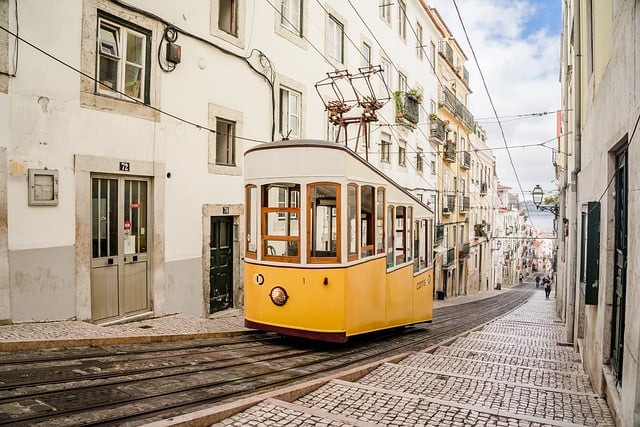
A Long Weekend in Portugal: The Offbeat Plan
Three days on the euro is enough to do Lisbon properly and add Sintra without rushing either, which is exactly the honest cutoff: any shorter and Sintra doesn’t fit, any longer and you should be adding Porto instead of a second Lisbon day. Book the Pena Palace’s earliest timed slot the moment you land, since 2026 pricing runs roughly EUR20 combined with the park and the on-site ticket...
read more
A Weekend in Portugal, Off the Beaten Path
Two days in Portugal, spent on the euro, is really two days in Lisbon, and any itinerary that also squeezes in a Sintra day trip is overselling itself. Sintra’s Pena Palace now runs a mandatory timed online ticket, roughly EUR20 combined with the park, and the single access road backs up badly once the tour buses land, not a rushed half-day errand. Spend the weekend properly in the capital...
read more
One Week in Portugal: An Offbeat Itinerary
Seven days on the euro is genuinely the minimum for a true Lisbon-Porto-Algarve loop, not a suggestion; anything shorter claiming to cover all three is overpromising given the travel time between them. You’ve already spent six days running Lisbon, Sintra, a Coimbra stopover, a full Porto day and the Douro; day seven closes the loop south to the Algarve, where the A22 motorway has been fully...
read more
Portugal Off the Beaten Path: 4 Days
Four days on the euro is Lisbon, Sintra, and the start of the run north, and the honest move is to break the Lisbon-Porto train in Coimbra rather than take the direct Alfa Pendular straight through. The direct run covers roughly 2 hours 35 minutes to 3 hours 15 depending on service; getting off partway costs you an extra hour or two of the day for a university city and a library that still employs...
read more
Portugal Off the Beaten Path: 5 Days
Five days on the euro is the first length where Porto gets a real day of its own instead of just an evening arrival. You’ve already broken the direct Alfa Pendular for a Coimbra stopover on day four; day five is when the north actually pays off, with the Ribeira waterfront, one paid Livraria Lello ticket, and one Vila Nova de Gaia port lodge tour rather than three back to back.
read more
Portugal Off the Beaten Path: 6 Days
Six days on the euro is where the Douro Valley finally earns its own day instead of staying a rumor on a wine label. You’ve already run Lisbon, Sintra, a Coimbra stopover and a full Porto day by now; day six trades the Algarve’s summer crush for the Linha do Douro, one of Europe’s most scenic rail lines, out to Pinhao and back. Spring and autumn keep the terraces green without...
read more
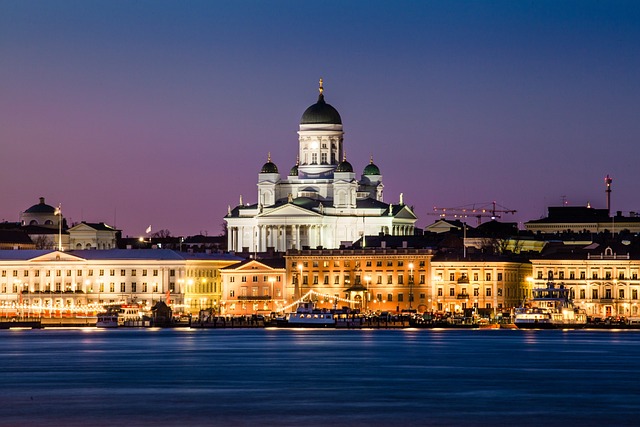
A Long Weekend in Helsinki: Odd City Plan
Three days keeps the 2-day core , Senate Square and Suomenlinna, and adds a third day built entirely around Kallio: a real wood-burning sauna and a library worth an hour on its own. Longer stays keep building from here through the 7-day plan .
Book these before you go
A Kallio or city-center hotel: check rates on Booking.com A guided Suomenlinna walk: book on GetYourGuide A Kotiharjun or Löyly...
read more
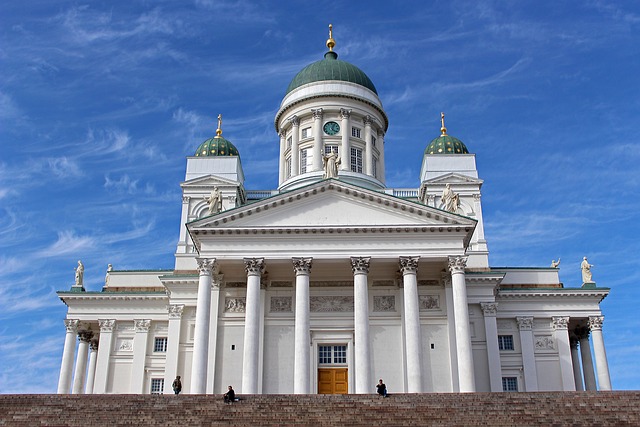
A Long Weekend in Helsinki: The Offbeat Plan
Three days keeps the 2-day archipelago core , the city-core arrival and a Vallisaari crossing, and adds a third day entirely in Porvoo, a wooden river town a bus ride away. Longer stays keep adding day trips through the 7-day plan .
Book these before you go
A Kamppi or Market Square hotel: check rates on Booking.com An archipelago tour if you want it narrated: book on Viator A guided Porvoo day...
read more
A Weekend in Helsinki, Off the Beaten Path
Two days is enough to skip the standard Suomenlinna postcard and reach an island the regular ferry does not serve. Day one gets the city core out of the way; day two is a full archipelago crossing on a boat most first-timers never hear about. Add Porvoo in the 3-day version or keep building day trips through the 7-day plan .
Book these before you go
A Kamppi or Market Square hotel: check rates on...
read more
A Weekend in Helsinki, the Odd City Side
Two days is enough for Helsinki’s odd city core, not the archipelago or Estonia, so this plan does not try for those. Day one is free: Senate Square, the Old Market Hall, the Design District. Day two runs on one ferry ticket and one sauna. Longer stays build on exactly this, from the 3-day version up through 7 days .
Book these before you go
A Kallio or city-center hotel: check rates on...
read more
Helsinki City Hidden Gems: 9 Unusual Things
Helsinki spends euros, not the Swedish kronor or Norwegian krone a wider Nordic trip might have you expecting, and it spends them fast: this is a genuinely expensive capital, priced closer to Stockholm than to Tallinn just across the water. It is also, by any real measure, one of the calmer, happier cities going: Finland topped the World Happiness Report again for 2026 and sits ninth, not first,...
read more
Helsinki Hidden Gems: 6 Unusual Day Trips
Helsinki spends euros, not the Swedish kronor or Norwegian krone a wider Nordic trip might train you to expect, and it spends them fast: a genuinely expensive city. It is also, by any real measure, one of the calmer, happier places going, Finland topped the World Happiness Report again for 2026 and sits ninth, not first, on the Global Peace Index. Summer runs on near-endless daylight; winter runs...
read more
Helsinki Odd City Plan: 4 Day Itinerary
Four days keeps the 3-day plan , Senate Square, Suomenlinna, Kallio’s sauna, and adds a fourth day on the quieter side of the city: an open-air island museum and a monument made of organ pipes. Keep building through the 7-day plan if you have longer.
Book these before you go
A Kallio or city-center hotel: check rates on Booking.com A guided Suomenlinna walk: book on GetYourGuide A Kotiharjun...
read more
Helsinki Odd City Plan: 5 Day Itinerary
Five days keeps the 4-day plan , Senate Square through Seurasaari, and adds a fifth day chasing the city’s stranger engineering: a pool carved into bedrock and one proper art museum. Longer stays keep building through the 7-day plan .
Book these before you go
A Kallio or city-center hotel: check rates on Booking.com A guided Suomenlinna walk: book on GetYourGuide A Kotiharjun or Löyly sauna...
read more
Helsinki Odd City Plan: 6 Day Itinerary
Six days keeps the 5-day plan , Senate Square through the underground pool, and adds a sixth day on the water: a sea-water sauna pool and Katajanokka’s Orthodox cathedral. The 7-day plan adds one more, slower day on top of this.
Book these before you go
A Kallio or city-center hotel: check rates on Booking.com A guided Suomenlinna walk: book on GetYourGuide Every sauna session across the...
read more
Helsinki Off the Beaten Path: 4 Days
Four days keeps the 3-day plan , city arrival, the archipelago, and Porvoo, and adds a fourth day in Nuuksio National Park, real Finnish forest closer than most visitors assume. Keep building day trips through the 7-day plan .
Book these before you go
A Kamppi or Market Square hotel: check rates on Booking.com An archipelago tour if you want it narrated: book on Viator A guided Porvoo day trip:...
read more
Helsinki Off the Beaten Path: 5 Days
Five days keeps the 4-day plan , arrival, the archipelago, Porvoo, and Nuuksio, and adds a fifth day across the water in Tallinn, Estonia. Five days is also the point at which this crossing genuinely earns its place; shorter trips should skip it. Keep building through the 7-day plan .
Book these before you go
A Kamppi or Market Square hotel: check rates on Booking.com A guided Porvoo day trip:...
read more
Helsinki Off the Beaten Path: 6 Days
Six days keeps the 5-day plan , arrival, the archipelago, Porvoo, Nuuksio, and a Tallinn ferry, and adds a sixth day in Fiskars Village, the furthest and least obvious trip on this list. The 7-day plan adds one more, slower day on top of this.
Book these before you go
A Kamppi or Market Square hotel: check rates on Booking.com A guided Porvoo day trip: book on GetYourGuide A Tallinn ferry sailing,...
read more
One Week in Helsinki: An Offbeat Itinerary
Seven days keeps the 6-day plan entirely, arrival, the archipelago, Porvoo, Nuuksio, Tallinn, and Fiskars, and closes with a slower seventh day back in the city rather than one more departure. This is the fullest version of the family; every shorter itinerary from the 2-day plan upward nests inside it.
Book these before you go
A Kamppi or Market Square hotel: check rates on Booking.com A guided...
read more
One Week in Helsinki: The Odd City Plan
A full week is everything from the 6-day plan , Senate Square through Katajanokka, plus one slow final day with no new sight scheduled on purpose. If you would rather trade a city day for Porvoo or the Tallinn ferry, our Helsinki day-trips guide covers those separately.
Book these before you go
A Kallio or city-center hotel for the full week: check rates on Booking.com A guided Suomenlinna walk:...
read more
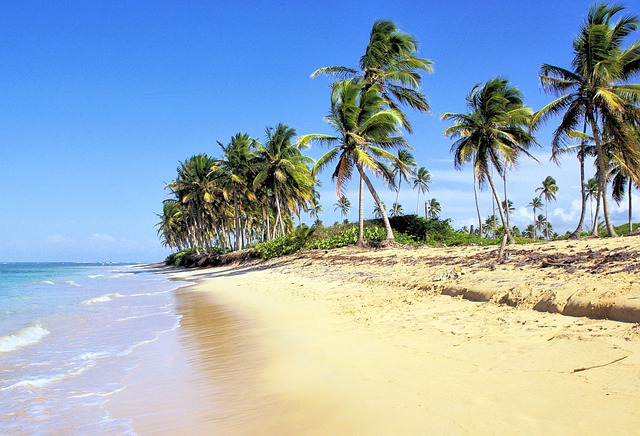
A Long Weekend in the DR: The Offbeat Plan
The Dominican Republic prices in pesos (DOP), roughly 58-59 to the US dollar this July, though Isla Saona operators and Zona Colonial tour guides will happily quote dollars instead. Three days covers more than a Punta Cana lounge chair: Santo Domingo’s five-centuries-old colonial core plus one real day trip to Isla Saona from Bayahibe, skipping the dense Punta Cana/Bavaro resort strip most...
read more
A Weekend in the DR, Off the Beaten Path
The Dominican Republic’s currency is the peso (DOP), trading roughly 58-59 to the US dollar in mid-2026 after starting the year near 64, though resorts and tour desks quote dollars anyway. Skip the beach for two days and get something better: Santo Domingo’s Zona Colonial, founded in 1498 and still the oldest continuously inhabited European city in the Americas, older and stranger than...
read more
One Week in the DR: An Offbeat Itinerary
The peso (DOP) is the country’s real currency, roughly 58-59 to the US dollar in mid-2026, even though resorts, dive shops and canyoning outfitters all quote dollars just the same. A full week runs the whole loop, Santo Domingo, Isla Saona, Samana’s whales and waterfalls, and the north coast’s canyoning and kitesurfing, proof this country reaches well past the Punta Cana strip...
read more