Recent Alpaca Travels

A Long Weekend in Orlando: Offbeat Plan
Three days, one resort done properly, and a call most Orlando itineraries won’t make: this plan skips Magic Kingdom entirely. Two full days go to Universal, Islands of Adventure first, then Universal Studios Florida with a first taste of the new Epic Universe. Day three trades a rushed third park for Winter Park instead. USD, and you need a car.
This keeps the same two-day Universal core as...
read more
A Weekend in Orlando, Off the Beaten Path
Two days in Orlando is genuinely one resort’s parks, not a whole-city preview, and Orlando is bigger than the default Disney trip most weekend guides assume. This plan skips Disney entirely and spends both days at Universal: Universal Studios Florida on day one, then Islands of Adventure plus a first taste of Epic Universe’s quieter lands on day two.
The 3-day plan finishes Epic...
read more
One Week in Orlando: An Offbeat Itinerary
Seven days is where an Orlando trip finally covers both resorts without turning every single day into a park, plus a real fork most itineraries never bother offering. Three days finish all three Universal gates, including the two Epic Universe lands this site’s shorter plans skip on purpose. Two more days cover Disney’s EPCOT and Magic Kingdom. Day six is a genuine rest day in Winter...
read more
Orlando Hidden Gems: 9 Unusual Things to Do
Orlando runs on two currencies: US dollars, and Lightning Lane time. Most visitors spend an entire trip chasing the second one inside Walt Disney World and Universal Orlando, now three gates since Epic Universe opened in 2025, and never learn the first thing about the city those resorts are named after. You do need a car here, the parks sit 20 to 30 minutes outside downtown, but the unusual stuff...
read more
Orlando Off the Beaten Path: 4 Days
Four days in Orlando means three real days at Universal, not a rushed one-day sampler: Universal Studios Florida first, then Islands of Adventure with Epic Universe’s quiet half, then a third day finishing Epic Universe’s headline lands. Day four adds Disney’s Magic Kingdom, a first taste of the second resort, not a full Disney trip squeezed into an afternoon.
The 2-day and 3-day...
read more
Orlando Off the Beaten Path: 5 Days
Five days is enough to cover both of Orlando’s big resorts without turning the whole trip into a park every single day: two days at Universal, one full day off in Winter Park and downtown, then two Disney days built around EPCOT and Magic Kingdom instead of a rushed four-gate sprint. Orlando runs on USD and genuinely needs a car or rideshare between corridors. Disney’s free FastPass,...
read more
Orlando Off the Beaten Path: 6 Days
Six days is enough to stop rationing Epic Universe to an evening and give all three Universal gates their own full day, add both of Disney’s two most-photographed parks, then close with a genuine day off instead of a third straight park in a row. Orlando runs on USD and you need a car or rideshare between the Universal, Disney, and downtown corridors; none of them connect on foot.
This plan...
read more
Orlando: What Most Visitors Miss
Millions of people fly into Orlando every year headed for a resort that, technically, isn’t in Orlando. Walt Disney World’s four parks sit in Bay Lake and Lake Buena Vista, unincorporated pockets of Orange and Osceola County roughly 20-25 minutes southwest of the actual city limits. Universal Orlando now runs three gates of its own (Universal Studios Florida, Islands of Adventure, and...
read more
A Long Weekend in Piedmont: Offbeat Plan
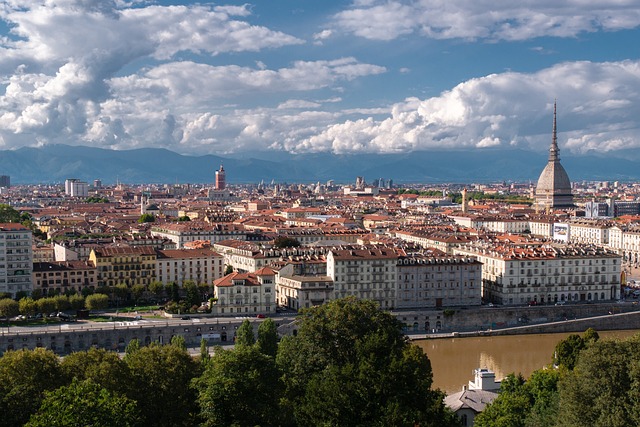
Three days built around Turin as a base for wider Piedmont, not another lap of the same three squares: a condensed city essentials day, the Egyptian Museum and the Mole on day two, then a full day out at Venaria Reale, the Savoy palace most Turin-only itineraries never reach.
This is the shortest version of this family that includes an actual regional day trip; the 2-day plan keeps you inside the...
read more
A Long Weekend in Turin: The Offbeat Plan
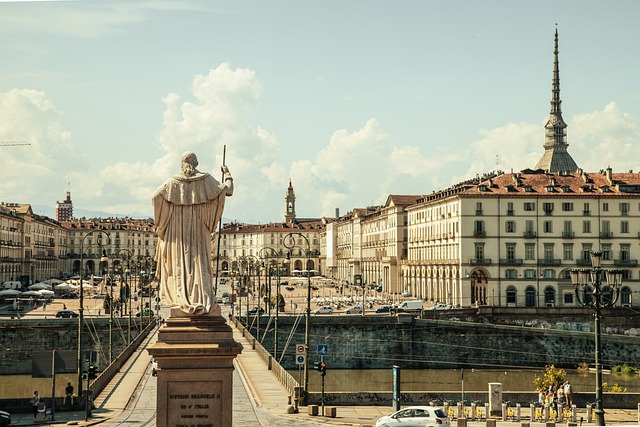
Three days in Turin, one offbeat spine: Baroque piazzas and an invented-here aperitivo on day one, the Egyptian Museum and the Mole’s glass lift on day two, then a hilltop rack tram, a market that swallows wallets, and a chocolate crawl on day three, skipping the Shroud everyone assumes is on view.
This is the same offbeat spine as the 2-day plan , one day shorter; the 4-day through 7-day...
read more
A Weekend in Piedmont, Off the Beaten Path
Two days buys a compressed pass through Turin plus exactly one full regional day trip, and Venaria Reale is the correct one to spend it on. Piedmont’s bigger acts, the Langhe’s wine hills, Alba’s white truffles, the Sacra di San Michele’s cliffside abbey, all need a car or a guided tour and more time than a weekend allows. This plan treats Turin as a launchpad rather than...
read more
A Weekend in Turin, Off the Beaten Path
Two days is enough to catch Turin’s two unmissable stops, the Egyptian Museum and the Mole’s lift, while spending the rest of the trip in Baroque backstreets most weekend visitors walk straight past. For a third day tacked onto this same route, see the 3-day plan ; for the full week, one week off the beaten path nests everything here plus more.
Book these before you go Skip-the-line...
read more
One Week in Piedmont: Offbeat Itinerary
Seven days, one Turin hotel room, and you never touch the Rome-Florence-Venice conveyor belt at all: two days on the Baroque core and the Egyptian Museum, then Venaria Reale, a Langhe wine day, Sacra di San Michele, a second wine day most trips this length skip, and a day up in the Alps. Piedmont sits in Italy’s far northwest against the French border, was the first capital of unified Italy...
read more
One Week in Turin: An Offbeat Itinerary
Turin is small enough that four days covers the museums, the football, and the chocolate, which is exactly why most week-long itineraries for this city quietly bolt on a day trip to Venaria or the Langhe to look busy. Don’t take that shortcut. This is the same route as the 6-day , 5-day , 4-day , 3-day , and 2-day versions, just given room to breathe. If you’d rather spend those extra...
read more
Piedmont Off the Beaten Path: 4 Days
Four days is the first plan in this family with a full Langhe wine day, not just Venaria Reale: two condensed Turin days covering the Baroque core and its two essential museums, a full day at the Savoy palace by bus, then Alba and the hilltop wine villages by train and onward transport.
This is the shortest version of this family with a dedicated wine day; the 2-day plan and 3-day plan both stop...
read more
Piedmont Off the Beaten Path: 5 Days
Five days using Turin as a launchpad rather than a destination: two days on the city’s Baroque core and its Egyptian collection, then three days pushing outward to a Savoy palace, a hilltop wine village, and an abbey that out-broods most of Piedmont. This nests the 4-day plan inside it and adds one more outward leg; the 6-day and 7-day versions keep this same spine and add a second wine day...
read more
Piedmont Off the Beaten Path: 6 Days
Piedmont barely registers on a first Italy trip built around Rome, Florence and Venice, which is exactly the case for spending six days on it instead. Two days ground you in Turin’s Baroque core, Piazza Castello, the porticoes, the Egyptian Museum. Day 3 is Venaria Reale, a Savoy palace roughly 35 minutes out by bus. Day 4 is Alba and the Langhe wine country, genuinely awkward without a car...
read more
Turin and Piedmont Hidden Gems: What to Do
The Turin city guide covers the Egyptian Museum, the Mole and the aperitivo scene; this one starts where that trip ends. Outside the city, the Savoy family scattered second and third palaces across the countryside, a Piedmont abbey inspired a bestselling novel, and a UNESCO-listed strip of vineyards produces reds some sommeliers rate above Tuscany’s. Three of these are a bus or train ride...
read more
Turin Hidden Gems: 9 Unusual Things to Do
Turin’s headline sights earn their reputation: the Egyptian Museum, the Baroque piazzas, Piazza San Carlo’s porticoes. Every guide already covers those. What most skip is that Piedmont’s capital also built a rooftop test track on top of a dead car factory, lifts visitors through a building that almost became a synagogue, and still trades on a centuries-old reputation as a corner...
read more
Turin Off the Beaten Path: 4 Day Itinerary
Four days gives Turin’s offbeat spine a fourth register: the same Baroque piazzas, Egyptian Museum and Superga trio as the shorter plans, then a day built around the city’s car-and-football identity. Shorter on time? The 3-day plan and 2-day plan drop that add-on; the 5-day , 6-day and 7-day versions keep it and stretch further.
Book these before you go:
A Museo Egizio skip-the-line...
read more
Turin Off the Beaten Path: 5 Day Itinerary
Five days in Turin is enough to stop rushing and start choosing: the Baroque core and the Egyptian Museum on the front half, Superga’s tram and a chocolate crawl next, then a day of football culture and a dead car factory’s rooftop track, closing with a replica medieval village and a genuine pick between two very different art museums. Skip anything promising you the Shroud on display;...
read more
Turin Off the Beaten Path: 6 Day Itinerary
Six days in Turin is enough that the schedule stops mattering and the pace does: the same Baroque-piazza-to-chocolate-crawl spine as the shorter plans, then a genuinely unhurried finish among Crocetta’s Liberty-style streets and hidden courtyards. This extends the 5-day plan with one deliberately slow day; for the full week, see 7 days .
Book these before you go A Museo Egizio skip-the-line...
read more
A Long Weekend in Belgium: Offbeat Plan
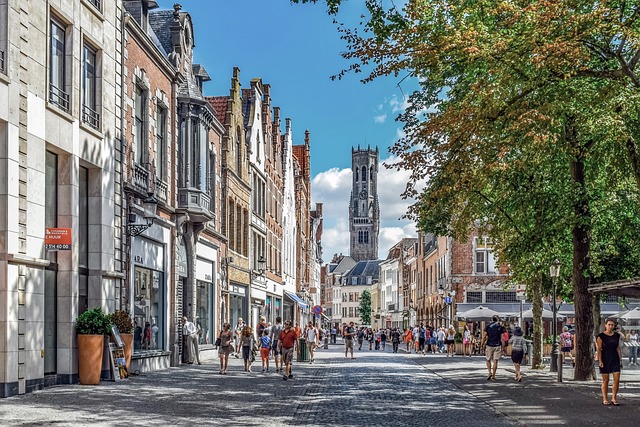
Three days, one Brussels base, and a deliberate swap on the final night: skip the standard day trip into Bruges and back, and sleep there instead, so the Markt empties before the coach parties arrive and after they leave. Day one is Brussels’ overlooked corners; day two is Ghent, the better-value pick over Bruges.
This is the same Flemish spine as the 2-day plan , one city longer; the 4-day...
read more
A Weekend in Belgium, Off the Beaten Path
Two days in Belgium means picking one base and one day trip, not stringing together five cities you’ll only half see. Brussels covers the capital properly, then a 30-minute train swaps in Ghent instead of Bruges, the same medieval canal beauty for less money and shorter queues. For the longer versions of this loop, see the 3-day , 4-day , 5-day , 6-day , or 7-day itinerary, each one adding a...
read more
Belgium Off the Beaten Path: 4 Days
Four days is enough to run the odd-angle version of Belgium’s classic loop from one hotel bed, no repacking required. Brussels anchors the trip, then a train swaps in Ghent before Bruges even gets a look in, and Antwerp closes it out on fashion and diamonds rather than another cathedral checklist. For other lengths of this same spine, see the 2-day , 3-day , 5-day , 6-day , or 7-day version.
read more
Belgium Off the Beaten Path: 5 Days
Five days is exactly enough to run the full classic Flemish loop from one Brussels base: Bruges one day, Ghent the next, then Antwerp, then Leuven, the city almost nobody puts on a five-day itinerary. No hotel-hopping, no car, every leg under an hour by train. Ghent still beats Bruges on value, but this trip has room for both anyway.
This is the same Flemish spine as the 4-day plan , one city...
read more
Belgium Off the Beaten Path: 6 Days
Belgium runs on the euro, packs Bruges, Ghent, Antwerp and Leuven within about an hour of Brussels by train, and rewards travelers who skip the postcard checklist for the odder version of each stop. Six days is enough to run the classic Flemish loop properly, single-basing where the rail hops allow it, then adding one genuinely offbeat day instead of rushing a seventh city. The verdict up front:...
read more
One Week in Belgium: An Offbeat Itinerary
Belgium’s odd little secret is that you barely need a car until day six. Five days cover the classic rail loop, Brussels, Bruges, Ghent, Antwerp, Leuven, and the last two go where most trips never bother: an Ardennes castle day and a Flanders Fields WWI day. Shorter on time? See the 5-day or 3-day version of this route.
Book these before you go: a Bruges canal boat slot (queues build fast...
read more
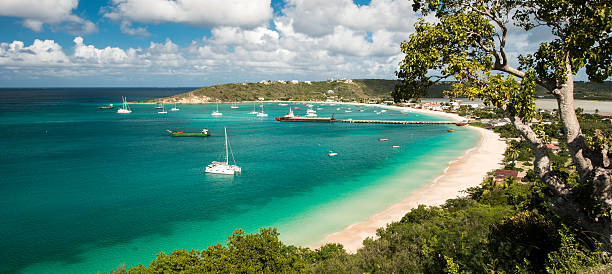
A Long Weekend in Anguilla: Offbeat Plan
Three days in Anguilla is not a rushed preview of a bigger trip: it is two full beach days at Shoal Bay East and Rendezvous Bay, then a third day that trades a fourth stretch of sand for a five-minute boat hop to Sandy Island. Prices run on the East Caribbean dollar, pegged at a flat EC$2.70 to US$1, and the tidy math is not a bargain signal. This is a British Overseas Territory, not a St Martin...
read more
A Weekend in Anguilla, Off the Beaten Path
Two days on Anguilla is not a preview, it is the whole trip: Shoal Bay East, Meads Bay, and Rendezvous Bay, one proper beach-bar meal, and nothing else forced onto the schedule. Fly into Sint Maarten’s Princess Juliana Airport (SXM), then take the public ferry from Marigot to Blowing Point, roughly 20 to 25 minutes across open water. Anguilla is British, quiet by design, and firmly not part...
read more
Anguilla Off the Beaten Path: 4 Days
Four days in Anguilla is enough to stop checking things off a list. Two beach days at Shoal Bay East and Rendezvous Bay, a boat hop out to Sandy Island, then a fourth day built around Scilly Cay, the Island Harbour lobster shack you summon by waving from the pier. Prices run on the East Caribbean dollar, pegged at a flat EC$2.70 to US$1 since 1976, so the math stays simple even when the total does...
read more
Anguilla Off the Beaten Path: 5 Days
Five days in Anguilla is where the itinerary logic quietly flips. By day five you have already covered the two beaches that earn the hype, taken the boat out to a cay, and looped the island by car, so the honest move is to stop hunting for a fifth attraction and slow down instead. This route runs the same spine as the four-day trip through Scilly Cay’s wave-down lobster lunch, then hands day...
read more
Anguilla Off the Beaten Path: 6 Days
Six days in Anguilla is two days past the point where the island still has new sights to hand out, and this itinerary says so upfront instead of padding the schedule to look busy. The first four days cover the headline beaches, the first offshore cay, and the island loop ending at Scilly Cay’s wave-down lobster lunch; day five trades Anguilla for a Sint Maarten day trip, and day six gives...
read more
One Week in Anguilla: Offbeat Itinerary
Seven days in Anguilla is where the itinerary honestly runs out of new material well before day seven arrives. By day four you have covered both headline beaches, spent a morning on a cay, and looped the whole island by car in under an hour, so a full week does not buy a longer list of sights, it buys a second cay day, a St Martin ferry crossing for something entirely different, and enough slack...
read more
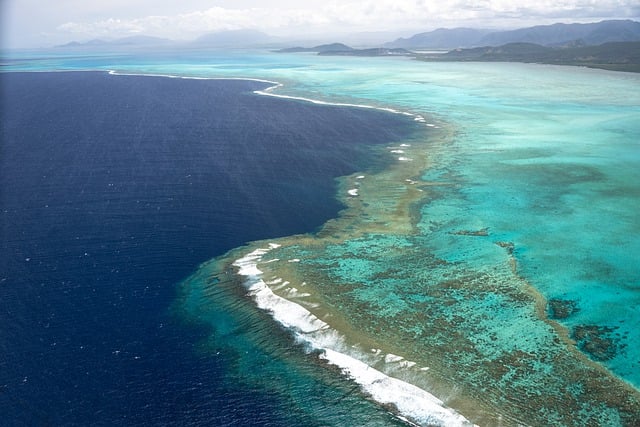
A Weekend in New Caledonia, Off Beaten Path
Two days in New Caledonia buys you Nouméa plus exactly one lagoon day, Amédée Islet, and nothing more. That’s not a compromise, it’s the honest itinerary: the Isle of Pines and the Loyalty Islands sit a 40-minute flight or a multi-hour ferry away, so any two-day plan promising a hop to Île des Pins is quietly lying to you.
Price everything in CFP francs (XPF), pegged to the euro at a...
read more
Long Weekend in New Caledonia: Offbeat Plan
A long weekend in New Caledonia is really two honest days, Nouméa plus Amédée Islet, then a third day that forks: a rushed one-night dash to the Isle of Pines, or a quirkier Grand Sud detour that keeps you on Grande Terre and skips the ferry timetable entirely. Price everything in CFP francs (XPF), pegged to the euro at a fixed 119.33 to 1, never Australian or US dollars: this runs French-Pacific...
read more
New Caledonia Off the Beaten Path: 4 Days
Four days is where New Caledonia stops being a one-city stopover and turns into an actual island trip: Nouméa’s Kanak-culture landmark and beach strip first, then a real hop to the Isle of Pines instead of the day-trip fantasy the ferry timetable simply won’t allow. Price everything in CFP francs (XPF), pegged to the euro at a fixed 119.33 to 1, never Australian or US dollars, this...
read more
New Caledonia Off the Beaten Path: 5 Days
Five days is where New Caledonia stops feeling rushed: two days anchored in Nouméa and Amédée Islet, two more settling properly into the Isle of Pines, then a genuine Day 5 fork instead of a forced march toward a Loyalty Island nobody has time for yet. Price everything in CFP francs (XPF), pegged to the euro at a fixed 119.33 to 1, never Australian or US dollars, this runs French-Pacific...
read more
New Caledonia Off the Beaten Path: 6 Days
Six days in New Caledonia is enough to do the thing most first-timers never plan for: two outer-island groups in one trip, not just one. Nouméa and the Amédée lagoon carry days one and two, the Isle of Pines takes three and four, and Lifou, the Loyalty Island most people have never heard of, gets the last two. It skips a Grande Terre road loop entirely, which is the honest trade-off.
read more
New Caledonia: What Most Visitors Miss
New Caledonia isn’t one island, it’s four distinct pieces of Melanesian Pacific, and most visitors experience one and a half of them: Nouméa, plus a day trip to Amédée Islet, then the flight home. That’s a real trip, but it’s roughly a quarter of the territory. This is French land, not an independent country, yet it sits outside the EU and Schengen despite the tricolour on...
read more
One Week in New Caledonia: Offbeat Itinerary
Seven days is the ceiling for a single New Caledonia trip, not a see-it-all week: two days anchored in Nouméa and Amédée Islet, two or three more settling into the Isle of Pines, then a firm two-day push out to Lifou, the most reachable Loyalty Island. Price everything in CFP francs (XPF), pegged to the euro at a fixed 119.33 to 1, never Australian or US dollars, this runs French-Pacific...
read more
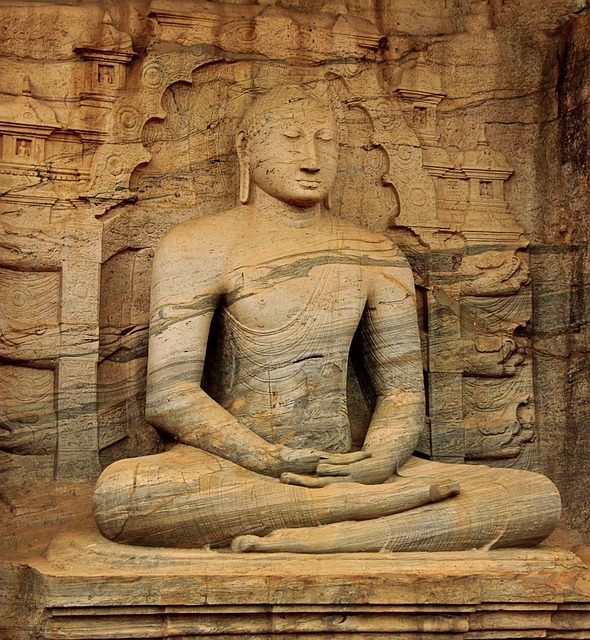
A Long Weekend in Sri Lanka: Offbeat Plan
Three days in Sri Lanka is a long weekend, not a country tour, and pretending otherwise wastes it. Day three forks: push inland to Kandy’s Temple of the Tooth plus one Cultural Triangle stop, or trade that for Galle Fort and a south-coast beach afternoon. Pick a lane. Both work; doing both in one day doesn’t.
Days one and two stay around Colombo and Negombo, the CMB-adjacent base most...
read more
A Weekend in Sri Lanka, Off the Beaten Path
Two days in Sri Lanka is really two days in Colombo and its airport-side neighbor Negombo, full stop, because the Cultural Triangle and hill country sit too many road hours away to visit and come back inside a weekend. Skip the noon-lawn, twenty-minute-museum version of Colombo for the quieter one: Pettah’s cargo-and-spice chaos before the tour groups land, Negombo’s fish auction at...
read more
One Week in Sri Lanka: An Offbeat Itinerary
Seven days is enough to run Sri Lanka’s classic full loop, Cultural Triangle to Kandy to hill country to the south coast, with a safari day worked in near the end. It is still tight: the east coast and Jaffna genuinely do not fit, full stop, save them for a second trip. Pay in Sri Lankan rupees (LKR), not the Indian rupee despite the neighboring geography, running roughly 318 to the US...
read more
Sri Lanka Off Beaten Path: 4 Day Itinerary
Four days buys you Sri Lanka’s Cultural Triangle done properly, plus Kandy, if you make one deliberate swap up front: skip the ticket queue at Sigiriya and climb Pidurangala instead, the rock directly across from it, roughly LKR 500-1,000 (about $1.50-3) against Sigiriya’s $30-35, with a comparable scramble and a fraction of the crowd. This route also gives Polonnaruwa a genuine full...
read more
Sri Lanka Off Beaten Path: 5 Day Itinerary
Five days in Sri Lanka is enough to trade Sigiriya’s crowded staircase for Pidurangala’s quieter one next door, still make time for Kandy’s Temple of the Tooth, and push on into tea country before the trip is over. Pay in Sri Lankan rupees (LKR), not Indian ones, and skip the idea of one blanket “best month”: this west-to-hill-country route runs driest December-April,...
read more
Sri Lanka Off Beaten Path: 6 Day Itinerary
Six days is enough for Sri Lanka’s classic full loop, Cultural Triangle to Kandy to hill country to south coast, plus a safari day, if you make two swaps: Pidurangala over Sigiriya’s queue, and Udawalawe over Yala’s crowds. It still doesn’t reach Jaffna or the east coast; six days was never going to.
This picks up where the 4-day itinerary ’s...
read more
Sri Lanka Regions: What Most Visitors Miss
Sri Lanka runs on two separate monsoons, and most visitors never notice because they only ever see one coast. The Yala monsoon soaks the west, south and hill country roughly May through September; the Maha monsoon swings north and east from October through January. Whatever a guidebook calls the best time to visit, it really means the best time for half the island. Budget in LKR (Sri Lankan...
read more

A Long Weekend in Calgary: The Offbeat Plan
A Long Weekend in Calgary: The Offbeat Plan Three days keeps the 2-day weekend whole: the +15 skywalk’s odd indoor angles and the Peace Bridge on day one, Inglewood’s Music Mile and Kensington on day two. Day three adds Heritage Park’s antique midway and a choice between TELUS Spark or the free Reader Rock Garden. Calgary sits on the prairie at the Rockies’ foothills, not...
read more
A Weekend in Calgary, Off the Beaten Path
Calgary trades the Rockies-postcard cliche for something odder up close. It’s a prairie city at the foothills, not a mountain town, and the currency is the Canadian Dollar (CAD), running roughly 1.40 to the US dollar. Skip the zoo-and-Stampede-grounds loop this trip: Day 1 wanders downtown’s strangest angles, an indoor skywalk maze, a red pedestrian bridge, a glass-roofed garden four...
read more