Recent Alpaca Travels

Bagan Off the Beaten Path: 6 Day Itinerary
Six days is honestly more than the temple plain needs, so be clear-eyed about what fills the extra time: Mount Popa, Salay, and a genuinely unplanned sixth day, not padding disguised as sightseeing. The zone pass only covers 3 consecutive days, so you’ll re-pay it partway through, budget for that.
Book these before you go
Hotel: check Nyaung-U and Old Bagan availability on Booking.com Hot...
read more

Bagan: What Most Visitors Miss
Most Bagan visitors see the same seven temples, buy the same lacquerware bowl outside the same gate, and leave thinking that’s the whole plain. It isn’t. Roughly 3,595 recorded monuments spread across the zone, a real lacquerware craft survives in Myinkaba and New Bagan behind the tourist-facing shops, and the frescoes at one 1113-built temple most people walk straight past predate...
read more
One Week in Bagan: An Offbeat Itinerary
A full week is more than Bagan’s temple plain needs on its own, so this route is honest about where the extra days go: Mount Popa, Salay, an unplanned e-bike day, and a Mandalay extension, not seven days of temple-hopping that would leave anyone burned out by day four.
Book these before you go
Hotel: check Nyaung-U and Old Bagan availability on Booking.com Hot air balloon: Balloons Over...
read more
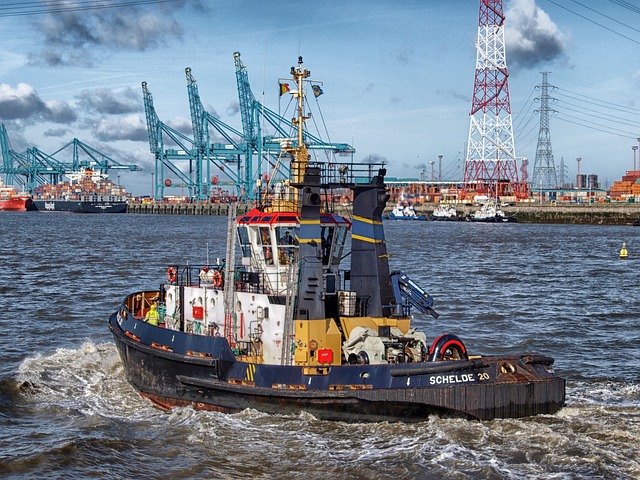
2 Days Using Antwerp as Your Belgium Base
Two days isn’t enough to see Antwerp properly, so don’t try. Spend day one on the essentials, then leave the city entirely on day two: Ghent is under an hour away, gets a fraction of Bruges’ crowds, and is the pick worth circling back to for travelers based in Antwerp specifically. This is the shortest entry in the Antwerp-as-a-base family ; the 3-day version adds Mechelen if you...
read more
3 Days Using Antwerp as Your Belgium Base
Three days lets you see Antwerp once and leave twice, which beats spending all three days inside the same handful of streets. One day in the city, two days radiating out to Ghent and Mechelen, the underrated pick and the quickest one, on rail lines that never need a change of station. Shorter on time? Drop back to the 2-day version ; got a fourth day instead, the 4-day version adds Brussels.
read more
4 Days Using Antwerp as Your Belgium Base
Four days is where this itinerary starts to click: one day in Antwerp, three days out on the rails, and no repeated ground. Belgium is small enough that this isn’t ambitious, it’s just a normal week off. Need a fifth day? The 5-day version adds Bruges; short on time, the 3-day version drops Brussels instead.
Book these before you go
A Ghent canal and altarpiece walking tour: Viator A...
read more
5 Days Using Antwerp as Your Belgium Base
Five days lets you add the most photogenic canal town without rushing it, the whole appeal of treating Antwerp as a base rather than a single stop. One day in the city, four days radiating out to Ghent, Mechelen, Brussels and Bruges, home for dinner most nights. Want a sixth day instead of ending on Bruges? The 6-day version swaps in the Belgian coast as well.
Book these before you go
read more
6 Days Using Antwerp as Your Belgium Base
Six days is where the day trips finally get a beach on them. One day in Antwerp, five days radiating out across Belgium, ending with the North Sea instead of another old town or cathedral. Want the full week? The 7-day version adds a genuine border crossing to Lille.
Book these before you go
A Ghent canal and altarpiece walking tour: Viator A Bruges canal and Belfry walk: GetYourGuide A guided...
read more
7 Days Using Antwerp as Your Belgium Base
Seven days is the version where Antwerp finally crosses a border. Five days leave the city entirely, radiating out to five towns across Belgium and one in France, and then the week loops back so the last day moves at a slower pace instead of sprinting to a platform. Antwerp is small, flat and stitched to the rest of Belgium by frequent trains, so one base beats dragging a suitcase between six...
read more
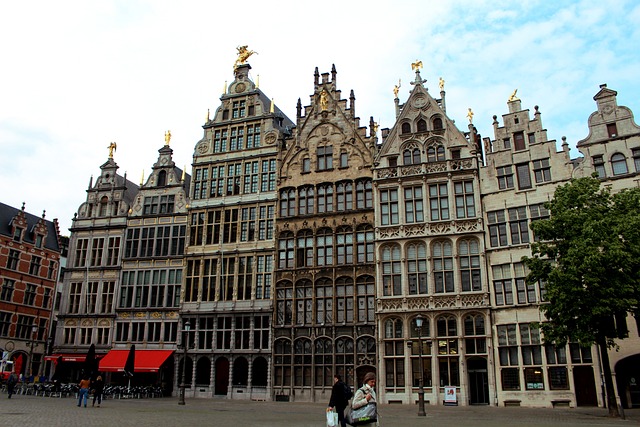
A Long Weekend in Antwerp: The Offbeat Plan
Three days builds on the free-sights core of Antwerp’s weekend plan with a full day inside the Diamond District and the world’s only individually UNESCO-listed museum. This is the version for travelers who want the city’s odder, less-photographed side, not just the Grote Markt. See the 2 day , 4 day , 5 day , 6 day and full week versions, or the guide to Antwerp’s hidden...
read more
A Weekend in Antwerp, Off the Beaten Path
Two days is enough to see Antwerp’s old town properly and still spend a whole afternoon on things that cost nothing. Day 1 covers the Grote Markt and the Cathedral of Our Lady; Day 2 is built entirely around the river, including a free rooftop and a free tunnel most visitors never hear about. Staying longer? See the 3 day , 4 day , 5 day , 6 day and full week versions, or the guide to...
read more
Antwerp Belgium Gateway: 6 Odd Day Trips
Antwerp is a genuine destination on its own, so treat these six day trips as extensions, not the reason you booked the flight. Ghent sits under an hour away and quietly beats Bruges for anyone based here, since Bruges runs closer to ninety minutes each way. Mechelen is the cheapest, quickest hop of the six, done and back before dinner. Brussels, Ostend and Lille round out the list, and only Lille...
read more
Antwerp Hidden Gems: 9 Unusual Things to Do
Skip trying to visit the Rubenshuis. It has been closed since January 2023 and will not reopen in full until 2030 at the earliest, so the hour you were planning to spend there is better spent inside the Cathedral of Our Lady, standing in front of the same Rubens altarpieces he painted for that exact building. That trade-off sets the tone for this guide: Antwerp rewards travelers who skip the...
read more
Antwerp Off the Beaten Path: 4 Day Itinerary
Four days adds a full day southeast of the center, to a street of Art Nouveau facades most first-timers never walk past, plus the reopened fine arts museum that quietly outdoes the closed Rubenshuis. Everything from the 3 day itinerary stays intact underneath. See also the 2 day , 5 day , 6 day and full week versions, or the guide to Antwerp’s hidden gems .
Book these before you go:
read more
Antwerp Off the Beaten Path: 5 Day Itinerary
Five days adds a full day of fashion history and beer culture on top of the diamonds, prints and free river views covered in the 4 day itinerary . This is the version for travelers who want Antwerp’s craft side, not just its sightseeing checklist. See also the 2 day , 3 day , 6 day and full week versions, or the guide to Antwerp’s hidden gems .
Book these before you go:
read more
Antwerp Off the Beaten Path: 6 Day Itinerary
Six days keeps everything from the 5 day itinerary and adds a deliberately slower day back in Eilandje, plus the one Antwerp museum that tells an entirely different story: emigration, not art. See also the 2 day , 3 day , 4 day and full week versions, or the guide to Antwerp’s hidden gems .
Book these before you go:
Check rates near Centraal on Booking.com Book a diamond district tour for...
read more
One Week in Antwerp: An Offbeat Itinerary
A full week keeps the six-day core from the 6 day itinerary intact and spends the last day outside the city, a half-day trip and back. See also the 2 day , 3 day , 4 day and 5 day versions, or the guide to Antwerp’s hidden gems .
Book these before you go:
Check rates near Centraal on Booking.com Book a diamond district tour for Day 3 Book an old town walking tour for Day 1 Browse more...
read more

A Long Weekend in Armenia: The Offbeat Plan
Three days buys one real day trip beyond the standard Yerevan-plus-Garni weekend: a full day south to Khor Virap, Noravank, and the Areni wine region, home to a cave that pushed the known history of winemaking back a thousand years past the next-oldest site anywhere. Prices run in Armenian dram (AMD, roughly 365-370 to the US dollar through 2026). Base in Yerevan all three nights; every leg here...
read more
A Weekend in Armenia, Off the Beaten Path
Two days in Armenia is Yerevan plus one day trip, not a country tour, and this plan says so upfront instead of pretending otherwise. Prices run in Armenian dram (AMD, roughly 365-370 to the US dollar through 2026); the only two paid stops on this plan total 1,500 AMD combined. Base in Yerevan both nights, hire a driver or book a half-day tour for day two, and leave Lake Sevan and the Tatev cable...
read more
Armenia Off the Beaten Path: 4 Day Itinerary
Four days keeps the 3-day route (Yerevan, Garni and Geghard, then Khor Virap, Noravank and Areni) and adds a slower half-day at Etchmiadzin, the seat of the Armenian Apostolic Church, rather than rushing it onto the back of an already-long day trip. Prices run in Armenian dram (AMD, roughly 365-370 to the US dollar through 2026). Base in Yerevan the whole trip; nothing here needs a hotel change....
read more
Armenia Off the Beaten Path: 5 Day Itinerary
Five days keeps the 4-day route (Yerevan, Garni and Geghard, Khor Virap and Areni, Etchmiadzin) and adds a full day north to Lake Sevan and Dilijan, the forested “Armenian Switzerland” that Armenians themselves drive to when Yerevan gets too hot. Prices run in Armenian dram (AMD, roughly 365-370 to the US dollar through 2026). Base in Yerevan throughout; this is the last version of...
read more
Armenia Off the Beaten Path: 6 Day Itinerary
Six days keeps the 5-day route (Yerevan, Garni and Geghard, Khor Virap and Areni, Etchmiadzin, Sevan and Dilijan) and tacks on one long day south to Tatev Monastery and the Wings of Tatev cable car, honestly flagged here as a 12 to 14 hour round trip rather than oversold as easy. Prices run in Armenian dram (AMD, roughly 365-370 to the US dollar through 2026). The 7-day version of this same route...
read more
One Week in Armenia: An Offbeat Itinerary
Seven days keeps the 5-day route (Yerevan, Garni and Geghard, Khor Virap and Areni, Etchmiadzin, Sevan and Dilijan) and does the push south to Tatev properly, over two days with a Goris overnight, rather than the 6-day version’s single 12 to 14 hour round trip. Prices run in Armenian dram (AMD, roughly 365-370 to the US dollar through 2026). This is the fullest version of this route on this...
read more

A Long Weekend in Fiji: The Offbeat Plan
A long weekend in Fiji is the shortest trip that fits a genuine village kava ceremony alongside the Nadi and Mamanuca basics. Same spine as the 2-day plan, with a third day added for the Coral Coast’s sevusevu side. Longer still? See the 4-day or 7-day versions.
Book these before you go
Hotel: check Denarau and Nadi rates on Booking.com Mamanuca day cruise: reserve on GetYourGuide ,...
read more
A Weekend in Fiji, Off the Beaten Path
A weekend in Fiji means Nadi and one real island day, nothing more ambitious. This route skips Suva entirely and stays on the dry side: a volcanic mud pool on day one, a genuine Mamanuca reef on day two. Want more? Step this same route up to the 3-day , 4-day , or full 7-day version.
Book these before you go
Hotel: check Denarau and Nadi rates on Booking.com before you land Mamanuca day cruise:...
read more
Fiji Hidden Gems: 9 Unusual Things to Do
Suva is the name in this page’s address bar, and Suva is also the last place most Fiji trips should start. The real Fiji, the one on the postcards, is a Nadi International Airport (NAN) landing, a Fijian dollar (FJD, worth roughly 45 US cents) in your wallet, and a boat out of Port Denarau to the Mamanuca or Yasawa islands. Suva earns a place on this list anyway, mostly because nobody...
read more
Fiji Off the Beaten Path: 4 Day Itinerary
Four days is where this route stops day-tripping and actually sleeps on an island. Same spine as the 3-day plan, Nadi, Sabeto, a village kava ceremony, plus one overnight in the Mamanucas. Need more island time? Jump to the 5-day or 7-day version.
Book these before you go
Hotel: check Denarau and Nadi rates on Booking.com Island resort: search Mamanuca properties on Booking.com Island boat...
read more
Fiji Off the Beaten Path: 5 Day Itinerary
Five days is the honest bare minimum for “Nadi plus one island” done properly, two nights on the water instead of one. Same spine as the 4-day plan, with a second island day added. Want the Coral Coast and Suva too? Move up to the 6-day or 7-day version.
Book these before you go
Hotel: check Denarau and Nadi rates on Booking.com Island resort: search Mamanuca or Yasawa properties on...
read more
Fiji Off the Beaten Path: 6 Day Itinerary
Six days is where the Coral Coast joins the route. Same spine as the 5-day plan, two island nights, then a drive back through Fiji’s original resort strip instead of straight to the airport. Want a full Suva day too? See the 7-day version.
Book these before you go
Hotel: check Denarau and Nadi rates on Booking.com Island boat transfer: the Yasawa and Mamanuca hop-on hop-off pass on Viator...
read more
Fiji: What Most Visitors Miss
Rank Fiji’s sights by what actually gets skipped, and Suva’s postcard image barely places. A kava ceremony done properly, a swim through a cave most day-trippers never reach, and a capital city Fiji abandoned in 1882 all outrank the standard Mamanuca beach photo. This is the ranked rundown of Fiji’s islands and sights, ordered by how much a typical trip misses, not by fame. Want...
read more
One Week in Fiji: An Offbeat Itinerary
A week is the first length where Suva earns an actual day on this route, not just a mention. Same spine as the 6-day plan, Nadi, a village kava ceremony, two island nights, and the Coral Coast, plus one real day in the rainy capital before flying home. Shorter trip? Drop back to the 4-day or 5-day version.
Book these before you go
Hotel: check Denarau and Nadi rates on Booking.
read more
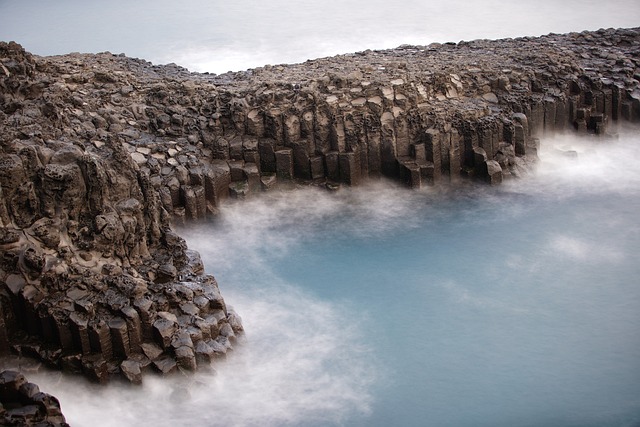
A Long Weekend in Jeju: The Offbeat Plan
Three days lets you add the south coast to the east-loop weekend: waterfalls, columnar cliffs, and Seogwipo’s milder microclimate on top of Jeju City and Seongsan. Still honest about scope, this is the east and south, not the west coast or Hallasan, those start at 4 days . Move base to Seogwipo on night two if you want the falls within walking distance.
Book these before you go:
Seogwipo...
read more
A Weekend in Jeju, Off the Beaten Path
Two days on Jeju is honestly Jeju City plus the east coast, not the whole island, and this plan does not pretend otherwise. It sticks to one base, one region, and a couple of stops most weekend visitors rush past: an Olle trail segment and a haenyeo seafood shack instead of a fourth museum. Rent a car with an IDP if you can, it saves real time here.
Book these before you go:
read more
Jeju Hidden Gems: 7 Unusual Things to Do
Jeju is a South Korean island, not a country, and it runs on the won (KRW), roughly 1,490 to the dollar and drifting, so treat that rate as a rough guide, not a fixed one. Tipping is not a thing here. The island’s actual draw is not the theme-park cluster near Jungmun, it is haenyeo free-divers, a lava tube, 27 coastal trails, and a volcano that makes you book a summit slot online.
read more
Jeju Island: What Most Visitors Miss
Jeju’s marquee list runs the same seven sights on nearly every itinerary, and most visitors still leave having missed the actual interesting detail about each one, a free coastal path, a second crater on the same cone, a museum most tour buses treat as a rain-day backup. Ranked below by how much they earn their reputation, with what most people walk past at every stop.
Sight Area Cost Time...
read more
Jeju Off the Beaten Path: 4 Day Itinerary
Four days completes a rough loop, minus Hallasan and Udo, which the 5 day and 6 day versions of this plan add on. This one builds Jeju City, the east loop, and the south coast from the 3 day plan, then closes the circle with a west-coast day that most tour buses treat as an afterthought.
Book these before you go:
Seogwipo hotel for nights two and three: check rates on Agoda Compact car rental,...
read more
Jeju Off the Beaten Path: 5 Day Itinerary
Five days takes the 4 day loop, Jeju City, the east, Seogwipo, and the west, and adds the one thing that four days always skips: Hallasan. This is the first realistic minimum for covering the whole island plus a genuine attempt at South Korea’s highest peak without feeling rushed.
Book these before you go:
Jeju City hotel, best base for an early Hallasan start: check rates on Agoda Compact...
read more
Jeju Off the Beaten Path: 6 Day Itinerary
Six days takes the 5 day route, Jeju City, east, south, west, and Hallasan, and adds a full day on Udo, the small ferry-access island most short trips skip entirely for lack of time. Worth the backtrack east if you weren’t already planning to squeeze it into Day 2.
Book these before you go:
Seogwipo hotel for the south-coast nights: check rates on Agoda Compact car rental for the full...
read more
One Week in Jeju: An Offbeat Itinerary
A full week runs the 6 day loop, Jeju City, east, south, west, Hallasan, and Udo, at an unhurried pace, then adds one more day built entirely around the overlooked half of the island: a second haenyeo seafood meal, a dark-sky oreum hike, and no theme parks anywhere on the schedule.
Book these before you go:
Jeju City hotel for the bookend nights: check rates on Agoda Seogwipo hotel for the...
read more
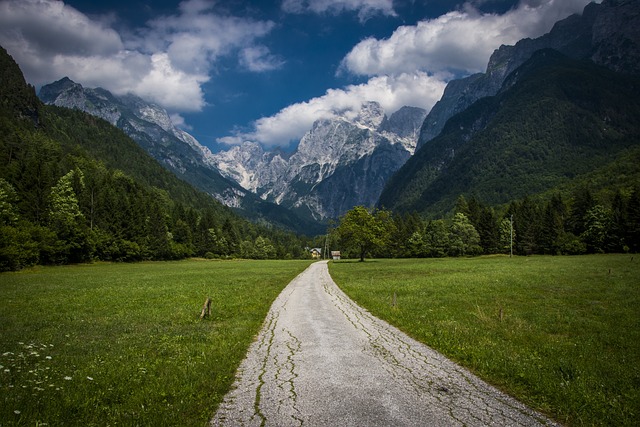
A Long Weekend in Slovenia: The Offbeat Plan
Slovenia is not Slovakia. It borders Italy, Austria, Hungary and Croatia, runs on the euro, and Ljubljana is the capital, not Bled. Three days still is not the whole country, so this plan does not reach for the Vrsic Pass, the Soca Valley or the coast. It stays in the Julian Alps lakes region, adding Lake Bohinj and the Vintgar Gorge boardwalk to a base of Ljubljana and Bled. Go April through...
read more
A Weekend in Slovenia, Off the Beaten Path
Slovenia is not Slovakia, it borders Italy, Austria, Hungary and Croatia, uses the euro, and Ljubljana, not Bled, is the capital. Two days is not enough for the Vrsic Pass, the Soca Valley or the Karst caves, so this plan does not pretend otherwise. It sticks to Ljubljana and Lake Bled, the two stops that actually fit inside 48 hours without a car chase across the country. Go April through October...
read more
One Week in Slovenia: An Offbeat Itinerary
Slovenia is not Slovakia. It borders Italy, Austria, Hungary and Croatia, has used the euro since 2007, and Ljubljana, not Bled or Maribor, is the capital. One week is enough to actually close the loop this small, alpine, Adriatic-fringed country invites: Ljubljana, both glacial lakes, the Vrsic Pass into the Soca Valley, the Karst caves, and finally Piran on the coast, before the drive back to...
read more
Slovenia Off the Beaten Path: 4 Days
Slovenia is not Slovakia, it borders Italy, Austria, Hungary and Croatia, runs on the euro, and Ljubljana is the capital. Four days is where the trip stops being a lakes weekend and starts being a real loop: after Ljubljana, Bled and Bohinj, this plan crosses the Vrsic Pass, Slovenia’s highest road pass at 1,611m with 50 numbered hairpins, into the Soca Valley on the far side of the Julian...
read more
Slovenia Off the Beaten Path: 5 Days
Slovenia is not Slovakia, it borders Italy, Austria, Hungary and Croatia, runs on the euro, and Ljubljana is the capital. Five days is enough to stop treating the Soca Valley as a drive-through. After Ljubljana, Bled, Bohinj and the crossing over the Vrsic Pass, this plan spends a second full day in Bovec and Kobarid, the valley that most four-day trips only glimpse from the car window. The...
read more
Slovenia Off the Beaten Path: 6 Days
Slovenia is not Slovakia, it borders Italy, Austria, Hungary and Croatia, runs on the euro, and Ljubljana is the capital. Six days is where the loop turns south, from the Soca Valley down to the Karst region, the limestone plateau that gave the word “karst” to geology in the first place. After Ljubljana, both lakes and the mountains, this plan spends day six underground, and the...
read more
A Long Weekend in Uruguay: The Offbeat Plan
Three days is still a Montevideo-and-Colonia trip, not a coast trip, and the honest version of this itinerary says so upfront. Uruguay is its own sovereign country between Argentina and Brazil, Montevideo is the capital (not the beach town of Punta del Este), and the peso trades at roughly 40 to the US dollar in 2026, sharing the same dollar sign as actual dollars. Rather than rushing a resort day...
read more
A Weekend in Uruguay, Off the Beaten Path
Two days in Uruguay is not enough for the whole coast, and pretending otherwise is how people burn half a vacation on a bus. Uruguay is its own country, wedged between Argentina and Brazil but answering to neither, and Montevideo, not the resort town of Punta del Este, is the capital. The currency is the Uruguayan peso, written with the same dollar sign as US currency, a real trap when you are...
read more
One Week in Uruguay: An Offbeat Itinerary
A week is what Uruguay’s whole coast actually needs, not a rushed four days. Uruguay is its own country between Argentina and Brazil, Montevideo is the capital, not Punta del Este, and the peso shares its dollar sign with actual US dollars, a genuine trap at roughly 40 pesos to the dollar in 2026. This is the full version of the 6 day route , Montevideo through Cabo Polonio, plus a final day...
read more
Uruguay Off the Beaten Path: 4 Day Itinerary
Four days is where the coast becomes an honest add rather than a rushed one. Uruguay is its own country between Argentina and Brazil, Montevideo is the capital, not Punta del Este, and the peso shares its dollar sign with the actual US dollar, a genuine source of price confusion at roughly 40 pesos to the dollar in 2026. This plan builds on the 3 day Montevideo-Colonia-wine loop and adds a fourth...
read more
Uruguay Off the Beaten Path: 5 Day Itinerary
Five days is enough to push past the glam coast into its quieter, better version. Uruguay is its own country between Argentina and Brazil, Montevideo is the capital, and the peso shares its dollar sign with actual US dollars, a real trap at roughly 40 pesos to the dollar in 2026. This builds on the 4 day route through Montevideo, Colonia and Punta del Este, then adds Jose Ignacio, the low-rise...
read more