Recent Alpaca Travels
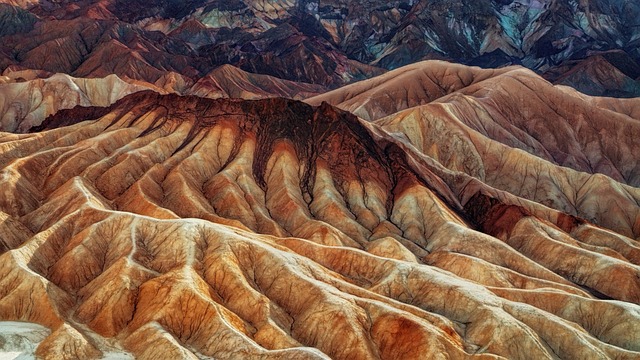
Death Valley
Death Valley: The Hottest Place on Earth Is Also One of the Most Misunderstood On 10 July 1913, a thermometer at Furnace Creek recorded 56.7°C (134°F), the highest reliably documented air temperature ever measured on the surface of the Earth. What most visitors fail to appreciate standing at Badwater Basin is that the valley floor temperature on a summer afternoon can exceed 80°C. The air...
read more
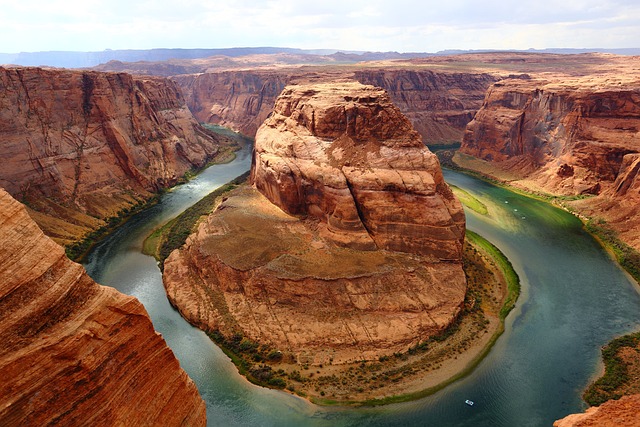
Grand Canyon, United States
Somewhere in the middle of the Grand Canyon’s rock walls, 250-million-year-old limestone sits directly on top of 1.2-billion-year-old schist. The intervening 950 million years of geological record simply vanished, eroded away before the younger layers were deposited. Geologists call it the Great Unconformity, and it remains one of the most tantalising open questions in earth science. That...
read more
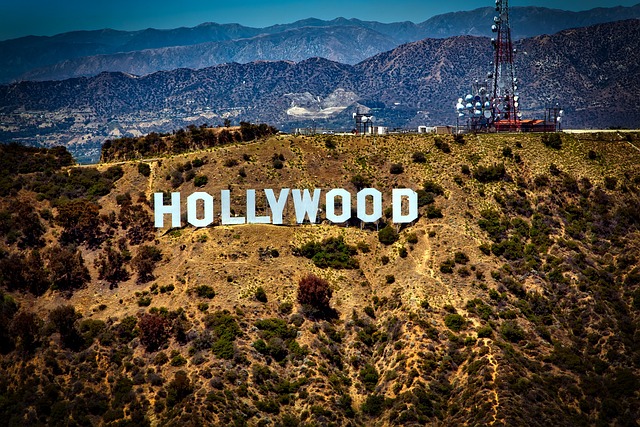
Hollywood Sign
The Hollywood Sign Was Built to Sell Real Estate, and It Was Only Supposed to Last 18 Months In 1923, Los Angeles Times publisher Harry Chandler paid $21,000 to erect a giant illuminated billboard on Mount Lee promoting his Hollywoodland housing development. Each letter was 43 feet tall and 30 feet wide, assembled from sheet metal, scaffolding, and telephone poles. Workers spent 60 days using...
read more
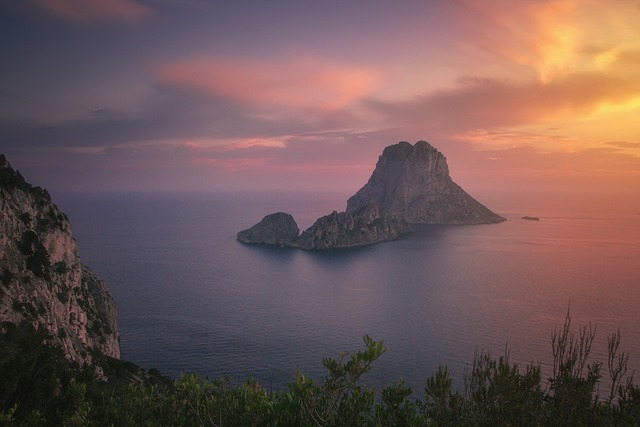
Ibiza
Ibiza’s reputation as a party island is accurate enough, but it tells about a third of the story. The same island that hosts closing parties drawing 10,000 people also contains a UNESCO World Heritage fortress city, a coastline of genuinely exceptional clarity, and a shoulder-season calm that feels almost nothing like the August version of the place. The trick is knowing which Ibiza you are...
read more
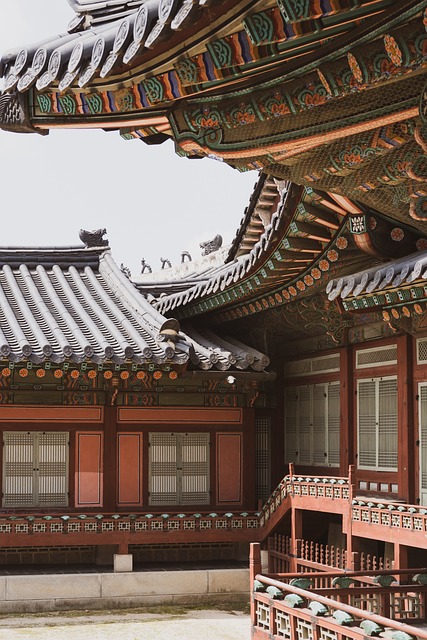
Everland, Gyeonggi-Do, South Korea
Everland, Gyeonggi-Do: South Korea’s Year-Round Theme Park Machine The park that became Everland started life in 1976 as Yongin Farmland, essentially a rural attraction with animals and gardens south of Seoul. Forty-eight years of iterative expansion later, it covers over three square kilometres, divides into five themed zones, houses a full zoo, connects to a separate Caribbean Bay water...
read more
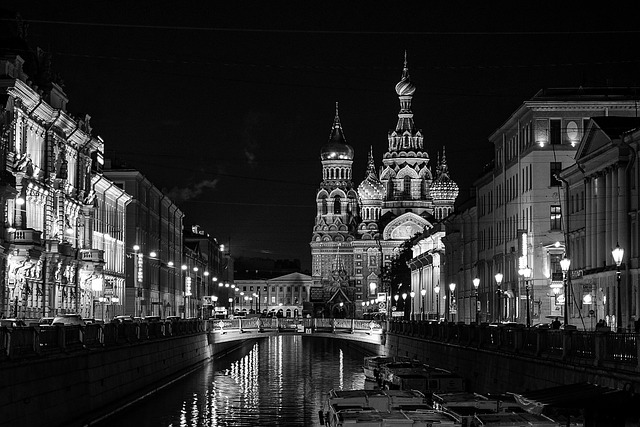
Church of Our Savior on Spilled Blood, St. Petersburg
During the Siege of Leningrad, Soviet authorities used this ornate imperial memorial as a potato warehouse. Locals took to calling it “Spas na Kartoshke” (Saviour on Potatoes), a darkly funny nickname for a church already burdened with one of the most dramatic names in Christendom. The building survived the war, survived decades of Soviet neglect, and reopened as a museum in 1997 after...
read more
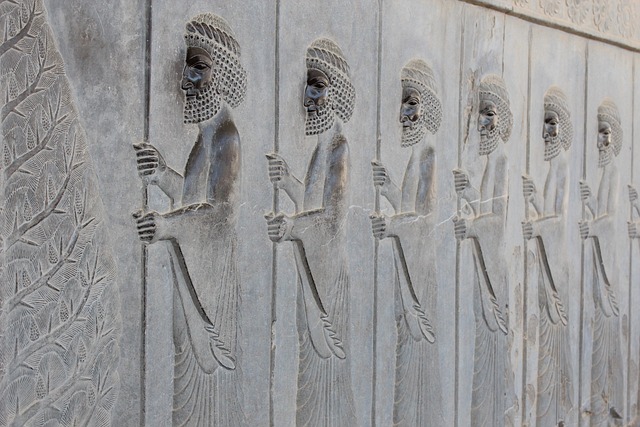
Persepolis
In September 2025, the Armenian Philharmonic Orchestra performed at Persepolis in front of 1,500 people, including ambassadors from 23 countries. It was the first international public concert ever held at the site in its history. The event was covered internationally and drew attention to a place that arguably receives less archaeological and tourism coverage than it deserves given its scale:...
read more
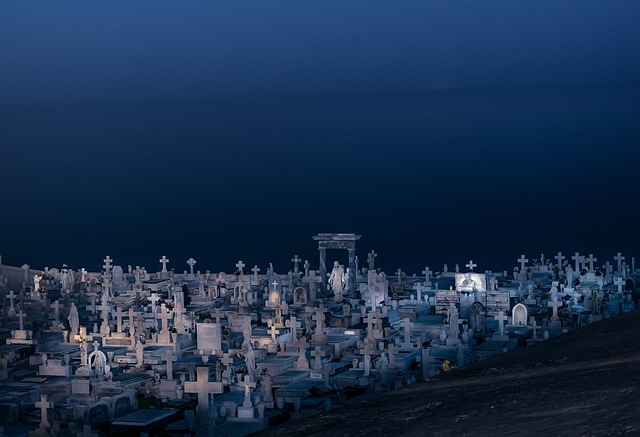
San Juan, Puerto Rico-5-day-itinerary
Five hundred years of Spanish colonial ambition compressed into seven square kilometres of cobblestone streets: Old San Juan holds more UNESCO-listed fortifications per block than almost any other city in the Caribbean, and yet most visitors spend only an afternoon there before heading to the beach. That is a mistake worth correcting over five full days.
Getting There and Practical Basics
Luis...
read more
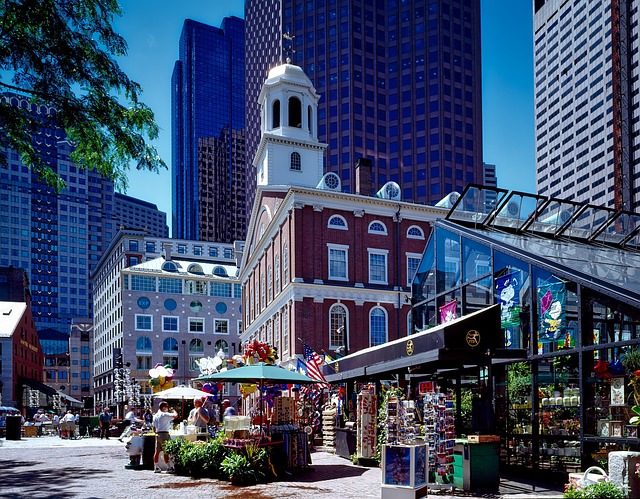
Faneuil Hall Marketplace Boston Ma
A gilded grasshopper has been turning in the wind above Faneuil Hall since 1742. The copper weathervane, weighing about eleven kilograms, was made by artisan Shem Drowne and has survived fires, storms, and two and a half centuries of Boston winters. The building below it has a more complicated story. Peter Faneuil, who donated the hall to the city, made his money partly through the transatlantic...
read more
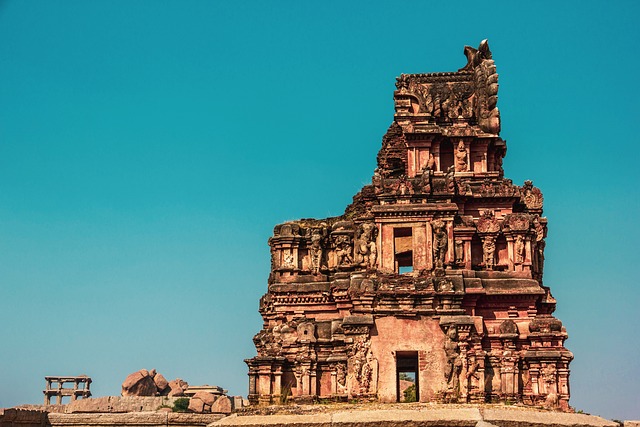
Group of Monuments at Hampi
The Monuments at Hampi: A Ruined Capital Worth Two Full Days Around 1500 CE, Hampi was the second-largest city on earth after Beijing. The Vijayanagara Empire that built it controlled much of southern India from this rocky, boulder-strewn plain in Karnataka, and contemporary travellers from Persia, Arabia, and Portugal described it as a place of extraordinary wealth and architectural ambition. In...
read more
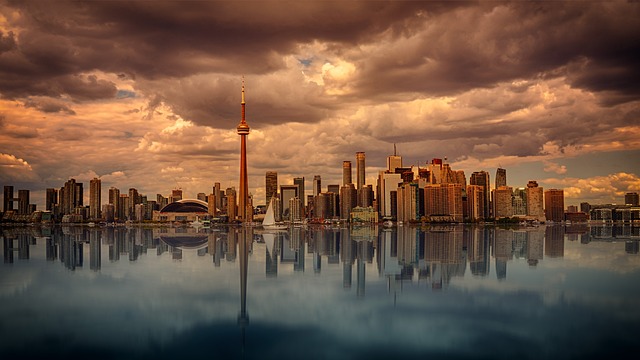
The Maritimes, Canada
The Bay of Fundy Moves More Water Twice a Day Than All the World’s Rivers Combined The tidal range in the Bay of Fundy reaches 16 metres between low and high water, the largest on earth. The geology is responsible: the bay’s funnel shape and resonant frequency, roughly matching the tidal cycle, amplify the Atlantic’s twice-daily rhythm into something dramatic enough to walk on...
read more
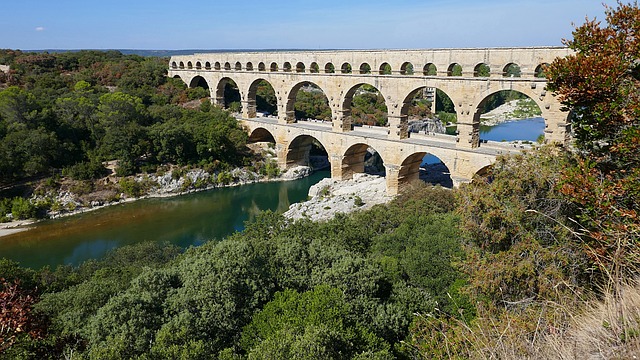
Pont Du Gard
The entire aqueduct that the Pont du Gard is part of descends just 17 metres across its 50-kilometre length. That is a gradient of 0.034 percent: a fall of roughly 34 centimetres per kilometre, with some sections dropping as little as 7 millimetres per 100 metres. Roman engineers in the first century AD, working without GPS or laser levelling, held that precision across half a century of...
read more
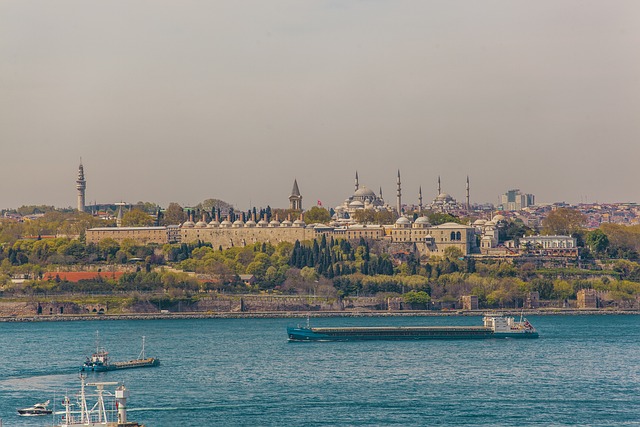
Topkapi Palace
Mehmed II conquered Constantinople in 1453 and initially built a palace at the city’s centre, where Istanbul University now stands. He then had second thoughts and built a second palace on the promontory overlooking the Bosphorus and the Golden Horn: Topkapi. He moved there in 1478 and it remained the primary residence of Ottoman sultans for nearly 400 years, housing between 1,000 and 4,000...
read more
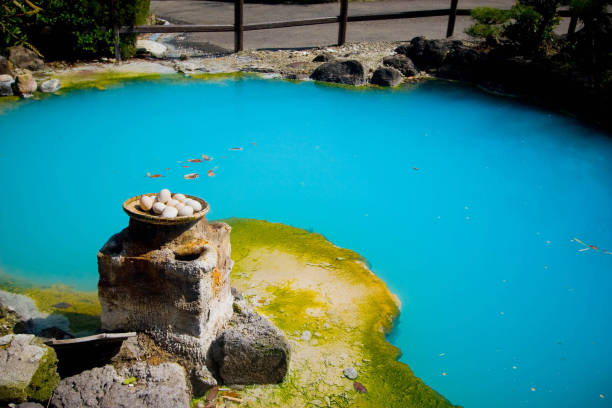
Eight Hells Kyushu
The Hells of Beppu: Volcanic Spectacle in Kyushu’s Onsen Capital
Beppu produces more hot spring output than anywhere in Japan except Yellowstone on a global scale, and the city sits on top of a volcanic system that has been roaring for over 1,200 years. What the locals once called jigoku, or “hells,” referred to the patches of boiling, steaming, and erupting earth that were...
read more
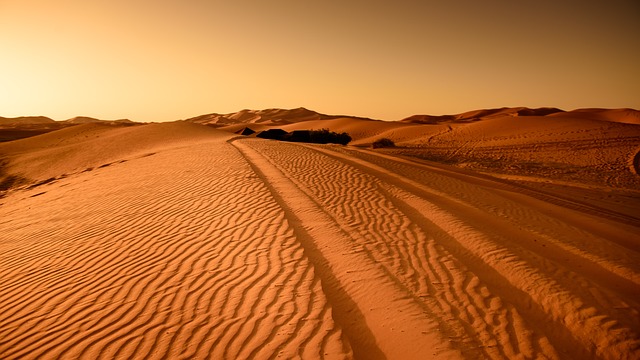
Gobi Desert
The Gobi Desert, Mongolia
In 1923, Roy Chapman Andrews returned to a site in southern Mongolia he had briefly visited the year before, a formation of eroded red sandstone cliffs that glowed orange and red at sunset. His team excavated what became the first scientifically documented dinosaur eggs ever found. The species name Protoceratops andrewsi commemorates him, and the site, which Andrews named...
read more
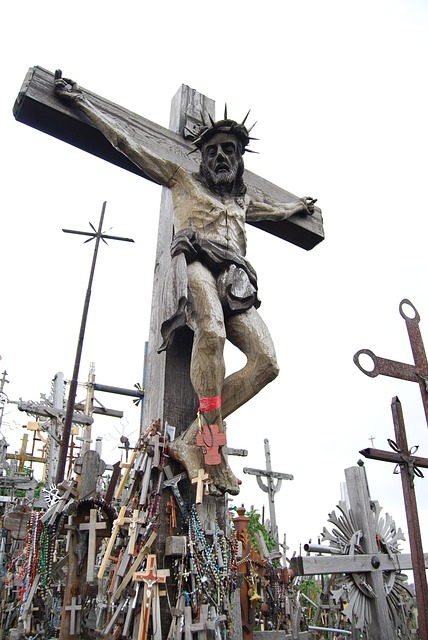
Hill of Crosses Lithuania
Hill of Crosses, Lithuania: The Site the Soviet Union Bulldozed Five Times and Failed to Erase On April 5, 1961, three days after Easter, Soviet bulldozers arrived at Kryžių Kalnas, a low mound in northern Lithuania. Workers burned the wooden crosses and carted the metal ones to scrap yards. By nightfall the hill was bare. It did not stay bare. In the weeks that followed, people began slipping...
read more
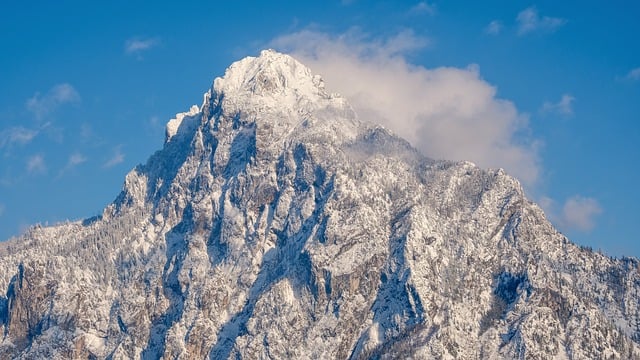
Drakensburg Mountains
Drakensberg: The Barrier of Spears and What It Takes to Walk One Tugela Falls drops 948 metres over the basalt face of the Amphitheatre in a series of five cascades. That makes it the world’s highest waterfall by a margin significant enough that the debate is settled. The hike to the top starts at roughly 2,500 metres above sea level, ascends another 550 metres over approximately six...
read more
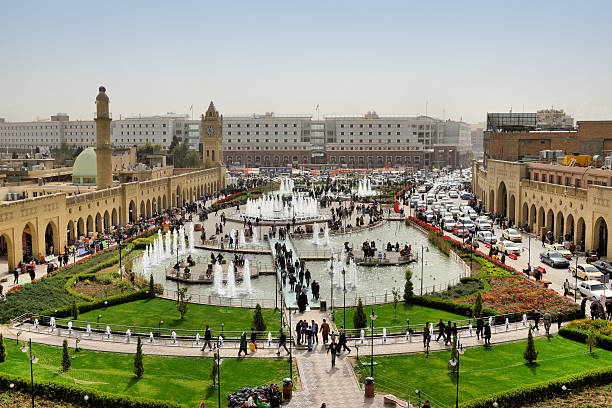
Erbil, Iraq-3-day-itinerary
The mound beneath the Erbil Citadel is continuously inhabited ground going back at least 6,000 years, making it one of the longest-running pieces of real estate in human history. That a UNESCO World Heritage site of that age sits in the capital of Iraqi Kurdistan, a place most travellers reflexively assume is inaccessible, is precisely why Erbil keeps surprising visitors who finally make it here....
read more
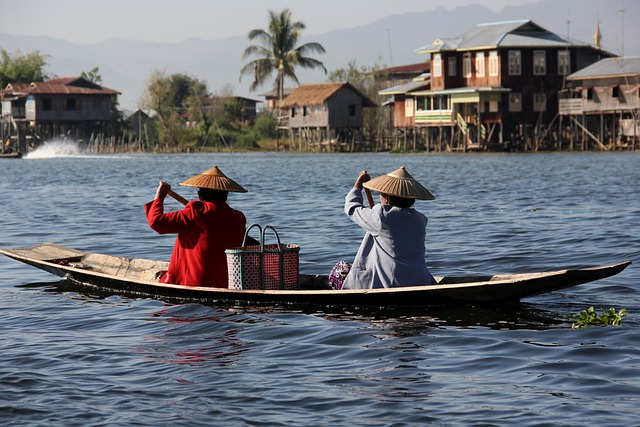
Inle Lake, Myanmar
The fishermen on Inle Lake row standing up. One leg is planted on the stern; the other wraps around the oar, leaving both hands free. The technique developed because the lake is shallow (averaging just three metres deep) and thick with reeds and floating vegetation. Sitting down, you cannot see over the waterplants. Standing up and using your leg to steer lets you navigate and look ahead...
read more
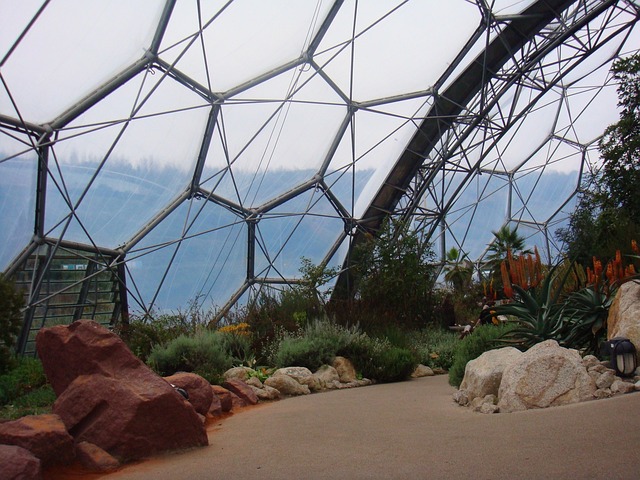
Eden Project
The whole thing was sketched on pub napkins in 1996. Tim Smit, the man behind the idea, sat in a St Austell bar and convinced people to build two enormous bubbles inside a worked-out china clay pit in one of the most economically depressed corners of England. The engineering argument for the hexagonal ETFE pillow structure was borrowed from soap bubble physics: bubbles can settle on any surface,...
read more
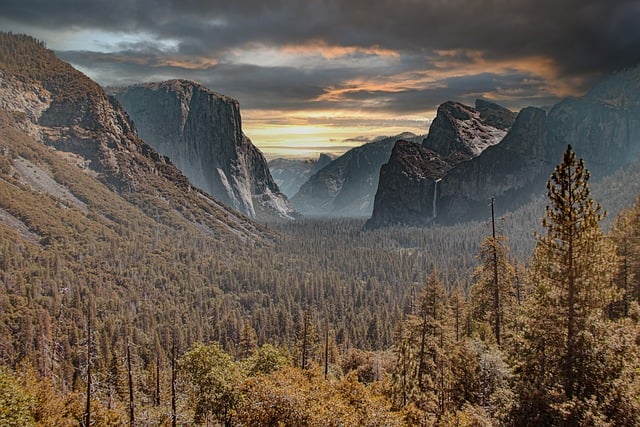
Nyungwe Forest National Park
Nyungwe Forest National Park: Where 400 Colobus Monkeys Move Together In 1984, a Wildlife Conservation Society survey in Nyungwe recorded a single troop of Angola colobus monkeys numbering approximately 400 individuals. Four hundred primates moving together through the canopy of a montane rainforest is not something the scientific literature had prepared anyone for. It remains one of the largest...
read more
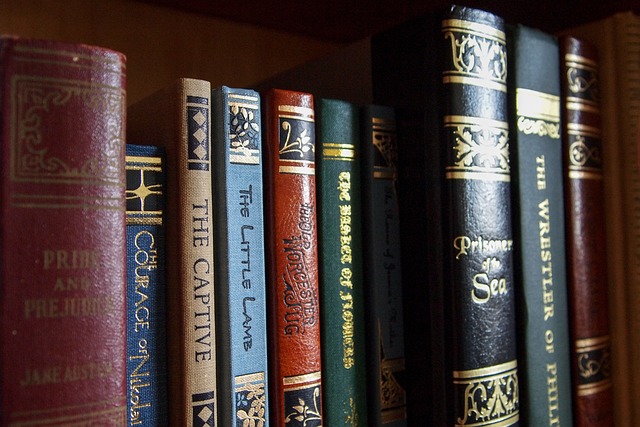
Jane Austen's House Museum
Jane Austen wrote in secret. She used small pieces of paper so that the pages could be quickly concealed when a visitor arrived; the door to her sitting room had a creaking hinge that she deliberately did not repair, because the squeak gave her a few seconds’ warning. In the dining room of this modest red-brick cottage in Chawton, Hampshire, she revised “Pride and Prejudice,”...
read more
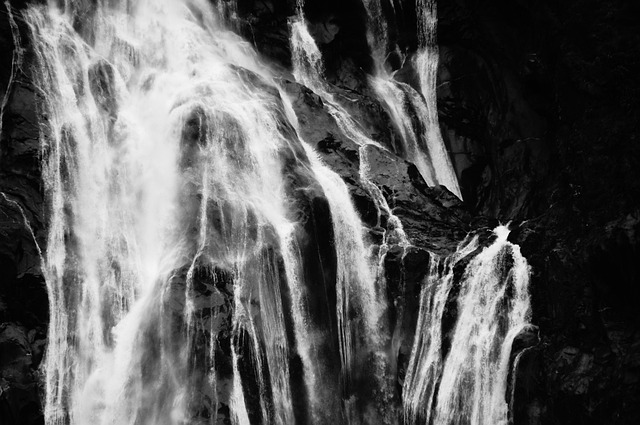
Milford Sound
Milford Sound (Piopiotahi): What to Know Before the Road Trip Milford Sound is not technically a sound. It is a fiord, carved by glaciers between 80,000 and 12,000 years ago. The distinction matters because it explains the place: sheer granite walls rising 1,200 metres from dark water, a permanent layer of freshwater tannin-stained by the surrounding rainforest floating above the saltwater below,...
read more
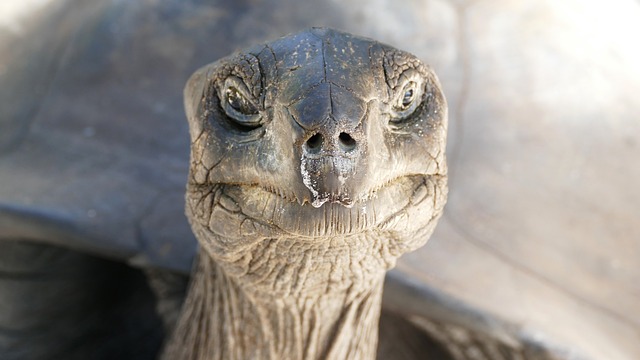
The Seychelles
The granite boulders on the beaches of La Digue are 750 million years old. That is not a metaphor for something timeless: those specific rocks, now stacked at the waterline of Anse Source d’Argent, were formed during the Precambrian era and have been sitting in roughly the same place, give or take a few hundred kilometres of continental movement, since before complex animal life existed on...
read more
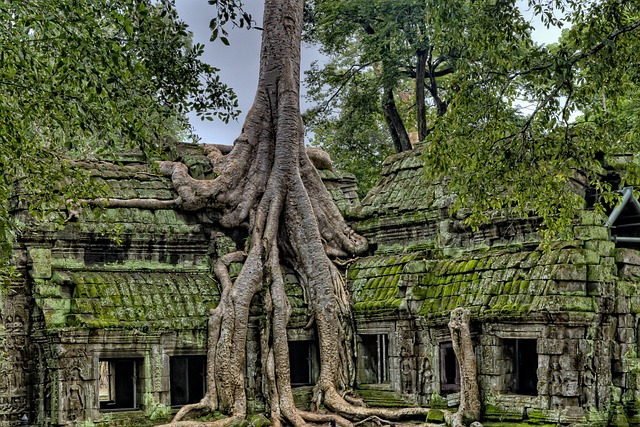
Angkor Wat Cambodia
Angkor Wat Cambodia The 800 metres of bas-relief that run around Angkor Wat’s third enclosure galleries take most visitors about three minutes to walk past. They deserve three hours. The south gallery’s Battle of Kurukshetra alone contains 1,500 individual figures in a composition that unfolds like a scroll: armies in formation, individual warriors locked in combat, elephants crushing...
read more
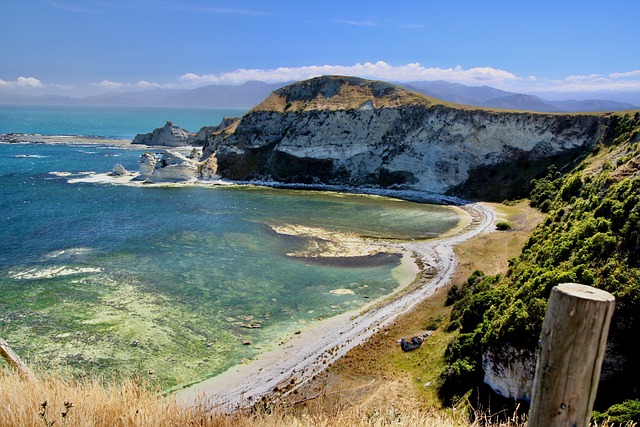
Kaikoura
Kaikoura The name means “to eat crayfish” in te reo Maori, and that tells you something about the order of priorities here. Kaikoura is a small town on the northeast coast of the South Island, pressed between the Pacific and the Kaikoura Ranges, which rise almost immediately from the shoreline. The combination of a deep offshore trench (the Hikurangi Trough) and the nutrient flow from...
read more
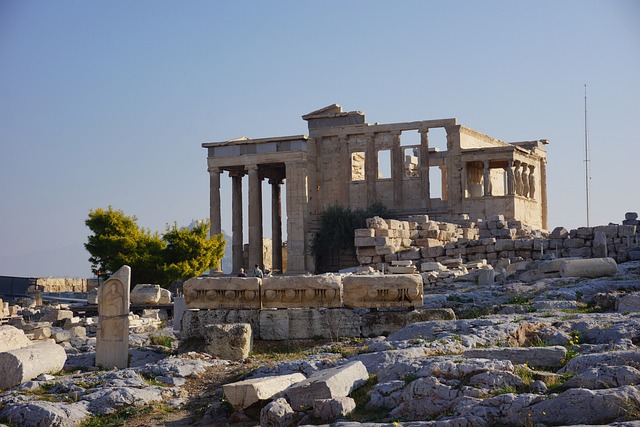
Acropolis
The Acropolis: How to Actually See It On the evening of 26 September 1687, a Venetian mortar round fired from Philopappos Hill arced over the city and dropped through the roof of the Parthenon. The Ottomans had been using the building as a powder magazine. The resulting explosion killed around 300 people inside, collapsed the cella walls, brought down most of the colonnade and scattered the carved...
read more
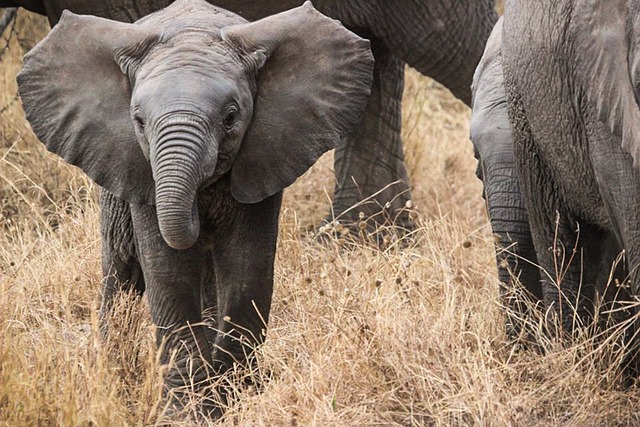
The Serengeti
Every year, 1.2 million wildebeest and 300,000 zebra move in a giant clockwise loop across 30,000 square kilometres of Tanzania and Kenya in search of rain-triggered grass. The circuit has no fixed timetable. The herds follow cues we don’t fully understand, and no one, including the most experienced guides, can tell you exactly when they will cross the Mara River on any given day. You show...
read more
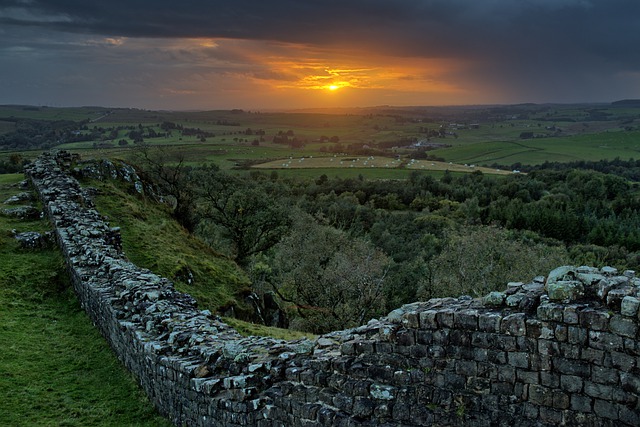
Hadrians Wall
Hadrian’s Wall: The Edge of an Empire, and What Is Left of It When Hadrian’s Wall was completed in 128 AD, it had been whitewashed. The plaster and lime coating made it visible for miles across the Northumberland moorland, a deliberate statement rather than just an engineering decision. The Romans built things to be seen as well as to function, and the wall that Hadrian ordered in 122...
read more
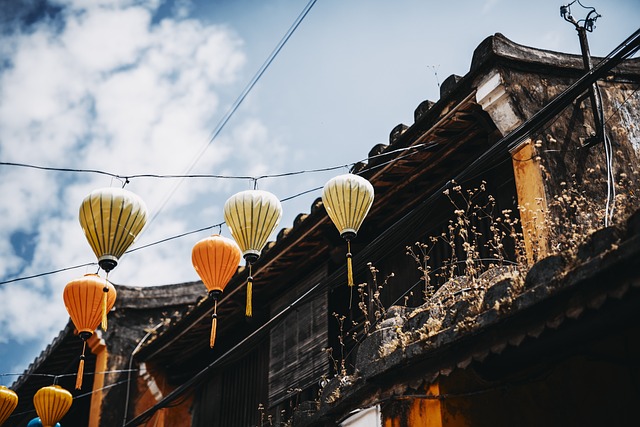
Hoi An
In October and November 2025, Hoi An’s Ancient Town was submerged by record flooding, with more than 1,000 millimetres of rainfall recorded in a 24-hour period. Streets like Tran Phu and Bach Dang, the Japanese Bridge, and the riverside night market were all temporarily closed. Since late November 2025 the floodwaters have receded and restoration work has returned the town to operating...
read more
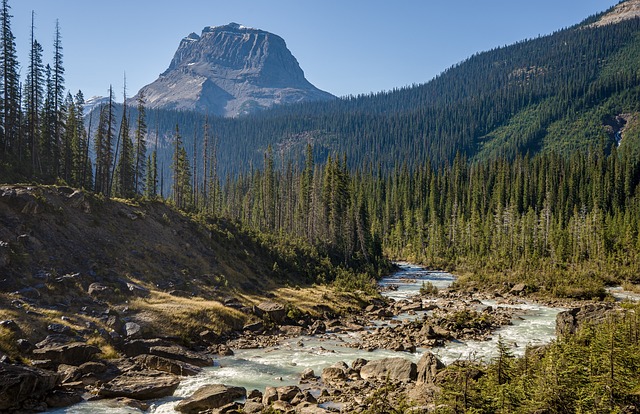
Haida Gwaii, British Columbia
Haida Gwaii: The Islands at the Boundary of the World The Haida name for this archipelago is Xhaaidlagha Gwaayaai, which translates as “Islands at the Boundary of the World.” That phrase is more literal than poetic. Haida Gwaii sits roughly 130 kilometres west of the British Columbia mainland, separated from Prince Rupert by the stormy waters of Hecate Strait. The islands were...
read more
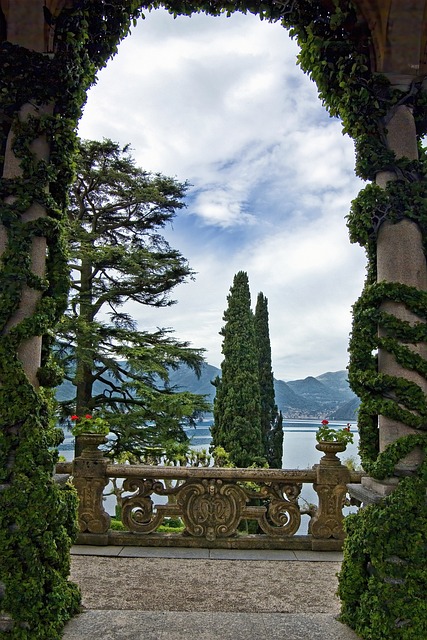
Villa Del Balbianello, Lake Como
The Villa Where James Bond Recovered, and Why You Should Visit on a Tuesday Villa del Balbianello sits on a narrow wooded promontory on the western shore of Lake Como, visible from the water long before you arrive. Most tourists see it from a ferry and take a photograph. Fewer actually visit, which is an oversight, because the interior contains something the lakefront photos do not hint at: the...
read more
Serengeti Africa
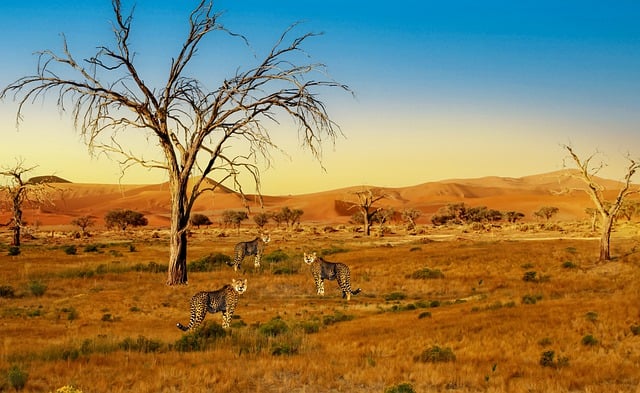
The Migration Is Not a Single Event You Book a Ticket For Around 1.5 million wildebeest move continuously through the Serengeti-Mara ecosystem across Tanzania and Kenya throughout the year, following rainfall and grass. This is not a scheduled performance. The famous Mara River crossings, where herds plunge into crocodile-filled water on the Kenyan border, happen unpredictably between July and...
read more
Spanish Riding School
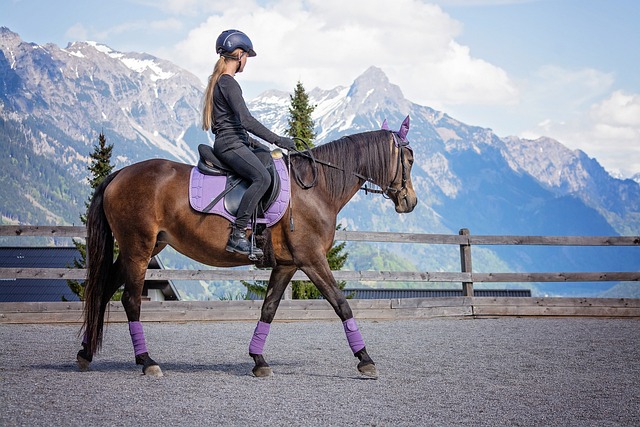
The Spanish Riding School is not named after Spain. The name refers to the origin of the horses: in the 16th century, Ferdinand I, who had grown up in Spain, introduced Andalusian stallions to the Viennese court, and the breed that developed from crosses between Spanish, Arabian, and Berber horses became the Lipizzaner. The school itself was founded in Vienna in 1565, making it one of the oldest...
read more
Lotte World, Seoul
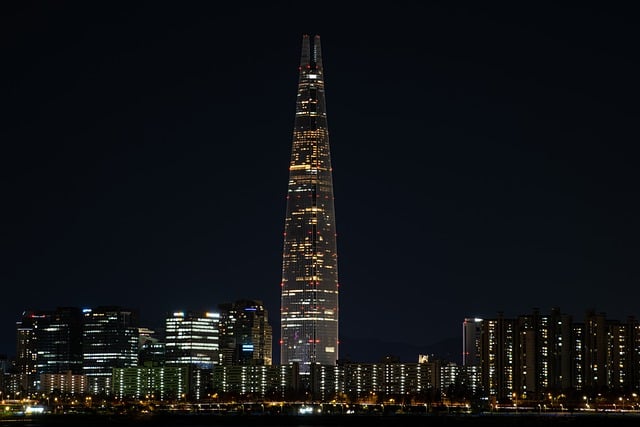
Lotte World, Seoul: The World Record Theme Park Next to a 555-Metre Skyscraper Lotte World Adventure opened on 12 July 1989 in Jamsil, Songpa District, and holds the Guinness World Record for the world’s largest indoor theme park. The outdoor section, Magic Island, added the following year, floats on an artificial lake connected to the main building. In 2017, Lotte World Tower rose adjacent...
read more

Komsomolskaya Metro Station, Moscow
In November 1941, with German forces less than 20 kilometres from Moscow, Stalin gave a speech to Red Army soldiers on the platform of Mayakovskaya metro station. The speech invoked Alexander Nevsky, Dmitry Donskoy, Suvorov, Kutuzov: the great military commanders of Russian history. That speech became the conceptual brief for Komsomolskaya station a decade later. When the station opened in 1952,...
read more
Oresund Bridge, Copenhagen
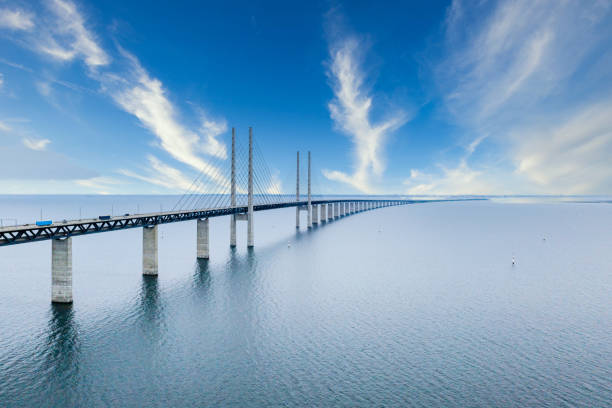
When engineers designed the Oresund crossing in the 1990s, they ran into a problem: the bridge could not be tall enough to clear shipping lanes without violating flight paths for Copenhagen Airport on the Danish side. Their solution was to make the crossing become two things: a bridge on the Swedish end that submerges into a four-kilometre underwater tunnel on the Danish end, with an artificial...
read more
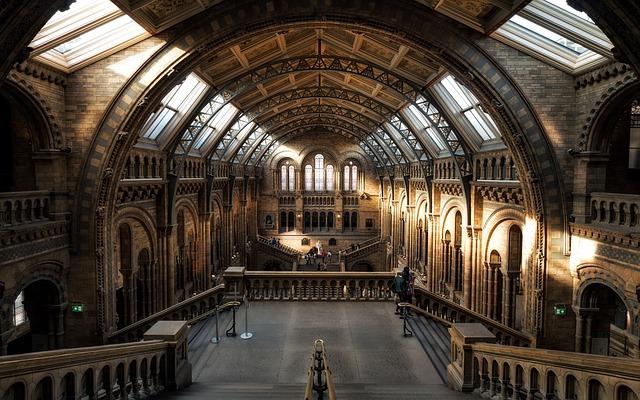
Smithsonian National Museum of Natural History
In 1958, Harry Winston shipped the most famous diamond in the world to the Smithsonian Institution in a plain brown package sent by registered mail. The Hope Diamond, 45.52 carats and the largest known blue diamond on earth, arrived at a museum that charged no admission and was open to anyone who walked in off the National Mall. That combination, extraordinary objects made freely available, is the...
read more
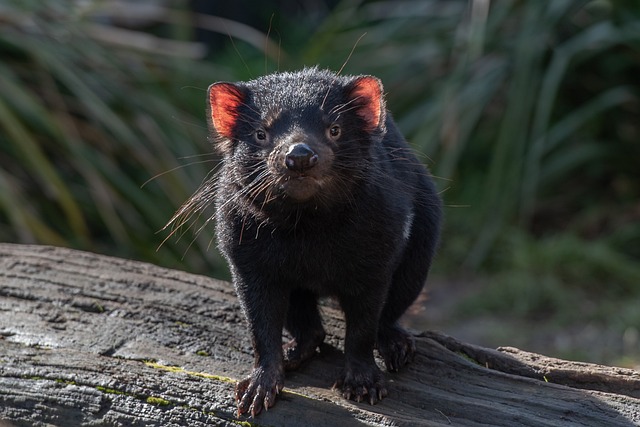
Devils Tower
The name Devils Tower is almost certainly a translation error. In 1875, Colonel Richard Dodge escorted a scientific survey through northeastern Wyoming and wrote the name down from a phrase he believed the local tribes used. The best current interpretation of the Lakota name is Mato Tipila, which means “Bear Lodge,” not anything devilish. The “Bad God’s Tower”...
read more
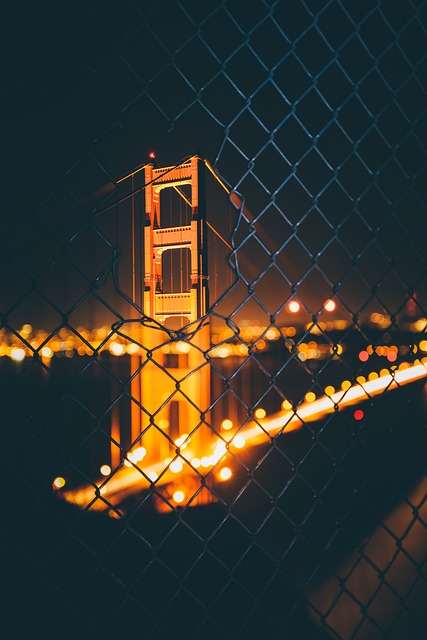
Golden Gate National Recreation Area
In 1972, Gulf Oil Corporation owned much of the Marin Headlands and had detailed plans to build a city called Marincello there, complete with high-density housing for 30,000 residents. An atomic bomb had even been proposed to blast a bowl out of the hillside for foundations. The Nature Conservancy outmaneuvered the developers, the land was transferred to the federal government, and the Golden Gate...
read more
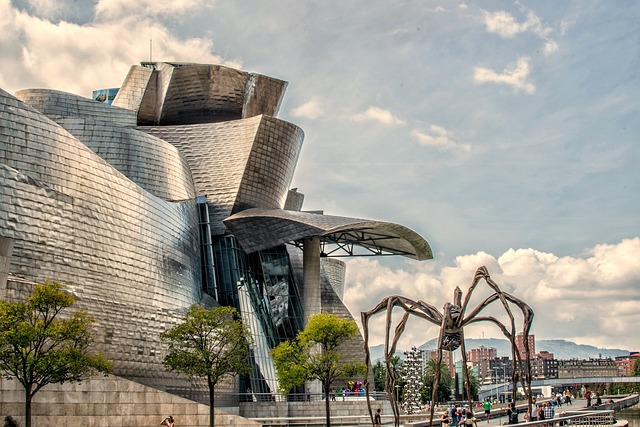
Guggenheim Museum (Bilbao)
The Guggenheim Bilbao repaid its construction costs in public tax revenue within three years Before the Guggenheim opened on 18 October 1997, Bilbao was an industrial city in decline, its shipbuilding and steel economy gutted. The Basque government approached the Solomon R. Guggenheim Foundation in 1991 with an unusual offer: fund the building entirely in exchange for the Guggenheim name and...
read more
Cradle Mountain
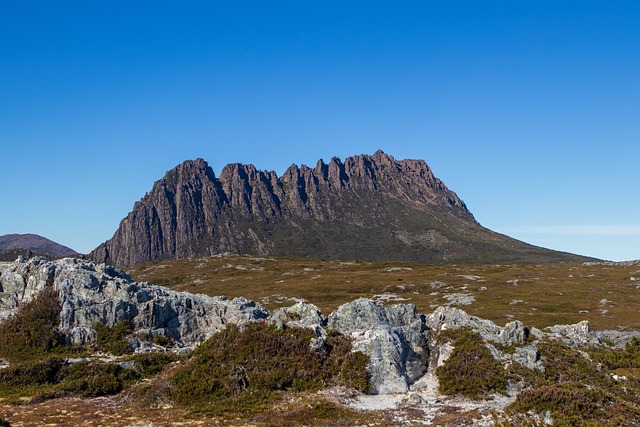
Cradle Mountain, Tasmania: The Park That Rewards Patience The boat shed at the edge of Dove Lake is made from King Billy Pine, built by the park’s first ranger, Lionell Connell, sometime in the early twentieth century. It is no longer used for anything functional. It sits at the water’s edge with the jagged dolerite spires of Cradle Mountain reflected in the glacial lake in front of...
read more
Chichen Itza
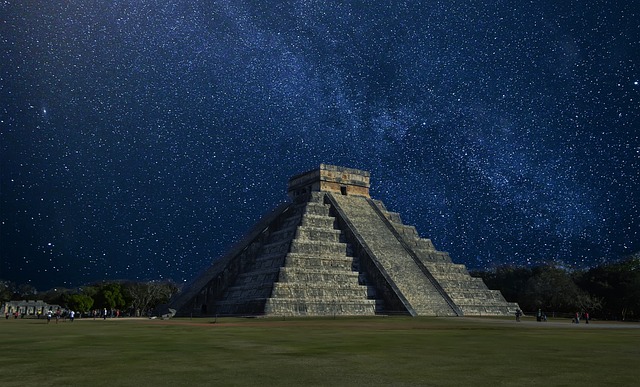
Chichen Itza: What the Pyramid Isn’t Telling You Yet Beneath the main plaza at Chichen Itza, ground-penetrating radar has detected an underground cenote containing dozens of ritual ceramic vessels with painted texts unlike anything found elsewhere at the site. Separately, a team led by Mexico’s INAH and UNAM is deploying muography (cosmic-ray imaging technology) inside El Castillo to...
read more
Colosseum
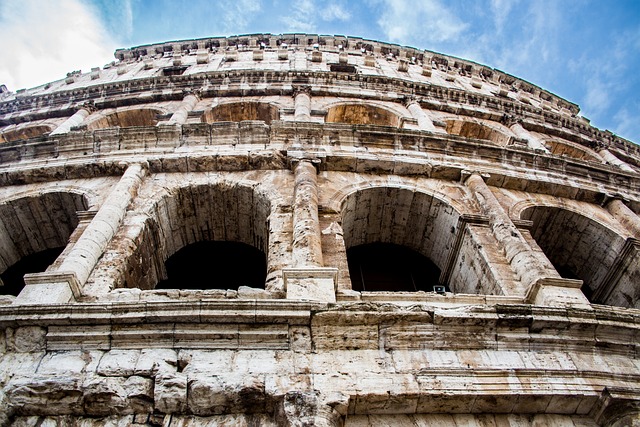
Getting Tickets for the Colosseum Without Losing Your Mind The Colosseum was built with plunder from Titus’s sack of Jerusalem in 70 CE and constructed largely by enslaved Jewish prisoners from Judaea. The marble facing has gone, quarried for other buildings through the medieval period, but the scale of the engineering still stops most visitors in their tracks. What does not stop them: the...
read more
Conwy Castle
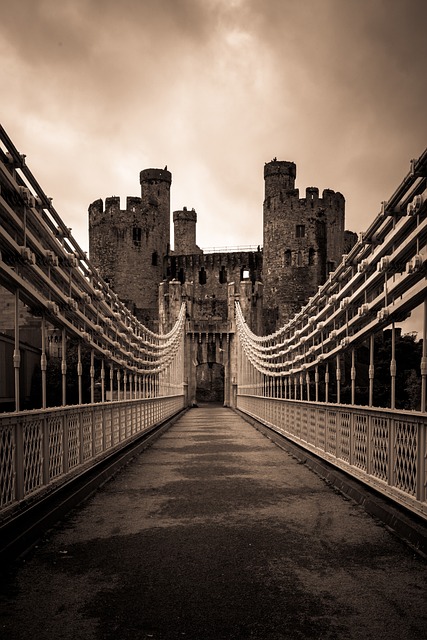
Conwy Castle, North Wales
On Good Friday in 1401, two cousins of Owain Glyn Dwr captured Conwy Castle by disguising themselves as carpenters. They walked in while the garrison was at prayer, killed the guards, and held the fortress for three months before eventually negotiating a surrender. It is exactly the kind of episode that gets left off the information boards, but it tells you a great deal...
read more
Tr Ond K Klondike
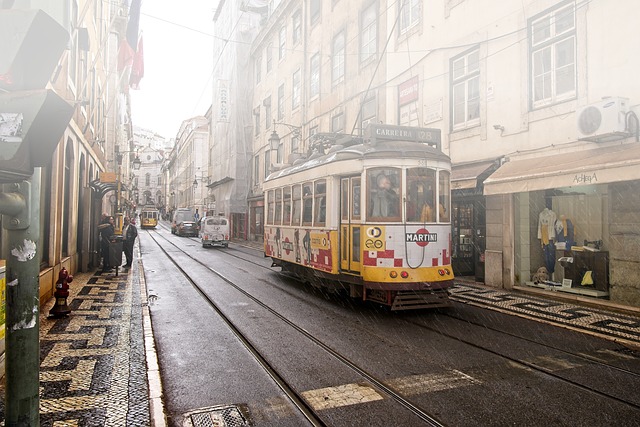
Nobody panned a single ounce of gold in Whitehorse. That distinction matters because plenty of guides, including earlier versions of this one, mix up the Yukon’s capital with the actual site of the 1896-1899 Klondike Gold Rush: Dawson City, some 530 kilometres north up the Klondike Highway, a six-to-seven hour drive through boreal forest and mountain passes. Tr’ondëk-Klondike,...
read more
Quito, Ecuador-5-day-itinerary
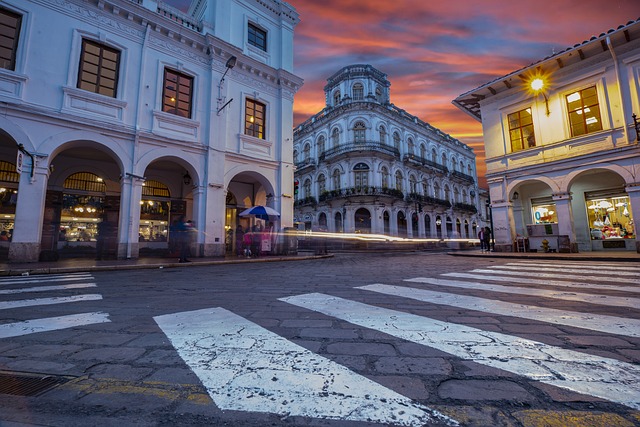
Your lungs will notice Quito before your eyes do. At 9,350 feet, this is the second-highest capital on earth, beaten only by La Paz, and the thin air catches almost everyone off guard on day one. Skip the big lunch, skip the first-night pisco sour, and give your body a few hours before you tackle the hills of the Old Town.
Day 1: Landing and getting your bearings
Mariscal Sucre International...
read more
Llao Llao Hotel in the Mountains of Bariloche, Argentina
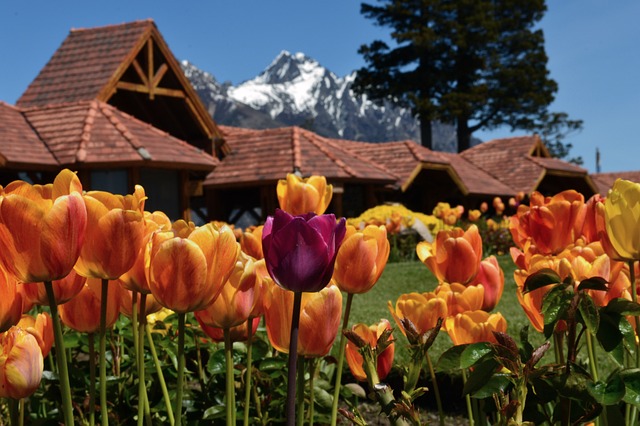
Architect Alejandro Bustillo chose the Puerto Pañuelo peninsula specifically because it had a port. That practical decision, a dock for guests arriving by boat, is why one of South America’s most photographed hotels sits exactly where it does, on a narrow strip of land between two glacial lakes with the Andes rising behind it. The hotel opened January 9th, 1938, burned down completely in...
read more
Alcatraz
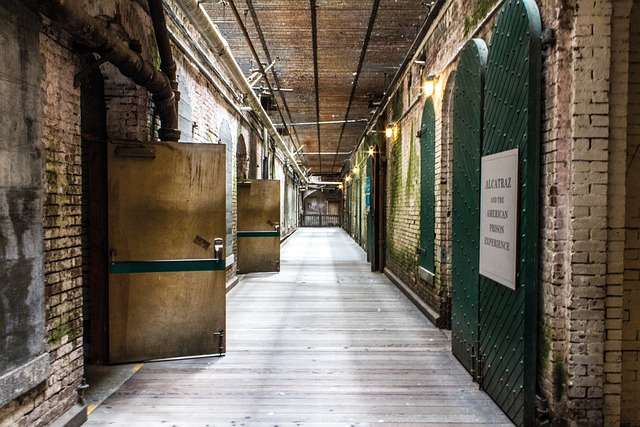
Alcatraz: What the Rock Actually Tells You The morning ferry from Pier 33 crosses a mile and a quarter of bay water at roughly 12 degrees Celsius, and on the crossing you can see exactly how close San Francisco is. The city sits right there, gleaming and loud and full of restaurants and taxis and ordinary life. That proximity is not incidental to Alcatraz. It is the whole point. The men housed in...
read more
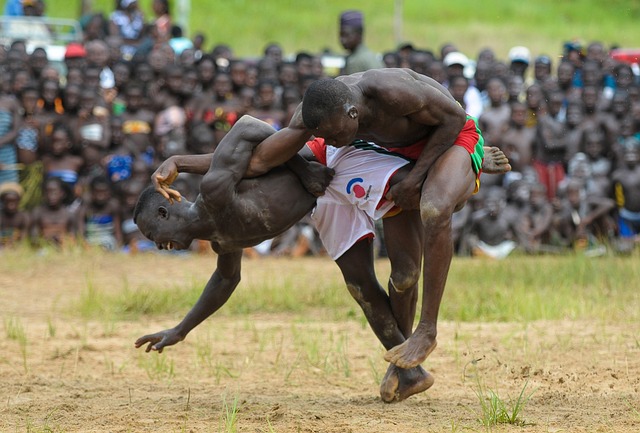
Togo 6 Day Itinerary
6-Day Itinerary for Traveling in Togo Togo is one of the few West African countries where you can still clear immigration in under twenty minutes, find a cold beer at a beach bar before sunset, and be standing in front of one of the world’s largest voodoo markets the next morning. It is small, it is overlooked, and for independent travellers that combination is close to ideal.
Before You Go:...
read more