Recent Alpaca Travels
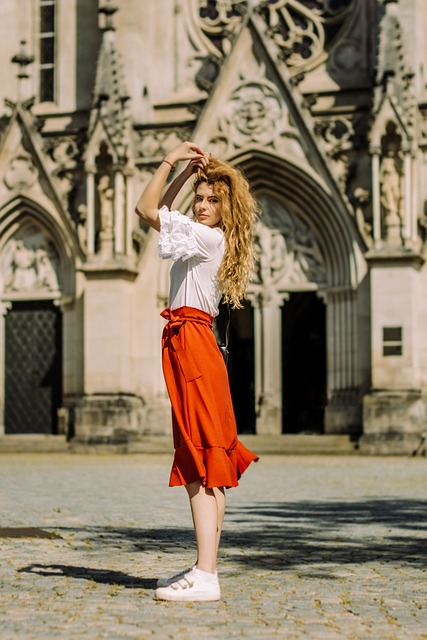
Nice Hidden Gems: 9 Unusual Things to Do
Nice has spent centuries being loudly certain about things that turned out to be wrong. The hill everyone climbs for the view is called Colline du Château, the “castle hill,” and there hasn’t been a castle up there since Louis XIV had his troops flatten it in 1706, deliberately, so it could never be used against France again. And “against France” is itself a recent...
read more
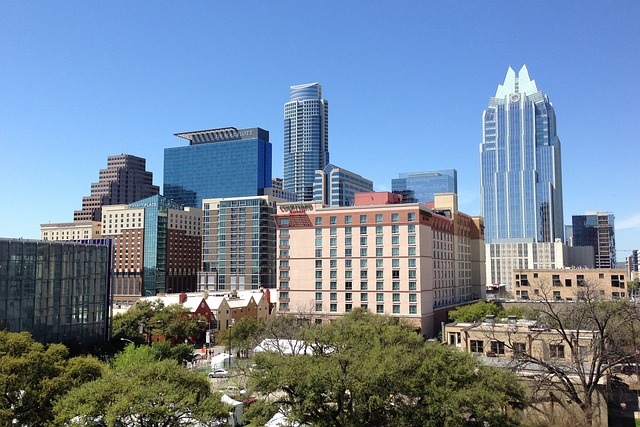
A Long Weekend in Austin: The Offbeat Plan
Three Days in Austin: Government Buildings, Then Questionable Amounts of Barbecue Three days gives you enough runway to do Austin properly: the Capitol in the morning, a real barbecue commitment by afternoon, bats at the correct hour of dusk, and a full day left over for the neighborhood that’s changing the fastest. Here’s how to spend it without wasting half of it parked outside a...
read more
A Weekend in Austin, Off the Beaten Path
Two Days in Austin: Pick a Fight Between the Capitol and the Bats Two days here forces a choice most guides pretend you don’t have to make: are you a Capitol-and-museum person or a bats-and-brisket person? This version refuses to pick, cramming a legitimate taste of both into 48 hours without wrecking you by hour 30.
Day Focus 1 Capitol, Congress Avenue, evening bats 2 South Congress,...
read more
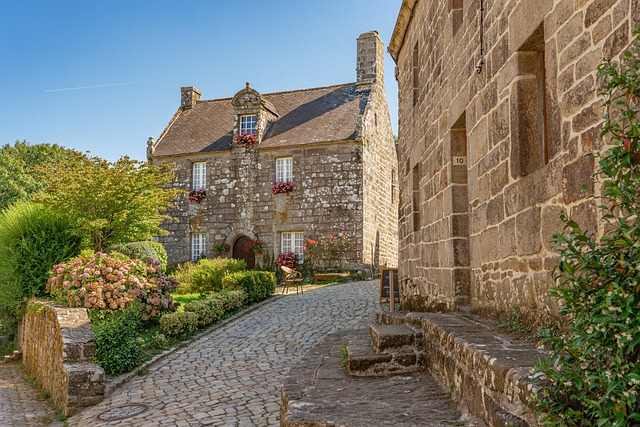
Riviera Day Trips from Nice: Offbeat
Nice Is Secretly a Train Station With a Beach Attached Everyone books Nice like it’s the whole trip. It’s better understood as the platform you stand on. This is the one city on the French Riviera where a direct tram meets the airport, a proper old town sits ten minutes from that tram, and a single regional rail line then fans out to Monaco, a hilltop village, two more famous coastal...
read more
Austin Hidden Gems: 7 Unusual Things to Do
Austin: The Texas Capital Everyone Forgets Is the Texas Capital Ask a room of non-Texans which city runs Texas and you’ll get Houston, sometimes Dallas, occasionally a shrug. It’s Austin, has been since 1839, and the fact that people still get this wrong is oddly on-brand for a city whose other defining trait is a giant pink-granite dome nobody outside the state seems to notice is...
read more
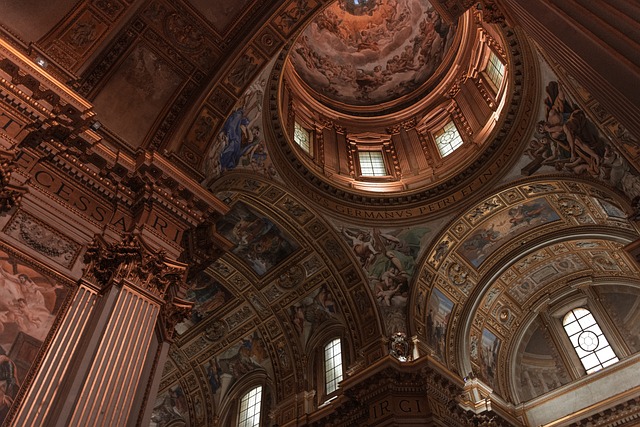
Rome Off the Beaten Path: 5 Day Itinerary
Five Days in Rome: Long Enough to Find Out Testaccio Beats Trastevere Five days is where a pattern starts to show up: everyone photographs Trastevere, but the actual Roman food scene lives across the river in Testaccio, a neighborhood built quite literally on top of a hill of broken ancient pottery. You’ll get there by day five, once the big three are handled properly. Book the Colosseum and...
read more
Rome Off the Beaten Path: 4 Day Itinerary
Four Days in Rome: Long Enough for the Museum Everyone Else Skips Four days is the threshold where the Galleria Borghese stops being a “maybe next time” and becomes a real option, provided you book it the moment your dates are set, since it sells out online-only, no walk-ups, ever. You’ve covered the essentials by day three, so day four goes to the thing most three-day visitors...
read more
A Long Weekend in Rome: The Offbeat Plan
Three Days in Rome: Enough Time to Get Lost on Purpose Three days changes the math from the two-day scramble. You can add the one thing a rushed visit can’t afford: a slow meal, a wrong turn down an alley that turns out to be the best five minutes of the trip, an actual evening rather than a forced march between sights. Here’s the essential version, done properly rather than done fast.
read more
A Weekend in Rome, Off the Beaten Path
Two Days in Rome: Enough Time to Regret Not Booking a Third Two days here is a triage exercise dressed up as a vacation. You will see maybe six things properly, walk past a hundred more, and still leave more satisfied than most cities manage on their best week. The catch is that Rome no longer runs on wing-it spontaneity for anything that matters: the Colosseum and the Vatican both require a...
read more
Rome Hidden Gems: 9 Unusual Things to Do
Rome: Where Julius Caesar Got Stabbed and It’s Now a Cat Sanctuary Largo di Torre Argentina is a sunken square of Republican-era temple ruins in the middle of a traffic roundabout, and it happens to include the spot where a group of senators murdered Caesar in 44 BC. Today it’s run by volunteers as a shelter for Rome’s stray cats, who nap on 2,200-year-old column stumps and get...
read more
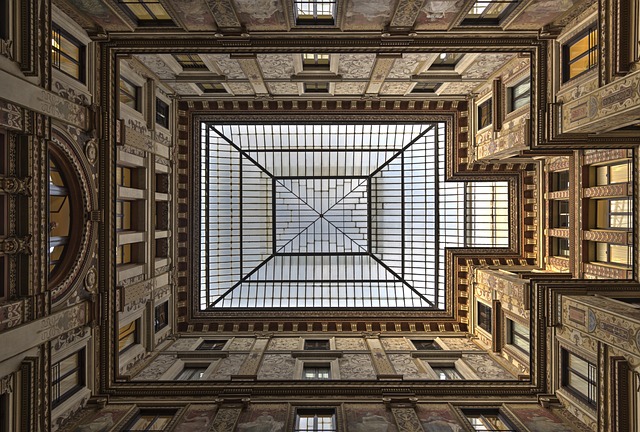
Rome's Offbeat Day Trips: 6 Ideas
Rome, Italy: The Guide for People Who Are Secretly Planning to Leave Rome Here is a fact most Rome guides bury or skip entirely: the city is sitting on top of one of the best regional rail networks in Europe, and almost nobody uses it for anything except arriving. You fly into Fiumicino, you take the Colosseum photo, you eat the carbonara, you fly home. Fine trip. But Termini station, the same one...
read more
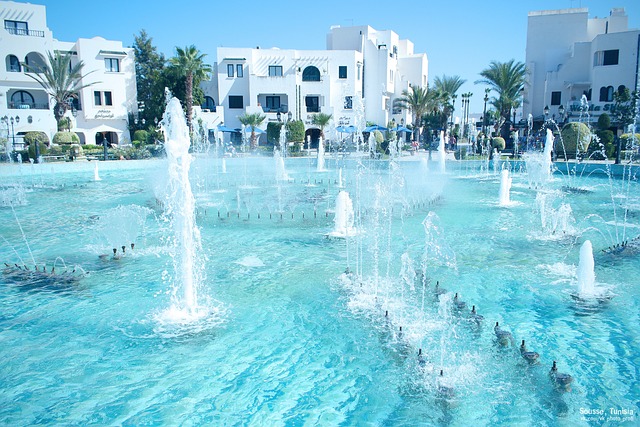
Sousse, Tunisia-5-day-itinerary
Five days in Sousse gives you enough runway to do something most package tourists skip entirely: a proper day trip inland to Kairouan, Islam’s fourth-holiest city, alongside the medina, beach, and marina time everyone else does. That mix, coastal Sousse plus one serious inland detour, is what separates a real Tunisia trip from a resort week that happens to be in Tunisia.
Day 1: Landing and...
read more
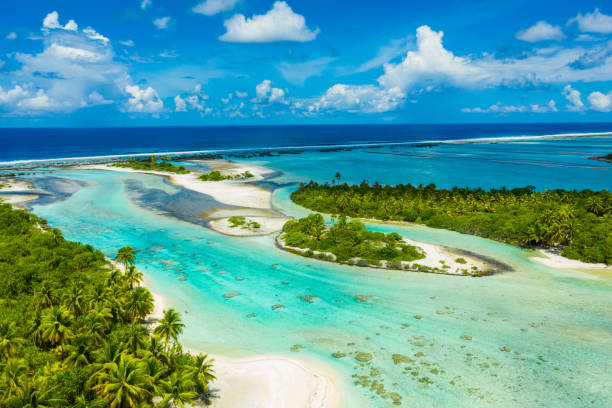
French Polynesia 3 Day Itinerary
Three days in French Polynesia realistically means three days on Tahiti itself, and the single most useful thing to know before landing is that hiking to the island’s best waterfall requires a paper permit from Papeete’s town hall, and that office is closed on weekends. Plan around that bureaucratic quirk and the rest of the trip falls into place far more smoothly than most quick...
read more
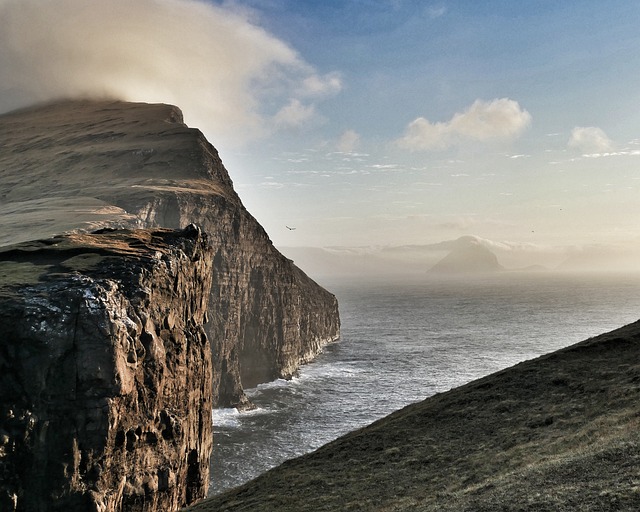
Faroe Islands-5-day-itinerary
The most photographed lake in the Faroe Islands sits on private land, and hiking to it now costs 450 Danish kroner per adult, guide and information brochure included, a fee that surprises plenty of visitors who assumed nature here was free to wander. Get that detail straight before you land, since it shapes how you budget the whole trip.
Day 1: Arrival and Torshavn The Faroe Islands are not part...
read more
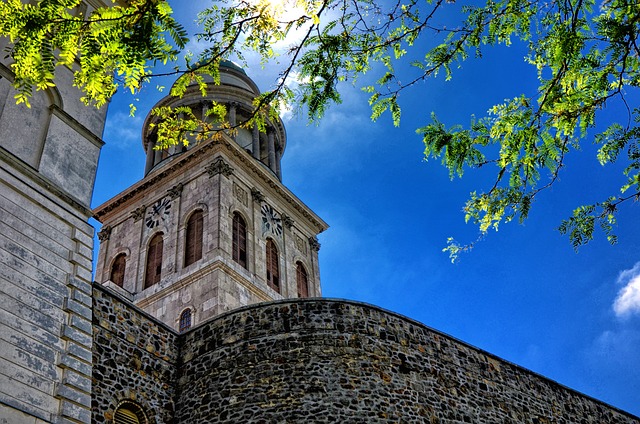
Millenary Benedictine Abbey of Pannonhalma and Its Natural Environment
Millenary Benedictine Abbey of Pannonhalma: A Guide to this Hungarian Treasure A Monastery That Has Outlasted Eleven Centuries In 996 CE, a group of Benedictine monks arrived on a 282-meter hill in the Transdanubian region of what is now western Hungary. They had been sent from the monastery at Montecassino in Italy, the mother house of the entire Benedictine tradition, at the invitation of...
read more
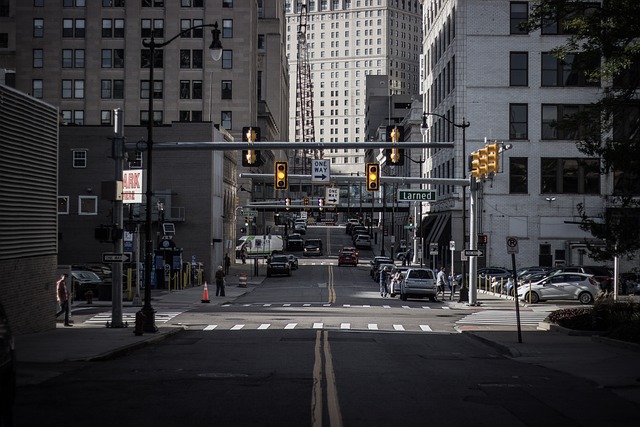
Detroit, Michigan, US-2-day-itinerary
One correction before the plan: Detroit Metro Airport has no rail link into downtown, no People Mover, no QLine reaches that far, so budget accordingly rather than assuming you’ll hop a train. A SMART bus route runs from the airport for around 2 dollars but takes considerably longer than a car, while UberX typically runs 35 to 50 dollars and a flat-rate taxi comes in around 47 dollars for...
read more
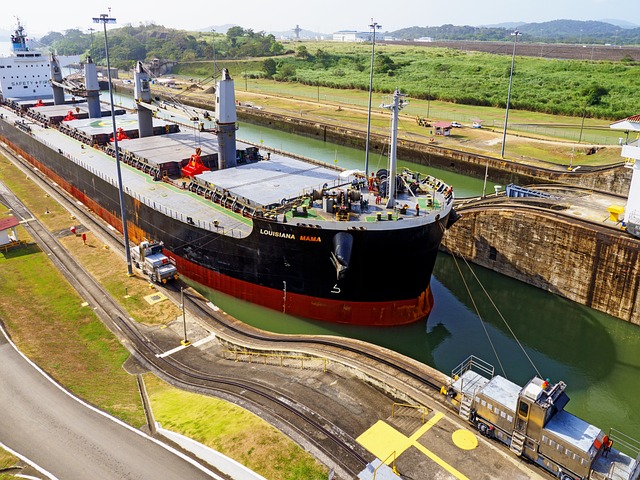
Panama-2-day-itinerary
2 Days in Panama If you’re picturing a leisurely four-hour bus ride from Panama City to Bocas del Toro, drop that plan now: the actual overland trip is a 10 to 13 hour combination of bus and water taxi. For a genuine two-day trip, fly instead, roughly 50 minutes to an hour in the air and $80 to $190 depending on how far ahead you book. That single correction changes this whole itinerary, so...
read more
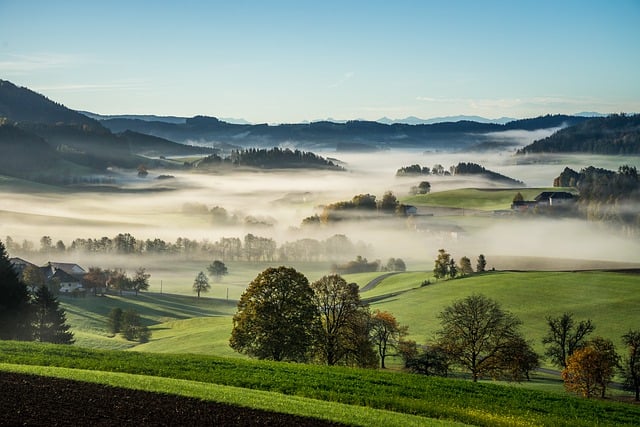
The Gedeo Cultural Landscape
The Gedeo Cultural Landscape
A crop that no one outside Ethiopia eats sustains one of the most food-secure farming systems on the continent, and it’s not the coffee you’ve probably heard of. Enset, a relative of the banana that’s grown for its starchy root and pseudostem rather than its fruit, forms the backbone of the multilayer agroforestry that got the Gedeo Cultural Landscape...
read more
Doha, Qatar-2-day-itinerary
Aspire Tower is not the tallest building in Qatar, whatever an outdated guidebook told you. That title has shifted repeatedly through Doha’s construction boom, currently sitting with towers in Lusail and the West Bay financial district that clear 250 meters, well past Aspire’s 300-meter claim being confused with actual ranking; Aspire is a landmark, not a record holder. Two days here...
read more
Ancient Building Complex in the Wudang Mountains
The Ancient Building Complex in the Wudang Mountains: A Comprehensive Guide
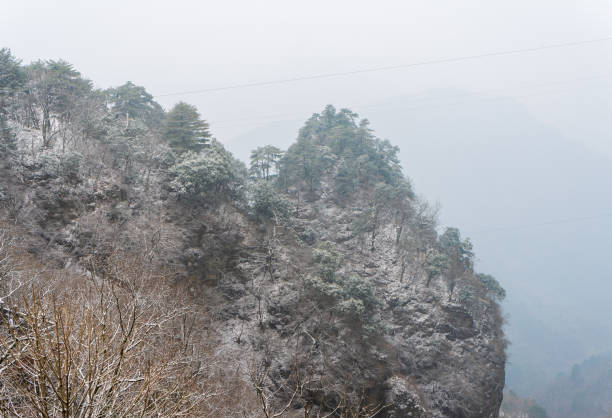
The hall sitting at the summit of Tianzhu Peak isn’t wood dressed up to look impressive, it’s roughly 20 tons of cast bronze coated in about 300 kilograms of gold, built to imitate wooden joinery so precisely that most visitors assume they’re looking at timber and lacquer. Every piece was cast in Beijing...
read more
New Zealands North Island
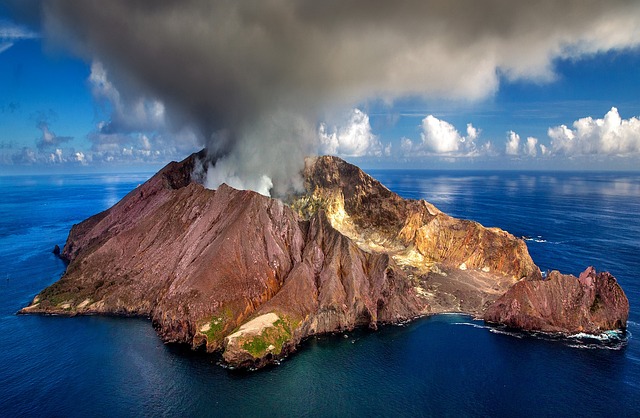
In 1887, a Maori chief named Te Heuheu Tukino IV gifted the summits of Tongariro, Ngauruhoe, and Ruapehu to the people of New Zealand. He reasoned that the mountains were too sacred to be sold and that making them a national park was the best protection available. That gift created the Tongariro National Park, the first in New Zealand and one of the earliest in the world, and it is the reason...
read more
Mont Blanc
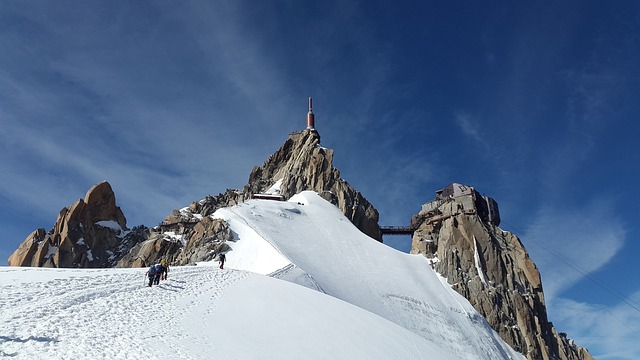
Mont Blanc and Chamonix: Europe’s Highest Peak and the Town That Lives Under It Mont Blanc stands at 4,808 metres, which makes it Western Europe’s highest mountain and one of the most contested measurements in geography: the summit shifts slightly as ice accumulates or retreats, and France and Italy have disagreed about the border location for decades. What is not contested is that the...
read more
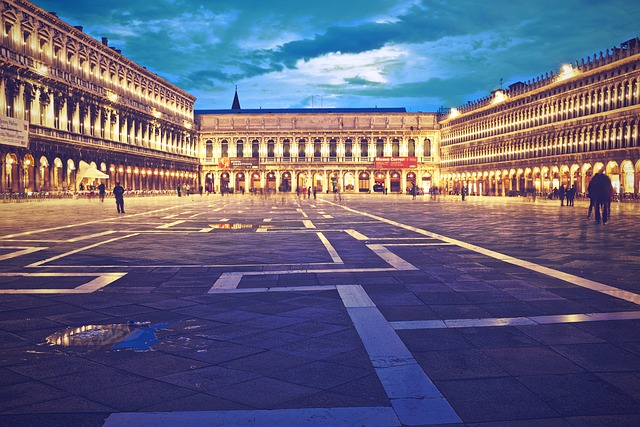
Piazza San Marco
Piazza San Marco is the lowest point in Venice, which is why it floods first Napoleon famously called it the drawing room of Europe. In an acqua alta event above 110 centimetres, St. Mark’s Square is a shallow lagoon. Venetians in waders step around tourists who did not check the forecast; the tidal forecast website (CPSM) predicts events 72 hours ahead, and the city’s MOSE barrier...
read more
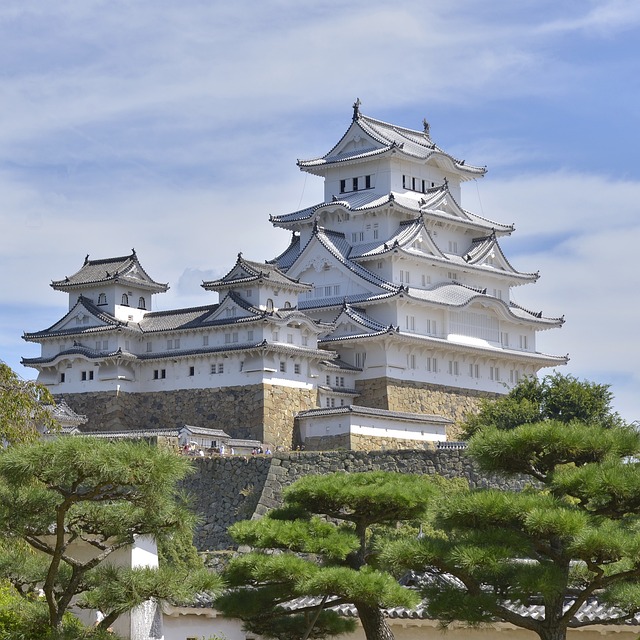
Himeji-Jo
On the night of 3 July 1945, American incendiary bombs destroyed much of Himeji city. One bomb landed on the top floor of Himeji-jo and failed to detonate. The castle survived the war. It is worth leading with this fact because most Japanese castles you can visit today are 20th-century concrete reconstructions, some of them built with elevators inside. Himeji-jo is one of only twelve Japanese...
read more
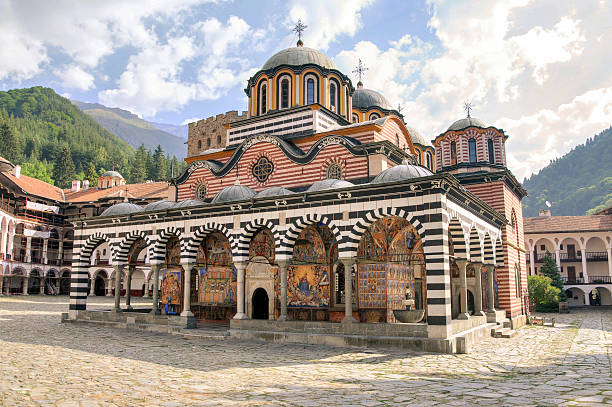
Rila Monastery
The main church at Rila Monastery was built between 1834 and 1837, and its frescoes were completed by 1846. This matters because the building that most visitors photograph and admire is not ancient: it is a product of the Bulgarian National Revival period, painted by masters from Bansko and Samokov including the brothers Zahari Zograf, whose work decorates nearly every surface inside. The...
read more
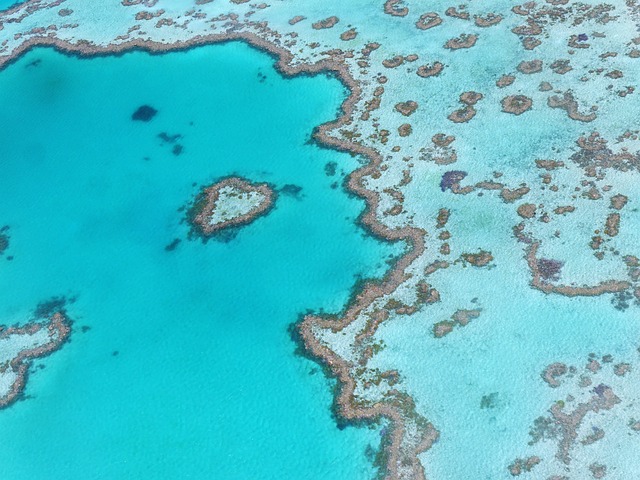
Great Barrier Reef Australia
The Great Barrier Reef has experienced six mass bleaching events since 2016, with 2024 producing the most spatially extensive bleaching since monitoring records began in 1986. In 2025, the Australian Institute of Marine Science surveyed 124 reefs and found that 48 percent had undergone a decline in coral cover. The reef is under serious, documented, ongoing stress. Saying this upfront is not...
read more
Louvre Museum
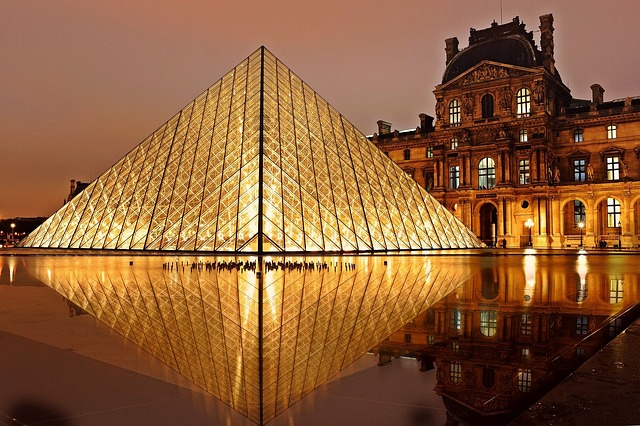
Visiting the Louvre After the Heist: What Has Changed and What Has Not On October 19, 2025, a team of thieves disguised as construction workers stole eight pieces of the French Crown Jewels from the Louvre’s Galerie d’Apollon in under eight minutes. The total value of the stolen pieces was estimated at around 88 million euros. The museum closed for one day. By week’s end, two...
read more
Haiti 2 Day Itinerary
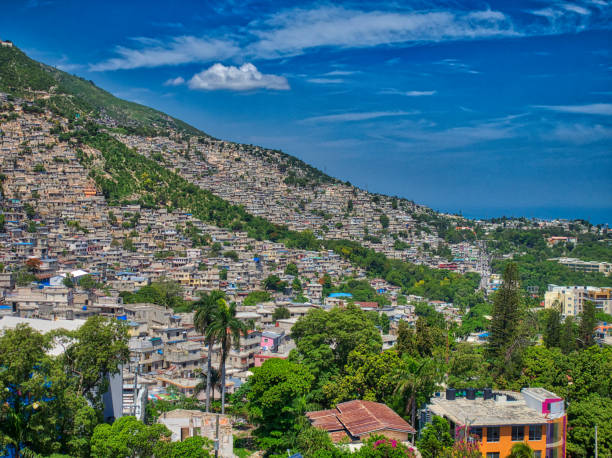
Before anything else: this is not a trip to plan right now.
The US State Department’s Haiti advisory sits at Level 4, Do Not Travel, its highest possible warning level, last confirmed in April 2026 with no change. That’s the same tier as active war zones. The reasons are specific and current, not boilerplate caution: armed gangs control roughly 90 percent of Port-au-Prince and the...
read more
Great Orme Tramway
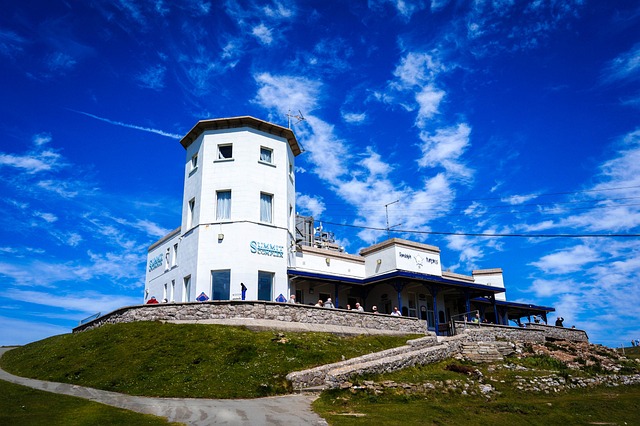
Only three cable street tramways still operate in the world. San Francisco’s is the most famous. Lisbon runs three funiculars through its steep historic neighbourhoods. And then there is the Great Orme Tramway in Llandudno, North Wales, which has been hauling passengers up a limestone headland since 1902 and which most people outside Britain have never heard of.
It is, by a reasonable...
read more
Sofia, Bulgaria
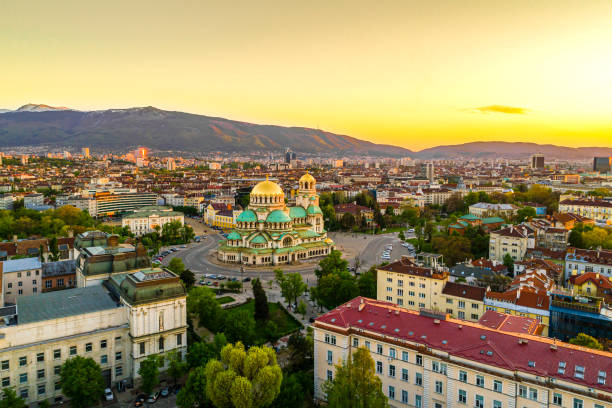
Sofia stopped using the lev on January 1, 2026, and that single fact changes more about visiting this city than any list of cathedrals. Bulgaria became the eurozone’s 21st member that day, locking the old conversion at roughly 1.956 lev per euro, and while a one-month dual-circulation window let both currencies circulate, only euros are legal tender now. If you’re planning around old...
read more
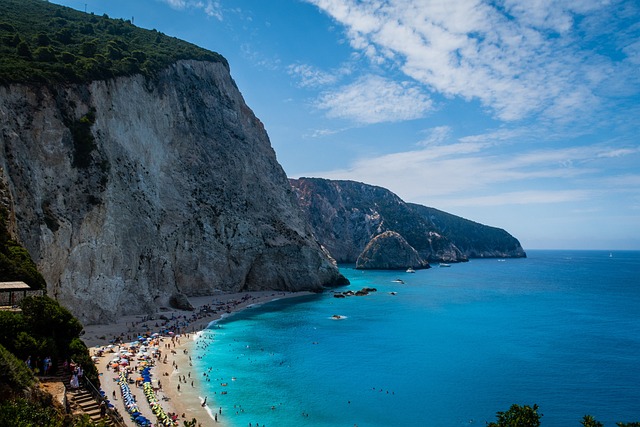
Greek Islands, Greece
Greece Is Actively Trying to Reduce Crowds on Its Most Famous Islands
Starting in the summer of 2025, Greece introduced a per-person cruise passenger levy at Santorini and Mykonos: 20 euros per person during peak season (June to September) and 12 euros in shoulder months. Santorini went further and introduced a hard daily cap of 8,000 cruise visitors, backed by a berth-allocation system. For 2026,...
read more
Sousse, Tunisia-2-day-itinerary
Two days in Sousse is enough time to get the medina, the coastline, and a real sense of why this city, not Hammamet, is where Tunisians themselves go on holiday. The whole old town sits inside walls you can trace on foot in under an hour, so don’t overplan; leave gaps for wrong turns down the souk alleys, that’s where the good stuff usually is.
Day 1: The medina and the ramparts
read more
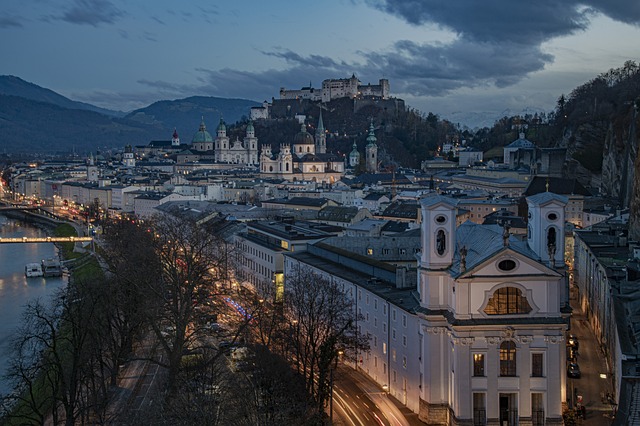
Festung Hohensalzburg
Festung Hohensalzburg, Salzburg
Hohensalzburg Fortress was never successfully attacked. In nearly a thousand years of standing above Salzburg on a rocky ridge, it was besieged once, in 1525, during the German Peasants’ War, when miners and farmers tried to oust Prince-Archbishop Matthäus Lang. The fortress held. Lang, whose treatment of his subjects had provoked the uprising in the first...
read more
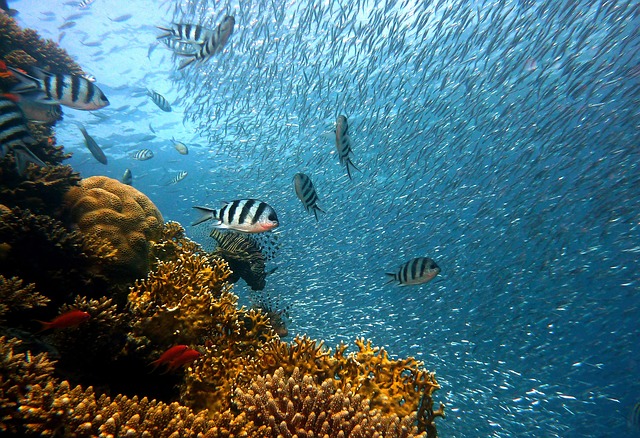
Glover S Reef
Glover’s Reef Atoll, Belize: The One That Actually Rewards the Journey Glover’s Reef is Belize’s most remote atoll. It sits roughly 45 kilometres from the mainland coast in the southern Caribbean Sea, far enough out that the tourist infrastructure has never quite caught up with the ecology. Inside its lagoon are more than 700 patch reefs. Along its outer walls, the seafloor drops...
read more
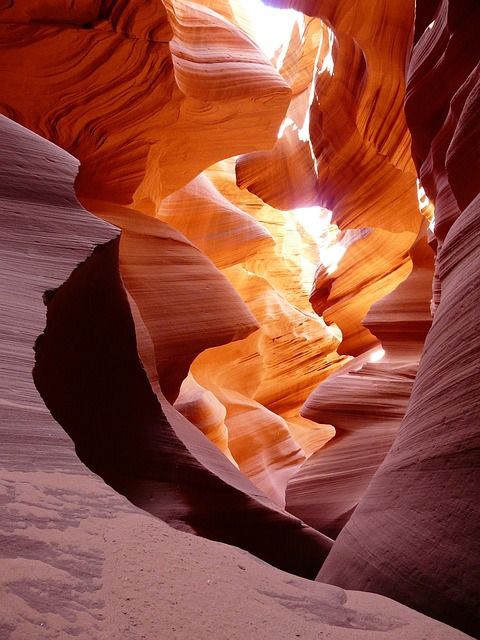
Antelope Canyon
Antelope Canyon: The Most Photographed Slot Canyon in the World On August 12, 1997, eleven tourists died inside Lower Antelope Canyon. A storm broke fifteen miles away, in a watershed most of them would not have been able to find on a map, and within minutes the slot was a wall of water. There were no guides required. There was no safety infrastructure. You paid a small fee and walked in alone.
read more
Rialto Bridge
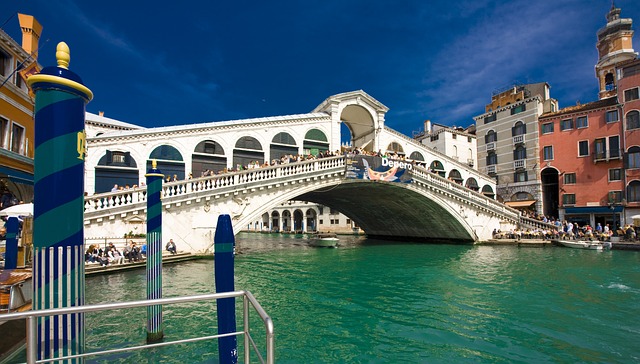
The competition to design the current Rialto Bridge was one of the more embarrassing episodes in Renaissance architectural history. Palladio submitted plans. So did Michelangelo, Jacopo Sansovino, and Vignola. The Venetian authorities rejected all of them in favor of Antonio da Ponte, a relatively unknown local builder whose main qualification was that his single-arch design was the only one that...
read more
Antigua and Barbuda-7-day-itinerary
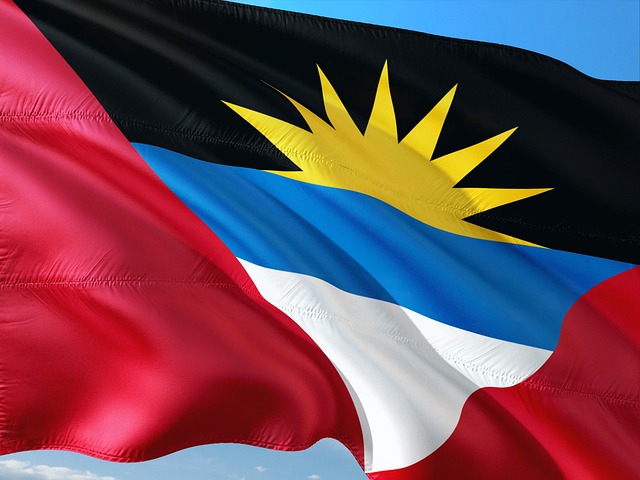
Antigua claims to have 365 beaches, one for every day of the year. The claim is marketing, but the beaches are real: coves of fine white sand with water so clear it looks computer-generated, and almost all of them accessible without a resort wristband or a long walk. Seven days is enough to cover the highlights of both islands without feeling rushed, provided you resist the instinct to sit by a...
read more
Ilulissat Kangerlua, Greenland
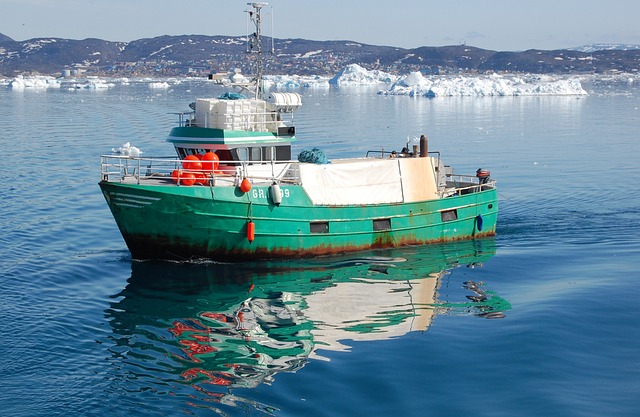
Ilulissat Kangerlua: What Visiting the World’s Most Productive Glacier Actually Involves The Sermeq Kujalleq glacier discharges approximately 20 billion tonnes of ice into the fjord annually. It is the fastest-moving glacier in the northern hemisphere, advancing and calving at a rate that researchers measure in metres per day rather than per year. The icebergs that result from this process...
read more
Historical Complex of Split With the Palace of Diocletian
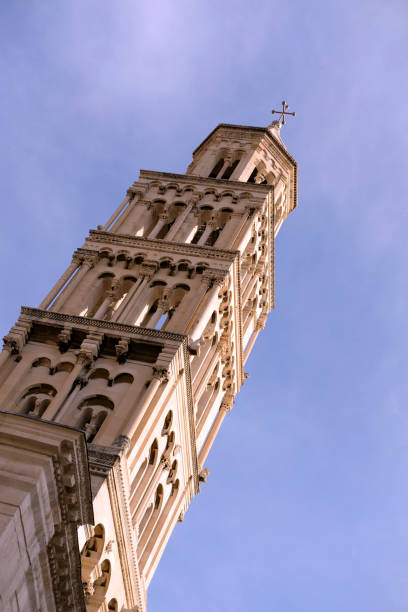
Diocletian’s Palace, Split: A Roman Emperor’s Retirement Home That Became a City Roman emperors did not retire. Diocletian was the first to do so voluntarily, abdicating in 305 AD and retreating to this fortified complex on the Dalmatian coast. He spent his final years here growing cabbages, as the historical record unironically confirms he told colleagues who begged him to return to...
read more
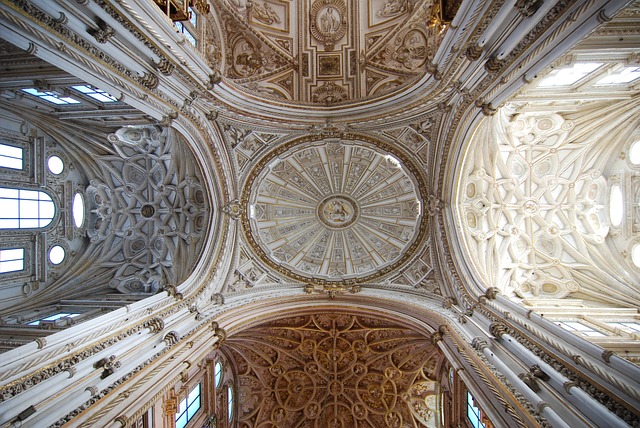
Great Mosque of Cordoba
The Mezquita of Cordoba: A Building That Should Not Exist The Great Mosque of Cordoba faces the wrong direction for prayer. Mecca lies to the east-southeast of Andalusia, but Abd al-Rahman I oriented the mosque southward in 784 CE, following the alignment of the existing Roman street grid rather than the religious requirement. Scholars disagree on whether this was an error, a political statement,...
read more
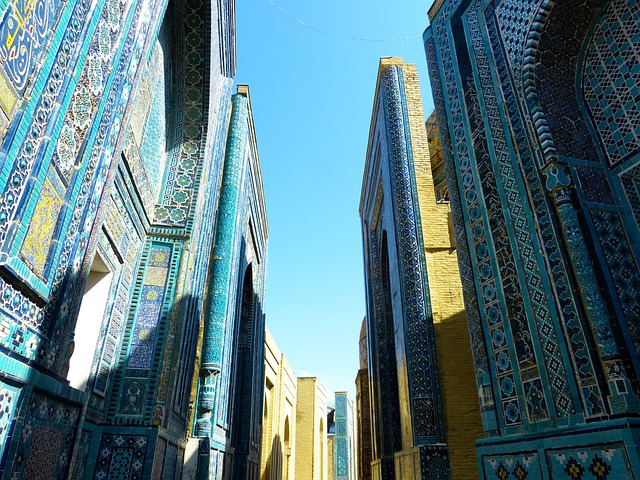
Samarkand, Uzbekistan-3-day-itinerary
Getting to Samarkand just got a lot easier for Americans. As of January 2026, US citizens can enter Uzbekistan visa-free for up to 30 days, a change from the previous rule that only waived visas for travelers 55 and older. That alone makes this the year to finally do it. Fly into Tashkent, then take the Afrosiyob high-speed train, a Spanish-built Talgo that hits 250 km/h and covers Tashkent to...
read more
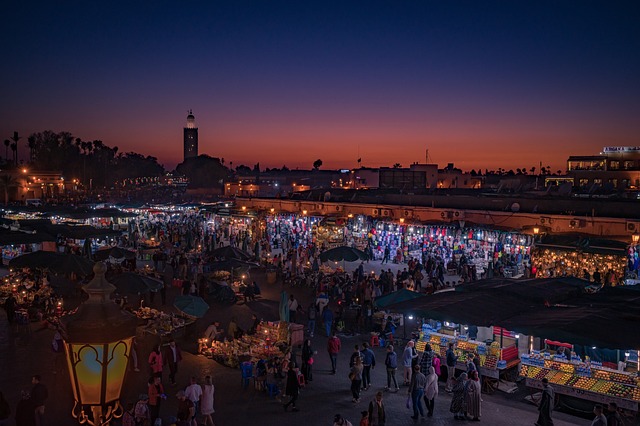
Khongoryn Els
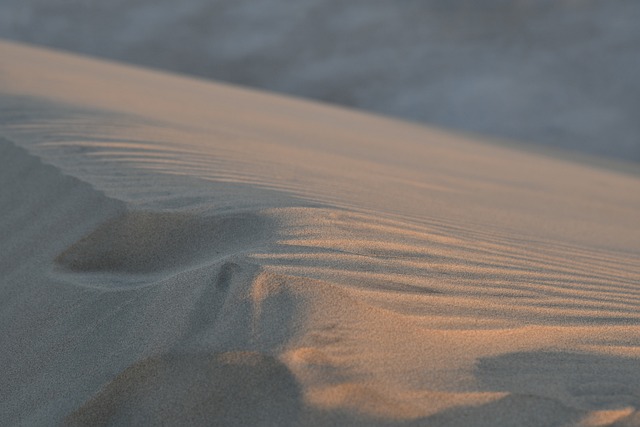
Khongoryn Els: Mongolia’s Singing Sand Dunes and What Makes Them Hum The Mongolians call them Duut Mankhan, the Singing Sands. On days when the wind runs east to west across the ridgelines, the dunes at Khongoryn Els emit a deep, resonant hum that travellers have compared to distant aircraft engines, to a cello, to the sound of a bow drawn slowly across a bass string. The scientific...
read more
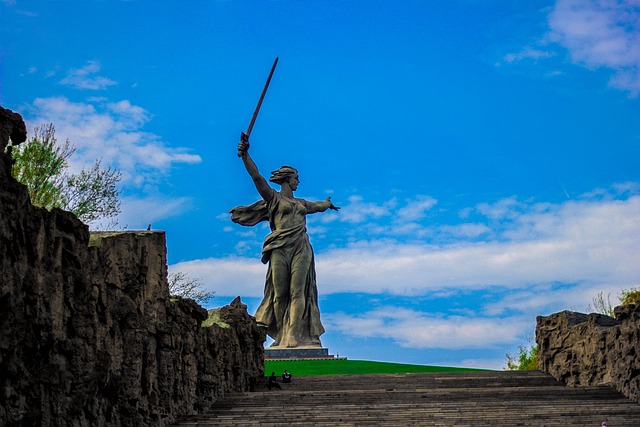
Mamayev Kurgan Statue, Volgograd
Travel advisory: Western governments currently advise against all travel to Russia Before any description of Mamayev Kurgan, this point must be stated plainly. As of mid-2026, the United States Department of State maintains a Level 4 “Do Not Travel” advisory for Russia, citing the ongoing war with Ukraine, risk of wrongful detention of foreign nationals by Russian security services,...
read more
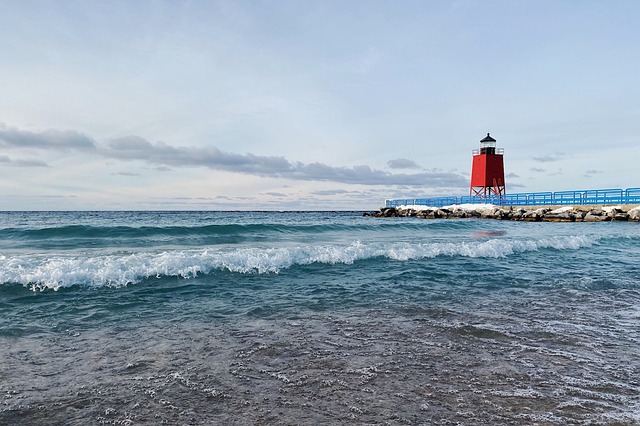
Great Blue Hole, Belize
The Great Blue Hole sits at the centre of Lighthouse Reef Atoll, 43 miles from the Belizean mainland, and it is 1,043 feet across and 407 feet deep. Jacques Cousteau brought his ship Calypso here in 1971, declared it one of the five best dive sites on earth, and the world has been trying to book liveaboard trips ever since. What most accounts leave out: at roughly 300 feet depth, a layer of...
read more
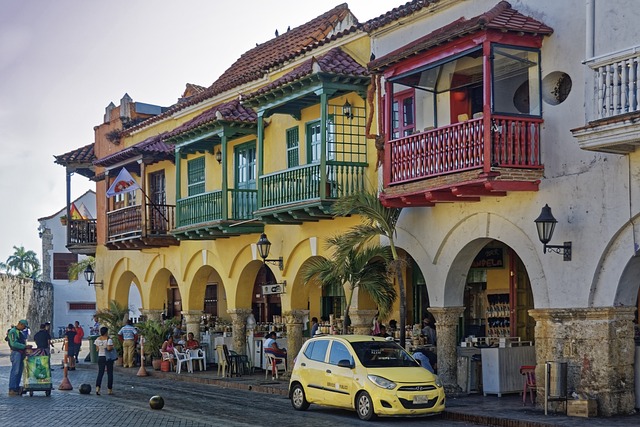
Old Cartagena, Colombia
Cartagena’s Rafael Nuñez International Airport is 3 kilometres from the walled city. That proximity, the combination of a working Caribbean port town and a near-perfectly preserved Spanish colonial centre, and a food scene that has been quietly catching up with Bogota over the past decade, make this one of the more underrated city breaks in Latin America. Most guides lead with the obvious:...
read more
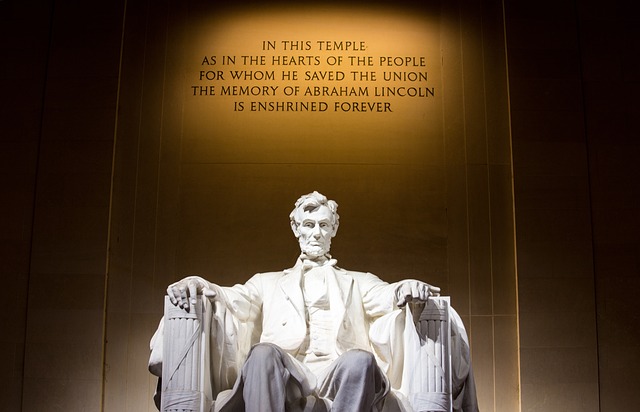
Lincoln Memorial
The ground the Lincoln Memorial sits on was a tidal mudflat for most of the nineteenth century, half-river and half mosquito swamp, with the Potomac sliding in and out of it twice a day. The Army Corps of Engineers began dredging and dumping spoils on those flats in 1882 and kept going for thirty years. By 1911 there was solid land where the memorial now stands. That origin story is almost never...
read more
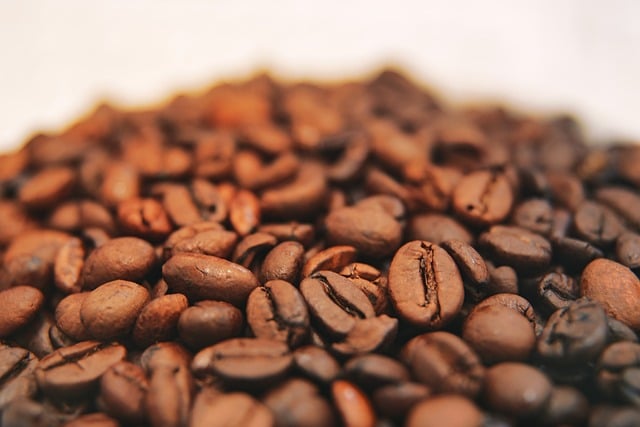
Get a Caffeine Jolt at a Famous Viennese Kaffeehaus
In January 1913, Leon Trotsky, Josef Stalin, Sigmund Freud, and Josip Broz Tito were all, at various points, regulars at Café Central in Vienna. Whether they ever sat in the same room is unknown. What is certain is that none of them paid more than a few Kreuzer for the right to stay all afternoon, read the newspapers, argue, and write. That was the point of the Viennese coffeehouse: a subscription...
read more
Great Buddha
The Great Buddha of Kamakura (Kotoku-in), Japan
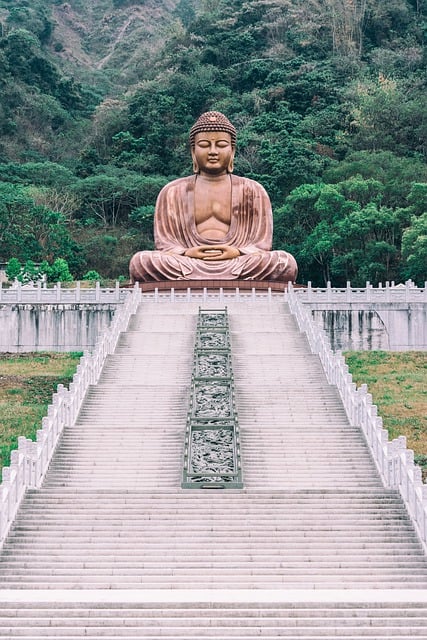
The Great Buddha of Kamakura has been sitting outdoors since 1498, not by design but because the hall that housed it was washed away in a tsunami triggered by the Nankai earthquake on September 20 of that year. The temple authorities never rebuilt it. Whether this was a pragmatic response to the difficulty of protecting a structure on that coast, a...
read more
Zhangjiajie China
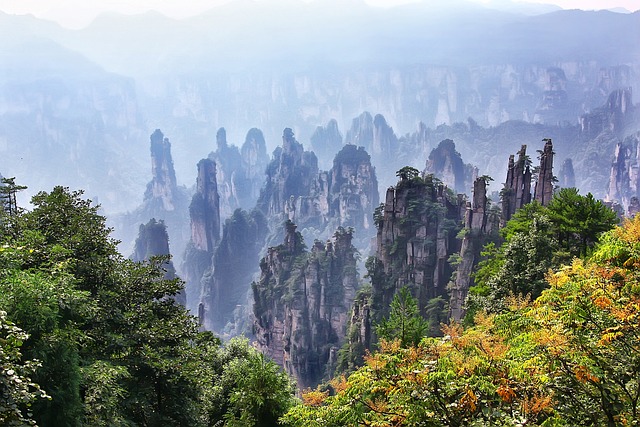
Zhangjiajie remained largely unknown outside Hunan Province until 1979, when a local painter named Wu Guanzhong visited and published work that drew national attention to the landscape. Three years later, in 1982, it became China’s first designated national forest park. The pillars and peaks that now feature in thousands of travel photographs were treated, until quite recently, as...
read more
Hamburg-2-day-itinerary
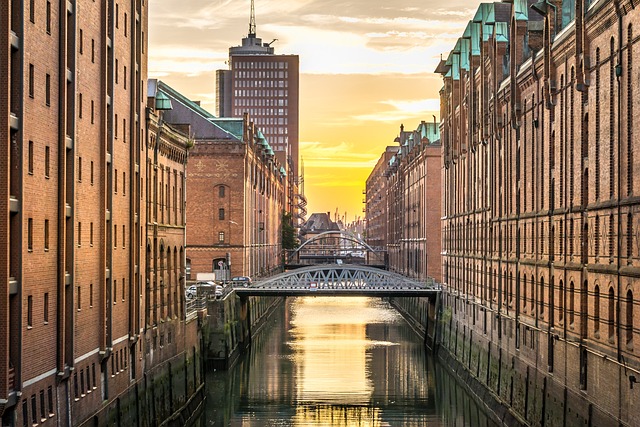
Hamburg in 2 Days The Elbphilharmonie’s plaza is free right now, but that changes on October 5, 2026, when Hamburg starts charging five euros for what used to be an open public viewing platform. If you’re planning this trip for later in the year, budget for it, and either way, reserve a slot online for a small booking fee to skip the queue rather than rolling the dice on walk-up...
read more