Recent Alpaca Travels
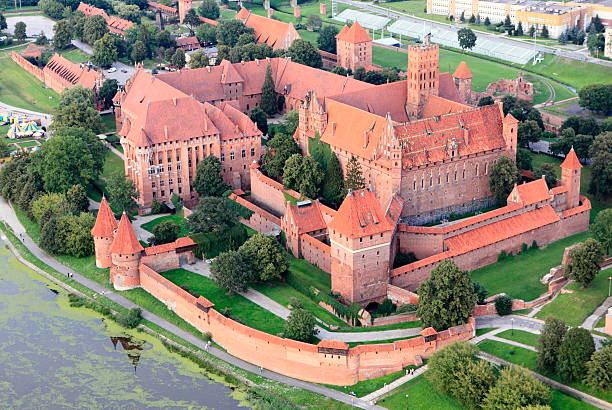
Malbork Castle
Malbork Castle: The Largest Brick Building in the World Malbork Castle is the largest castle in the world by land area, at 143,591 square metres. The Teutonic Knights built it starting in 1274 and used it as the order’s headquarters for over a century. The numbers are genuinely striking: a medieval military-religious order commanding enough labour and resources to build what is effectively a...
read more
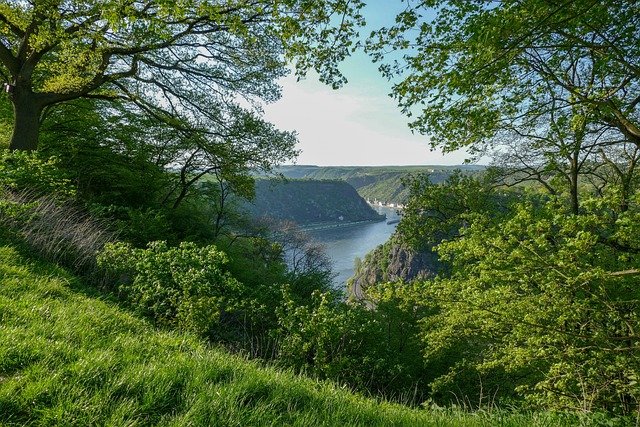
Loreley Rock
The Loreley: The Rock, the Myth, and the Middle Rhine The Loreley is a 132-metre high slate cliff on the east bank of the Rhine River at the town of Sankt Goarshausen, in the Rhineland-Palatinate state of Germany. It marks the narrowest section of the Upper Middle Rhine, where the river compresses between two steep rock faces and the current has historically been strong enough to wreck ships. The...
read more
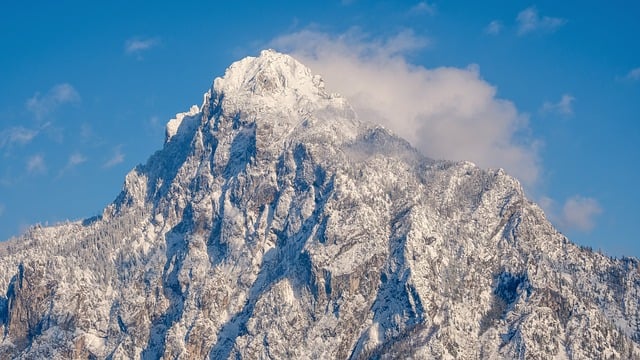
Blue Mountains
The blue haze that gives the Blue Mountains their name is not atmospheric pollution or altitude – it’s eucalyptus oil, dispersed into the air from the leaves of millions of gum trees covering the escarpment and valleys below. The oil particles scatter blue light in the same way the sky does. On a clear morning in spring, when the air is cold and still, the haze can be so dense that the...
read more
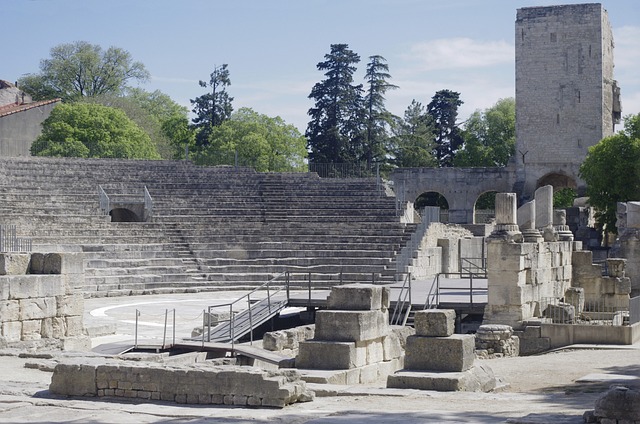
Arles, Roman and Romanesque Monuments
Arles: Two Thousand Years in a Town You Can Walk Across in Fifteen Minutes Arles is small enough that you can cover its compact historic centre on foot in an afternoon, yet it contains a Roman amphitheatre that seats 20,000 people, one of the finest Romanesque church facades in France, a section of Roman street grid that has been continuously inhabited since the 1st century, and the neighbourhood...
read more
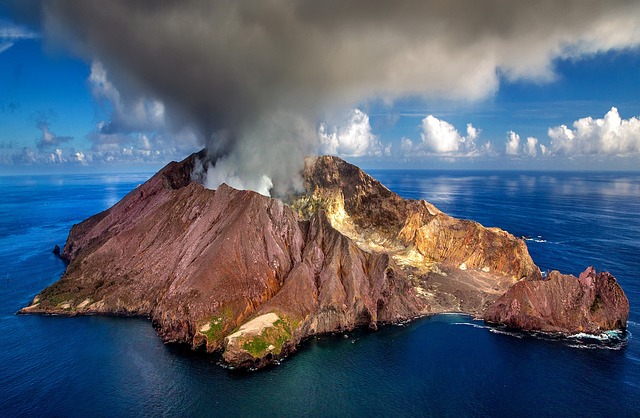
North Island, New Zealand
North Island New Zealand: Two Weeks Done Right New Zealand’s North Island is roughly the size of the United Kingdom and takes at least two weeks to cover properly by car. Most visitors fly into Auckland, hire a vehicle, and drive a circuit taking in the Northland coast, Rotorua’s geothermal zone, Tongariro National Park, and Wellington before ferry or flight to the South Island. This...
read more
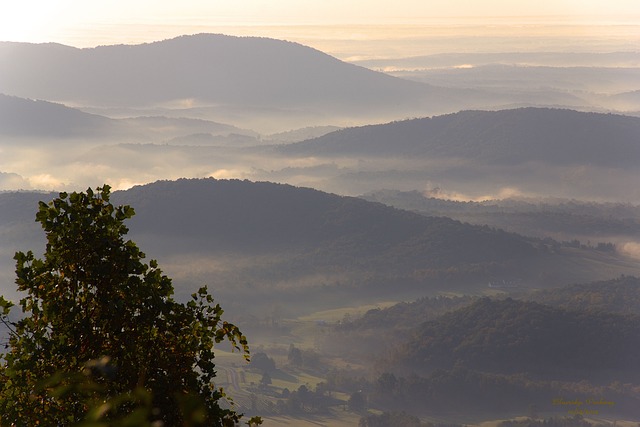
Blue Ridge Parkway
Blue Ridge Parkway: America’s Most Scenic Drive, Without the Toll Booths The Blue Ridge Parkway runs 469 miles through the southern Appalachian Mountains, connecting Shenandoah National Park in Virginia to Great Smoky Mountains National Park in North Carolina. There are no toll booths, no entry fees, no commercial trucking (prohibited by design), and a 45-mph speed limit that is strictly...
read more
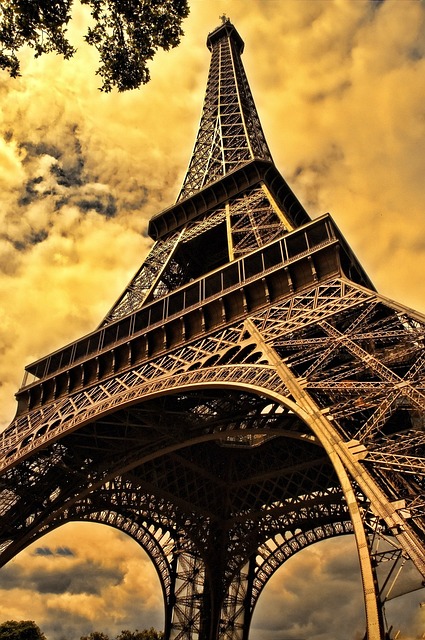
. Eiffel Tower
The Eiffel Tower: How to Actually See It Gustave Eiffel wanted to keep the tower after the 1889 Exposition Universelle was over. The contract said it would be demolished in 1909. He saved it by installing a radio transmission antenna at the top in 1898, making it useful to the French government for military communications. This is why the most visited paid monument on Earth still exists: not...
read more
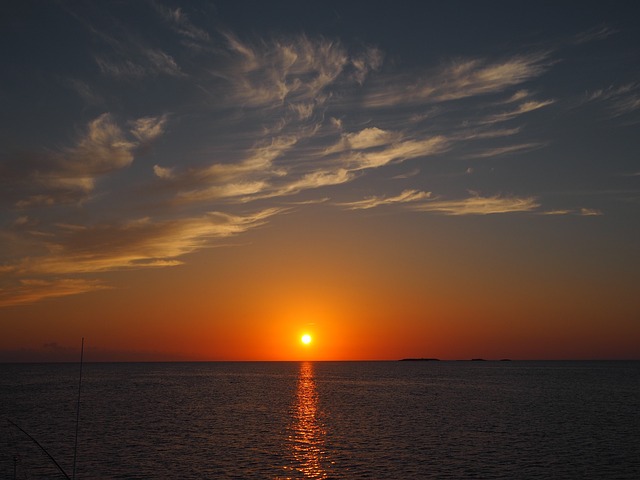
Bermuda
Bermuda: What Makes It Different From Every Other Small Island Bermuda is a British Overseas Territory in the North Atlantic, 1,000km east of North Carolina, with no direct relation to the Caribbean despite frequent assumptions to the contrary. It is one of the wealthiest jurisdictions per capita in the world, with an economy based primarily on international insurance and reinsurance rather than...
read more
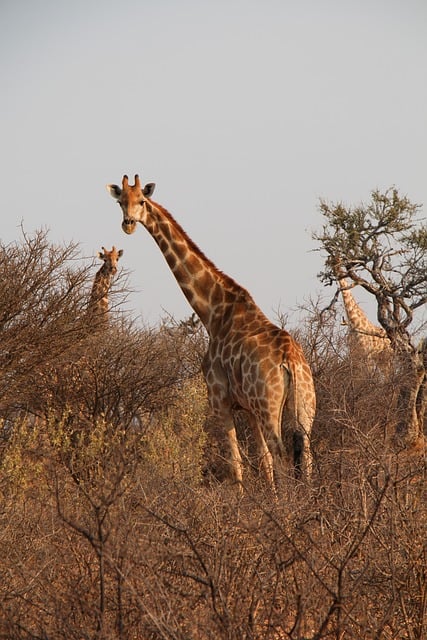
Blyde River Canyon, South Africa
Blyde River Canyon: South Africa’s Most Underappreciated Major Landscape The Blyde River Canyon runs approximately 26 kilometres through the Mpumalanga escarpment in South Africa and drops roughly 800 metres from the highveld plateau to the lowveld below. It is the third-largest canyon in the world and the largest green canyon (the others being in desert environments). This last distinction...
read more
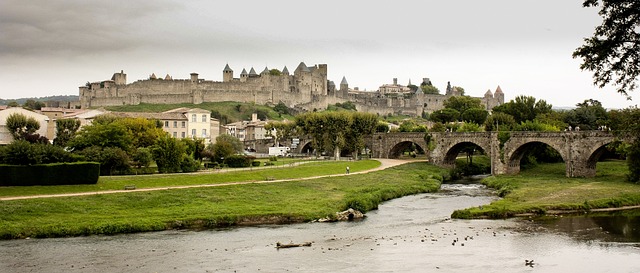
Carcassonne
Carcassonne: Medieval Fortification and the Restoration Debate Carcassonne’s medieval walled city is one of the best-preserved examples of medieval military architecture in Europe and a UNESCO World Heritage Site. It’s also one of the most contested restorations in French cultural heritage, which changes how you look at it if you know the history.
The city’s double ramparts,...
read more
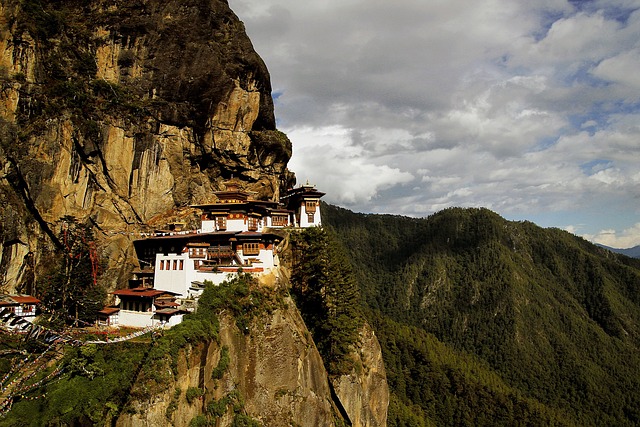
Bhutan
Bhutan: The Country That Charges You $250 a Day to Visit Bhutan’s Sustainable Development Fee is currently $100 per day per visitor (reduced from $250 that applied through 2023; check current rates as they change). This fee, charged on top of accommodation and tour costs, was designed specifically to limit tourist numbers and ensure that those who come contribute substantially to the...
read more
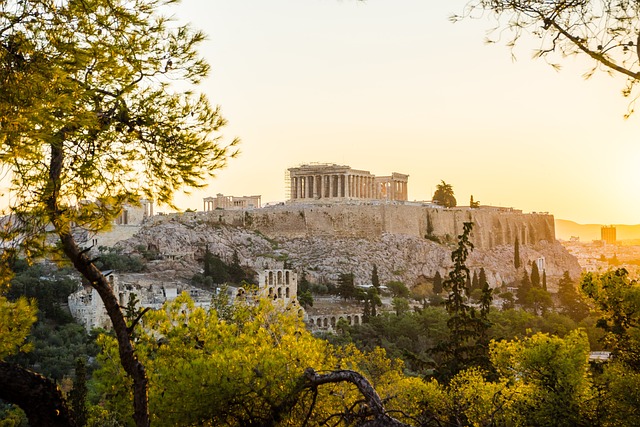
The Acropolis Greece
The Acropolis: The Parthenon Deserves Better Than a Crowd The Parthenon was built between 447 and 432 BCE on a limestone outcrop 156 metres above Athens. The architects Iktinos and Kallikrates made a building with no straight lines: every column curves slightly outward (entasis) to counteract the optical illusion that would make straight columns appear concave. The stylobate (the platform the...
read more
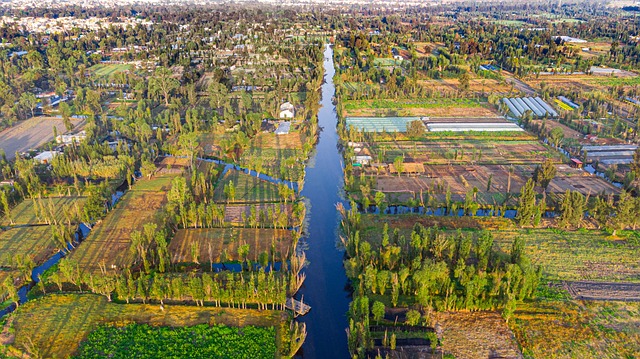
Xochimilco
Xochimilco: The Canal Agriculture That Survived the Aztec Empire and Almost Everything Since Xochimilco is the southern borough of Mexico City where the ancient Aztec system of chinampas (artificial agricultural islands built up from lake sediment over centuries) still produces flowers and vegetables for Mexico City’s markets. The chinampas have been in continuous cultivation for roughly...
read more
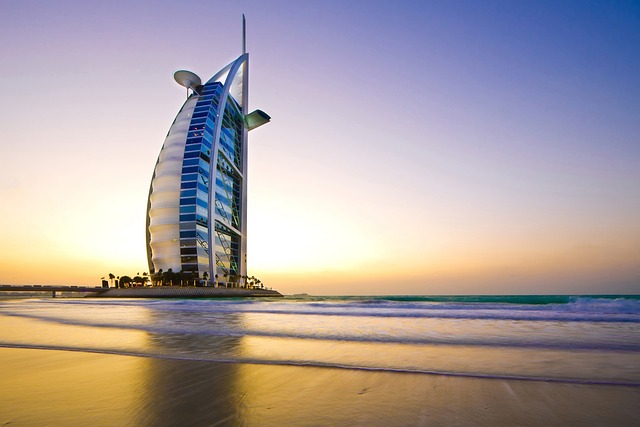
Burj Al Arab Hotel
The Burj Al Arab: Dubai’s Most Recognisable Building and Whether to Stay There The Burj Al Arab Jumeirah stands 321 metres on a small artificial island connected to Jumeirah Beach by a private road. It opened in 1999 and immediately became the shorthand image for Dubai’s ambitions: a hotel shaped like the sail of a traditional dhow at a scale that makes the sail analogy feel literal....
read more
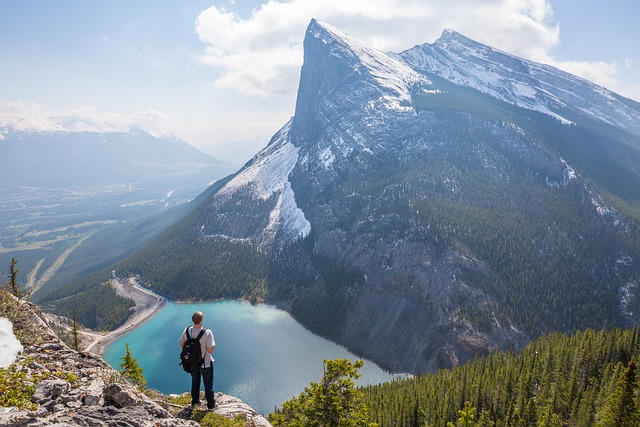
Canadian Maritimes
The Canadian Maritimes: The Tides at Hopewell, the Lobster, and the Rest The Bay of Fundy has the highest tidal range on Earth: up to 16 metres between low and high tide at Hopewell Rocks in New Brunswick. Twice a day, the tide goes out far enough that you can walk on the sea floor between red sandstone formations that stand 12-15 metres above you. Three hours later, those same formations are...
read more
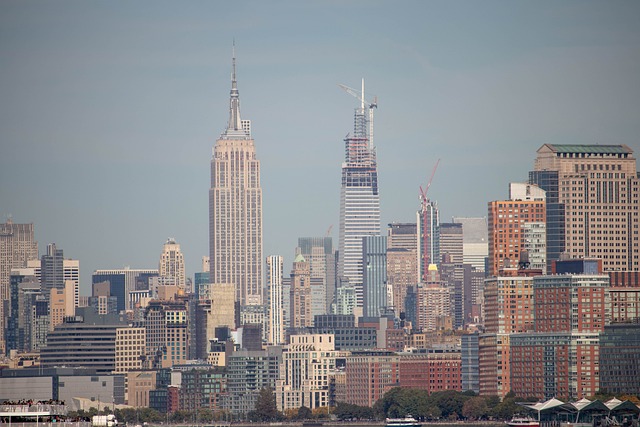
Empire State Building
The Empire State Building: The View, The Architecture, and Whether It’s Worth It The Empire State Building was constructed in 13 months. Construction began in January 1930 and the building opened in April 1931. At peak, 3,400 workers were on site simultaneously; the steel frame rose at approximately four and a half floors per week. The building contains 102 floors, 443 metres to the roof,...
read more
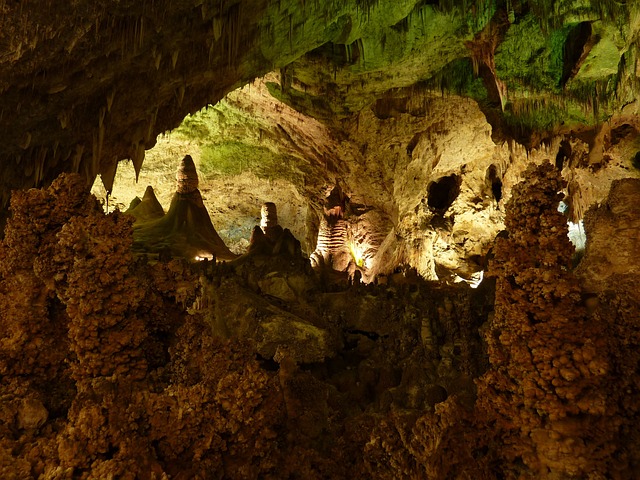
Carlsbad Caverns National Park, New Mexico
Carlsbad Caverns: The Bats Are Free and the Cave Is Worth the Drive Every evening from Memorial Day weekend through October, around 200,000 Mexican free-tailed bats exit Carlsbad Caverns in a column that can last 30 minutes. The Bat Flight Program at the amphitheater outside the cave entrance is free to attend and requires no reservation. There is one rule that surprises nearly every visitor: no...
read more
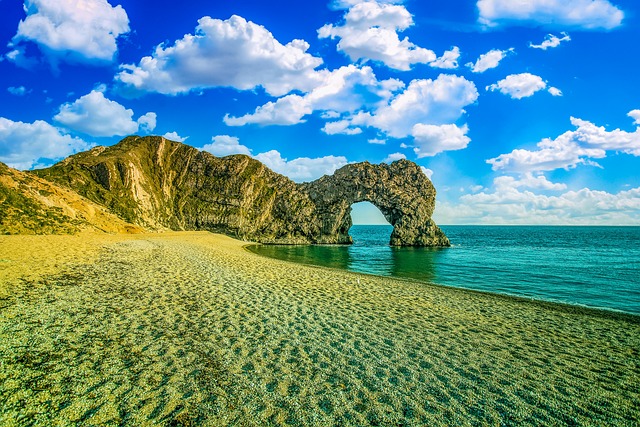
Durdle Door
Durdle Door: Beautiful, Accessible, and Busier Than It Should Be Durdle Door is a natural limestone arch on the Jurassic Coast in Dorset, formed over hundreds of millions of years as the sea eroded softer rock from either side of a harder limestone ridge. The resulting structure, a stone arch with its legs in the water and the sea visible through the opening, is one of the most photographed...
read more
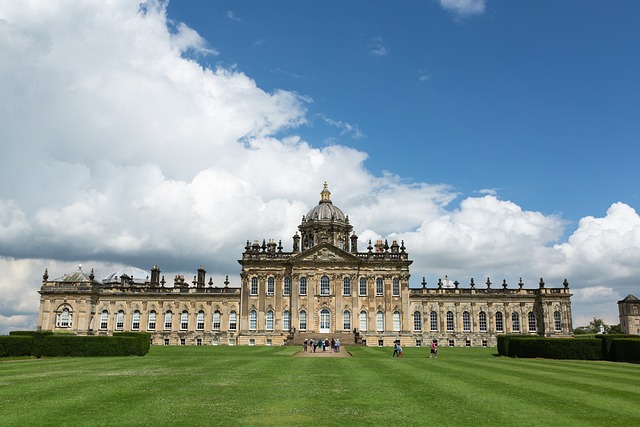
Castle Howard
Castle Howard: When an Architect’s First Commission Produces a Masterpiece Castle Howard shouldn’t exist. Sir John Vanbrugh had never designed a building when Charles Howard, the 3rd Earl of Carlisle, commissioned him to design this house in 1699. No architectural training, no track record, just a playwright with ambitious ideas and the good fortune of meeting the right aristocrat....
read more
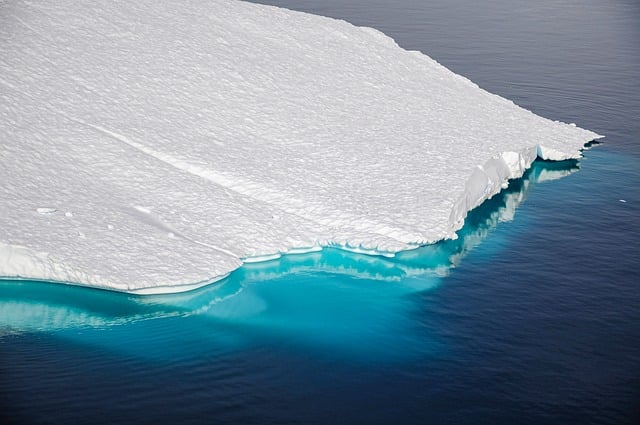
Antarctica
The first full day on the Peninsula, when you’re on a Zodiac moving toward a penguin colony and the water is flat and cold and the ice is close, produces a specific kind of silence. Not the absence of sound – the penguins are loud – but the absence of the background noise of everywhere you’ve been before. No engine hum, no phone notifications, no passing aircraft. The...
read more
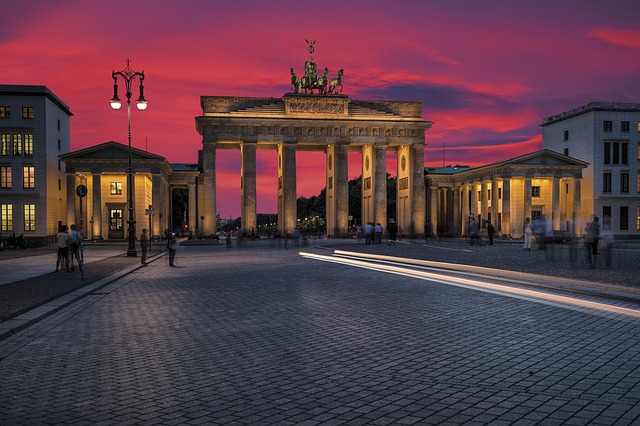
Brandenburg Gate
Brandenburg Gate: What It Means and Why That’s Complicated The Brandenburg Gate was built between 1788 and 1791 as a triumphal arch for King Frederick William II of Prussia. By 1989 it had accumulated more history than any single structure could reasonably be expected to hold: Prussian triumphalism, Napoleon’s occupation and removal of the Quadriga sculpture (transported to Paris;...
read more
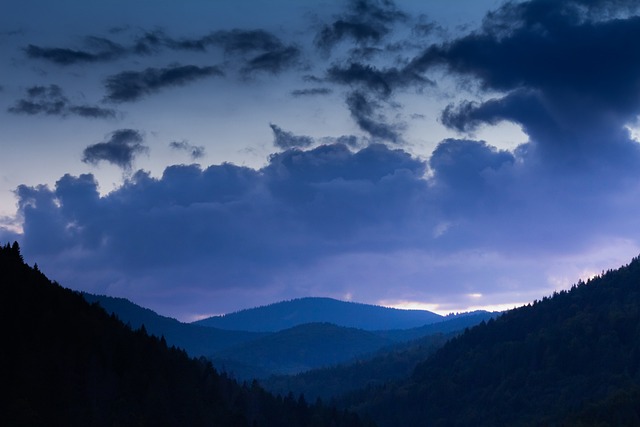
Carpathian Forest
Exploring the Carpathian Forest The Carpathian Mountains hold the largest population of brown bears in Europe outside of Russia, along with significant wolf and lynx populations. These animals are genuinely wild – not managed in parks, not behind fences, but ranging through 200,000 square kilometres of forest, meadow, and ridge across seven countries. You are unlikely to see a bear on a...
read more
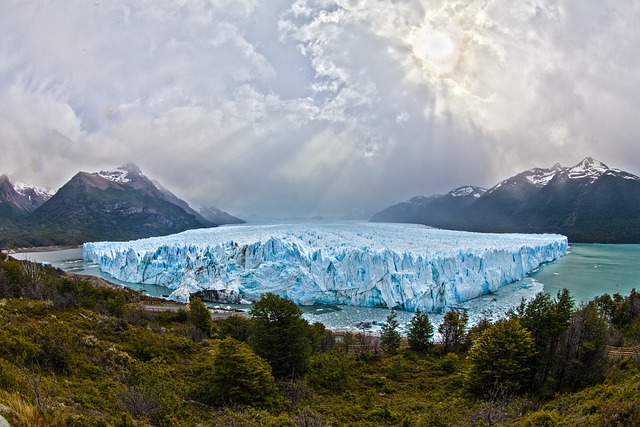
Patagonia
Patagonia: A Practical Guide to an Impractical Place Patagonia is enormous, the landscape is extreme, and the weather will ruin at least one day of whatever you planned. That is understood before you go. The reward for accepting these terms is some of the most dramatic mountain, glacier, and steppe scenery anywhere on Earth, combined with a near-total absence of the commercialisation that has...
read more
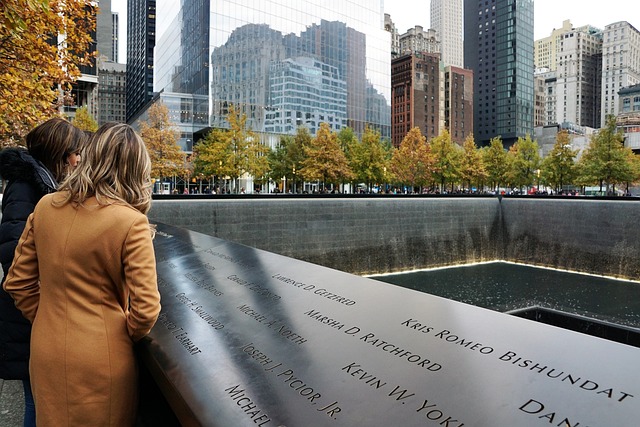
Ground Zero
The 9/11 Memorial and Museum: What to Expect Before You Go The two reflecting pools at the World Trade Center site occupy the exact footprints of the Twin Towers. Each is nearly an acre in area, nine metres deep, with water falling from all sides to a central void that drops further. The names of 2,983 people killed in the September 11 attacks and the 1993 World Trade Center bombing are inscribed...
read more
Redwood National Park, California
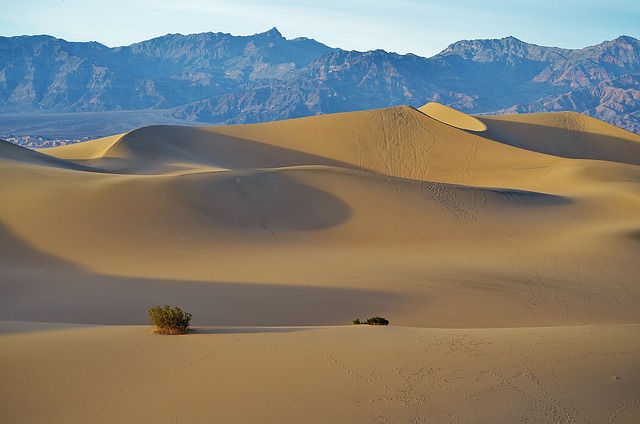
Redwood National Park: Standing Under the Tallest Trees on Earth Coast redwoods (Sequoia sempervirens) are the tallest living things on Earth. The current record holder, Hyperion, stands 115.92 metres in Redwood National Park and was discovered in 2006. Its location is kept deliberately obscure to prevent the off-trail trampling that has damaged other known specimen trees. This is not a tourist...
read more
Natural History Museum
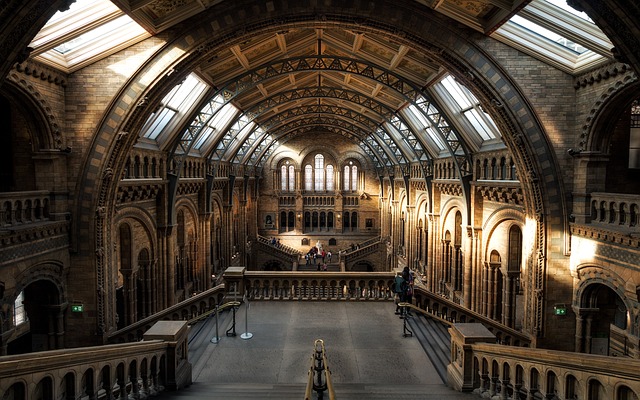
Natural History Museum, London: What’s Actually Worth Seeing The blue whale skeleton hanging in the Central Hall has been there since 2017, when Hope (the whale’s informal name, taken from the Tring natural history store where she had been in storage) replaced Dippy the diplodocus replica that had occupied the space for decades. Hope is 25 metres long, positioned in a diving posture...
read more
Tivoli Gardens
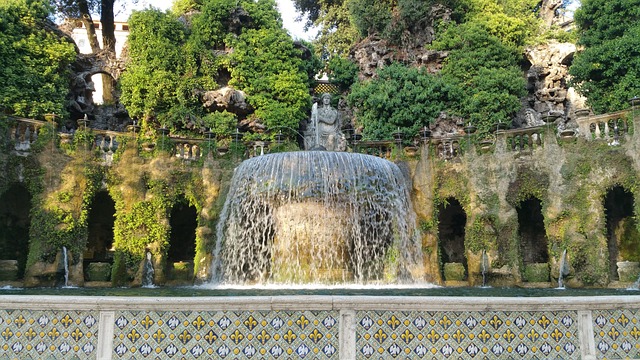
Tivoli Gardens: The Amusement Park That Inspired Walt Disney Tivoli Gardens opened in 1843, making it the second-oldest operating amusement park in the world. Walt Disney visited in the early 1950s while planning Disneyland and reportedly took detailed notes: the clean grounds, the seasonal plantings, and the themed areas all fed into his concept. Tivoli is smaller and older than what Disney...
read more
Blackpool Sands
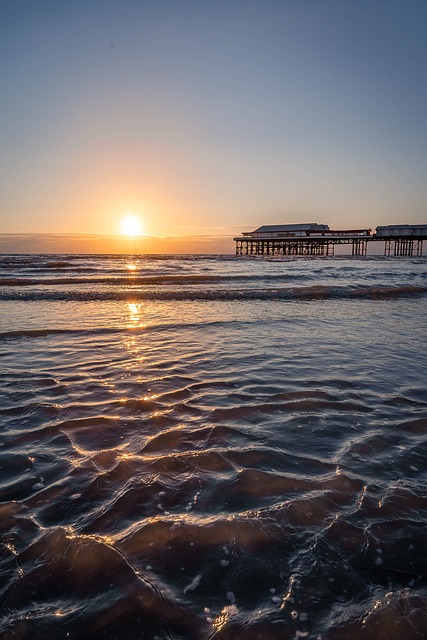
Blackpool Sands: Devon’s Best Beach That Has Nothing to Do With Blackpool Blackpool Sands is in South Devon, 3 miles south of Dartmouth, and has no connection whatsoever to Blackpool in Lancashire. The name comes from a local family who owned the cove in the 18th century. This distinction matters because visitors expecting the promenade and Illuminations from the other Blackpool will be...
read more
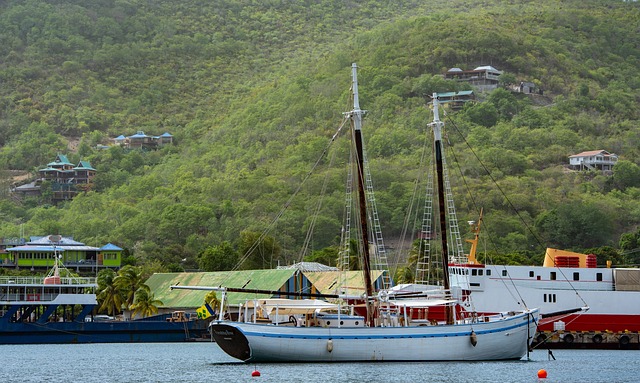
Mayreau, St. Vincent and the Grenadines
Mayreau: The Smallest Inhabited Island in the Grenadines Mayreau has a permanent population of around 250 people, no airport, and approximately 4 square kilometres of land. It receives a fraction of the tourist traffic that goes to Bequia or Mustique, and that is the reason to go. The island sits at the southern end of the Grenadines chain, north of Union Island, with the Tobago Cays Marine Park...
read more
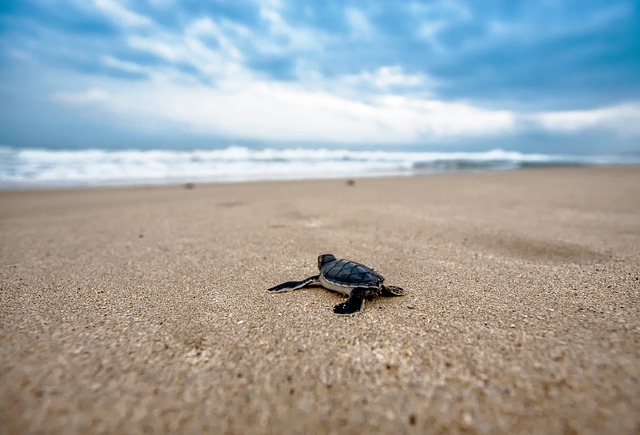
Play With Sea Turtles on a Black Sand Beach in Hawaii
Black Sand Beaches and Sea Turtles, Big Island: The Honest Version You cannot play with sea turtles in Hawaii. Green sea turtles are protected under the Endangered Species Act, and federal law requires a six-foot minimum distance from them at all times. Approaching, touching, or attempting to ride a sea turtle can result in fines up to $100,000. The turtles are also wild animals; a startled...
read more
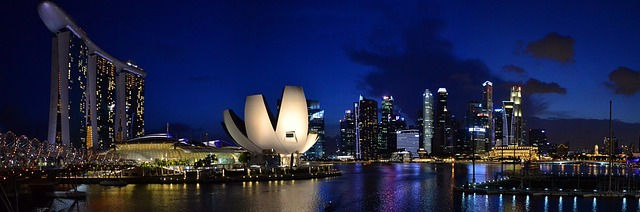
Infinite Pool, Hotel Marina Bay Sands, Singapore
Marina Bay Sands: The Infinity Pool, the SkyPark, and What Non-Guests Can Actually Do The pool is exclusively for hotel guests. This is the most important practical fact about the Marina Bay Sands infinity pool, and it comes first because the number of visitors who arrive expecting otherwise is significant. There is no day pass, no food-and-beverage arrangement that grants pool access, and no...
read more
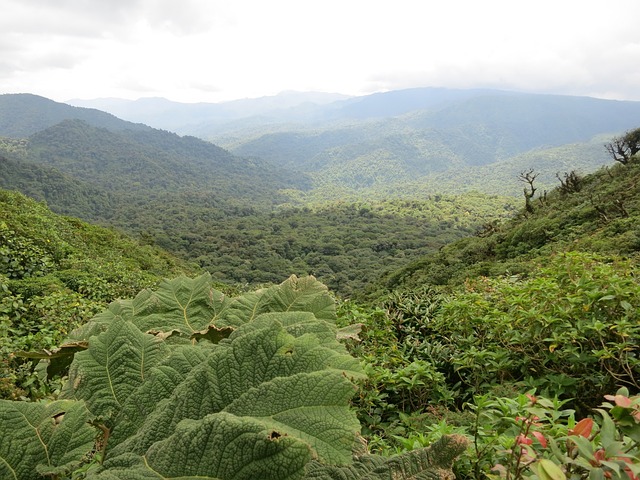
Bosque Nuboso Monteverde
Monteverde Cloud Forest: Why You Go Into the Mist The resplendent quetzal, with its iridescent green body and tail feathers up to 60cm long, was sacred to the Maya and Aztec civilisations. The males use those tail feathers during courtship displays in March and April at Monteverde. You are likely to see one during breeding season if you go with a good guide, and seeing one for the first time, a...
read more
Albert Docks
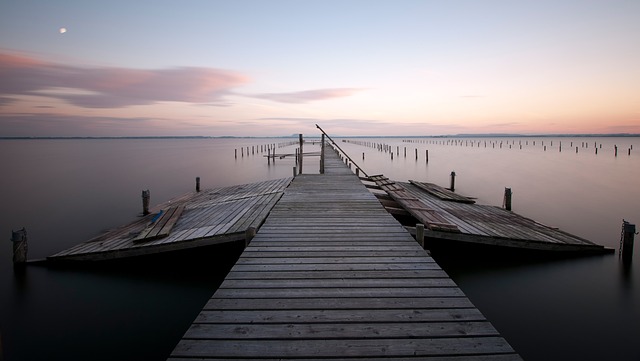
Albert Dock, Liverpool: Victorian Engineering That Survived Its Own Redundancy Albert Dock was revolutionary when it opened in 1846 because it was the world’s first enclosed non-combustible dock complex: no timber was used in the construction, just stone, cast iron, and brick, specifically because the insurance companies had grown tired of paying out on warehouse fires. The dock’s...
read more
Church in the Rock
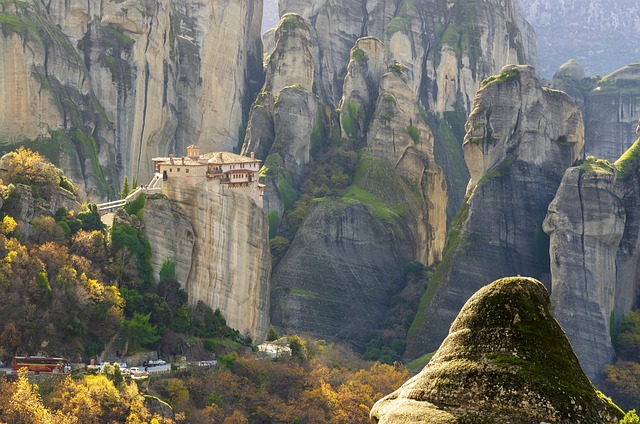
Temppeliaukio: Helsinki’s Church Carved Into a Rock Temppeliaukio is a Lutheran church in central Helsinki built inside a granite outcrop. Architects Timo and Tuomo Suomalainen won the design competition in 1961 and the church opened in 1969. Rather than building upward, they cut down into the rock, left the rough granite walls mostly unfinished on the interior, and covered the circular...
read more
Amritsar, Punjab
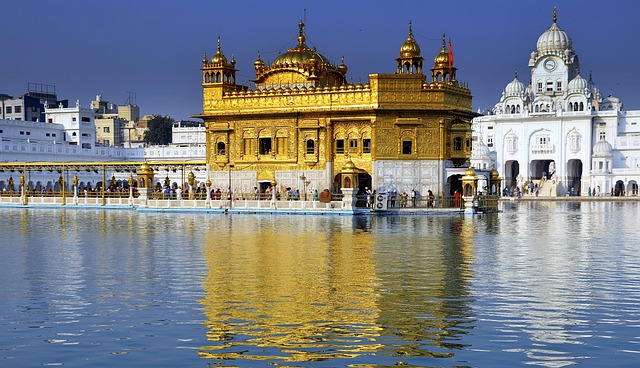
The langar at the Golden Temple feeds around 100,000 people every day. That number is not symbolic – it is logistical. Volunteers work the dal, the roti ovens, and the serving lines in a continuous operation from early morning to late night, producing simple vegetarian Punjabi food at a scale that makes large catering operations look modest. The meal is free, open to everyone regardless of...
read more
Vatnajokulll Glacier Cave
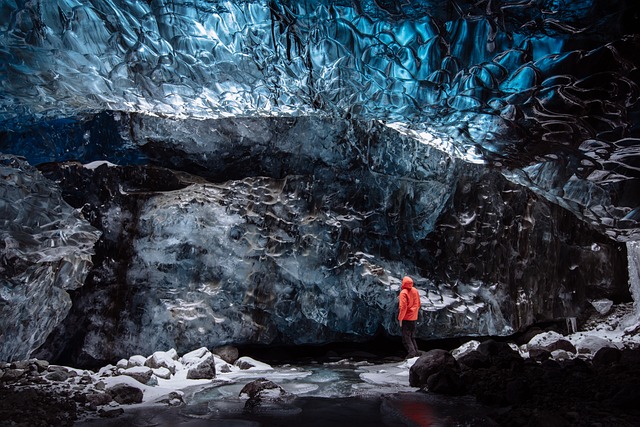
Ice Caves in Vatnajokull: What to Expect Vatnajokull is Europe’s largest glacier by volume, covering about 8% of Iceland’s land surface and sitting over several active volcanoes in the south-east of the country. The glacier’s natural ice caves form each winter where meltwater drains out beneath the ice, leaving hollow chambers with walls and ceilings of compressed blue ice. They...
read more
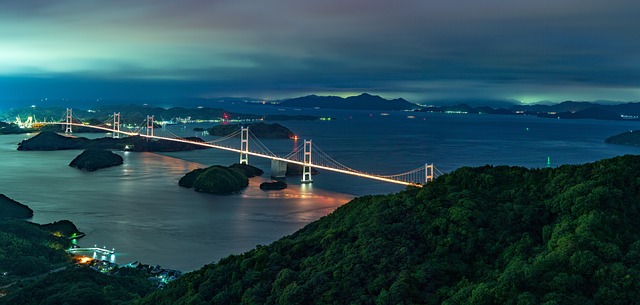
Bacuit Archipelago
Bacuit Archipelago: Limestone Karst, Hidden Lagoons, and the Problem With Tour A The Bacuit Archipelago spreads around El Nido in northern Palawan, Philippines - 45 islands and islets of limestone karst rising from green-turquoise water, with hidden lagoons behind them, coral reefs at the base, and enough visual drama to justify the considerable logistics of getting there. It is one of the more...
read more
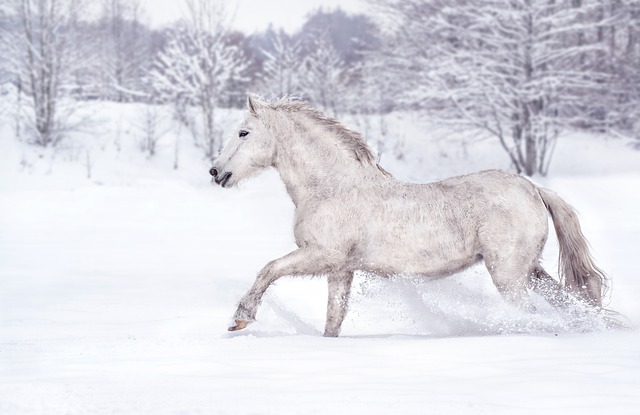
The White Horse Sutton Bank
Sutton Bank and the White Horse: The Escarpment at the Edge of the Moors The view west from Sutton Bank, at the top of the near-vertical limestone escarpment on the western edge of the North York Moors, covers the entire Vale of Mowbray, the Yorkshire Dales on the horizon, and on clear days the Pennines beyond. It’s one of the longer unobstructed views available in England’s...
read more
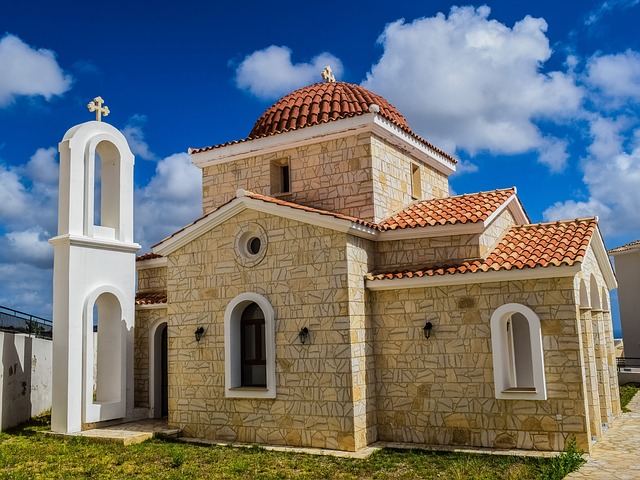
Paphos
Paphos: Cyprus’s Best Archaeological Coast, and the Town Most Visitors Miss Paphos sits on the southwestern corner of Cyprus and holds the densest concentration of Roman-era archaeology on the island. The lower town (Kato Paphos) caters to beach resort tourists, and the upper town (Ktima) is where Cypriots actually live and work. Most visitors never make it up to Ktima, which is a mistake -...
read more
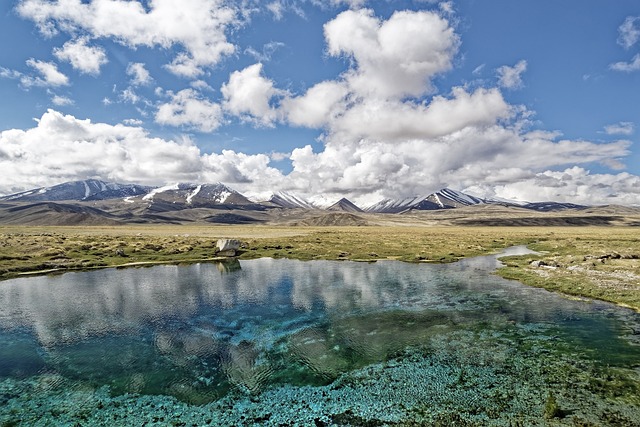
Tajik National Park (Mountains of the Pamirs)
Tajik National Park: The World’s Second-Largest Park and Almost No One Goes Tajik National Park covers 2.5 million hectares in the eastern Pamirs and is, by area, the second-largest national park in the world. There are no visitor centres, no marked trails, no entry gates, and no towns inside the park boundaries. The average elevation is around 4,000 metres. It is a UNESCO World Heritage...
read more
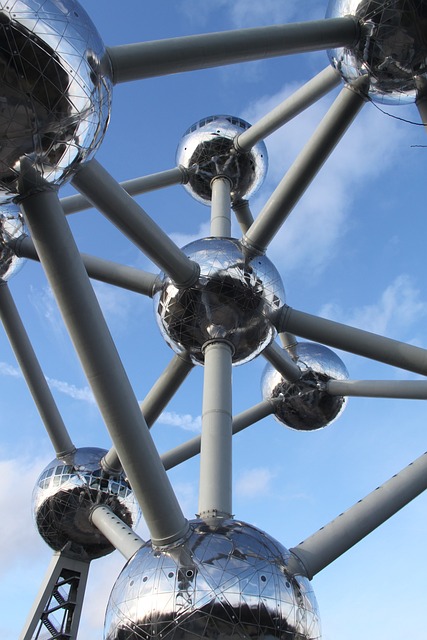
Atomium Brussels
The Atomium: Belgium’s Most Eccentric Monument and Why It Works The Atomium was built for the 1958 World’s Fair in Brussels, designed by engineer André Waterkeyn to represent an iron crystal magnified 165 billion times. Nine steel spheres connected by tubes, 102 metres tall, the central vertical tube containing escalators and lifts connecting the spheres. It was supposed to be...
read more
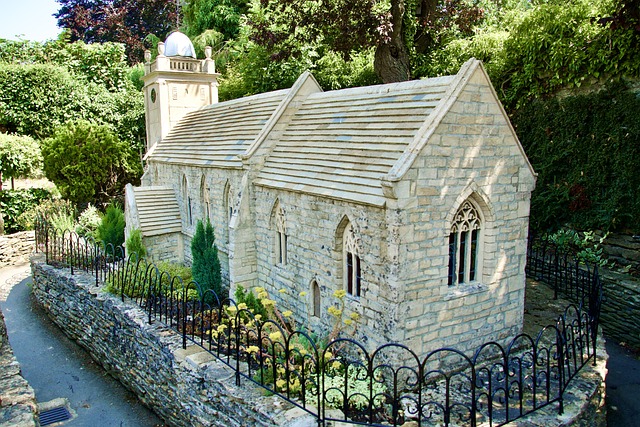
Bourton on the Water, Gloucestershire
Bourton-on-the-Water: The Most Photographed Village in the Cotswolds and Whether That’s a Good Thing Bourton-on-the-Water has low stone bridges over a shallow clear river, honey-coloured Cotswold stone buildings on both banks, ducks, and children paddling in the shallows in summer. The “Venice of the Cotswolds” comparison is flattery, and the guidebooks know it, but the scene is...
read more
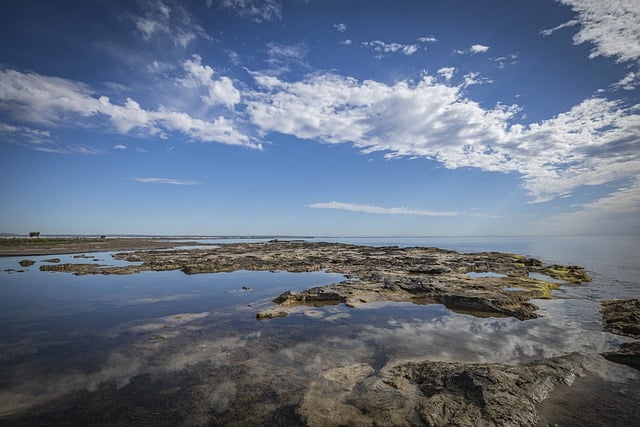
Museo Del Oro Del Banco De La Rep Blica
The Gold Museum, Bogota: Better Than You Expect Sunday is the worst day to visit. Entry is free on Sundays and public holidays, which sounds appealing until you read that the museum sees between 3,000 and 5,000 visitors on those days compared to the 200 to 400 it gets on a Tuesday morning. The Gold Museum – Museo del Oro del Banco de la Republica – is extraordinary, and you will not...
read more
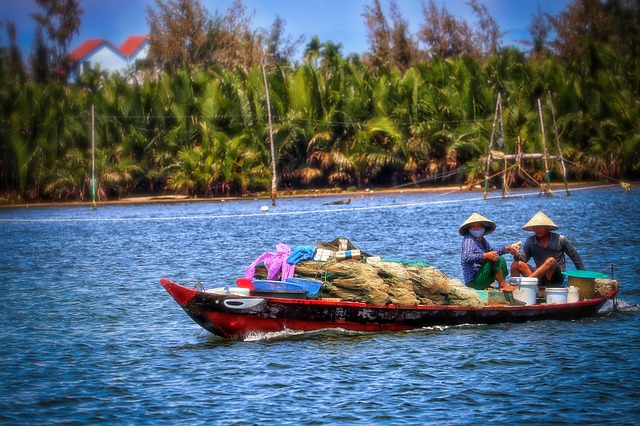
Mekong Delta
The Mekong Delta: Vietnam’s Southern Waterways The Mekong River enters Vietnam from Cambodia as a single river and then divides into nine main channels, the “Nine Dragons,” as it crosses a flat alluvial delta before reaching the South China Sea. The delta covers 40,000 square kilometres and is among the most productive rice-growing regions in Asia. It is also one of the most...
read more
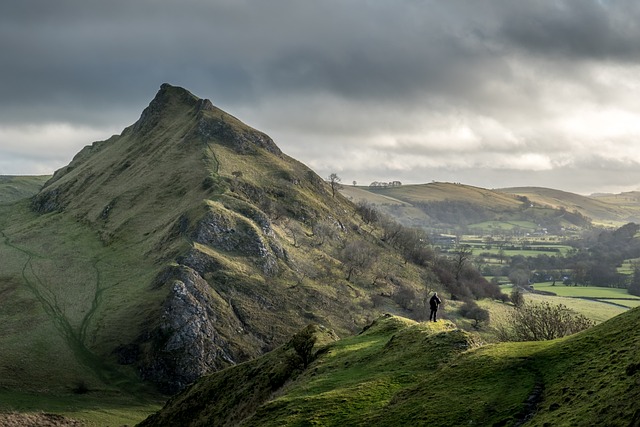
Cuillin Hills
The Cuillin Hills: The Most Demanding Mountain Range in Britain The Cuillin of Skye are not like other British hills. The Black Cuillin is a horseshoe of gabbro and basalt peaks with 11 Munros (summits above 3,000 feet), a complete ridge traverse that takes the most accomplished British mountaineers 15-20 hours, and scrambles and climbs with genuine alpine character. The rock is rough and grippy...
read more
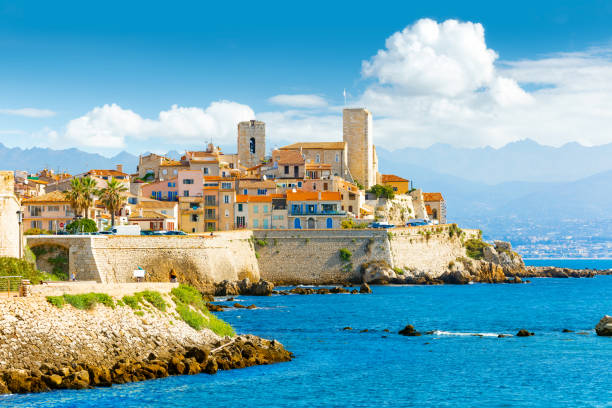
Antibes
Antibes: The Riviera Town That Picasso Actually Worked In Cannes is for the festival crowd and Nice is for everyone else. Antibes is for people who want the Cote d’Azur without the performative scene. That’s a defensible position, and the fact that Picasso spent the autumn of 1946 in the Chateau Grimaldi producing 23 paintings and 44 drawings makes it more than an attitude.
The Chateau...
read more
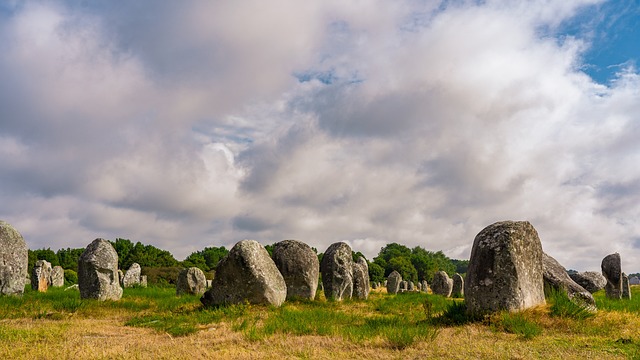
Carnac
Carnac, Brittany: Stones, Sand, and the Weight of Deep Time The alignments at Carnac are the largest prehistoric monument complex in the world. That phrase has been repeated so often it has lost its force, so let’s be specific: roughly 3,000 standing stones spread across three main fields (Menec, Kermario, and Kerlescan), arranged in rows that stretch for kilometres across the Breton...
read more
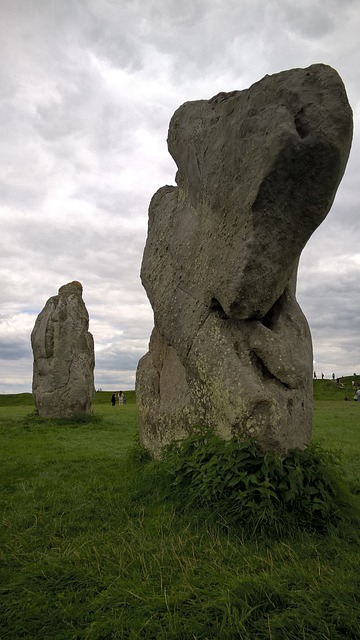
Avebury Stone Circle
Avebury: The Prehistoric Monument Where You Can Actually Walk Among the Stones Stonehenge is famous because it photographs well and because the roads and car parks built around it have concentrated the crowds. Avebury is arguably more interesting in every respect except photographs: it is the world’s largest prehistoric stone circle, you can walk among the stones freely, and a functioning...
read more
Saltaire
Saltaire: The Victorian Industrialist Who Built a Village and Banned the Pub Sir Titus Salt made his fortune in alpaca wool. When he built his new mill complex on the River Aire in 1851, he decided to build a complete town alongside it: terraced stone houses, schools, a hospital, almshouses, a park, bathhouses, a church, and a working men’s institute. Notably absent from this list was any...
read more
Angel of the North
The Angel of the North: Antony Gormley’s Steel Figure on the A1 The Angel of the North stands 20 metres tall with a 54-metre wingspan at the edge of Gateshead, by the A1 motorway, and it arrives in your peripheral vision before you’ve consciously noticed it: a figure with outstretched wings that appears, from the road, larger than it can possibly be. This is deliberate. Antony Gormley,...
read more