Recent Alpaca Travels
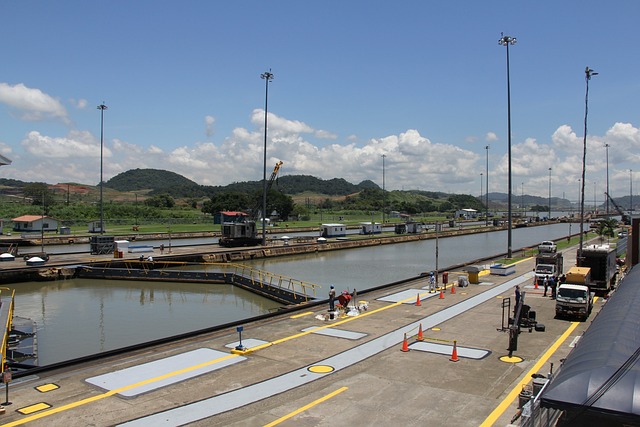
The Panama Canal
The Panama Canal: Engineering That Still Impresses The Panama Canal opened in 1914 and the engineering logic behind it remains remarkable. Rather than cutting at sea level (which the French had catastrophically attempted in the 1880s at a cost of 20,000+ lives), the American engineers built a series of locks to lift ships 26 metres up to the artificial Gatun Lake, cross the isthmus, then lower...
read more
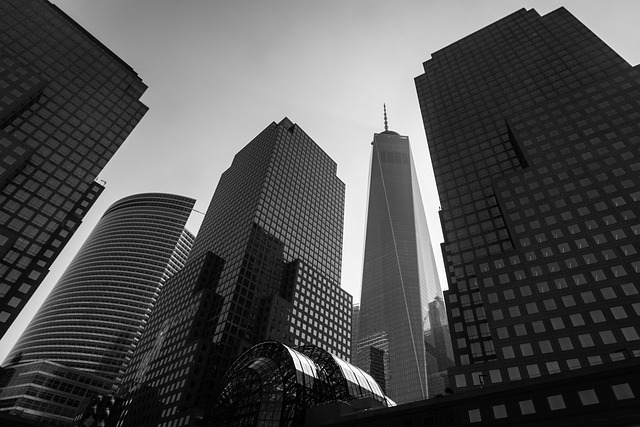
New York, New York
New York: The City That Doesn’t Need Introduction, Just Navigation Every piece of advice about New York begins with the same problem: the city has everything, so where do you start? The answer, genuinely, is the subway. An unlimited 7-day MetroCard costs $34; once you’re mobile across the city, the rest follows from whatever you care about.
The advice to see Times Square once and then...
read more
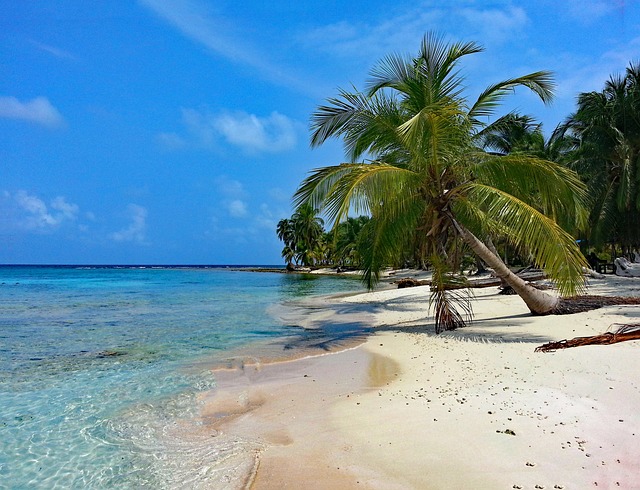
Panama Canal
The Panama Canal: Engineering on a Scale That Still Seems Impossible The Panama Canal opened in 1914 after a decade of American construction that followed two decades of failed French effort. The French attempt, begun in 1881 under the same Ferdinand de Lesseps who built Suez, employed 20,000-plus workers and lost more than 20,000 of them to yellow fever and malaria. The project collapsed in...
read more
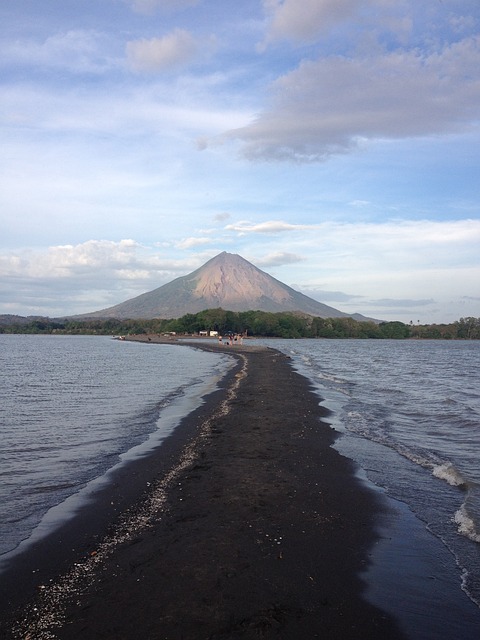
Ometepe Island, Nicaragua
Ometepe Island: Two Volcanoes, One Freshwater Lake, Zero Traffic Lights Ometepe is formed by two volcanoes rising out of Lake Nicaragua, the largest lake in Central America. Concepcion (1,610m, active) sits on the northern lobe; Maderas (1,394m, dormant, with a crater lake) on the southern one. The island’s distinctive figure-eight shape comes from the narrow isthmus connecting them....
read more
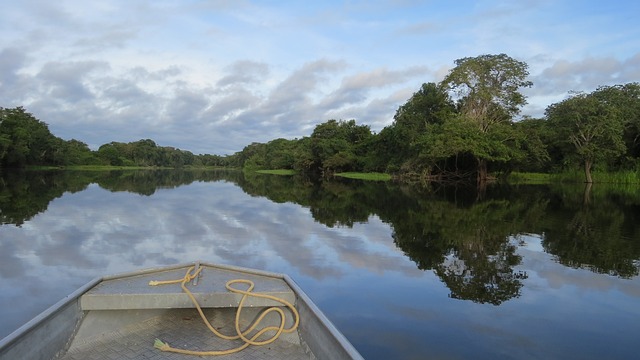
Amazon Forest and Amazon River
The Amazon River discharges roughly 20% of all the freshwater entering the world’s oceans from a drainage basin that covers 7 million square kilometres across nine countries. At its mouth, the river is so wide that you cannot see the opposite bank. The forest it sustains contains an estimated 390 billion individual trees of 16,000 species, roughly 10% of all species on Earth live here, and...
read more
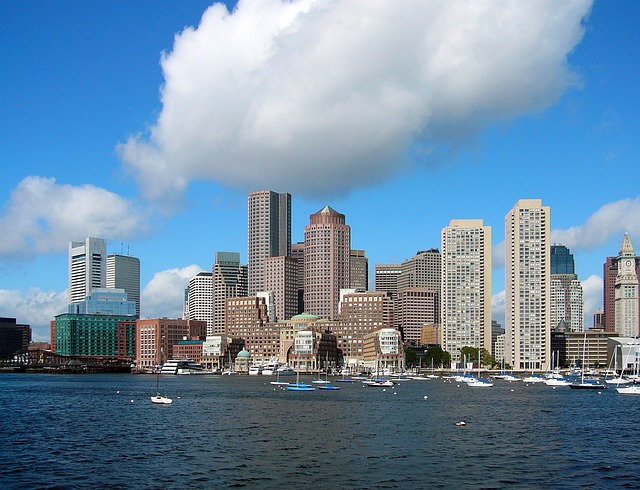
Boston Massachusetts
Boston: The City That Takes Its Own History Seriously The Freedom Trail is 2.5 miles of red brick through the oldest parts of a city that has been important for longer than the United States has existed. It connects 16 sites spanning from Boston Common (established 1634, the oldest public park in America) to the Bunker Hill Monument in Charlestown. Most visitors do the trail in a single morning...
read more
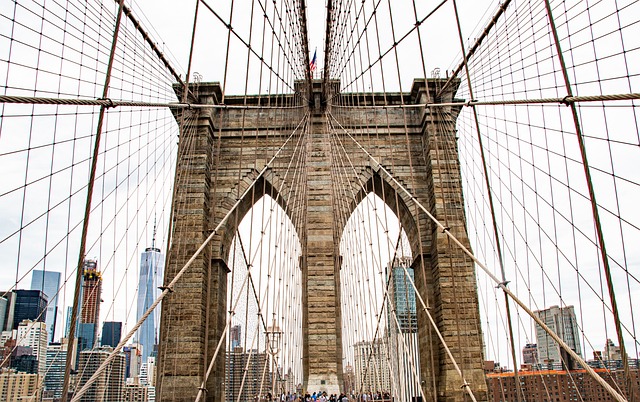
Peter Luger Steakhouse in Brooklyn, New York.
Peter Luger: The Most Difficult Table in New York, and Not for Reasons You’d Expect In 2019 the New York Times gave Peter Luger a zero-star review. In the same year it lost its Michelin star. The review described indifferent service, mediocre sides, and a tired atmosphere. The restaurant has been fully booked since. This is either a testament to brand loyalty that survives critical...
read more
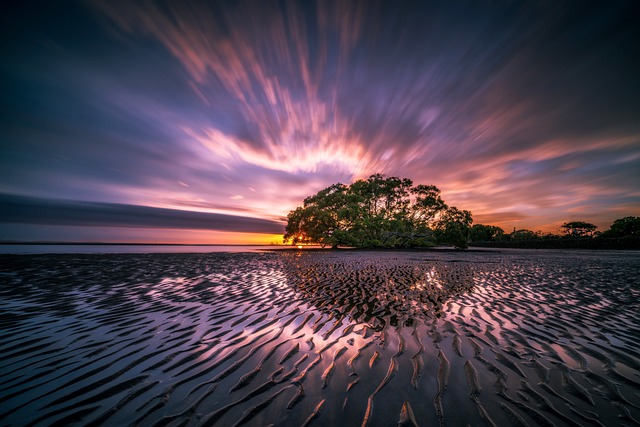
Ayers Rock, Australia
Ayers Rock / Uluru: The Correct Name and the Actual Scale of It The rock has two names. Uluru is what the Anangu people, who have been the custodians of this place for tens of thousands of years, call it. Ayers Rock is what it was named in 1873 by European surveyor William Gosse, after the South Australian Chief Secretary of the time. Both names remain in official use under the dual-naming...
read more
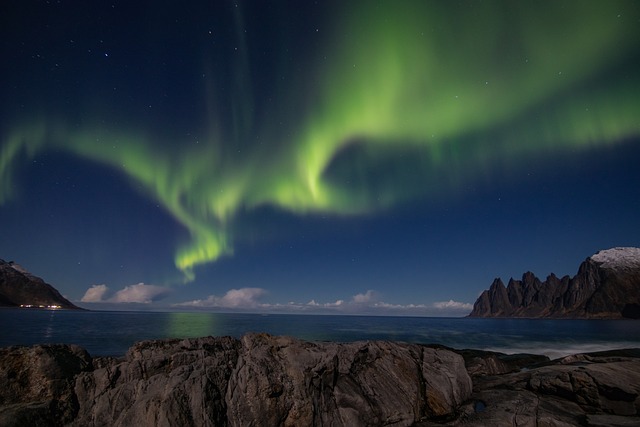
Aurora Borealis
Aurora Borealis: What to Know Before You Plan a Winter Trip Around It The solar cycle of 2024-2025 has been the most active in two decades, with geomagnetic storms strong enough to produce auroras visible in France, Texas, and New Zealand, places that normally never see them. The scientific peak of Solar Cycle 25 means the Northern Lights are more accessible right now than they have been in years,...
read more
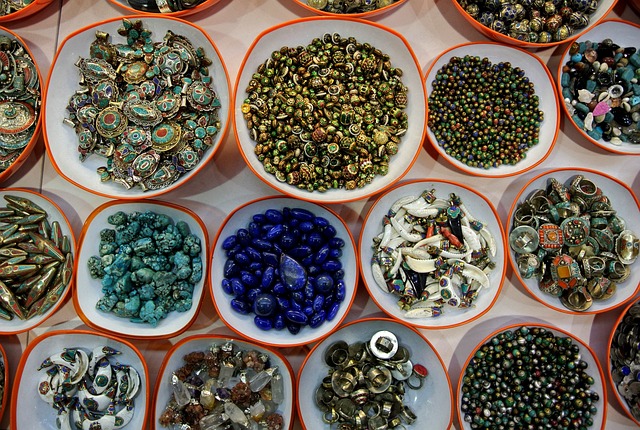
. Grand Bazaar, Istanbul
The Grand Bazaar, Istanbul: A Labyrinth You Cannot Navigate Without Getting Lost The Grand Bazaar has over 4,000 shops, 61 covered streets, and 18 gates, and the experience of navigating it for the first time is almost universally one of immediate and total orientation collapse. This is not a problem to solve; it is the correct relationship to the place. The Kapalıçarşı has been operating as a...
read more
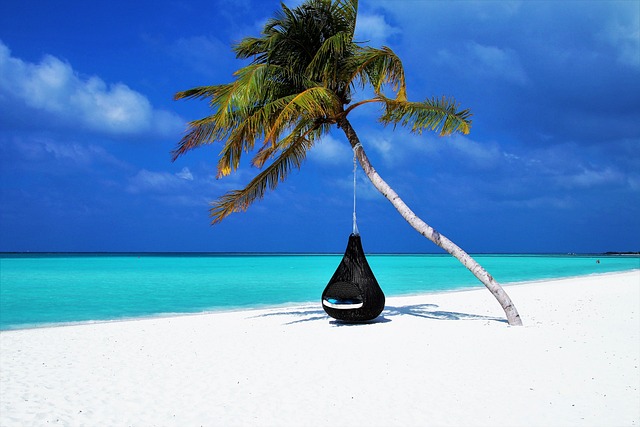
Blue Lagoon
Blue Lagoon, Iceland: The Overpriced Experience That People Keep Returning To A standard Blue Lagoon ticket runs $82-103 USD per person depending on timing, which is a lot for a warm outdoor pool. The lagoon is fed by runoff water from the nearby Svartsengi geothermal power plant, not from some ancient Icelandic spring, a fact the marketing materials don’t emphasise. The water is warm, milky...
read more
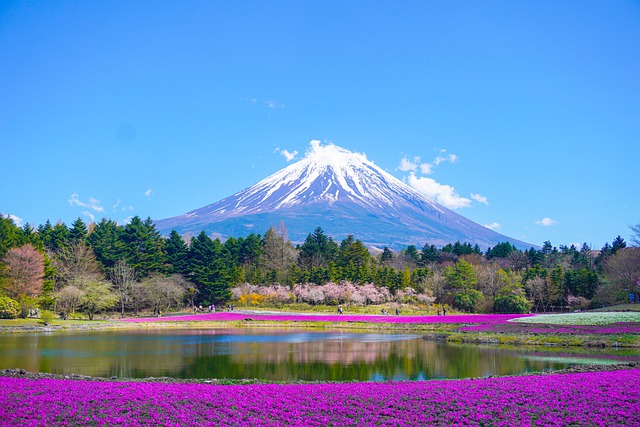
Fuji
Mount Fuji: Climbing Japan’s Most Famous Volcano Honestly Mount Fuji stands 3,776 metres above sea level and is the highest mountain in Japan, a UNESCO World Cultural Heritage site, and the most climbed significant peak in the world by annual ascent numbers, around 200,000 people per season. This last fact is not incidental context. On busy summer weekends the Yoshida trail from the 5th...
read more
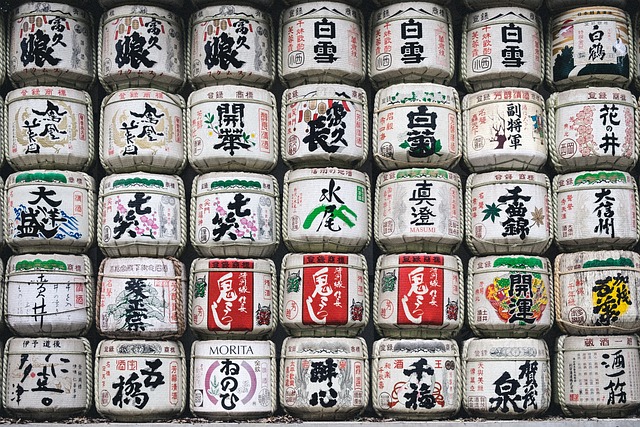
Meiji Jingu Shrine, Tokyo
Meiji Jingu: The Best Urban Escape in Tokyo, and It’s Free Walk through the wooden torii gate at Harajuku station and the city noise drops within 200 metres. The path to Meiji Jingu runs for about 10 minutes through 70 hectares of dense forested parkland - Shibuya-ku in every direction, but you wouldn’t know it. This is the most effective urban escape in Tokyo that doesn’t...
read more
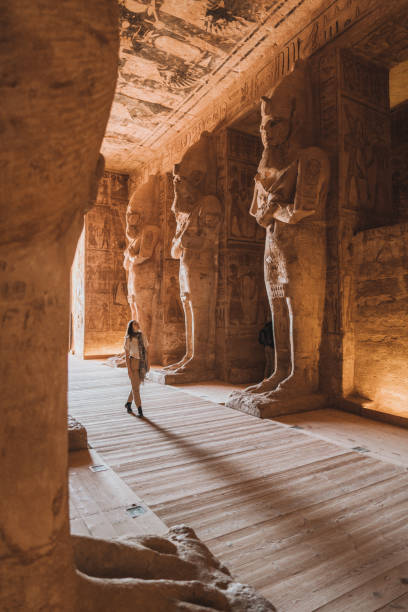
Abu Simbel Egypt
In the 1960s, the construction of the Aswan High Dam threatened to submerge Abu Simbel beneath Lake Nasser. UNESCO coordinated an international rescue operation funded by contributions from 50 countries: between 1964 and 1968, engineers cut both temples into 1,040 blocks weighing up to 30 tonnes each, moved them 65 metres up the hillside and 200 metres back from the original site, and reassembled...
read more
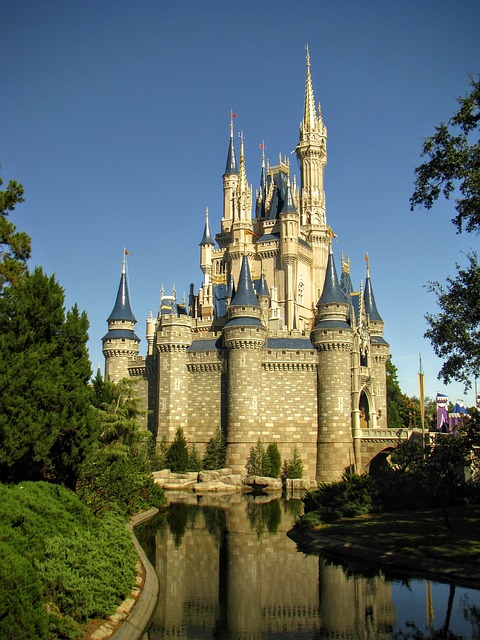
Hollywood Studios Disney World Orlando
Hollywood Studios: The Best and Worst Park at Walt Disney World Disney’s Hollywood Studios is the most uneven park at Walt Disney World, with two genuinely extraordinary areas and several others that feel like filler. Knowing which is which before you go helps considerably.
Galaxy’s Edge Star Wars: Galaxy’s Edge occupies the back third of the park and is, setting aside the IP,...
read more
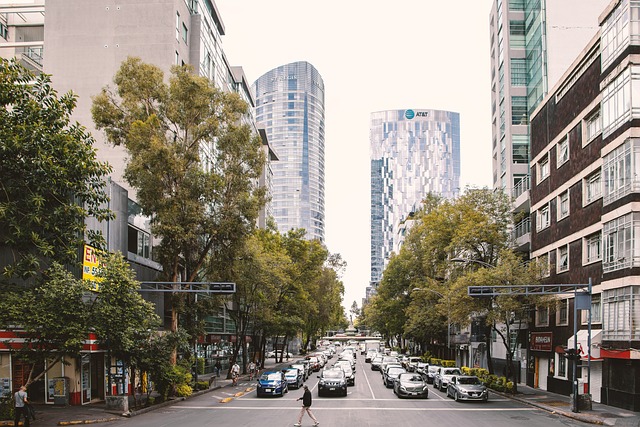
The Z Calo Mexico City
The Zocalo: Mexico City’s Civic Centre and How to Use It The Zocalo (Plaza de la Constitucion) is one of the largest public squares in the world, 240 by 240 metres. It sits directly above the ancient ceremonial centre of Aztec Tenochtitlan, and the remains of that centre were discovered in 1978 during construction work, a fact that changed how Mexico City understood its own foundation. What...
read more
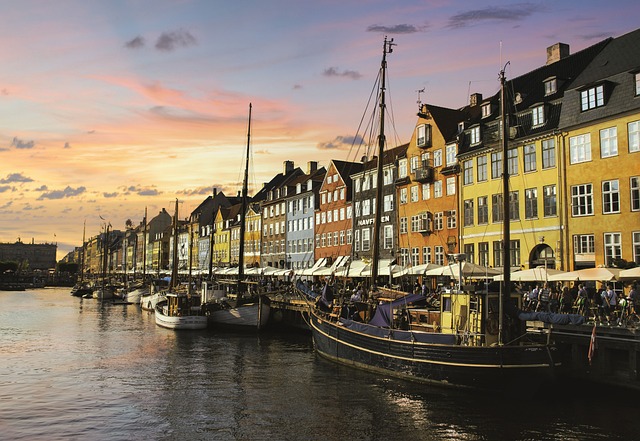
Nyhavn
Nyhavn: Copenhagen’s Canal in Context Nyhavn is a 17th-century waterfront canal running about 400 metres from Kongens Nytorv to the harbour in central Copenhagen. The row of coloured townhouses on the north bank, the wooden sailing ships moored in the canal, and the restaurant terraces on the south side produce a picture that has become the standard image of Copenhagen in tourism materials...
read more
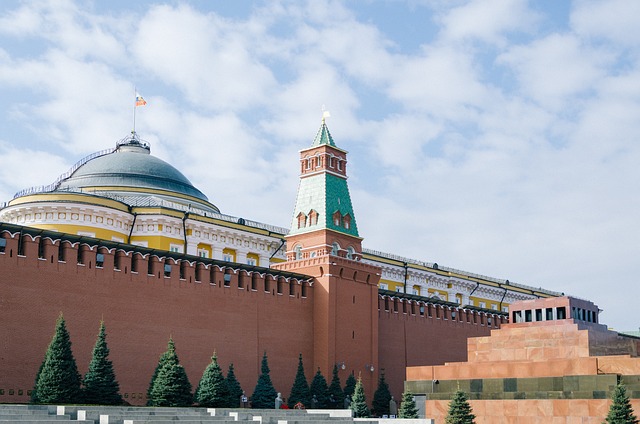
Kremlin
The Kremlin: Russia’s Power Centre, Open to Tourists on Three Sides The Moscow Kremlin is a working government complex and the official residence of the Russian president. Tourist access covers the historical and religious sections; the government buildings visible inside the walls are not accessible. This still leaves a substantial amount to see.
The walls run 2.2km around the complex on a...
read more
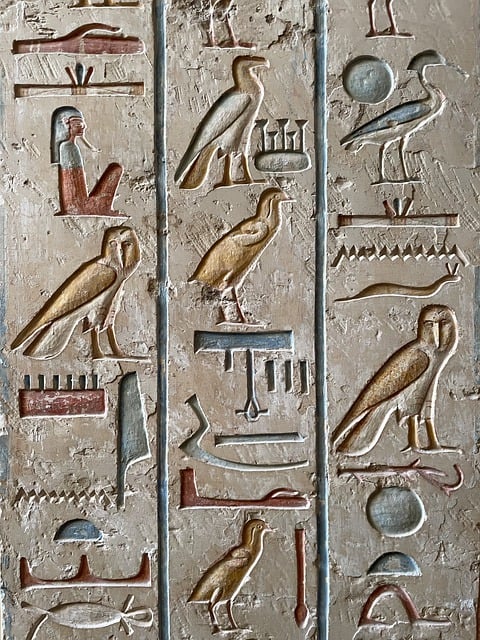
Pyramids
The Giza Pyramids: What to Skip, What to See Twice The Great Pyramid of Khufu is the only surviving Wonder of the Ancient World and has been on the tourist circuit since ancient Romans came to stare at it. That means roughly 2,000 years of people trying to sell you camel rides, fake papyrus, and “special access” to things that don’t require special access. Going in knowing this...
read more
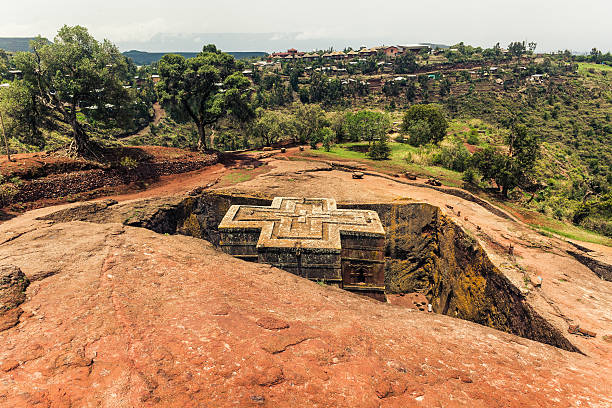
Rock-Hewn Churches, Lalibela
Lalibela: Eleven Churches Cut From Solid Rock, Still in Use Today The churches at Lalibela were not built. They were carved downward into the red volcanic rock of the Ethiopian Highlands in the 12th-13th centuries, under the reign of King Lalibela, who intended the site as a New Jerusalem for Ethiopian Christians who couldn’t make the pilgrimage to the actual Jerusalem. The facades, walls,...
read more

The Globe Theatre
Shakespeare’s Globe: The Best £5 Theatre Ticket in London The original Globe burned down in 1613 when a cannon fired for a theatrical effect during a performance of Henry VIII set the thatched roof alight. Nobody died, which the recorded account emphasises while also noting that someone’s trousers caught fire. This one opened in 1997, built 230 metres from the original site using...
read more
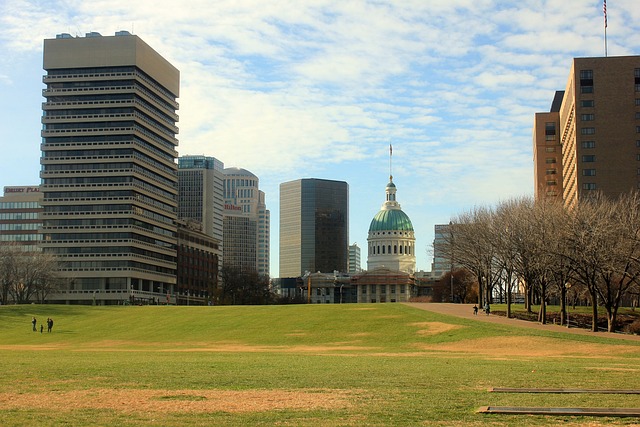
Saint Louis Missouri
Saint Louis: The City That Keeps Surprising St. Louis sits at the confluence of the Missouri and Mississippi rivers in the middle of the country, 380 km south of Chicago and 950 km north of New Orleans. It was the staging point for the Lewis and Clark Expedition in 1804 and the westernmost city of consequence in the US for several decades afterward. The “Gateway to the West” label...
read more
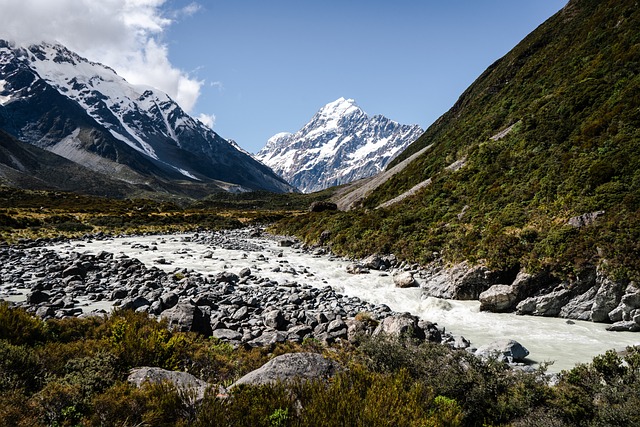
Aoraki / Mount Cook
Aoraki / Mount Cook lost approximately 10 metres from its summit in a massive rockslide in December 1991, dropping from 3,764 metres to its current height of 3,724 metres. The event reshaped the summit and created a significant new debris field. This is not merely geological trivia – it’s a reminder that the mountain, the highest in New Zealand, is actively changing in ways that matter...
read more
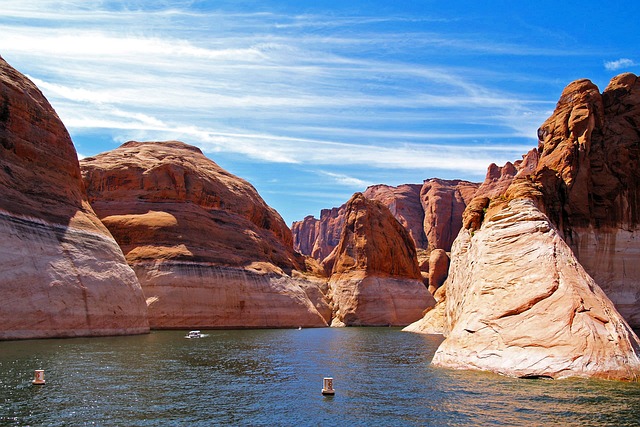
Sedona, Arizona
Sedona, Arizona: Red Rock Country Without the New Age Noise Sedona sits at 1,300 metres in the Verde Valley of Arizona, 45 minutes south of Flagstaff, and the geology is the reason to come. The red Schnebly Hill sandstone formations rise 300-400 metres above the town: Cathedral Rock, Bell Rock, Courthouse Butte, Chimney Rock. The colour comes from iron oxide in the Permian-era sandstone. In the...
read more
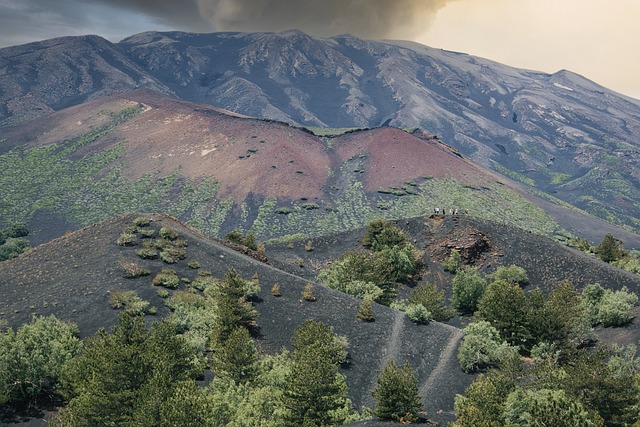
Mount Etna
Mount Etna: Europe’s Most Active Volcano, Up Close
At 3,403 metres, Mount Etna is the tallest peak in Italy south of the Alps and the most persistently active volcano in Europe. It has been erupting in some form since at least 1500 BC, and today it erupts almost continuously. On Christmas Eve 2025, the Northeast Crater erupted for the first time in 28 years, sending lava fountains 400 to 500...
read more
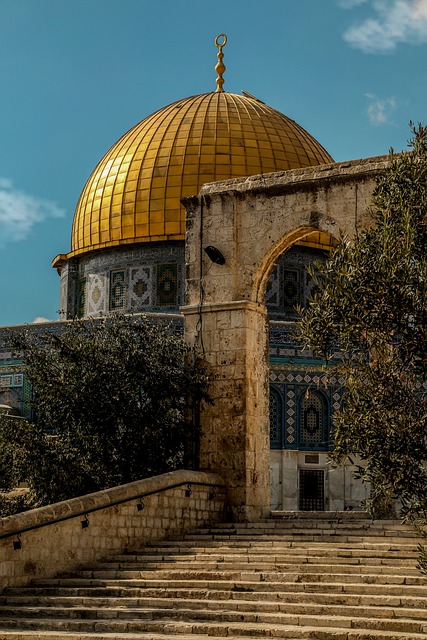
Ras Al-Jinz
Ras Al-Jinz: Turtles, Empty Beaches, and an Oman That Most Travellers Never Find Ras Al-Jinz is where the Arabian Peninsula ends: Oman’s most easterly point, where the Arabian Sea meets the Gulf of Oman on a raw, largely empty coastline. The village has none of the resort gloss accumulating elsewhere on the Omani coast. You come here primarily for the green turtles. You stay because the...
read more
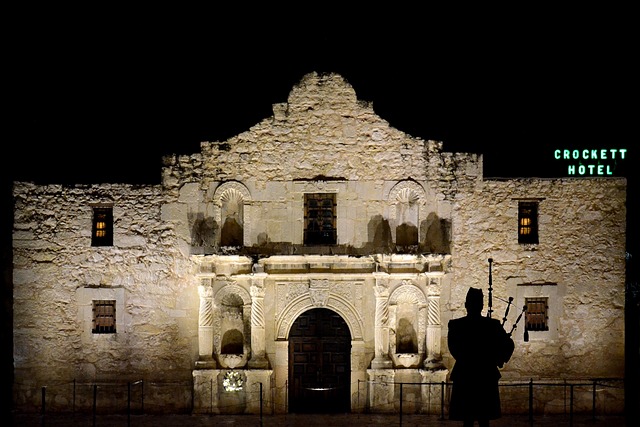
Alamo
The Alamo: What Actually Happened and Why the Building Is Smaller Than You Think Most visitors to the Alamo are surprised by the scale. The famous chapel facade, the one on every Texas tourism image, is not a full fortress. It is one building of a former Spanish mission compound that once covered 4.2 acres. The building you photograph is 75 feet wide. The siege that made it famous in 1836 unfolded...
read more
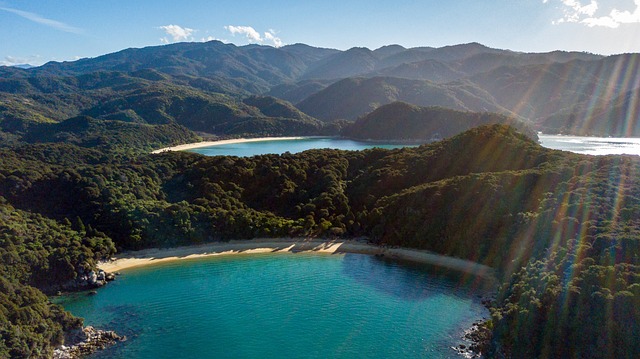
Abel Tasman National Park
Abel Tasman National Park: New Zealand’s Most Beautiful Coastal Walk The Abel Tasman Coast Track has a reputation as New Zealand’s easiest Great Walk, which can create the wrong expectations. It’s not easy in the sense of trivial: 60 kilometres along the northwest coast of the South Island, with tidal crossings that are impassable at high tide, enough variation in terrain to test...
read more
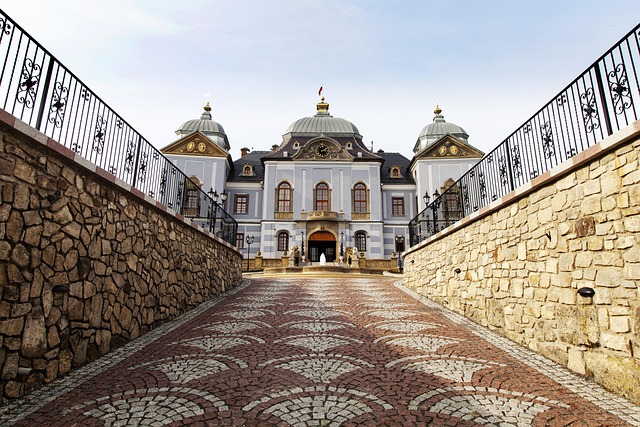
Spis Castle, Slovakia
Spis Castle: The Largest Castle Complex in Central Europe, With Almost No Crowds Spis Castle (Spissky hrad) in eastern Slovakia covers 4 hectares of a dolomite hill and is the largest medieval castle complex in Central Europe by area, larger than Prague Castle, though less famous by a significant margin. It has been a UNESCO World Heritage Site since 1993. On a Wednesday in June you can have the...
read more
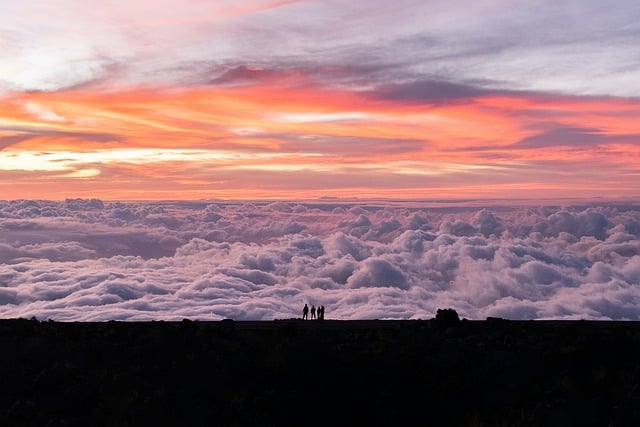
Maui
Maui: The Good Parts and the Honest Caveats Maui is genuinely beautiful and Hawaii’s most visited island for good reason. The Road to Hana has become a victim of its own fame. Lahaina is still rebuilding after the devastating August 2023 wildfire. Rental car prices are high. Parking at popular beaches requires reservations. Go in with accurate expectations and you’ll have a better time...
read more
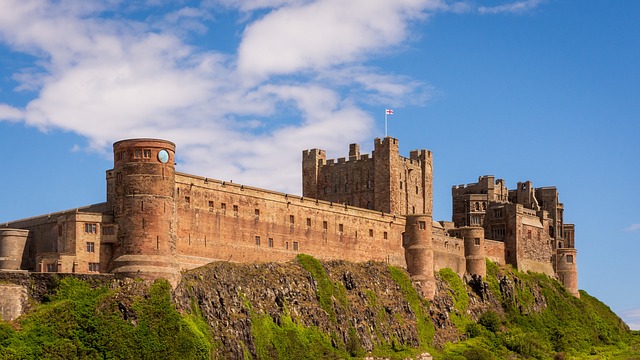
Bamburgh Castle
Bamburgh Castle sits on a dolerite basalt ridge rising 46 metres directly above the Northumberland coast, and it looks exactly like a castle at the northern edge of England should look: massive, windswept, indifferent to weather. The ridge provided natural defence that humans have been exploiting since at least the 2nd century CE. The Anglo-Saxon kingdom of Bernicia made it a royal stronghold in...
read more
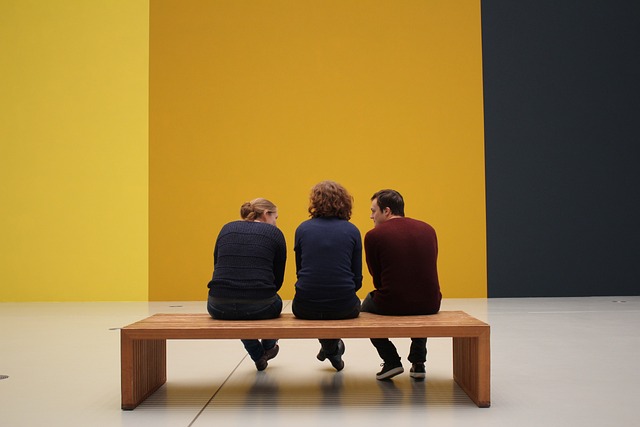
Kelvingrove Art Gallery & Museum
Kelvingrove: Glasgow’s Best Argument Against Entry Fees Kelvingrove is free. That is the first thing to say, and it bears saying with some emphasis, because what is inside it costs nothing to see and is extraordinary. There is a Salvador Dali. There is a Rembrandt. There is a full-size Spitfire aircraft suspended from the ceiling of the main hall. In 1952, Glasgow City Council bought the...
read more
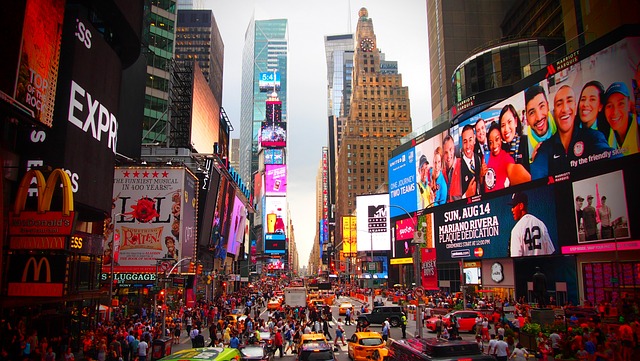
Times Square
Times Square: Honest Advice for First-Time Visitors Let’s get this out of the way: Times Square is not a neighbourhood. It’s a commercial intersection dressed up in LED advertising, and New Yorkers mostly avoid it. The good news is that it’s still worth visiting, just not in the way most tourist guides suggest. Treat it as a 45-minute spectacle rather than a destination in...
read more
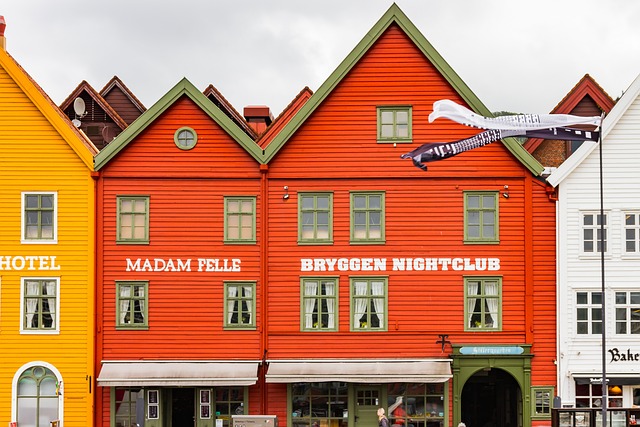
Bryggen
Bryggen: Bergen’s Hanseatic Harbour Quarter, Built and Rebuilt Bryggen has burned down seven times. After each fire - the most devastating in 1702, which destroyed much of medieval Bergen - the wharf district was rebuilt on the same medieval foundations following the same building lines, the same footprints, and the same construction principles that the Hanseatic League merchants established...
read more
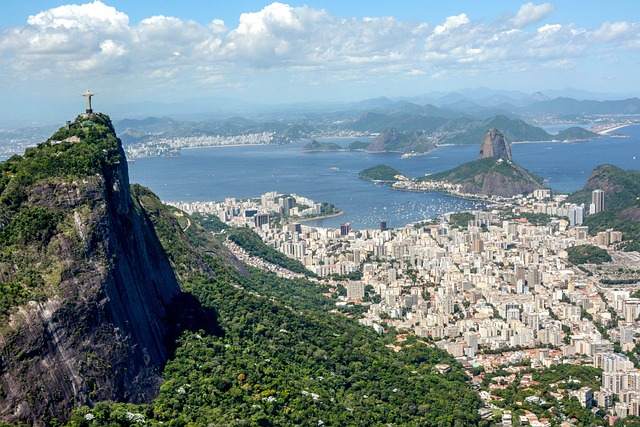
Parque Nacional Corcovado
Corcovado: The Most Biologically Intense Place on Earth National Geographic called Corcovado “the most biologically intense place on Earth,” and the data behind the phrase is genuinely unusual: the Osa Peninsula holds 2.5% of the world’s biodiversity on 0.001% of the world’s surface. Corcovado National Park covers 424 square kilometres of primary lowland rainforest on Costa...
read more
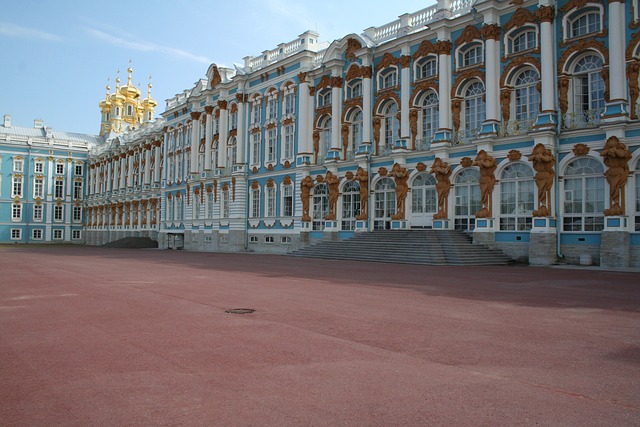
Tsarskoye Selo (Catherine Palace), St Petersburg, Russia
Catherine Palace at Tsarskoye Selo: Blue, Gold, and the Lost Amber Room Catherine Palace at Tsarskoye Selo (now the city of Pushkin) is 25km south of St. Petersburg and is, by a reasonable measure, the most extravagant building in Russia. The 300-metre-long Baroque facade is painted bright turquoise-blue and white with gilded ornament applied in such quantity that restoring it after World War II...
read more
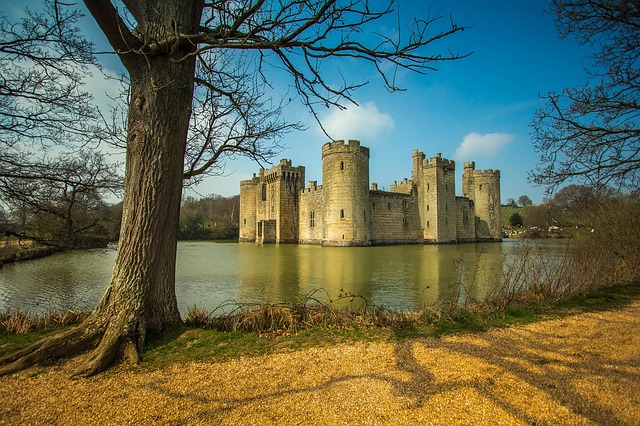
Bodiam Castle (East Sussex, UK)
The first time you see Bodiam Castle rising from its moat on a misty morning, you understand why every filmmaker with a budget and a medieval story reaches for this location. Four towers, crenellated walls, and a near-perfect reflection in still water – it looks less like a real place and more like someone’s idea of what a castle should look like. That’s part of what makes it...
read more
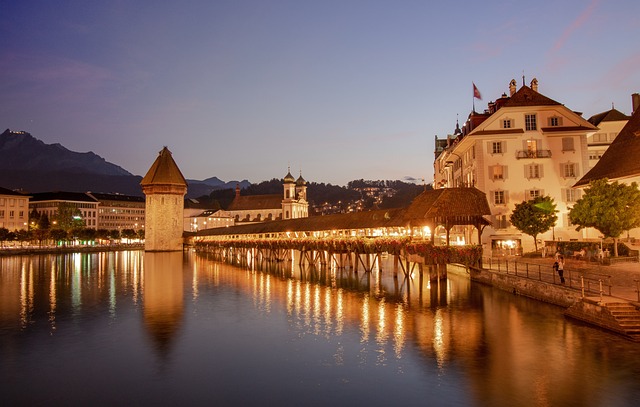
Chapel Bridge
Chapel Bridge, Lucerne: A Medieval Landmark That Nearly Burned Down in 1993 On August 18, 1993, a fire destroyed roughly two-thirds of Kapellbrucke’s original 17th-century roof paintings. The cause was most likely a discarded cigarette from a passing boat. Of the 147 painted triangular panels that existed before the fire, only 30 survived well enough for full restoration. Lucerne rebuilt the...
read more
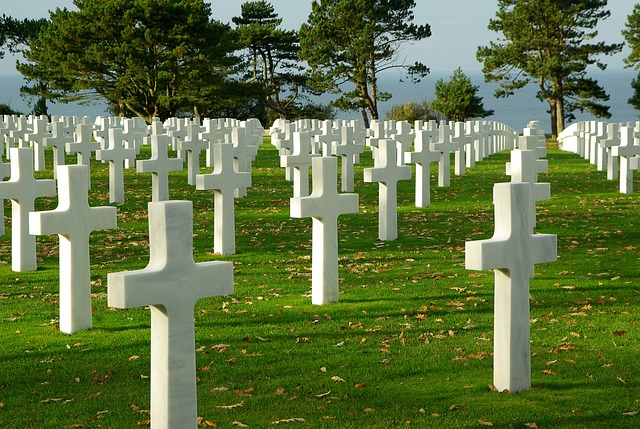
D-Day Beaches
The D-Day Beaches, Normandy On 6 June 1944, 156,000 Allied troops crossed the English Channel and landed on five beaches on the Normandy coast. The D-Day landings were the largest seaborne invasion in history and represented the beginning of the end of the Nazi occupation of Western Europe. Standing on Omaha Beach today, looking up at the bluffs that the German defenders held, and then walking to...
read more
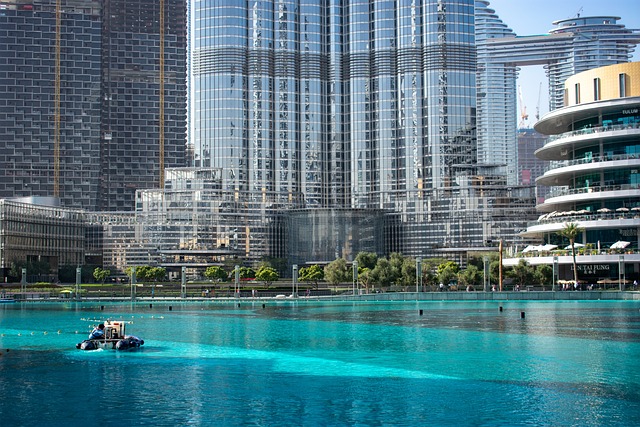
Burj Khalifa
The Burj Khalifa was completed in 2010 and has been the tallest building in the world since. At 828 metres, it is 56 storeys taller than the previous record holder (the Taipei 101) and will hold the record until the Jeddah Tower in Saudi Arabia is completed. The structure contains 57 elevators, took 22 million man-hours to build, and sits on 192 steel piles drilled 50 metres into the ground to...
read more
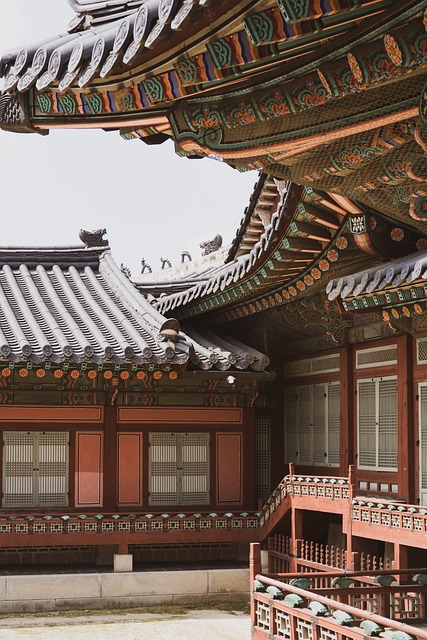
Dmz South Korea
The Korean DMZ: What You’re Actually Looking At The Korean Demilitarized Zone is 250 kilometres long and 4 kilometres wide, stretching from coast to coast across the Korean Peninsula along the Military Demarcation Line established by the 1953 armistice. It is technically not a border but a ceasefire line; North and South Korea remain legally at war. The zone contains the highest...
read more
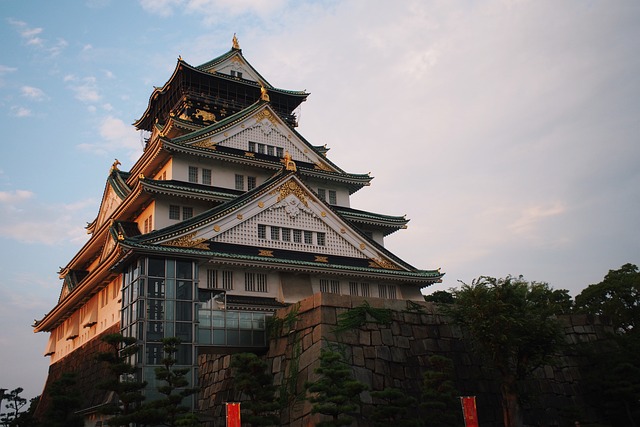
Osaka Castle
Osaka Castle: History, Reconstruction, and Cherry Blossom Crowds Osaka Castle (Osaka-jo) was originally built by Toyotomi Hideyoshi in 1583, making it the largest castle complex in Japan at the time. Hideyoshi was a former sandal-bearer who had risen to become de facto ruler of Japan, and the castle was meant to announce his achievement at an appropriate scale. It was destroyed in 1615 during the...
read more
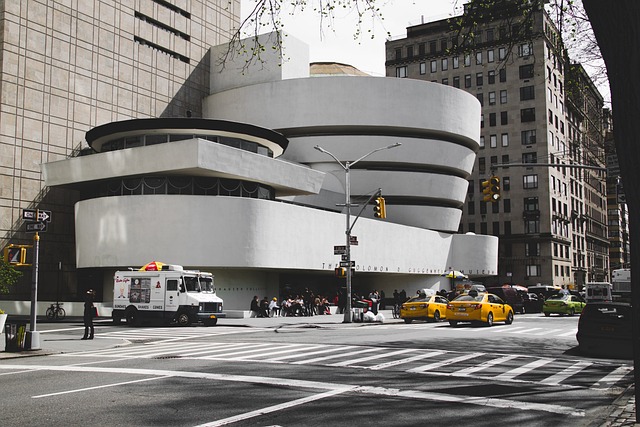
Guggenheim (New York City)
The Guggenheim: Frank Lloyd Wright Finished It Six Months Before He Died Frank Lloyd Wright spent 16 years fighting New York City building codes, contentious architects, and a client who kept changing her mind. He revised the plans 700 times. The Guggenheim opened in October 1959. Wright died in April of that year, never seeing the crowds file through the building he considered his masterpiece....
read more
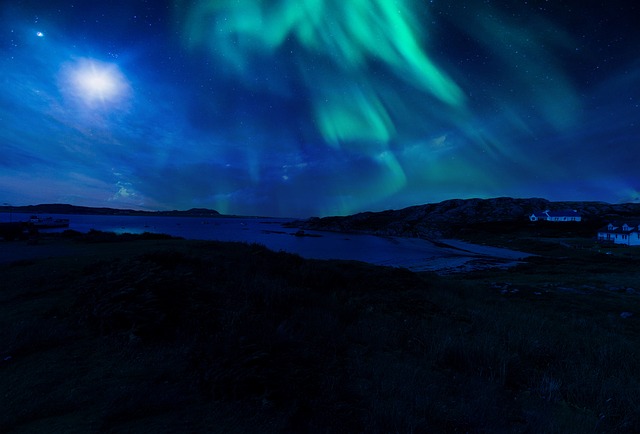
Iona
Iona: Three Miles of Island, Fifteen Hundred Years of History Iona is less than 5 kilometres long and about 2 kilometres wide. It has a permanent population of around 170 people. There are no cars for visitors, no ATMs, one pub, two small restaurants, and a ferry that stops running in the late afternoon. It is also one of the most significant places in early Christian history in Britain and...
read more
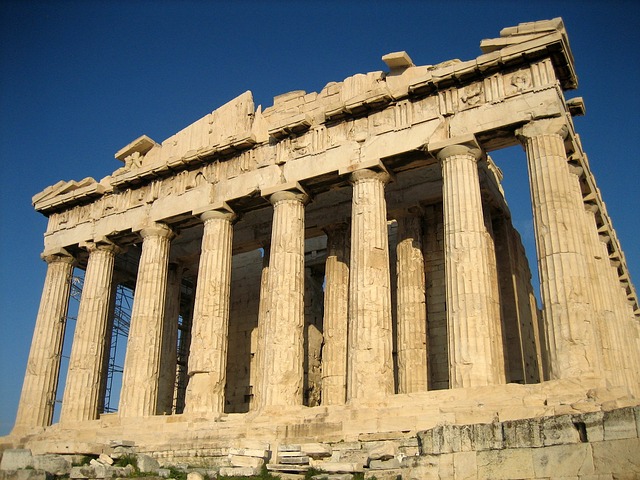
Parthenon
The Parthenon: What Survives, What Doesn’t, and Why the Marble Matters The Parthenon was completed in 432 BCE. About half of the original sculptural programme – the marble pediment figures, the metopes, and sections of the continuous frieze – is in the Acropolis Museum in Athens. The other half is in the British Museum in London, where it has been since Lord Elgin removed it...
read more
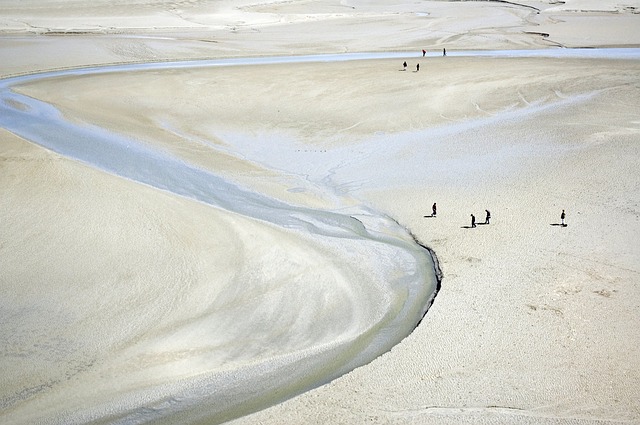
Mont St Michel
Mont-Saint-Michel: What to Know Before You Arrive Mont-Saint-Michel looks exactly like its photographs and manages to be more impressive anyway. The tidal island, capped by a Benedictine abbey, rises from a flat bay in Normandy where the tides have a 14-metre range, one of the largest tidal ranges in Europe. At high tide, water surrounds it on three sides. At low tide you can walk across the sand....
read more
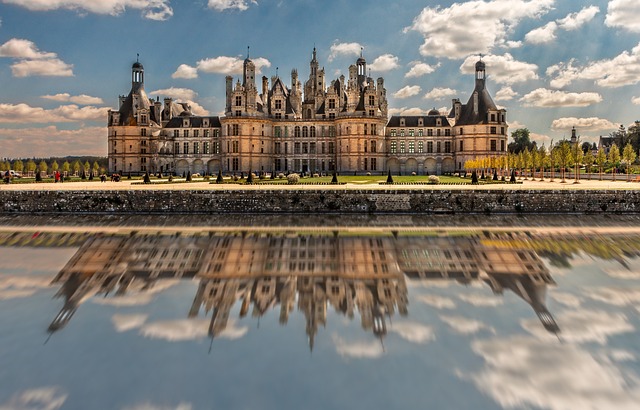
Chateau De Chambord
Château de Chambord: Francis I’s Statement in Stone King Francis I began building Chambord in 1519, not as a permanent residence but as a hunting lodge and demonstration of royal power. He never actually lived there for more than a few weeks in any given year; the Loire Valley’s courts at Amboise and Blois were his primary bases. The castle has 426 rooms, 77 staircases, and 282...
read more
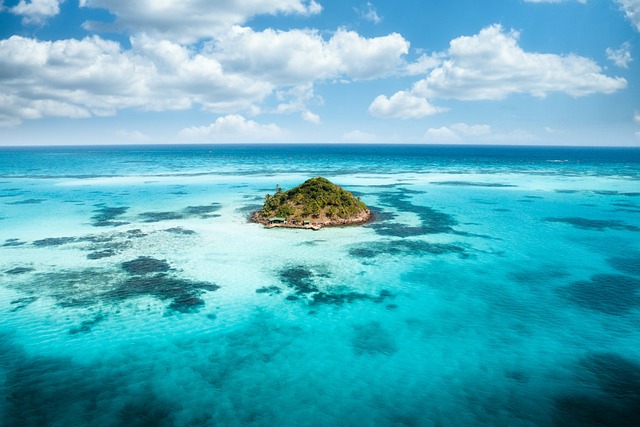
Relax in the Thermal Pools of Ischia, an Island off the Coast of Italy
Ischia’s Thermal Pools: Italy’s Best-Kept Spa Secret Most visitors to the Bay of Naples blow straight past Ischia on their way to Capri. Capri is smaller, more famous, and significantly more expensive. Ischia is 30 minutes further by hydrofoil, has better beaches, its own wine produced in volcanic soil, and dozens of natural thermal pools fed by the volcanic bedrock that heats...
read more
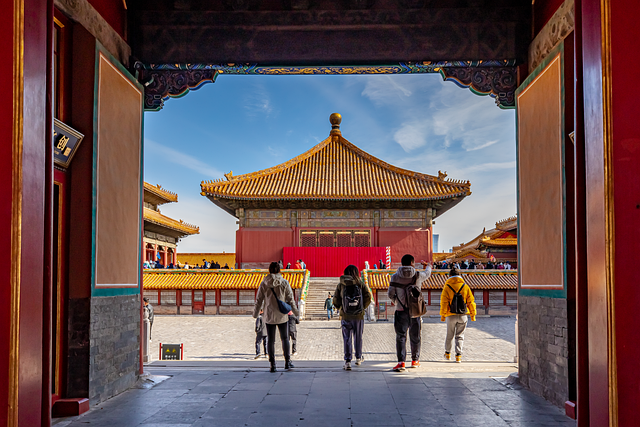
Ancient Maya City and Protected Tropical Forests of Calakmul, Campeche
Calakmul: The Maya City That Rivalled Tikal, Buried Deep in the Jungle At its height in the 7th century, Calakmul controlled a political network that stretched across much of the southern Maya lowlands, incorporating subordinate cities and waging proxy wars against its great rival Tikal in what is now Guatemala. The Kaan dynasty that ruled here named itself the Snake Kingdom; the serpent head...
read more
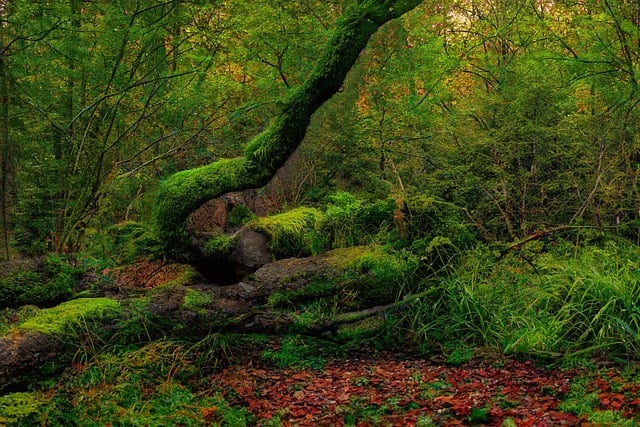
Jungles of Borneo
Borneo’s rainforest is approximately 130 million years old, which makes it one of the oldest on Earth – it predates the Amazon by roughly 60 million years, having survived intact through multiple ice ages while other forests contracted and vanished. About 60% of the island has been logged or converted to oil palm in the past 50 years. These two facts together explain why the Malaysian...
read more