Recent Alpaca Travels
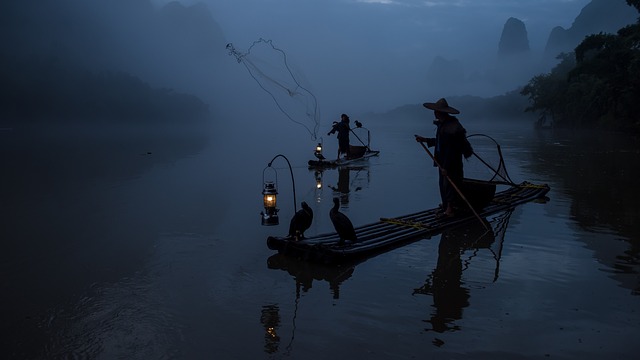
Yangshuo
Yangshuo: Li River, Karst Country, and How to Avoid the Tourist Strip The karst landscape around Yangshuo appears on the Chinese 20-yuan note: limestone peaks rising 200-300 metres from flat paddy fields, peaks reflected in the Li River below, morning mist occasionally moving between the columns of rock. It is one of the most striking landscapes in China and arguably anywhere. The problem is that...
read more
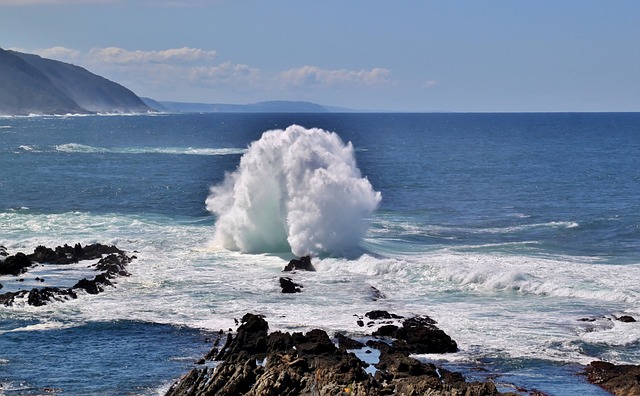
Kruger National Park South Africa
Kruger National Park: Self-Drive vs Guided Safari and How to Plan Kruger National Park covers 19,485 square kilometres of savanna, bushveld, and riparian forest in Limpopo and Mpumalanga provinces, on South Africa’s border with Mozambique. It is the size of Wales. It is one of the few large African national parks where self-drive safari is both practical and common: the road network inside...
read more
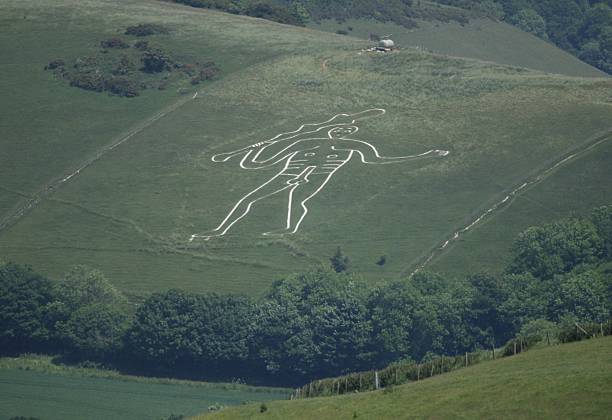
Cerne Abbas Giant & Other Chalk Figures, UK
The Cerne Abbas Giant: Older Than Anyone Expected The National Trust commissioned optically stimulated luminescence dating of sediment within the figure’s outline, publishing results that placed his creation between 700 and 1100 AD - the late Saxon period. This decisively overturned the long-standing theory that he was a 17th-century satirical portrait of Oliver Cromwell, and opened up new...
read more
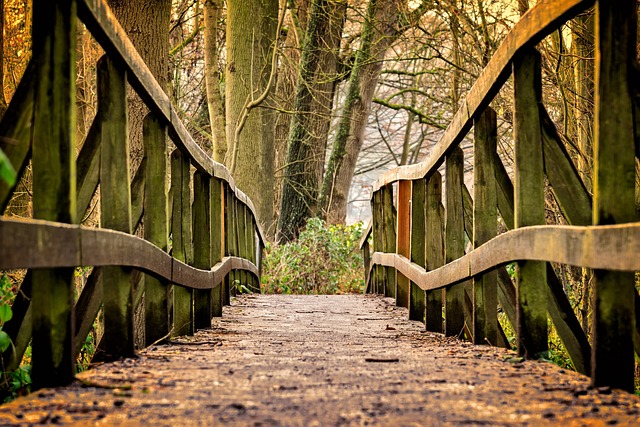
Pooh Bridge, Ashdown Forest
Pooh Bridge and Ashdown Forest: The Real Hundred Acre Wood The original wooden footbridge over Chuck Hatch stream in Ashdown Forest was replaced in 1999 with a replica built to the same design. This is the bridge where Christopher Robin, in A.A. Milne’s stories, invented the game of Poohsticks: dropping sticks off one side and running to the other to see whose emerges first. The game is...
read more
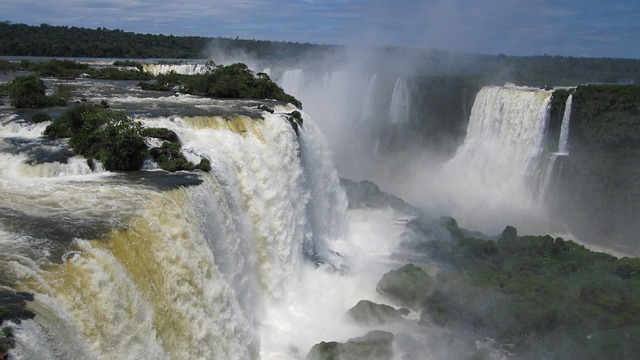
Iguazu National Park, Argentina
Iguazu Falls: Argentina vs Brazil, and Which Side is Better Iguazu Falls straddles the border between Argentina and Misiones province and the Brazilian state of Parana. Both sides offer access; they are genuinely different experiences and the honest answer is that you should do both if you have two days.
The Argentine side has more walking. The circuit system runs along the upper and lower...
read more
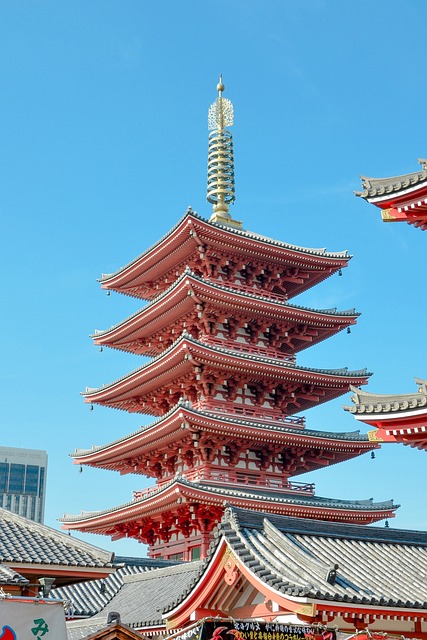
Sensoji Temple, Tokyo
Sensoji Temple: Asakusa’s Anchor and What Makes It Worth Visiting Twice Sensoji is Tokyo’s oldest temple, established according to tradition in 645 AD when two fishermen pulled a small statue of Kannon (the Buddhist bodhisattva of compassion) from the Sumida River. The current main hall dates from 1958, rebuilt after bombing in 1945. The Nakamise shopping street leading to it and the...
read more
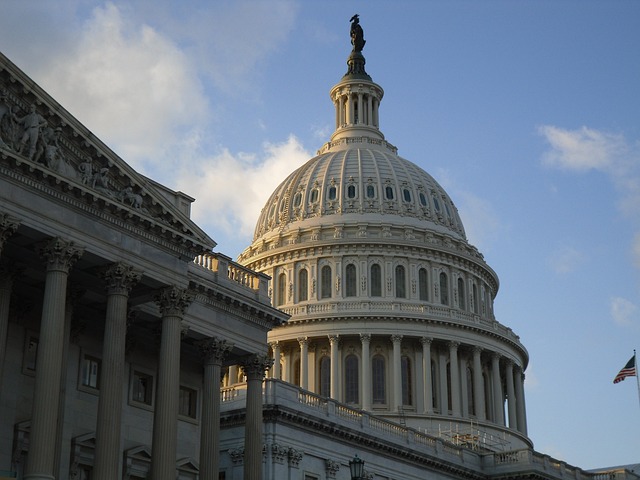
Washington D C
Washington DC: The Free Museums and What Else Is Worth Your Time Washington DC is the only capital city in the world where most of the major museums are both free and world-class. The Smithsonian Institution operates 19 museums and the National Zoo on annual congressional appropriations and charges nothing for general admission. London, Paris, Berlin, Tokyo, none of them offer the same combination...
read more
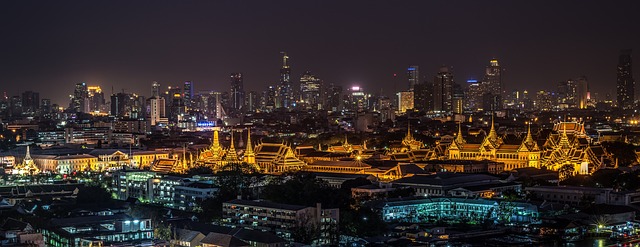
Grand Palace Bangkok
The Grand Palace, Bangkok: What You’ll Actually See and How to Navigate It Men near the Grand Palace entrance tell visitors in plain clothes or unofficial-looking uniforms that the palace is closed for a religious holiday or royal ceremony and suggest an alternative. This happens daily. The palace is almost never actually closed. Walk past these people, verify at the gate yourself, and...
read more
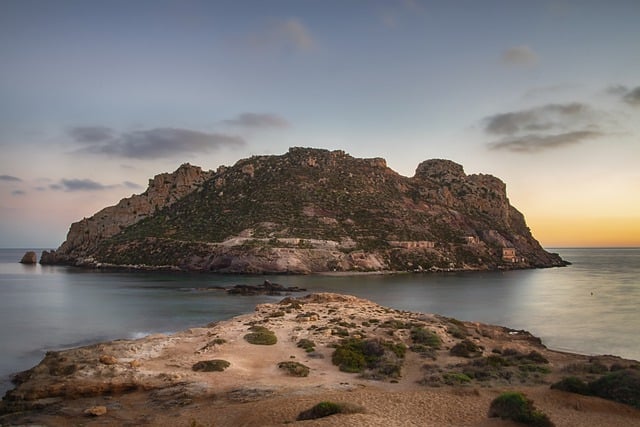
British Virgin Islands "Other Islands"
The BVI is considered one of the premier bareboat sailing destinations in the world, and the reason is geographic: 50 islands and cays spread across 59 square miles of protected water, with consistent trade winds, reliable anchoring, and almost nothing requiring serious open-ocean passage. You can sail a circuit of the main islands in a week and spend each night in a different anchorage. The...
read more
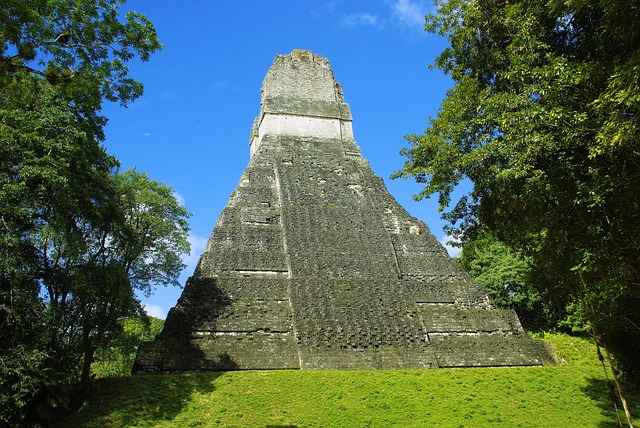
Tikal National Park, Guatemala
Tikal: Before the Tour Buses Arrive at 09:00 Temple IV at 64 metres is the tallest pre-Columbian structure in the Americas, and the best reason to be at its base before 06:30 is not the height but what happens around you. Dawn at Tikal begins with sound rather than sight: howler monkeys calling from the canopy before the sky lightens, then the first ocellated turkeys - iridescent birds with...
read more
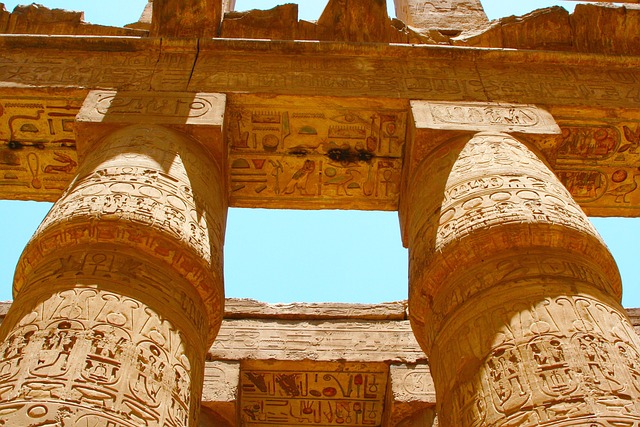
Temple of Luxor
The Luxor Temple: The Monument That Has Never Stopped Being Used The Luxor Temple is one of the most continuously occupied religious sites in the world. Built primarily by Amenhotep III around 1390 BC and extended by Ramesses II around 1260 BC, the temple was used for Egyptian religious ritual for over a thousand years. Then it was repurposed by the Romans as a fortress garrison. Then a Christian...
read more
Naqsh-E Jahan, Iran
Naqsh-e Jahan: Isfahan’s Central Square and What Surrounds It Naqsh-e Jahan means “image of the world” in Farsi, and Shah Abbas I, who ordered the construction around 1598, was not understating his intentions. The square measures 512 metres long and 163 metres wide, the second-largest public square in the world after Tiananmen, enclosed on all four sides by monuments from the...
read more
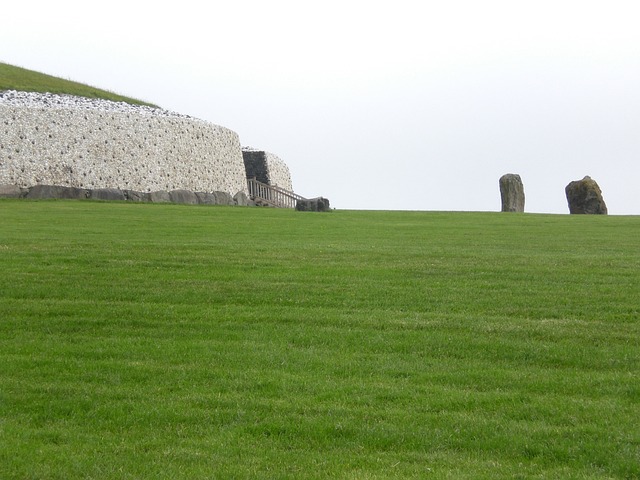
Newgrange
Newgrange: 5,200 Years Old and Still Making a Point Every year at dawn on the winter solstice, a narrow shaft of light enters a gap above Newgrange’s entrance and travels nineteen metres down the passage to illuminate the floor of the inner chamber for exactly seventeen minutes. This has been happening since approximately 3200 BC, and the fact that it still works perfectly, that the builders...
read more
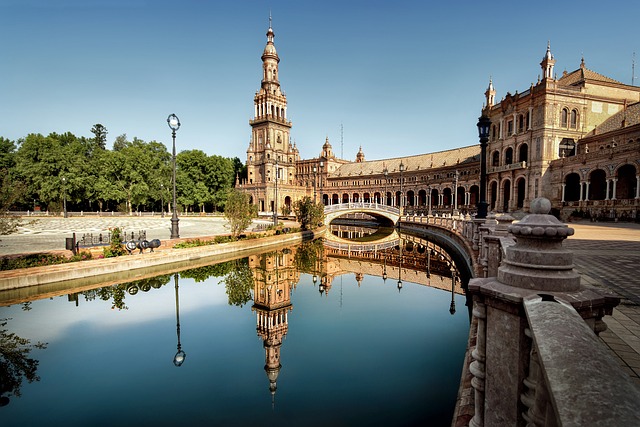
Alcazar, Seville, Spain
The Real Alcazar of Seville is the oldest royal palace in continuous use in Europe. The Spanish royal family still use it as the official Seville residence, which means on certain dates the upper apartments are closed to visitors – check before booking. Built primarily by King Pedro I of Castile in the 14th century on the foundations of a Moorish fortification, the palace is a specific...
read more
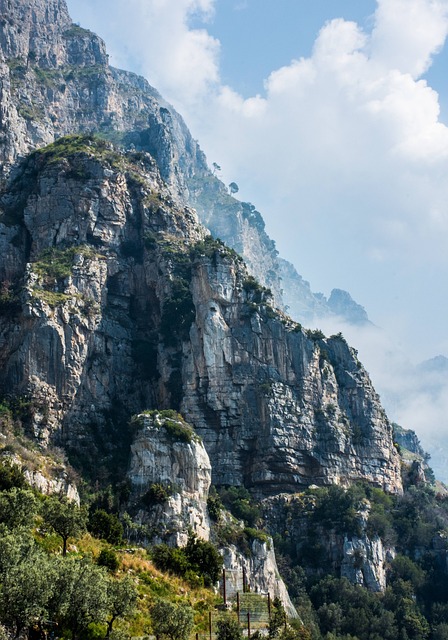
Amalfi Coast
The SS163 Amalfitana – the road that runs along the Amalfi Coast – is a two-lane highway clinging to cliffs above the Tyrrhenian Sea, shared by buses, tourist coaches, delivery vans, motorcycles, and cars, all attempting to pass each other on corners where two vehicles barely fit side by side. In July and August, the road is at maximum capacity from early morning. The experience of...
read more
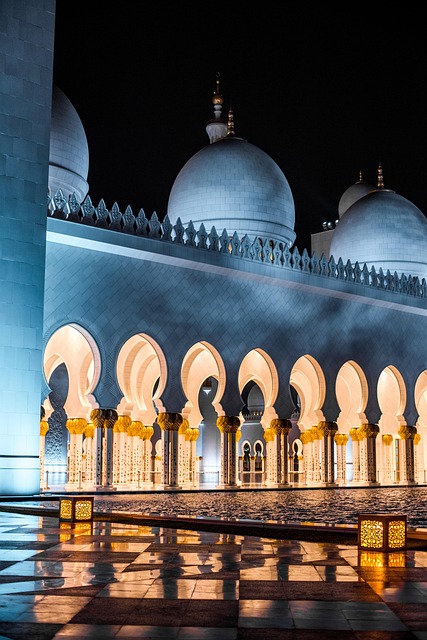
Sheikh Zayed Grand Mosque
Sheikh Zayed Grand Mosque: What to Know Before You Arrive The numbers at Sheikh Zayed Grand Mosque are relentless: 82 marble domes, 1,000 columns faced with semi-precious stones, a main prayer hall carpet weighing 35 tons hand-woven in Iran and assembled in sections on-site, 24-carat gold chandeliers hanging from the ceilings, and capacity for 41,000 worshippers. The mosque was completed in 2007...
read more
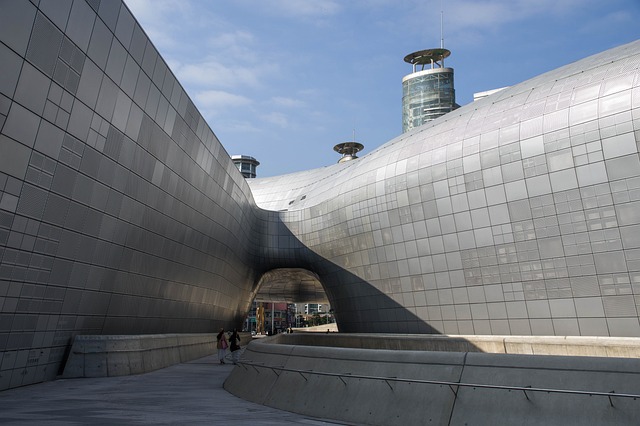
Heydar Aliyev Cultural Centre
Heydar Aliyev Cultural Centre: Zaha Hadid’s Most Accomplished Building In 2014, the Design Museum in London gave its Design of the Year award to the Heydar Aliyev Cultural Centre in Baku. The award went to the building, not to whoever commissioned it. That distinction matters: the centre is named after Azerbaijan’s third president, and acknowledging the extraordinary quality of the...
read more
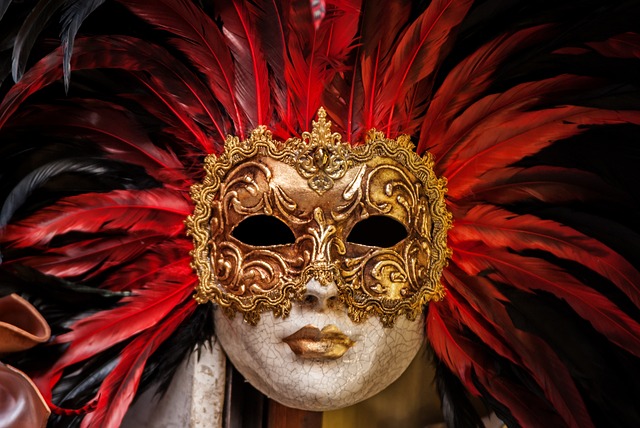
Go to Rio De Janeiro Carnival
Rio Carnival 2026: What the Experience Actually Involves Carnival 2026 runs February 13-21, with the main Sambadrome Special Group parades taking place February 15-17. The top 12 samba schools each perform a 65-90 minute spectacle starting around 21:30 and running through until dawn. Everything the school does, costumes, floats, song, choreography, and the thousands of members marching in...
read more
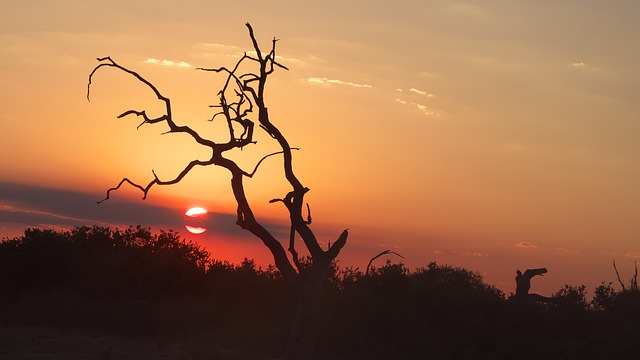
Chobe National Park, Botswana
By September, the Chobe River is the only significant water source for several hundred kilometres of mopane woodland, and the result is one of the most astonishing concentrations of wildlife on the African continent. The floodplain fills with elephant herds numbering in the hundreds – Chobe has over 120,000 elephants, the largest population anywhere on earth – alongside buffalo,...
read more
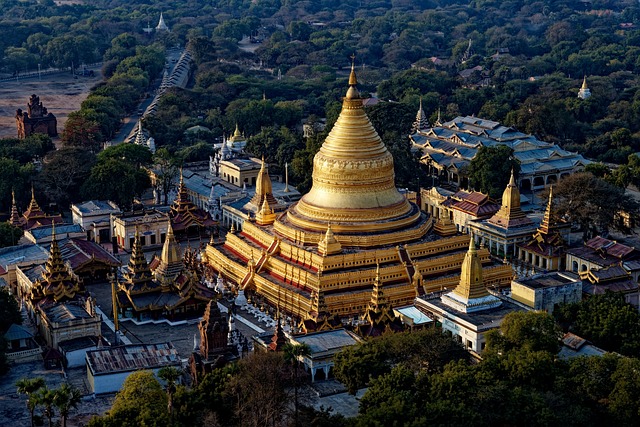
Bagan Temples & Pagodas
Bagan: 2,000 Temples on a Plain The Pagan Kingdom at its 11th-13th century peak built an estimated 3,500 temples on the alluvial plain of the Irrawaddy River in central Myanmar. About 2,000 still stand. Walking or cycling among them as the morning mist clears over the plain, with a balloon drifting silently above, is one of the most otherworldly visual experiences in Southeast Asia. Nothing...
read more
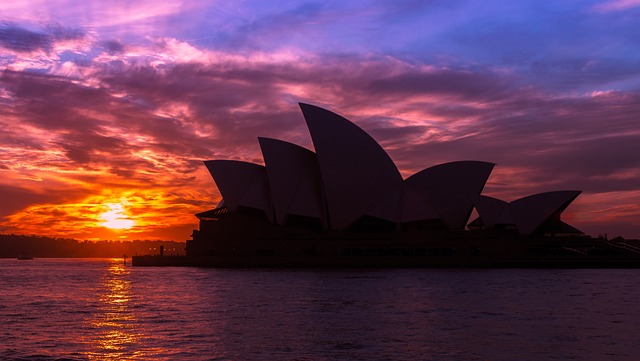
Sydney Opera House
Sydney Opera House: More Than the Photograph Jorn Utzon won the 1957 international design competition with drawings that the engineering community initially said were structurally impossible. The problem was the shells: no one could figure out how to build curved roof forms of that scale with concrete. Utzon solved it by realising all the shells could be designed as fragments of a single sphere...
read more
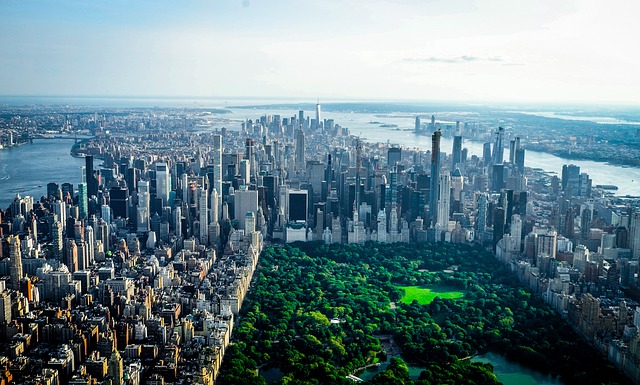
Central Park, New York City
Central Park looks natural and is almost entirely artificial. The rolling meadows, the lake, the woodland paths – almost none of it existed before construction began in 1858. Frederick Law Olmsted and Calvert Vaux won the Greensward Plan competition that year, and their design required moving more than ten million cartloads of stone and soil to create the landscape that now looks like it was...
read more
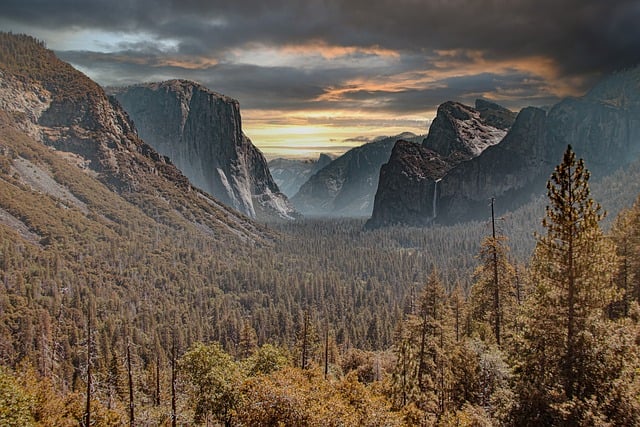
Cairngorms National Park
Cairngorms: Britain’s Largest National Park and Its Genuinely Subpolar Climate The Cairngorm plateau is the closest thing Britain has to an Arctic landscape. At 1,200 metres above sea level, the high tops experience hurricane-force winds more than 100 days per year, carry snow on their north-facing gullies well into June in a good winter, and support a community of species, mountain hare in...
read more
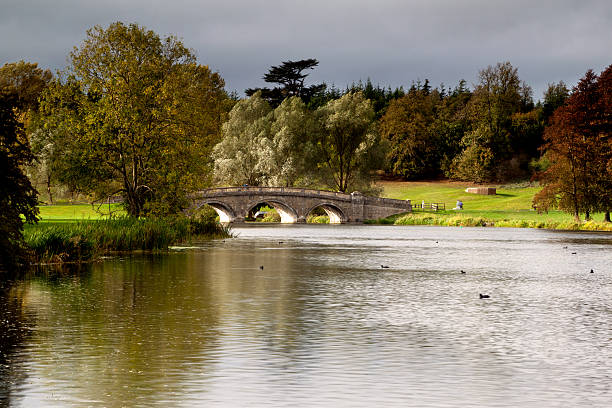
Blenheim Palace
Blenheim Palace: Too Big to Ignore, Too Interesting to Rush Winston Churchill was born here on 30 November 1874, six weeks early, in a room that is now one of the most visited spots on the estate. His mother had been at a dance in the palace the night before; by morning the most consequential Briton of the 20th century had arrived, prematurely, in an 18th-century baroque palace built as a...
read more
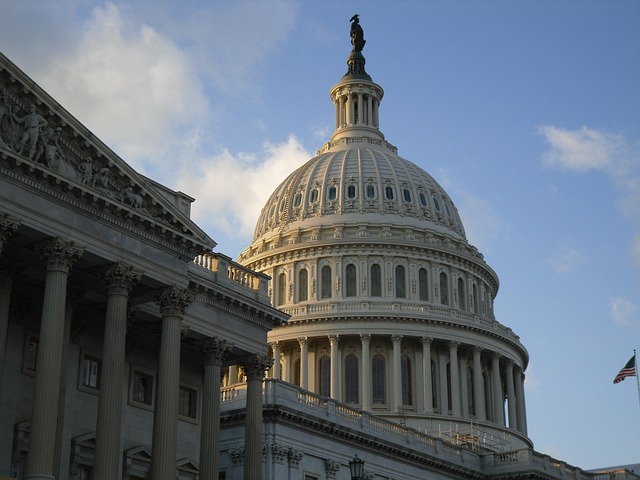
Library of Congress, Washington, D.C.
The Library of Congress holds more than 170 million items – the largest library in the world by collection size. Most visitors come for the Thomas Jefferson Building, which is the one that deserves the visit: a late 19th-century Italian Renaissance structure whose Great Hall is among the most elaborate interiors in Washington. Entry is free.
The library’s collection contains more than...
read more
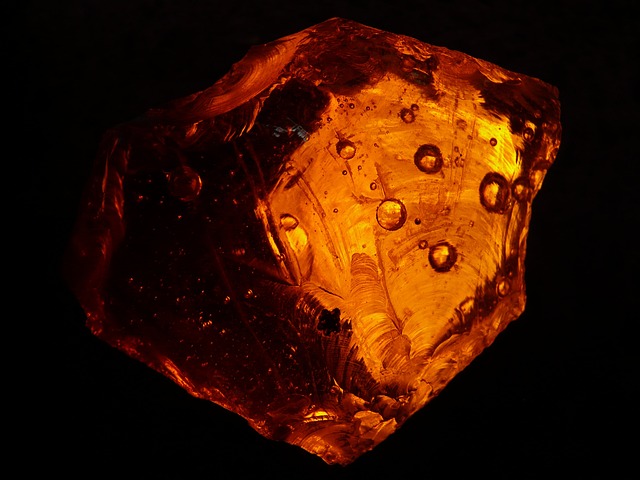
Amber Fort
Sheesh Mahal – the Hall of Mirrors – contains thousands of convex mirror tiles set into the ceiling and walls. A single candle is said to have lit the entire chamber through reflection, the light bouncing between surfaces until the room glowed. The engineering is 16th-century, using polished glass with backed silver and gold, arranged in patterns that include arabesques, flowers, and...
read more
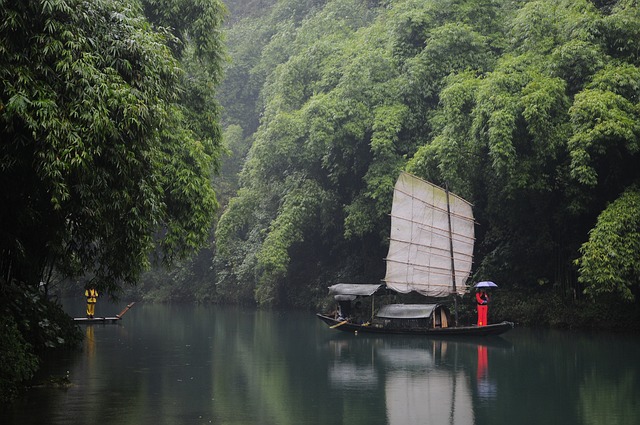
Three Gorges Dam, China
The Three Gorges Dam: Engineering, Displacement, and the Yangtze Cruise The Three Gorges Dam on the Yangtze River was completed in 2006 after 17 years of construction. It is the largest hydroelectric dam in the world by installed capacity at 22,500 megawatts, and the reservoir it created stretches 660km upstream to Chongqing. The construction flooded 1,000 towns and villages and required the...
read more
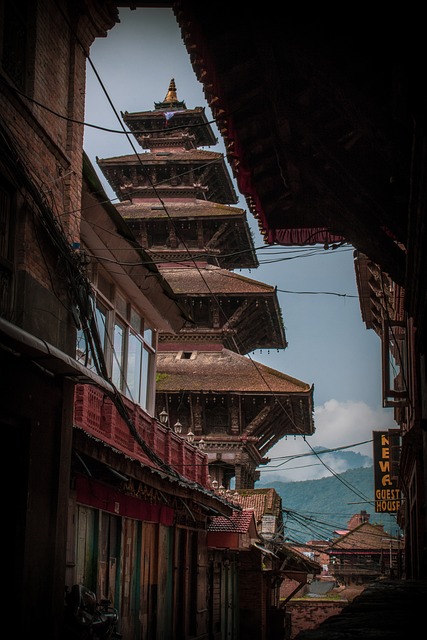
Bhaktapur Durbar Square Nepal
Bhaktapur Durbar Square: The Kathmandu Valley’s Least Overrun Treasure Of the three Durbar Squares in the Kathmandu Valley, Bhaktapur gets the fewest visitors and, by most honest accounts, deserves the most. Kathmandu’s square has become something of a tourist staging area; Patan is excellent but densely known. Bhaktapur feels like an actual medieval city that people still live in -...
read more
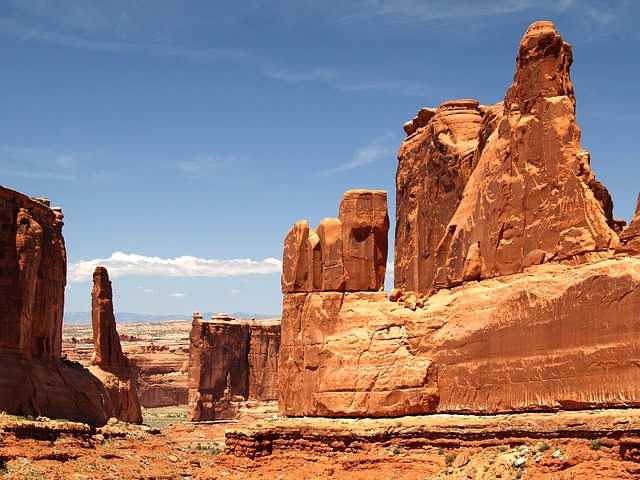
Bryce Canyon National Park Utah
Bryce Canyon technically isn’t a canyon. The formations here were carved not by a river cutting downward but by frost wedging and chemical erosion working simultaneously on different layers of limestone and sandstone – a process that produces the hoodoos (tall, thin rock spires) in a way that differs from the river-carved slot canyons and valleys elsewhere on the Colorado Plateau. The...
read more
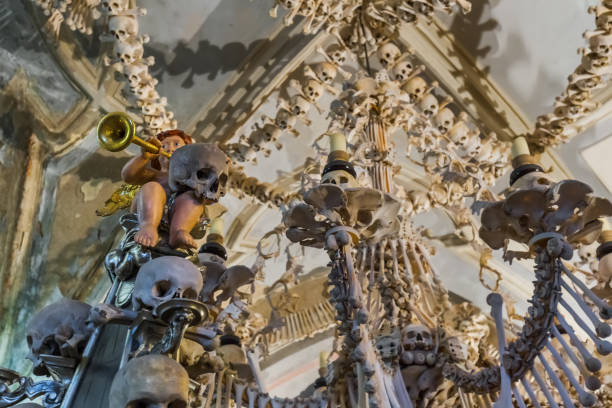
Sedlec Ossuary
Sedlec Ossuary: Bones, History, and the Edges of Taste In 1870, a local woodcarver named Frantisek Rint was commissioned to arrange the human bones stored in the crypt of a Gothic church in Sedlec, on the edge of Kutna Hora in the Czech Republic. He made chandeliers from them. He made a coat of arms for the Schwarzenberg family. He made garlands for the pillars. And in the corner, he signed his...
read more
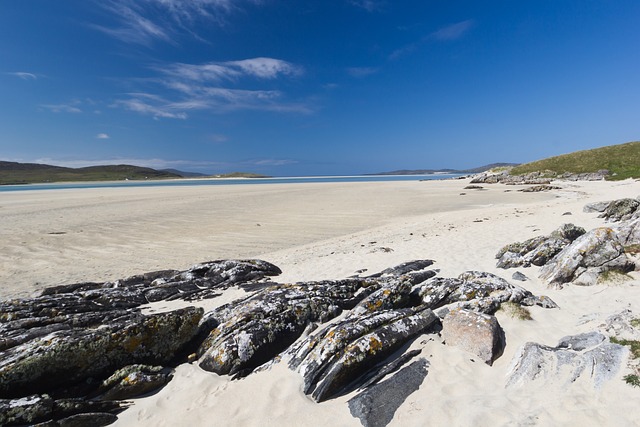
Luskentyre Beach
Luskentyre Beach, Harris: The Real Thing Travel magazines routinely put Luskentyre in lists of the world’s most beautiful beaches, which sounds like hyperbole until you’re actually there. The sand is a pale cream-white that shades into turquoise water, backed by machair grassland and with the hills of Harris rising beyond. On a sunny day in June with low tide exposing a kilometre of...
read more
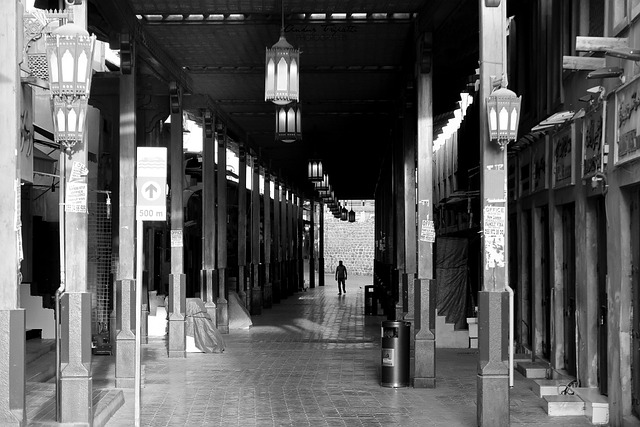
Mutrah Souq
Mutrah Souq: Muscat’s Old Market, Still Working The same alley in Mutrah Souq that sells tourist frankincense is the one where a Baluchi fisherman fills his prescription and a carpenter orders hardware. That detail is what separates this from most of the “traditional markets” that exist primarily for visitors: Mutrah is an actual working market that tourists happen to also love....
read more
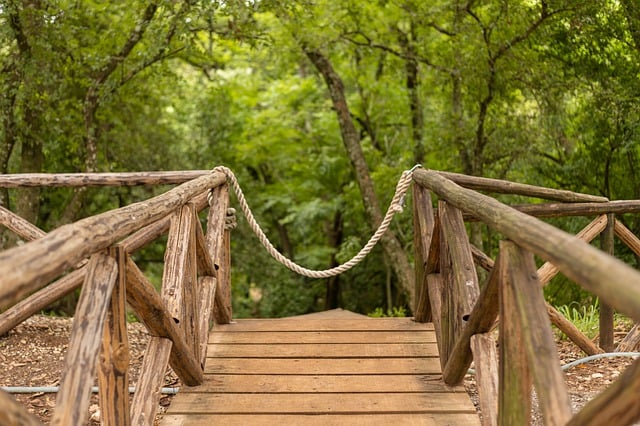
Green Park
Green Park: The Royal Park That Doesn’t Try Too Hard Green Park is the simplest of the central London Royal Parks and the better for it. No lake, no formal gardens, no cafe in the middle. Forty hectares of grass, mature plane and lime trees, and deck chairs for hire in summer. The absence of spectacle is the point. Wedged between Westminster and Mayfair, it functions as a corridor and a...
read more
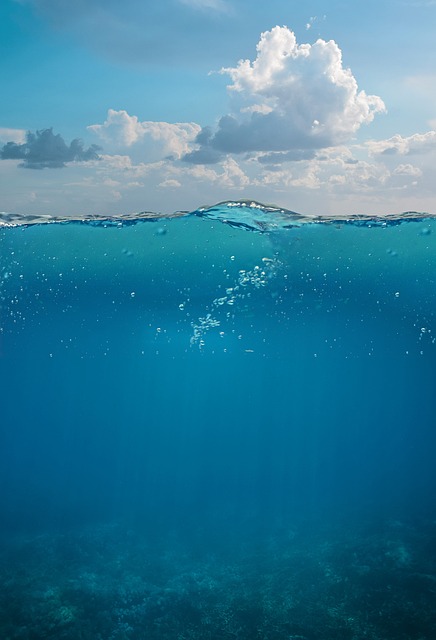
Molinere Underwater Sculpture Park, Molinere Bay, Grenada
Molinere Underwater Sculpture Park: Art That Becomes Reef Jason deCaires Taylor placed the first sculptures in Molinere Bay in 2006 with a specific intention: to create artificial reef substrate that would transfer authorship to the Caribbean Sea over time. The sculptures, more than 65 life-sized cement figures in 3-8 metres of water, were designed not to remain as he made them. Fifteen years of...
read more
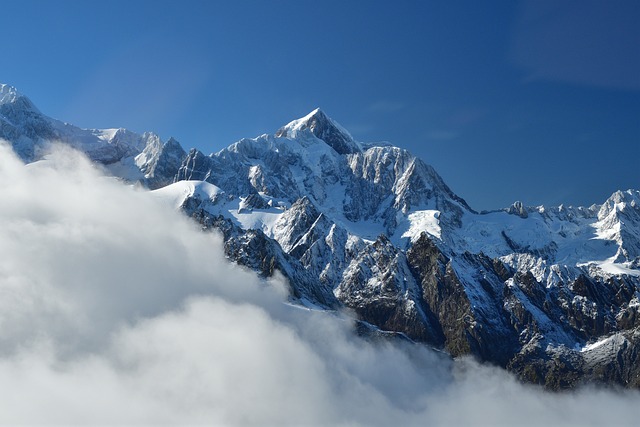
Franz Josef, New Zealand
Franz Josef Glacier: What You Can and Can’t Do There Now The town of Franz Josef (population approximately 300) on New Zealand’s West Coast exists because of the glacier. The glacier descends from the Southern Alps to within about 19 km of the Tasman Sea, unusual for a glacier at this latitude, and at the right vantage point you can see dense temperate rainforest and a 3,000-metre ice...
read more
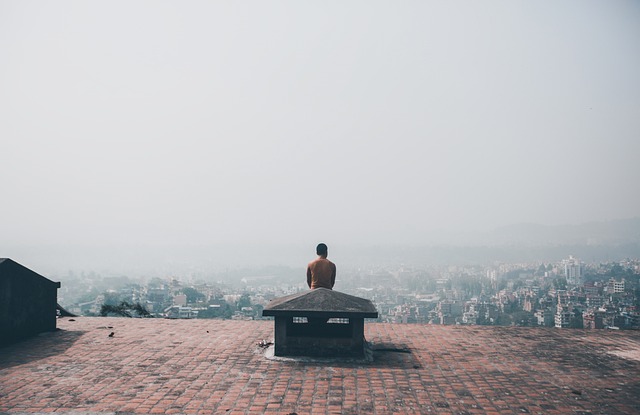
Boudhanath Stupa, Kathmandu, Nepal
At dawn, before the tourist groups arrive, the circumambulatory path around Boudhanath belongs to the monks, the elderly Tibetan pilgrims, and the prayer flags. The stupa rises 36 metres above the concentric circles of people moving clockwise, spinning bronze prayer wheels as they walk, murmuring mantras. By 9am, the coffee shops with their rooftop views are filling up with trekkers, and by noon...
read more
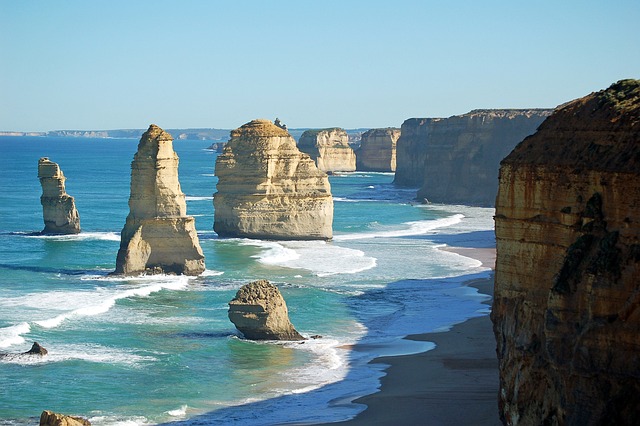
Apostles, Great Ocean Road
There were never twelve. The Twelve Apostles on Victoria’s southwest coast have been marketed under that name since the 1960s (they were previously called the Sow and Piglets), but the actual count at the time of renaming was eight. Coastal erosion has reduced the number further – one stack collapsed in 2005 – and current counts range from seven to nine depending on the tide....
read more
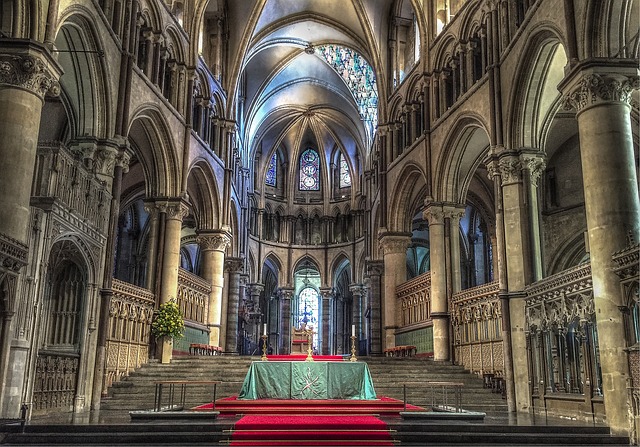
Canterbury Cathedral
Canterbury Cathedral: Murder, Pilgrimage, and One of England’s Most Important Buildings On December 29, 1170, four knights acting on a misread command from King Henry II hacked Thomas Becket to death inside his own cathedral. Within three years, the Pope had canonised Becket. Within a decade, Canterbury had become one of the most important pilgrimage destinations in medieval Europe. Within...
read more
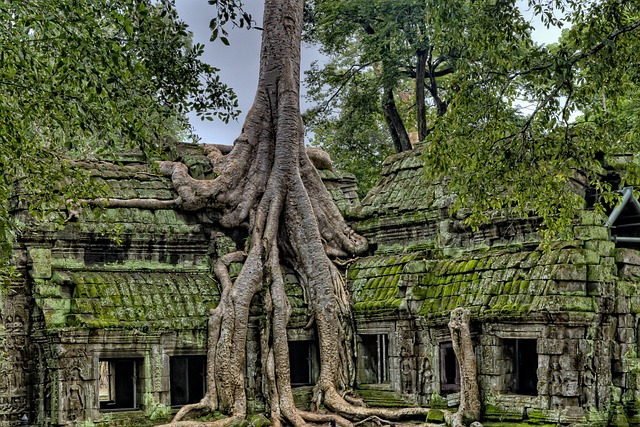
. Angkor Wat, Cambodia
The bas-reliefs along Angkor Wat’s third enclosure wall run for 800 metres and contain some of the most detailed narrative carving in the world. The south wall’s Battle of Kurukshetra panel alone shows 1,500 figures in a composition that took years to complete – armies meeting in detail that includes individual facial expressions, weapons, and the aftermath of combat depicted in...
read more
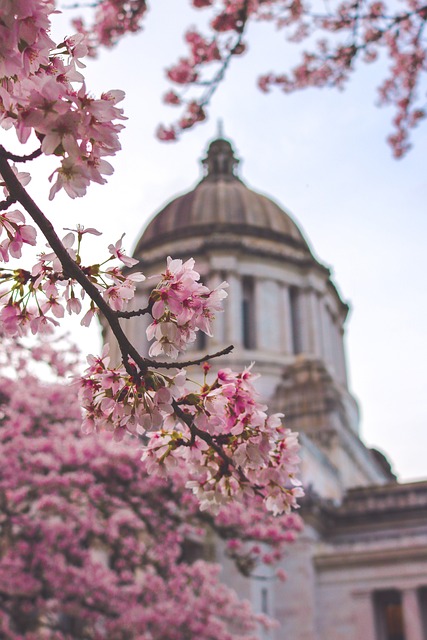
Washington Monument
Washington Monument: The Marble Changes Colour a Third of the Way Up The Washington Monument is a 169-metre marble obelisk - the tallest obelisk in the world - and if you look at it carefully, the marble changes colour about a third of the way up. Construction began in 1848, halted in 1854 due to funding problems and political complications, and resumed in 1877 after a 23-year gap. The marble for...
read more
Mansudae Grand Monument
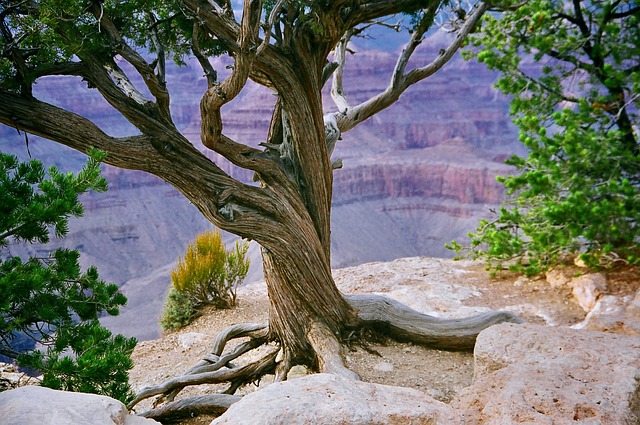
Mansudae Grand Monument: Visiting North Korea’s Most Symbolic Site Two 20-metre bronze statues of Kim Il-sung and Kim Jong-il stand on Mansu Hill in Pyongyang, backed by a 70-metre mosaic mural of Mount Paektu. The original Kim Il-sung statue was erected in 1972; a statue of Kim Jong-il was added in 2012 following his death, and the Kim Il-sung figure was modified at the same time to wear a...
read more
Auyuittuq National Park, Canada
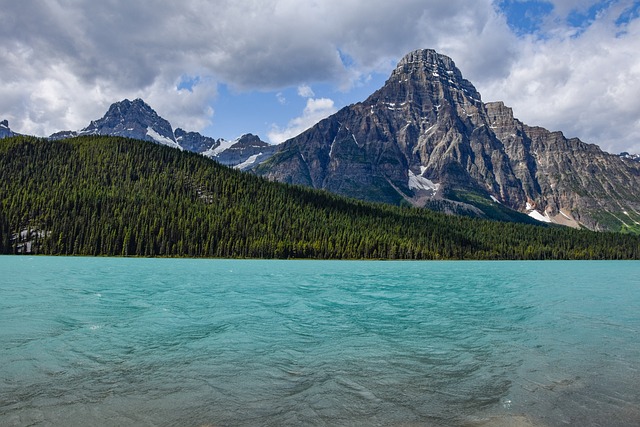
Auyuittuq: The Land That Never Melts, and What That Costs You to See The name Auyuittuq means “land that never melts” in Inuktitut, and while climate change has been making the permafrost progressively less permanent, the scale of what the park contains makes the name feel appropriate. Nineteen thousand square kilometres of Baffin Island’s spine: the Penny Ice Cap, which still...
read more
The Great Sphinx
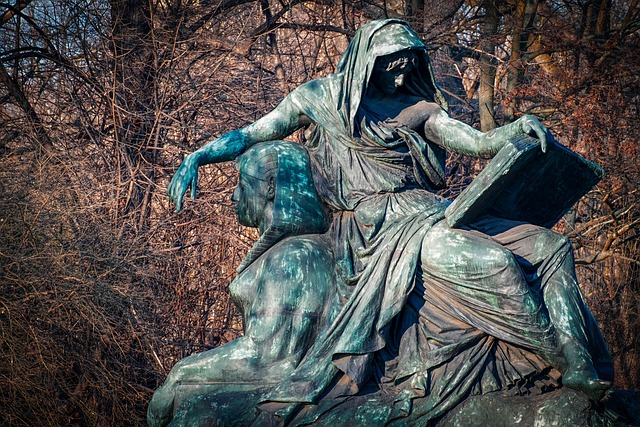
The Great Sphinx of Giza The Great Sphinx is 73 metres long, 20 metres high, and carved from a single mass of limestone bedrock. It faces due east. It was built during the Old Kingdom, almost certainly during the reign of Pharaoh Khafre around 2500 BC, though the exact dating and the identity of the face depicted have been argued about for centuries. What’s certain is that it’s the...
read more
Boat Trip Through Halong Bay Vietnam
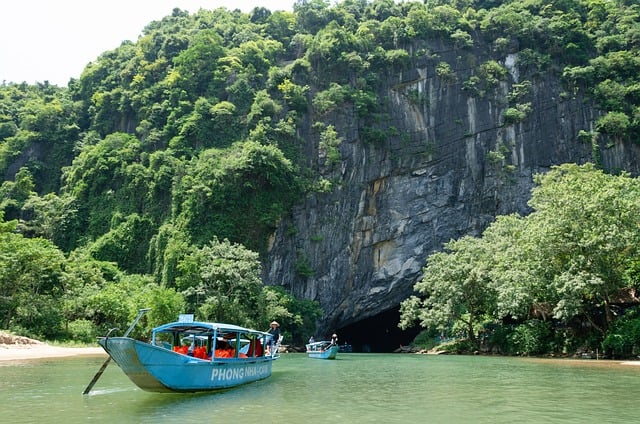
Ha Long Bay: The Three-Day Cruise vs the One-Day Tour Ha Long Bay, 1,600-plus limestone karsts rising from the Gulf of Tonkin in northeastern Vietnam, a UNESCO World Heritage Site, one of the most photographed seascapes in Southeast Asia, is something you experience properly only from the water. The tour you choose matters enormously, and the one-day tour from Hanoi (the cheapest, most common...
read more
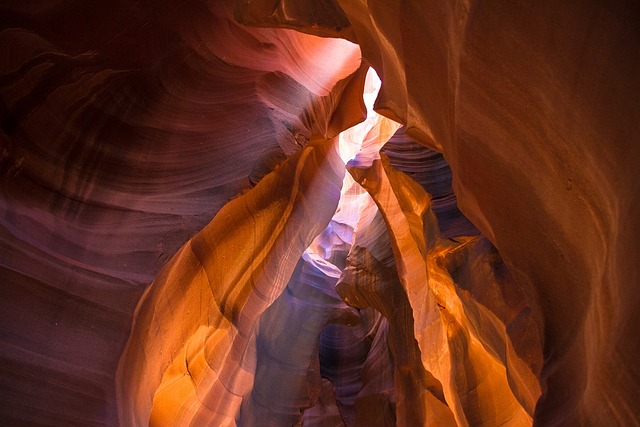
Rock Formations - Page, Arizona - Wave, Antelope Canyon, Lake Powell, Blue Canyon & More
Page, Arizona: The Slot Canyons, the Reservoir, and the Permit Reality Page, Arizona sits on the Colorado Plateau near the Utah border, surrounded by some of the most distinctive sandstone scenery on Earth. The concentration of remarkable formations within 20 kilometres of this small town is unusual even by the standards of the Colorado Plateau, which is itself one of the most geologically...
read more
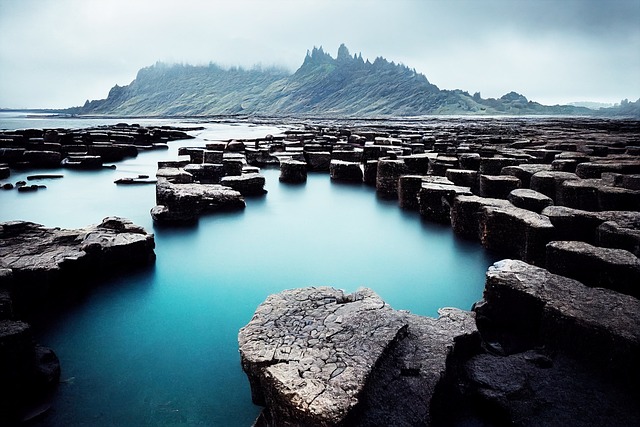
Giants Causeway
Giant’s Causeway: The Basalt Formation on the North Antrim Coast The hexagonal columns at the Giant’s Causeway are not cut or carved. They are a product of thermal contraction physics that produces hexagonal fracturing in cooling lava as reliably as bees produce hexagonal honeycombs in wax: the same geometry arising from completely different processes. Approximately 40,000 interlocking...
read more

Checkpoint Charlie, Berlin
In October 1961, American and Soviet tanks faced each other across a 100-metre gap at Checkpoint Charlie for sixteen hours. This was the closest the two superpowers came to direct military confrontation at any point during the Cold War. Neither side blinked; both sides eventually withdrew. The standoff was triggered by a dispute over whether East German guards had the right to check the identity...
read more
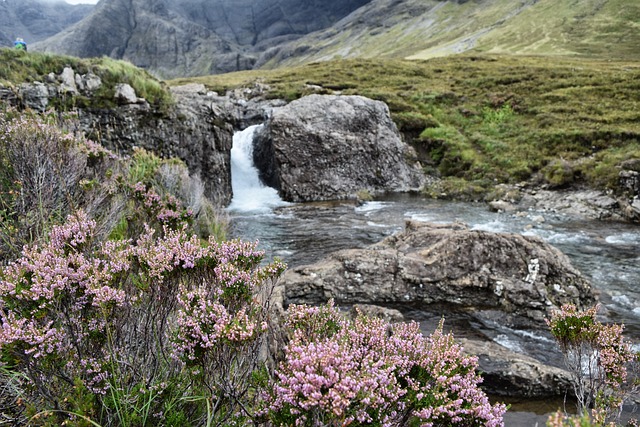
Isle of Wight
Isle of Wight: A Day Out That Earns a Weekend The Island Line trains run between Ryde and Shanklin on rolling stock originally built for the London Underground in 1938 – the same tunnels they were designed for simply got too narrow when modern trains arrived, so the Isle of Wight got them instead. Riding the Island Line is one of those genuinely odd British transport experiences that rewards...
read more
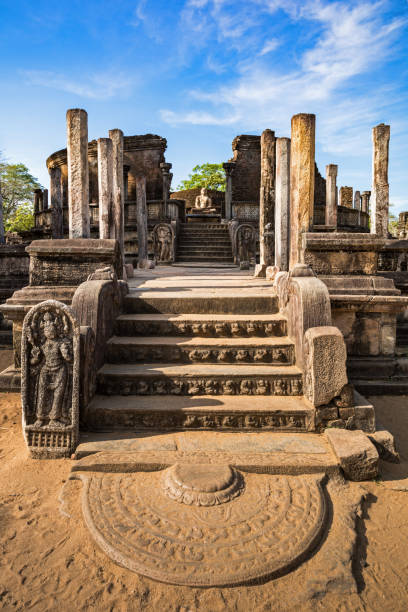
Ancient City of Polonnaruwa
Polonnaruwa: Sri Lanka’s Medieval Capital, Better Than Sigiriya for a Full Day Polonnaruwa is less famous than Sigiriya and that is a mistake made by most Sri Lanka itineraries. The ancient city served as the island’s capital from the 11th to 13th centuries, and what survives across the 3,600-acre site represents a more coherent medieval urban culture than the dramatic rock fortress an...
read more
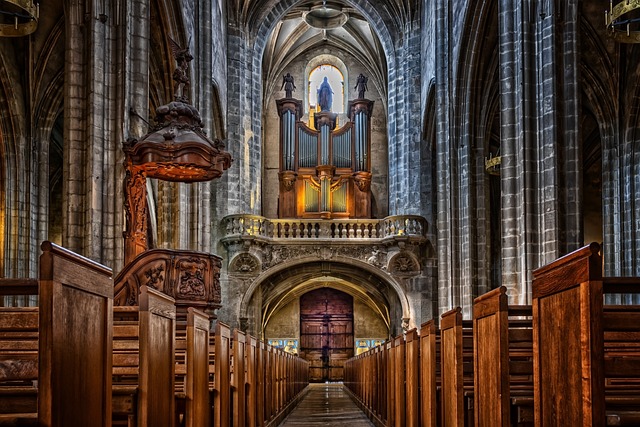
Notre Dame Cathedral at Reims, France
Reims Cathedral: The Coronation Church Reims is 45 minutes from Paris by TGV (Gare de l’Est, roughly every hour, around €25-45 depending on when you book) and is consistently overlooked by tourists who go to Versailles, Giverny, or Mont Saint-Michel for their day trip from the capital. This is a mistake. Reims has a Gothic cathedral arguably more important to French history than Notre-Dame...
read more