Recent Alpaca Travels
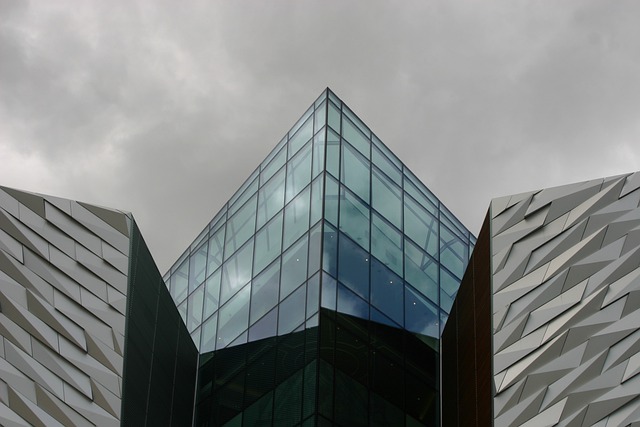
Titanic Belfast Northern Ireland
Titanic Belfast: A Museum That Actually Earns Its Reputation Titanic Belfast opened in 2012 on the centenary of the ship’s sinking and immediately became the most popular tourist attraction in Ireland, north or south. It has held that position since. The building itself is architecturally intentional: four prow-like shapes representing the four ships of the White Star Line’s Olympic...
read more
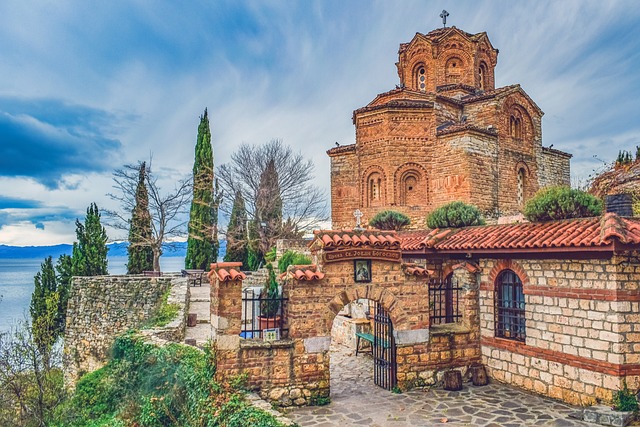
Sveti Jovan Kaneo
Sveti Jovan Kaneo: The Church on the Cliff at Lake Ohrid Every photographer who visits North Macedonia eventually ends up at the same spot on the hill above Sveti Jovan Kaneo, looking down at the small Byzantine church on its stone shelf over the lake. The image is the country’s most reproduced: the domed church in warm terracotta stone, the cliff dropping to blue water, the Albanian...
read more
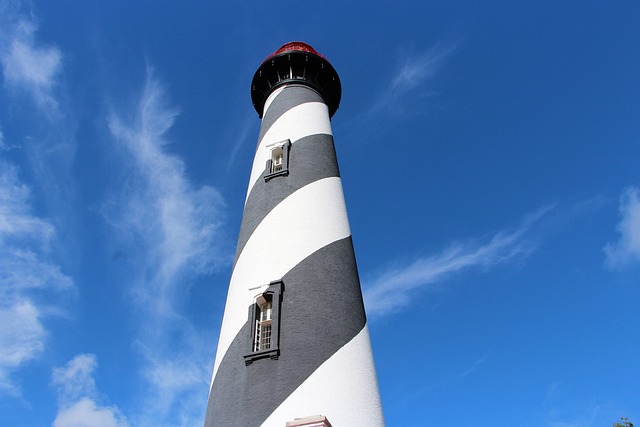
Saint Augustine Florida
Saint Augustine: The Oldest City in the US, With the History to Back It Up Saint Augustine was founded by Spanish colonists in 1565, making it the oldest continuously occupied European settlement in the continental United States, predating Jamestown by 42 years. Henry Flagler built his Ponce de Leon Hotel here in 1888, now Flagler College, to market the city to Northern industrialists as a winter...
read more
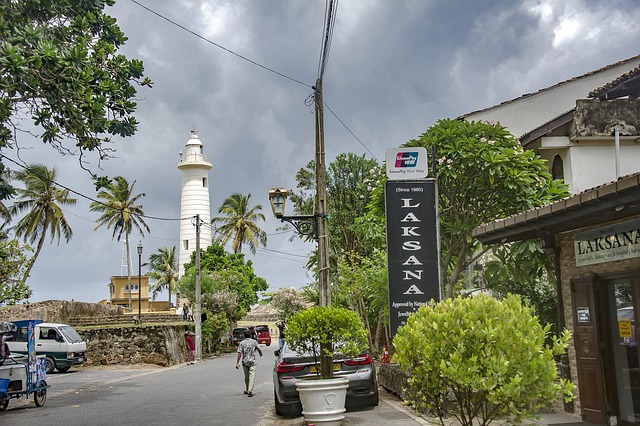
Galle Fort
Galle Fort: The Dutch Colonial Town on Sri Lanka’s South Coast The 2004 Indian Ocean tsunami struck the Sri Lanka coastline with devastating force. Outside the walls of Galle Fort, the surrounding town was destroyed. Inside, the massive Dutch-built fortifications – 17th-century stonework designed to withstand naval bombardment – absorbed the wave and most structures survived....
read more
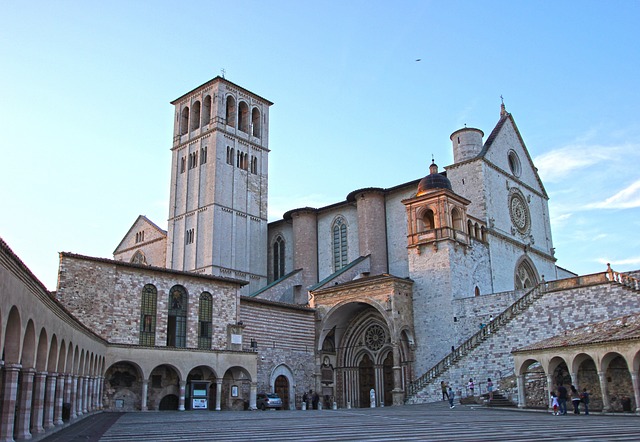
Basilica in Assisi
The Basilica of Saint Francis, Assisi: Giotto’s Revolution in Plaster Two earthquakes in September 1997 killed four people inside the basilica and brought sections of the vaulted ceiling of the Upper Church crashing down, destroying part of a Cimabue fresco in the process. Italian restorers spent years gathering and digitally cataloguing thousands of fresco fragments from the rubble,...
read more
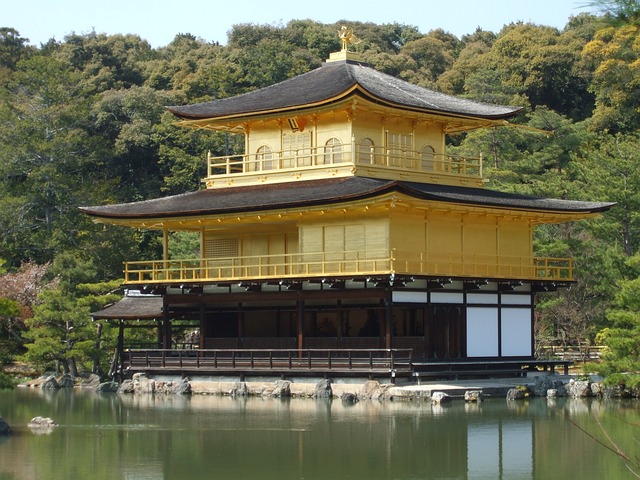
Temple of the Golden Pavilion
Kinkaku-ji: The Most Famous Building in Kyoto and Why You Should Visit It Last In 1950, a novice monk burned Kinkaku-ji to the ground. He had become obsessed with the building’s perfection and decided, in the logic of young men in the grip of ideas they can’t fully articulate, that the only response was to destroy it. He tried and failed to die in the fire. The building was...
read more
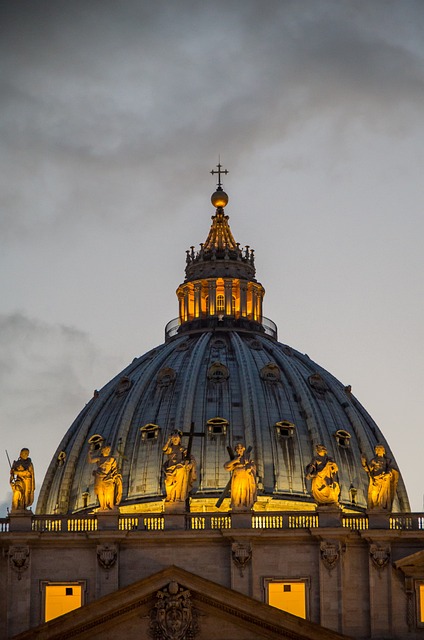
St. Peters Basilica, Vatican
St. Peter’s Basilica: The Largest Church in the World, Free to Enter Let’s settle this first: St. Peter’s Basilica is free to enter. There is no admission fee. The Vatican Museums next door require expensive advance booking and there’s genuine confusion - thousands of visitors every year book museum tickets expecting them to include the Basilica. They do not. The Basilica...
read more
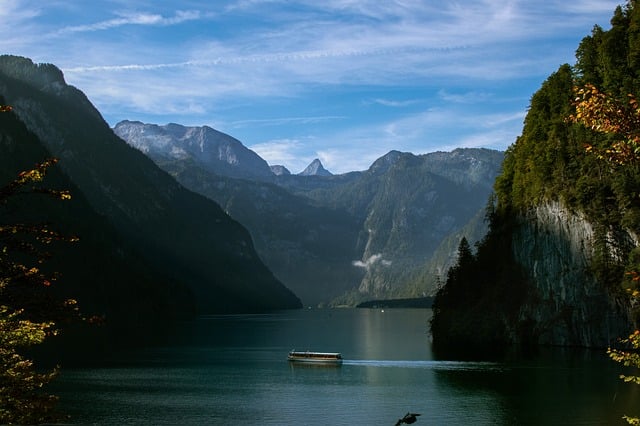
Alps, Europe
The Alps: The Honest Visitor’s Scale Problem The Alps stretch 1,200 kilometres from Nice to Vienna, span eight countries, and contain 82 peaks above 4,000 metres. Any post that tries to cover “the Alps” as a single destination is necessarily providing an overview rather than a guide. What follows is an attempt to give you the most useful orientations within a mountain range that...
read more
San Antonio Texas
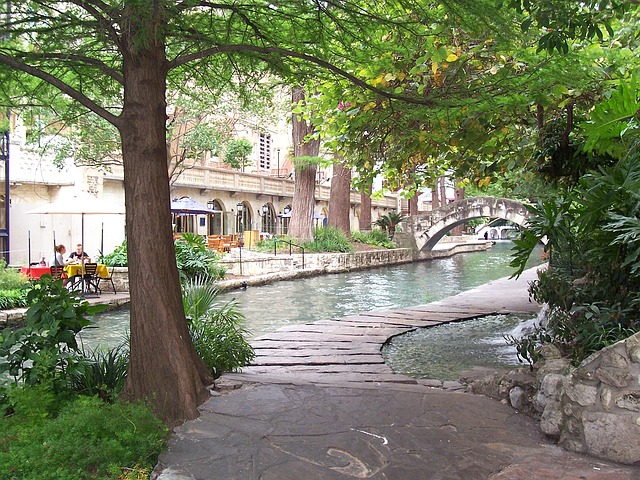
San Antonio: The Alamo, the River Walk, and the Parts That Make It Genuinely Good San Antonio is the seventh-largest city in the United States and the most visited city in Texas. Its tourism identity rests primarily on two things: the Alamo and the River Walk. Both are worth your time. Neither is the whole story, and the city has grown enough in the past decade that the parts beyond the central...
read more
Atacama Desert
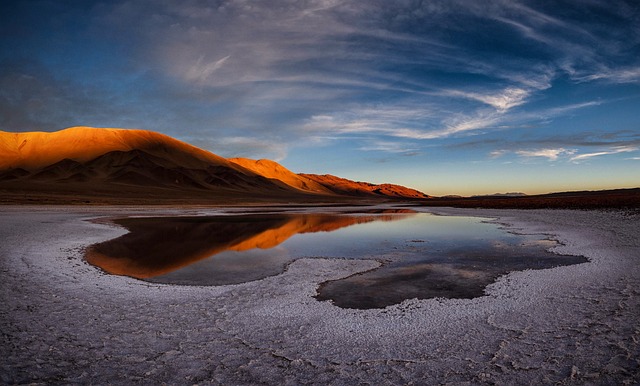
Parts of the Atacama Desert haven’t had measurable rainfall in recorded history. The Atacama Large Millimeter Array (ALMA) observatory on the Puna de Atacama plateau sits at 5,050 metres above sea level, above most of the atmosphere’s water vapour, making it one of the best astronomical observation sites on Earth. These two facts – the aridity and the altitude – produce a...
read more
Socotra Island
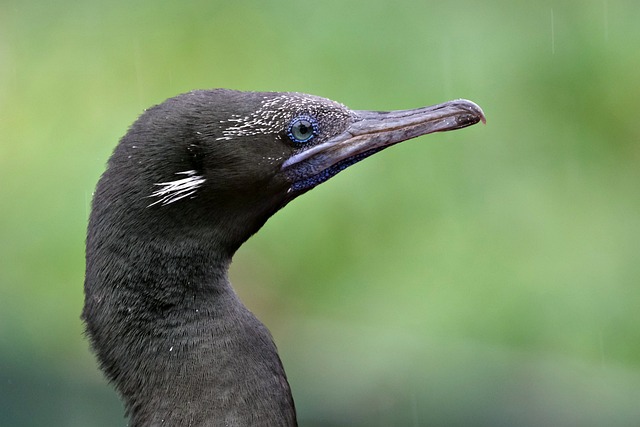
Socotra Island: The Galapagos of the Indian Ocean, With Some Caveats The Dragon Blood Tree (Dracaena cinnabari) looks like a living umbrella that forgot to fold. Its canopy is dense and flat, its branches silver-grey and waxy, and when you cut the bark it bleeds a deep crimson resin that has been collected for use in dye, varnish, and traditional medicine for thousands of years. Stands of dragon...
read more
Chartwell House
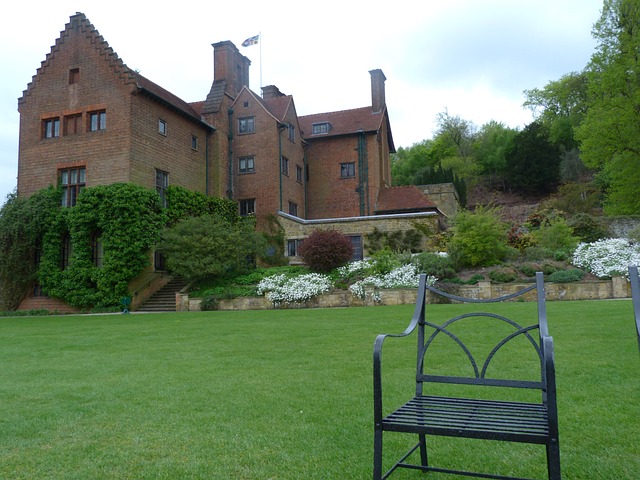
Chartwell House: Churchill’s Country Home in Kent Churchill bought Chartwell in 1922 for its views across the Weald of Kent, over the explicit objections of Clementine, who thought the house was too expensive and needed too much work. He won the argument, spent the next forty years there, and made it the most personally revealing historic house in England. What distinguishes Chartwell from a...
read more
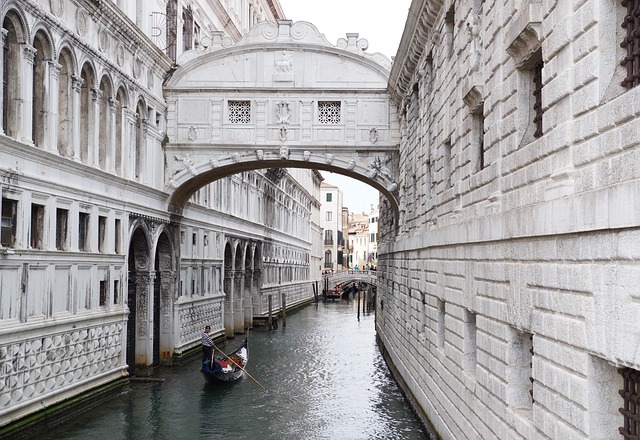
Bridge of Sighs
The name is the problem. The Bridge of Sighs in Venice sounds deeply romantic – prisoners sighing as they glimpsed freedom for the last time through the bridge’s small windows – and the Romantic poets leaned hard into this interpretation (Byron referred to it in Childe Harold’s Pilgrimage in 1812). In reality, the bridge was built in 1602 to connect the Doge’s Palace...
read more
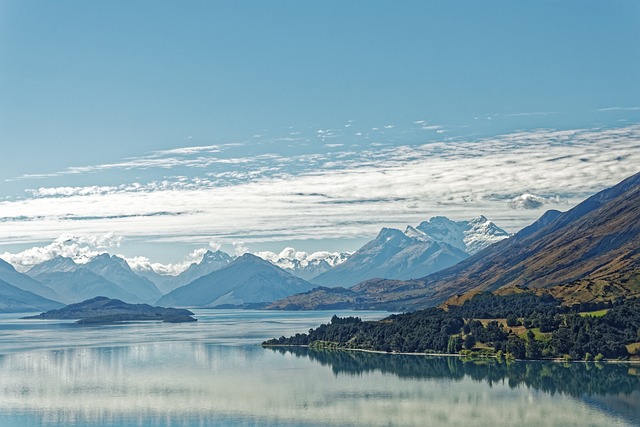
Lake Wakatipu
Lake Wakatipu and Queenstown: The Scenery Is Real Lake Wakatipu has a geological peculiarity: it’s one of the deepest lakes in the world by lake-floor depth below sea level. The lake sits at 310 metres above sea level, and the deepest point of the lake floor is 80 metres below sea level – meaning the bottom is lower than the ocean. The long narrow trough was carved by glacier action...
read more
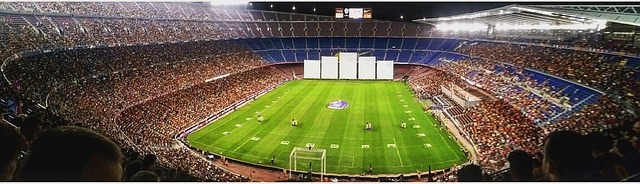
Camp Nou
Camp Nou is currently undergoing a major renovation that is one of the most ambitious stadium reconstruction projects in European football. The Espai Barca project, which began with structural work from 2023, will transform the existing 99,354-seat stadium into a modern covered facility with a capacity of approximately 105,000. The renovation is being done in stages while keeping the stadium...
read more
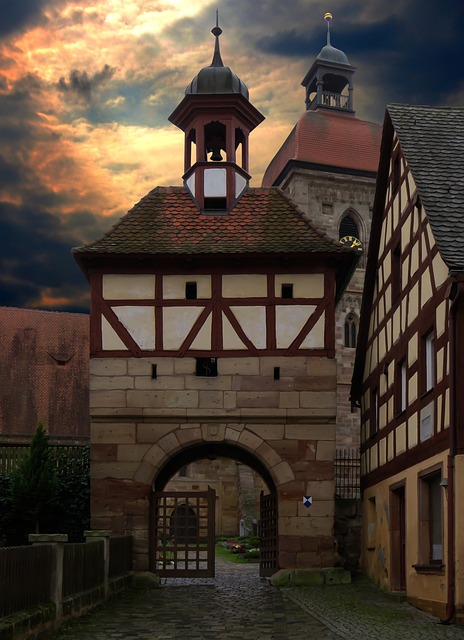
Belém Tower
The Torre de Belem has been closed for restoration since late 2025, which is worth knowing before you plan your Lisbon visit around it. The Mosteiro dos Jeronimos, 600 metres east along the waterfront, is open and is the better building in any case. But the Tower’s current closure makes the Belem district’s other attractions – the Padrao dos Descobrimentos, the Pasteis de Belem...
read more
Roraima
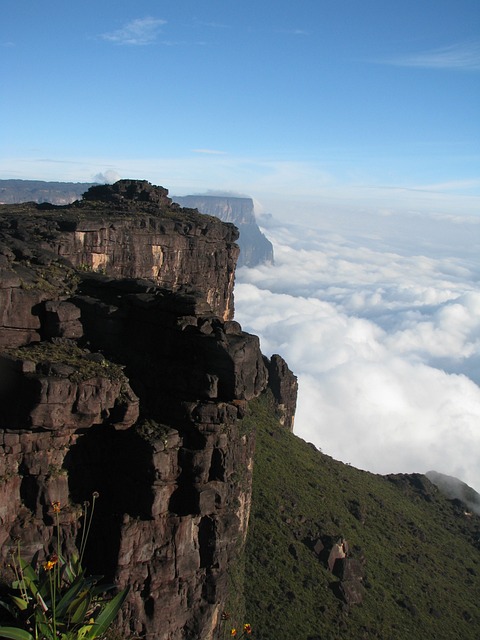
Mount Roraima: Venezuela’s Impossible Summit Mount Roraima sits at the tripoint where Venezuela, Brazil, and Guyana converge, at 2,810 metres the highest of the tepuis – those ancient flat-topped sandstone mountains that have been isolated from the surrounding landscape long enough for evolution to run its own experiments. The carnivorous plants, the black frogs (Oreophrynella...
read more
Pantheon
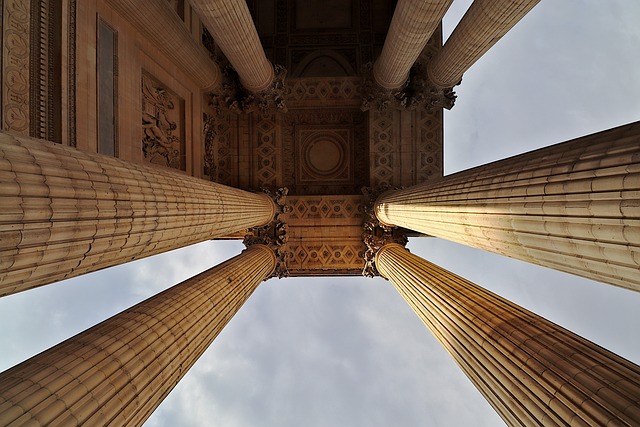
The Pantheon, Rome: Built in 125 AD, Still Standing The Pantheon is the best-preserved ancient building in the world. Originally built as a temple to all the gods of Rome around 125 AD under Hadrian, it was converted to a Christian church in 609 AD and has been in continuous use ever since. That uninterrupted occupancy is the reason it survived while most of antiquity crumbled: a building in...
read more
Mt.Fuji
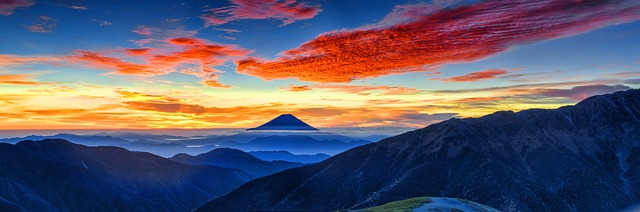
Mount Fuji: What the Climb is Actually Like Mount Fuji is the most climbed mountain in the world. About 300,000 people summit it every year during the official climbing season (early July through mid-September). It is not a technical climb – no ropes, no ice axes – but it is a serious 5-8 hour ascent on loose volcanic scree at altitude, frequently done overnight to reach the summit for...
read more
Oia Santorini
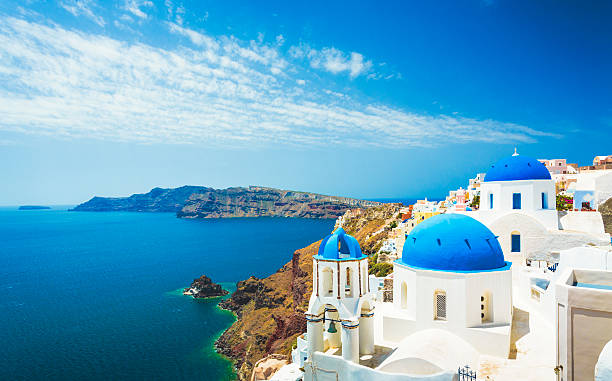
Oia, Santorini: The Postcard Is Real, the Crowds Are More So Oia is the postcard village of Santorini: white cube houses, blue domes, caldera edge. The images you’ve seen are accurate. What the images don’t convey is that from June through August, the 3,000 people who live here share the main pedestrian lane with somewhere around 10,000 daily visitors, most of them moving in the same...
read more
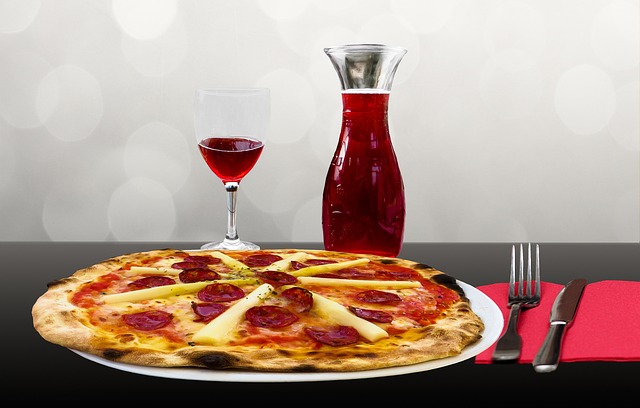
Pizza in Naples Italy
Pizza in Naples: What to Order, Where to Go, and What to Ignore In 2017, UNESCO added Neapolitan pizza-making to its Intangible Cultural Heritage list. This is either a fitting recognition of a centuries-old tradition or the most Neapolitan thing that has ever happened to pizza – the city’s craftsmen finally getting international institutional validation for something they were already...
read more
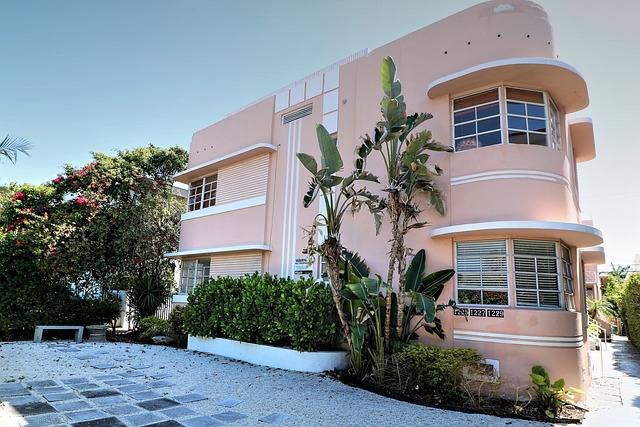
Art Deco Architecture in South Beach, Miami
South Beach’s Art Deco Historic District represents the largest collection of 1930s-40s architecture in the world. Around 800 buildings survive from the period when Miami Beach was transforming itself from a winter resort for the wealthy into a major American leisure destination. The buildings are small by modern standards – typically three to four storeys – with pastel facades,...
read more
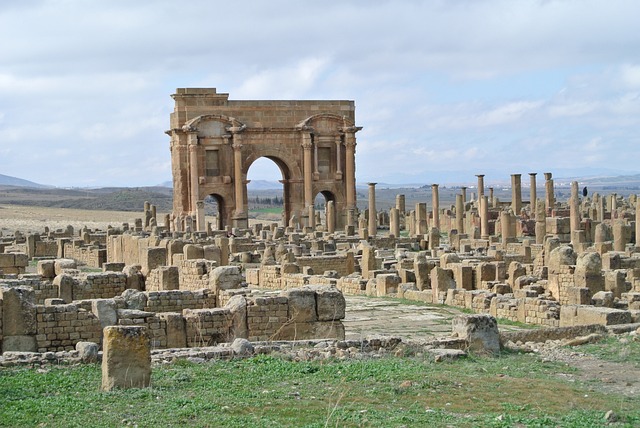
Timgad
Timgad: The Best-Preserved Roman City Nobody Has Heard Of Pompeii gets a million visitors a year. Timgad, which some historians argue is better preserved, gets a fraction of that. The Roman city of Thamugadi, founded in 100 AD under the Emperor Trajan as a settlement for legionary veterans, was abandoned around the 7th century and covered by sand blown from the Algerian high plateau. When French...
read more
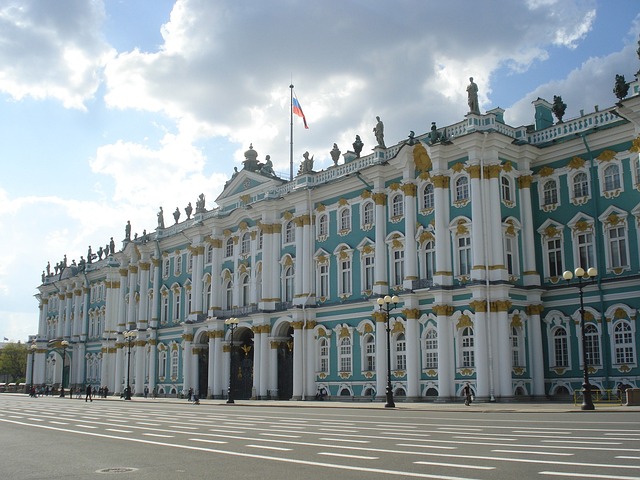
The Hermitage, St. Petersburg
The Hermitage, St. Petersburg: Too Big for One Day Walking every gallery in the Hermitage would cover approximately 22 kilometres. Nobody does this. The museum holds around 3 million objects across five interconnected buildings on the Palace Embankment in St. Petersburg, and the building itself is as significant as what’s inside it: the Winter Palace, the baroque primary residence of Russian...
read more
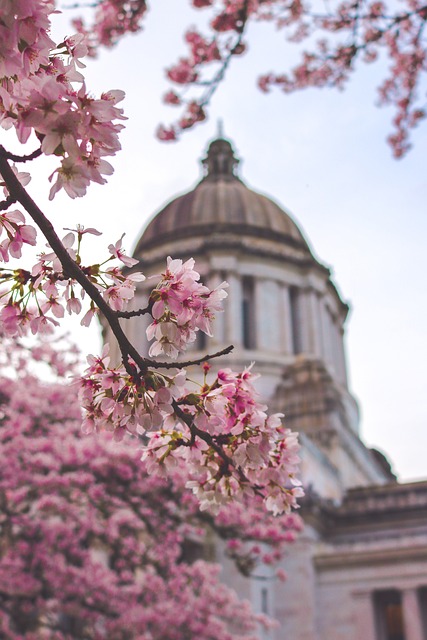
The Washington Monument
The Washington Monument: Getting Inside, and What Surrounds It The Washington Monument stands 169.3 metres (555 feet and 5/8 of an inch) on the National Mall and was the tallest man-made structure on Earth when it was completed in 1884. It remains the tallest stone structure in the world and the tallest obelisk anywhere. If you look carefully at the exterior marble, there is a slight colour...
read more
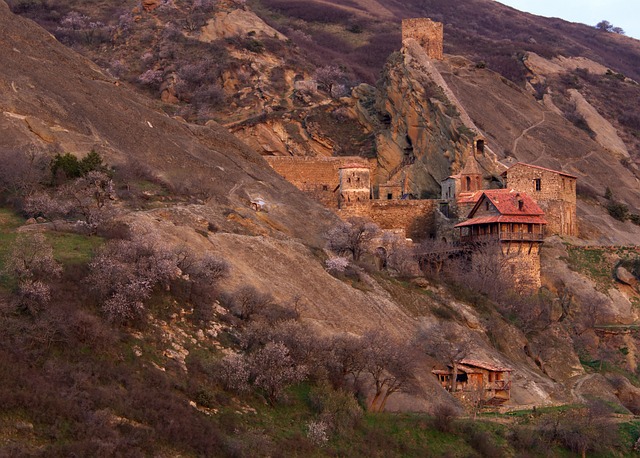
David Gareja Monastery Complex
David Gareja sits about 110km southeast of Tbilisi on the edge of the Gareja Desert, a semi-arid plateau that spills into Azerbaijan. Getting there takes roughly 2 hours by car on roads that are fine until the last stretch, which is dirt track. There is no public transport that goes all the way; shared taxis from Tbilisi’s Isani or Samgori metro stations serve nearby villages, but...
read more
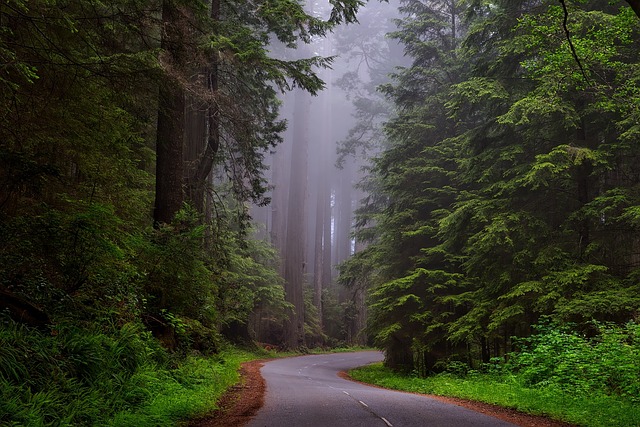
Redwoods, Whakarewarewa Forest
Redwoods at Whakarewarewa: California Trees in a Rotorua Forest In 1901, a small experimental plot of California coast redwoods was planted on the edge of Whakarewarewa State Forest near Rotorua, New Zealand. The experiment was straightforward: the New Zealand Forest Service wanted to know whether redwoods would grow in the North Island’s volcanic soil. They grew. By the 2020s, the original...
read more
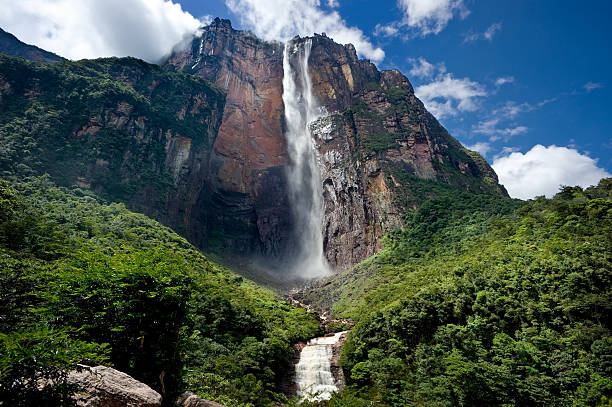
Angel Falls
Angel Falls: The Highest Waterfall in the World, Reached by Canoe In 1937, American aviator Jimmie Angel crash-landed his monoplane on the summit plateau of Auyan-tepui in southeastern Venezuela while searching for gold. He and his crew were stranded for 11 days before walking out through the jungle. The waterfall he had spotted from the air and reported was later measured at 979 metres, making it...
read more
Samarkand and Bukhara, Uzbekistan
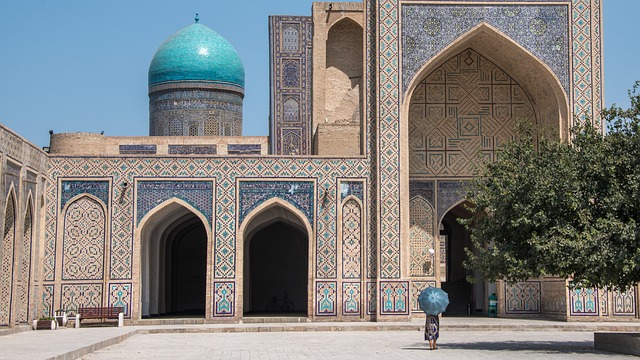
Samarkand and Bukhara: The Silk Road Cities That Survive Uzbekistan opened significantly to tourism after 2016 when the government changed and visa restrictions eased. The country has seen substantial visitor growth since then, and the infrastructure in both Samarkand and Bukhara has developed accordingly. These cities are no longer the challenging off-the-beaten-path destinations they were in the...
read more
Ayers Rock
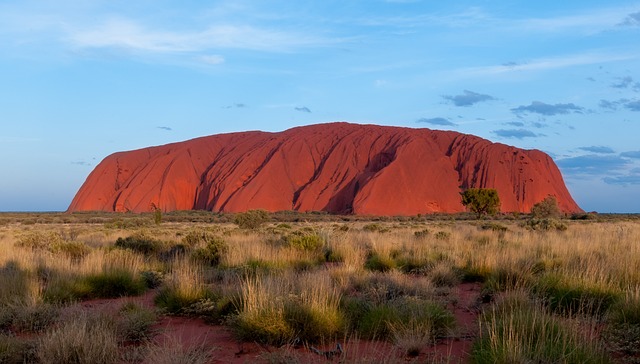
Climbing Uluru was permanently closed in October 2019. This is worth knowing before you arrive with expectations shaped by older photographs and guidebooks showing visitors on the rock face. The Anangu people – the traditional custodians of the land – had been asking for the closure for decades. The climb is not a tradition or a right of passage; it is something that was permitted over...
read more
Hermitage Museum
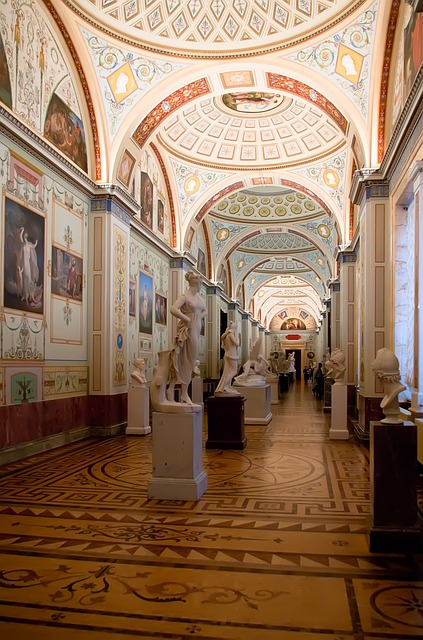
The Hermitage: Three Million Objects in Six Buildings on the Neva Catherine the Great started the collection in 1764 by purchasing 225 Dutch and Flemish paintings from a Berlin merchant to settle a debt. The paintings were housed in a small hermitage building (a private retreat) adjacent to the Winter Palace, which is the origin of the museum’s name. The 3 million objects that followed over...
read more

Ishak Pasa Sarayi
İshak Paşa Sarayı: An Ottoman Palace Against Mount Ararat İshak Paşa Sarayı sits on a crag at 1,685 metres above sea level outside Doğubayazıt in eastern Turkey, and on a clear day the backdrop is Mount Ararat, the 5,137-metre stratovolcano whose white summit dominates the landscape from Iran to Armenia. The juxtaposition of the ornate palace and the mountain is one of the more dramatic...
read more
The Vatican
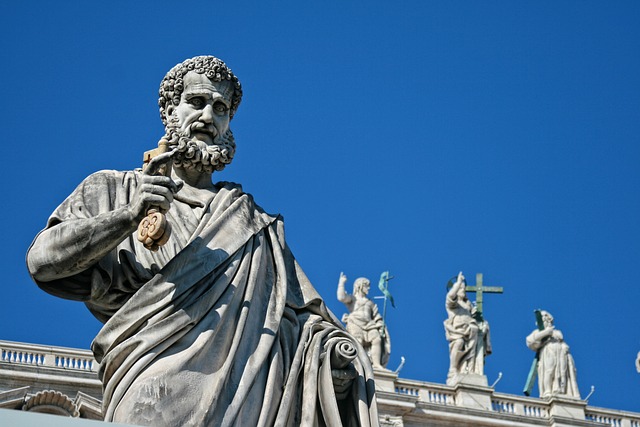
The Vatican: How to See It Without Losing Your Mind Seven million people visit the Vatican Museums each year. Most of them want the Sistine Chapel, which sits at the far end of a 7km circuit. To reach it, you funnel through the same corridors as every other visitor, past maps and tapestries and the Gallery of Candelabra, until you arrive in a room packed so tightly that the guards spend most of...
read more
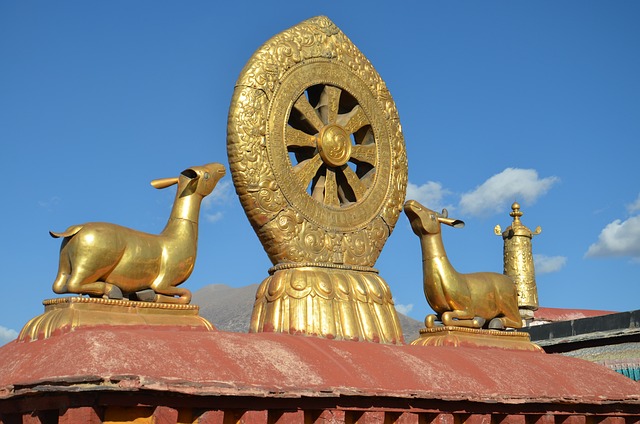
Jokhang Temple Lhasa
Important: Tibet access requires current research. Tibet Autonomous Region requires a separate Tibet Travel Permit in addition to a Chinese visa. The permit must be arranged through a licensed Tibetan travel agency before arriving in Tibet; it cannot be obtained on arrival. The region closes to foreign visitors at politically sensitive dates (the anniversary of the 1959 uprising in March, Tibetan...
read more
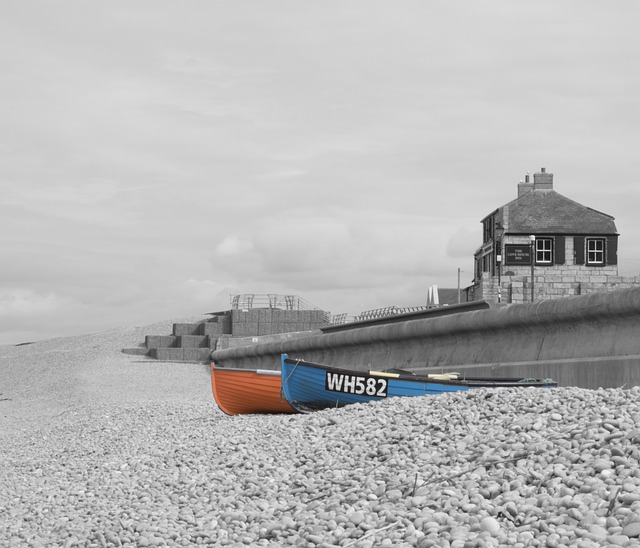
Chesil Beach
Discover the Beauty of Chesil Beach Located on the Dorset coastline in southern England, Chesil Beach is one of the most remarkable landforms in the British Isles. This 18-mile shingle barrier beach stretches from the Isle of Portland in the east to West Bay in the west, forming a continuous ridge of flint and chert pebbles that has been shaped by wave action over thousands of years. Behind the...
read more
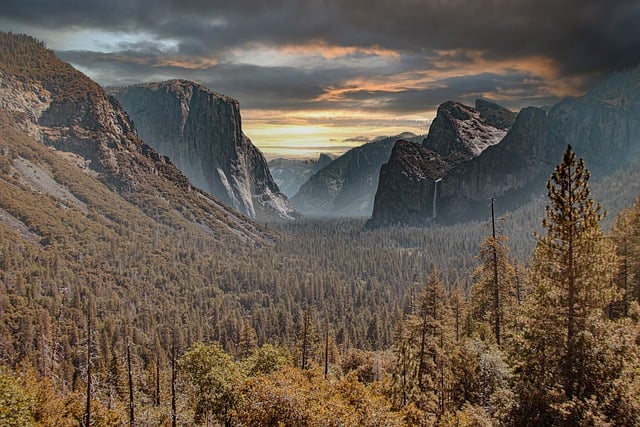
Whitsunday Islands National Park (QLD)
Whitsunday Islands: 74 Islands, One Perfect Beach The Whitsunday Islands sit off the central Queensland coast halfway between Brisbane and Cairns, scattered across the Coral Sea in a rough 100-kilometre arc. Of the 74 islands, most are uninhabited national park. About a dozen are accessible by boat. One, Whitsunday Island itself, has a beach that appears in Australian tourism campaigns so reliably...
read more
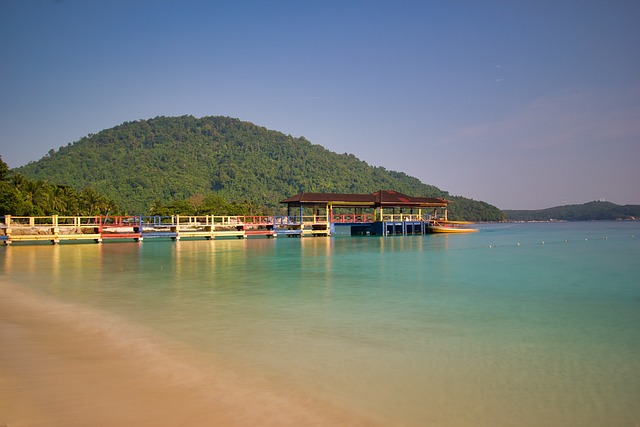
Perhentian Island
Perhentian Islands: Southeast Asia’s Best Budget Dive Destination The Perhentian Islands (Perhentian Besar, the big island, and Perhentian Kecil, the small one) sit off northeast Malaysia in Terengganu, 21km from the mainland. The marine park contains some of the best snorkelling and diving in Southeast Asia at prices that make Bali look expensive. Water visibility regularly exceeds 20...
read more
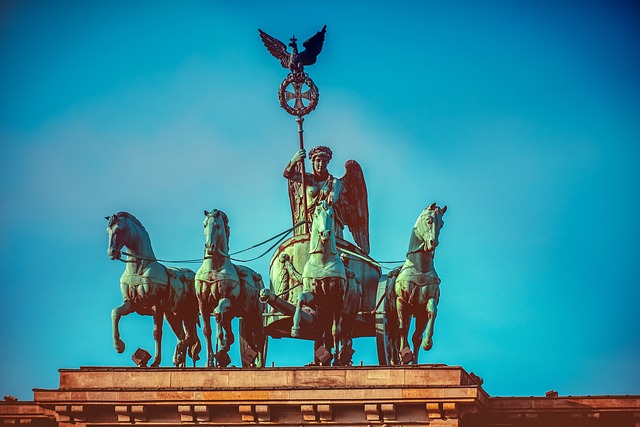
Brandenburg Gate, Berlin
The Brandenburg Gate was inaccessible for 28 years. It stood precisely on the border between East and West Berlin, and neither side could approach it: the Wall ran directly beside it on the east, and the death strip between the Wall and East Berlin proper made the immediate area a killing zone. For nearly three decades, the gate – built in 1791 as a symbol of Prussian power and named after...
read more
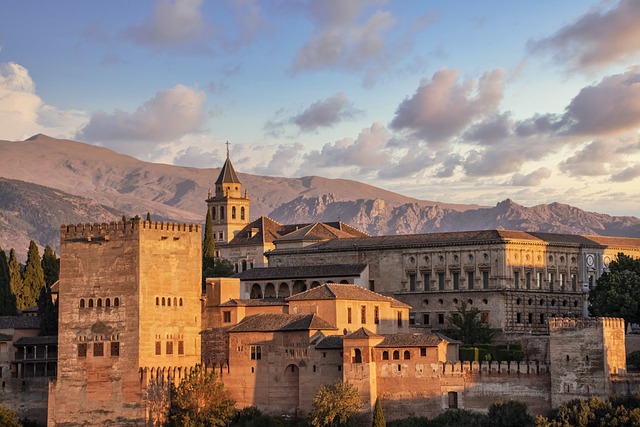
. Alhambra
The Alhambra: Book Months Ahead, Then Give It a Full Day The Alhambra sells out. Not occasionally, not just in high summer, but reliably and well in advance for the Nasrid Palaces - the heart of the complex that most people come specifically to see. Tickets are available through the official website (alhambra-patronato.es) and sell in timed entry slots that go 60 days ahead. When those slots are...
read more
Valle De La Luna San Pedro De Atacama Chile
Valle de la Luna: Atacama Geology at Its Most Surreal The Atacama Desert in northern Chile is the driest non-polar desert on Earth. Parts of it receive less than 1mm of rainfall per year. The combination of this extreme aridity, altitude (around 2,400 metres above sea level), and the action of wind and occasional flash floods on salt-rich sedimentary layers has produced a landscape that erodes...
read more
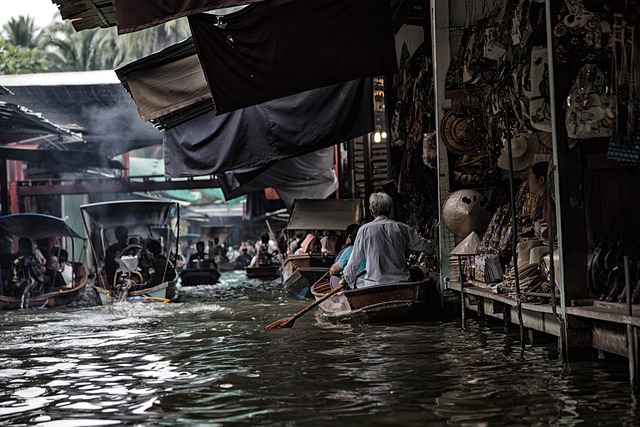
Chatuchak Weekend Market, Bangkok
Chatuchak Weekend Market, Bangkok The first thing you notice, walking in from the Mo Chit BTS station at 9am on a Saturday, is that you have already underestimated this market. Fifteen thousand stalls across 35 acres and up to 200,000 visitors every weekend: the numbers are correct, but they don’t translate until you’re standing at an intersection of covered corridors with no clear...
read more
Cape Cod
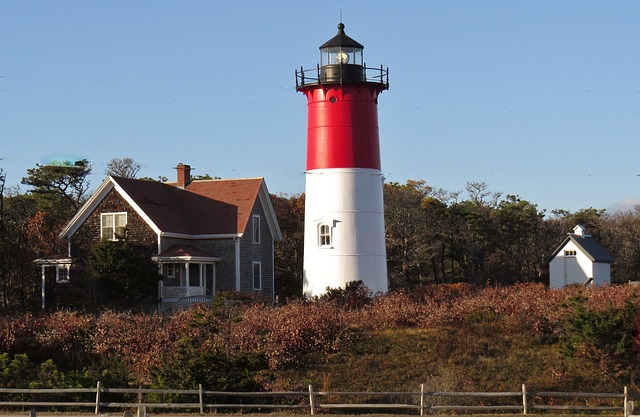
Cape Cod: The Crowds Are the Point, Until They’re Not Here is something the Cape Cod tourism industry will never tell you: the experience degrades measurably as you move toward July Fourth weekend, and the best version of it happens in May and September, when the water is still swimmable (the Gulf Stream keeps it warmer than you’d expect), the restaurants actually have tables...
read more
Arenal Volcano
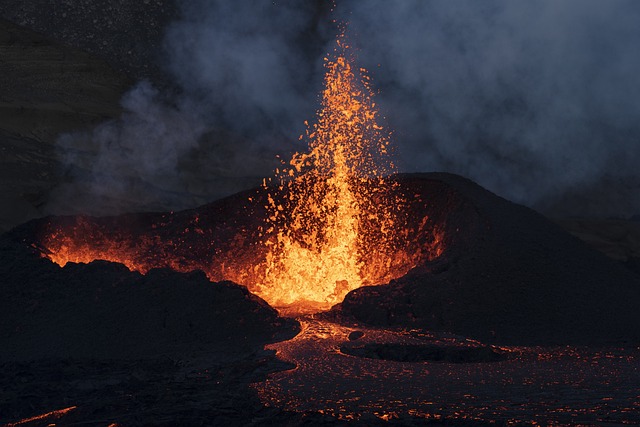
Arenal hasn’t erupted since 2010, and that’s either a relief or a disappointment depending on why you came. The volcano spent most of the 20th century in full theatrical mode – lava flows, ash clouds, pyroclastic drama – before going quiet. What remains is a near-perfect 1,633-metre cone rising from the Alajuela highlands of northwestern Costa Rica, still steaming...
read more
Karnak, Egypt
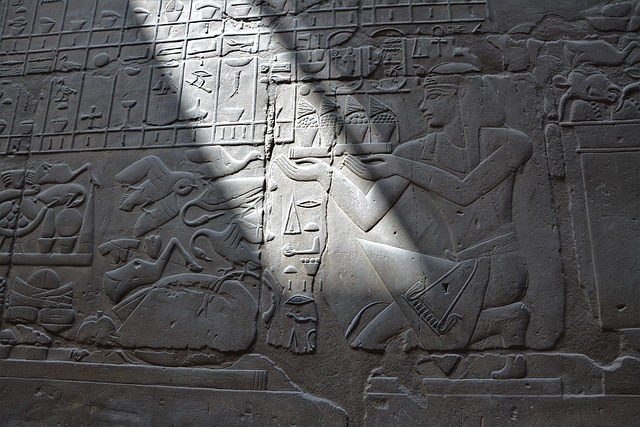
Karnak: The Largest Ancient Religious Complex in the World, and It Needs Half a Day The Karnak Temple Complex at Luxor is not a single temple but a collection of temples, chapels, pylons, and structures built across approximately 2,000 years. Construction began around 2000 BC in the Middle Kingdom and continued through the New Kingdom, the Late Period, and the Ptolemaic era. The complex covers...
read more
Anakena Beach Easter Island
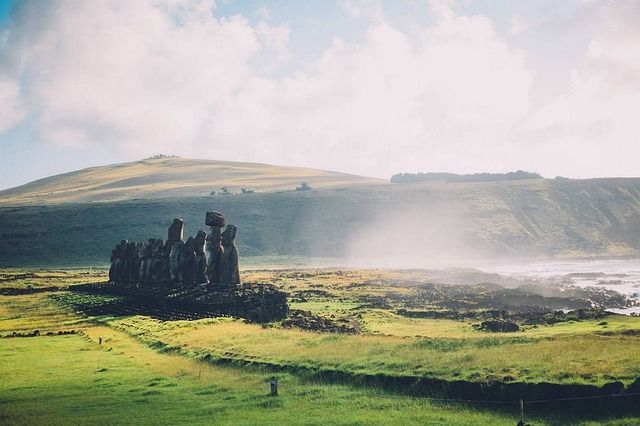
Anakena Beach: Where the Moai Meet the Pacific Seven moai stand with their backs to the ocean at Ahu Nau Nau, looking inland as all moai do, watching over the white coral sand and the coconut palms at Anakena Beach. This is reportedly where the legendary first king of Rapa Nui, Hotu Matu’a, landed his canoes around 1200 CE after the long crossing from eastern Polynesia. Whether that...
read more

Churchill
Churchill, Manitoba: Polar Bears, Beluga Whales, and Aurora Churchill, Manitoba has a population of around 900 people and is the polar bear capital of the world – not as a tourism slogan but as a geographic reality. Every autumn, between 800 and 1,200 polar bears congregate on the western shore of Hudson Bay near the town, waiting for the sea ice to form so they can return to hunting seals....
read more
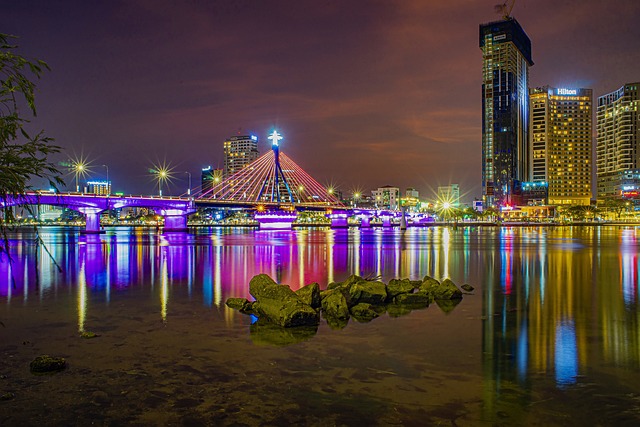
Da Nang
Da Nang: Vietnam’s Most Liveable City Done Right Da Nang’s position on Vietnam’s central coast makes it an unusually practical base. Hoi An is 30km south, Hue is 100km northwest through mountain passes, and the city itself has 30km of beach running through its urban centre. Vietnamese domestic travellers have always known this; international visitors are recognising it more...
read more
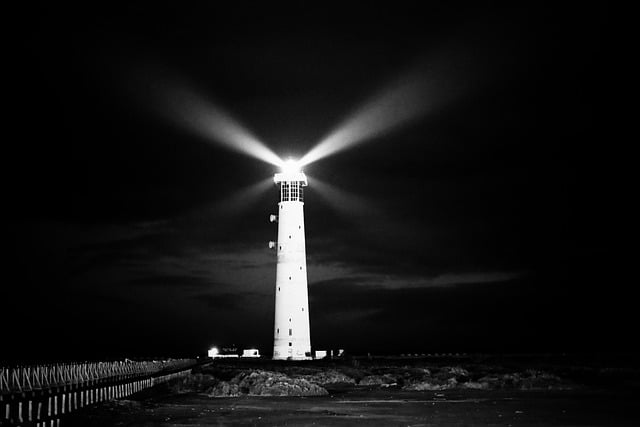
Brecon Beacons
Bannau Brycheiniog: The National Park That Changed Its Name (and Why That Matters) In April 2023, the Brecon Beacons National Park formally changed its name to Bannau Brycheiniog (pronounced Ban-eye Bruck-ein-iog, meaning “The Peaks of Brychan’s Kingdom”), abandoning the English name that had been in use since the park was established in 1957. The reasoning was simple: the...
read more
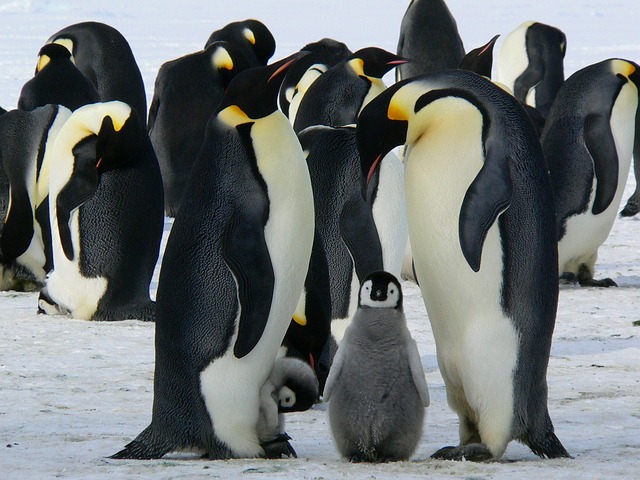
Antartica
The Drake Passage earns its reputation about 30% of the time, according to the expedition operators who cross it regularly. The other 70% of crossings run through what sailors call the Drake Lake – two days of open ocean that are rough but manageable, with albatrosses flying parallel to the ship and the temperature dropping noticeably as you push south. When the Drake Shake hits, however, it...
read more
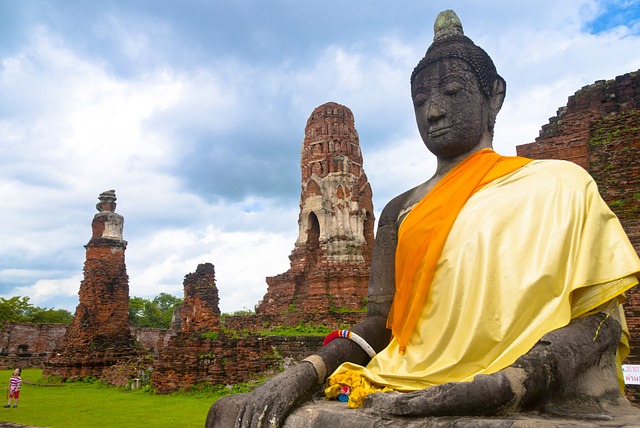
Ayuthaya Thailand
The Buddha head at Wat Mahathat – enclosed in fig tree roots that grew around it over centuries, the stone face looking out from between the serpentine wooden walls – is one of the more reproduced images in Southeast Asian travel. The arrangement is accidental: after the Burmese sacked Ayutthaya in 1767, destroying the capital and leaving statues decapitated, a fig tree slowly grew...
read more