Recent Alpaca Travels
Queenstown, New Zealand
Queenstown: Very Good at What It Does Queenstown is very good at extracting money from tourists who are having too much fun to notice. This is not a complaint. The scenery on Lake Wakatipu with the Remarkables range above is among the best in the Southern Hemisphere, and the infrastructure for adventure activities is legitimately world-class. Go in knowing it’s expensive and you’ll...
read more
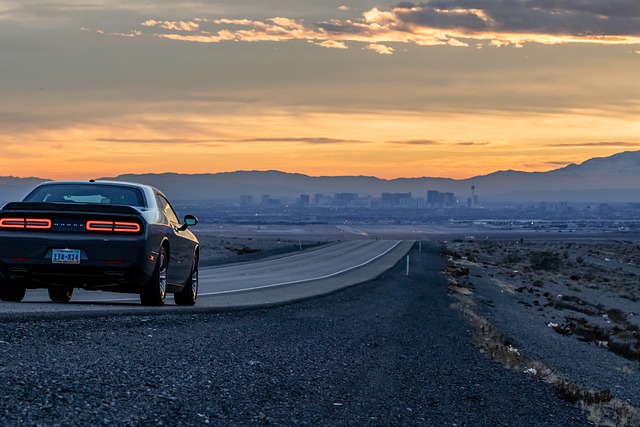
Las Vegas Strip (Las Vegas, NV)
Las Vegas: Making Sense of Four Miles of Deliberate Excess The Las Vegas Strip is not actually in Las Vegas. The 4.2-mile stretch of Las Vegas Boulevard South runs through unincorporated Clark County, which is why the hotels were built to the scale they were – no municipal planning restrictions, no zoning fights, just desert real estate and capital. The legal quirk shaped everything. The...
read more
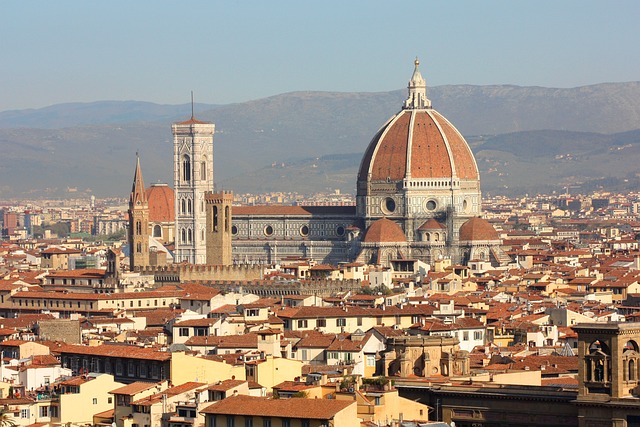
Duomo, Florence
The Duomo, Florence: What to Actually Do When You Get There When Brunelleschi completed his dome in 1436, it was the largest in the world and no one had any real confidence it would work. He refused to share his construction methods, worked without external scaffolding using a system of internal bracing no one had used since antiquity, and supervised the entire project personally over 16 years....
read more
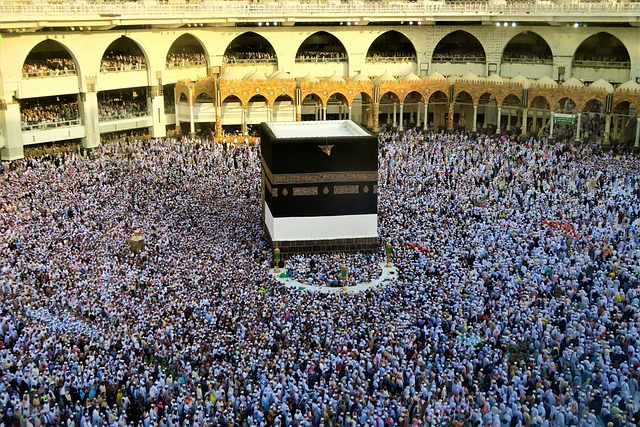
Kaaba
The Kaaba and Masjid al-Haram: A Guide for Muslim Travellers Mecca is the holiest city in Islam and entry is restricted to Muslims. Non-Muslims are not permitted to enter the city limits, enforced at checkpoints on all approach roads. This is not a grey area and is not negotiable. Any practical guide to visiting Mecca and the Kaaba is therefore for Muslim travellers specifically - those performing...
read more
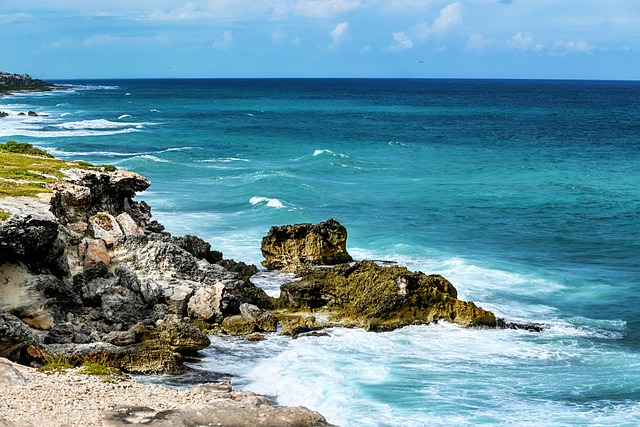
Isla Mujeres
Isla Mujeres: Cancun’s Better Neighbour Isla Mujeres is 8 kilometres offshore from Cancun’s Hotel Zone. The ferry takes 15-30 minutes depending on your departure point. That small distance produces a disproportionate change: a 7-kilometre island with no large resort towers, a village centre you can walk across in 10 minutes, and an atmosphere that the mainland strip definitively does...
read more
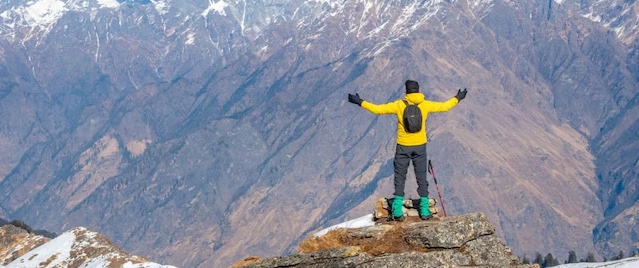
Centrul Vechi
Centrul Vechi: Bucharest’s Old Town Has More Layers Than the Party Scene Suggests Friday at midnight in Centrul Vechi and the cobblestone streets of Lipscani are at full roar: outdoor terraces packed, music bleeding from three venues at once, the kind of controlled chaos that Bucharest does better than most European capitals at a fraction of the price. Come back at 10am on a Tuesday and...
read more
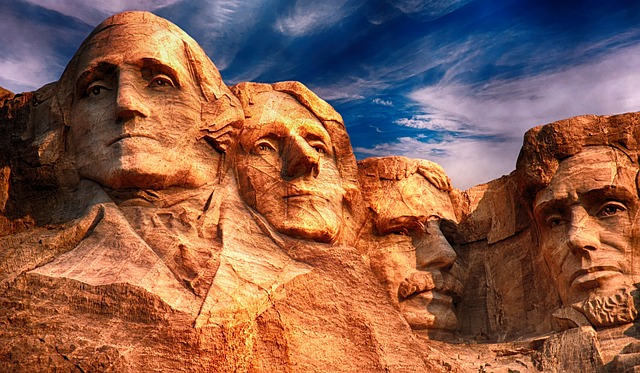
Mount Rushmore
Mount Rushmore: Sixty-Foot Presidents in the Black Hills The four faces are 18 metres tall each, and you don’t really grasp the scale until you’re standing on the Presidential Trail and your field of vision narrows to just Lincoln’s left nostril. Gutzon Borglum dynamited 450,000 tons of granite to make this happen, starting in 1927 and running until 1941, the year he died. His...
read more
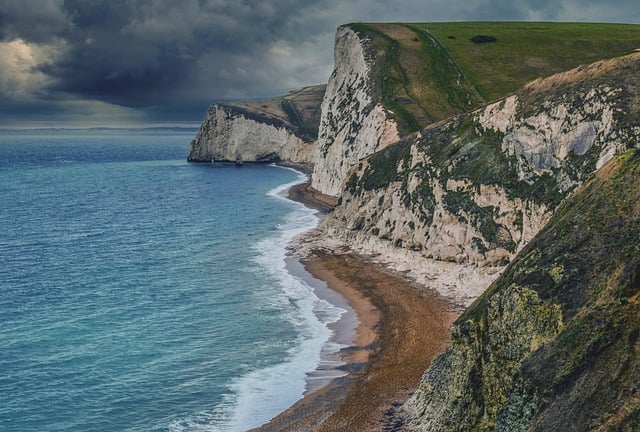
Jurassic Coast, England
The Jurassic Coast: Fossil Hunting Without the Fuss Mary Anning found the first complete ichthyosaur skeleton in the shale cliffs above Black Ven, east of Lyme Regis, in 1811-1812. She was 12 years old. The fossils she collected and sold built her scientific reputation and contributed directly to several foundational debates in 19th-century palaeontology, while the scientific establishment of the...
read more
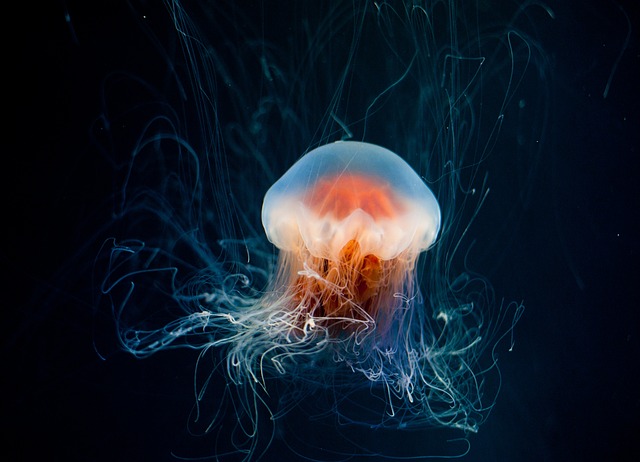
Jellyfish Lake Eil Malk Palau
Jellyfish Lake: Palau’s Strangest and Most Memorable Swimming Spot Several million golden jellyfish live in Jellyfish Lake on Eil Malk island in Palau’s Rock Islands. Because the lake was isolated from the ocean roughly 12,000 years ago and has no predators, the jellyfish (Mastigias papua etpisoni) lost their sting over millennia – evolution has no reason to maintain a defensive...
read more
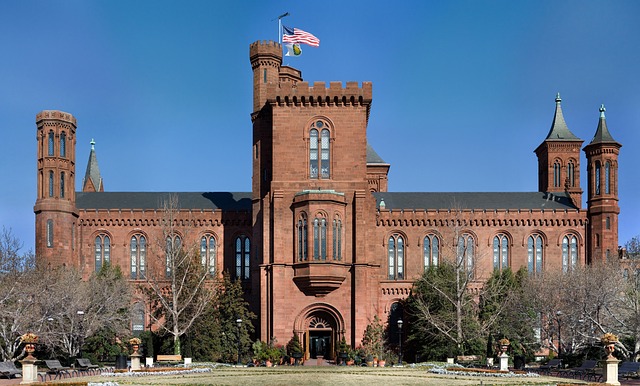
Smithsonian Institution
The Smithsonian: Which Museums Are Actually Worth Your Time Nineteen museums, nine research centres, and a zoo: all of the DC museums on the National Mall are free, and the correct response to this is not to try to see all of them. Trying to see more than two Smithsonian museums in a day produces museum fatigue, an overloaded mind, and nothing retained. The question is not whether to go. The...
read more
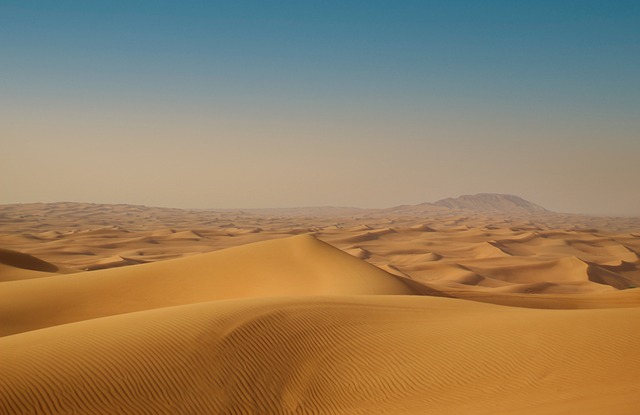
Dubai
Dubai is not subtle, and it doesn’t pretend to be. It built an indoor ski slope in a shopping mall, put a seven-star hotel on a man-made island, and then kept going. You can find it tacky or you can enjoy the spectacle. Both responses are defensible.
The city also has a genuine older character that most visitors miss entirely: the waterfront gold and spice souks of Deira and Al Fahidi, the...
read more
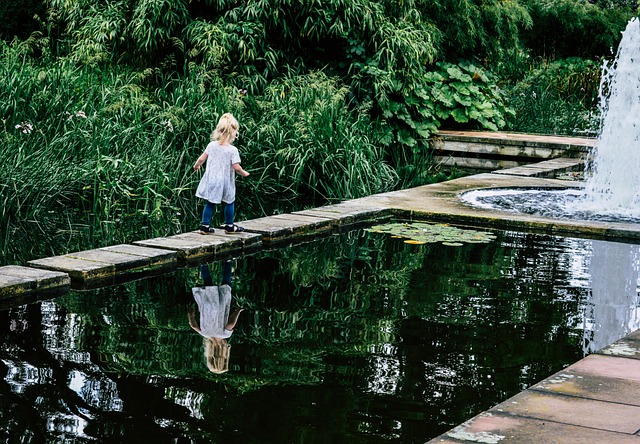
Studley Royal Park & Fountains Abbey
Studley Royal Park and Fountains Abbey, North Yorkshire Fountains Abbey is the largest and most complete ruined abbey in England. That is not a small claim given the number of ruined abbeys England has on offer. Founded by Cistercian monks in 1132 and dissolved by Henry VIII in 1539, the sandstone complex covers several acres of the River Skell valley in North Yorkshire. What makes it exceptional...
read more
Lisse
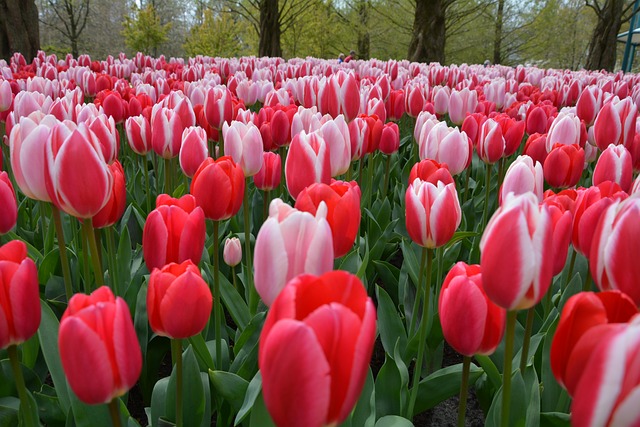
Lisse and the Keukenhof: The Tulip Fields Without the Tourist Trap Lisse is a small Dutch municipality in the Duin- en Bollenstreek (Dune and Bulb Region) of South Holland, about 35km southwest of Amsterdam. For approximately 50 weeks of the year it is unremarkable. For the other eight weeks, between late March and mid-May, it hosts Keukenhof: the world’s largest flower garden, which plants...
read more
Arnhem Land, Australia
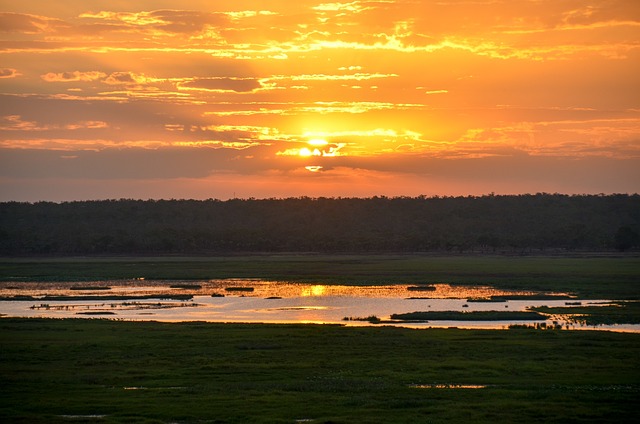
Arnhem Land: Where Restricted Access Is the Feature, Not the Bug Most of Australia’s wilderness is, to varying degrees, accessible. Drive to a park, pay a fee, get out of the car. Arnhem Land is not that. It covers 97,000 square kilometres of the Northern Territory – roughly the size of Portugal – and is Aboriginal-owned land held under perpetual freehold title. You cannot enter...
read more
Brooklyn Bridge
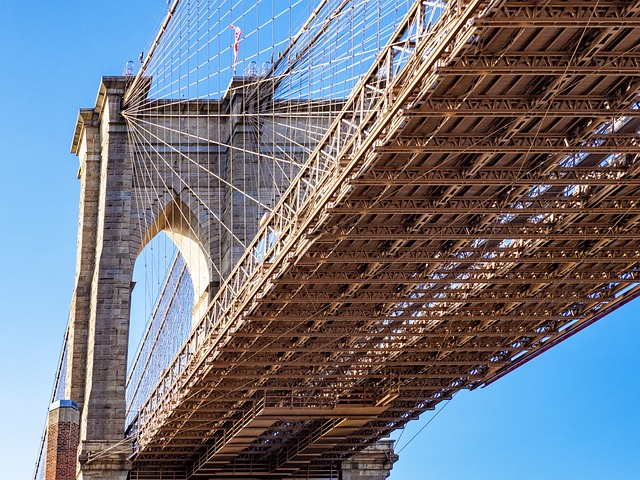
Brooklyn Bridge: A Dead Man’s Work That Changed Engineering John Augustus Roebling, the engineer who designed the Brooklyn Bridge, died before construction began. He was surveying the tower locations in 1869 when a ferry crushed his foot against a dock; he refused amputation, developed tetanus, and died within weeks. His son Washington Roebling took over the project and supervised...
read more
Guggenheim Museum, Bilbao
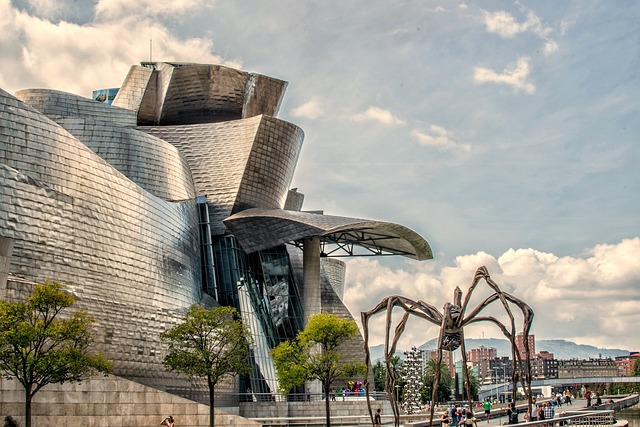
The Guggenheim Bilbao: The Building, the Art, and the City It Changed The Guggenheim Bilbao opened in October 1997 on the south bank of the Nervion River in what had been a derelict industrial zone. Frank Gehry’s design - titanium cladding over a complex curved steel structure, with the building dissolving into the river at one end and stretching under a bridge at the other - was immediately...
read more
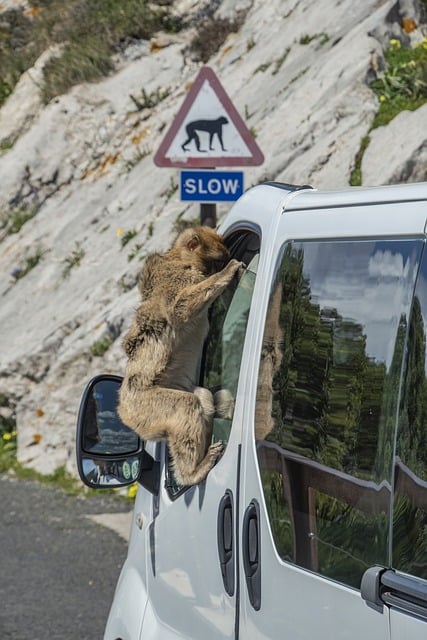
Rock of Gibraltar
The Rock of Gibraltar: Small Territory, Surprising Depth Gibraltar is 6.7 square kilometres of British territory attached to the southern tip of Spain, separated from Morocco by 14 kilometres of sea. It is one of the densest concentrations of historical incidents per square metre in Europe, and most visitors who come for a half-day leave wishing they had stayed longer.
The border with Spain at La...
read more
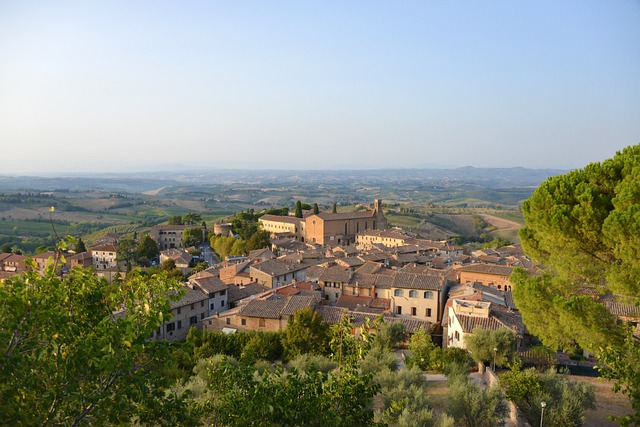
Pienza
Pienza: The Ideal Renaissance Town and Why It Still Works Pienza is a small hilltop town in the Val d’Orcia in Tuscany - population around 2,200 - that was largely rebuilt by Pope Pius II (born Enea Silvio Piccolomini in the village) starting in 1459. Pius II wanted to demonstrate Renaissance civic planning principles in practice: he commissioned the architect Bernardo Rossellino to create...
read more
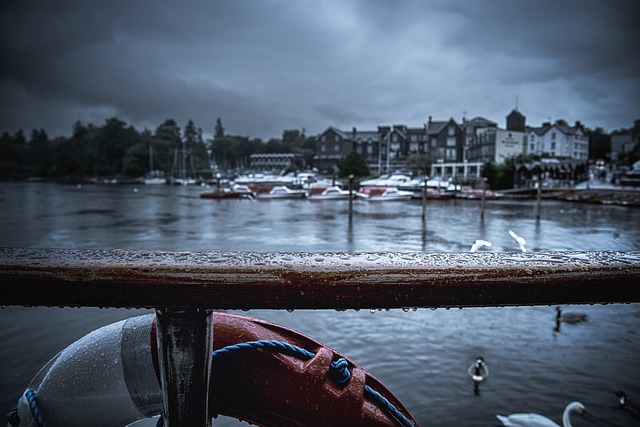
Windermere
Windermere and the Lake District: A Guide That Doesn’t Pretend It’s Not Crowded The Lake District is the most visited national park in the UK, receiving around 20 million visits annually. Windermere is its busiest lake, and Bowness-on-Windermere at its eastern shore is the most tourist-dense settlement in the park. On a July or August bank holiday weekend, the roads into Bowness are at...
read more
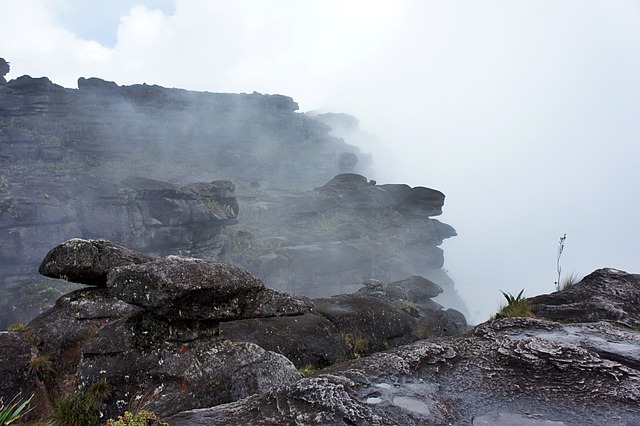
South American Tepuis
South American Tepuis: Mountains That Belong to a Different Era Tepuis are tabletop mountains found across the Guiana Highlands of Venezuela, Guyana, and Brazil. Flat-topped, steep-sided, and geologically ancient, the sandstone formations date back roughly 1.7 billion years, making them among the oldest exposed rock surfaces on the planet. They rise hundreds of metres from surrounding savannah and...
read more
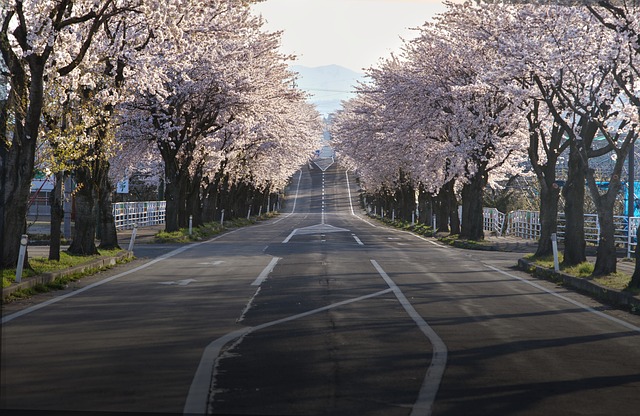
Attend a Cherry Blossom Festival in Japan
The Japan Meteorological Corporation releases sakura forecasts in late January or early February, tracking the progression of the cherry blossom front northward from Kyushu through Honshu to Hokkaido as spring advances. The forecasts are updated weekly, then daily as bloom approaches, and the entire country watches them. Travel agents, hotel booking sites, and rail networks adjust their pricing...
read more
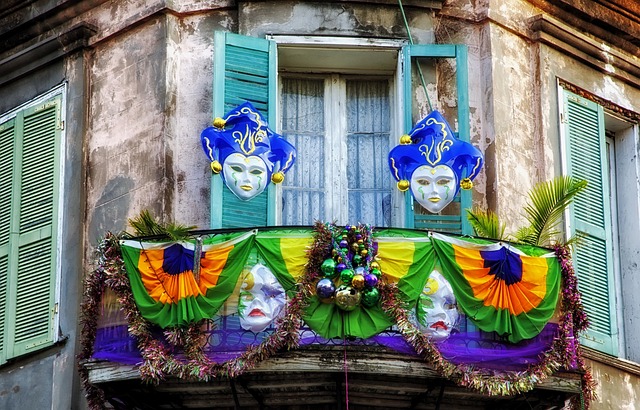
Mardi Gras New Orleans
Mardi Gras in New Orleans: Most People Go for the Wrong Part Mardi Gras is not a party on Bourbon Street. It’s a 12-day season of parades, balls, and neighbourhood events running from the Friday before Ash Wednesday through Fat Tuesday itself. Most first-time visitors arrive for the final weekend - the most crowded, most expensive, most photographed part of the celebration. The people who...
read more
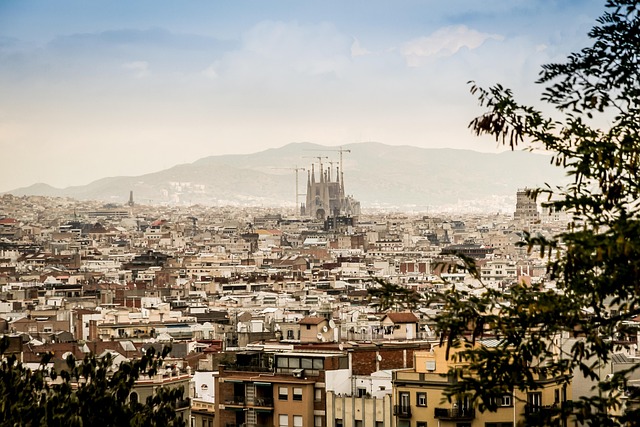
Sagrada Familia
Sagrada Família: Still Under Construction After 140 Years Antoni Gaudí took over the design of the Sagrada Família in 1883, worked on it for 43 years, and was killed by a tram in 1926 when the building was perhaps 25% complete. He is buried in the crypt below. Work has continued since, guided by his models and drawings, many of which were destroyed during the Spanish Civil War and have been partly...
read more
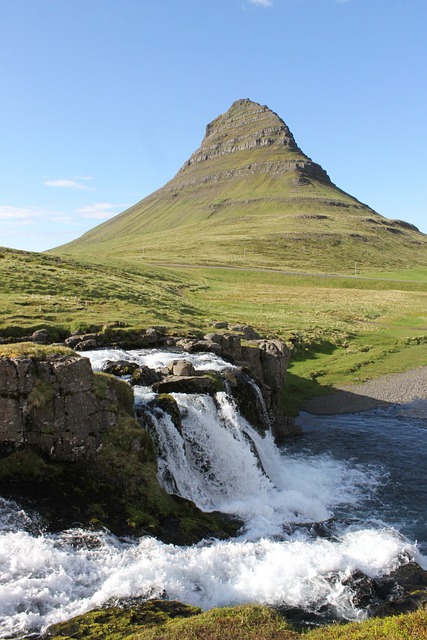
Snaefellsnes
Snaefellsnes: The Peninsula That Most Iceland Visitors Skip The standard Iceland itinerary follows the south coast: Seljalandsfoss, Skogafoss, the glacier lagoon, maybe the Golden Circle. Snaefellsnes, the peninsula jutting 90 km westward from the mainland about 170 km north of Reykjavik, gets skipped by the majority. That leaves it quieter than any comparable Icelandic landscape, and the variety...
read more
Wawel Hill Krak W
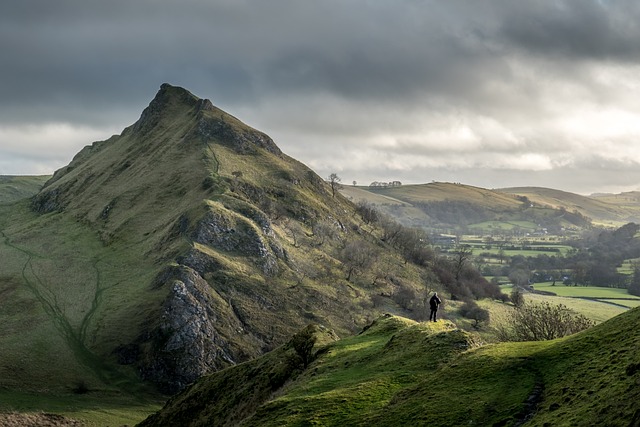
Wawel Hill: The Heart of Polish History Above the Vistula Wawel Cathedral’s Sigismund Bell weighs 11 tonnes and was cast in 1520. It is the largest bell in Poland and one of the largest in Europe. It can only be rung on major national and religious occasions. There is no schedule for visitors to anticipate a ringing; when it happens, the sound carries across Kraków and is reportedly audible...
read more
Kykkos Monastery, Cyprus
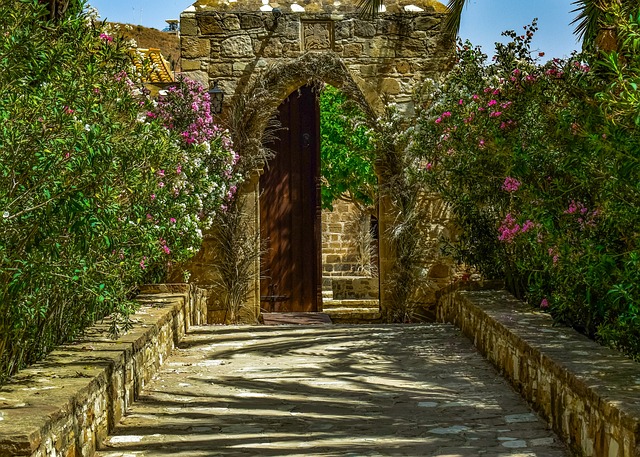
Kykkos Monastery: The Richest Monastery in Cyprus The monks of Kykkos possess an icon of the Virgin Mary that they have never shown to anyone. The icon, attributed to St. Luke and given to the monastery by Byzantine Emperor Alexios I Komnenos around 1100 CE, has been covered in silver-gilt protective covers for so long that no person alive has seen the face beneath them. The covering is considered...
read more
Louisiana Museum of Modern Art
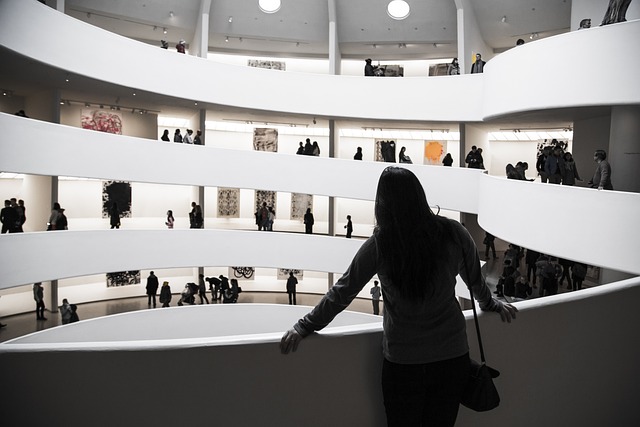
Louisiana Museum of Modern Art: The Best Museum Most Visitors to Copenhagen Miss The Louisiana Museum of Modern Art is not in Louisiana. It is 35 kilometres north of Copenhagen on the Oresund coast, in the small town of Humlebaek. The name comes from three successive owners of the 18th-century country house that preceded the museum, all of whom were named Louise. The museum opened in 1958,...
read more
Split
Split: The Roman Emperor’s Retirement Palace and Everything Else Diocletian built his retirement palace in Split between 295 and 305 AD on the Dalmatian coast, where he planned to spend his final years growing cabbages. He died there in 311 AD. The palace gradually became the city itself as medieval inhabitants moved in and built on top of it. Today roughly 3,000 people live inside the...
read more
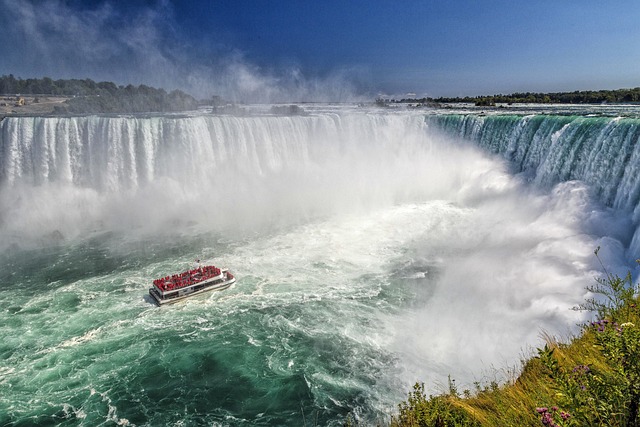
Niagara Falls - Ontario, Canada
Niagara Falls: The Falls Themselves and What’s Actually Worth Your Time There is a persistent argument that the American side of Niagara Falls offers a more “authentic” experience because it’s less commercialised. The argument is wrong. The Canadian side in Ontario gives you the better view – the Horseshoe Falls, by far the largest and most dramatic of the three...
read more

Teatre-Museu Dalí
Teatre-Museu Dalí, Figueres: The Artist as Architect of His Own Legend Salvador Dalí designed this museum himself, which tells you everything about the nature of the experience. It is not a museum in the conventional sense. It is a total environment, conceived as a single artwork, installed in the shell of a 19th-century municipal theatre that burned during the Spanish Civil War and that Dalí took...
read more
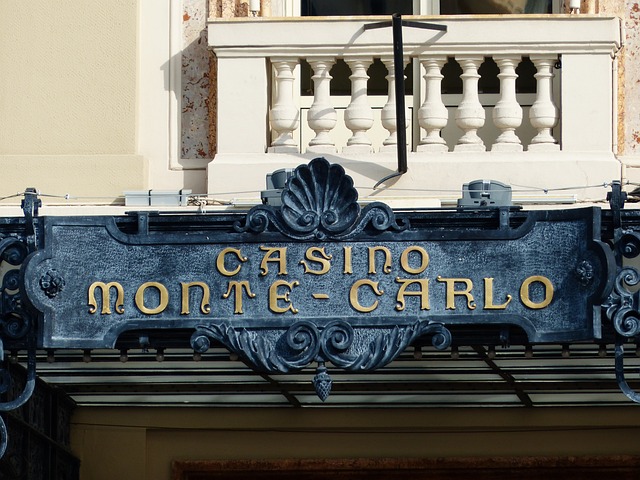
Monte Carlo Casino
Monte Carlo Casino: What to Know Before You Go The Casino de Monte-Carlo was designed by Charles Garnier, the same architect who built the Paris Opera, and completed in 1863. It looks the way it does because Garnier understood exactly what his client needed: an architectural statement of sovereign wealth that would be recognised as such from the moment you approach the Place du Casino. The ornate...
read more
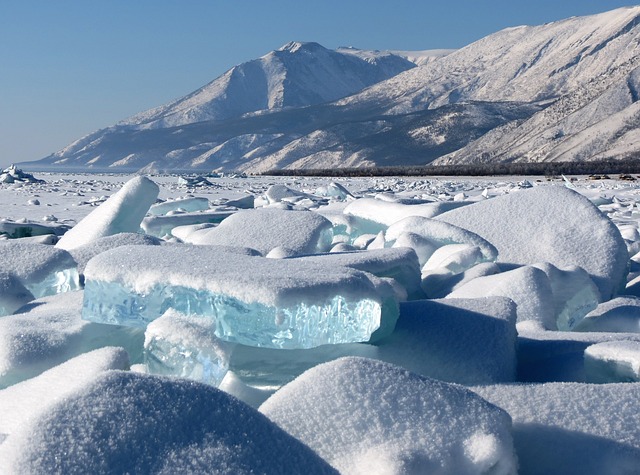
Lake Baikal
Note: As of 2026, travel to Russia requires current research on visa requirements and safety conditions. Check your government’s travel advisory before planning. What follows describes the destination for when conditions make a visit viable.
Lake Baikal: The World’s Deepest Lake and How to See It Properly Lake Baikal is 636 kilometres long, 80 kilometres wide at its broadest, and 1,642...
read more
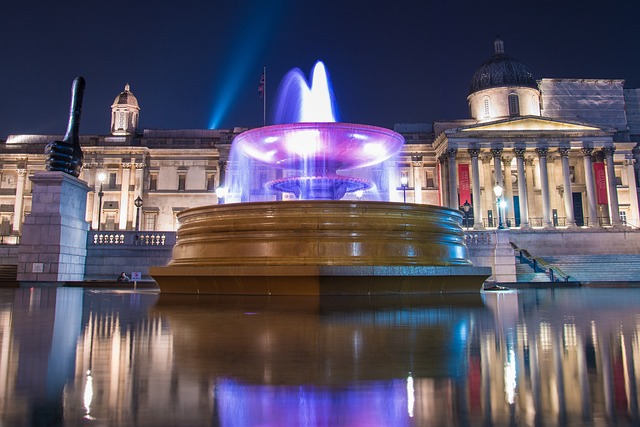
Trafalgar Square
Trafalgar Square: London’s Central Node, Used Correctly Trafalgar Square is not primarily a destination. It is a transit hub, a gathering point, and the geographic centre from which distances in London are officially measured (the point at the head of Charing Cross, at the south side of the square, is the central point for all UK road distances to London). Most visitors stand in the middle...
read more
Queenstown
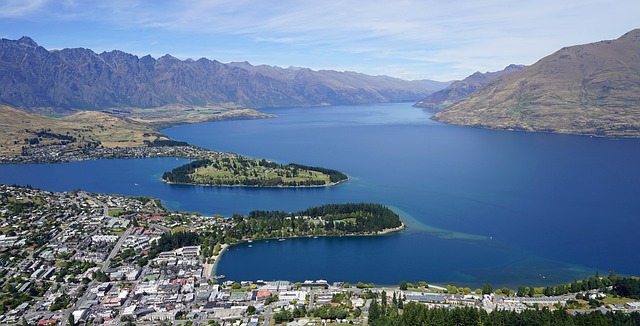
Queenstown: More Than the Adventure Clichés Queenstown gets sold as the adventure capital of the world, and it is. Bungee jumping, skydiving, jet boating, white-water rafting, paragliding: the adrenaline tourism infrastructure here is unmatched in the southern hemisphere. If that’s why you’re coming, you’ll be well served. But the town is also a serious food and wine destination...
read more
Torre De Belém (Belém Tower)
Note: The Torre de Belem is currently closed for restoration as part of Portugal’s Recovery and Resilience Plan. Reopening is expected in 2026 but has not been officially confirmed at time of writing. Check current status before visiting.
Torre de Belem: The Watch Tower at the Edge of the Known World The Torre de Belem was built between 1516 and 1521, commissioned by King Manuel I of...
read more
. Bora Bora
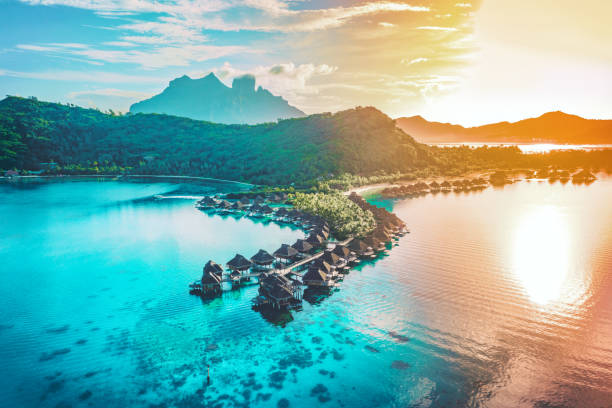
Bora Bora: The Overwater Bungalow Invented Here and the Cost of Getting It The overwater bungalow was pioneered in French Polynesia in the late 1960s by a hotel developer who built a few rooms on stilts above the lagoon at Bora Bora. The idea has since been replicated at hundreds of properties across the Maldives, Fiji, the Caribbean, and Southeast Asia. But Bora Bora remains the original, and the...
read more
Semmering Pass
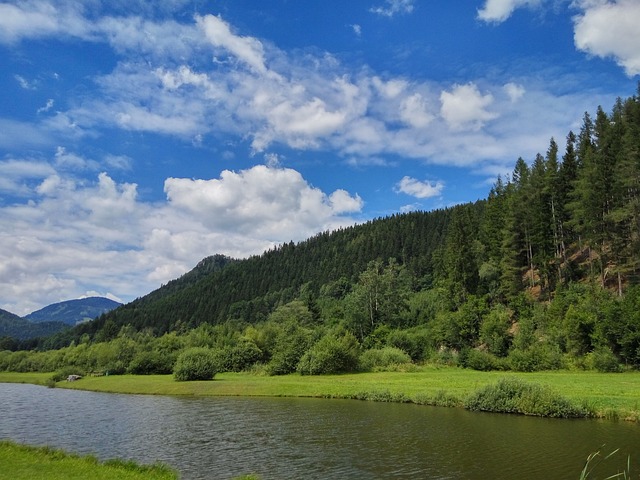
Semmering Pass: The Railway That Changed What Mountains Meant for Engineering The experts said it couldn’t be done. A steam locomotive climbing steep gradients through serious Alpine terrain, in 1854, was considered physically impossible by most of the engineering establishment. Carl Ritter von Ghega proved them wrong, and the Semmeringbahn became the first mountain railway in the world...
read more
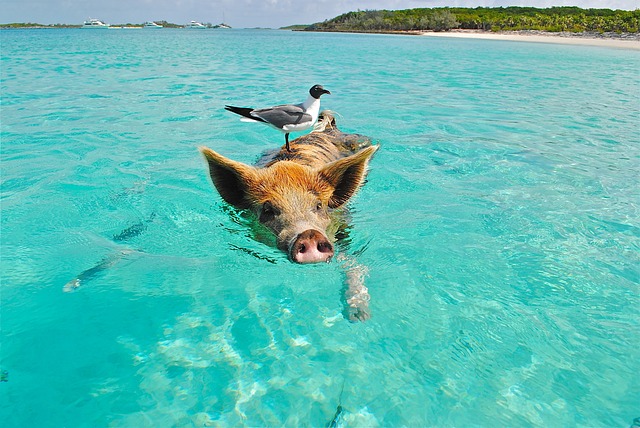
Feed Swimming Pigs in Exuma, the Bahamas.
Swimming Pigs of Exuma: The Island, the Reality, and the Experience Nobody agrees on how they got there. Some say a ship wrecked nearby and the pigs swam ashore. Others say sailors left them on Big Major Cay with plans to come back for dinner and never returned. A third version involves a nearby resort chef who decided the island made a better pig habitat than a kitchen. The origin is genuinely...
read more
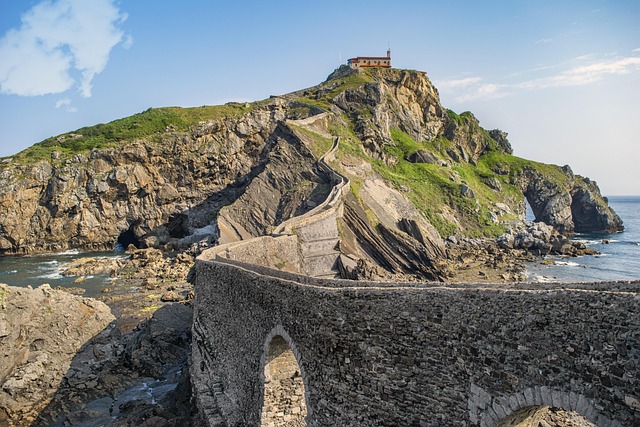
Hermitage
The Hermitage: Three Million Objects and Nowhere Near Enough Time Catherine the Great bought 225 paintings from a Berlin merchant in 1764 to settle a debt, and that transaction is where the Hermitage begins. What followed was two and a half centuries of acquisition on a scale that makes the Louvre look restrained: around 3 million objects total, roughly 70,000 of which are on display at any one...
read more
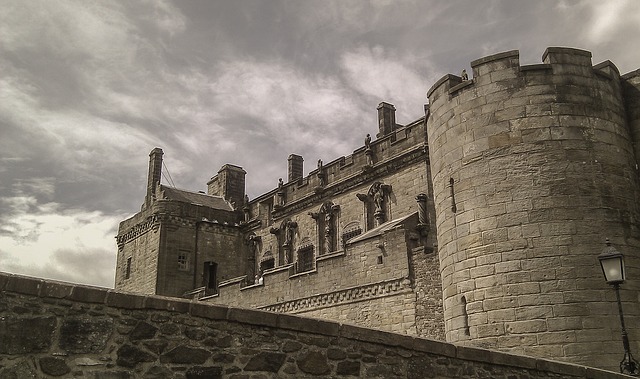
Stirling
Stirling: The Castle, the Monument, and the Bridge Between Them Stirling is the hinge of Scotland. The volcanic crag that the castle sits on stands 75 metres above the River Forth floodplain at the precise point where movement between Scotland’s Highlands and Lowlands has always been forced to pass through a narrow corridor. Control this crag and you control that movement. The castle exists...
read more
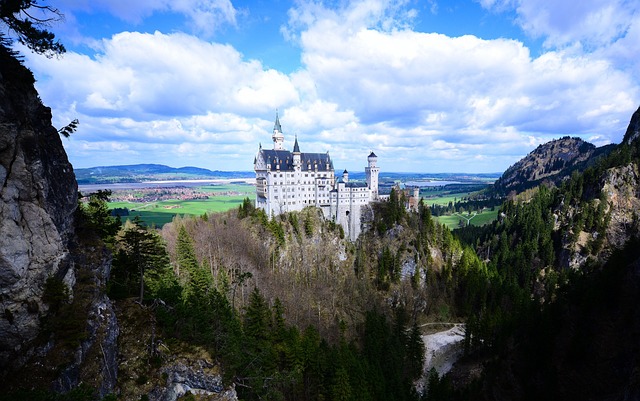
Schloss Neuschwanstein
Neuschwanstein: The Castle That Bankrupted Its Builder and Opened to Tourists 47 Days After His Death Ludwig II of Bavaria occupied Schloss Neuschwanstein for a total of 172 days. He commissioned it in 1869 as a homage to Wagnerian mythology - the throne room alone contains 2.5 million individual mosaic tiles, and the royal bedroom took 14 woodcarvers more than four years to complete. Ludwig died...
read more
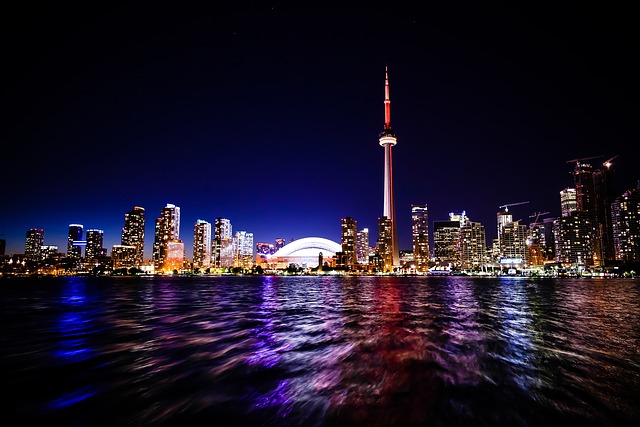
CN Tower
CN Tower: A Practical Guide to Visiting Toronto’s Most Recognisable Structure The CN Tower held the world’s tallest free-standing structure record from 1976 to 2009, when the Burj Khalifa took it. At 553 metres, it remains the tallest in the Western Hemisphere. The views from the observation decks on a clear day are genuinely exceptional: Lake Ontario spreading south, the Toronto grid...
read more
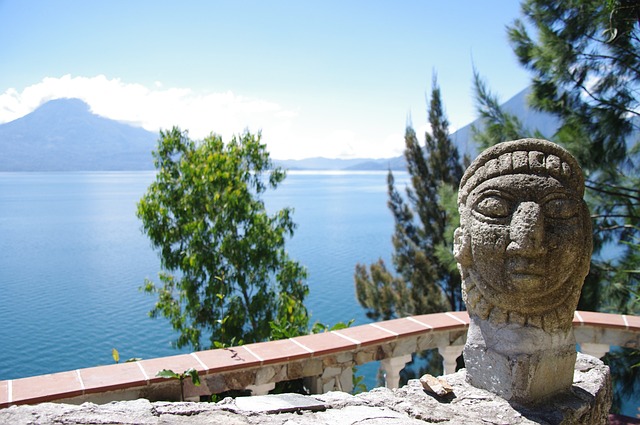
Lago Atitlan, Guatemala
Aldous Huxley called Lake Atitlán “the most beautiful lake in the world” in 1934, and that quote has been in every guidebook about the place ever since. The lake sits at 1,560 metres in the Guatemalan highlands, surrounded by three dormant volcanoes – Atitlán, Tolimán, and San Pedro – and about a dozen Maya villages around its shores. The combination of the dark water, the...
read more
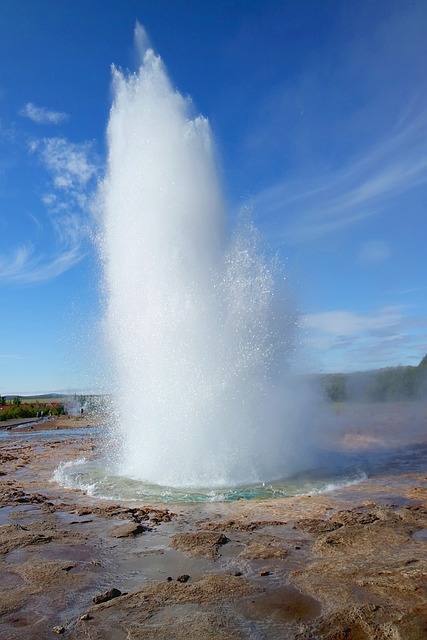
Great Geysir, Iceland
Geysir: The Original Geyser and the Golden Circle Every word form of “geyser” in every language traces back to one Icelandic hot spring: the Great Geysir in the Haukadalur valley in southwestern Iceland. The name comes from the Old Norse “gjósa,” to gush. Geysir has been erupting intermittently for at least 800 years; historical accounts describe columns reaching 80 metres....
read more
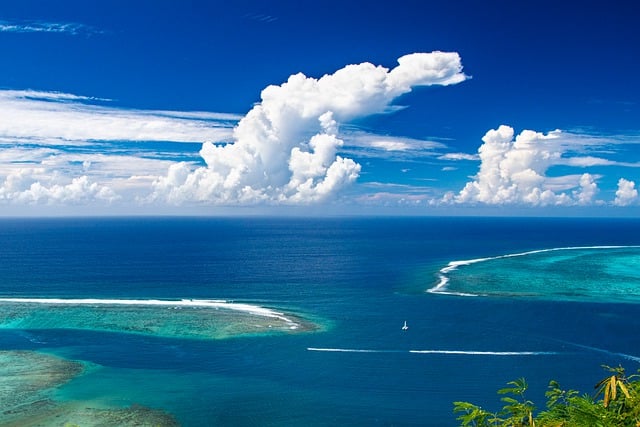
Pacific Islands
Pacific Islands: Which One and Why It Matters “Pacific Islands” covers approximately 25,000 islands scattered across Melanesia, Micronesia, and Polynesia in an ocean larger than all Earth’s landmasses combined. The generic category is useful for travel searches but tells you almost nothing useful. Each archipelago has its own distinct culture, price point, infrastructure, and...
read more
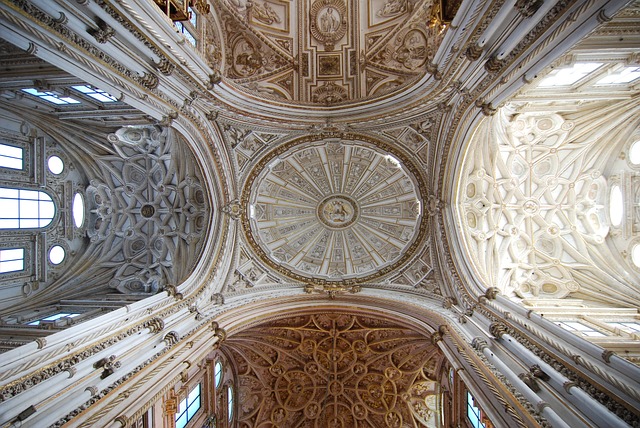
Mezquita of Cordoba
The Mezquita of Cordoba: A Building That Refuses to Be One Thing When Charles V came to Cordoba to inspect what the local diocese had done with the Great Mosque in 1523, inserting a full Gothic cathedral into the centre of it, he reportedly said: “You have destroyed something unique to build something ordinary.” This is the most honest review of the Mezquita-Catedral ever written, and...
read more
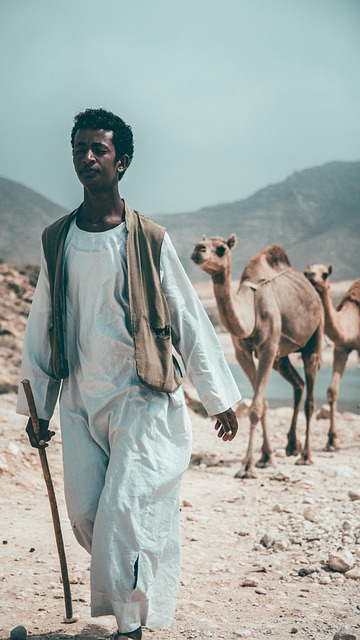
Nizwa Oman
Nizwa: Oman’s Ancient Capital and One of the Country’s Most Rewarding Day Trips Nizwa sits 165km south of Muscat in the Hajar Mountains and was the historical capital of Oman for much of the country’s history, the seat of the Ibadi Islamic imams who held combined religious and temporal authority. It is the most historically significant city in Oman and gives a more complete...
read more
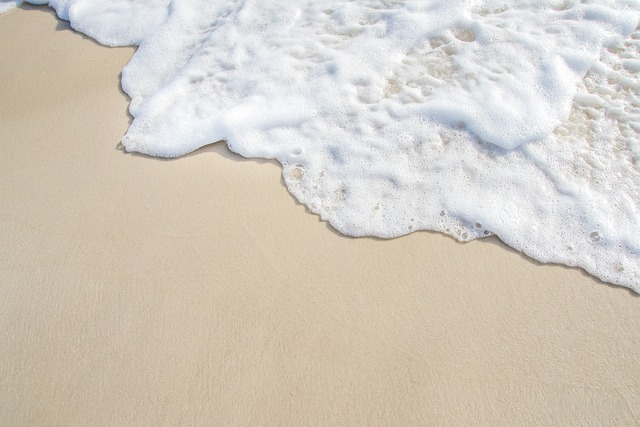
Camber Sands Beach
Camber Sands: The Only Sand Dune Beach in East Sussex Camber Sands does something most English beaches cannot: it looks like the coast of Portugal if you photograph it right. The dune system reaches 30 metres high in places, the sand is proper soft beach sand rather than the shingle that dominates the Kent and Sussex coastlines, and at low tide the sea retreats far enough that the beach triples in...
read more
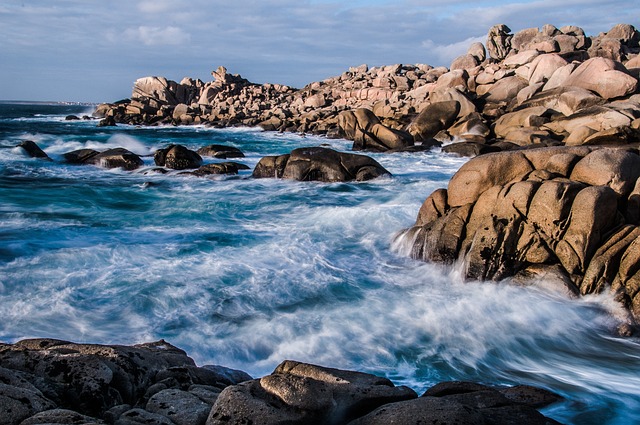
Rock Formations in Salta Province, Argentina.
Salta Province: Northwest Argentina’s Geological Spectacle In 1999, archaeologists found three perfectly mummified Inca children on the summit of Cerro Llullaillaco in Salta Province, at 6,739 metres. They had been sacrificed approximately 500 years earlier as part of the capacocha ritual – left with food, clothing, and offerings at the highest altitude Inca ceremonial site ever...
read more
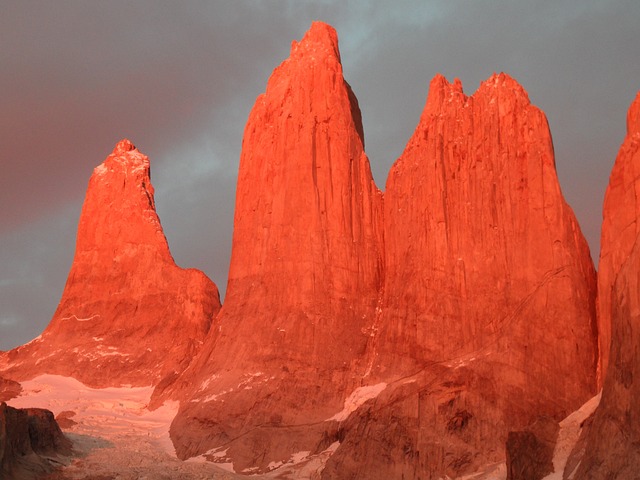
Torres Del Paine
Torres del Paine: The Logistics Are Worth It Torres del Paine National Park sits about 2,000km south of Santiago in Chilean Patagonia, and reaching it requires a connection to Punta Arenas or Puerto Natales and then road travel into the park. All of that is true. It is also one of the most extraordinary landscapes in the Southern Hemisphere, and the difficulty of getting there is part of what...
read more